
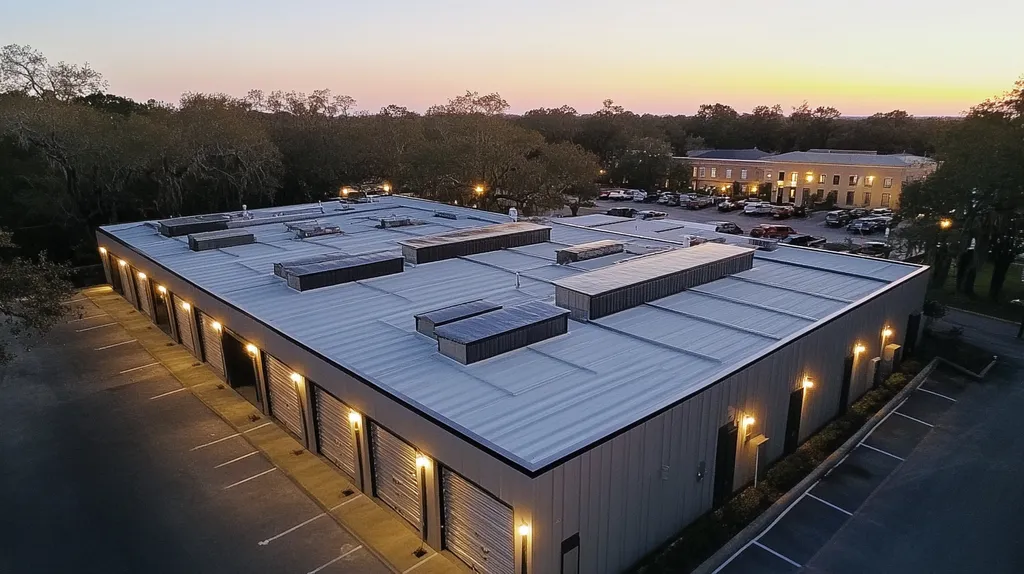
Commercial property owners lose an estimated $5 billion annually due to inefficient roof designs, with improper slope being a primary culprit. Studies show that optimizing roof slope alone can reduce energy costs by up to 30%.
As energy prices continue to rise, understanding how roof slope affects building efficiency has become critical for facility managers and property owners. This comprehensive guide examines the crucial relationship between roof slope and energy consumption.
From fundamental concepts to advanced optimization strategies, readers will discover how proper slope management can dramatically improve building performance while reducing operational costs.
SECTION 1: FUNDAMENTAL CONCEPTS
Understanding how roof slope impacts energy efficiency is crucial for commercial property owners. A roof that is poorly designed can lead to significantly higher heating and cooling costs—up to 20% more, according to the U.S. Department of Energy. This section focuses on key elements of roof slope, including thermal resistance, solar reflectance, and the considerations based on local climate.
Understanding Roof Slope and Energy Efficiency
Roof slope refers to the angle at which the roof is pitched in relation to a flat plane. This angle plays a significant role in how effectively water drains and how well air circulates within a building. While a steep slope can enhance drainage capabilities, it may also restrict insulation options, potentially hindering overall energy efficiency.
On the other hand, low-slope roofs provide ample insulation opportunities and can incorporate energy-efficient technologies, such as rooftop gardens or solar panels. However, they demand diligent drainage management to prevent water accumulation that could lead to leaks and inflated energy costs.
When selecting the ideal slope, several factors need to be considered, including the building’s intended use, geographic location, and local climate. For example, warehouses in sunny climates might benefit from a steeper roof to lower heating costs, while manufacturing facilities may require low-slope designs to house heavy equipment.
A well-considered slope not only improves functionality but can also enhance a building’s aesthetic appeal, potentially increasing its overall market value. Understanding these factors is essential in making informed roofing decisions that align with energy efficiency objectives.
Thermal Resistance and Solar Reflectance
Thermal resistance, commonly referred to as R-value, quantifies a roof’s effectiveness at resisting heat transfer. A higher R-value indicates superior insulation, directly influencing energy consumption. Combining high thermal resistance with an appropriate roof slope can dramatically lower heating and cooling expenses, optimizing energy efficiency.
Another crucial factor is solar reflectance, which measures a roof’s ability to reflect sunlight. A roof with high reflectance helps maintain cooler interior temperatures in the summer, thereby reducing air conditioning costs. The slope of a roof affects how much sunlight it captures, thus influencing its reflective capacity.
For example, a light-colored flat roof in a warmer climate excels in solar reflectance, while a darker, steeper roof tends to absorb more heat, raising cooling demands. Property owners should prioritize both thermal resistance and solar reflectance when selecting roofing materials to achieve maximum energy efficiency.
Integrating materials that exhibit high R-values with excellent solar reflectance alongside the appropriate roof slope can result in substantial energy savings—demonstrating the vital connection between slope management and energy efficiency.
Climate-Specific Considerations
To achieve optimal energy efficiency, roof slope must be designed with local climate conditions in mind. For example, regions that experience heavy snowfall benefit from steeper slopes to facilitate effective snow shedding. Accumulated snow on a flat roof can contribute to excess weight and heat loss, possibly leading to structural problems and increased energy needs.
Conversely, in areas plagued by extreme heat, a lower slope combined with reflective materials is advantageous. This combination helps minimize heat absorption, therefore lowering cooling demands. Understanding local climate intricacies is crucial for determining the most effective roof slope design.
Additionally, adequate ventilation is a key element, irrespective of the slope type. Sufficient airflow can help manage temperatures and moisture levels within the roofing system, further enhancing energy performance. Property owners should review local building codes and design guidelines to ensure their roof slope is optimized for energy efficiency.
In summary, aligning roof slope design with climate-specific factors can significantly boost energy conservation and overall building performance, reducing operational costs and extending the roof’s lifespan.
SECTION 2: SYSTEM COMPONENTS
The efficiency of a commercial roof is not just a matter of design; it significantly influences energy consumption and overall sustainability. Buildings account for nearly 40% of the nation’s energy use, so choosing the right roofing materials and managing essential system components is crucial. A focused approach to energy-efficient roofing, insulation, and ventilation can lead to meaningful reductions in energy expenses, making it essential for property owners and facility managers to prioritize these components.
Selecting Energy-Efficient Roofing Materials
The choice of roofing material is a key factor in maximizing energy efficiency. Reflective options, such as cool roofs, are designed to minimize heat absorption, which can significantly lower cooling costs during the hotter months. Conversely, darker materials often trap heat, leading to increased energy demands.
Single-ply membranes, metal roofs, and green roofing systems stand out as excellent energy-efficient materials. These options not only provide durability but also enhance insulation properties, leading to reduced energy expenditures.
Furthermore, selecting materials with high R-values helps to limit heat transfer, boosting the overall performance of the building. A well-designed roofing system acts as a thermal barrier, ensuring stable interior temperatures and lessening the burden on HVAC systems.
Ultimately, prioritizing energy-efficient materials can have a direct and positive impact on financial savings, underlining the importance of informed decision-making when designing a roofing system.
Role of Insulation in Slope Management
Insulation plays an essential role in optimizing the slope of a commercial roof for improved energy efficiency. Choosing the right thickness enhances thermal performance, thereby reducing energy loss through the building envelope. This strategy helps diminish reliance on heating and cooling systems, thus lowering energy bills.
Integrated insulation systems are beneficial for preventing condensation and ensuring proper drainage, which is vital for maintaining roof integrity. Well-insulated roofs enhance energy efficiency while also extending the lifespan of the roofing system.
In urban environments, where buildings are closely packed, utilizing high R-value insulation materials can mitigate the heat island effect. This offers both environmental benefits and substantial cost savings.
In summary, implementing effective insulation strategies is crucial for achieving sustainable roofing practices, making it a cornerstone of energy-efficient design.
Ventilation and Drainage Systems
Ventilation and drainage systems are often underestimated, yet they play a fundamental role in managing energy efficiency in commercial roofs. Proper ventilation minimizes heat buildup, reducing the need for air conditioning during warmer months. A well-ventilated roof allows for balanced airflow, which is essential for maintaining temperature and energy efficiency.
Neglecting effective drainage can lead to standing water, increasing the risk of leaks and causing structural damage. Optimally designed drainage systems prevent these issues while enhancing the durability and stability of roofing materials.
Incorporating both ventilation and drainage promotes operational efficiency and helps keep energy costs low. Moreover, these systems contribute to the overall health of the building, reducing the risk of mold and moisture problems.
A comprehensive approach to ventilation and drainage not only supports energy efficiency but also protects the investment made in the property.
SECTION 3: IMPLEMENTATION METHODS
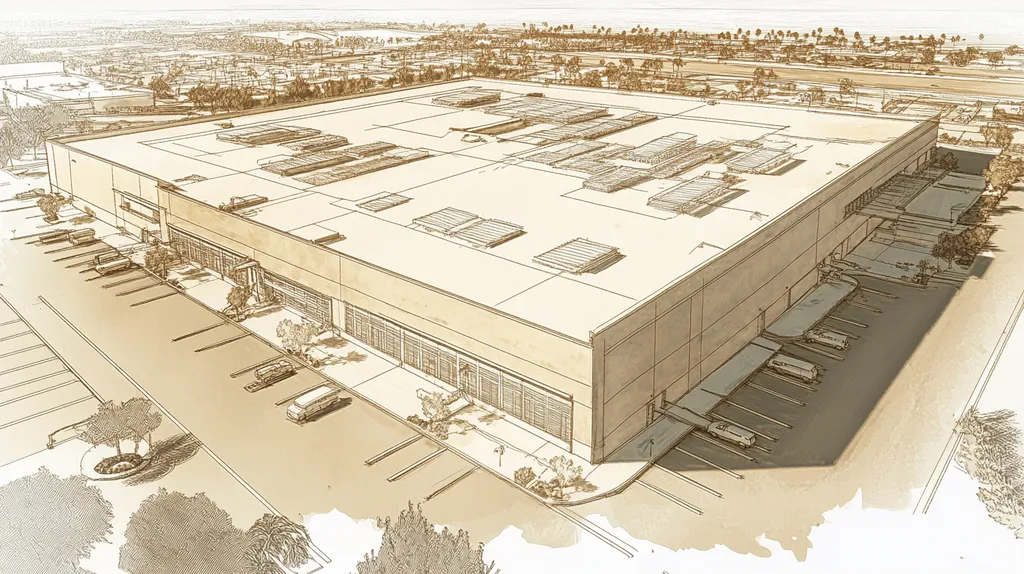
Effective slope management in commercial roofing is not just beneficial; it is essential for maximizing energy efficiency. Research shows that poorly sloped roofs can incur energy costs as high as 30% more due to excessive heat accumulation. Therefore, property owners and facility managers must prioritize slope design and implementation to protect their investments while significantly enhancing energy savings. This section outlines methods for optimal slope design, the use of reflective coatings, and the integration of green roofs and solar systems.
Designing Slopes for Optimal Energy Efficiency
The angle of a roof is a critical factor in how effectively it drains water and performs thermally. A well-crafted slope ensures efficient runoff, preventing moisture buildup that can damage both the roof and the building’s interior while wasting energy. For most commercial roofs, a slight slope of 1% to 2% is recommended, which facilitates proper drainage and better attic ventilation.
Strategically designed slopes can also optimize sunlight exposure, reducing the need for artificial lighting, thus lowering electricity costs. Incorporating pitched elements can create more opportunities for effective insulation, leading to even greater energy savings.
Property owners should engage with roofing professionals to assess current roof orientations and identify areas for potential slope improvements. Proper outlet design is another consideration that can enhance drainage and slope functionality.
Additionally, choosing building materials that work harmoniously with the slope design can elevate both the aesthetics and effectiveness of the roof, contributing to a more durable roofing solution. By emphasizing slope design, property owners can have a significant positive impact on energy efficiency and overall building performance.
Installing Reflective Roof Coatings
Implementing reflective roof coatings is a proven strategy to mitigate heat absorption and enhance energy savings for commercial properties. These coatings work by reflecting sunlight, thereby reducing heat buildup and lowering the demand for air conditioning. Statistics indicate that reflective roofs can cut cooling costs by up to 30% during peak summer months.
One of the key benefits of reflective coatings is their versatility; they can be applied to various roofing materials to enhance energy efficiency. Property managers should opt for coatings with high Solar Reflectance Index (SRI) values to ensure the best possible outcomes for energy performance.
Furthermore, reflective coatings contribute to roof longevity by shielding materials from damaging UV rays. This dual advantage not only provides immediate energy savings but also delays the need for costly roof replacements.
To maximize benefits, timely installation of reflective coatings should be prioritized. Collaborating with specialists on proper application techniques can ensure optimal performance and durability for the life of the roof.
Integrating Green Roofs and Solar Systems
The integration of green roofs and solar systems represents a forward-thinking approach to boosting a commercial building’s energy efficiency. Green roofs offer natural insulation and foster biodiversity, along with improving air quality. Research shows that buildings with green roofs can see energy savings of up to 25% because of decreased heat transfer.
Solar systems harness renewable energy, significantly reducing reliance on conventional energy sources. When paired with appropriately sloped roofs, solar panels can capture maximum sun exposure, which is essential for their performance and energy output.
This combination creates a synergistic relationship: green roofs regulate building temperatures while solar systems help offset energy costs. By implementing both features, property owners can enjoy substantial benefits in energy savings and environmental stewardship.
Engaging experts to assess existing roofs for green or solar integration is a wise move. A proactive approach can yield significant long-term savings and enhance the property’s functional value, making it a smart investment in sustainable energy practices.
SECTION 4: MAINTENANCE REQUIREMENTS
Ignoring the maintenance of a commercial roof can lead to serious energy losses and costly repairs. Studies indicate that a well-maintained roof can enhance energy efficiency by as much as 20%. Regular upkeep is essential not only to maximize the benefits of slope but also to prevent long-term issues that could jeopardize the roof’s performance. This section emphasizes the crucial role of inspections, the management of environmental factors, and necessary updates for roofing sustainability.
Regular Inspections and Repairs
Conducting regular inspections is vital for keeping a sloped roof functioning efficiently. It’s recommended to perform these inspections at least twice a year, in the spring and fall, to proactively identify any emerging issues. Early detection of problems such as cracks, blisters, or loose shingles can prevent them from escalating into costly repairs.
A qualified roofing professional can spot wear and tear that may impede proper drainage, a key concern for sloped roofs where standing water can lead to accelerated deterioration. Prompt repairs not only extend the lifespan of the roof but also sustain its ability to save energy.
Maintaining documented logs of inspections and repairs can help property owners monitor trends and anticipate future costs. Facility managers ought to keep these records updated, as they provide invaluable insights for budgeting and resource allocation. An organized maintenance schedule aids in effective planning and cost control.
By collaborating with a skilled roofing contractor, property owners can receive tailored recommendations suited to their roof type and slope. This partnership facilitates targeted repairs, enhancing energy performance by addressing specific vulnerabilities within the roofing system.
Managing Moisture and Heat Buildup
Managing moisture buildup is essential for the longevity and efficiency of sloped roofs. Accumulated moisture can lead to mold growth and significant structural damage. Therefore, property owners should prioritize effective drainage systems to prevent water retention, as this can severely compromise energy efficiency.
Heat buildup presents another critical challenge affecting energy consumption. Applying roof coatings specifically designed to minimize heat absorption can noticeably enhance a roof’s energy efficiency. Reflective materials not only reduce cooling costs but also extend the lifespan of the underlying roofing materials.
In addition, ensuring proper ventilation is crucial. It allows proper air circulation, reducing humidity levels within the roofing system. Installing ridge vents and soffit vents enhances airflow, lowering the risk of thermal bridging, which can impact heating and cooling efficiency.
Utilizing integrated approaches to moisture and heat management offers comprehensive benefits. These combined strategies can result in lower energy costs while preserving the roof’s integrity, ultimately leading to improved overall performance.
Updating and Retrofitting Existing Roofs
Updating or retrofitting existing roofs can lead to substantial gains in energy efficiency. Evaluating current roof designs and systems for compliance with modern energy standards can result in better performance. Property owners should consider whether their existing roofs meet the latest energy efficiency requirements.
Incorporating energy-efficient materials is a key aspect of any retrofit project. Advanced insulation combined with reflective roofing membranes significantly improves thermal performance, contributing to overall energy savings. Upgrading existing systems typically reduces long-term utility expenses as well.
As building codes and regulations continually evolve, facility managers must stay informed about the latest requirements. Compliance with new energy efficiency standards may necessitate updates to older roofing structures. Failing to adapt could lead to penalties or increased operational costs.
Moreover, adopting sustainability-focused retrofits can enhance a property’s market value. With more tenants and buyers prioritizing energy efficiency, roofs that demonstrate a commitment to sustainable practices become highly desirable assets.
SECTION 5: PERFORMANCE METRICS
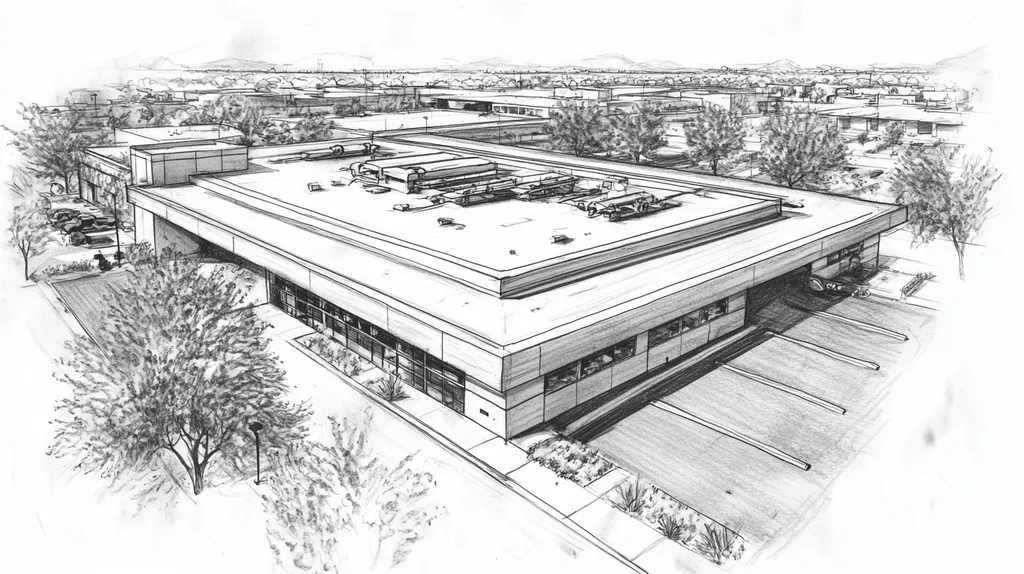
Understanding how the slope of a commercial roof influences energy efficiency is vital for property owners and facility managers. Improper roof slopes can lead to increased energy costs and ineffective thermal management. Research indicates that a well-optimized roof slope can cut energy expenses by up to 30% annually compared to poorly designed slopes. This section delves into the essential performance metrics that quantify energy savings, track environmental conditions, and evaluate the overall impact of roofing choices.
Measuring Energy Savings and Costs
Quantifying energy savings begins with analyzing energy consumption patterns. An optimally sloped roof can significantly boost heating and cooling efficiency. Properly designed slopes enhance drainage, reducing moisture retention and lowering HVAC operation costs.
Utilizing energy modeling software can provide insights into energy performance based on roof types and slopes. By establishing a baseline with existing energy bills, property owners can track the financial gains of energy-efficient roofing choices. This measurement allows for a straightforward comparison of costs before and after installation.
Moreover, local utility incentives are available for energy-efficient upgrades, promoting further cost savings. Facilities implementing energy-saving practices may also experience reduced insurance premiums due to lower damage risks.
Overall, accurately quantifying energy savings demands systematic tracking methods, empowering stakeholders to make informed decisions grounded in financial performance data.
Monitoring Temperature and Humidity
Temperature and humidity play critical roles influenced by roof design. A slope that promotes effective drainage can lower surface temperatures, which minimizes cooling demand by reflecting heat. Installing sensors on roofs can provide real-time data on temperature fluctuations and moisture levels.
Continuous monitoring equips facility managers to address potential issues proactively. For instance, elevated internal temperatures during summer could indicate poor ventilation or insulation, necessitating immediate review. Additionally, optimal humidity levels are essential for preventing mold growth, thus protecting health and reducing maintenance expenses.
Data analytics can significantly enhance indoor climate management. By analyzing temperature and humidity insights, adjustments can be made to improve energy efficiency, leading to healthier indoor spaces and overall enhanced building performance.
Hence, regular monitoring of temperature and humidity is crucial for maximizing the advantages of roof slope design.
Assessing Environmental Impact
Roofing decisions greatly influence the environment. Poorly designed slopes may cause water pooling, resulting in increased runoff and potential local flooding. Conversely, appropriately sloped roofs ensure effective rainwater drainage, which is essential for sustainable building practices.
Utilizing energy-efficient roofing materials that align with sloped designs can further mitigate a building’s carbon footprint. For example, reflective membranes lower heat absorption, helping to counteract the urban heat island effect while improving air quality.
Evaluating the environmental impact also necessitates awareness of local regulations and green building certifications. Facilities aiming for LEED certification must document energy savings, linking them to specific roofing choices. This enhances not only marketability but also showcases corporate responsibility.
In summary, the environmental consequences of roofing decisions underscore the importance of slope management in promoting sustainability while also maximizing energy efficiency.
SECTION 5: PERFORMANCE METRICS
Understanding how the slope of a commercial roof influences energy efficiency is essential for property owners and facility managers. A poorly designed roof slope can significantly increase energy costs and hinder proper thermal management. For example, studies indicate that an optimally designed roof slope can lead to savings of up to 30% in energy expenses each year compared to inadequately sloped roofs. This section highlights the performance metrics needed to measure energy savings, monitor environmental conditions, and evaluate the overall impact of roofing decisions.
Measuring Energy Savings and Costs
Quantifying energy savings begins with analyzing energy consumption patterns to identify inefficiencies. Implementing a roof with an optimal slope can greatly improve heating and cooling performance. For example, a properly sloped roof enhances drainage and reduces moisture buildup, leading to lower HVAC operating costs.
Using energy modeling software allows property owners to simulate energy performance based on different roof types and slopes. By establishing a baseline using current energy bills, they can track the financial impact of energy-efficient roofing choices. This straightforward measurement facilitates comparison of costs before and after roofing installation.
Additionally, local utility incentives can provide substantial cost savings for energy-efficient upgrades. Facilities that embrace energy-saving initiatives may also notice lower insurance premiums due to a reduced risk of property damage.
In summary, effective tracking methods are essential for quantifying energy savings, empowering stakeholders to make informed decisions rooted in accurate financial data.
Monitoring Temperature and Humidity
Temperature and humidity are vital factors influenced by roof design and slope. A slope that encourages efficient drainage can lower surface temperatures, minimizing cooling demand by reflecting excess heat. Equipping roofs with sensors can yield real-time data on temperature variations and moisture levels.
This continuous monitoring enables facility managers to tackle potential issues proactively. For instance, unusually high internal temperatures during summer may indicate ventilation or insulation problems, warranting immediate review. Moreover, maintaining optimal humidity levels is crucial for preventing mold growth, thereby safeguarding building occupants’ health and reducing maintenance costs.
Data analytics can significantly enhance indoor climate management. By analyzing gathered temperature and humidity data, adjustments can be made to optimize energy efficiency, leading to healthier indoor environments and improved overall building performance.
As such, regular monitoring of temperature and humidity is essential for fully realizing the advantages of well-designed roof slopes.
Assessing Environmental Impact
Roofing decisions have substantial environmental implications as well. Poorly designed slopes may lead to water pooling, increasing runoff and perpetuating local flooding. In contrast, roofs with appropriate slopes facilitate effective drainage, making them crucial for sustainable construction practices.
Choosing energy-efficient roofing materials that align with sloped designs further reduces a building’s carbon footprint. For instance, reflective membranes minimize heat absorption, directly addressing the urban heat island effect, while enhancing air quality.
Assessing environmental impact also means staying informed about local regulations and green building certifications. For facilities pursuing LEED certification, documenting energy savings linked to roofing decisions is essential. This not only boosts marketability but also demonstrates corporate responsibility.
In conclusion, the environmental consequences of roofing choices highlight the importance of slope management in ensuring sustainability while maximizing energy efficiency.
The Bottom Line
With energy costs rising by an average of 4% annually, proper roof slope management has never been more crucial for commercial properties.
Studies conclusively show that optimized roof slopes can reduce energy expenses by 20-30%, translating to tens of thousands in annual savings for typical commercial buildings.
The integration of proper slope design with modern materials, regular maintenance protocols, and performance monitoring creates a comprehensive approach to energy efficiency that delivers measurable results.
As environmental regulations tighten and utility costs continue climbing, property owners who fail to optimize their roof slopes risk significant financial exposure and decreased property values.
The time to act is now – implementing proper slope management isn’t just about immediate savings, it’s about ensuring long-term building sustainability and operational efficiency.
FREQUENTLY ASKED QUESTIONS
Q. How does a commercial roof’s slope impact energy efficiency?
A. The slope affects water drainage and air circulation, influencing heating and cooling costs. A well-designed slope minimizes moisture buildup, enhances thermal performance, and can lead to significant energy savings up to 20% as per industry findings.
Q. What materials should I choose for my industrial roof?
A. Opt for energy-efficient materials like reflective membranes or green roofs. These options enhance insulation while minimizing heat absorption, which significantly lowers energy costs and prolongs roof lifespan.
Q. How can I design slopes for optimal energy efficiency?
A. Implement a minimum slope of 1% to 2% to ensure effective drainage. This prevents moisture buildup and enhances ventilation, leading to better thermal efficiency and reduced energy requirements.
Q. What are the maintenance requirements for a commercial roof?
A. Perform inspections at least twice a year to identify issues early. Address cracks or flashing problems promptly to retain energy efficiency and extend the roof’s service life.
Q. How do I measure energy savings from my commercial roof?
A. Track energy consumption patterns using energy modeling software. Establish a baseline from current bills to compare against energy-efficient upgrades, effectively quantifying savings over time.
Q. How can I monitor temperature and humidity in my industrial roof?
A. Install sensors to gather real-time data on temperature and humidity levels. This allows for timely adjustments, ensuring both energy efficiency and a healthy indoor environment.
Q. What role does roof slope play in sustainability practices?
A. Proper roof slope ensures effective water drainage, reducing runoff and aiding in environmental conservation. Choosing sustainable materials in alignment with slope design can greatly decrease a building’s carbon footprint.






