
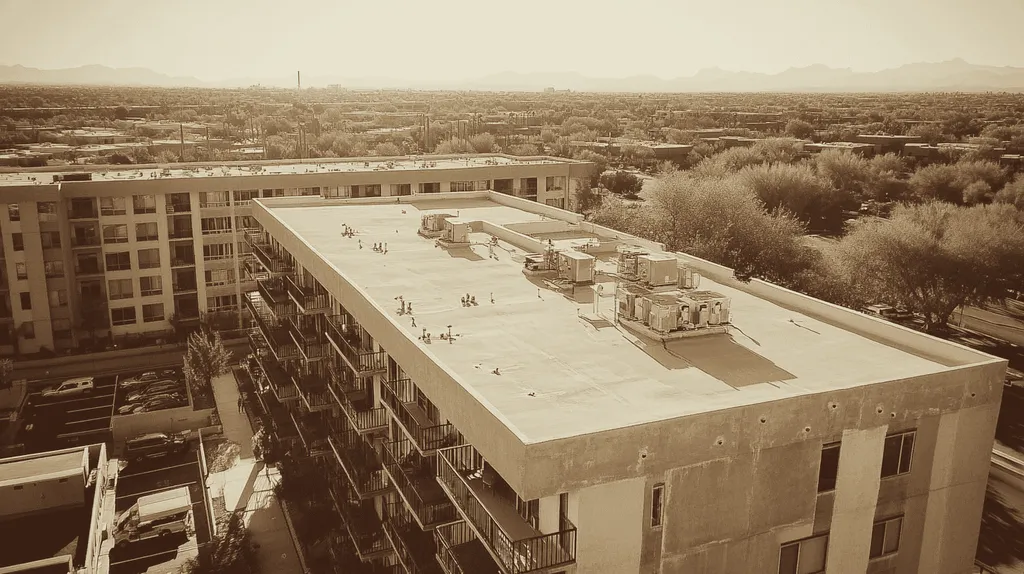
Welcome to today’s Battle Royale featuring two roofing heavyweights: “TPO” in the east corner versus “PVC” in the west!
Tonight’s showdown pits these contenders against each other across six punishing rounds designed to test every aspect of their performance for Commercial Roof Lifespan.
At stake? Millions in potential costs, decades of building protection, and the critical performance demands of modern commercial and industrial facilities.
Our professional judging panel will evaluate each round on technical merit, real-world performance, and value delivery. After all six rounds, we’ll declare our ultimate champion.
Ladies and gentlemen, facility managers and building owners… it’s time to rumble!
ROUND 1: INITIAL COSTS & INSTALLATION
In today’s volatile construction market, choosing between TPO and PVC roofing systems represents a critical financial decision for commercial property owners. With material costs fluctuating up to 30% annually and labor rates continuing to climb, the initial investment can significantly impact both immediate budgets and long-term facility operations.
Understanding the nuances of costs, installation requirements, and project timelines becomes essential for making informed decisions that align with both immediate budget constraints and long-term facility goals.
Material Expenses
Material costs represent one of the most significant portions of any commercial roofing project, often accounting for 40-60% of the total investment. Current market conditions have pushed these expenses even higher, making cost-effectiveness a primary consideration for property owners.
TPO membranes typically cost 15-25% less per square foot than comparable PVC options. This price advantage stems from simpler manufacturing processes and lower raw material costs, making TPO an attractive option for budget-conscious projects.
PVC membranes command premium pricing due to their enhanced chemical formulation and more complex manufacturing requirements. While the higher cost reflects superior chemical resistance and durability, it can strain initial project budgets.
In the material expenses category, TPO holds a clear ADVANTAGE due to its significant cost savings without compromising essential performance characteristics.
Installation Complexity
Installation procedures directly impact labor costs and project success rates. The complexity of installation can affect not only initial expenses but also the long-term performance of the roofing system.
TPO installations benefit from straightforward welding processes and lighter material weight. These characteristics reduce the technical expertise required and allow for more efficient handling during installation.
PVC installations demand more specialized skills, particularly in seam welding and detail work around penetrations. The material’s higher rigidity can also make it more challenging to work with, especially in complex roof geometries.
Given its simpler installation requirements and lower technical barriers, TPO gains another ADVANTAGE in this category.
Project Timeline
Project duration directly affects business operations and overall costs. Extended installation periods can disrupt normal business activities and increase indirect expenses like temporary protection and facility access limitations.
TPO installations typically progress 20-30% faster than PVC projects due to simpler handling characteristics and less demanding welding requirements. This efficiency translates to reduced disruption for facility operations and lower labor costs.
PVC installations generally require more time due to precise welding specifications and additional quality control measures. While these steps contribute to long-term performance, they extend the overall project timeline.
The significant time savings and operational benefits give TPO the ADVANTAGE in project timeline considerations.
ROUND 1 WINNER: TPO
ROUND 2: DURABILITY & LIFESPAN
When evaluating commercial roofing systems, durability and lifespan directly impact a facility’s bottom line. A premature roof failure can cost organizations millions in repairs, inventory damage, and business interruption.
The difference between a roof that lasts 15 years versus 25+ years can represent hundreds of thousands in avoided replacement costs. Understanding how TPO and PVC membranes perform over time is crucial for making cost-effective decisions.
Material Integrity
The chemical composition and manufacturing process of roofing materials directly influence their ability to maintain performance over time. TPO membranes offer good baseline durability but can become brittle with prolonged UV exposure.
The proper installation and sealing of roof components significantly impact system longevity. TPO installations require precise attention to detail to prevent premature deterioration, especially around penetrations and flashings. (source: Decra)
PVC membranes demonstrate superior chemical stability and UV resistance. Their enhanced formulation prevents degradation even in harsh industrial environments with chemical exposure.
In material integrity evaluations, PVC gains the ADVANTAGE due to its superior chemical stability and resistance to environmental factors.
Environmental Response
A roof’s response to environmental stressors determines its practical lifespan. TPO membranes can experience dimensional instability in regions with extreme temperature variations, potentially compromising seam integrity.
Heat aging tests show TPO membranes may develop surface crazing and lose flexibility faster than PVC alternatives. This vulnerability becomes particularly evident in southern climates with intense sun exposure.
PVC membranes maintain flexibility and performance across a broader temperature range. Their enhanced UV stabilizers and plasticizers ensure consistent performance even after decades of sun exposure.
PVC claims the ADVANTAGE in environmental response due to superior temperature stability and UV resistance.
Lifecycle Costs
Long-term ownership costs encompass maintenance, repairs, and eventual replacement. TPO systems typically require more frequent inspections and may need repairs earlier in their service life.
While TPO membranes offer lower upfront costs, their maintenance requirements and shorter average lifespan can result in higher total ownership costs over time.
PVC systems demonstrate lower maintenance needs and longer average lifespans. Their superior durability typically results in fewer repairs and extended replacement intervals.
The reduced maintenance requirements and longer service life give PVC the ADVANTAGE in lifecycle costs.
ROUND 2 WINNER: PVC

ROUND 3: PERFORMANCE FACTORS
Performance factors can make or break a commercial roof’s longevity, with poor performance potentially reducing expected lifespan by 40-60%. Understanding how TPO and PVC membranes handle various stressors helps facility managers make decisions that protect their investment for decades.
Choosing the right roofing material based on performance criteria becomes especially critical in regions with extreme weather patterns or specialized facility requirements. Getting this decision wrong can lead to premature failure and hundreds of thousands in unexpected replacement costs.
Weather Resistance
Weather resistance fundamentally determines how long a roof will maintain its protective qualities. Different climates present unique challenges that can dramatically impact roofing performance and longevity. (source: The Spruce)
TPO membranes excel in UV resistance and heat reflection, making them particularly effective in hot, sunny climates. Their reflective surface helps maintain consistent internal temperatures while reducing thermal stress on the membrane.
PVC roofing demonstrates superior resistance across a broader range of weather conditions, including extreme temperature fluctuations, heavy rainfall, and chemical exposure from acid rain. Its enhanced formulation provides better protection against environmental degradation.
Due to its comprehensive weather protection capabilities, PVC claims the ADVANTAGE in this category.
Durability Under Stress
Physical stress tolerance directly impacts a roof’s ability to maintain its protective qualities over time. Regular foot traffic, equipment maintenance, and structural movement all test a roof’s durability limits.
TPO membranes provide good baseline resistance to physical stress but can show vulnerability to repeated impacts and punctures. Their performance under sustained mechanical stress may decline faster than premium alternatives.
PVC roofing delivers superior puncture resistance and maintains its physical properties even under heavy use. Its enhanced formulation helps resist tears, impacts, and structural movement without compromising membrane integrity.
The superior physical durability gives PVC the clear ADVANTAGE in stress resistance.
Maintenance Requirements
Regular maintenance plays a crucial role in maximizing roof lifespan. The frequency and complexity of required maintenance directly impact both operational costs and long-term performance.
TPO systems typically require minimal routine maintenance beyond regular inspections and basic cleaning. Their simpler chemical composition means fewer potential issues requiring specialized attention.
PVC roofs demand more specialized maintenance procedures, particularly around seams and penetrations. While they resist chemical damage better, they need more technical expertise during maintenance operations.
The lower maintenance demands give TPO the ADVANTAGE in this category.
ROUND 3 WINNER: PVC
ROUND 4: MAINTENANCE REQUIREMENTS
In commercial roofing, maintenance requirements can make the difference between a roof lasting 15 years versus 30+ years. Poor maintenance practices account for over 80% of premature roof failures, leading to millions in unnecessary replacement costs and business disruption.
Understanding the specific maintenance demands of TPO and PVC systems helps facility managers implement effective care programs that maximize roof lifespan while minimizing operational impact.
Inspection Protocols
Regular inspections form the foundation of effective roof maintenance, with each system requiring different focus areas and frequencies. Professional assessment schedules directly impact long-term performance and repair costs.
TPO roofing systems typically require bi-annual inspections focusing on seam integrity, surface wear patterns, and drainage functionality. Their simpler material composition makes issues easier to identify and address before they escalate.
PVC systems demand quarterly inspections with particular attention to chemical exposure points and areas of high foot traffic. Their complex formulation requires more specialized knowledge to properly assess potential issues.
The simpler inspection requirements give TPO the ADVANTAGE in this category.
Repair Complexity
The complexity of necessary repairs significantly impacts maintenance costs and facility downtime. Different roofing systems present varying challenges when addressing common issues like punctures or seam failures.
TPO membranes generally allow for straightforward repairs using standard heat-welding techniques. Their uniform composition means patches integrate well with the existing membrane, requiring minimal specialized preparation.
PVC repairs often require more extensive surface preparation and precise welding conditions. Their chemical formulation makes proper repair technique critical for maintaining membrane integrity.
Based on simpler repair procedures, TPO claims the ADVANTAGE in repair complexity.
Preventive Measures
Choosing the correct type of roofing requires careful consideration of preventive maintenance needs across different environmental conditions. TPO systems benefit from simple preventive measures like regular cleaning and debris removal. (source: The Spruce)
Standard pressure washing and basic chemical treatments effectively maintain TPO surfaces. Their inherent resistance to biological growth reduces the need for specialized cleaning protocols.
PVC systems often require more intensive preventive treatments, particularly in areas prone to chemical exposure or environmental contamination. Their maintenance needs can increase significantly in industrial settings.
The lower preventive maintenance requirements give TPO the ADVANTAGE in this category.
ROUND 4 WINNER: TPO

ROUND 5: SUSTAINABILITY CREDENTIALS
Environmental impact and sustainability have become critical decision factors in commercial roofing, with potential financial implications reaching far beyond initial installation. Modern environmental regulations and certification requirements can impact everything from insurance rates to property values, making sustainable roofing choices a core business consideration.
With commercial buildings accounting for nearly 35% of urban waste during renovations, choosing roofing materials with strong sustainability credentials has become essential for responsible facility management and regulatory compliance.
Recyclability and Material Production
The recyclability of roofing materials directly impacts both environmental footprint and disposal costs. As landfill fees continue rising and regulations tighten, end-of-life material management has become a crucial consideration.
TPO membranes offer excellent recyclability, with most manufacturers maintaining established recycling programs. The material can be processed into new roofing products with minimal quality loss, creating a closed-loop system.
PVC roofing presents more challenges in recycling, requiring specialized facilities and processes. While technically recyclable, the infrastructure for PVC recycling remains limited in many regions.
Based on superior recyclability and simpler processing requirements, TPO claims the ADVANTAGE in this category.
Energy Efficiency and Thermal Performance
A roof’s thermal performance significantly impacts building energy consumption and operating costs. Proper material selection can reduce cooling loads by up to 25% in commercial buildings.
TPO membranes deliver exceptional solar reflectance and thermal emittance properties. Their white surface maintains reflectivity longer than many alternatives, providing sustained energy savings.
PVC roofing offers good initial reflectivity but may show faster degradation of these properties over time. While still energy-efficient, it typically requires more frequent renewal of reflective coatings.
The superior long-term thermal performance gives TPO the ADVANTAGE in this category.
Environmental Impact and Certifications
Material composition and manufacturing processes significantly influence environmental impact. Choosing the correct roofing material requires careful consideration of environmental factors and certification requirements. (source: The Spruce)
TPO manufacturing generates fewer harmful byproducts and requires less energy than alternative processes. The material’s simpler chemical composition also results in lower environmental impact during production.
PVC production involves more complex chemical processes and higher energy consumption. While modern manufacturing has improved, PVC still carries a larger environmental footprint.
TPO’s lower environmental impact earns it the ADVANTAGE in this category.
ROUND 5 WINNER: TPO
ROUND 6: SPECIALIZED APPLICATIONS
Specialized commercial roofing applications can make or break a facility’s operational efficiency. With industrial facilities losing up to $50,000 per hour during roof-related shutdowns, selecting the right roofing material for specific use cases becomes critical for long-term success.
From chemical processing plants to food storage facilities, different environments place unique demands on roofing systems. Understanding how TPO and PVC perform under specialized conditions helps prevent costly failures and extends roof lifespan.
Chemical Resistance Requirements
Industrial environments often expose roofing materials to harsh chemicals, oils, and airborne pollutants. These exposures can rapidly degrade standard roofing materials, leading to premature failure and costly replacements.
TPO membranes provide adequate resistance to common industrial chemicals but may show vulnerability to prolonged exposure to harsh solvents and petrochemicals. Their performance can deteriorate more quickly in areas with heavy chemical contamination.
PVC roofing demonstrates exceptional chemical resistance across a broad spectrum of industrial exposures. Its superior formulation maintains integrity even under constant chemical attack, making it ideal for manufacturing facilities.
Due to its superior chemical resistance, PVC earns the ADVANTAGE in this category.
High-Traffic Applications
Commercial roofs often serve as platforms for mechanical equipment maintenance, requiring durable surfaces that can withstand regular foot traffic. Proper material selection prevents wear patterns that could compromise roof integrity.
TPO membranes show good initial resistance to foot traffic but may develop wear patterns more quickly under sustained use. Their surface can become compromised in areas of concentrated traffic.
PVC systems maintain their structural integrity even under heavy foot traffic. Their enhanced durability and superior puncture resistance make them ideal for roofs requiring frequent maintenance access.
The superior durability under traffic gives PVC the ADVANTAGE in this category.
Special Use Requirements
Modern commercial facilities often incorporate rooftop gardens, solar installations, or specialized equipment mounts. These applications demand specific performance characteristics from roofing materials.
TPO performs well in basic special use applications, providing good flexibility for various mounting systems. Its ease of installation makes it suitable for simpler specialized applications.
PVC excels in complex special use scenarios, offering superior compatibility with various mounting systems and excellent root resistance for green roof applications. Its enhanced formulation provides better long-term performance under specialized conditions.
PVC claims the ADVANTAGE for superior performance in specialized applications.
ROUND 6 WINNER: PVC
AND THE WINNER IS…
After six punishing rounds of technical analysis, with millions in potential costs and decades of building protection on the line, we have our verdict…
In a split decision that went down to the final bell, PVC takes the championship belt! With four rounds demonstrating clear superiority in durability, performance, weather resistance, and specialized applications, PVC proved why it remains the premium choice for commercial roofing longevity.
PVC’s victory stems from its extraordinary chemical stability, superior stress resistance, and unmatched performance in demanding industrial environments. When maximum lifespan and minimal long-term maintenance are the priority, PVC delivers the knockout punch.
However, don’t count TPO out of the fight! Its lower initial costs, simpler installation requirements, and excellent sustainability credentials make it a compelling choice for budget-conscious projects where chemical exposure and extreme conditions aren’t major concerns.
Important Notice: Every building represents a unique combination of environmental conditions, usage requirements, and performance demands. Local climate, facility operations, and specific property characteristics all impact roofing system selection. While this analysis provides general guidance, consultation with qualified roofing professionals remains essential for evaluating individual situations.
In the high-stakes world of commercial roofing, there’s no substitute for matching your facility’s specific requirements to the right material’s strengths. Choose your champion wisely – your building’s future depends on it!
FREQUENTLY ASKED QUESTIONS
Q. What are the initial costs of a commercial roof?
A. Initial costs vary widely based on material choice, installation complexity, and local labor rates. TPO membranes tend to be more budget-friendly compared to PVC, with lower material costs and simpler installation needs. Choosing the right roofing system can lead to significant savings without sacrificing quality or performance.
Q. How do TPO and PVC roofs compare in lifespan?
A. Lifespan is a crucial factor for roof longevity. PVC membranes generally last longer than TPO, especially in environments with harsh chemicals. While TPO may show wear over time, PVC’s durability often translates into a longer service life, reducing replacement costs for facilities.
Q. Which commercial roof performs better in extreme weather?
A. PVC roofs outperform TPO when faced with extreme temperatures and heavy rainfall. Their superior resistance to environmental stressors ensures consistent performance and longevity. For facilities within climates that experience severe weather conditions, PVC may be the more suitable choice for operational reliability.
Q. What are maintenance requirements for commercial roofs?
A. Maintenance needs can vary significantly. TPO roofs typically require bi-annual inspections, focusing on seam integrity and surface conditions. In contrast, PVC systems often need quarterly assessments, particularly in high-traffic or chemically exposed areas, which require specialized attention to maintain their integrity.
Q. Which roofing option offers better sustainability credentials?
A. TPO typically provides better sustainability features, including excellent recyclability and a lower environmental impact during production. More manufacturers have established recycling programs for TPO, contributing to its eco-friendliness. In today’s world, making sustainable roofing choices is essential for effective facility management.
Q. How do TPO and PVC roofs perform in specialized applications?
A. PVC membranes excel in specialized applications due to their superior chemical resistance and durability in high-traffic areas. They’re ideal for facilities that require robust roofing capable of handling specific operational needs. While TPO offers decent performance, PVC’s attributes often provide a more reliable solution in demanding environments.
Q. What are the benefits of reflective roofing materials in commercial roofs?
A. Reflective roofing materials help reduce energy consumption by maintaining cooler internal temperatures, especially in warmer climates. This can lower cooling costs significantly, making the building more energy-efficient. By optimizing energy use, businesses can enjoy reduced operational costs while also minimizing their environmental footprint.






