

In 2023, commercial property owners face a critical challenge as storm-related roof damage costs surge past $12 billion annually, exposing fundamental flaws in traditional protection strategies.
Despite advances in materials and techniques, over 60% of commercial buildings still rely on outdated storm preparedness methods that leave them vulnerable to catastrophic failures.
From inadequate inspection protocols to missed opportunities in preventative maintenance, the commercial roofing industry must confront uncomfortable truths about current practices that compromise roof integrity during severe weather events.
SECTION 1: CURRENT PRACTICES
As severe seasonal storms become more frequent, the weaknesses in commercial roofs have reached a critical stage. Record-setting precipitation in 2022, as reported by the National Oceanic and Atmospheric Administration (NOAA), highlights the urgent need for updated storm preparedness strategies. Yet, many property owners stick to outdated practices that overlook vital roof protection measures, increasing the risk of extensive damage and costly repairs.
Routine Inspection Gaps
Routine inspections are crucial for spotting potential roofing issues before they escalate into larger problems. However, many commercial properties lack the rigorous inspection schedules necessary to ensure roof integrity. With many inspections happening only biannually or even less frequently, roofs often suffer from unseen damage that goes unnoticed.
For example, ignoring small leaks can pave the way for significant water damage, and storms can quickly turn minor issues into major risks for both the building and those inside it.
Moreover, some inspections focus mainly on visible damage, overlooking critical underlying problems, such as deteriorating insulation or damaged membranes. This neglect can significantly amplify the chances of roof failure.
Without a proactive approach to inspections, roofs are left vulnerable, leading to increased repair expenses and serious safety hazards during adverse weather conditions.
Inadequate Snow Removal Plans
The impact of heavy snowfall on commercial roofs is frequently underestimated by property managers. Accumulated snow can place immense structural stress on roofs, leading to cracks or leaks if not addressed swiftly. Alarmingly, over 50% of businesses operate without a robust snow removal plan.
While building codes may require snow load calculations, many maintenance plans fail to adequately address snow accumulation and the risk of ice damming, both of which can result in disastrous roof failures.
In fact, inadequate snow removal has caused multiple roofs to collapse under excessive snow weight, leading to pricey repairs and safety hazards. A proactive snow management strategy is essential in every facility’s storm preparedness plan.
Making snow removal a priority not only protects the roof but also ensures the safety of tenants and employees throughout the winter months.
Limited Flashing Maintenance
Flashings play a vital role in preventing water intrusion, especially during storms. Yet, many property owners often neglect the importance of regular flashing maintenance. Deteriorating flashings can create channels for water to seep in, resulting in extensive damage.
Ignoring flashing inspection can lead to weakened seals, leaving roofs vulnerable to leaks during heavy rains or snowmelt. Studies reveal that 30% of roofing failures are directly tied to poor flashing maintenance.
Without proper attention, flashings can deteriorate more rapidly under storm conditions, escalating operational costs and safety risks. Regular cleaning and sealing of flashings are essential maintenance practices that should be prioritized.
Ensuring that flashing systems are well-maintained can provide a straightforward yet powerful defense against storm-related roof damage.
SECTION 2: SYSTEMIC ISSUES
In the face of increasingly severe seasonal storms, the need for proactive commercial roof protection has never been more pressing. Yet, many property owners remain caught in a cycle of reactive repairs, ignoring the long-term consequences of this approach. Research indicates that 60% of commercial buildings face roof failures within the first decade, primarily due to insufficient maintenance. Three significant systemic issues compound these failures: an overreliance on reactive repairs, inconsistent drainage system checks, and neglect in securing rooftop equipment.
Overreliance on Reactive Repairs
Many property owners often find themselves addressing roofing problems only after they arise. This tendency to rely on reactive repairs can inflate costs significantly. When storm damage occurs, the structural integrity of the roof declines, leading to increased safety risks and potential liability issues.
A recent study found that over 45% of facilities encountered roof damage due to deferred repairs. By deferring intervention until leaks or punctures become apparent, property owners incur inflated repair costs and may face further interior damage. Maintaining a reactive approach can ultimately diminish the property’s value.
Transitioning to a proactive maintenance strategy is essential. Regular seasonal inspections can identify vulnerabilities before they escalate into costly issues. This proactive shift not only extends the life of the roof but also enhances the safety of employees and tenants.
By moving from a reactive to a preventive mindset, property owners strategically safeguard their investments against the whims of extreme weather.
Inconsistent Drainage System Checks
Efficient drainage systems are vital for managing stormwater runoff on commercial roofs. Unfortunately, many facilities neglect regular maintenance checks, raising the risk of flooding and subsequent roof damage. Clogged or faulty drains can transform a moderate rain into a catastrophic event.
Data reveals that roofs lacking routine drainage maintenance are up to 70% more susceptible to severe water damage during heavy storms. When drains fail, water accumulation can impose excessive weight on the structure, leading to leaks, compromised integrity, and substantial repair costs.
Routine inspections and maintenance of drainage systems are critical to mitigating these dangers. By clearing debris and ensuring all drainage components function correctly, property managers can prevent stormwater accumulation and maintain the roof’s structural integrity. These simple but essential checks are often overlooked.
Prioritizing the health of drainage systems can save property owners from a myriad of future issues, securing both the roof and the overall stability of the building. Investing in consistent checks will yield significant benefits and protect against storm-related damages.
Neglect of Rooftop Equipment Securing
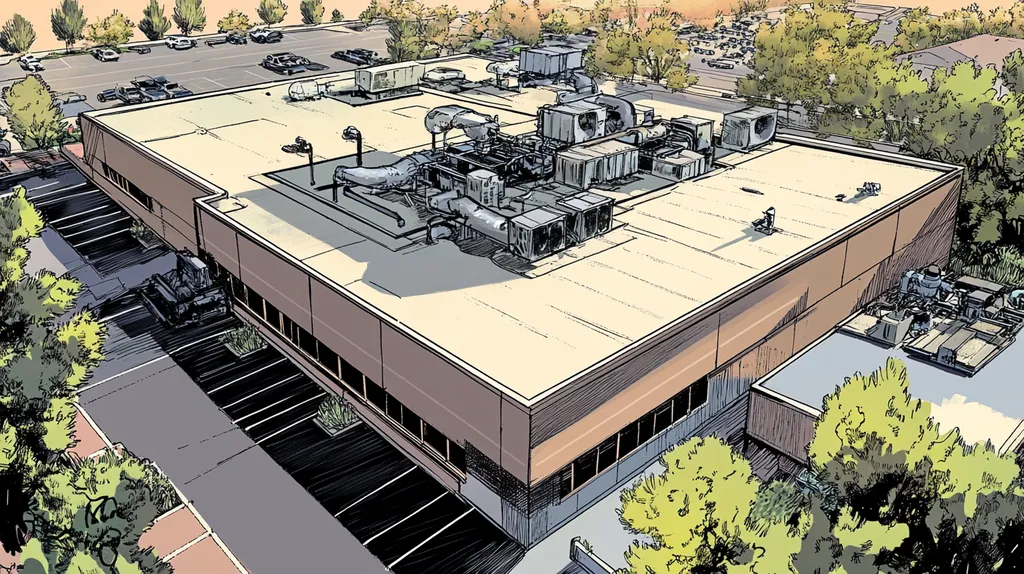
Rooftop equipment, such as HVAC systems and vents, is crucial to building operations but often lacks proper securing. During high winds or severe storms, unsecured equipment can be dislodged, leading to serious damage to both the roof and the equipment itself. This neglect opens the door to increased vulnerability.
Surveys show that over 30% of facilities reported instances of equipment detachment during storms, leading to costly repairs and equipment replacements. Failing to secure rooftop equipment not only jeopardizes the roof’s integrity but also creates safety hazards for those below.
Regularly inspecting rooftop equipment should form a core part of an overall roof maintenance strategy. Implementing secure fastening methods can ensure that equipment remains in place during severe weather. This preventive measure is vital for safeguarding both the roof’s structural strength and public safety.
By investing time and resources in equipment security, property owners can avoid the substantial costs that follow reactive measures after damage occurs. A secure rooftop system is an integral component of effective storm preparedness.

SECTION 3: MISSED OPPORTUNITIES
Protecting commercial roofs from seasonal storms requires not only awareness but also action. Property owners frequently overlook innovative strategies and materials that could minimize storm damage substantially. Astonishingly, properties with inadequate roofing systems can face losses in the millions due to hurricane-related mishaps. Neglecting to embrace these advancements can leave roofs exposed to risks, resulting in expensive repairs and declining property values. This section delves into common areas that demand attention to enhance storm preparedness effectively.
Ignoring Advanced Material Options
One of the most crucial opportunities property owners miss is the exploration of advanced roofing materials. While traditional materials may seem budget-friendly upfront, they often lack the resilience necessary to withstand severe weather. Innovative options such as polymer-modified bitumen and thermoplastic polyolefin (TPO) membranes provide superior resistance against wind and water infiltration.
Commercial buildings utilizing these cutting-edge materials have demonstrated significantly reduced storm-related damage. By opting for these modern materials, property owners can bolster their roofs’ strength and extend their lifespans tremendously.
Despite the compelling advantages, many stick to outdated practices, exposing themselves to unnecessarily severe storm damage. Embracing technology in roofing not only shields against immediate weather threats but can lead to substantial long-term savings on repairs and maintenance.
This transition towards advanced materials may necessitate adjustments in budgeting priorities, yet the potential benefits far outweigh any upfront costs. Smart decisions made today will yield impressive returns in the form of protection against future storms.
Lack of Wind Mitigation Measures
Wind damage stands as one of the primary causes of roof failures during storms, yet many buildings are inadequately prepared. It is essential to engineer roofs that can endure high wind speeds, particularly in hurricane-prone areas. Unfortunately, many property managers neglect effective wind mitigation options, such as reinforced attachments and aerodynamic roof designs.
Installing wind-rated roofing systems can significantly reduce the potential for extensive damage. Properties lacking these protective features often face heightened storm damage, resulting in elevated repair costs and prolonged downtimes.
Weak attachment methods not only jeopardize the roof’s integrity but also pose safety risks for occupants and neighboring infrastructure. By failing to implement robust wind mitigation strategies, property owners place their investments at serious risk.
Incorporating wind-resistant features in new roof constructions and retrofitting older structures should become standard practice. As storms increasingly defy prediction, prioritizing wind mitigation has never been more important.
Overlooking Insulation and Ventilation
The importance of insulation and ventilation in the context of storm preparedness is often underestimated. Without proper insulation, moisture can accumulate, setting the stage for mold growth and structural deterioration. This issue is aggravated by inadequate ventilation, which can trap heat and humidity.
Optimal insulation and ventilation work in tandem to regulate temperature, reduce condensation, and prevent the formation of ice dams in colder regions. Many property owners fail to recognize how these components impact the roof’s performance and longevity during severe weather.
Neglecting these factors can also inflate energy costs and contribute to a larger carbon footprint. By improving insulation and ventilation, property owners not only bolster their roofs against storms but can also enhance the overall efficiency of their buildings.
In effective roof systems, insulation and ventilation collaborate to offer robust protection against storm damage. Overlooking these critical elements exposes commercial structures to heightened risk and escalated long-term operational costs.
SECTION 4: ROOT CAUSES
When it comes to the resilience of commercial roofs, the stakes are alarmingly high. Neglecting the root causes of roofing issues can lead to catastrophic leaks, exorbitant repair costs, and frustrating business interruptions during seasonal storms. A recent study revealed that companies experiencing significant roof failures can face repair costs soaring above 10% of their overall property value. Tackling these foundational problems is essential for ensuring the long-term effectiveness and durability of roofing systems.
Inadequate Maintenance Scheduling
A major challenge facing commercial roofing is the absence of a structured maintenance schedule. Many property owners mistakenly believe that their roofs will endure their expected lifespan without regular examination or repair. This dangerous assumption often results in serious vulnerabilities.
Storms can suddenly reveal weak areas formed by years of oversight, causing leaks and severe damage. Regular inspections are vital, as minor issues can quickly snowball into major financial liabilities.
Implementing routine maintenance allows for the early identification of problems such as cracks, pooled water, or loose seams. These proactive checks can significantly extend a roof’s lifespan and efficacy, especially before storm season hits.
By prioritizing a tailored maintenance schedule, property owners can mitigate emergency repair costs and enhance the durability of their roofing systems. Preparedness and sustainability truly begin with vigilant, ongoing maintenance.
Insufficient Training for Maintenance Staff
Another crucial factor undermining roof longevity is the lack of proper training for maintenance personnel. Without adequate education, employees may struggle to identify and resolve potential roofing issues effectively. This gap in knowledge can lead to dire consequences, especially when facing seasonal storms.
Trained staff members are far better positioned to notice signs of wear, fatigue, or impending failure. Unfortunately, training is often overlooked in favor of cutting costs, leaving many roofs exposed to risk.
For instance, ignoring the importance of drainage systems can result in dangerous water pooling, heightening the likelihood of leaks during heavy rains. Investing in regular training empowers maintenance teams to take timely and informed action.
Ultimately, the success of maintenance efforts is rooted not just in good intentions but in the capability of those performing the work. Ensuring adequate training fosters informed, effective roof maintenance strategies.
Budget Constraints on Preventative Measures
Budget limitations frequently hinder businesses from adopting comprehensive preventative strategies for their roofs. Many property owners view roofing as an inflexible investment and thus cut back on necessary maintenance expenditures and upgrades.
This reluctance can lead to devastating repercussions. During crises like seasonal storms, neglecting preventative measures often leaves roofs exposed, resulting in costly repairs or complete replacements.
Property owners should adopt a holistic budgeting strategy that allocates funds for both immediate repairs and long-term maintenance. Setting aside resources for unforeseen repairs encourages a proactive stance against the unpredictability of storm season.
By taking a broader view of roof management and ensuring adequate budgeting, property owners can significantly improve their roofs’ health and resilience against severe weather. Investing wisely today can yield substantial savings in the future.
DATA DRIVEN EVIDENCE
With seasonal storms becoming more intense and frequent, the need for effective protection strategies for commercial roofing systems is at an all-time high. The National Oceanic and Atmospheric Administration (NOAA) reports that storm-related damages in the U.S. now exceed $50 billion each year. As property owners and facility managers grapple with these rising costs, it’s imperative to move from outdated, reactive measures to proactive solutions that safeguard assets and enhance long-term resilience.
Historical Storm Damage Statistics
Data reflects a dramatic increase in both the frequency and intensity of storms impacting commercial properties. Remarkably, the Insurance Information Institute states that around 40% of businesses never reopen after a major disaster. This alarming statistic underscores not only the threat to property but also the livelihoods supported by these facilities.
In the past decade, the East Coast has experienced significant financial losses due to severe storms, with roofs made from outdated materials failing more frequently under pressure. This alarming reality emphasizes that mere hope is no longer a viable strategy—property owners must adapt to the evolving storm landscape. Each adverse weather event highlights the urgent need for advanced roofing technologies and materials, marking a critical shift in storm preparedness.
Cost Analysis of Preventative vs. Reactive Repairs
A thorough cost analysis starkly illustrates the financial benefits of investment in preventative measures over reactive repairs. Businesses that prioritize preventative strategies can save up to 70% on long-term repair expenses. This significant contrast reveals how proactive roofing strategies ensure lower costs and potentially greater property value over time.
Reactive repairs often come with direct costs like materials and labor and indirect costs such as business interruption and temporary relocation. As these expenses accumulate, they can quickly become unmanageable for many businesses, further exacerbated by possible increases in insurance premiums. By focusing on preventative strategies—like frequent inspections and the adoption of high-quality materials—property owners can develop more resilient roofs at a fraction of the reactive repair costs. Investing wisely can lead to impressive savings during storm events.
Case Studies of Storm-Resilient Roofs
Numerous case studies highlight the advantages of investing in storm-resilient roofs. One notable example features a commercial building in Florida that implemented a reflective roofing system designed to endure high winds and heavy rain. Following a severe hurricane, this facility experienced minimal damage compared to neighboring buildings, showcasing the effectiveness of modern materials.
Another case involved a facility in Texas that upgraded to a reinforced TPO (Thermoplastic Olefin) roofing system. During an unexpected hailstorm, the facility reported only minor cosmetic issues, while surrounding properties required substantial repairs. The financial impact of these upgrades is undeniable, demonstrating quick returns on investment and underscoring the importance of prioritizing modern roofing techniques.
These successful examples emphasize that property owners who embrace innovative materials and practices can significantly diminish their risks. The message is clear: advancing roofing practices is not only a strategic option but a necessity in the fight against increasingly severe storms.
SECTION 6: ALTERNATIVE SOLUTIONS
As the threat of severe seasonal storms escalates, safeguarding commercial roofs must remain a top priority. The National Oceanic and Atmospheric Administration reports that severe storms inflict billions in property damage each year. This alarming statistic makes it imperative for property owners and facility managers to explore alternative strategies that transcend conventional practices. By implementing proactive maintenance schedules, utilizing high-wind resistant materials, and integrating comprehensive emergency response plans, stakeholders can significantly bolster roof resilience.
Implementing Proactive Maintenance Schedules
Proactive maintenance is a vital alternative to traditional reactive strategies. By scheduling regular inspections and routine upkeep, property owners can identify vulnerabilities before storms strike. For instance, clearing gutters and removing debris prevents water accumulation—a critical step during heavy rainfall.
Seasonal check-ups empower facility managers to closely monitor the roof’s condition and promptly address minor issues. This foresight minimizes long-term repair costs, maintaining roof integrity and reducing the likelihood of storm damage.
Establishing a comprehensive maintenance plan isn’t just about organization; it sets a clear timeline for inspections, repairs, and adjustments. Adhering to this schedule cultivates a proactive culture, ensuring roofs remain storm-ready.
Properties with well-maintained roofs can expect a marked decrease in storm-related issues. Ultimately, an ounce of prevention in the form of routine checks saves considerable time and money for property owners.
Utilizing High-Wind Resistant Materials
The choice of roofing materials plays a crucial role in a roof’s ability to withstand severe weather. High-wind resistant materials, such as reinforced asphalt shingles and specially engineered metal roofs, provide enhanced protection against hurricane-force winds. These materials are designed to remain intact and stable, even when facing extreme conditions.
When selecting roofing materials, property owners must consider their location and storm history. Regions susceptible to high winds should prioritize advanced options that offer superior resilience. For example, certain membrane roofing systems undergo testing specifically against high-velocity winds, making them ideal for vulnerable areas.
Investing in high-wind resistant materials may involve higher upfront costs, but the long-term benefits are substantial. Roofs made from these materials typically experience fewer storm-related damages, resulting in lower repair expenses over time.
Incorporating these advanced materials into roofing systems signifies a commitment to future-proofing investments. With the right choices, property owners not only safeguard their assets but also contribute to overall community resilience.
Integrating Emergency Response Plans
Even the most robust protective measures can falter without an effective emergency response plan. Having a well-rounded plan is crucial during and after a storm. This involves establishing clear protocols for staff and contractors, ensuring everyone understands their roles as a storm approaches.
Creating an emergency response checklist streamlines communication and decision-making. This checklist should include contact information for post-storm damage assessments, emergency contractors, and local emergency services. Additionally, maintaining updated roof damage assessments is essential for prompt action.
Training staff to respond appropriately during storm-related emergencies can significantly minimize risks. Regular simulation drills focused on roof safety ensure that team members are prepared and knowledgeable about their specific roles.
An effective emergency response plan not only protects physical assets but also safeguards occupants’ well-being. By fostering a culture of preparedness, property managers deliver a powerful message about their commitment to protecting both people and property.
Moving Forward
The $12 billion annual toll of storm damage to commercial roofs sends a clear message: traditional protection strategies are failing to meet modern challenges.
As severe weather events intensify, with a 40% increase in storm frequency over the past decade, the commercial roofing industry stands at a critical crossroads.
The evidence overwhelmingly demonstrates that proactive maintenance, advanced materials, and comprehensive emergency planning can reduce storm-related damages by up to 70%.
Property owners who continue relying on reactive approaches and outdated materials face exponentially higher risks of catastrophic roof failures.
The path forward demands immediate action: implementing data-driven maintenance schedules, investing in storm-resistant technologies, and developing robust emergency response protocols to protect these vital commercial assets.
FREQUENTLY ASKED QUESTIONS
Q. What are the common gaps in commercial roof inspections?
A. Many commercial properties have inadequate inspection schedules, often conducted less than biannually. These infrequent checks neglect critical underlying issues like deteriorating insulation or hidden leaks that can escalate during storms. Regular, thorough inspections are essential to spotting vulnerabilities before they lead to costly damages.
Q. How can I avoid relying on reactive repairs for my industrial roof?
A. Transitioning to a proactive maintenance strategy is crucial. This includes implementing regular inspections to identify potential vulnerabilities and addressing them before they escalate into larger issues. Adopt a maintenance schedule and keep a close eye on your roof’s condition to reduce long-term repair costs.
Q. Why is snow removal essential for commercial roofing systems?
A. Accumulated snow can exert immense pressure on roofs, potentially causing cracks or collapses. Without a robust snow removal plan, roofs become vulnerable to heavy snow and ice damming. Proactive snow management not only protects the roof but ensures the safety of tenants and employees throughout winter.
Q. How does inadequate drainage affect commercial roofs during storms?
A. Poorly maintained drainage systems can lead to severe water accumulation, increasing the risk of leaks and structural damage. Clogged drains during heavy storms can impose excessive weight on roofs. Regular maintenance of these systems is vital to preventing costly repairs and ensuring long-term roof integrity.
Q. Are there innovative materials for enhancing my commercial roof’s resilience?
A. Yes, advanced materials like polymer-modified bitumen and thermoplastic polyolefin (TPO) membranes increase resistance against severe weather. These modern options significantly reduce storm-related damages and extend roof lifespans. Investing in innovative materials can safeguard your building while also yielding long-term savings on repairs.
Q. What role does proper training play in roof maintenance effectiveness?
A. Adequate training for maintenance staff empowers them to identify and resolve roofing issues promptly. Well-informed employees can prevent potential problems, such as water pooling, which leads to leaks during storms. Investing in training enhances the overall effectiveness of roof maintenance strategies, ensuring long-term protection.
Q. How do emergency response plans impact commercial roof safety?
A. Emergency response plans establish critical protocols during and after storms, safeguarding both roofs and occupants. These plans facilitate effective communication, ensure timely damage assessments, and empower staff with specific roles. A comprehensive plan can significantly minimize risks and enhance preparedness during severe weather events.






