

In commercial buildings across America, dark-colored roofs can reach temperatures exceeding 150°F on summer days – up to 90 degrees hotter than the surrounding air. This extreme heat dramatically impacts energy costs, with studies showing cooling expenses can increase by up to 28% due to poor roof color selection.
The relationship between roof coating colors and temperature management represents a critical yet often overlooked aspect of commercial building operations. Understanding this connection allows facility managers to significantly reduce cooling costs while extending roof lifespans.
This comprehensive guide examines the science behind roof coating colors, practical implementation strategies, and methods to optimize performance for maximum energy efficiency and ROI.
SECTION 1: FUNDAMENTAL CONCEPTS
The temperature of a commercial roof is more than just a number; it directly influences energy costs and overall comfort within the building. Commercial roofs can heat up to levels significantly higher than the outside air, leading to increased cooling expenses. Property owners and facility managers must understand how the color of roof coatings affects both heat absorption and reflection. This section delves into essential concepts such as solar reflectance, thermal emittance, and the key relationship between roof color and temperature.
Solar Reflectance and Thermal Emittance
Solar reflectance quantifies how much sunlight a surface reflects back into the atmosphere. Higher reflectance means less heat is absorbed, making it crucial for commercial roofs that can become extremely hot. Utilizing materials with elevated reflectance can significantly reduce temperature discrepancies between the roof and the surrounding air.
Conversely, thermal emittance measures how effectively a surface can release the heat it has absorbed. Materials with high thermal emittance allow buildings to cool off more quickly at night. Property owners should seek roof coatings that enhance both reflectance and emittance to optimize thermal performance and maximize energy savings.
Together, these two characteristics—high solar reflectance and thermal emittance—can help diminish the urban heat island effect, creating a cooler environment with additional benefits like energy savings and improved air quality. The selection of suitable materials becomes instrumental in attaining this balance.
By grasping these concepts, facility managers are better equipped to make strategic decisions about roofing materials that can enhance the overall efficiency of their buildings.
Solar Reflective Index (SRI) Calculation
The Solar Reflective Index (SRI) serves as a vital measurement that merges both solar reflectance and thermal emittance into a single, easy-to-understand value. This index gives a straightforward indication of how efficiently a roofing material can reflect solar heat. A higher SRI indicates cooler roof surfaces, which can lead to significant savings in energy costs.
SRI values range from 0 to 100, with higher numbers signifying superior cooling performance. An SRI of 100 means that a roof reflects all solar energy and emits all absorbed heat, making such materials ideal for energy-efficient solutions. Facilities managers should prioritize SRI ratings when selecting roofing materials.
Additionally, local climate should influence SRI decisions. In hotter regions, higher SRI values are more critical for minimizing cooling costs. For cooler climates, a moderate SRI can even be beneficial in retaining warmth during the winter months.
By understanding SRI and its implications, property owners can capitalize on substantial energy savings while ensuring a comfortable indoor environment.
Color and Temperature Relationship
The color of roof coatings dramatically affects their thermal performance. Lighter colors, like white, reflect more sunlight, while darker colors tend to absorb heat. This fundamental connection results in substantial temperature variations across roof surfaces, with direct implications for energy costs and overall building comfort.
For example, in the summer, a white or light-colored roof can be as much as 50 degrees cooler than a dark roof. This cooling effect translates directly into improved energy efficiency, as buildings with lighter roofs utilize less energy for cooling. This is particularly significant in urban areas where heat accumulation can heighten cooling demands.
Moreover, the chosen color can influence the durability of roofing materials. Excessive heat contributes to the premature deterioration of roofing systems, leading to higher long-term replacement costs. Property owners should carefully consider these factors when selecting colors for roof coatings.
By understanding the relationship between color and temperature, facility managers can make informed decisions that ensure their buildings remain comfortable, efficient, and long-lasting.
SECTION 2: SYSTEM COMPONENTS
Choosing the right system components for reflective coatings is crucial for achieving optimal temperature management in commercial roofing. These components play a significant role in enhancing energy efficiency and reducing cooling costs. Research shows that reflective coatings can lower rooftop temperatures by up to 30%, contributing to both comfort and savings. This section discusses the various types of coatings available, their compatible substrates, and notable advancements in pigment technology that can aid in temperature regulation.
Types of Reflective Coatings
Reflective coatings are available in several types, each tailored to meet specific roofing needs. Elastomeric coatings are particularly favored for their durability and flexibility. They not only resist UV damage but also effectively lower roof temperatures, making them suitable for hotter climates.
Acrylic coatings are another popular choice due to their ease of application and rapid drying time. These coatings create a seamless barrier that protects against moisture while reflecting sunlight efficiently.
As for silicone coatings, they are unmatched in waterproofing capabilities, excelling in harsh weather conditions. Their ability to handle standing water greatly extends their lifespan, making them a wise long-term investment.
Lastly, polyurea coatings stand out for their high elasticity and superb chemical resistance, ideal for roofs that face environmental stressors. Each type contributes uniquely to a roof’s temperature management and overall durability.
Compatible Substrates and Materials
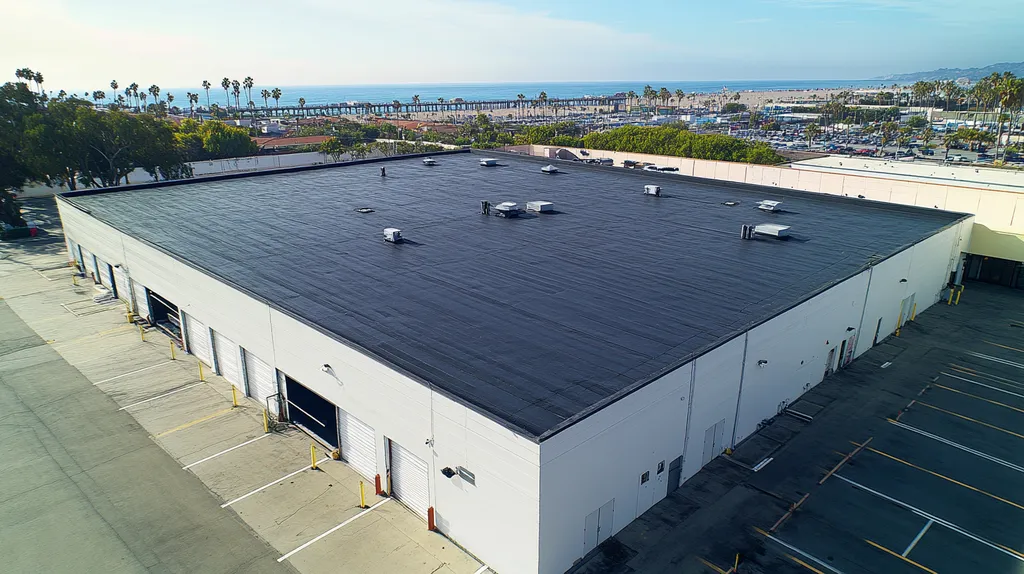
Selecting the right coating involves understanding the substrates they will be applied to. Compatibility is essential; different materials like TPO and PVC need specific coatings to maximize efficiency. For example, elastomeric coatings bond effectively with metal roofs, ensuring proper performance.
Acrylic coatings are well-suited for aged asphalt roofs, providing excellent adhesion while enhancing temperature control. Facility managers must take these pairings into account to avoid issues like peeling or bubbling, which can lead to elevated energy costs.
Incompatible combinations could compromise the roof’s integrity and performance, leading to unnecessary expenses. Assessing existing materials before applying a coating allows for better choices and improved overall efficiency.
Pigment Technology and Formulations
The effectiveness of reflective coatings largely depends on advancements in pigment technology. Modern formulations use ceramic and reflective pigments that boost sunlight reflection, subsequently lowering heat absorption. The inclusion of titanium dioxide in these coatings is a common practice to enhance reflectivity and longevity.
Innovations in pigment technology have also led to products that offer vibrant colors while maintaining energy efficiency. Property owners can now select aesthetically pleasing options without sacrificing reflective performance.
The right pigment formulation can enhance UV resistance, ensuring that the coating retains its color and effectiveness over time. As the demand for sustainable and energy-efficient solutions grows, investing in high-quality pigments becomes increasingly important for long-term benefits.
SECTION 3: IMPLEMENTATION METHODS
Implementing roof coatings effectively is essential for maximizing energy efficiency and extending the lifespan of commercial roofs. The choice of application method, pre-treatment measures for substrates, and ensuring coating compatibility with existing materials can have a profound impact on a roof’s performance. Neglecting these factors can lead to ineffective temperature regulation, increasing cooling costs and diminishing the roof’s durability. Therefore, property owners and facility managers need to prioritize these elements to achieve optimal results.
Application Processes for Metal Roofs
The method used to apply coatings on metal roofs plays a crucial role in their ability to manage temperature. Common application techniques include spraying, rolling, and brushing, with spray applications often offering the most uniform coverage. This even layer helps reduce heat absorption, making it a preferred choice for many roofing professionals.
Moreover, applying coatings under the right weather conditions enhances adhesion and long-term performance. High humidity or extreme temperatures can disrupt the drying process, potentially compromising the coating. When planned effectively, coating applications can aid in lowering heat retention, contributing to a more energy-efficient building.
For the best results, facility managers should consult experts to determine the ideal application method based on the specific metal type and environmental factors. Properly executed applications can lead to substantial energy savings and a more comfortable indoor space.
Additionally, ongoing maintenance and inspections are vital for preserving the integrity of the coating. Regularly checking for damage and ensuring cleanliness can further improve thermal performance and extend the life of the roofing system.
Pre-Treatment Requirements for Substrates
Before applying roof coatings, proper pre-treatment of the substrate is essential to ensure strong adhesion. Surfaces must be thoroughly cleaned and free from contaminants like oil, dirt, or rust. This preparation step prevents future issues such as peeling or blistering, which can compromise the coating’s effectiveness.
Effective cleaning methods, including pressure washing or sandblasting, can help achieve the necessary surface quality. Additionally, it’s important to allow the substrate to fully dry after cleaning since moisture can adversely affect the coating’s performance.
To optimize adhesion and durability, property owners may consider using a primer designed for the specific substrate type. Primers can significantly enhance the bond between the coating and the underlying material, ensuring longevity.
Neglecting pre-treatment can lead to costly maintenance and a shortened lifespan of the coating. By prioritizing this step, property owners can ensure they fully leverage their roofing investment.
Coating Compatibility with Building Products
Selecting coatings that are compatible with existing building materials is vital for maximizing performance. Various roofing materials, such as TPO, EPDM, and metal, have specific chemical properties that dictate the types of coatings that will be effective.
For example, applying a silicone-based coating on TPO roofs can lead to adhesion problems, impacting performance. Ensuring that the correct coating is used not only supports good adhesion but also enhances thermal efficiency and energy savings.
Property owners should consult technical data sheets and manufacturer guidelines to identify compatible options. Choosing the right coating can significantly influence how well the roof reflects heat, helping to maintain lower temperatures and reduce cooling costs.
Moreover, regularly reviewing the roof’s materials can assist in planning for future coatings and staying aligned with evolving energy efficiency standards. Keeping informed about innovations will support smarter decision-making in roofing management.
SECTION 4: MAINTENANCE REQUIREMENTS
Neglecting the maintenance of commercial roof coatings can result in significant drawbacks, such as skyrocketing energy costs and premature roof failure. In fact, well-maintained coatings can extend roof life by as much as 30%. Therefore, understanding the correct cleaning, inspection, and repair protocols is crucial for maximizing the lifespan and performance of a roof coating.
Cleaning and Inspection Protocols
Regular cleaning and inspections are essential for maintaining the effectiveness of roof coatings. Buildup of dirt, debris, and biological growth can trap heat and diminish reflectivity, resulting in elevated roof temperatures. A biannual cleaning schedule is advisable to clear away pollutants, which should be paired with comprehensive inspections to catch signs of wear or damage.
These inspections should be conducted by qualified roofing professionals who can assess the coating’s condition and identify early issues such as blistering or cracking. Addressing these minor problems promptly can prevent them from escalating into major structural concerns.
Property owners should also maintain a detailed log of all maintenance activities. This log can provide valuable historical insights into repairs and maintenance schedules, aiding in decision-making and serving as evidence for warranty claims.
In the long run, proactive maintenance helps ensure optimal roofing performance, keeping temperatures lower and improving energy efficiency.
Durability and Weather Resistance
The durability of a roof coating greatly depends on its ability to withstand various environmental conditions. High-quality coatings are engineered to resist UV rays, heavy rainfall, and extreme temperatures. Importantly, selecting a material tailored to the specific climate challenges of the region is vital.
For example, a reflective, high-performance coating can significantly reduce heat absorption, lowering roof temperatures and enhancing sustainability. This inherent durability means fewer repairs and a stronger overall structure.
Additionally, regular evaluations are necessary to determine how weather impacts the coating. Severe weather events can cause unnoticed damage that may impair performance. Consequently, it is especially important to conduct inspections after storms to verify that the coating is still functioning as intended.
Investing in a durable roof coating pays off over time by minimizing maintenance expenses and prolonging the life of the roofing system.
Repair and Reapplication Guidelines
Eventually, all roof coatings will require either repairs or reapplication, and recognizing when to take action is critical for maintaining the building’s integrity. Early indicators of degradation, such as peeling or cracking, demand immediate attention to prevent further damage.
For minor issues, patching can be an effective repair solution. However, once a coating is significantly worn, reapplication becomes necessary. Following manufacturer guidelines and best practices during this process ensures both compatibility and effectiveness of the new coatings.
Reapplication generally involves a comprehensive surface preparation process, including cleaning and possibly priming. Properly preparing the surface can greatly enhance the adhesion and longevity of the new coating.
By adhering to these repair and reapplication guidelines, property owners can maintain their roofing systems’ performance in terms of temperature control and overall durability.
SECTION 5: PERFORMANCE METRICS
As the focus on sustainability and energy efficiency grows, the color of roof coatings becomes increasingly important. Property owners and facility managers need to understand how these colors influence roof temperatures, which directly affects energy consumption. Research shows that light-colored coatings can lower roof surface temperatures by as much as 60°F. This section will dive into the significant benefits of energy efficiency, the impact on urban heat islands, and the importance of compliance with modern energy codes.
Energy Efficiency and Cost Savings
Reflective coatings provide a powerful way to boost energy efficiency in commercial buildings. By applying lighter colors to roofs, they are able to reflect more sunlight, which keeps interior spaces cooler. This reduction in heat build-up leads to a decreased reliance on air conditioning systems, translating to substantial cost savings on energy bills.
A study by the Cool Roof Rating Council found that reflective roofing materials can cut cooling energy usage by up to 50%. Such savings can accumulate into thousands of dollars over time, enhancing a facility’s financial performance.
In addition, many energy providers are now offering rebates or incentives to encourage the adoption of energy-efficient roofing solutions. This financial assistance makes the switch to reflective coatings even more attractive for building owners.
Ultimately, the initial investment in lighter roof coatings can be quickly recouped through lower energy bills, creating a compelling business case for property owners looking to maximize returns.
Urban Heat Island Mitigation
Urban heat islands (UHIs) are a pressing concern, especially in densely populated cities where human activity and infrastructure raise local temperatures. Lighter roof coatings can act as a crucial tool in mitigating the effects of UHIs.
Research indicates that implementing reflective roofing materials can lower adjacent air temperatures by several degrees, leading to a cooler urban atmosphere. Communities that invest in these solutions not only reap energy savings but also promote better public health and comfort.
Cities such as Los Angeles and San Francisco have successfully launched cool roof initiatives, resulting in demonstrable reductions in UHI effects. As more buildings adopt reflective coatings, the collective impact positively influences local climate conditions.
Thus, property owners have the opportunity to contribute to energy efficiency while playing an integral role in creating more resilient and sustainable urban environments.
Compliance with LEED and Energy Codes
The emphasis on sustainability has led to increased scrutiny regarding energy efficiency practices in buildings, especially for compliance with LEED (Leadership in Energy and Environmental Design) standards. Utilizing reflective roof coatings can help building owners earn crucial points in various categories aimed at promoting energy conservation.
Additionally, many local governments have adopted stricter energy codes that mandate high reflectivity on roof surfaces. Failure to comply with these regulations can result in penalties and hinder the development of properties.
For instance, California’s Title 24 requires new commercial buildings to either use cool roofing materials or incorporate energy-efficient designs. Ignoring these regulations not only escalates operational costs but can also impede a property’s marketability.
In summary, adopting reflective coatings assists in adhering to energy codes and LEED certification requirements, boosting property value and desirability in a competitive landscape.
SECTION 5: PERFORMANCE METRICS
As the urgency for sustainability and energy efficiency mounts, the color of roof coatings becomes a pivotal factor in building management. Commercial property owners and facility managers must recognize how these colors impact roof temperatures and energy consumption. Research shows that lighter-colored coatings can lower roof surface temperatures by as much as 60°F. This section will investigate the benefits of energy efficiency, the effects on urban heat islands, and the importance of compliance with modern energy codes.
Energy Efficiency and Cost Savings
Reflective coatings offer a powerful strategy for enhancing energy efficiency in commercial buildings. By applying lighter colors to roofs, these coatings reflect more sunlight, significantly keeping interior spaces cooler. This reduced heat absorption lessens the dependence on air conditioning systems, ultimately leading to substantial cost savings.
A study by the Cool Roof Rating Council reveals that reflective roofs can cut cooling energy use by up to 50%. Such savings can accumulate over time, resulting in thousands of dollars added to a facility’s bottom line.
Furthermore, many energy providers now offer rebates and incentives for the installation of energy-efficient roofing solutions. This financial support not only eases the transition to reflective coatings but also enhances their attractiveness to building owners.
In summary, the upfront investment in a lighter roof coating can offset itself through reduced energy expenses, making it a smart financial choice for property owners.
Urban Heat Island Mitigation
Urban heat islands (UHIs) present significant environmental challenges, especially in densely populated cities where built environments trap heat. Lighter-colored roof coatings are effective tools for mitigating UHI impacts.
Research indicates that reflective roofing materials can decrease adjacent air temperatures by several degrees, thus promoting cooler urban conditions. Communities embracing these roofing solutions not only benefit from energy savings but also experience improved public health and overall comfort.
Cities like Los Angeles and San Francisco have initiated successful cool roof campaigns, demonstrating measurable reductions in UHI effects. The collective impact of numerous buildings adopting reflective coatings contributes positively to local climate conditions.
Thus, property owners can enjoy energy savings while also playing a vital role in developing more resilient, sustainable urban spaces.
Compliance with LEED and Energy Codes
As sustainability becomes a priority, building owners face increasing pressure to demonstrate energy-efficient practices, notably through compliance with LEED (Leadership in Energy and Environmental Design) standards. Utilizing reflective roof coatings can help property owners earn vital points in categories focused on energy conservation.
Additionally, many local governments have adopted strict energy codes mandating high reflectivity of roof surfaces. Non-compliance can lead to penalties and restrictions that hinder property development.
For example, California’s Title 24 requires new commercial buildings to utilize cool roofing materials or incorporate energy-efficient designs. Ignoring such mandates not only raises operational costs but can also decrease a property’s marketability.
In conclusion, adopting reflective coatings helps property owners meet energy code and LEED certification requirements, boosting property value and appeal in a competitive marketplace.
The Bottom Line
With commercial roof temperatures soaring up to 150°F in summer, the impact of coating color choices on building performance cannot be overstated.
Studies demonstrate that strategic color selection can reduce cooling costs by up to 28% while extending roof lifespans by decades.
As energy codes become increasingly stringent and urban heat island effects intensify, facility managers must prioritize roof coating colors as a critical component of building performance optimization.
The data clearly shows that implementing appropriate coating colors, combined with proper maintenance protocols, delivers measurable returns through reduced energy consumption, extended roof longevity, and improved occupant comfort.
For commercial property owners, the question is no longer whether to optimize roof coating colors, but rather how quickly they can implement these proven temperature management solutions.
FREQUENTLY ASKED QUESTIONS
Q. How does roof color affect commercial roof temperature?
A. The color of roof coatings significantly influences temperature. Lighter colors reflect sunlight better, leading to lower temperatures compared to darker colors, which absorb more heat. This relationship impacts energy usage for cooling, making color selection crucial for commercial roofs.
Q. What types of coatings work best for industrial roofs?
A. Different coatings suit various industrial roofs. Elastomeric coatings are durable and flexible, acrylics apply easily, and silicone coatings excel in rapid weather changes. Each type provides unique benefits for temperature management and protection, making selection important.
Q. How should I prepare my roof before applying coatings?
A. Proper preparation involves cleaning and drying the roof thoroughly. Remove dirt, debris, and any contaminants that may hinder adhesion. Consider using pressure washing or sanding, and ensure a clean, dry surface supports effective coating application and longevity.
Q. How can I maintain my commercial roof coatings?
A. Regular cleaning and inspections are essential. Schedule biannual cleanings to remove buildup of dirt and algae, and monitor for signs of wear like cracking or peeling. Keeping a maintenance log can help track repairs and effectiveness over time.
Q. How do reflective roof coatings save energy?
A. Reflective coatings save energy by reducing heat absorption, which keeps indoor temperatures cooler. This decreased reliance on air conditioning results in lower energy bills, allowing property owners to enjoy substantial cost savings over time while enhancing overall comfort.
Q. What is the Solar Reflective Index (SRI)?
A. The Solar Reflective Index (SRI) represents a material’s ability to reflect solar heat, combining both solar reflectance and thermal emittance into one value. Higher SRI ratings indicate better cooling performance, which is vital for energy-efficient commercial roofs.
Q. Are there energy codes for commercial roofs?
A. Yes, many local governments enforce energy codes requiring high reflectivity for roofing surfaces. Compliance helps reduce operational costs and improves marketability. Failing to meet these standards can lead to penalties and affect property value.






