

Welcome to today’s Battle Royale featuring two roofing heavyweights: “Acrylic Roof Coatings” in the east corner versus “Polyurethane Roof Coatings” in the west!
Tonight’s showdown pits these contenders against each other across six punishing rounds designed to test every aspect of their performance for Commercial Roof Coating Average Life Expectancy.
At stake? Millions in potential costs, decades of building protection, and the critical performance demands of modern commercial and industrial facilities.
Our professional judging panel will evaluate each round on technical merit, real-world performance, and value delivery. After all six rounds, we’ll declare our ultimate champion.
Ladies and gentlemen, facility managers and building owners… it’s time to rumble!
ROUND 1: INITIAL COSTS & INSTALLATION
In today’s challenging economic climate, commercial property owners face critical decisions about roof coating investments that can impact their bottom line for decades. Initial costs and installation considerations can make the difference between a successful project and a costly mistake. The choice between acrylic and polyurethane coatings demands careful evaluation of materials, labor, and timeline factors.
Material Expenses
While initial material costs represent just one component of a roofing project, they often drive critical budget decisions. Commercial roof coatings typically range from $10-30 per square foot, with significant variations based on coating type and project scope.
Acrylic coatings offer an economical entry point, usually falling at the lower end of the cost spectrum. Their competitive pricing makes them particularly attractive for large-scale applications where material costs can quickly multiply.
Polyurethane coatings command premium prices, sometimes costing two to three times more than their acrylic counterparts. However, these higher initial costs can be offset by enhanced durability and reduced maintenance needs over time. (source: SmartSeal)
For pure material cost considerations, acrylic coatings hold a clear ADVANTAGE in this category.
Installation Complexity
Installation complexity directly affects labor costs and project risk factors. Professional application requirements vary significantly between coating types, impacting both timeline and budget considerations.
Acrylic coatings feature straightforward application methods that most roofing crews can master quickly. Their water-based formulation allows for simple cleanup and requires minimal specialized equipment.
Polyurethane installations demand more technical expertise and specialized equipment. These coatings often require precise mixing ratios and temperature controls, increasing the potential for application errors.
When evaluating installation complexity, acrylic coatings demonstrate an ADVANTAGE through their simpler application process.
Project Timeline
Project duration affects both direct costs and business disruption. Efficient installation and cure times minimize impact on building operations and reduce overall project expenses.
Acrylic coatings typically cure within 24-48 hours under ideal conditions. This rapid turnaround allows for faster project completion and quicker return to normal operations.
Polyurethane coatings require longer cure times, often 72 hours or more. Weather sensitivity and strict humidity requirements can further extend installation windows.
Considering timeline efficiency, acrylic coatings gain another ADVANTAGE through faster completion times.
ROUND 1 WINNER: Acrylic Coatings
ROUND 2: DURABILITY & LIFESPAN
Commercial property owners face a critical challenge when evaluating roof coating longevity. Industry data shows that premature coating failures can increase facility costs by up to 300% over a building’s lifetime. With climate changes creating more extreme weather conditions, understanding the durability differences between acrylic and polyurethane coatings has never been more essential.
Environmental Resistance
Weather exposure represents the primary threat to coating longevity. UV radiation, temperature cycling, and moisture penetration constantly test coating integrity and protective capabilities.
Acrylic coatings excel at UV resistance and maintain excellent reflectivity over time. However, they can become brittle in extreme cold and may soften in high heat, limiting their effectiveness in regions with dramatic temperature swings.
Polyurethane coatings demonstrate superior resistance across all weather conditions. Their chemical structure provides exceptional stability in both hot and cold extremes while maintaining consistent protection against UV degradation.
For environmental durability, polyurethane coatings show a clear ADVANTAGE through their consistent performance across all weather conditions.
Physical Durability
Daily operational stresses test coating strength through foot traffic, equipment maintenance, and impact from debris. Strong physical durability prevents premature wear and extends protection lifetime.
Acrylic coatings provide adequate resistance to light foot traffic but can show wear patterns in high-traffic areas. Their softer composition makes them more susceptible to punctures and scrapes from maintenance activities.
Polyurethane coatings feature significantly higher tensile strength and abrasion resistance. Their robust structure handles heavy foot traffic and maintenance activities while resisting punctures and tears.
In terms of physical durability, polyurethane coatings demonstrate another ADVANTAGE through superior wear resistance.
Service Life Expectations
Expected service life directly impacts long-term facility costs and maintenance planning. Longer-lasting coatings reduce replacement frequency and protect underlying roof systems more effectively.
Acrylic coatings typically deliver 7-10 years of service in optimal conditions. Performance can decline more rapidly in challenging environments or areas with insufficient maintenance.
Polyurethane coatings consistently achieve 15-20 year lifespans across various environments. Their superior physical properties and weather resistance contribute to more predictable long-term performance.
Regarding service life, polyurethane coatings secure another ADVANTAGE through consistently longer performance periods.
ROUND 2 WINNER: Polyurethane Coatings
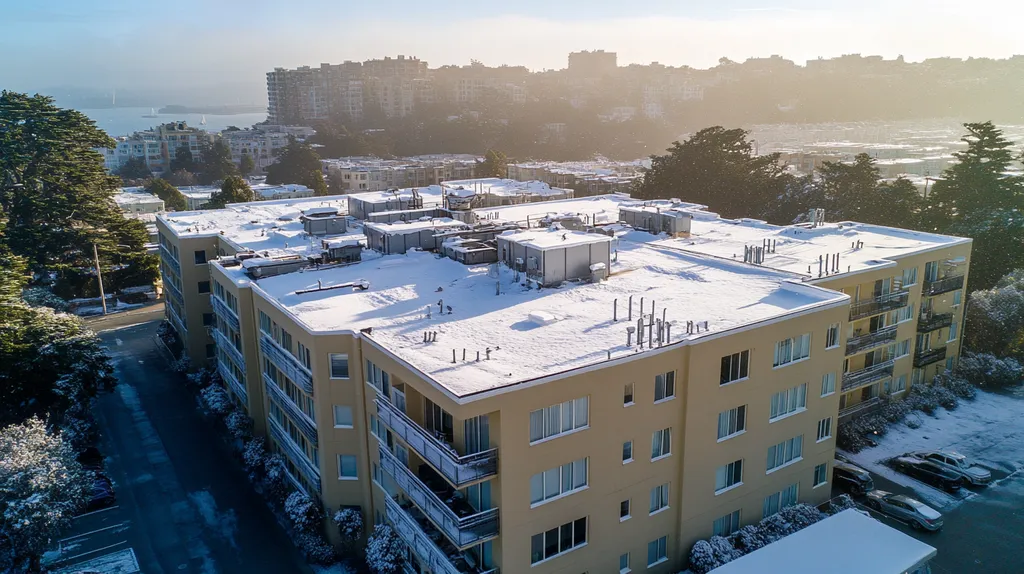
ROUND 3: PERFORMANCE FACTORS
Every year, commercial building owners lose millions in energy costs and premature roof failures due to poorly performing roof coatings. The right coating choice can dramatically impact a building’s energy efficiency, maintenance costs, and overall protection. Selecting between acrylic and polyurethane coatings requires careful evaluation of their performance characteristics under real-world conditions.
UV Resistance
UV radiation poses a constant threat to roof coating integrity, potentially degrading protective properties and reducing reflective capabilities. Cool roof systems incorporating proper UV protection can reduce cooling energy demand by 10-40%, translating to significant operational savings. (source: SmartSeal)
Acrylic coatings maintain exceptional UV resistance and reflectivity throughout their service life. Their chemical composition naturally resists UV degradation, helping maintain consistent protection against solar radiation.
Polyurethane coatings, while durable, can show gradual degradation under intense UV exposure. They often require additional UV-protective top coats to achieve comparable performance levels.
For UV resistance, acrylic coatings demonstrate a clear ADVANTAGE through superior natural protection.
Thermal Stability
Temperature fluctuations create constant expansion and contraction cycles that test coating integrity. These thermal stresses can lead to coating failures if materials cannot maintain stability across temperature extremes.
Acrylic coatings maintain consistent performance across moderate temperature ranges. However, they can become brittle in extreme cold and may soften significantly in high heat.
Polyurethane coatings excel at maintaining structural integrity across wide temperature variations. Their chemical composition provides superior stability in both extreme heat and cold conditions.
Regarding thermal stability, polyurethane coatings claim the ADVANTAGE through consistent performance across broader temperature ranges.
Flexibility
Building movement and substrate flexing demand coatings that can adapt without compromising protection. Coating flexibility directly impacts long-term waterproofing effectiveness and maintenance requirements.
Acrylic coatings offer superior elasticity, allowing them to flex with building movement while maintaining their protective barrier. This flexibility helps prevent cracking and separation at critical junctures.
Polyurethane coatings provide moderate flexibility but can become more rigid over time. This increasing rigidity may lead to potential failure points where building movement exceeds coating elasticity.
In terms of flexibility, acrylic coatings secure the ADVANTAGE through superior long-term elasticity.
ROUND 3 WINNER: ACRYLIC COATINGS
ROUND 4: MAINTENANCE REQUIREMENTS
Poor maintenance practices cost commercial property owners millions annually in premature roof failures and unnecessary replacements. Industry data shows that well-maintained roof coatings can extend service life by up to 50%, while neglected systems often fail in half their expected lifespan. Understanding the maintenance demands of different coating systems has become crucial as facility managers face increasing pressure to maximize roof performance while minimizing operational costs.
Regular Inspection Requirements
Systematic inspection programs form the foundation of effective roof coating maintenance. Regular evaluations help identify potential issues before they develop into costly repairs, while also ensuring warranty compliance and optimal performance.
Acrylic coatings typically require semi-annual inspections focused primarily on surface cleaning and checking for physical damage. Their simple composition makes visual assessments straightforward, allowing maintenance teams to quickly identify areas needing attention.
Polyurethane coatings demand quarterly inspections with detailed attention to seams, penetrations, and high-stress areas. Their complex chemical structure requires specialized knowledge to properly assess condition and identify early signs of degradation.
For inspection requirements, acrylic coatings gain an ADVANTAGE through simpler evaluation needs.
Repair Procedures
The ease and effectiveness of repair procedures directly impact long-term maintenance costs. Higher maintenance demands translate into increased labor requirements and potential business disruption.
Acrylic coating repairs can usually be completed with basic tools and minimal surface preparation. Their water-based formulation allows for easy touch-ups and seamless integration with existing coating layers.
Polyurethane coating repairs require careful surface preparation and precise application techniques. Their chemical composition demands exact mixing ratios and specific environmental conditions for proper curing.
Regarding repair procedures, acrylic coatings secure another ADVANTAGE through simplified maintenance protocols.
Long-term Care Requirements
Sustained performance depends heavily on ongoing maintenance investment. The total cost of ownership extends far beyond initial installation expenses, making maintenance efficiency a critical factor in coating selection.
Acrylic coatings maintain their protective properties with minimal intervention beyond regular cleaning and occasional recoating. Their consistent performance characteristics help facility managers develop predictable maintenance schedules.
Polyurethane coatings require more intensive ongoing care to prevent premature degradation. Their complex formulation often necessitates specialized maintenance procedures and professional intervention for optimal performance.
When evaluating long-term care requirements, acrylic coatings demonstrate an ADVANTAGE through reduced maintenance complexity.
ROUND 4 WINNER: ACRYLIC COATINGS
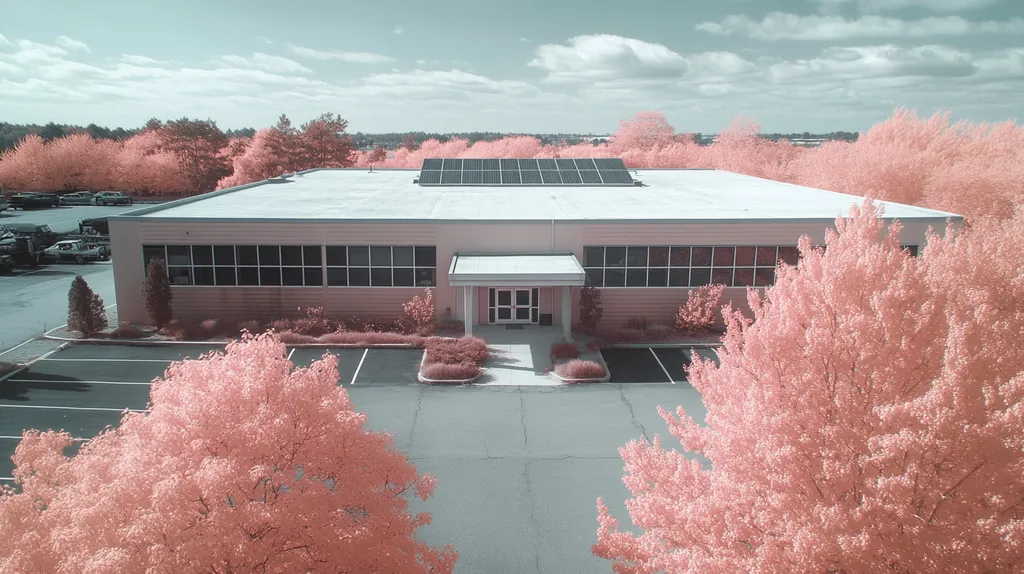
ROUND 5: SUSTAINABILITY CREDENTIALS
Commercial property owners face mounting pressure to reduce their environmental impact while maintaining building performance. With buildings accounting for nearly 40% of global carbon emissions, roof coating choices have far-reaching implications for sustainability goals and corporate environmental commitments.
The environmental stakes are particularly high as climate regulations tighten and stakeholders demand greater accountability. Selecting sustainable roofing solutions has become essential for meeting ESG targets and avoiding potential regulatory penalties.
Environmental Impact
The manufacturing and application processes of roof coatings directly affect their environmental footprint. These impacts ripple throughout the supply chain and building lifecycle, influencing both immediate and long-term sustainability outcomes.
Acrylic coatings leverage water-based formulations that produce minimal volatile organic compounds (VOCs) during application. Their manufacturing process requires less energy and generates fewer harmful byproducts compared to solvent-based alternatives.
Polyurethane coatings typically involve energy-intensive production methods and release higher levels of VOCs during installation. While newer formulations have improved, they still carry a heavier environmental burden than acrylic options.
For environmental impact considerations, acrylic coatings claim a clear ADVANTAGE through their cleaner production and application processes.
Energy Performance
Roof coating energy efficiency directly impacts building operating costs and carbon footprint. Higher reflectivity and better insulation properties translate to reduced cooling demands and lower emissions.
Acrylic coatings excel in solar reflectance, maintaining their reflective properties throughout their service life. Their high-performance cool roof characteristics help reduce cooling energy demand by 10-40%, offering substantial environmental and cost benefits. (source: SmartSeal)
Polyurethane coatings provide excellent insulation value but may experience degraded reflectivity over time. Their thermal resistance properties help maintain consistent interior temperatures but often require additional reflective topcoats for optimal performance.
Regarding energy performance, acrylic coatings demonstrate an ADVANTAGE through superior reflective properties.
Material Lifecycle
The complete lifecycle of roofing materials impacts their overall sustainability profile. From raw material sourcing through end-of-life disposal, each phase presents environmental considerations.
Acrylic coatings utilize more renewable resources and can often incorporate recycled content. Their simpler chemical structure facilitates easier recycling and reduced environmental impact during disposal.
Polyurethane coatings present greater challenges for recycling and typically require more specialized disposal procedures. Their complex chemical composition makes material recovery more difficult and energy-intensive.
In lifecycle considerations, acrylic coatings secure another ADVANTAGE through better recyclability and simpler disposal requirements.
ROUND 5 WINNER: ACRYLIC COATINGS
ROUND 6: SPECIALIZED APPLICATIONS
Commercial property owners face critical decisions when selecting roof coatings for specialized applications, where standard solutions often fall short. Industry data shows that improper coating selection in challenging environments can reduce system lifespan by up to 70% while dramatically increasing maintenance costs. The stakes are particularly high for facilities with unique operational demands or extreme exposure conditions.
Chemical Resistance
Industrial facilities, laboratories, and manufacturing plants require exceptional chemical resistance from their roof coatings. Exposure to harsh chemicals, industrial emissions, and atmospheric pollutants can rapidly degrade inadequately protected roofing systems.
Acrylic coatings provide moderate chemical resistance suitable for light industrial environments. However, they can break down when exposed to strong solvents or concentrated chemical agents.
Polyurethane coatings excel in chemical resistance, maintaining their protective properties even under extreme exposure conditions. Their advanced molecular structure creates an exceptionally durable barrier against most industrial chemicals and pollutants.
For chemical resistance applications, polyurethane coatings demonstrate a clear ADVANTAGE through superior protection capabilities.
High-Traffic Areas
Rooftop equipment access, maintenance pathways, and mechanical system servicing create concentrated wear patterns that challenge coating durability. Areas with frequent foot traffic require specialized protection to prevent premature coating failure.
Acrylic coatings show limitations in high-traffic applications, developing wear patterns and losing thickness under regular foot traffic. Their softer composition makes them vulnerable to mechanical abrasion and impact damage.
Polyurethane coatings maintain their protective properties even under heavy foot traffic and mechanical stress. Their superior tensile strength and abrasion resistance create lasting protection in high-wear zones.
In high-traffic applications, polyurethane coatings secure an ADVANTAGE through better wear resistance.
Extreme Temperature Applications
Facilities operating in regions with extreme temperature variations require specialized coating solutions. Temperature cycling between extreme heat and cold creates unique stresses that can cause standard coatings to fail prematurely.
Acrylic coatings become brittle in extreme cold and may soften excessively in high heat. Their temperature limitations restrict their effectiveness in environments with dramatic temperature swings.
Polyurethane coatings maintain consistent performance across extreme temperature ranges. Their advanced formulation provides stable protection from -40°F to 180°F without compromising protective properties.
For extreme temperature applications, polyurethane coatings claim another ADVANTAGE through superior thermal stability.
ROUND 6 WINNER: POLYURETHANE COATINGS
AND THE WINNER IS…
After six grueling rounds of technical evaluation, we have our verdict…
Ladies and gentlemen, in a dramatic 4-2 split decision, ACRYLIC COATINGS claims the championship belt! With dominant performances in Initial Costs, Performance Factors, Maintenance Requirements, and Sustainability, acrylic coatings proved their worth as the versatile champion for many commercial applications.
The victor’s combination of cost-effectiveness, simplified maintenance, and impressive environmental credentials created an unstoppable momentum that couldn’t be denied. When you need reliable protection without breaking the bank, acrylic coatings deliver a knockout performance.
But don’t count polyurethane coatings out! Their commanding victories in Durability and Specialized Applications make them the undisputed heavyweight champion for industrial facilities, high-traffic areas, and extreme environments. When maximum protection is required, polyurethane still packs the hardest punch.
Remember, every building faces unique challenges. Local climate conditions, substrate characteristics, and specific facility requirements can all impact coating performance. While this analysis provides general guidance, property owners should always consult qualified roofing professionals who can evaluate their specific situation.
In the high-stakes arena of commercial roofing, true victory comes not from blindly following the champion, but from strategically matching your facility’s needs with the right contender’s strengths. Choose wisely, protect smartly, and may the best coating win!
FREQUENTLY ASKED QUESTIONS
Q. What are the initial costs for commercial roof coatings?
A. Initial costs for roofing coatings can vary. Acrylic coatings are generally more economical, costing around $10-30 per square foot. Polyurethane coatings, while offering improved durability, can be two to three times pricier due to their complex installation and material requirements, impacting budget decisions. Analyzing full lifecycle costs and installation specifics is crucial to avoid costly mistakes.
Q. How long do commercial roof coatings typically last?
A. Service life expectations vary by coating type. Acrylic coatings generally last 7-10 years under optimal conditions, while polyurethane coatings can endure 15-20 years. Factors such as climate, maintenance, and environmental stressors dramatically influence longevity. Adequate planning for roof replacement is essential to avoid increased facility costs.
Q. How do the UV resistance levels compare between coating types?
A. Acrylic coatings excel with their strong natural UV resistance throughout their lifespan, effectively maintaining reflectivity. Polyurethane coatings can show gradual degradation under intense UV exposure, often necessitating additional protective topcoats. Understanding these differences is vital for ensuring long-term effectiveness in sunny climates.
Q. How often should I inspect my commercial roof?
A. Regular inspections are crucial for maintaining roofs. Acrylic coatings generally require semi-annual checks focusing on surface conditions. In contrast, polyurethane coatings need more frequent quarterly inspections, as they have complex conditions that require specialized assessment. Regular evaluation can help avoid costly repairs and extend your roof’s lifespan.
Q. Which coating type is better for energy efficiency on a commercial roof?
A. Acrylic coatings are known for high solar reflectance, significantly reducing cooling energy demand by 10-40%. Their capabilities aid in efficient energy use and lower operational costs. In contrast, while polyurethane coatings provide good insulation, reflectivity can degrade over time, requiring additional layers to maintain optimal energy efficiency.
Q. Can both coatings be used in high-traffic areas on commercial roofs?
A. For high-traffic areas, polyurethane coatings perform better due to their tensile strength and abrasion resistance. Acrylic coatings may suffer wear and tear, developing patterns that lead to premature failure in heavy-traffic zones. Selecting the right coating for specific environments ensures durability and reduces long-term repair costs.
Q. What are the environmental impacts of each coating type?
A. Acrylic coatings generally have a lighter environmental footprint due to water-based formulations that minimize VOC emissions. Their production requires less energy compared to polyurethane coatings, which can release more pollutants during manufacturing and installation. Opting for environmentally friendly solutions helps facilitate sustainability efforts and meets corporate environmental commitments.






