

The environmental cost of commercial roofing materials has reached a critical tipping point, with over 11 million tons of asphalt shingles alone entering U.S. landfills annually.
While traditional assessments focus primarily on durability and cost, they often overlook the staggering ecological impact of production, installation, and disposal of common roofing materials.
From resource-intensive manufacturing processes to inefficient stormwater management, the roofing industry’s environmental challenges extend far beyond what meets the eye.
This analysis challenges conventional wisdom about roofing material assessments, revealing overlooked environmental impacts and highlighting sustainable alternatives that deserve greater consideration.
SECTION 1: CURRENT PRACTICES
Grasping the environmental impacts of commercial roofing materials is essential for property owners and facility managers. The market is still dominated by traditional choices like asphalt and metal roofs, which often come with alarming ecological consequences. For instance, the production and disposal of asphalt shingles contribute significantly to landfills and carbon emissions. This section will delve into current practices regarding roofing materials, installation methods, and maintenance, emphasizing their implications for sustainability.
Traditional Roofing Materials
Within the commercial roofing landscape, asphalt shingles, metal roofing, and built-up roofs frequently take center stage. While asphalt shingles are budget-friendly, they fall short on the environmental front due to their petroleum-based makeup. Shockingly, around 11 million tons of asphalt shingles are dumped into landfills each year, exacerbating environmental challenges.
Metal roofs, in contrast, boast durability and recyclability. However, their production is energy-intensive, often emitting more greenhouse gases than alternative materials. Recognizing these dynamics is crucial to making roofing decisions that align with a sustainable vision.
Interestingly, even with newer eco-friendly options like green roofs and cool roofing systems emerging, traditional materials still reign supreme. This trend largely stems from familiarity and an often misleading perception of cost-effectiveness. Yet, it’s imperative to weigh financial savings against the environmental costs associated with these well-established materials.
Ultimately, the environmental impact of each roofing material ought to be a central part of the conversation, shaping long-term sustainability strategies. As the industry evolves, heightened awareness of these issues can drive more responsible choices in roofing materials.
Standard Installation Methods
The way roofing systems are installed profoundly influences their environmental impact. For example, shoddy installation practices can lead to leaks and energy inefficiency, spiking energy consumption. A prevalent issue is the use of adhesives and sealants containing volatile organic compounds (VOCs), which further contribute to air pollution.
Moreover, many conventional installation techniques overlook what happens at the end of a roof’s life. Without a solid plan to recycle or repurpose, traditional materials often end up exacerbating landfill crises. As a result, the environmental ramifications of a roof extend far beyond just its initial installation.
Advancing training and certification programs for installers can champion best practices focused on sustainability. Regrettably, a significant number of contractors still lean on outdated techniques, stalling progress toward greener roofing solutions.
Embracing innovative installation methods—like modular or prefabricated roofing systems—can substantially minimize waste and lessen environmental harm. The industry must actively pursue these methods to mitigate ecological damage through more conscientious practices.
Common Maintenance Practices
Routine maintenance is a linchpin affecting a roof’s long-term sustainability. Typical maintenance often involves chemical treatments for cleaning and repairs, which can unleash harmful substances into the surrounding environment. For example, common chemical cleaners are toxic and pose risks to local ecosystems.
Furthermore, routine inspections and timely repairs are frequently overlooked, potentially leading to severe issues down the line. This neglect can spike energy costs and hasten the need for early roof replacements, exerting additional stress on resources.
Incorporating sustainable maintenance strategies—like utilizing eco-friendly products and techniques—can vastly reduce the negative impacts associated with current practices. Regular training for maintenance personnel is crucial to emphasize the importance of sustainable methods.
Ultimately, proactive and environmentally conscious maintenance should be at the core of any commercial roof’s life cycle. Looking at maintenance through a sustainability lens can enhance energy efficiency while minimizing the environmental footprint.
SECTION 2: SYSTEMIC ISSUES
The environmental consequences of commercial roofing materials stretch far beyond the aesthetics of the finished product. The very processes that produce these materials contribute extensively to carbon emissions, while current disposal methods leave waste management woefully inadequate. With construction and demolition debris accounting for around 30% of total waste in the U.S., the systemic issues within the roofing industry become urgent concerns. This section will unravel the environmental impacts linked to production, the recyclability challenges faced by current materials, and the inefficiencies in stormwater management that often go unnoticed.
Environmental Impact of Production
The environmental footprint of roofing material production is substantial and often overlooked. For example, the manufacturing of traditional asphalt shingles is heavily reliant on fossil fuels, releasing harmful emissions that not only deteriorate local air quality but also exacerbate global warming.
Moreover, obtaining raw materials, such as slate and metals, presents its own set of challenges. Mining activities can devastate habitats and pollute essential waterways, compromising biodiversity and disrupting ecosystems. Such environmental degradation reverberates long after the materials have been used.
Shockingly, many manufacturers still choose to prioritize cost over eco-friendliness, favoring methods that deplete resources and inflate their carbon output. As climate change continues to intensify, the roofing industry must pivot towards sustainable manufacturing practices to lessen its environmental toll.
Lack of Recyclability and Waste
The recyclability of commercial roofing materials is an area crying out for improvement. Many commonly used materials, like traditional bitumen and certain metals, encounter significant hurdles when it comes to recycling. Once these roofs reach the end of their useful life, they often find themselves relegated to landfills, further compounding our waste problems.
If that’s not enough, the processes for recycling these materials vary drastically and sometimes don’t exist at all. This inconsistency hampers the industry’s ability to effectively repurpose materials, a critical component of sustainable practices.
Inefficient Stormwater Management
Stormwater management is an essential factor in reducing environmental harm, yet many conventional roofing systems fall short. Traditional roofs often allow for rapid rainwater runoff, leading to urban flooding and contaminating local waterways. This situation can easily overwhelm drainage systems, causing overflow and pollution at an alarming rate.
Furthermore, many roofs lack the green or absorbent materials required to retain water naturally. This inefficiency contributes to the heat island phenomenon in urban landscapes, exacerbating climate challenges and impacting local climates.
On the flip side, roofing systems designed with stormwater management in mind can yield dramatically improved outcomes. For example, green roofs not only help slow down runoff but also promote biodiversity and enhance energy efficiency within the building.
Rethinking stormwater management practices should be a priority for the roofing industry. As urban expansion continues, implementing innovative solutions can help alleviate the adverse effects of poorly managed water runoff, paving the way for a more sustainable future.

SECTION 3: MISSED OPPORTUNITIES
The choices made in commercial roofing can significantly shape our environmental future. Unfortunately, many property owners and facility managers tend to overlook sustainable roofing alternatives that can dramatically cut down on their carbon footprint. This lack of awareness results in missed opportunities for selecting roofing materials that not only benefit the planet but also enhance their financial health. This section will showcase sustainable options, the value of lifecycle assessments, and the advantages of sourcing local and recycled materials.
Overlooking Sustainable Alternatives
In the commercial roofing realm, financial considerations often eclipse sustainability. Consequently, traditional materials like asphalt shingles are routinely selected without enough regard for their environmental implications. These shingles come with alarming levels of embodied energy, meaning they guzzle fossil fuels during their production, leaving a lasting impact.
On the flip side, sustainable options like cool roofing systems can mitigate urban heat islands and cut building energy expenses. By utilizing reflective materials, property owners may see a tangible drop in cooling costs during those sweltering summer months.
Green roofs offer yet another uncharted solution, boasting benefits that extend beyond aesthetics. These living systems help insulate buildings and manage stormwater while nourishing biodiversity. Remarkably, these options remain underexploited in many projects.
Incorporating such sustainable alternatives not only helps meet environmental responsibilities but also enhances a property’s attractiveness. Buildings that prioritize sustainability become magnets for tenants and clients who are increasingly valuing eco-conscious practices.
Neglecting Lifecycle Assessments
Lifecycle assessments (LCAs) are critical tools that provide insights into a material’s environmental impact, spanning from production to disposal. Sadly, roofing decisions are often made without these essential evaluations, leading to higher overall environmental costs down the line.
Opting for a cheaper roofing material might save a few bucks initially, but in many cases, it results in more frequent replacements and escalating waste over time. By carrying out LCAs, managers gain visibility into the long-term consequences, allowing for the selection of more durable, sustainable solutions.
Moreover, LCAs help reveal materials that require less energy during manufacture and can be recycled easily. This proactive approach is also beneficial for compliance with green building certifications, ultimately boosting the property’s market value.
Incorporating LCAs into the roofing decision-making process enables informed choices that harmonize sustainability and financial performance, creating a legacy of responsible stewardship in commercial real estate.
Ignoring Local and Recycled Materials
Opting for local and recycled roofing materials can significantly lower transportation emissions and lessen environmental impact. Regrettably, many projects still resort to pre-fabricated products hailing from far-flung locations, thereby elevating their carbon footprints.
For instance, a savvy commercial property owner might choose to install recycled metal roofing fashioned from post-consumer materials. This approach not only curtails the demand for new resources but also dramatically reduces landfill waste.
Furthermore, local materials are often better suited to particular climatic conditions, enhancing overall roof performance. Facilities managers may overlook the advantages of local expertise, which can deliver superior results tailored for regional weather variances.
Investing in local and recycled materials not only bolsters community economies but also aligns with the escalating consumer demand for sustainability. As businesses become increasingly aware of their environmental footprints, these choices pave the way for a greener, more responsible roofing industry.
SECTION 4: ROOT CAUSES
The ecological footprint of commercial roofing is established well before materials make their grand entrance on-site. The manufacturing processes involved are often resource hogs, demanding generous amounts of energy, water, and raw materials. For instance, the creation of traditional asphalt shingles relies heavily on fossil fuels, releasing significant greenhouse gases that amplify climate change. Understanding these root causes is essential for property owners and facility managers seeking to make informed, sustainable roofing choices.
Resource-Intensive Manufacturing
The production of commercial roofing materials is a heavyweight contender in the arena of environmental degradation. Traditional choices, such as asphalt, require vast quantities of energy for manufacturing, deriving primarily from non-renewable sources. This energy-draining process doesn’t just release greenhouse gases; it also drains our natural resources faster than a thirsty kid at a lemonade stand on a hot day.
Moreover, extracting raw materials like petroleum and metals isn’t a walk in the park either. Mining operations can wreak havoc on ecosystems, leading to soil erosion, water pollution, and a regrettable decline in biodiversity. These impacts linger long after your roof is installed, leaving an indelible mark on the environment.
On top of this, some materials are subjected to chemical treatments that further exacerbate their environmental footprint. Toxic substances found in coatings can leach into the surrounding soil and water systems, posing risks to local wildlife and aquatic life.
Acknowledging these manufacturing realities creates an opportunity for a more conscientious roofing industry. By opting for alternatives that are less harmful, property owners have the power to scratch away at their building’s ecological impact, proving that a little awareness can go a long way.
Limited Regulatory Standards
While the environmental dilemmas surrounding roofing materials stack up, regulatory standards often seem to be hibernating. In countless regions, guidelines about the sustainability of roofing products are as scarce as a cool breeze on a July day. This regulatory vacuum lets manufacturers focus more on their bottom lines than on being environmentally responsible, leading to a marketplace laden with harmful materials.
Take, for instance, the absence of stringent recycling content requirements for roofing materials. This loophole means many options available contribute to an overflowing landfill crisis. When regulations fail to enforce sustainable practices, property owners may inadvertently select products that are environmentally unfriendly.
Additionally, current assessments frequently overlook the lifecycle impacts of roofing materials, concentrating solely on immediate performance metrics. As a result, property owners may unwittingly be siphoned into choices that fail to consider the broader environmental picture.
To incite real change, we require improved regulatory standards that champion sustainability. As public awareness increases, the onus will be on manufacturers to innovate and adopt better environmental practices.
Consumer and Market Demand
Consumer choices wield significant power in shaping the environmental effects of commercial roofing materials. Many property owners and facility managers often chase the lowest cost or the quick fix, sacrificing sustainability in the process. As a result, conventional materials remain at the top of the popularity charts despite their grim environmental track records.
Market dynamics generally favor bargains over eco-friendly options, thus perpetuating a cycle whereby sustainable solutions struggle to catch on, even though they pack long-term benefits. This preference for short-term savings can thwart the proliferation of innovative roofing products that align with environmental health.
Education is the missing puzzle piece that can unlock more eco-conscious consumer behavior. When property owners become aware of the long-lasting savings and environmental dividends from sustainable roofing choices, they become agents of change.
Ultimately, a collective shift driven by consumers and facility managers advocating for better environmental practices can spark innovation. This momentum can nudge manufacturers to create products that artfully balance cost, performance, and sustainability.
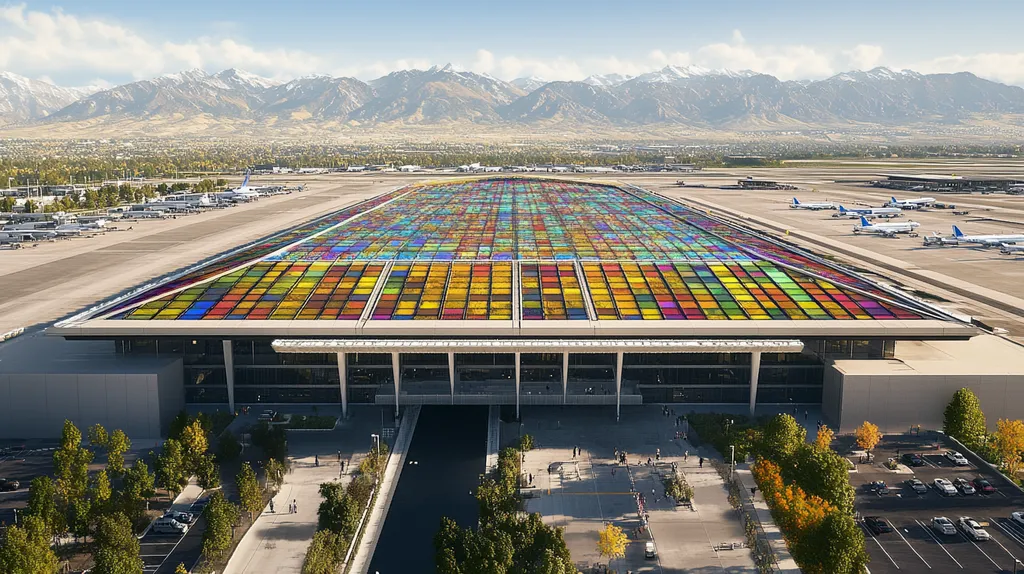
DATA DRIVEN EVIDENCE
The choice of roofing materials is not just a matter of aesthetics; it carries significant environmental implications. With buildings responsible for nearly 40% of global energy consumption, selecting the right roofing can dramatically enhance sustainability initiatives. Conventional materials often contribute to heat island effects, leading to increased energy requirements for cooling. Familiarizing oneself with the life cycle assessment (LCA) and environmental impacts of various roofing options is crucial for property owners and facility managers looking to make eco-friendly upgrades.
Life Cycle Assessment Findings
Life Cycle Assessment is a holistic approach to evaluating the environmental impacts of roofing materials from cradle to grave. This includes extraction, manufacturing, installation, maintenance, and eventual disposal. Alarmingly, many popular roofing options characterized as efficient rank poorly in LCA evaluations.
For instance, traditional asphalt shingles may appear budget-friendly but generate significant greenhouse gas emissions during their production, overshadowing their initial cost advantage. On the other hand, metal roofs and sustainable materials such as thermoplastic polyolefin (TPO) have demonstrated lower overall impacts when examined through LCA.
Research indicates that metal roofs can yield energy cost savings of up to 30% over their lifespan compared to asphalt shingles. Additionally, their recyclability contributes to waste reduction and resource conservation.
Understanding these findings empowers property owners to align their roofing choices with their sustainability aspirations and regulatory standards.
Comparative Environmental Impacts
When selecting roofing materials, grasping the comparative environmental impacts is essential for informed decision-making. Certain flat roofing systems may provide superior insulation but could create drainage and durability challenges.
For example, while PVC roofs excel in waterproofing, they emit harmful chemicals during production and installation. In contrast, ethylene propylene diene monomer (EPDM) membranes have been found to have lower environmental impacts.
Moreover, vegetative roofs enhance sustainability by managing runoff and improving air quality. Studies reveal that green roofs can absorb up to 90% of rainfall, significantly easing the strain on stormwater systems.
By evaluating these comparative impacts, property managers can prioritize not just upfront costs but also long-term sustainability and environmental responsibility.
Case Studies on Sustainable Roofs
Examining real-life case studies highlights the tangible benefits of sustainable roofing solutions. Consider a corporate headquarters that transitioned to a green roof. This upgrade not only improved stormwater management but also boosted employee productivity through enhanced indoor air quality and accessible green spaces.
Another compelling example involves a retail chain that opted for reflective roofing, resulting in a 20% decrease in cooling costs and a marked improvement in their sustainability rating. This decision also garnered positive customer feedback, showcasing how eco-conscious choices can enhance brand appeal.
These case studies illustrate that embracing sustainable roofing can yield immediate financial benefits while supporting broader corporate social responsibility objectives.
By focusing on these practical applications, the stories reinforce the idea that smarter roofing choices are not just beneficial for the environment but also for a company’s bottom line and community image.
SECTION 6: ALTERNATIVE SOLUTIONS
As concerns over the environmental impact of commercial roofing materials intensify, property owners find themselves in a pivotal position. The stakes are higher than ever; opting for sustainable materials not only minimizes carbon footprints but also enhances the longevity and resilience of buildings. Alternatives such as green roofs, recycled materials, and energy-efficient options provide robust solutions worthy of consideration. These choices not only promote ecological well-being but also offer the potential for substantial cost savings in the long run.
Green Roofs and Porous Surfaces
Green roofs are a revolutionary approach for urban properties. By cloaking rooftops in layers of vegetation, these systems not only absorb rainwater but also cool the air and foster biodiversity. The result? Reduced runoff and improved air quality, creating a win-win for city environments.
Porous surfaces are another sustainable alternative that allows water to permeate, effectively cutting down on stormwater management costs. By supporting plant life, these surfaces help mitigate the urban heat island effect, paving the way for a healthier ecosystem.
Moreover, green roofs contribute to better insulation, aiding temperature stabilization within buildings and lowering energy bills. Given the rising temperatures in urban areas, these solutions offer much-needed adaptability against climate change.
As utility expenses climb, investing in green roofs or porous surfaces becomes more financially sound. Additionally, various government incentives exist to assist properties in pursuing these initiatives, maximizing both ecological and fiscal benefits.
Recycled and Locally Sourced Materials
Incorporating recycled and locally sourced materials can greatly diminish the environmental impact of commercial roofing. By utilizing recycled content, these materials help divert waste from landfills while reducing the need to harvest new resources. For example, roofing membranes crafted from recycled tires or asphalt can significantly lessen the ecological footprint of a project.
Furthermore, sourcing these materials locally minimizes transportation emissions. As a bonus, local suppliers often provide products tailored to regional climates, enriching the overall effectiveness of the roofing system.
Using these materials can not only enhance durability but also improve the performance of the roofing system. Although initial costs may vary, their increased longevity generally translates to lower maintenance and replacement expenses over time.
By employing recycled and locally sourced options, property owners can gain a competitive edge. With the rising demand for sustainability, those choosing these materials are likely to attract environmentally conscious tenants and clients.
Energy-Efficient and Durable Options
Investing in energy-efficient roofing materials is essential for slashing operational costs. Reflective roofing options, designed to reflect sunlight rather than absorb it, keep buildings cooler and can significantly lower air conditioning bills. Studies reveal that these materials can reduce rooftop temperatures by up to 50°F, contributing to substantial energy savings.
Durable roofing systems extend their lifespans and reduce the frequency of replacements. Materials like metal and advanced thermoplastics provide robustness against severe weather conditions, ensuring reliable protection. This extended longevity leads to lower material costs and fewer interruptions in business operations.
Additionally, energy-efficient materials can be linked to energy credits and rebates. Many utility companies incentivize the installation of such roofing solutions, providing financial backing that softens initial investment costs.
Integrating energy-efficient and durable options also boosts a property’s overall marketability. Buildings fitted with these advanced roofing solutions are increasingly recognized as valuable assets in environmentally focused markets, enhancing long-term investment potential.
Looking Ahead
The evidence is clear: traditional environmental assessments of commercial roofing materials are woefully inadequate, with over 11 million tons of roofing waste entering landfills annually while manufacturing processes continue to deplete finite resources.
The industry stands at a critical crossroads between maintaining outdated practices and embracing sustainable alternatives like green roofs, recycled materials, and energy-efficient solutions.
By overlooking crucial factors like lifecycle impacts, stormwater management, and local sourcing options, current assessment methods perpetuate environmental degradation while missing opportunities for significant cost savings.
The path forward requires a fundamental shift in how we evaluate roofing materials, placing environmental impact at the forefront of decision-making rather than treating it as an afterthought.
The stakes are clear: either the industry evolves to meet mounting environmental challenges, or it risks becoming a primary contributor to urban sustainability failures.
FREQUENTLY ASKED QUESTIONS
Q. What are the environmental impacts of commercial roof materials?
A. The environmental impact of commercial roofing materials varies greatly. Traditional options, like asphalt, are not only petroleum-based but also contribute significantly to carbon emissions and landfill waste. Conversely, metal roofs, while more durable, involve energy-intensive production processes. Understanding these impacts is essential for making sustainable choices that align with property owners’ environmental responsibilities.
Q. How do standard installation practices affect industrial roofs?
A. Standard installation practices can have significant consequences on the performance of industrial roofs. Poor techniques may lead to leaks, energy inefficiency, and increased consumption. Moreover, the use of volatile organic compounds in adhesives can worsen air quality. Adopting innovative practices and proper training can greatly mitigate these issues, promoting sustainability and efficiency.
Q. What sustainable roofing alternatives should property owners consider?
A. Property owners can greatly benefit from considering sustainable roofing alternatives such as green roofs and cool roofing systems. These options not only enhance energy efficiency but also contribute to better stormwater management and urban biodiversity. Incorporating such choices paves the way for substantial long-term savings while simultaneously reducing the environmental impact.
Q. How does lack of recyclability in commercial roofs affect the environment?
A. The lack of recyclability in commercial roofing materials leads to significant environmental challenges. Materials like traditional bitumen often end up in landfills after their lifecycle, compounding waste management issues. This inefficiency highlights the urgent need for industry reforms that prioritize recyclable materials, thus reducing landfill crises and protecting our ecosystems.
Q. What role do lifecycle assessments play in roofing decisions?
A. Lifecycle assessments (LCAs) provide valuable insights into the environmental impacts of roofing materials throughout their lifespan. They help property managers see beyond initial costs, revealing long-term ecological and financial repercussions. By utilizing LCAs, decision-makers can prioritize materials that not only benefit the environment but also help in sustainable building practices.
Q. How can property owners utilize energy-efficient roofing materials?
A. Property owners can enhance energy efficiency by selecting reflective roofing materials designed to minimize heat absorption. This feature can significantly reduce cooling costs, making them particularly beneficial in warmer climates. Additionally, these energy-efficient options can contribute to lower energy consumption, enhancing overall building performance and sustainability.
Q. What innovative roofing solutions are gaining traction?
A. Innovative roofing solutions like green roofs and porous surfaces are gaining significant attention in the industry. These alternatives not only improve stormwater retention but also enhance biodiversity and air quality. As urban areas continue to face climate challenges, these solutions stand out for their capacity to foster a healthier environment while providing functional benefits.






