

In today’s energy-conscious commercial environment, the color of your roof isn’t just an aesthetic choice—it’s a major factor in your building’s performance and operating costs.
Studies show that buildings with dark-colored roofs can consume up to 30% more energy for cooling compared to those with white, reflective surfaces.
This comprehensive guide breaks down the science behind roof coloring, explores real-world applications, and provides actionable insights for property owners looking to maximize energy efficiency while minimizing costs.
Whether you’re planning a new installation or considering an upgrade, understanding the performance differences between white and colored commercial roofs could save your business thousands in annual energy expenses.
SECTION 1: THE BASICS EXPLAINED
Understanding the performance difference between white and colored commercial roofs is crucial in our energy-conscious world. A staggering 30% of a building’s energy use may come from HVAC systems battling heat absorbed by roofing materials. Choosing the right roof color can significantly boost energy efficiency and lead to impressive savings on utility bills. This section will break down what roofing color means, why it matters, and how it works in practice.
What It Is (In Plain Language)
Roof color plays a direct role in a building’s temperature and energy efficiency. White roofs reflect sunlight and heat, while darker-colored roofs tend to soak it up. This fundamental distinction shapes how a building interacts with its environment. By grasping these basic concepts, property owners can make smarter choices that resonate with both financial prudence and sustainability goals.
White roofs are often crafted from reflective materials, dramatically lowering roof surface temperatures compared to their darker counterparts. Less heat enters the building, resulting in reduced energy consumption for cooling. In contrast, colored roofs may look appealing but can drive up energy demands and costs.
This distinction is vital for maximizing energy efficiency in commercial buildings. Reflective roofs create cooler indoor environments, while darker roofs often force HVAC systems into overdrive. Recognizing this can guide property owners toward decisions that promote sustainability and economic efficiency.
In summary, the choice of roof color is far more than a mere aesthetic preference; it profoundly influences comfort, efficiency, and financial health. Understanding these basic factors is essential for making informed business decisions.
Why It Matters (To Your Building)
The roofing color selected by a building owner greatly affects energy consumption and can substantially impact annual operating costs. Buildings with white roofs can enjoy up to a 20% reduction in cooling expenses compared to those sporting conventional dark roofs. The financial stakes are high, particularly for expansive commercial spaces.
Beyond immediate savings, the choice of roof color also influences HVAC system longevity. If systems must work harder due to heat absorption, they can wear out faster. This increased strain may lead to higher maintenance costs and earlier-than-expected replacements.
Moreover, energy-efficient buildings featuring lighter roofs often earn green certifications, boosting marketability and appealing to eco-conscious tenants. Owners not only pocket savings but may also enjoy elevated property values over time.
Ultimately, the impact of roof color stretches well beyond mere looks. It intersects with financial efficiency, sustainability, and tenant attraction. By grasping this relationship, property owners can make educated choices that align with their long-term business visions.
How It Works
The effect of roof color on energy efficiency hinges on solar reflectance and thermal emissivity. Solar reflectance measures how much sunlight a roof bounces away, while thermal emissivity indicates how quickly a roof absorbs and releases heat. Generally, white roofs exhibit superior reflectivity and emissivity properties, keeping buildings cooler.
When a dark-colored roof absorbs sunlight, the temperature skyrockets. This heat transfers into the building, raising indoor temperatures and pushing HVAC systems to work harder for cooling. In contrast, a white roof reflects sunlight, leading to cooler surface temperatures and a more comfortable interior climate.
This science of thermal dynamics underscores why selecting the right roof color is essential. Specialized coatings and materials can further enhance the performance of white roofs, boosting their effectiveness. Such technological advancements signal a shift toward greater energy efficiency in the roofing industry.
As the industry evolves, understanding these principles equips property owners to make strategic choices—choices that shape not only energy costs but the sustainability of their operations.
SECTION 2: PRACTICAL APPLICATIONS
Choosing the right color for commercial roofs isn’t just a matter of aesthetics—it’s a decision that can have a profound impact on energy efficiency and operational costs. As energy prices continue to climb, the advantages of a reflective roof become ever more important. For example, a white roof can reflect as much as 80% of sunlight, leading to significant cooling cost reductions in hotter regions. By understanding these practical applications, property owners can make informed roofing decisions that support both sustainability and long-term savings.
Common Uses & Examples
Different roof colors serve various purposes across commercial buildings. White roofs are often seen atop warehouses and distribution centers in hot climates, where their ability to reflect sunlight helps maintain lower internal temperatures and boosts energy efficiency.
On the flip side, colored roofs are more common in retail spaces and office buildings, where visual appeal plays a crucial role. Those roofs can also be engineered for effective thermal performance while maintaining the desired architectural style.
Take reflective roof membranes, for example; using light colors can be a smart move for buildings with high HVAC demands. Meanwhile, dark roofs, when adequately insulated, can perform well in cooler regions by absorbing heat and reducing winter heating needs.
Ultimately, each roofing application should take into account the local climate, energy costs, and specific building usage to optimize efficiency and longevity.
When You Need It Most
The urgency to select an optimal roof color peaks during major projects like renovations or new constructions. For instance, a new building equipped with a white roof can start saving on energy expenses from day one, particularly in areas that experience extreme summer heat.
In the renovation process, it’s crucial for building owners to assess how the roof color will influence energy performance. Adding a reflective roof to an older structure can yield immediate cost savings through lower energy bills.
Seasonal considerations matter too. In warmer months, lighter roofs can significantly decrease cooling expenses. While dark roofs might seem attractive for winter heat retention, they can cause discomfort year-round if not properly insulated.
Timing the installation or replacement of a roof with seasonal conditions and specific building needs can deliver substantial financial rewards.
Interactions With Other Systems
Commercial roofing doesn’t function in isolation; it interacts closely with HVAC and insulation systems, enhancing overall energy efficiency. Choosing an appropriate roof color can lead to more efficient conditioning of the space underneath.
For instance, a white roof can dramatically reduce the air conditioning load, positively affecting HVAC performance and maintenance frequency. This means that opting for a cooler roof can easily reduce wear and tear on the system.
Moreover, effective insulation amplifies thermal performance, regardless of the roof’s color. A well-insulated dark roof, for example, can yield substantial energy savings in suitable climates.
By understanding these interactions, property owners can make educated decisions that enhance building performance, extend the roof’s lifespan, and contribute to overall environmental responsibility—resulting in benefits for both owners and tenants alike.

SECTION 3: KEY TERMINOLOGY DECODED
Grasping the terminology used in roofing is vital for making choices that directly impact energy efficiency and costs. Property owners should familiarize themselves with terms like “reflectivity,” “thermal performance,” and “insulation value.” Misunderstanding these concepts can lead to costly decision-making that results in elevated energy bills and unexpected maintenance expenses. This section breaks down essential terms and industry jargon to help facilitate effective communication and insight into roofing decisions.
Essential Terms Explained
Reflectivity is an essential concept in roofing. It measures how much sunlight a roof reflects back into the environment. For example, white roofs can have reflectivity ratings exceeding 80%, whereas darker roofs may only reflect 10% or less. This discrepancy can have a significant impact on cooling costs, especially in warmer climates.
Another important term is thermal emittance. This refers to how much heat a roof radiates back into the atmosphere. A roof with high thermal emittance remains cooler, thus reducing the need for air conditioning. Understanding this concept allows property managers to make more energy-efficient choices when evaluating roofing options.
Insulation value, known as R-value, gauges a material’s resistance to heat transfer. Higher R-values mean better insulation, which limits energy loss. This is particularly crucial in areas with extreme temperatures, where selecting the right roof color and insulation can lead to substantial savings.
Finally, the life cycle cost analysis looks at the total cost of a roof across its entire lifespan, incorporating expenses related to installation, maintenance, and energy use. This broad perspective is critical when choosing color and material, as it helps ensure long-term financial savings.
Industry Jargon Translated
You might often hear terms like “cool roof” in the roofing industry. A cool roof reflects more sunlight and absorbs less heat compared to standard roofs, making it vital for mitigating heat islands in urban environments. For property owners, selecting a cool roof can significantly lower energy costs, especially in sunny locations.
The term “solar reflectance index” (SRI) describes a surface’s ability to reflect solar energy. A higher SRI value equates to better performance. For instance, a white roof with a higher SRI can drastically decrease cooling needs during peak sunlight hours, resulting in lower energy expenses.
Conversely, the phrase “dark roof” tends to have negative connotations due to its low reflectivity and high heat absorption. While dark roofs may offer aesthetic appeal, they often fall short in energy efficiency. Understanding these terms equips property managers to make choices that enhance both the visual appeal and energy performance of their roofs.
Measurement & Units Simplified
Familiarity with common measurement units is vital for evaluating roof performance and energy efficiency. Reflectivity is typically expressed as a percentage, indicating how much sunlight is bounced away. For example, a roof with 80% reflectivity means it effectively rejects the majority of the sun’s heat, helping keep indoor temperatures lower.
For thermal performance, R-values are commonly utilized. Each roofing material has a designated R-value that demonstrates its insulating capacity. For example, fiberglass insulation usually has an R-value ranging from 2.9 to 4.3 per inch, meaning thicker layers can dramatically improve energy conservation.
The solar reflectance index ranges from 0 to 100, showcasing the efficiency of roofing materials in reflecting solar energy. A higher index score indicates better performance in hotter climates, though it’s crucial to assess the entire roofing system to achieve a comprehensive understanding.
Ultimately, mastering these measurement units empowers property owners to make knowledgeable decisions about their roofing projects, effectively balancing performance, aesthetics, and cost-effectiveness.
SECTION 4: DECISION FACTORS
Making the right choice in roofing color isn’t just a minor detail; it’s a game changer for commercial property owners and facility managers. An often-cited study reveals that opting for white roofs can cut cooling costs by as much as 20% when compared to darker alternatives. With stakes like these, understanding cost considerations, performance trade-offs, and the vital aspects affecting lifespan and durability can lead to savvy, budget-friendly decisions.
Cost Considerations
Initial costs typically top the list of concerns when selecting roofing materials. It’s true that white roofs might involve a steeper upfront price tag due to their specialized reflective coatings. However, the equation gets interesting when you factor in the potential energy savings.
Imagine a facility that pays $1,000 a month for cooling. By switching to a white roof, annual savings could reach $2,400—enough to recover that initial investment within just a few short years! These ongoing savings can significantly improve operational budgets.
Additionally, many states throw in tax incentives for energy-efficient roofing options, sweetening the deal for those who choose white roofs. Therefore, analyzing these savings is essential to making a comprehensive and informed decision.
At the end of the day, striking the right balance between initial costs and long-term financial advantages is key to ensuring a wise investment in roofing.
Performance Trade-offs
Each roofing color comes with its unique performance traits, calling for careful examination. White roofs shine in their ability to reflect sunlight, which helps keep indoor temperatures lower and reduces air conditioning demands. Conversely, darker roofs absorb more heat, which can be beneficial in colder climates where heating costs are a concern.
In warm, sunny regions, the benefits of white roofs far outweigh their colored counterparts, maximizing energy efficiency. However, this dynamic shifts in cooler climates, where the advantages might be less pronounced, demanding a tailored approach for each property.
Weathering and UV exposure also play crucial roles in performance. Colored materials can fade and diminish efficiency over time, while white roofs are often better at maintaining their reflective qualities.
The key for informed property managers is to consider regional climates alongside performance goals to make strategic decisions that enhance energy efficiency.
Lifespan & Durability Factors
The longevity of roofing materials is a vital component of the decision-making process. White roofs tend to offer improved lifespan due to their reflective coatings, which help minimize thermal stress. On the flip side, while colored roofs may catch the eye, they can fade more quickly, diminishing energy efficiency in the long run.
Durability goes beyond color and is significantly influenced by material composition. Certain white membranes are engineered to resist UV damage and punctures better than their darker counterparts. A deteriorating roof can lead to unexpected repair costs and even earlier replacements, affecting overall lifecycle expenses.
Regardless of the color chosen, establishing a proactive maintenance schedule is essential. Regular upkeep can extend the lifespan of any roof, ensuring it remains effective over time.
In conclusion, understanding how color impacts lifespan and durability is crucial for making smart roofing choices that align with long-term operational objectives.
SECTION 5: COMMON CHALLENGES
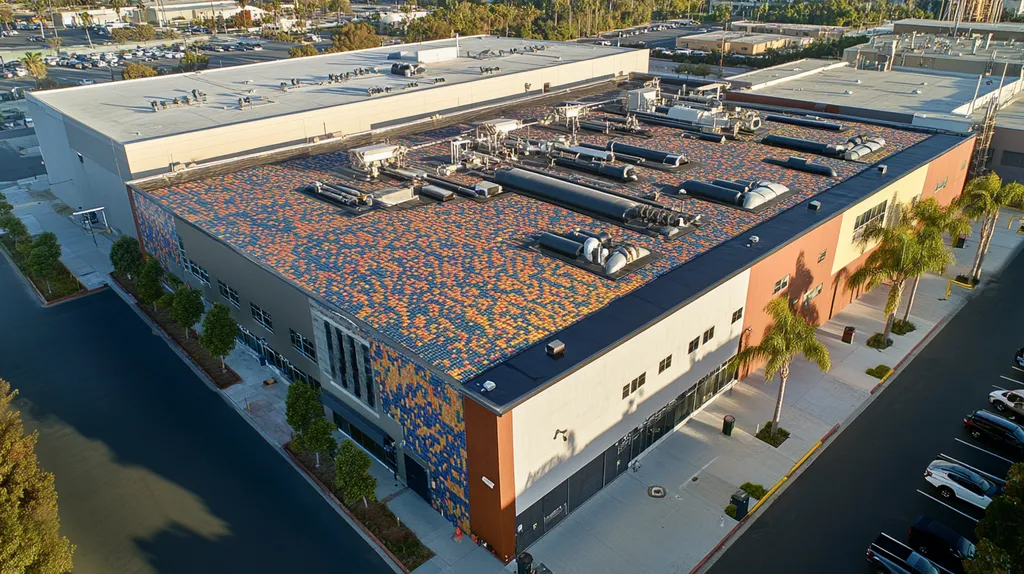
The performance of commercial roofs is heavily impacted by their color, but navigating the resulting challenges can be daunting. Property owners often grapple with choices that can directly influence energy efficiency and maintenance costs. For example, while colored roofs may look stylish, they absorb more heat and drive up cooling expenses. On the other hand, white roofs reflect solar energy, leading to impressive savings. Recognizing and addressing these challenges is vital for maximizing the lifespan and functionality of any roof.
Frequent Problems & Solutions
A prevalent issue with colored roofs is their tendency to absorb heat. This can lead to soaring internal temperatures, causing HVAC systems to work harder and elevating energy bills. One effective solution is to switch to lighter-colored materials or apply reflective coatings that reduce heat absorption and enhance energy efficiency.
Another challenge is the risk of maintenance oversight. Dark roofs often show dirt and debris more effectively, which can result in neglect during cleaning and inspection. Establishing a regular maintenance schedule and training staff on the importance of roof cleanliness can significantly improve the longevity of the roof.
Moisture retention can also be a concern. Darker surfaces may dry slowly after rain, potentially leading to water damage. To combat this, it’s essential to install proper drainage systems that ensure efficient water flow off the roof, significantly reducing the risk of damage.
Staying informed about these challenges and their solutions is crucial. Collaborating with knowledgeable roofing contractors can help property owners select the most effective color and materials tailored to their climate and building usage.
Warning Signs To Watch For
Property owners should be alert to warning signs that hint at roofing issues related to color. One significant indicator is a sudden spike in energy costs. If expenses rise sharply without an increase in building use, it may signal that the roof isn’t performing as needed.
Increased warmth in interior spaces, particularly those situated directly beneath darker roofing materials, should also raise red flags. If rooms feel hotter than expected, it might be due to excessive heat absorption from the roof.
Stains and discoloration on the roof’s surface can indicate debris buildup or algae growth, common on darker roofs. Regular visual inspections are key to identifying such issues early.
Watch for cracking, blistering, or curling of roofing materials, as these can indicate that the color and material selection are not performing optimally. Promptly addressing these signs with a roofing professional is essential for sustaining the roof’s lifespan.
Preventative Approaches
Taking proactive steps can greatly enhance commercial roofing performance. Opting for energy-efficient materials with high reflective properties minimizes heat absorption and leads to lower energy expenditures over time.
Regular maintenance and cleaning are also critical, regardless of roof color. Scheduling biannual inspections can help catch potential problems before they escalate, ensuring the roof remains in good condition.
Investing in reflective roof coatings is another effective preventative measure. Such coatings can not only prolong the roof’s lifespan but also improve overall energy efficiency.
Finally, educating building staff about the implications of roof color on energy use provides a strong foundation for proactive management. By understanding these elements, property owners can make informed decisions that align with their energy efficiency objectives.
SECTION 6: NEXT STEPS & RESOURCES
Choosing the right roofing color is not just a detail—it’s a strategic move that can impact energy costs and overall building performance. For instance, a white roof can reflect a whopping 80% of sunlight, translating into substantial cooling cost savings. Property owners and facility managers must consider how their choices will affect energy consumption over time. This section will outline essential questions to ask roofing providers, highlight key industry standards, and provide resources for ongoing education.
Questions To Ask Providers
When engaging with roofing providers, it’s essential to ask targeted questions to better understand how color affects performance. Start with inquiries about the energy efficiency ratings for each color option. Armed with this information, property owners can predict future savings more accurately.
It’s also critical to discuss how different colors perform in your specific climate. For instance, dark roofs can trap heat in warmer areas, heightening cooling expenses and impacting comfort.
Another important aspect is warranty coverage related to color degradation or fade over time. Not all roofing materials are created equal, and understanding product longevity is crucial for future investments.
Finally, request case studies or success stories where effective color choices led to measurable gains in performance and cost savings. These real-world examples can illuminate the potential benefits of your decisions.
Industry Standards & Guidelines
Acquainting oneself with industry standards and guidelines is vital for informed roofing decisions. Organizations like the Cool Roof Rating Council offer valuable resources that outline energy-efficient options and best practices for commercial roofs.
Many regions have building codes that encourage the use of reflective materials in roofing. Being aware of these requirements not only ensures compliance but also maximizes energy efficiency and potential savings.
Consult the U.S. Department of Energy’s guidelines regarding reflective roofing. Following these recommendations might open the door to incentives and rebates for energy-efficient investments.
Staying updated on emerging technologies and industry trends is equally essential. Innovative products can provide enhanced energy performance and benefits that evolve over time, making knowledge a key asset.
Further Learning Simplified
Deepening knowledge about roofing materials and energy efficiency is vital for long-term success. Numerous online platforms offer courses aimed specifically at commercial property managers and owners looking to sharpen their skills.
Many industry publications feature insights into the latest trends, materials, and technologies, keeping stakeholders in the loop. Subscribing to these resources can boost decision-making capabilities.
Joining professional associations, such as the National Roofing Contractors Association, connects property owners to a wealth of expertise and a network of professionals. These organizations often hold webinars, workshops, and conferences focused on energy efficiency.
Finally, consider collaborating with energy consultants or roofing specialists. Their tailored advice can clarify your property’s specific needs, streamlining decision-making and leading to optimal outcomes.
The Bottom Line
With energy costs continuing to rise, the color choice of commercial roofs has never been more critical to building performance and operational budgets.
Studies consistently show that white roofs can reduce cooling costs by up to 30% compared to darker alternatives, potentially saving thousands in annual energy expenses.
The science is clear: reflective roofing materials dramatically outperform colored options in most climates, particularly in urban areas where heat island effects are pronounced.
As sustainability regulations tighten and energy prices climb, property owners who fail to optimize their roofing color choices risk increasing operational costs and declining property values.
Smart roofing decisions today – particularly regarding color selection – will shape building performance and profitability for decades to come.
FREQUENTLY ASKED QUESTIONS
Q. What is the performance difference between white and colored commercial roofs?
A. Roof color significantly impacts a building’s energy efficiency. White roofs reflect sunlight and heat, helping maintain cooler indoor temperatures. Conversely, darker roofs absorb heat, which can lead to increased energy consumption for cooling and higher utility bills. Understanding these differences allows property owners to make savvy choices for better energy management.
Q. How do I apply the knowledge of commercial roofs to practical decisions?
A. Choosing the right roof color is crucial, especially in hot regions; white roofs reflect about 80% of sunlight, drastically lowering cooling costs. Assess your building’s specific needs and climate, making informed decisions that align with sustainability goals and budget considerations. This proactive approach ensures optimal energy efficiency and extends roof lifespan.
Q. What key terms should I understand about industrial roofs?
A. Familiarizing yourself with key roofing terminology is essential. Terms like “reflectivity” indicate how much sunlight a roof bounces back, while “thermal emittance” measures heat radiated back to the environment. Understanding “insulation value” helps assess energy efficiency, enabling property owners to make better decisions concerning their roofs.
Q. What cost factors should I consider with commercial roofs?
A. When selecting roofing color, evaluate both initial and long-term costs. Although white roofs can have higher upfront costs due to specialized materials, their energy savings can recover that investment quickly. Many regions also offer incentives for energy-efficient choices, making it critical to analyze financial benefits when deciding.
Q. What are the common challenges with colored roofs?
A. A frequent issue with colored roofs is their heat absorption, leading to higher cooling costs. Regular maintenance can help prevent problems associated with dirt and moisture retention. By addressing these challenges proactively and considering lighter materials, property owners can enhance energy efficiency and prolong the roof’s lifespan.
Q. What steps should I take after deciding on roof color?
A. Once you’ve chosen a roof color, engage with reputable roofing providers. Ask targeted questions about energy efficiency and warranty coverage. It’s also essential to familiarize yourself with industry standards and guidelines that promote enduring performance and compliance. Utilize resources for further education to stay updated on trends.
Q. How can roof color affect tenant satisfaction in commercial buildings?
A. Roof color can significantly impact thermal comfort within commercial spaces, influencing tenant satisfaction. Lighter-colored roofs help regulate indoor temperatures, keeping areas cooler and more enjoyable. In contrast, darker roofs may lead to increased discomfort from heat, potentially impacting tenant retention and overall satisfaction with the building.






