

As commercial buildings account for nearly 40% of U.S. energy consumption, the push for green roofs has gained momentum as a sustainable solution. However, conventional approaches often fall short of delivering promised energy efficiency gains.
Recent studies indicate that poorly designed green roofs can actually increase operational costs while providing minimal environmental benefits. The disconnect between installation practices and performance optimization has led to widespread inefficiencies across the commercial sector.
This analysis examines critical flaws in current green roof implementations and presents evidence-based alternatives for maximizing energy efficiency in commercial buildings.
SECTION 1: CURRENT PRACTICES
As cities expand, soaring temperatures drive the urgent need for sustainable building solutions. Green roofs have gained traction as effective tools for mitigating urban heat, enhancing aesthetics, and boosting energy efficiency. However, many installations fall short of their potential benefits. This section explores the trends in green roof installations, the commonly used materials, and standard maintenance practices, highlighting significant gaps that can affect overall effectiveness.
Green Roof Installation Trends
The popularity of green roof installations among commercial property owners has been steadily increasing. Market analysis shows anticipated growth as organizations recognize the environmental benefits of these systems. Yet, many installations stick to traditional methods that fail to optimize energy efficiency.
A predominant trend is the emphasis on visual appeal over functional performance. While green roofs can beautify a property and attract tenants, this focus often detracts from their potential to enhance energy-saving capabilities. Many owners promote green roofs primarily as marketing tools, neglecting essential energy-efficient features.
Moreover, many installations lack careful consideration of regional climates and the specific needs of the building. This oversight can lead to ineffective systems that fail to provide the necessary insulation or cooling, ultimately undermining energy savings.
To unlock the full potential of green roofs, property owners should embrace comprehensive design strategies centered on energy efficiency. By utilizing innovative techniques and high-performance materials, they can achieve long-term sustainability while benefiting local ecosystems.
Standard Materials and Designs
The choice of materials and design in green roofs profoundly influences their effectiveness and durability. Currently, many installations rely on standard modular systems that may not adapt well to the specific environment, often relying on single-plant species that limit biodiversity and increase susceptibility to pests and diseases.
Commonly used materials, such as lightweight soil substrates, may not retain sufficient moisture or provide adequate insulation. This shortfall can lead to increased irrigation needs, negating potential energy savings. Additionally, conventional waterproofing membranes can deteriorate prematurely when subjected to plant roots, incurring unexpected repair costs.
Furthermore, design practices often gravitate towards extensive green roofs featuring minimal soil depth and limited plant variety. While this cost-effective approach may seem appealing, it overlooks the substantial energy efficiency gains that could be achieved through deeper soil systems that support a richer diversity of plant life.
Ultimately, adopting innovative materials and superior design practices is vital for enhancing the energy performance of green roofs. By investing in high-quality components, property owners can bolster durability and reduce the frequency of costly replacements.
Common Maintenance Practices
Maintenance plays a crucial role in the overall performance of green roofs, yet it is often neglected. Routine tasks are typically limited to basic weeding and irrigation, which may not suffice for maintaining energy efficiency. Poorly managed maintenance can lead to substantial problems over time.
For instance, many building managers fail to monitor plant health, risking overgrowth or significant plant die-off, which can deteriorate insulation performance. Unhealthy vegetation can disproportionately increase energy demands for heating and cooling, negating any potential energy savings.
Furthermore, drainage systems are often overlooked, leading to water accumulation that can add excessive weight to the roof structure. This vulnerability can compromise both the roof’s integrity and energy performance, resulting in unwelcome repair costs.
A robust maintenance strategy should involve proactive monitoring of plant health, effective water management, and routine checks of structural components. By focusing on these areas, property owners can ensure their green roofs not only support sustainability but also enhance energy efficiency and overall performance.
SECTION 2: SYSTEMIC ISSUES
As commercial property owners and facility managers contemplate the adoption of green roofs, they encounter several substantial systemic challenges. While these installations offer the allure of enhanced aesthetics and the prospect of energy savings, they often come with elevated initial costs that can dissuade investment. For instance, the costs for green roofs can escalate to two to five times those of traditional roofing solutions. This section delves into the critical financial and structural issues associated with conventional green roof practices.
Higher Initial Costs and ROI
The financial implications of green roofs are significant and sometimes prohibitive. While traditional roofing options typically range from $3 to $5 per square foot, green roofs can cost $15 or more per square foot. This dramatic increase raises questions about the return on investment (ROI) for property owners.
The anticipated energy savings from green roofs may not balance out the hefty initial investment within a reasonable timeframe. Research indicates that ROI can take several years, thereby increasing the risk for commercial property stakeholders. This long payback period can be a deterrent for many decision-makers.
Further complicating matters, ongoing maintenance costs—such as irrigation and landscaping—can impose additional financial burdens. The lack of a clear financial benefit may lead stakeholders to hesitate in pursuing green roof projects, despite their ecological advantages.
To make informed decisions, property managers must carefully evaluate the financial landscape, considering both upfront expenditures and potential long-term gains of green roofs.
Structural Integrity Concerns
Another pressing issue is structural integrity. Green roofs introduce additional weight from soil, vegetation, and retained water, placing increased load on existing building structures. Thus, a detailed assessment of load-bearing capabilities is essential prior to installation.
Many commercial buildings may not be designed to accommodate this added weight. An inadequate assessment could result in costly retrofitting or, in the worst-case scenario, structural failure. Stringent monitoring of the building’s integrity is critical as it pertains to maintaining safe and effective green roof systems.
When structural reinforcements are necessary, costs can escalate dramatically, and the design process becomes cumbersome. This added complexity can overshadow the anticipated benefits of energy efficiency that green roofs promise.
Property owners are urged to consider these structural implications and conduct comprehensive evaluations before embarking on any green roof initiative.
Potential for Leaks and Water Damage
The risk of water leaks and subsequent damage is a major concern linked to green roof systems. Although these roofs can offer improved insulation and energy efficiency, improper installation can lead to severe leakage issues. Moisture from the layers of soil and plants can infiltrate the underlying roofing structure if not managed correctly.
Leaks may remain undetected for extended periods, leading to substantial damage, mold growth, and costly repairs. Industry estimates suggest that expenses from leak-related repairs can surpass any energy savings gained through green roofing.
Moreover, the complexity of green roofing systems can complicate maintenance and inspection routines. Regular assessments are necessary to catch potential water issues, yet these checks are frequently neglected, resulting in long-term ramifications.
To address these risks, property owners must prioritize rigorous adherence to installation and maintenance protocols, fostering a culture of accountability and proactive care.
SECTION 3: MISSED OPPORTUNITIES
As the adoption of green roofs increases among commercial property owners, many are still not harnessing their full energy efficiency potential. Studies indicate that well-optimized green roofs can lead to energy cost reductions of up to 30%. By overlooking these benefits, owners face higher operational expenses and squander opportunities for enhanced sustainability.
Underutilized Energy Efficiency Benefits
Energy efficiency is a cornerstone advantage of green roofs, yet many installations fail to leverage it fully. Traditional approaches often emphasize aesthetics over critical factors such as insulation quality and thermal performance. For example, research has shown that green roofs designed with the right specifications can serve as effective thermal barriers, often leading to substantial energy savings.
Property owners frequently underestimate how a well-engineered green roof can curb heating and cooling expenses. These roofs provide natural insulation, which helps to stabilize indoor temperatures. Consequently, this reduces dependence on HVAC systems and can yield significant energy bill savings over time.
Moreover, green roofs can extend the lifespan of roofing materials. With minimized temperature fluctuations, the materials experience less deterioration. This results in fewer costly replacements, contributing to a lower overall lifecycle cost for the roofing system.
In essence, adopting a comprehensive approach to green roof design can shift energy efficiency from a missed opportunity into a considerable asset for commercial properties.
Neglected Biodiversity Potential
Biodiversity represents another pivotal advantage often overlooked in current green roofing practices. While many systems include some vegetation, they fail to maximize the ecological benefits that come with a diverse plant palette. A variety of plants on green roofs can play a crucial role in local habitat restoration and ecological resilience.
Incorporating native plant species can foster microhabitats for pollinators, supporting urban biodiversity goals. This aspect is not just about aesthetics; it tangibly enhances local ecosystems and positively impacts surrounding environments.
Furthermore, promoting biodiversity can bolster a building’s reputation as a responsible environmental choice. In an era where consumers and tenants are increasingly eco-conscious, a rich ecosystem on a green roof can significantly improve tenant retention and attract new businesses.
By fully tapping into biodiversity, property owners can strengthen their environmental credentials, creating long-term value that extends beyond mere financial savings.
Overlooked Stormwater Management Advantages
Effective stormwater management is yet another critical function of green roofs that is frequently underutilized. Many installations lack proper design to manage runoff, which can lead to drainage issues and potential regulatory penalties. A well-executed green roof can significantly mitigate stormwater runoff by retaining rainwater and releasing it gradually.
Research indicates that green roofs can capture over 70% of rainfall, which greatly reduces flooding risks during intense storms. By managing stormwater effectively, property owners contribute to reducing urban flooding and erosion, benefits that directly assist the surrounding community.
Beyond environmental advantages, improved stormwater management can ease the burden on municipal drainage systems. By decreasing runoff volume, property owners may also qualify for financial incentives from local governments, including tax reductions or grants.
Prioritizing robust stormwater management through advanced green roofing solutions transforms regulatory compliance into an opportunity for financial savings and reduced liability—an essential consideration for today’s commercial building owner.
SECTION 4: ROOT CAUSES
The challenges surrounding green roofs and their energy efficiency on commercial buildings stem from fundamental weaknesses in current approaches. Alarmingly, a significant percentage of commercial buildings with green roofs fail to achieve their intended energy savings due to overlooked factors. Ineffective guidelines, inadequate assessments, and limited plant diversity can severely impact the performance of green roofs. Addressing these root causes is essential for unlocking the full potential of green roofing systems.
Lack of Standardized Guidelines
Currently, there is no universally adopted set of guidelines for the implementation of green roofs on commercial buildings. This lack of standardization can result in inconsistent installation practices, which ultimately affect energy efficiency outcomes. Without clear protocols, critical elements like substrate depth and drainage may be overlooked, compromising insulation and cooling benefits.
Studies have indicated that green roofs with poorly defined standards often fail to meet performance expectations. The absence of a unified approach puts property owners at risk, diminishing the effectiveness of their green roofs and wasting valuable resources.
The confusion surrounding installation practices can also extend the timeline for projects, increasing costs. Without a consistent framework, stakeholders find it challenging to gauge their success or identify areas for improvement.
In summary, the lack of standardized guidelines significantly undermines the promise of green roofs, inhibiting their ability to enhance energy efficiency in commercial buildings.
Insufficient Structural Assessments
Another critical issue is the insufficient structural assessments conducted before the installation of green roofs. A thorough evaluation of a building’s capacity to support the added weight of a green roof is essential. Too often, property owners neglect this crucial step, risking potential safety hazards.
Without comprehensive assessments, buildings may be subjected to undue stress, which can lead to structural damage or even collapse. For example, a green roof could weigh more than anticipated, jeopardizing the integrity of the building.
Moreover, lack of proper assessments may lead to poor plant selection, as managers attempt to balance aesthetics with structural capabilities. This can result in the choice of unsuitable plants that hinder energy efficiency and sustainability.
To enhance green roof performance, property owners must prioritize robust structural assessments, ensuring compatibility and support. This foundational step is vital for reducing long-term risks and maximizing energy efficiency.
Limited Plant Selection Criteria
The third root cause lies in the limited criteria for plant selection within green roofing systems. Property owners often focus on visual appeal rather than ecological performance, which can detract from the energy-saving potential of green roofs. For instance, selecting attractive plants without considering their drought resistance or insulation properties can lead to performance limitations.
Inadequate plant selection can significantly influence thermal performance and long-term viability. Plants that do not thrive in specific conditions can create gaps that negatively affect insulation, driving up energy consumption.
Additionally, a lack of knowledge about native and low-maintenance plant varieties can prevent property owners from reaping the full benefits of green roofs. By neglecting ecological diversity, buildings miss out on energy savings from plants that effectively enhance cooling.
Recognizing the importance of diverse and well-adapted plant selection is crucial for ensuring that green roofs fulfill their intended function of enhancing energy efficiency while promoting environmental health.
DATA DRIVEN EVIDENCE
The need for efficient roofing solutions is urgent as climate change intensifies. Commercial property owners are increasingly pressed to adopt practices that not only enhance energy efficiency but also ensure compliance with evolving environmental regulations. Although green roofs are often hailed for their benefits, data shows they may not consistently deliver the energy savings property owners expect. This section scrutinizes critical data regarding energy consumption reduction, stormwater management success, and long-term cost-benefit outcomes, emphasizing the necessity for a reevaluation of conventional green roof strategies.
Energy Consumption Reduction Data
Evaluating energy savings from green roofs poses challenges, as quantifiable outcomes are often mixed. Traditional studies suggest these roofs can lower rooftop temperatures by as much as 40%. However, a broader analysis reveals that actual energy savings in heating and cooling are not always significant.
A thorough study by the International Building Performance Simulation Association found that on well-insulated conventional roofs, green roofs may produce only marginal energy savings, ranging from -4.4% to 2.77%. This raises questions about the reliability of green roofs as a solution for improving energy efficiency in commercial settings.
Energy performance varies dramatically by climate; in colder regions, the insulation benefits of green roofs may not justify installation costs. Thus, property owners should evaluate energy consumption data with skepticism, focusing on options that have demonstrated consistent savings.
Stormwater Management Statistics
Green roofs are often lauded for their stormwater management capabilities, with research indicating they can capture 50-90% of rainfall. However, these statistics can be misleading without proper context, leading property owners to misinterpret their benefits.
In densely built urban landscapes, the effectiveness of green roofs in stormwater management can be reduced by surrounding impermeable surfaces. Consequently, property owners may not observe substantial benefits in runoff reduction unless local infrastructure supports comprehensive stormwater strategies.
Furthermore, the installation and maintenance costs associated with green roofs can be considerable, casting doubt on their financial justification. Without visible savings in other operational areas, the ultimate efficacy of green roofs may remain questionable.
Long-Term Cost-Benefit Analyses
Long-term cost-benefit analyses are critical in assessing roofing choices. Although green roofs come with higher initial costs, the projected returns on investment may not meet expectations for many property owners. Regular maintenance costs associated with green roofs can undermine their financial viability over time.
In contrast, traditional roofing options typically feature lower upfront installation costs and reduced maintenance needs. A comprehensive analysis often reveals that these conventional systems provide better long-term financial outcomes for commercial property owners.
Additionally, changing regulations and incentives regarding energy efficiency and stormwater management can impact the financial landscape for green roofs as policies evolve. Uncertainties about future savings must be incorporated into a thorough long-term cost-benefit evaluation, enabling property owners to make informed decisions based on comprehensive financial data.
SECTION 6: ALTERNATIVE SOLUTIONS
The pressing need to improve energy efficiency in commercial buildings is critical amid the escalating impacts of climate change. According to the U.S. Department of Energy, buildings account for nearly 40% of energy consumption in the U.S. To address this challenge, it’s essential to explore alternatives to conventional green roof strategies that can enhance performance and reduce costs. This section examines innovative green roof technologies, retrofitting existing buildings, and integrated sustainable design approaches that align with contemporary energy goals.
Innovative Green Roof Technologies
Recent advancements in green roof technologies are reshaping energy efficiency in commercial buildings. Modern systems utilize lightweight materials and modular designs, facilitating easier installation and maintenance. For example, semi-intensive green roofs incorporate a mix of soil and lightweight aggregates, offering enhanced thermal performance without overloading structures.
Additionally, cutting-edge irrigation technologies optimize water usage, fostering healthier plant growth while minimizing waste. Automated systems can modulate water levels based on rainfall, ensuring ideal moisture levels with reduced manual effort. This approach not only supports plant vitality but also translates into lower energy costs.
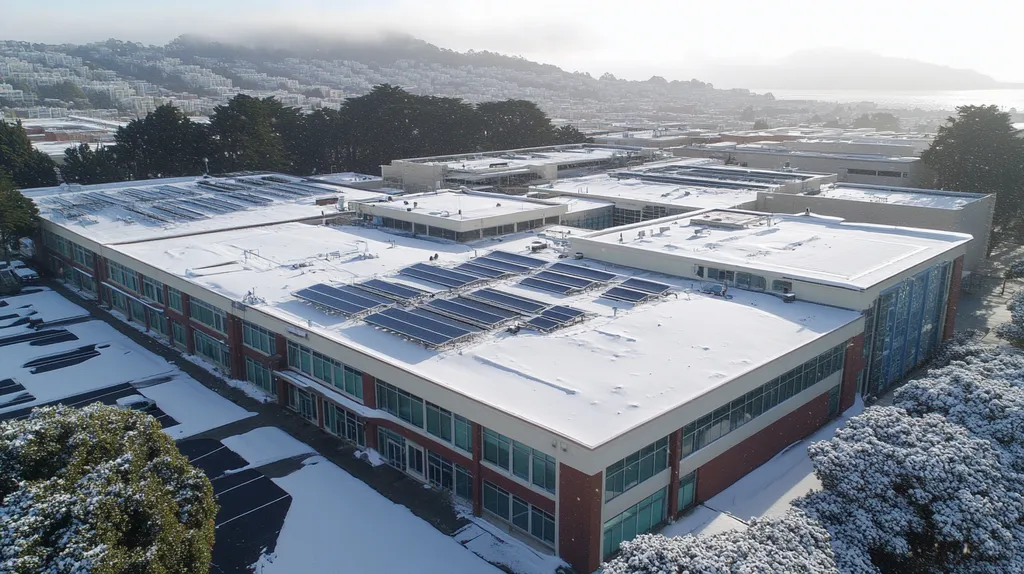
Moreover, integrating photovoltaic (PV) panels with green roofs represents a significant innovation. These systems harness solar energy and benefit from the cooling effects of vegetation, which collectively boost energy efficiency. As green technologies continue to advance, they present alternatives with the potential for enhanced returns on investment.
Additionally, selecting native and drought-tolerant plants can substantially lower maintenance and irrigation demands. By leveraging plant species suited to local climates, buildings can enhance energy efficiency and reduce emissions while promoting biodiversity.
Retrofitting Existing Buildings
Retrofitting existing commercial buildings offers a vital opportunity to enhance energy efficiency. Many older structures have underutilized rooftop spaces that can be repurposed with minimal disruption. Adding a green roof to these buildings can significantly improve insulation and decrease energy consumption.
Innovative solutions, such as green rooftop pavers and lightweight vegetation systems, are specifically designed for retrofitting projects. These systems can quickly adapt to older infrastructures, enabling upgrades without extensive renovations or costly structural reinforcements.
Additionally, retrofitting initiatives often qualify for federal tax credits and state incentives, providing substantial financial relief. This accessibility makes energy-efficient upgrades achievable for facility managers mindful of budgets.
Ultimately, incorporating modern green technologies into existing assets not only meets sustainability targets but also enhances property value, representing a win-win scenario for property owners.
Integrated Sustainable Design Approaches
Integrated sustainable design approaches aim to create cohesive building environments that promote energy efficiency from inception. This methodology emphasizes collaboration among architects, engineers, and roofing specialists to ensure that roofs contribute meaningfully to overarching sustainability objectives.
Such strategies focus on natural ventilation, ample daylight access, and energy-efficient materials, leading to a comprehensive reduction in energy consumption. For instance, applying reflective roof coatings alongside green roofs can amplify cooling effects and mitigate heat island phenomena.
These designs also underscore the importance of energy-efficient HVAC systems working synergistically with green roof technologies. Aligning mechanical and roofing innovations allows buildings to reach superior energy performance levels.
Furthermore, adopting smart technology can facilitate real-time energy monitoring, providing facility managers with valuable insights into consumption patterns. Equipped with this information, property teams can make data-informed decisions that further enhance operational efficiency and drive down costs.
Moving Forward
With commercial buildings consuming 40% of U.S. energy resources, the imperative for effective green roof solutions has never been more urgent.
Current data reveals that conventional green roof approaches often fail to deliver promised energy savings, with some installations showing minimal improvements of just 2.77% in efficiency gains.
The industry must pivot toward evidence-based alternatives that prioritize energy performance over aesthetic appeal.
By adopting innovative technologies, implementing rigorous structural assessments, and focusing on integrated sustainable design, commercial property owners can achieve substantial reductions in energy consumption while ensuring positive returns on investment.
The future of commercial roofing lies not in maintaining conventional green roof practices, but in embracing data-driven solutions that maximize both environmental and financial benefits.
FREQUENTLY ASKED QUESTIONS
Q. What are the current trends in commercial roof installations?
A. Many commercial roof installations prioritize aesthetics over energy efficiency, often neglecting regional climate needs. Property owners frequently rely on traditional methods, resulting in systems that fail to optimize energy savings and insulation performance.
Q. Why are green roofs on commercial buildings costly?
A. Green roofs can be significantly more expensive than traditional options, with costs up to five times higher. The initial investment, coupled with ongoing maintenance, creates challenges for facility managers assessing long-term ROI and financial sustainability.
Q. How can commercial roofs enhance energy efficiency?
A. Optimized green roofs can significantly reduce energy costs by acting as thermal barriers. However, many installations fail to leverage these benefits due to inadequate designs, emphasizing aesthetics over essential insulation features.
Q. What structural challenges do commercial roofs face?
A. Structural integrity is crucial as green roofs add significant weight to buildings. Inadequate assessments can lead to costly retrofitting and increased risks of structural failure, undermining the intended energy efficiency benefits.
Q. What data supports energy savings from commercial roofs?
A. Data on energy savings from green roofs often reveals mixed outcomes. Some studies suggest minimal energy reductions, challenging the effectiveness of green roofs as a consistent solution for energy efficiency in commercial properties.
Q. What alternative solutions exist for commercial roofs?
A. Innovative technologies and retrofitting options provide viable alternatives to traditional green roofs. Enhanced designs, including lightweight systems and automated irrigation, can improve energy efficiency without the high costs associated with conventional methods.
Q. How can biodiversity on commercial roofs be improved?
A. Enhancing biodiversity involves integrating a diverse array of native plant species. This supports local ecosystems and can elevate the ecological value of the roof, contributing positively to both energy efficiency and tenant attraction.






