
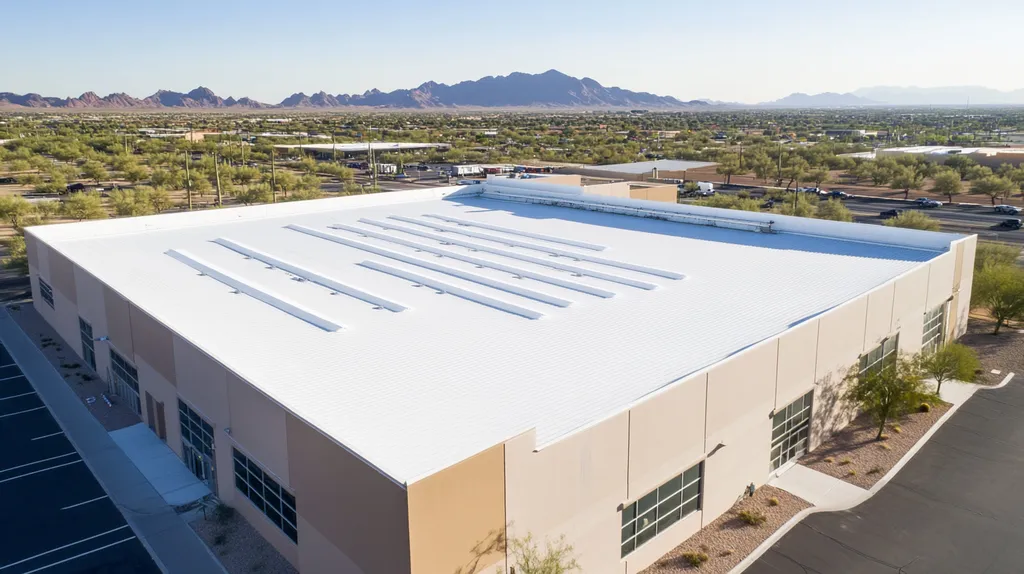
Industrial roof fires caused over $120 million in property damage last year alone, with 40% of incidents traced to preventable installation and maintenance issues.
For facility managers, fire safety in industrial roofing installations presents unique challenges that extend far beyond basic code compliance. From material selection to system configuration, every decision impacts both safety outcomes and bottom-line costs.
This comprehensive guide examines critical factors in industrial roof fire safety, providing facility managers with actionable solutions for protecting assets, ensuring compliance, and managing long-term risks.
SECTION 1: PERFORMANCE FACTORS
Fire safety in industrial roofing is a critical concern—not just for compliance, but for protecting lives and property. The National Fire Protection Association revealed that industrial and manufacturing facilities were responsible for over 12% of reported fires in 2019. Choosing the right materials and designing a robust roofing system are essential steps in reducing fire risks. This section highlights key performance factors for facility managers to consider when making informed decisions.
Fire-Resistant Material Selection
Selecting the right roofing materials is a linchpin in fire safety. While options like EPDM or TPO are popular, they may not provide optimal fire resistance. Facility managers should prioritize materials with recognized fire ratings, such as modified bitumen or metal roofing systems, which are designed to withstand flames.
Additionally, incorporating fire-retardant additives can help elevate the fire resistance of conventional materials. Always ensure that the chosen materials comply with local fire safety standards and criteria set by organizations such as Underwriters Laboratories.
It’s also important to assess the local fire risk, including factors like vegetation and nearby industrial hazards. Consulting with fire safety experts can help pinpoint the most effective material options for the specific environment. Remember, even the best materials can underperform if installed poorly; therefore, hiring experienced contractors familiar with fire safety standards is crucial.
Key Action Items
Roofing System Design and Configuration
The overall design and configuration of a roofing system are pivotal in fire risk management. For instance, flat roofs can retain heat, which may make them more susceptible to ignition, while sloped roofs can promote better drainage and minimize fire spread. A tailored roof design must consider these factors for optimal safety.
Proper ventilation is essential in reducing fire hazards as it allows heat and combustion gases to escape, minimizing the risk of ignition. Collaborating with design professionals can ensure that effective ventilation solutions are seamlessly integrated into the roofing design.
Designing roofs for easy accessibility also plays a vital role. Roofs that are easy to inspect facilitate regular maintenance, which is key for early detection and management of fire risks. Prioritizing accessibility in the design can significantly enhance safety outcomes.
Implementing firebreaks—barriers that inhibit fire spread—is another effective measure. When strategically placed, these barriers provide an added layer of protection against fires that may arise from neighboring facilities or natural disasters.
Key Action Items
Impact of Climate and Weather
Climate and weather conditions directly affect fire safety in industrial roofing. Areas subject to extreme heat or drought present unique fire risks that must be managed thoughtfully. Understanding local weather patterns empowers facility managers to implement strategies tailored to these environmental challenges.
Humidity levels can also influence roofing materials; for example, too much moisture may promote mold growth while excessive heat can weaken materials over time. Conducting regular assessments can help maintain both material quality and fire resistance—especially during seasonal transitions.
Nearby vegetation and combustible materials can increase fire threats, making it vital for property managers to keep surroundings clear of debris. Establishing a fire mitigation plan that addresses these local environmental factors is crucial for protecting the facility.
By adapting roofing strategies to climate considerations, facility managers can not only enhance fire safety but also prolong the lifespan and effectiveness of their roofing systems.
Key Action Items
SECTION 2: FINANCIAL CONSIDERATIONS
Fire safety in industrial roofing is a critical financial focus, not just a box to check for compliance. Lack of adequate fire resistance can lead to severe financial repercussions, including significant property damage and skyrocketing insurance costs. For facility managers, understanding the financial landscape associated with fire safety in roofing installations is essential for protecting both assets and budgets. This section delves into the financial implications of fire safety, guiding facility managers toward wise decisions that will pay off in the long run.
Initial Installation Costs
Choosing the right roofing materials is crucial for balancing quality and fire resistance. While fire-rated roofing systems often come with higher initial costs, this investment can save facility managers money in the long run by reducing future fire damage expenses. For instance, opting for non-conforming materials may lead to expensive retrofitting to bring them up to safety standards.
The initial investment should also consider the longevity and maintenance costs associated with the chosen materials. Fire-resistant roofing systems tend to last longer and require less frequent repairs, ultimately improving financial stability. Furthermore, many local jurisdictions offer tax incentives for using fire-rated materials, which can lessen the upfront financial burden.
Ultimately, these initial costs should be seen as a commitment to fire safety and a proactive strategy to safeguard investments against potential future liabilities.
Key Action Items
Maintenance and Repair Expenses
Neglecting fire safety can lead not only to property damage but also to escalating maintenance expenses. When fire damage occurs, repairs can be extensive and financially burdensome. For instance, roofs lacking adequate fire resistance can quickly turn a small issue into a major budget crisis in the event of an incident.
Regular inspections and proactive maintenance of fire-resistant roofing systems can catch minor problems before they escalate into major costs. Investment in routine checks pays off by maintaining the roof’s fire safety integrity and reducing emergency repair needs.
In contrast, cheaper roofing solutions may seem cost-effective at first, but they often result in higher repair costs over time. Implementing a maintenance program focused on fire safety inspections can not only mitigate risks but also allow for better financial planning regarding roof upkeep.
Key Action Items
Insurance Premium Implications
The roofing system’s fire safety features can profoundly influence insurance premiums. Generally, facilities with compliant fire-rated roofs may secure lower premiums, leading to substantial long-term savings. Conversely, buildings that fail to meet fire safety standards risk higher premiums or potential challenges in obtaining coverage at all.
Facility managers should actively seek insurance quotes that take into account their fire safety measures, as this can greatly affect the overall financial health of a facility. Additionally, roofs meeting stringent fire safety regulations can simplify claims processes following a fire incident, reducing both financial strain and recovery time.
Understanding the interaction between fire safety and insurance is essential for making savvy decisions that bolster protection for both assets and financial resources.
Key Action Items
SECTION 3: COMPLIANCE REQUIREMENTS
Ensuring fire safety through compliance is essential for industrial roof installations. Non-compliance can lead to catastrophic consequences, not just for the structure but also for the people and assets inside. With over 40% of commercial fires linked to electrical malfunctions, it’s crucial for facility managers to adhere to guidelines set forth by the National Fire Protection Association (NFPA), the International Building Code (IBC), and local fire codes. This section will clarify the vital compliance requirements that every facility manager should understand.
Navigating NFPA and IBC Standards
The NFPA and International Building Code (IBC) offer essential standards for fire safety in commercial roofing systems. Facility managers must ensure that their roofs meet these standards to effectively reduce fire risks. For instance, NFPA 1124 provides guidelines that dictate roofing materials must have sufficient fire resistance, such as Class A ratings, which are often required in high-risk industries.
Compliance plays a dual role: it safeguards property and minimizes liability in case of fire-related incidents. Therefore, regular assessments against NFPA and IBC standards are crucial for maintaining compliance and safety.
Moreover, specific requirements can vary by industry. Manufacturing plants may face more stringent regulations than warehouses, making it important for facility managers to stay informed about any code changes that may affect them.
Key Action Items
Understanding UL Testing and Certification
Underwriters Laboratories (UL) testing and certification provide vital assurance regarding the fire safety of roofing materials. This certification indicates that roofing products have been rigorously tested for fire performance. Facility managers should consider materials that possess UL certification for their roofing projects.
Certified materials are classified by fire ratings, helping managers make informed decisions that meet safety needs and local codes. For example, a UL Class A rated roof can offer enhanced resistance to severe fire exposure, an essential factor for facilities near industrial areas.
Regular consultation with UL’s database ensures managers are aware of new products and testing updates. Using UL-certified materials not only bolsters fire safety but also aligns with insurance requirements, thereby further protecting the facilities.
Key Action Items
Local Municipality Fire Codes
In addition to national standards, adhering to local fire codes is essential for successful industrial roofing projects. These codes can significantly differ by location and may impose additional requirements that extend beyond federal guidelines. For instance, certain municipalities enforce stricter rules about the use of flammable materials in roofing.
Facility managers should thoroughly investigate their local fire codes, especially when constructing or renovating a facility. This awareness ensures roofing systems are compliant and adequately suited to the area’s unique fire risks.
Collaboration with local fire officials can provide valuable insights into specific compliance requirements and process smoother inspections and approvals. Keeping abreast of potential changes to these codes allows facility managers to adapt proactively, minimizing risks and enhancing safety.
Key Action Items
SECTION 4: RISK MANAGEMENT
Fire safety in industrial roofing is a crucial component of effective facility management. With industrial facilities responsible for a significant share of commercial building fires, neglecting fire risks can result in devastating financial losses and harm to employees. Facility managers must be proactive in identifying and mitigating these risks to ensure a safe working environment.
Identifying Potential Fire Hazards
The first step in managing fire risk is pinpointing potential hazards unique to industrial roofing. Common culprits include accumulated debris, flammable insulation materials, and improperly stored chemicals. Regular inspections are essential for uncovering these risks before they escalate into serious incidents.
To facilitate thorough assessments, facility managers should utilize standardized checklists. These tools ensure that no potential risks are overlooked during inspections and help engage employees as they are often the first to notice hazards in their work environment.
In addition to routine inspections, it’s vital to evaluate the building’s fire safety systems. Fire suppression systems, smoke detectors, and alarms must be regularly maintained and updated as necessary to stay effective.
A comprehensive risk assessment can significantly decrease the chance of fire outbreaks. Taking a proactive approach to addressing potential hazards will not only enhance safety but also help lower insurance costs.
Key Action Items
Mitigating HVAC and Electrical Risks
HVAC and electrical systems often reside on industrial roofs, raising fire risk if not properly managed. Faulty wiring or overheating equipment can ignite surrounding materials, leading to dangerous fires.
Routine maintenance and inspections of HVAC systems are crucial to preventing potential hazards. Facility managers should ensure that air units are cleaned regularly and checked for signs of wear and tear. Overheating can often be avoided by resolving airflow issues and replacing aging units that may fail.
Electrical systems require similar attention to reduce fire risks. Employing high-quality materials and adhering to proper installation protocols can help minimize the likelihood of electrical fires.
Key Action Items
Lightning Strike Protection
Lightning strikes pose a significant but often overlooked risk to industrial roofs. A lightning strike can cause extensive damage and ignite fires if proactive safety measures are not implemented. Given that many industrial facilities are large in size, they can be particularly vulnerable to lightning strikes.
Installing a professionally designed lightning protection system is essential. These systems guide lightning safely to the ground, dramatically reducing the risk of fire. It’s recommended that installations be carried out by certified professionals to ensure compliance with local and national standards.
Regular evaluations of existing lightning protection systems are also critical. Over time, components may become compromised or less effective, requiring timely upgrades or replacements. Educating staff about lightning safety protocols during storms will further enhance preparedness and risk mitigation.
Key Action Items
SECTION 5: OPERATIONAL PROCEDURES
In the high-stakes environment of industrial roofing, ensuring fire safety is absolutely critical. With roof fires leading to significant property damage and possible loss of life, facility managers must implement operational procedures designed to minimize these risks effectively. This section will address the importance of regular inspections and maintenance, adherence to proper installation protocols, and establishing comprehensive emergency preparedness plans.
Regular Inspections and Maintenance
Regular inspections are the backbone of fire safety in industrial roofing. Facility managers should schedule inspections at least twice a year to catch potential hazards early. For instance, identifying damaged insulation or piles of combustible materials can prevent fire outbreaks before they escalate.
Maintenance procedures must include specific guidelines, such as routinely clearing debris from roof surfaces and ensuring all roofing materials are certified fire-resistant. Maintaining roof drains is also essential to prevent pooling water, which can weaken roofing systems and increase fire vulnerability.
Additionally, documenting inspections is crucial. By maintaining detailed records, facility managers can track the condition of roofing systems over time, helping to identify trends that could indicate rising fire risks and enabling timely interventions.
Key Action Items
Proper Installation Protocols
Proper installation of roofing systems plays a key role in promoting fire safety. Utilizing fire-rated materials can drastically reduce the risk of fire spreading. Facility managers must ensure that all roofing contractors comply with the latest industry standards and local building codes.
For example, effective installation techniques include layering fire-resistant membranes and using non-combustible insulation materials. When these materials are applied correctly, they can significantly delay fire ignition and progression, providing essential time for evacuations and emergency responses.
Moreover, thorough documentation of used materials and installation methods helps maintain clear records for future inspections or investigations after a fire incident. Engaging trained professionals for installations reduces risks and increases adherence to safety protocols.
Key Action Items
Emergency Preparedness Plans
Having a well-crafted emergency preparedness plan is not just beneficial; it is essential for facilities with industrial roofing systems. This plan should outline clear evacuation routes and procedures in the event of a fire, ensuring all personnel are familiar with them for quick responses.
Regular fire drills can help reinforce these procedures. These drills offer employees the chance to practice evacuation routes and identify any weaknesses in the preparedness plan, allowing for necessary adjustments and enhancements to protocols.
Further, facility managers should coordinate with local fire departments, sharing vital information about roof layouts and potential fire hazards. This collaboration can improve response times and strategies during emergencies. Making the emergency plan accessible and visible throughout the facility encourages a culture of safety and readiness.
Key Action Items
SECTION 5: OPERATIONAL PROCEDURES
In the high-stakes environment of industrial roofing, ensuring fire safety is absolutely critical. According to the National Fire Protection Association (NFPA), incidents related to roof fires can result in significant property damage and loss. Facility managers must put in place strong operational procedures that effectively reduce these risks. This section highlights the significance of regular inspections and maintenance, adherence to proper installation protocols, and the creation of comprehensive emergency preparedness plans.
Regular Inspections and Maintenance
Regular inspections are fundamental to maintaining fire safety in industrial roofing. Facility managers should schedule these inspections at least twice a year to identify potential hazards before they escalate. Spotting issues like damaged insulation or accumulating combustible materials early can prevent fires from starting.
Maintenance protocols must include specific guidelines to keep roofs safe. This involves regularly clearing debris from roof surfaces and ensuring all roofing materials are certified as fire-resistant. Additionally, maintaining roof drains is essential to prevent pooling water, which can weaken roofing and increase fire risk.
Documenting inspections is key. Keeping detailed records allows facility managers to monitor roofing conditions over time and to recognize trends that may indicate rising fire risks, facilitating timely interventions. Facility staff should also receive training on fire safety related to roof structures, ensuring everyone is aware of potential hazards and the necessary emergency actions.
Key Action Items
Proper Installation Protocols
The installation of roofing systems plays a pivotal role in promoting fire safety. Utilizing fire-rated materials is crucial to minimize the risk of fire spreading. Facility managers must ensure that all contractors comply with up-to-date industry standards and local building codes.
Effective installation includes layering fire-resistant membranes and using non-combustible insulation materials. When applied correctly, these materials can help delay ignition and slow fire progression, providing critical time for evacuations and effective emergency response.
Furthermore, thorough documentation of the materials and methods used during installation is vital. This record serves as a reference point for future inspections and any investigations that may follow a fire incident. Engaging trained professionals for roofing installations further reduces risks and ensures adherence to safety protocols.
Key Action Items
Emergency Preparedness Plans
Having a well-crafted emergency preparedness plan is essential for any facility with industrial roofing systems. This plan should outline clear evacuation routes and procedures for fire emergencies, ensuring all personnel are familiar with them to facilitate swift action.
Regular fire drills are crucial in reinforcing these emergency procedures. Conducting drills allows employees to practice evacuation routes and spot weaknesses in the preparedness plan. Feedback from these exercises can prompt valuable adjustments to enhance protocols.
Additionally, facility managers should collaborate with local fire departments, sharing critical information about roof layouts and potential hazards. This partnership can improve response effectiveness during emergencies. Lastly, the emergency preparedness plan should be easily accessible, prominently posted in the facility, and included in onboarding materials for new employees. Fostering a culture of safety and preparedness is vital.
Key Action Items
The Bottom Line
With industrial roof fires causing over $120 million in damages annually, the stakes for proper fire safety implementation couldn’t be higher.
Successful fire safety in industrial roofing requires a comprehensive approach spanning material selection, compliance, monitoring, and emergency preparedness.
Regular inspections, proper maintenance protocols, and staff training form the foundation of an effective fire safety program.
The investment in fire-rated materials and certified installations, while initially costlier, provides crucial protection against catastrophic losses and helps secure lower insurance premiums.
As building codes evolve and new fire safety technologies emerge, facility managers must stay informed and proactive to ensure their roofing systems meet both current standards and future challenges.
FREQUENTLY ASKED QUESTIONS
Q. What materials should be used for a commercial roof?
A. It’s essential to choose materials that have high fire resistance ratings. Options like modified bitumen or metal roofs provide better safety. Always consult with experts to select materials that meet local fire standards.
Q. How do industrial roofs impact fire safety?
A. The design of industrial roofs, including their materials and configuration, can significantly affect fire safety. Certain shapes may retain heat more than others, impacting fire risks. Effective design must prioritize ventilation and accessibility for maintenance.
Q. What are the financial implications of fire safety in roofs?
A. Investing in fire-resistant roofing can reduce long-term costs related to repairs and insurance. While initial expenses may be higher, they often help avoid future financial burdens tied to fire damage and increased premiums.
Q. How do compliance requirements affect roof safety?
A. Compliance with NFPA and local fire codes is crucial for ensuring fire safety. Adhering to these regulations helps avoid accidents and penalties, while also protecting assets and providing a safer working environment.
Q. What are effective risk management strategies for industrial roofs?
A. Regular inspections to identify potential hazards and implementing maintenance for HVAC and electrical systems are vital. Additionally, developing a comprehensive risk management plan can help mitigate fire risks and enhance safety.
Q. Why are regular inspections important for a commercial roof?
A. Regular inspections help detect issues early, such as damage or debris that can lead to fire hazards. By addressing problems promptly, facility managers can significantly reduce the risks of fire emergencies.
Q. How should I prepare for fire emergencies on industrial roofs?
A. Developing an emergency preparedness plan, conducting drills, and ensuring employees are familiar with evacuation routes are essential steps. Collaborating with local fire services also improves response efficiency during an emergency.






