

Unexpected leaks in commercial roof coatings cost U.S. businesses over $1.5 billion annually in repairs and damages, with 85% of these issues being preventable through proper maintenance and early detection.
For facility managers, identifying and addressing coating failures before they escalate is crucial for protecting both the building’s structural integrity and bottom line.
This comprehensive guide provides actionable solutions for detecting, preventing, and managing coating leaks, focusing on performance factors, financial considerations, compliance requirements, risk management, and operational procedures essential for maintaining watertight commercial roofs.
SECTION 1: PERFORMANCE FACTORS
Leakage in commercial roofs can lead to substantial financial setbacks. Alarmingly, over 50% of property damage claims stem from roof failures. For facility managers, grasping the main factors that affect roof performance is crucial to mitigate these risks. This section will delve into wear and tear on roofing materials, how weather conditions affect roofs, and the significance of seals and joints in maintaining roof integrity. Each of these aspects is vital for the durability and effectiveness of a roof’s coating.
Wear and Tear on Roofing Materials
As time passes, roofing materials naturally experience wear from everyday use. Elements like foot traffic, maintenance tasks, and heavy equipment can speed up this deterioration. Signs of degradation may appear as cracks, blisters, or peeling in the roof coating.
Regular inspections are essential for catching early signs of damage. Facility managers should routinely check roofing surfaces for visible issues. Addressing these problems quickly can prevent them from escalating into more serious issues.
Additionally, the age of the roofing material is a critical factor. Coatings don’t last forever; as they age, their ability to protect what lies beneath diminishes.
Choosing high-quality materials and ensuring proper installation are key strategies for minimizing wear and tear. By prioritizing these aspects, facility managers can extend the lifespan of their roofing systems.
Key Action Items
Impact of Weather Conditions
Weather is one of the most unpredictable yet damaging factors impacting roof performance. Extreme temperatures, heavy rains, and fierce winds can all compromise a roof’s integrity. For example, heavy rainfall can lead to standing water, which raises the risk of leaks and mold growth.
Fluctuations in temperature also put stress on roofing materials. The expansion and contraction caused by varying temperatures can create tiny fractures that worsen over time. Facility managers should keep an eye on weather patterns when planning maintenance and inspections.
Taking preventive measures against severe weather can significantly enhance a roof’s longevity. For instance, improving drainage systems can help avoid water pooling and decrease leak potential.
Additionally, using weather-resistant coatings offers an extra shield of protection. Investing in materials specifically designed to handle harsh weather can prevent serious long-term damage.
Key Action Items
Integrity of Seals and Joints
The integrity of seals and joints is vital for the performance of any commercial roofing system. Poorly sealed seams can allow water to penetrate, potentially causing extensive damage to the building’s structure. Regular inspection of these critical areas should remain a priority for facility managers.
Over time, improper installation or natural wear can degrade these seals. It’s crucial to consistently evaluate these key points to ensure they remain watertight. Establishing a maintenance schedule focused on seals and joints will aid in their upkeep.
Using high-quality sealants and other maintenance materials significantly bolsters the protection of joints against wear. Choosing products designed to withstand weather exposure can greatly improve the resilience of these areas.
Ultimately, proactively managing seals and joints can greatly reduce unexpected leaks. Regular assessments and prompt maintenance are essential for maintaining overall roofing effectiveness.
Key Action Items
SECTION 2: FINANCIAL CONSIDERATIONS
Unexpected leaks can lead to expensive repairs and major disruptions, impacting both finances and operations in commercial properties. Research indicates that poor maintenance can double your roofing repair costs over time. It’s important for facility managers to carefully assess the costs of repairs versus the need for complete roof replacement. This understanding is key to making informed budget decisions, particularly regarding preventive maintenance and the early detection of potential issues.
Cost of Repairs vs. Replacement
When faced with a leaking roof, facility managers must decide whether to repair or replace the roofing system. Although repairs seem less expensive at first glance, ongoing leaks can weaken the roof’s structure, resulting in even more serious problems.
For instance, delaying necessary repairs might lead to mold growth, which can incur thousands in remediation costs. Repair expenses can ultimately amount to 50% of the roof’s value throughout its life cycle.
Conversely, opting for a new roof can feel like a larger initial investment, but newer roofing systems often come with warranties that reduce long-term maintenance costs. The decision should reflect the building’s overall financial strategy and risk management plan.
Key Action Items
Budgeting for Preventive Maintenance
Preventive maintenance plays a critical role in managing roofing costs, yet it often receives insufficient funding. Many facilities allocate limited resources for routine inspections and maintenance efforts.
By committing just 1-2% of the roofing system’s value each year to preventive maintenance, facility managers can avoid significant unexpected costs down the line. For example, regular inspections can catch minor cracks before they become major leaks.
Proper budgeting for preventive measures not only helps minimize emergency repair expenses but also extends the roof’s lifespan, leading to fewer operational interruptions and reduced liability. Establishing a solid maintenance budget is essential for ensuring the ongoing health of the roof and the ability to address issues promptly.
Key Action Items
Economic Benefits of Early Detection
Identifying roofing issues early can translate into significant savings for a facility. Quick detection of leaks allows for timely interventions that prevent costly repairs from escalating.
For example, fixing a small leak within weeks can save thousands, potentially avoiding a $20,000 replacement due to extensive water damage later. This level of proactive management is essential for efficient resource allocation.
Moreover, roofs that undergo regular monitoring typically yield a higher return on investment. Implementing smart technologies to detect leaks can help keep costs manageable. Timely action also protects relationships with tenants and clients, minimizing operational disruptions. Therefore, investing in early detection strategies is not just financially savvy but also enhances overall operational effectiveness.
Key Action Items
SECTION 3: COMPLIANCE REQUIREMENTS
Adhering to roofing regulations is crucial for facility managers dealing with unexpected leaks. Neglecting compliance can lead to expensive repairs, operational disruptions, and legal liabilities. Even a minor code violation could result in hefty fines or soaring insurance premiums, underscoring the importance of understanding compliance. This section outlines critical regulatory standards, insurance implications, and building codes that every property owner must grasp to protect their investment.
Regulatory Standards for Roofing
Regulatory standards for roofing are designed to ensure safety, durability, and environmental care. Depending on their location, property owners must comply with federal, state, or local regulations that dictate roofing materials and installation methods. For instance, the Environmental Protection Agency (EPA) provides guidelines that impact roofing systems, especially concerning ventilation and eco-friendly materials. Keeping up with these standards is essential to avoid compliance failures.
Non-compliance can result in a roof being labeled as unsafe, necessitating extensive repairs or even complete replacement. Specific materials, such as asbestos, require strict compliance guidelines due to potential hazards. Consequently, facility managers need to stay updated on these regulations to prevent costly fines or operational shutdowns.
Taking a proactive stance on compliance not only enhances the lifespan of roofing systems but also mitigates risks. Regular audits and inspections will help identify areas where regulations are not met, ensuring roofs remain safe for occupancy.
Key Action Items
Insurance and Liability Implications
Insurance policies often contain specific clauses related to roofing systems that can directly impact liability. If roofing standards are not maintained, claims may be denied during events involving leaks or structural damage. For example, an insurance audit could reveal that a roof was non-compliant, resulting in claim rejection and significant out-of-pocket costs for facility owners.
Building owners should diligently document maintenance activities and inspections to prove compliance. Failing to meet roofing standards can lead to increased insurance premiums or possibly denial of coverage. It’s clear that adherence to compliance requirements is essential.
Moreover, fostering a strong relationship with insurance providers can provide helpful insights on policy compliance. Regular communication about compliance can help ensure that coverage terms remain favorable, rather than burdensome.
Key Action Items
Building Code Compliance
Building codes are essential for ensuring that commercial roofs are safe and effective. Established at the local level, these codes can vary widely, making it vital for facility managers to understand specific requirements in their areas. Compliance typically covers issues such as structural integrity, fire safety, and insulation efficiency.
Failure to meet building codes can have serious consequences, including legal actions, fines, or costly retrofits. For instance, if a roof collapses due to inadequate structural support contrary to building codes, a facility owner could face significant litigation and costs.
Additionally, following building codes helps ensure that roofs can withstand local weather conditions, reducing leak risks. Regular inspections can uncover compliance issues before they evolve into significant problems.
Key Action Items
SECTION 4: RISK MANAGEMENT
Unexpected leaks in commercial roofs can lead to costly damage and significant business disruptions. According to the National Roofing Contractors Association, improper maintenance and oversight can increase the risk of leaks by 30%. For facility managers, identifying high-risk areas, mitigating damage from severe weather, and preventing water pooling are essential steps in safeguarding their assets.
Identifying High-Risk Areas on the Roof
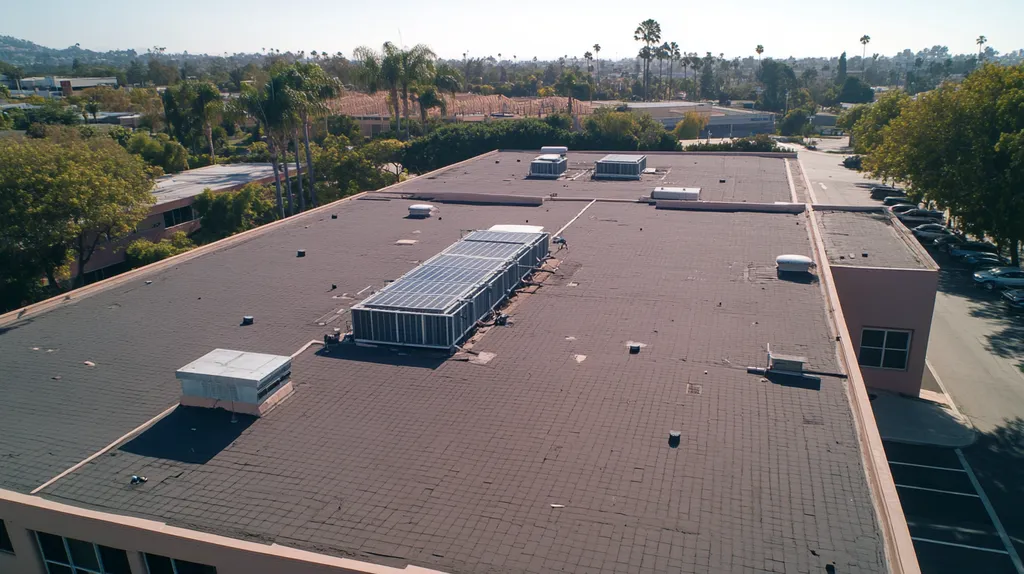
Identifying potential leak sources is pivotal for effective risk management. Key weak points include roof penetrations like vents, HVAC systems, and skylights, which may suffer from inadequate sealing or maintenance. Regular inspections focused on these areas can ensure that flashing remains durable and secure.
The slope of the roof also plays a significant role in determining risk. Flat roofs, for instance, are especially vulnerable to water accumulation, heightening the chance of leaks. Facility managers should routinely assess these slopes to confirm that water drains efficiently.
Keeping a digital inventory of the roof’s conditions and repairs can help track vulnerabilities over time. Engaging professional roofing contractors for detailed inspection reports can reveal hidden issues that require immediate attention.
Key Action Items
Mitigating Damage from Severe Weather
Severe weather can erode a roof’s integrity and lead to unexpected leaks. Implementing a proactive weather preparedness plan is essential to minimize this risk. For example, installing impact-resistant materials can effectively protect against hail damage.
Regularly clearing debris from gutters and drains before storms is crucial to prevent overflow and subsequent leaks. This straightforward action can save significant costs associated with water damage.
Using weatherproof coatings can enhance the roof’s resilience against harsh conditions, prolonging its lifespan. Facility managers should consider local weather patterns when designing and maintaining roofs to ensure effective risk management.
Key Action Items
Preventing Water Pooling and Drainage Issues
Water pooling is a critical factor that contributes to leaks in commercial roofs. Ineffective drainage can lead to localized flooding and accelerate roof material deterioration. Regular inspections of drainage systems are vital for ensuring their proper function.
Installing additional drains or scuppers can help manage water flow more effectively, preventing accumulation. Assessing the roof slope and design can reveal opportunities for improved drainage and minimizing water buildup.
Incorporating landscaping elements, such as raised beds or vegetation, can also assist in stormwater management and enhance the roof’s overall aesthetic. This approach not only reduces the risk of leaks but also aligns with sustainable building practices.
Key Action Items
SECTION 5: OPERATIONAL PROCEDURES
To effectively minimize unexpected leaks in commercial roof coatings, facility managers must adopt strong operational procedures. This includes routine inspections to pinpoint problem areas before they escalate into costly issues. A proactive maintenance approach not only extends the lifespan of the roof but also protects the overall structural integrity of the property. This section highlights essential practices for effective roof management, emphasizing maintenance schedules, the importance of addressing vulnerable areas, and ensuring robust drainage management.
Regular Inspection and Maintenance Schedules
Establishing regular inspections is vital for maintaining the integrity of commercial roofs. Conducting thorough inspections at least twice a year, ideally in spring and fall, helps catch issues like cracks or bubbling, which may lead to leaks if left unattended.
Each inspection should include a close look at the surface conditions and a comprehensive inventory of all roofing components. By documenting findings, facility managers can create a detailed history of the roof’s performance, invaluable for future planning of repairs and upgrades.
A proactive maintenance plan is equally important. Tackling minor repairs early can prevent larger expenses down the line, while well-maintained records will track recurring issues efficiently.
Key Action Items
Addressing Roof Penetrations and Flashing
Roof penetrations and flashing points are often the most vulnerable areas for leaks. Items like vents, ducts, and drainage systems require special attention to maintain a watertight seal. Any weaknesses in flashing seals or installation can lead to water seepage and severe damage over time.
Routine evaluations should prioritize inspecting the condition of all flashing materials. Any cracked or loose flashing must be repaired immediately to prevent water infiltration. Furthermore, utilizing quality sealants around penetrations can significantly reduce leakage risks.
Careful attention must be given to installation details during roofing work, as inexperienced installers can overlook these critical areas. Continuous engagement with certified roofing professionals will help uphold best practices overall.
Key Action Items
Ensuring Proper Drainage System Function
A properly functioning drainage system is essential to prevent standing water, which can significantly damage roofs. Regular inspections of gutters, downspouts, and drains should be a fundamental part of every maintenance routine. Ensuring that these components remain free of debris allows water to flow off the roof effectively.
Additionally, evaluating the roof’s slope is crucial as inadequate slope can lead to water pooling, increasing the risk of leaks. By taking steps to ensure effective drainage, facility managers can significantly protect their roofing structure.
Routine maintenance checks of the entire drainage system are vital for catching clogs early. Addressing any observed inefficiencies immediately can save costly repairs later.
Key Action Items
SECTION 5: OPERATIONAL PROCEDURES
To effectively minimize unexpected leaks in commercial roof coatings, facility managers must prioritize clear operational procedures. Regular inspections are essential to identify potential problem areas before they escalate into costly leaks. By adopting a proactive maintenance program, managers can not only reduce expensive surprises but also extend the life of the roof, protecting the overall structural integrity of the property. This section outlines vital practices for effective roof management, including maintenance schedules, focused attention on vulnerable areas, and efficient drainage management.
Regular Inspection and Maintenance Schedules
Establishing a routine for inspections is crucial for preserving roof integrity. A comprehensive inspection plan should occur at least twice annually, ideally in the spring and fall. This timeline enables the identification of issues, such as cracks or bubbling in the coating, which could lead to water infiltration if left unaddressed.
During each inspection, facility managers should thoroughly assess the roof’s surface conditions and compile an inventory of all components. Documenting findings helps create a detailed performance history which is invaluable for planning future repairs and upgrades.
A proactive maintenance strategy is equally critical. Addressing minor repairs early not only helps avoid larger expenses but also promotes the longevity of the coating. Keeping meticulous maintenance logs aids in tracking recurring problems and facilitates better planning.
Professional roofing experts can provide trained evaluations, identifying risks and recommending timely repairs to limit disruption. Regular expert engagement ensures that best practices are followed in the maintenance process.
Key Action Items
Addressing Roof Penetrations and Flashing
Roof penetrations and flashing points are among the most susceptible areas for leaks. Features like vents, ducts, and drainage systems require specific attention to maintain a watertight seal. Any deficiencies in flashing seals or installation can lead to unwanted water ingress, potentially causing extensive damage.
Routine evaluations must focus on inspecting the condition of all flashing materials. Cracked or loose flashing should be repaired or replaced promptly to prevent leaks. Additionally, using high-quality sealants around penetrations can significantly lower the risk of water-related issues.
When roofing work is performed, meticulous attention should be given to installation details surrounding penetrations. Inexperienced installers may overlook critical areas, leading to costly repairs in the future. Ensuring that approved installation techniques are consistently utilized is essential.
It’s important to ensure that any adjustments or enhancements to the roofing system uphold the integrity of these vulnerable points. Regular engagement with certified roofing professionals fosters adherence to best practices in managing penetrations and flashing integrity.
Key Action Items
Ensuring Proper Drainage System Function
An efficient drainage system is paramount to preventing standing water, a significant contributor to roof damage. Routine inspections of gutters, downspouts, and drains should be integral to every maintenance schedule. Keeping these components free of debris allows water to flow off the roof effectively.
Facility managers should also evaluate the roof’s slope. Insufficient slope can lead to water pooling, increasing the likelihood of leaks and coating deterioration. Ensuring proper drainage setup protects the structure of the roof and prolongs its lifespan.
Regular maintenance checks on the entire drainage system are essential for identifying clogs and inefficiencies early. Immediate action on any detected issues prevents escalation and unnecessary repair costs later.
Establishing robust drainage protocols ensures that heavy rains and storms do not compromise the roofing system. Investing in a tailored drainage design that accommodates specific building needs can drastically reduce future issues.
Key Action Items
The Bottom Line
With unexpected roof coating leaks costing businesses over $1.5 billion annually, proactive detection and maintenance are no longer optional for facility managers.
Studies show that 85% of commercial roof failures could be prevented through systematic inspection programs and early intervention protocols.
By implementing comprehensive maintenance schedules, addressing high-risk areas promptly, and ensuring proper drainage systems, facility managers can significantly extend their roof’s lifespan while protecting their bottom line.
Success requires a three-pronged approach: regular professional inspections, documented maintenance procedures, and swift response to early warning signs.
The cost of prevention is minimal compared to the potential damages from undetected leaks – making systematic roof management an essential investment in any facility’s future.
FREQUENTLY ASKED QUESTIONS
Q. How does wear and tear affect commercial roofs?
A. Over time, wear from maintenance, foot traffic, and equipment can degrade roofing materials. Cracks, blisters, and peeling coatings may signal deterioration. Regular inspections help identify these issues early to prevent more serious problems from developing.
Q. Why is evaluating repair versus replacement costs for industrial roofs important?
A. Understanding repair versus replacement costs helps facility managers make informed budget decisions. Delaying repairs can lead to more costly damages, while replacing the roof might save money over time through reduced maintenance needs and warranties offered by newer systems.
Q. What are the roofing compliance requirements for commercial properties?
A. Roofing compliance ensures safety and durability. It involves meeting federal, state, or local regulations regarding roofing materials and installation. Awareness of these standards helps prevent fines and maintain the roof’s integrity, protecting the building from damage and liability.
Q. How can I identify high-risk areas on my commercial roof?
A. High-risk areas include roof penetrations like vents and skylights, which require regular inspection. The roof slope is also crucial, as flat roofs can accumulate water, increasing leak risks. Frequent evaluations and using digital tracking can help monitor vulnerabilities over time.
Q. What should my inspection schedule for commercial roofs look like?
A. It’s vital to conduct inspections at least twice a year, ideally in spring and fall. Thorough assessments can catch issues such as cracks or bubble formations early. Documenting findings supports better planning for repairs and helps track roof performance over time.
Q. How does weather preparedness impact my commercial roof?
A. Weather preparedness is essential for minimizing damage from severe conditions. Implementing proactive measures like using impact-resistant materials and clearing drains before storms can prevent leaks and extend the roof’s lifespan, reducing potential repair costs significantly.
Q. When should I replace my commercial roof instead of repairing it?
A. Consider replacement when repair costs exceed a significant percentage of the roof’s total value, or if leaks are frequent and damaging. A new roof can provide warranty protection and lower long-term maintenance costs, making it a financially sound choice in many instances.






