
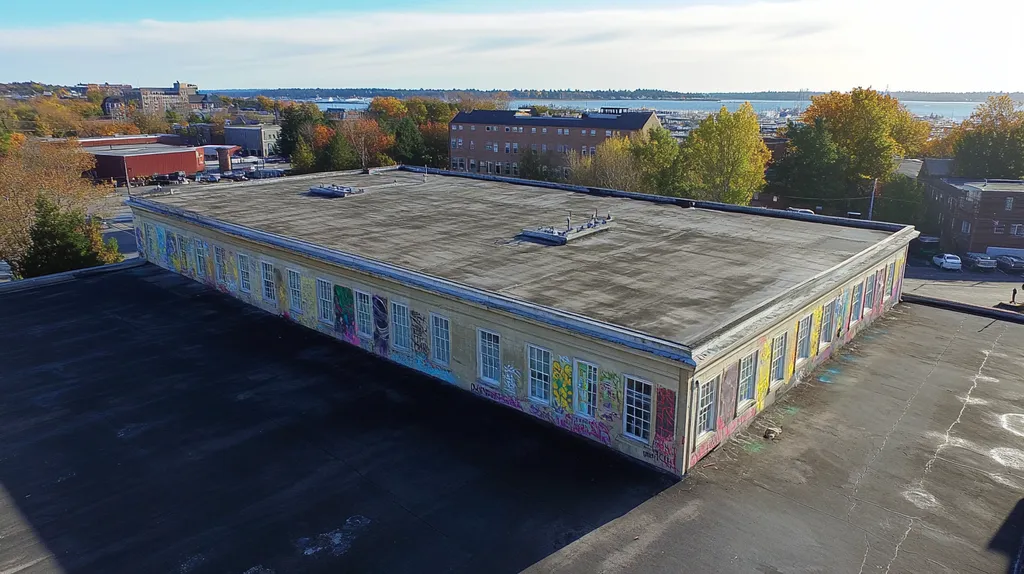
When it comes to historic commercial roofs, conventional inspection preparation methods are failing property owners at an alarming rate. Industry data reveals that 40% of premature roof failures stem directly from inadequate inspection protocols that overlook critical vulnerabilities unique to aging structures.
From overreliance on visual assessments to the neglect of advanced diagnostic tools, these outdated approaches leave billions in commercial assets exposed to preventable damage.
By examining why traditional methods fall short and exploring data-driven alternatives, property managers can better protect these architectural treasures while avoiding costly emergency repairs.
SECTION 1: CURRENT PRACTICES
When it comes to the performance of historic commercial roofs, preparation isn’t just a box to check—it’s a matter of considerable importance. Ignoring the special needs of these roofs can lead not only to expensive repairs but also to structural failures that threaten the integrity of the entire building. Alarmingly, reports show that neglected roofs can add up to 20% in overall property repair expenses. Therefore, it’s essential for property owners and facility managers to shift their focus from traditional inspection methods to more personalized strategies that ensure accurate and reliable evaluations.
Bi-Annual Inspection Schedules
In the realm of roof care, many property owners stick to a bi-annual inspection routine, assuming this is enough to keep their roofs in peak shape. However, historic roofs often demand far more attention because of their age and the unique materials that make them special. Standard inspections tend to overlook subtle signs of deterioration, such as hidden leaks or delicate structural shifts that can happen between visits.
This rigid schedule can create complacency, as inspectors may mechanically follow general checklists without considering the distinctive characteristics of a historic roof. As a result, they might miss critical problems like corroded flashings or weather-beaten sealants that require immediate intervention. Moreover, disregarding the impact of seasonal changes can exacerbate existing vulnerabilities.
Embracing a more flexible inspection strategy, tailored to climatic conditions and previous findings, may yield better results. By honing in on unique vulnerabilities rather than adhering to a one-size-fits-all timeline, inspectors can provide valuable insights that save property owners from costly surprises.
A proactive, customized approach to scheduling inspections sets the stage for facility managers to nip potential roof issues in the bud before they escalate into more serious problems. Given their complexity, historic roofs certainly warrant this level of careful attention to maintain their durability and longevity.
Pre-Inspection Preparation Checklists
Pre-inspection checklists are staples in many maintenance routines, but these often lack the depth needed for historic commercial roofs. Applying generic lists to these special structures can lead to significant oversights that threaten their preservation and efficacy.
Historic roofs often utilize materials and architectural flourishes that simply don’t appear in modern buildings. Generic checklists might miss key considerations, like how to preserve original roofing materials or evaluate intricate details. Ignoring these factors can seriously compromise the roof’s ability to withstand water damage or resist environmental stressors.
Furthermore, checklists frequently fail to incorporate a thorough review of past inspection reports. Previous evaluations may have flagged ongoing issues that were left unaddressed. By incorporating a detailed review of historical maintenance records, inspectors can better prioritize the most pressing inspection areas.
Standard Inspection Tools and Equipment
Many in the roofing industry are accustomed to using standard inspection tools, but these may fall short in addressing the needs of historic roofs. Traditional equipment often overlooks specific issues related to older materials, leading to incomplete assessments of the roof’s condition. For example, while infrared thermography and moisture mapping tools are seldom part of standard practices, they are essential for pinpointing hidden moisture issues common in historically significant roofs.
Additionally, the use of drone technology for aerial inspections is an exciting advancement, yet many traditional inspectors lack the training to interpret the data it collects effectively. This knowledge gap can lead to lost opportunities for identifying leaks or structural problems that could be gleaned from above.
To foster thorough evaluations, property owners should advocate for tools and technologies specially suited for historic materials. Using specialized equipment designed for older roofing systems, coupled with training in these technologies for inspectors, can ensure a more informed and effective assessment process.
By embracing innovative inspection tools and methodologies, property managers can gain a clearer and more accurate insight into the condition of their historic roofs. This proactive strategy is vital for extending the lifespan of these unique architectural treasures.
SECTION 2: SYSTEMIC ISSUES
Many property owners make the critical mistake of relying on visual inspections as the primary method for assessing their historic commercial roofs. This can obscure underlying problems, potentially leading to significant structural failures. In fact, statistics reveal that up to 40% of roof failures arise from hidden damage that goes unnoticed. To prevent such costly surprises, it’s essential to tackle systemic issues that compromise traditional preparation methods.
Overreliance on Visual Examinations
Although visual inspections are a fundamental component of roof assessments, they often miss concealed issues. Elements such as moisture intrusion or insulation problems can compromise structural integrity without leaving visible clues. These hidden threats may only reveal themselves when major repairs become unavoidable, often resulting in a significant financial burden.
Furthermore, an exclusive focus on visual assessments can foster a false sense of security. Owners might believe their roof is in excellent condition when significant problems lurk just beneath the surface. This lack of awareness can lead to neglecting necessary maintenance actions, leaving the roof vulnerable and open to further damage.
Advanced diagnostic tools like thermal imaging or moisture meters provide a more thorough evaluation. These technologies can uncover problems invisible to the naked eye, leading to smarter, cost-effective solutions. By elevating inspection standards across the industry, property owners can ensure that their roofs achieve their full lifespan while keeping expenses at bay.
Ultimately, transforming inspection practices is vital for the preservation of historic roofs. This shift helps prevent critical repair needs from falling through the cracks, thereby safeguarding both the building’s integrity and value.
Inadequate Drainage System Evaluations
Drainage systems play a crucial role in the longevity of commercial roofs, yet they often fly under the radar during inspections. Clogged drains or improper slopes can cause water to pool, which is a major precursor to roof failure. If left unchecked, these drainage issues can escalate, jeopardizing not only the roof but also the entire structure of the building.
Failing to properly evaluate drainage systems increases the risk of mold and rot, threatening the health of building occupants and creating unsafe conditions. Furthermore, when water damage occurs, repairs can become complicated and more costly than necessary.
To mitigate these risks, it’s wise for property owners to invest in comprehensive assessments that prioritize drainage evaluations. Scheduling regular inspections aimed specifically at drainage can help catch potential problems before they spiral into emergencies, thus extending the roof’s lifespan and minimizing unexpected costs.
Integrating drainage checks into routine maintenance schedules enhances the overall roofing strategy. This approach assures that property owners protect their assets while adhering to established safety standards and regulations.
Neglect of Roof Penetrations and Flashing
Often overlooked during inspections are roof penetrations—such as vents and chimneys—and the flashings that surround them. These elements can become weak points in the roofing system, leading to leaks if not diligently maintained. Ignoring this critical aspect of roofing can result in severe moisture damage, particularly detrimental to historic roofing materials.
The failure of flashings can be particularly sneaky, often going undetected until leaks spring forth. Without thorough inspections focusing on these vulnerable areas, property owners may only realize the extent of the damage when significant repairs are warranted. Such situations can lead to costly restoration efforts that could have easily been avoided.
Incorporating detailed evaluations of roof penetrations and flashings contributes significantly to an effective roof maintenance program. By conducting frequent maintenance checks, property owners can spot deterioration early, allowing for immediate repairs. This proactive approach ensures that historic roofs remain well-sealed and protected from the elements.
Addressing these critical areas in inspection protocols will not only maintain the roof’s structural integrity but also provide peace of mind for property owners. A robust upkeep strategy for penetrations and flashing is indispensable in protecting the value of commercial buildings.
SECTION 3: MISSED OPPORTUNITIES
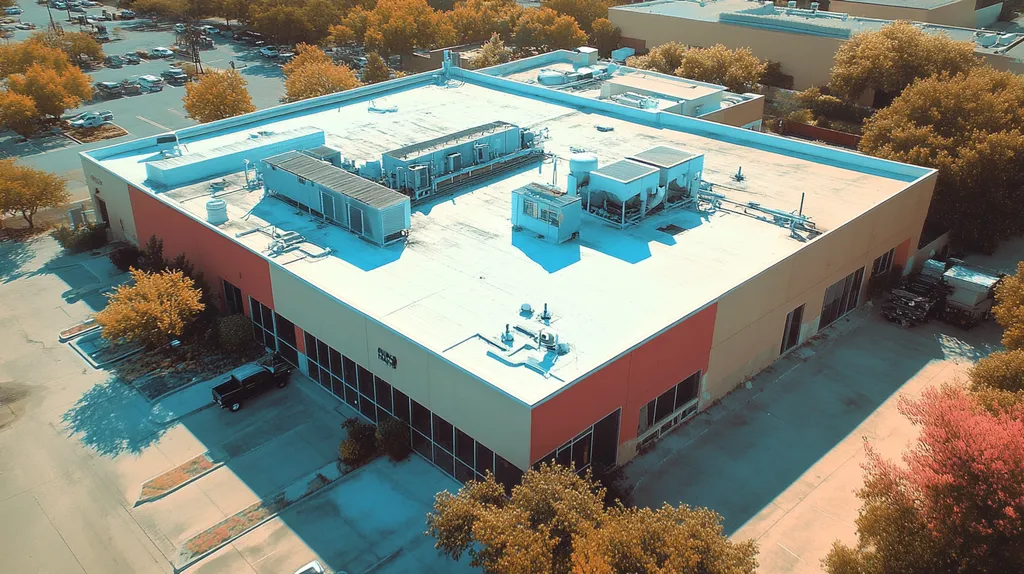
When gearing up for inspections of historic commercial roofs, overlooked chances can come with hefty price tags. Research reveals that a staggering 30% of roofing issues arise from insufficient preparation. Leveraging modern technology and adopting proactive maintenance practices could mean the difference between a minor fix and a catastrophic structural failure. By addressing these missed opportunities, property owners can significantly enhance the lifespan of their roofs while ensuring the safety and integrity of their buildings.
Failure to Utilize Advanced Technologies
In this age of cutting-edge technology, it’s surprising to see some property owners sticking to outdated inspection methods. Traditional visual evaluations often skim over the subtle issues that modern tools can pinpoint. Incorporating drones, infrared thermography, and moisture mapping enables thorough assessments while keeping the historical materials intact.
For example, drones can access those tricky spots that might otherwise be difficult to inspect, offering crisp images that highlight potential trouble areas. Infrared thermography, on the other hand, detects unseen moisture lurking beneath the surface—an essential step for protecting historic roofs. Ignoring these high-tech options translates to disregarding significant risks that could snowball into broader structural failures.
This resistance to innovation can hinder inspection effectiveness, leaving property owners in the dark about looming issues. By failing to modernize the approach, facility managers may unwittingly compromise the integrity of their roofs, ultimately driving up maintenance costs and inducing safety concerns.
Embracing these advancements not only streamlines the inspection process but can also lead to time and labor cost savings. Tasks that used to require days can now be executed in mere hours, all while minimizing disruptions to everyday operations. Investing in advanced inspection tools greatly reduces the risks of relying solely on conventional techniques.
Ignoring Minor Repairs and Maintenance
It’s all too common for property managers to overlook minor repairs, allowing them to snowball into serious issues. A small leak may seem like a minor annoyance, but if left unchecked, it can evolve into costly water damage and mold issues that impact not only the roof but also the interior of the building.
Regular inspections should prioritize identifying these small repairs before they morph into critical concerns. Addressing minor issues like worn flashings or tiny cracks promptly can save property owners a fortune in the long run, prolonging the overall lifespan of the roof. Yet, many owners procrastinate, believing these tasks can wait.
By putting off essential maintenance tasks, facility managers risk finding themselves facing emergency repairs at the most inconvenient times. These emergencies disrupt business operations and strain budgets, emphasizing the need for a proactive approach over a reactive one.
Moreover, consistent maintenance contributes to the roof’s aesthetic charm and functionality—a crucial aspect when preserving historic buildings. Striking a balance between minor repairs and regular inspections is vital for preserving both beauty and durability.
Lack of Comprehensive Documentation
Thorough documentation is a cornerstone of effective roof inspections. However, many property owners fall short in maintaining cohesive records, resulting in gaps in critical historical data regarding roofing issues. Without solid documentation, building managers find themselves making decisions without the benefit of past insight.
Effective documentation encompasses inspection reports, repair histories, and photographic evidence of previous problems. This repository of information is invaluable for spotting recurring issues and allows a targeted maintenance strategy. In the absence of such detail, property owners risk duplication of efforts or missing key insights altogether.
What’s more, well-kept records can facilitate warranty claims and simplify insurance processes, ultimately saving owners from unexpected expenditures. Incomplete documentation can jeopardize warranty entitlements and expose property managers to greater liabilities.
By investing in a structured documentation system, property owners not only bolster the inspection process but also lay the groundwork for future maintenance plans. Prioritizing meticulous record-keeping is crucial in maximizing the lifespan and performance of any historic commercial roof.
SECTION 4: ROOT CAUSES
Proper inspections of historic commercial roofs are not just a best practice—they are critical to long-term preservation and safety. However, many property owners and facility managers confront significant obstacles that undermine their efforts. Key issues like inadequate training for inspectors, insufficient budget allocation, and poor communication among stakeholders can lead to missed problems during inspections. Recognizing and addressing these root causes is essential for effective roof management.
Inadequate Training for Inspectors
Surprisingly, many inspectors lack the specialized knowledge needed to evaluate historic roofs. This gap in targeted training can result in evaluations that miss critical, underlying issues. For instance, traditional roofing materials often require distinct inspection techniques that differ from those used on contemporary materials.
Without a solid grasp of historical roofing systems, inspectors risk overlooking signs of deterioration that could jeopardize the roof’s integrity. Such oversights can lead to costly repairs that might have been prevented with a more informed approach.
Moreover, the complexity of older materials demands continuous education. Staying current with advancements in inspection technology is crucial, yet many inspectors lack access to the necessary training, leaving them at a disadvantage.
In the end, these deficiencies lead to uninformed decisions by property owners. This shortfall not only threatens the durability of historic roofs but also the overall safety of the properties they protect.
Insufficient Budget Allocation for Inspections
Funding issues frequently plague facilities, where limited budgets restrict comprehensive roof inspections. When finances are tight, essential services—including rigorous roof assessments—often face cutbacks, resulting in rushed inspections that lack thoroughness.
When inspections are performed hastily or on a limited scope, critical issues can easily slip through the cracks. For example, a seemingly minor leak might go unnoticed, leading to substantial water damage that could have been avoided with timely intervention.
Failing to prioritize funding for roof inspections often indicates a short-sighted approach to property maintenance. While it may seem like a budgetary win in the short term, the long-term fallout can be costly and far-reaching.
A strategic allocation of resources towards detailed inspections can save property owners from incurring major expenses down the line. Investing in proactive evaluations ultimately protects both the building and the occupants within.
Poor Communication Between Stakeholders
Effective communication among stakeholders is essential for successful roof inspection processes. However, significant gaps often exist among property owners, inspectors, and contractors, leading to misaligned goals and expectations.
For instance, an inspector might miss vital information regarding previous repairs shared by the property owner, resulting in a flawed evaluation. Such oversights can directly impact the roof’s ongoing performance and longevity.
Furthermore, if facility managers neglect to stress the importance of inspections, the quality of care given to these processes may diminish. Every stakeholder must understand their crucial role in maintaining roof integrity for successful collaboration.
By establishing clear lines of communication, all parties can remain informed and proactive. Open dialogue fosters better decision-making and ultimately enhances the management of historic roofs.
DATA DRIVEN EVIDENCE
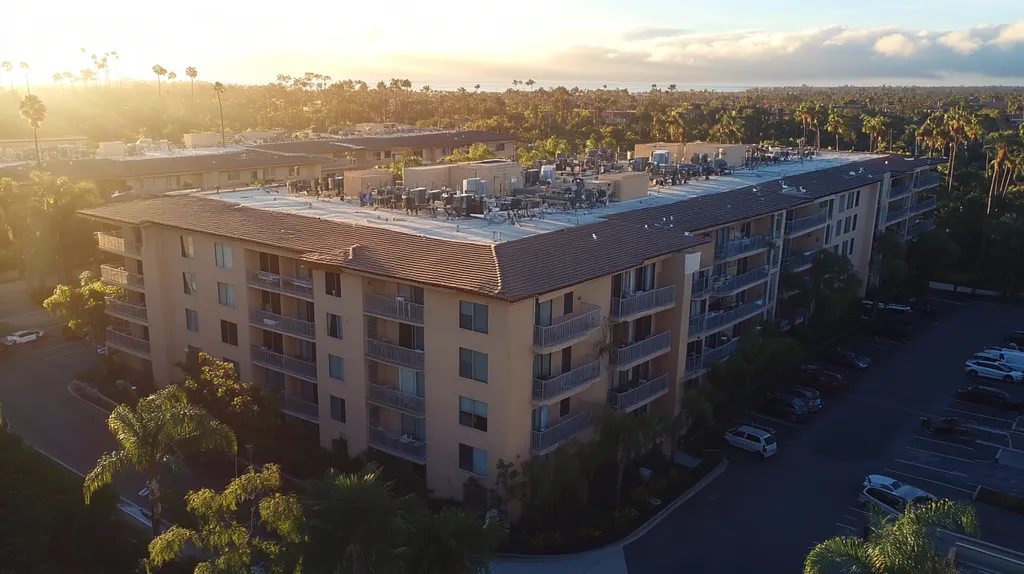
The stakes for historic commercial roofs are alarmingly high; neglecting inspections can cut their lifespan dramatically. Data shows that roofs without routine evaluations become prime targets for issues like leaks and structural failures, leading to significant financial drain for property owners. Understanding the fiscal and structural consequences of neglect is crucial, underscoring the need for proactive inspection practices that go beyond the conventional approach.
Impact of Neglected Inspections on Roof Lifespan
Regular inspections are not just a nice-to-have; they are essential for preserving the integrity of historic roofs. Evidence reveals that roofs lacking consistent care can suffer up to a 40% reduction in lifespan. Weather damage, debris buildup, and unnoticed leaks can wreak havoc over time, leading to catastrophic failures that could have been avoided.
Neglect often spirals into unexpected repairs that a simple inspection could have mitigated. A historic roof might stand sturdy for decades if it receives the attention it needs. Additionally, the absence of routine evaluations tends to accelerate deterioration, resulting in emergency repairs that can be financially crippling.
Moreover, an ignored roof doesn’t just impact itself; it can compromise the entire building. Increased water intrusion facilitates mold growth and necessitates costly replacements of essential infrastructure. These hidden expenses can quickly erase any perceived savings from delaying inspections.
Thus, the implications of neglected inspections extend well beyond immediate repair costs, establishing routine evaluations as a linchpin in preserving historic roofs.
Cost Analysis of Preventative vs. Reactive Maintenance
The financial ramifications of roof maintenance become starkly clear when comparing preventative and reactive strategies. Institutions that prioritize preventative inspections can save as much as 30% on overall roofing expenditures. Early detection allows for manageable repairs at more favorable times, preventing minor issues from snowballing into catastrophic failures.
In contrast, reactive maintenance often inflates costs due to emergency repairs and extensive water damage, not to mention potential operational disruptions. A seemingly minor leak, if left unaddressed, can interrupt business, leading to further fiscal strains.
The financial hit from emergency repairs can skyrocket into the thousands, easily eclipsing the relatively minor cost of regular assessments. Not to forget, a history of neglected maintenance can also drive up insurance premiums.
Investing in regular inspections is not just a smart move; it’s an economically sound strategy for property owners who want to maximize their roofing budgets while ensuring longevity and structural integrity.
Statistical Analysis of Inspection Frequency and Roof Integrity
Statistics draw a compelling line between inspection frequency and roof integrity. Data indicates that roofs subjected to inspections at least bi-annually maintain their structural integrity far better than those evaluated annually or less frequently. Properties diligently adhering to regular inspection schedules report fewer critical failures and enjoy prolonged lifespans.
Moreover, studies suggest that organizations following recommended inspection guidelines experience a 15-20% reduction in emergency repair instances, showcasing the cost-effectiveness of routine evaluations.
Keeping meticulous records of inspections also allows property owners to track a roof’s health over time, informing smarter decisions regarding potential upgrades or replacements. This data-driven approach is essential for long-term sustainability.
By adopting a regular inspection schedule, property owners and facility managers can secure not just functional but valuable historic commercial roofs for the future.
SECTION 6: ALTERNATIVE SOLUTIONS
Sticking with conventional inspection methods for historic commercial roofs is like trying to fix a vintage car with a flathead screwdriver—it’s just not enough. These outdated techniques can miss leaks and lead to pricey repairs, putting the entire building at risk. Fortunately, many property owners overlook innovative technologies that could offer a clearer and more comprehensive assessment of their roofs’ conditions. By exploring these alternative solutions, property managers can elevate their maintenance strategies and secure their investments for the long haul.
Implementing Infrared and Moisture Detection
Infrared imaging and moisture detection are game-changers in the quest to uncover hidden roof issues. These technologies can reveal water infiltration even when everything appears peachy from the surface. Utilizing thermal imaging cameras, inspectors can identify temperature changes that signal moisture lurking beneath roofing materials.
This non-invasive method spares property owners from the headaches of expensive exploratory work while helping to prioritize urgent repairs. One of the standout features is the ability to swiftly assess expansive areas, making it particularly beneficial for large commercial buildings. Timely identification of water ingress can prevent serious damage and save owners from eye-watering repair bills in the future.
Additionally, incorporating infrared surveys into regular inspections provides ongoing data for facilities managers. This proactive approach means timely interventions can happen, ensuring resources are allocated where they are needed most. In an age where damage mitigation is paramount, adopting this technology is essential for preserving the longevity and integrity of historic roofs.
Adopting Regular Core Sampling and Analysis
Core sampling offers a straightforward yet effective method for evaluating roofing materials. By extracting small samples, roofing professionals can analyze the layers and pinpoint any deterioration or moisture issues. This hands-on technique yields concrete evidence about the roof’s condition, moving beyond superficial assessments.
Regular core sampling can reveal hidden problems, such as damage to the underlying deck or insulation, that might otherwise go unnoticed in traditional evaluations. This information empowers facility managers to make well-informed decisions regarding necessary repairs or replacements. Addressing issues early can lead to less extensive repairs and lower overall costs.
Moreover, the insights gained from core samples help in crafting customized maintenance plans. With an understanding of the specific materials and conditions at play, property managers can tailor care to meet the unique needs of each historic roof. This knowledge facilitates better budgeting and resource management.
Developing Customized Maintenance Plans Based on Inspection Data
Crafting customized maintenance plans can significantly transform how property owners manage roof upkeep. By leveraging data derived from inspections—including advanced technologies and core sampling—facility managers can create targeted strategies that address specific vulnerabilities. Such plans ensure that maintenance efforts are focused on the most urgent issues.
Embracing a data-driven approach allows for more precise scheduling of repairs and replacements. Rather than adhering to a generic maintenance timeline, property managers can allocate resources based on actual roof conditions. This la carte approach not only enhances efficiency but also prolongs the roofing system’s life.
Moreover, these customized plans encourage proactive management. Regular monitoring and data updates allow teams to preempt potential problems. This strategy helps avoid those unexpected costs associated with emergency repairs and supports better budget adherence.
Implementing tailored maintenance plans represents a transformative leap toward achieving long-term roof sustainability. Property owners can maintain the historical essence of their buildings while ensuring compliance with modern performance standards.
The Bottom Line
The data is clear: conventional inspection methods are failing historic commercial roofs at an alarming rate, with 40% of premature failures traced directly to inadequate preparation protocols.
Traditional approaches consistently miss critical vulnerabilities unique to aging structures, from hidden moisture damage to deteriorating historical materials.
The solution lies in embracing advanced technologies like infrared scanning and moisture mapping, while developing data-driven maintenance strategies tailored to each building’s specific needs.
For property owners and facility managers, the stakes couldn’t be higher – the difference between proactive, technology-enabled inspections and conventional methods can mean hundreds of thousands in preventable damage.
The future of historic roof preservation demands nothing less than a complete reimagining of how we prepare for and conduct these critical evaluations.
FREQUENTLY ASKED QUESTIONS
Q. Why is commercial roof preparation important for historic properties?
A. Preparing for inspections is vital for historic roofs due to their unique materials and age. Neglecting specialized care can lead to unforeseen issues and costly repairs, compromising both the roof and the building’s structure. Tailored strategies enhance the effectiveness of inspections, ensuring property owners are better protected.
Q. How do systemic issues affect the condition of industrial roofs?
A. Overreliance on visual inspections often diminishes the detection of hidden damage in industrial roofs. Systemic oversights prevent timely maintenance, leading to costly surprises down the line. Implementing advanced diagnostic tools can reveal concealed issues, safeguarding the roof’s longevity and structural integrity.
Q. What opportunities can be missed during commercial roof inspections?
A. Failing to utilize advanced inspection technologies can lead to significant oversights. Conventional methods may miss critical issues, resulting in costly repairs and increased liability. Investing in modern tools ensures property managers identify problems promptly, preserving historic value and structural safety.
Q. Why does inadequate training for inspectors matter for commercial roofs?
A. Many inspectors lack the specific knowledge required to properly assess historic roofing materials. This training gap can result in missed signs of damage or deterioration. Investing in specialized education ensures that inspectors can make informed evaluations, protecting the roof’s integrity and property value.
Q. What are the fiscal consequences of neglected commercial roof inspections?
A. Skipping inspections can lead to sharp declines in roof lifespan and significant repair costs. Emergency issues often arise from neglect, resulting in unplanned expenditures that dwarf preventive maintenance costs. Investing in regular evaluations is essential for fiscal responsibility and asset preservation.
Q. How can alternative solutions enhance commercial roof inspections?
A. Utilizing technologies like infrared imaging and moisture detection reveals hidden issues that traditional methods might miss. These innovative tools facilitate more accurate assessments, prioritizing repairs effectively. By adopting modern solutions, property managers can significantly improve their inspection processes and better preserve historic roofs.
Q. What role does comprehensive documentation play in roof management?
A. Thorough documentation is crucial for effective roof management. It helps track inspection histories, repairs, and issues over time, informing critical maintenance decisions. Maintaining cohesive records ensures property owners are prepared to tackle future challenges, balancing immediate needs with long-term strategies.






