
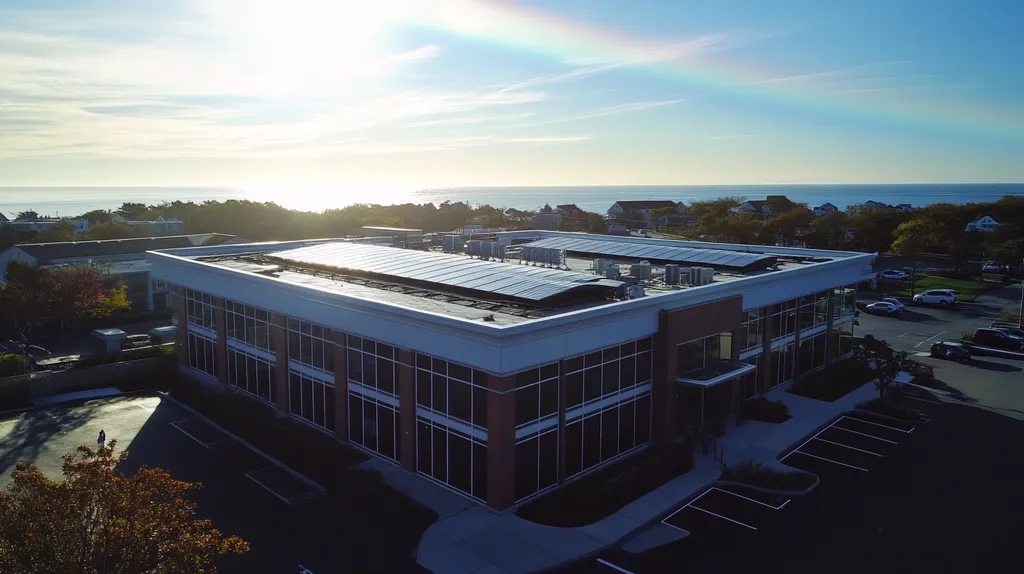
The rapid growth of solar installations on industrial roofs has created an urgent need for regulatory clarity. Recent studies show that over 40% of commercial solar projects face delays or penalties due to compliance issues, resulting in millions in preventable costs.
As industrial facilities rush to capitalize on solar incentives, understanding the complex web of building codes, structural requirements, and safety regulations has become critical.
This comprehensive guide separates fact from fiction regarding solar regulations, helping facility managers navigate common misconceptions while ensuring their solar investments remain safe, compliant, and profitable.
SECTION 1: COMMON MISCONCEPTIONS
The surge in solar energy adoption within the industrial sector is exciting, yet widespread misconceptions around regulatory requirements can create obstacles. In fact, around 62% of facility managers mistakenly believe that any roof type is suitable for solar panels, disregarding essential structural factors. Comprehending these key issues is crucial for avoiding costly errors and ensuring adherence to local regulations. This section highlights three common myths that may affect the transition to solar power on industrial roofs.
Myth: Any Roof Can Support Solar Panels
One prevalent misunderstanding is that all roofs can easily support solar panel installations without proper structural evaluation. While many roofs can indeed accommodate solar technology, their ability to do so depends on a variety of factors. Each type of roof—flat, sloped, or domed—comes with distinct design specifications that must be taken into account.
For instance, older roofs may not possess the structural integrity necessary to bear the added weight of solar systems. Overlooking these critical assessments can result in catastrophic structural failures, endangering safety and leading to significant financial losses.
Before embarking on a solar project, facility managers must conduct comprehensive evaluations, including load assessments, to verify suitability. This practice not only safeguards the building’s integrity but also ensures the solar installation performs as expected.
Local regulatory agencies typically mandate documentation proving roofs can safety handle solar loads. This further emphasizes the importance of thorough planning and collaboration with certified roofing professionals.
Misunderstanding Local Building Codes
Misinterpretations of local building codes can severely derail solar projects on industrial roofs. Every municipality enforces its own specific regulations regarding solar installations, which may encompass limits on size, placement, and structural modifications. Neglecting to thoroughly investigate these codes can lead to fines or lengthy project delays.
Some facility managers mistakenly assume that state-level regulations automatically apply to local jurisdictions. It’s important to recognize that local code compliance is paramount and can introduce stipulations not covered by state laws.
For example, certain areas require permits and inspections specifically related to solar setups, which involve additional time and resources. Proactively ensuring compliance with these regulations can prevent unnecessary delays and facilitate smoother project execution.
Establishing communication with local authorities and solar installation professionals is essential to navigate the intricate regulatory framework. Being informed about local codes allows facility managers to make well-informed decisions regarding solar investments.
Ignoring Load Capacity Requirements
Many property owners fail to recognize the significance of load capacity when planning for solar panel installation. Knowing how much weight a roof can safely support is crucial for determining if a solar project is feasible. Each roof comes with a defined load capacity that must not be surpassed to ensure structural safety.
For example, flat roofs often require additional support systems to accommodate the weight of the solar panels, mounting hardware, and potential snow accumulation. Overlooking this vital consideration can lead to unforeseen costs and serious safety concerns.
Moreover, load capacity must factor in elements like existing HVAC systems, heavy machinery, and any anticipated future modifications. Conducting a thorough load assessment that encompasses all these aspects is critical before moving forward with installation.
By addressing load capacity issues proactively, facility managers can mitigate the risks associated with overloading structures. This prudent approach not only ensures compliance with safety standards but also enhances the long-term success of solar initiatives.
SECTION 2: PRACTICAL IMPLICATIONS
The installation of solar panels on industrial roofs is an innovative step forward, but it comes with significant risks if not managed properly. Improper planning or oversight can jeopardize the structural integrity of the roof, resulting in costly repairs and serious safety hazards. Property owners must stay informed about the implications of regulations to make sound decisions that protect their investments and promote sustainability.
Structural Integrity and Safety Risks
Solar panels introduce substantial weight to industrial roofs, which can exceed the allowable limits if not carefully evaluated. Many roofs, especially those not designed for additional loads, can face significant structural challenges. Conducting thorough structural assessments is essential to avoid catastrophic failures such as roof collapses, which endanger both workers and valuable equipment.
Additionally, improper installations can lead to water pooling, damaging the roofing materials and the building’s interior. This situation can silently escalate into expensive water damage, potentially resulting in mold and severe structural issues long after the installation. Ensuring roof integrity beforehand is crucial in avoiding these types of costly disasters.
Compliance with local regulations on structural assessments isn’t just a guideline; it’s an essential step in safely integrating solar technology. Following these regulations not only protects property investments but also ensures the safety of employees working in the building. Consequently, due diligence in this area can dramatically reduce risks.
Facilities managers are encouraged to work closely with qualified engineers who can evaluate their roofs effectively. This proactive strategy helps identify necessary reinforcements and ensures that the solar installation is both safe and durable.
Impact on Roof Lifespan and Maintenance
The addition of solar panels can complicate ongoing roof maintenance, potentially impacting their overall lifespan if not managed carefully. Access for repairs might be hindered, and maintenance crews could struggle to identify and resolve underlying issues. This can lead to accelerated wear and tear on roofing materials.
Additionally, neglecting standard maintenance procedures can cause severe problems, such as developing leaks that remain unnoticed beneath solar panels. Regular inspections, which are vital for both roofing and solar systems, need careful scheduling to ensure they occur seamlessly.
Property owners should recognize that while solar integration offers significant benefits, such as energy savings, it can also create increased operational complexities. Proper planning is essential to establish a framework for maintenance that accommodates both existing roofing and new solar technology.
Choosing a roofing system that supports both solar installations and routine maintenance can greatly extend longevity. Seeking guidance from roofing professionals can help property owners identify the most suitable materials and installation methods that will benefit both the roof and the solar deployment in the long run.
Compliance with Electrical and Fire Codes
Ignoring electrical and fire code compliance can expose property owners to significant liabilities. Each state has regulations that dictate wiring protocols, equipment placements, and installation methodologies. Failing to adhere to these codes may result in fines, legal consequences, and additional complications down the line.
Improper installations may also elevate fire risks. Solar panels generate heat, and if not installed correctly, they can create hazards, particularly in industrial settings with flammable materials nearby. Therefore, adherence to fire codes is absolutely essential for safe solar implementation.
Engaging with professionals well-versed in both roofing and solar energy can offer invaluable insights into the necessary compliance requirements. Property owners must ensure that their contractors possess the necessary knowledge of relevant codes to mitigate dangerous oversights.
Furthermore, ongoing training and updates for facilities managers about current regulations are crucial. This continuous education equips them to better protect their properties while harnessing the full benefits of solar technologies.
SECTION 3: COST OF MISINFORMATION
The financial implications of misinformation surrounding solar regulations are substantial for industrial property owners. Misunderstanding the complexities of local requirements can lead to costly mistakes, including fines, project delays, and even forced shutdowns. As the solar market continues to grow at an impressive rate, being well-informed about the true costs of misinformation is essential for maintaining compliance and financial stability.
Financial Consequences of Non-Compliance
Ignoring solar regulations can lead to serious financial repercussions for businesses. Local authorities can impose hefty fines if installations fail to meet established standards. These penalties can range from a few thousand dollars to much higher amounts, depending on the scale and nature of the project.
Additionally, non-compliance can disrupt operations. If a solar installation is flagged as non-compliant, it may be temporarily halted, causing a lack of energy generation and resulting in increased utility costs. This disruption further adds to the financial strains already faced by property owners.
Getting back on track with compliance can be time-consuming and expensive. Projects may need substantial re-evaluation or redesign, incurring unexpected costs that could have been avoided with proper information. Ultimately, misinformation undermines financial health and project feasibility.
Increased Maintenance and Repair Costs
Dependence on misleading information can significantly escalate maintenance and repair expenses for solar installations. If projects are not built to current code requirements, the likelihood of installation issues increases, leading to repairs or modifications far sooner than expected.
For example, inadequate mounting or wiring can compromise equipment functionality. This not only raises maintenance needs but may require hiring specialized technicians for repairs, which adds to overall labor costs. Over time, these cumulative expenses can stretch budgets and negatively impact profitability.
Regular inspections become crucial with subpar installations, which elevates routine maintenance costs. The financial ramifications reach beyond immediate repairs, affecting long-term strategies and ultimately causing higher expenditures.
Loss of Incentives and Tax Credits
Property owners who stay informed can access a range of incentives and tax credits for compliant solar projects. However, relying on incorrect or outdated information can put these valuable financial advantages at risk. Failure to comply with specific regulations means missing out on essential funding opportunities.
For instance, the Investment Tax Credit (ITC) offers significant tax savings for eligible solar projects, but strict compliance guidelines must be followed. If a project falls short, property owners not only forfeit these savings but could also incur additional tax liabilities.
Moreover, state and local programs often provide financial incentives that can significantly reduce upfront costs. Without a clear understanding of eligibility requirements, businesses can miss opportunities that would otherwise mitigate expenses. Misinformation ultimately weakens the financial foundation of solar investments, discouraging their implementation.
SECTION 4: REALITY CHECK
The trend toward installing solar panels on industrial roofs is here to stay, becoming a crucial aspect of sustainable building practices. However, navigating the standards set by the International Residential Code (IRC) and the International Building Code (IBC) is essential for safety and compliance. Property owners must be vigilant in understanding these regulations to avoid costly setbacks. This section delves into the essentials of IRC and IBC standards, critical roof assessments, and the importance of accounting for environmental loads.
Understanding IRC and IBC Standards
The IRC and IBC lay out important guidelines governing the installation of solar energy systems. These codes ensure that roofs are structurally sound enough to support the additional weight and stress imposed by solar panels. Non-compliance with these standards can lead to serious safety risks and legal challenges down the line.
For instance, the IBC specifies different structural requirements based on geographical factors such as wind and seismic activity. Areas prone to heavy winds or earthquakes may need more stringent compliance. Facilities managers must be familiar with these local adaptations to ensure safe installations.
Moreover, fire safety regulations play a significant role. Materials used for roof coverings and solar panels must meet specific fire resistance ratings to minimize risks. Ignoring these regulations can open the door to significant liability issues for property owners.
Consulting with licensed professionals knowledgeable in local codes is vital for successful project execution. Collaborative efforts ensure that solar installations are compliant and optimized for efficiency.
Assessing Roof Condition and Size
The roof’s size and condition are paramount when it comes to the feasibility of solar panel installations. A comprehensive roof assessment is critical to understanding its structural integrity before proceeding with installation. Overlooking existing damage can void warranties and jeopardize the project’s success.
Facilities managers should closely evaluate variables such as the roof’s age, material, and previous penetrations. For instance, older roofs may require reinforcement to accommodate the added load of solar panels. This thorough evaluation helps in preventing unexpected expenses and project delays.
The size of the roof is equally significant. A roof that is too small can limit the number of panels installed, subsequently reducing energy production potential and return on investment. Engaging a qualified engineer for a detailed structural analysis ensures that the roof can support the solar system efficiently.
By emphasizing roof condition and size during planning, property owners can significantly enhance safety and operational efficiency. This proactive approach sets a solid foundation for a successful solar deployment.
Considering Environmental Loads
When planning solar installations, careful consideration of environmental loads—such as snow, rain, and wind—is crucial. The unique weather patterns of each location can significantly affect roofing performance. For example, roofs in snowy regions require additional structural support to handle the weight of accumulated snow.
Wind loads also play a vital role in how solar panels are mounted and secured. In areas with high winds, using specialized attachments can prevent panels from becoming dislodged during storms. Failing to account for these factors can lead to catastrophic results.
Additionally, moisture accumulation can cause roof deterioration. Ensuring that adequate drainage and ventilation systems are in place is essential to combat these risks. Incorporating environmental loads into the design process is key to ensuring long-term effectiveness of solar systems.
To summarize, acknowledging environmental loads is not simply a precaution—it’s a fundamental requirement. Property owners who take these elements into account will not only enhance the reliability of their solar installations but also prolong their operational lifespan.
SECTION 5: EVIDENCE-BASED ALTERNATIVES
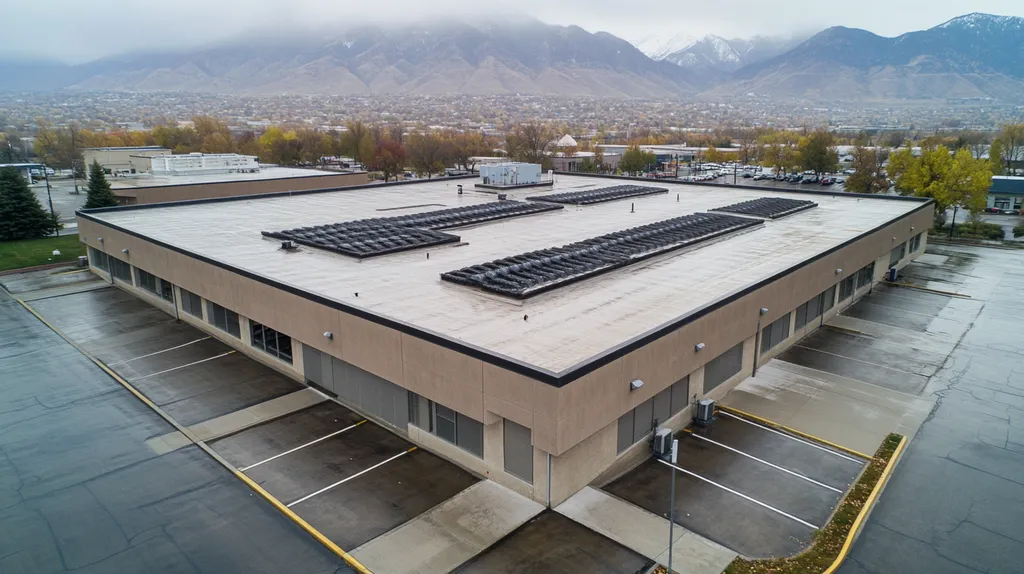
The integration of solar installations on industrial roofs is a game-changing move towards sustainability, yet inadequate planning can lead to serious setbacks. From structural failures to costly regulatory fines, the stakes are high for property owners. To maximize the benefits of solar energy, it’s essential to consider the right roofing solutions, effective mounting systems, and unique jurisdictional regulations. This section explores these critical considerations for successful solar implementation.
Selecting the Right Roof Type for Solar
The choice of roofing material is crucial for successful solar panel installations. For instance, single-ply membrane systems often adapt easily to solar mounts, while built-up roofs may necessitate structural reinforcements to carry the weight of solar panels.
Durability is another key factor; metal roofs, renowned for their longevity, often emerge as ideal candidates. They naturally provide energy efficiency and can endure extreme weather conditions, making them excellent for solar integration.
Conducting a thorough assessment of the roof’s condition, load capacity, and compatibility with solar technology is vital. Property owners should work closely with roofing professionals to evaluate these factors before proceeding with installation.
Ultimately, choosing the right roof not only ensures compliance with regulations but also optimizes solar energy gains and enhances the building’s sustainability.
Proper Mounting and Racking Systems
The mounting and racking systems that secure solar panels must be robust, designed to withstand environmental stresses such as wind and snow. Poorly engineered systems can pose significant safety risks and lead to costly repairs down the line.
For example, while ballasted systems on flat roofs minimize roof penetrations, they may not be suitable for every building design. In high-wind zones, specific racking solutions are necessary to enhance stability and safety.
Custom mounting solutions tailored to each building’s unique conditions should be prioritized. Consulting with engineers to identify the most appropriate systems allows property owners to ensure compliance with local codes while prolonging the solar installation’s longevity.
This strategic approach minimizes future liabilities and maximizes the efficiency of solar energy systems.
Adhering to Jurisdictional Variations
Regulations for solar installations vary significantly across jurisdictions, impacting project feasibility and design. Local building codes, zoning laws, and safety requirements dictate crucial structural specifications and the permitting process.
In some regions, specific engineering assessments are necessary to confirm a roof’s capability to support solar installations. Others might impose restrictions on panel visibility to uphold aesthetic standards, influencing installation designs.
Understanding these regional regulations is essential for avoiding compliance issues. Many property owners mistakenly assume a uniform approach will suffice, potentially leading to legal challenges and increased costs.
Working closely with local authorities and experienced professionals ensures adherence to all necessary guidelines, facilitating smoother installations while preventing costly retrofits. Staying informed empowers property owners to execute solar projects that meet both regulatory demands and financial expectations.
SECTION 6: TEST AND VERIFY
As solar energy adoption on industrial roofs accelerates, the stakes for property owners increase dramatically. A roof that hasn’t been properly evaluated can jeopardize investments, leading to costly repairs or unanticipated operational disruptions. Research indicates that nearly 30% of solar installations fail because of insufficient roof assessments. This section stresses the vital importance of thorough roof inspections, compliance verification, and proactive strategies to ensure long-term performance and safety.
Conducting Thorough Roof Inspections
Before installing solar panels, conducting a meticulous roof inspection is essential. A comprehensive assessment highlights the roof’s structural integrity, material compatibility, and possible vulnerabilities. Roofs must safely accommodate the added weight of solar installations without compromising safety or functionality.
Inspectors should closely examine the roof’s condition, focusing on membrane integrity, drainage systems, and existing penetrations. Any detected damage should be addressed before installation to avoid escalating repair costs later. Furthermore, keeping accurate records of these inspections is critical to maintaining ongoing compliance.
Regular inspections can mitigate future risks significantly. This proactive strategy allows adjustments for environmental changes and wear over time. Annual inspections, or those following severe weather events, are highly recommended.
Ultimately, conducting informed roof assessments not only facilitates successful solar installations but also protects the overall value of the property.
Verifying Compliance with Local Regulations
Ensuring compliance with local solar regulations is non-negotiable for any installation project. Regulations typically encompass zoning laws, historical building codes, and specific permitting requirements, and failure to meet these standards can result in fines, mandatory removals, or even legal actions.
Facility managers should familiarize themselves with relevant local regulations as early as the planning phase. Consulting with legal experts or local authorities can clarify steps to achieve compliance. This groundwork promotes a smoother installation process, minimizing unexpected roadblocks.
Local solar regulations can differ significantly, affecting aspects such as panel placement and aesthetics. Understanding these nuances aids in designing systems that adhere to legal stipulations while maximizing energy efficiency.
Verifying compliance not only safeguards investments but also encourages sustainable practices across the industrial sector.
Ensuring Long-Term Performance and Safety
Once the solar system is installed, ensuring its long-term performance and safety is crucial. Routine maintenance checks play a key role in identifying wear or damage that could hinder energy production or compromise safety. Consistent upkeep is vital for extending the life of both the roof and the solar system.
Monitoring performance metrics allows facility managers to promptly detect any drops in efficiency. Integrating predictive maintenance strategies can help anticipate issues, effectively reducing downtime and repair costs.
In addition to performance, solar systems must comply with safety standards. This includes adhering to proper fire safety protocols, as improper installations can elevate risks within industrial settings. Employing certified professionals for installations and inspections further ensures ongoing compliance with safety and regulatory standards.
In summary, a commitment to testing, verifying, and maintaining solar systems not only enhances resilience but also paves the way for an energy-efficient future in industrial buildings.
The Bottom Line
With solar installations on industrial roofs projected to double by 2025, understanding and following regulations has never been more critical.
Recent industry data shows that 40% of commercial solar projects face regulatory compliance issues, resulting in an average of $125,000 in preventable costs per installation.
The evidence is clear: successful solar implementation requires thorough structural assessment, strict adherence to local codes, and regular verification of compliance standards.
Property owners who invest in proper planning and ongoing maintenance while staying current with regulations will maximize their solar investment’s return while avoiding costly penalties and repairs.
The future of industrial solar is bright – but only for those who approach it with complete regulatory awareness and commitment to compliance.
FREQUENTLY ASKED QUESTIONS
Q. Can any commercial roof support solar panels?
A. Not all roofs can support solar panels without proper evaluation. Each roof type has unique specifications affecting its structural integrity. Older or damaged roofs may require assessments and reinforcements to safely hold solar installations.
Q. What risks do industrial roofs face during solar installations?
A. Solar panels add significant weight, risking structural integrity if inadequately planned. Poor installations can also lead to water pooling and damage. Property owners must ensure thorough assessments to avoid catastrophic issues and costly repairs.
Q. What are the financial impacts of misinformation about solar regulations?
A. Misinformation can lead to fines and costly project delays. Non-compliance may halt energy generation, increasing overall operational costs. Understanding the accurate regulations can safeguard investments and streamline project execution.
Q. How do IRC and IBC standards affect industrial roof installations?
A. These codes dictate structural soundness for solar panel support. Non-compliance risks safety and legal issues. Facility managers must be familiar with local adaptations based on geographical conditions to adhere to these standards successfully.
Q. What factors should I consider for solar roof installations?
A. Key factors include roof type, condition, and load capacity. Selecting durable materials and suitable mounting systems ensures safety and compliance. Collaborating with experienced professionals can help address specific regulations and site conditions effectively.
Q. Why are thorough roof inspections crucial before solar installation?
A. Detailed inspections assess structural integrity and potential vulnerabilities. They help identify existing damages that could complicate installation. Regular assessments ensure compliance and mitigate risks associated with added solar loads.
Q. What options exist for enhancing solar installation safety?
A. Utilizing certified professionals for installations ensures adherence to safety protocols. Implementing routine maintenance checks improves performance and longevity. Additionally, careful monitoring following installation helps identify any immediate issues, maintaining safety standards.






