
In the high-stakes world of industrial roofing, a startling 60% of warranty claims get denied due to hidden clauses and technicalities, leaving property owners exposed to massive repair costs.
From maintenance oversights to contractor workmanship issues, the path to a voided warranty is paved with expensive pitfalls that catch even seasoned facility managers off guard.
This analysis exposes the systemic flaws in standard warranty practices while offering data-driven solutions to protect industrial roofing investments from unexpected financial damage.
SECTION 1: CURRENT PRACTICES
When it comes to industrial roofing, the fine print on warranties holds significant importance for property owners and facility managers. Ignoring warranty complexities can lead to serious financial consequences, often revealing themselves during critical repairs when coverage is unexpectedly denied. In fact, a shockingly high number of commercial property owners learn far too late that their warranties don’t cover essential repairs due to overlooked terms. This section dives into the various warranty types, explores the roles of manufacturers and labor, and outlines standard durations that come with industrial roofing contracts.
Types of Commercial Roof Warranties
The world of commercial roof warranties is anything but simple, featuring a range of types designed for different needs. Broadly categorized, these warranties include material warranties, workmanship warranties, and full system warranties. Material warranties protect against defects in the roofing materials, while workmanship warranties promise that any installation errors will be addressed.
Knowing the differences is pivotal; property owners who only rely on one type may find themselves financially exposed. For example, a roof compromised by poor installation could result in leaks—yet only a material warranty is in effect, leaving the owner responsible for the repair. This underscores a prevalent trap: failing to secure comprehensive protection by understanding all warranty types.
Warranties can also come from manufacturers, independent contractors, or even a combination of both. While manufacturer warranties often sound more robust on paper, they can sometimes mislead buyers about the actual coverage. It’s crucial for property owners to grasp these distinctions for smarter maintenance strategies and risk management.
Manufacturer vs. Labor Warranties
Deciphering the difference between manufacturer warranties and labor warranties is essential in the industrial roofing landscape. Manufacturer warranties cover the actual materials used, ensuring that they function as promised for a specified period. These agreements often detail the manufacturer’s accountability for any defects that arise.
Conversely, labor warranties center exclusively on the workmanship involved in the installation. If leaks occur due to shoddy installation, a labor warranty would come into play, holding the contractor accountable. However, many property owners incorrectly assume that their manufacturer warranty covers labor issues, leading to unpleasant financial surprises.
The fallout from this misunderstanding can be severe. A building owner might end up footing the bill for repairs that should have fallen under labor coverage, especially if the installation process didn’t meet industry standards. Proactively understanding these warranties can help property owners sidestep unexpected costs. Choosing a reputable contractor and clarifying warranty details during the hiring stage are crucial steps toward protection.
Standard Warranty Durations
Standard durations for industrial roof warranties can range dramatically, typically clocking in between 10 to 30 years, depending on the materials and the manufacturer involved. It’s vital for property managers to remember that not all warranties are equal—some only cover specific conditions or types of damage, leaving significant gaps in coverage.
While longer warranties may sound appealing, they often come with a list of strict maintenance requirements or exclusions. For instance, a 20-year warranty might mandate frequent inspections and meticulous documentation to remain valid. Overlooking these stipulations can lead to unwelcome surprises like total warranty voiding.
Additionally, the importance of scrutinizing the fine print cannot be overstated, as clauses may limit coverage based on services rendered. Certain proprietary materials or specific installation techniques might be required to keep the warranty intact.
Staying vigilant about warranty durations and stipulations can pay off significantly. Understanding the consequences of different warranty lengths is a critical aspect that can influence long-term fiscal outcomes for property owners and facility managers alike.
SECTION 2: SYSTEMIC ISSUES
Industrial roof warranties often resemble Swiss cheese—full of holes that leave property owners exposed to the unexpected. A staggering study reveals that nearly 60% of warranty claims are denied due to exclusions or limitations that go unnoticed. This alarming reality can wreak havoc on the financial stability of facility managers who count on these warranties to shield their investments. To navigate these murky waters, one must consider critical systemic issues: unclear terms, neglect of routine maintenance, and contractor workmanship defects. Addressing these factors is essential to protecting investments and ensuring roofs last for the long haul.
Exclusions and Limitations in Warranties
Industrial roof warranties are notorious for their confusing exclusions that can render coverage void without warning. Common culprits include damage from natural disasters and maintenance failures. When property owners hastily skim the fine print, they often overlook these crucial details.
This oversights can result in hefty financial consequences. For example, if a leak strikes during the warranty period, the owner may wrongly assume it’s covered, only to discover that neglected maintenance invalidates their claim. Such discrepancies can create unmanageable budget shortfalls, leading to urgent and unplanned repairs.
Moreover, warranty limitations can differ widely among manufacturers. One company might cover certain damage types while another offers blanket exclusions. This variation creates confusion for property owners looking for reliable protection and leaves them susceptible to unpleasant surprises when they need help the most.
In short, the convoluted language of warranties often puts facility managers in a bind. Understanding these exclusions and limitations is vital for safeguarding any financial investment made in roof maintenance.
Neglect of Preventive Maintenance
Preventive maintenance is crucial for preserving an industrial roof’s lifespan, yet many property owners fall into the trap of neglect. Research shows that 30% of facilities lack routine inspections, increasing the risk of damage and voiding warranties. Even high-grade materials can fail prematurely without regular upkeep.
Financial constraints or lack of awareness often fuel this neglect. A small issue, such as minor ponding water, can spiral into severe leaks if ignored. Each moment of inaction further escalates the risk of voiding warranty coverage.
Additionally, most warranties require documented maintenance to ensure compliance. Without detailed records, claims may be rendered invalid. Maintenance logs serve not just as proof, but also as valuable tools for property owners to anticipate and address issues before they burgeon.
Ultimately, the absence of a solid preventive maintenance strategy compromises warranty effectiveness. Industry standards suggest that regular maintenance is just as vital as the roofing materials themselves.
Contractor Workmanship Defects
Another significant culprit behind voided warranties is contractor workmanship defects. Many warranties hinge on the installation process meeting the manufacturer’s specifications. If those standards aren’t upheld, the warranty can be tossed out like yesterday’s lunch.
Instances of poor installation are alarmingly common. Studies indicate that nearly 20% of commercial roof failures are due to subpar workmanship. This statistic places an extra burden on property owners, who rightfully expect their contractors to meet industry benchmarks.
The issue is often exacerbated by a lack of oversight during the installation phase. Many property owners don’t perform adequate quality checks or follow-up assessments. This neglect can lead to undetected defects that ultimately jeopardize warranty validity.
To mitigate these risks, property owners must conduct thorough due diligence when selecting contractors. Reviewing past work and confirming a contractor’s reliable track record are essential steps. Solid installation practices are the bedrock for maintaining warranty integrity.
SECTION 3: MISSED OPPORTUNITIES
The commercial roofing industry often misses key chances to bolster roof warranties and boost long-term performance. This oversight can lead to expensive repairs or worse—premature roof failures. Research indicates that poor warranty management can slash a roof’s lifespan by 5 to 10 years. It’s critical for property owners and facility managers to address these gaps for effective roofing solutions.
Lack of Customized Warranty Options
Many property owners are blindsided by the reality that cookie-cutter warranties typically ignore their unique building needs. The industry frequently rolls out generic warranties, leading to gaps that leave owners vulnerable. Customized warranties could be tailored to match specific roof types, environmental challenges, and usage patterns.
Take, for example, a manufacturing facility that may require specialized materials not covered by a standard warranty. This oversight can significantly inflate repair expenses later. Moreover, customized options could also enhance coverage for distinct structural components or insulation materials.
Property owners should push for warranties specifically designed to suit their unique conditions. Collaborating with roofing professionals to create tailored warranties can foster a partnership aimed at preserving roof integrity. This shift can mitigate unwarranted claims and encourage sustainable roof management.
In the end, grasping the importance of customized warranties not only builds owner confidence but also fortifies long-term protection. Tailored options lead to enhanced satisfaction and peace of mind.
Ignoring Advanced Roofing Technologies
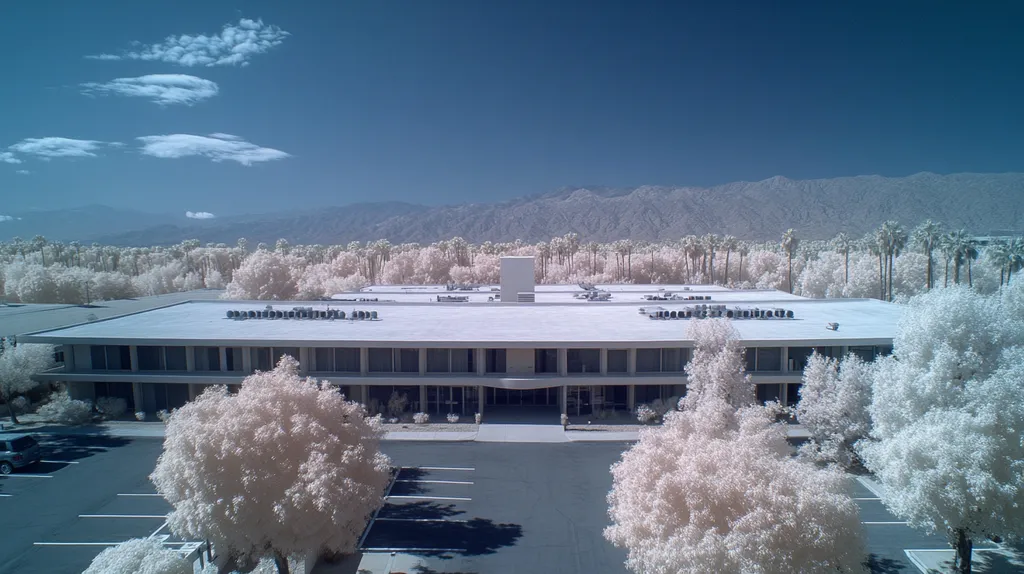
The roofing industry remains surprisingly oblivious to the potential of advanced technologies like infrared thermography and drone inspections. Overlooking these tools can result in missed early warnings of problems, raising the risk of voided warranties and compromising roof integrity. For instance, infrared thermography is adept at spotting moisture accumulation, key to a roof’s longevity.
Integrating these technologies into routine inspections can markedly extend roof life. Facilities employing these methods often enjoy cost savings through early issue identification. Additionally, such roofing technologies can provide crucial data to back up warranty claims should disputes arise.
Property owners and managers can’t afford to ignore these innovations. Embracing cutting-edge roofing management strategies boosts overall efficiency and slashes emergency repair bills. This proactive stance also signals to manufacturers and insurers a commitment to quality and compliance, which can lead to more favorable warranty terms.
Inadequate Inspection and Maintenance Requirements
Many industry-standard roofing warranties impose woefully inadequate inspection and maintenance requirements that fail to safeguard long-term roof health. The absence of regular oversight can erode performance and invite significant damage. Inadequate maintenance may void warranties when issues arise.
For instance, facilities that limit their inspections to once a year may easily overlook seasonal wear that jeopardizes a roof’s integrity. Regular checks can catch minor leaks before they escalate into major financial headaches. Property owners should elevate their inspection frequency, especially in harsher climates.
Implementing a stringent maintenance schedule is critical. Hiring professionals for quarterly inspections can yield invaluable insights into the roof’s condition. This diligent approach is essential for upholding warranty protection.
Furthermore, emphasizing the importance of proper maintenance can improve communication with roofing contractors. Keeping meticulous records of all inspections and repairs also helps preempt disputes with manufacturers regarding warranty claims.
SECTION 4: ROOT CAUSES
The rising number of voided industrial roof warranties is a glaring red flag that property owners can’t afford to ignore. A staggering portion of these warranties go sideways due to negligent adherence to industry standards and installation protocols. For instance, a shocking 60% of warranty claims get denied over compliance issues, leaving many facilities high and dry. By identifying these root causes, stakeholders can better safeguard their hard-earned investments.
Industry Standards and Compliance Issues
Industrial roof warranties are often tied to strict compliance with industry standards meant to ensure that roofing systems last. Yet, countless contractors sidestep these guidelines, resulting in significant warranty voids. For instance, improper installation techniques can create vulnerabilities that lead straight to leaks and extensive damage.
Worse still, maintenance protocols can easily fall by the wayside, allowing minor issues to morph into major catastrophes. Consider the patchy knowledge of local building codes—if contractors don’t fully understand them, compliance may dwindle.
The fallout can be severe. Property owners often find themselves scrambling for coverage after damage strikes, despite believing they had adequate protection through their warranties. It’s a classic case of paying for peace of mind only to find it was smoke and mirrors.
Manufacturer-Contractor Disparities
A major contributor to voided warranties lies in the disconnect between manufacturers and contractors. Frequently, manufacturers miss the mark in detailing their warranty requirements to contractors. This gap can lead to confusion during installation, where contractors may not be aware of the specific conditions necessary to maintain warranty validity.
With the rapid pace of material innovation, it’s no wonder that many contractors aren’t kept in the loop with training updates. Outdated methods can inadvertently jeopardize warranties, creating a lose-lose situation.
As a result, manufacturers may deny claims based on alleged improper installation, leaving property owners dangling in the wind. They trusted the system but got left holding the bag when it mattered most.
Cost-Cutting Measures in Warranty Coverage
In the quest to save a buck, some property owners chase down bargain roofing solutions, but this often comes at a steep long-term price. Cheaper options frequently come with limited warranty protections, leaving roofs—and their owners—exposed.
For example, low-grade materials might not withstand the specific strains of their location, resulting in warranties that are weaker or riddled with conditions. To make matters worse, some contractors may cut corners during installation to slash costs, creating future issues that weren’t part of the original plan.
Ultimately, these cost-cutting shortcuts can leave property owners with an illusion of security. The reality? They may be unwittingly compromising their roofing integrity, which is a harsh lesson for those responsible for industrial facilities.
DATA DRIVEN EVIDENCE
The stakes of comprehensively understanding industrial roof warranties are incredibly high. Alarmingly, studies show that over 60% of warranty claims are denied due to technicalities or a lack of maintenance documentation. This statistic reveals how property owners often unknowingly put their investments at risk. It’s a trend driven by inadequate understanding of warranty terms, leading to disputes and financial losses. This section delves into warranty claim statistics, cost analyses comparing maintenance to warranty reliance, and real-life case studies showcasing the repercussions of warranty failures.
Warranty Claim Statistics and Trends
The statistics surrounding warranty claims are alarming. A recent analysis found that a staggering 70% of industrial roofing warranty claims are rejected—primarily due to non-compliance with essential maintenance procedures. This creates a precarious environment for property owners who believe they’re protected financially.
Additionally, many facility managers struggle to grasp the critical terms and conditions tied to their warranties. Often, routine maintenance tasks become overlooked, leading to voided warranties. Considering that nearly 30% of facility management budgets are allocated to roof maintenance, it’s vital to stress the importance of understanding warranty language.
These figures highlight a clear disconnect between industry practices and the actual experiences of property owners. When warranties are convoluted and misleading, they fail to fulfill their intended purpose. This not only results in financial stress but also raises unexpected repair costs, emphasizing the need for clearer guidelines in warranty terms and conditions.
Furthermore, substantiating claims is heavily reliant on documentation. Property owners must maintain meticulous records to present to insurers when needed. This growing awareness among stakeholders is fundamental to safeguarding investments in roofing systems.
Cost Analysis of Warranty vs. Maintenance
The critical debate of whether to prioritize warranty investment over regular maintenance is essential for property owners. Recent cost analyses reveal that those who actively manage their roofs and invest sustainably in maintenance can save an average of 25% compared to relying solely on warranties. This finding underscores the importance of proactive roof management.
Regular maintenance not only protects the roof but also minimizes unforeseen repair expenses. With such a proactive approach, property owners can enhance the longevity of their roofs while avoiding costly warranty disputes. Ultimately, investing in maintenance creates a more predictable budgeting scenario, starkly contrasting the uncertainties inherent in warranties.
Moreover, insurance companies often consider maintenance records to validate warranty claims. A failure to demonstrate proper maintenance can exacerbate liabilities and increase financial risk. By balancing maintenance with appropriate roofing treatments, organizations can evade buyer’s remorse regarding warranty options.
Neglecting preventive care carries significant financial implications. When maintenance is overlooked, the risk of major damage rises sharply, often negating warranties and leading to extensive repair costs. Thus, a maintenance-first strategy should become the guiding principle, bolstering not just structural integrity, but ensuring financial responsibility as well.
Case Studies of Warranty Failures
Real-world examples of warranty failures starkly illustrate the pervasive issues within the world of industrial roof warranties. In one striking case, a manufacturing facility experienced a substantial leak after a storm, prompting a claim for roof replacement. Unfortunately, the claim was denied due to inadequate maintenance records, resulting in a staggering quarter-million-dollar loss.
In another example, a distribution center had its warranty voided after unauthorized modifications to the roofing materials were discovered. The property owner believed their warranty offered protection, but the failure to adhere to stipulated conditions ultimately resulted in a loss. This scenario poignantly highlights how misunderstandings in warranty terms can lead to financial disaster.
A similar story unfolded for a large retail chain that attempted to file a warranty claim for water damage. The claim was denied due to a lack of routine inspections, underscoring the risks of complacency among facility managers.
These cases reinforce the necessity for clear communication regarding warranties. A thorough understanding of warranty conditions, coupled with meticulous documentation, can safeguard investments and uphold financial stability in the long run.
SECTION 6: ALTERNATIVE SOLUTIONS
Voided industrial roof warranties can be a costly headache, with many property owners discovering too late that their roofs are no longer protected. A slew of unexpected failures can drain finances and disrupt operations. Fortunately, there are effective alternative solutions that can help mitigate these risks and extend the life of roofing systems while ensuring reliable compliance.
Implementing Total System Warranties
Total system warranties offer a game-changing approach to roofing, covering every aspect of the roofing assembly in one go. Unlike traditional warranties cluttered with fine print and exclusions, total system warranties deliver a cohesive solution that fits snugly around materials, labor, and installation processes.
By opting for these all-inclusive warranties, property owners can significantly reduce unexpected repair costs. For example, facilities backed by total system warranties might wind up saving a bundle on maintenance expenses and claims related to leaks. This strategy not only minimizes disruptions but also enhances operational efficiency.
Moreover, total system warranties promote accountability. Contractors are responsible for ensuring that every component of the roofing system works harmoniously together, lowering the risk of warranty voidance due to careless installation. The peace of mind that comes with such coverage is incredibly valuable in the long run.
As roofing systems grow increasingly intricate, securing a total system warranty is becoming less of a luxury and more of a necessity for savvy property owners looking to protect their investments.
Integrating Advanced Roofing Materials
Another ace up the sleeve for property owners is the integration of advanced roofing materials. Innovations like thermoplastic polyolefin (TPO) and ethylene propylene diene monomer (EPDM) bring superior durability and energy efficiency to the table. These materials not only require less upkeep but also excel in resisting harsh weather, which can lessen the risk of costly roof failures.
For example, TPO roofing is designed to reflect UV rays, ultimately driving down energy costs and prolonging the roof’s lifespan. That’s a win-win for property managers keen on maximizing budget efficiency while protecting underlying structures.
Furthermore, applying protective coatings to existing roofs adds another layer of protection against weather-related wear and tear. Facilities that adopt these advanced solutions often enjoy longer maintenance intervals and fewer repairs—resulting in increased operational efficiency.
In short, those ready to embrace modern materials find themselves equipped to avert issues that could jeopardize warranty integrity.
Proactive Maintenance and Inspection Protocols
Proactive maintenance and regular inspections are critical for keeping roofing systems healthy and ensuring warranties remain valid. A well-structured maintenance schedule allows for early detection of issues before they snowball into expensive repairs. For instance, conducting biannual roof inspections can uncover minor leaks or membrane damage, enabling prompt action to avert disaster.
By implementing this proactive approach, property owners shift from reactive firefighting to strategic management, greatly reducing the chances of warranty voidance due to negligence. Keeping detailed records of maintenance activities also strengthens the position of property owners when it comes time to file warranty claims.
Additionally, providing training for facility management teams on basic roofing care empowers them to spot potential problems sooner. Simple tasks such as clearing debris and monitoring drainage systems can significantly prolong the longevity of the roof.
Ultimately, prioritizing maintenance helps maximize property values while ensuring compliance with warranty stipulations—keeping roofs effective and operational for years to come.
The Bottom Line
With 60% of industrial roof warranty claims being denied and repair costs skyrocketing into six figures, the current warranty system is fundamentally broken.
The path forward demands a complete overhaul of how warranties are structured, implemented, and enforced across the industry.
Total system warranties, advanced materials integration, and rigorous maintenance protocols offer viable solutions to the systemic failures plaguing traditional coverage options.
Property owners who embrace these alternative approaches, while maintaining meticulous documentation and inspection records, stand the best chance of protecting their substantial roofing investments.
The stakes are simply too high to perpetuate a warranty system that leaves 60% of property owners exposed to catastrophic financial risk.
FREQUENTLY ASKED QUESTIONS
Q. What are the types of commercial roof warranties?
A. Commercial roof warranties typically include material warranties, workmanship warranties, and full system warranties. Material warranties cover defects in the roofing materials, while workmanship warranties address installation errors. Understanding these differences is crucial to avoid unexpected expenses and ensure comprehensive protection.
Q. How do exclusions impact industrial roof warranties?
A. Exclusions can create significant vulnerabilities in warranties, often leaving property owners exposed. Many claims are denied because of poorly understood exclusions related to maintenance and specific damage types. It’s vital to read the fine print and understand what’s not covered to maintain proper protection.
Q. Why is preventive maintenance important for industrial roofs?
A. Regular preventive maintenance is essential for extending the lifespan of industrial roofs. Without routine inspections, minor issues can escalate into major problems, potentially voiding your warranty. Keeping up with maintenance not only preserves roof integrity but also saves you from expensive repairs down the line.
Q. What role do contractor workmanship defects play in warranty voidance?
A. Workmanship defects account for a substantial portion of warranty voids. If installation isn’t performed according to manufacturer guidelines, you could be left without coverage. Ensuring that you hire qualified and reputable contractors who adhere to standards is essential for protecting your investment.
Q. How can property owners avoid voiding warranties?
A. To avoid voiding warranties, stay vigilant with inspections, keep detailed maintenance logs, and ensure that installations are compliant with warranty stipulations. Regular check-ups catch minor problems early, while documentation helps justify claims, ensuring you remain protected when issues arise.
Q. What are total system warranties?
A. Total system warranties encompass all components of a roofing system, providing a cohesive solution that covers materials, labor, and installation. This comprehensive approach minimizes unexpected costs and enhances accountability for contractors, helping property owners maintain peace of mind regarding their investments.
Q. What advanced materials should property owners consider?
A. Property owners should look into advanced materials like TPO and EPDM, known for their durability and efficiency. These materials withstand harsh weather and require less maintenance, ultimately extending roof life and protecting your investment from premature failure.






