

As energy costs continue to surge, industrial facilities face mounting pressure to optimize their building performance. Studies show that traditional roofing systems can absorb up to 95% of solar heat, dramatically increasing cooling expenses and accelerating material degradation.
Reflective coatings emerge as a critical solution, offering the potential to reduce roof surface temperatures by up to 50°F and cut cooling costs by as much as 30%. This technology transforms existing roofing infrastructure into energy-efficient assets without requiring complete system replacement.
This comprehensive guide examines the science behind reflective coatings, their practical applications, and essential considerations for implementation, equipping facility managers with the knowledge needed to make informed decisions about this energy-saving technology.
SECTION 1: THE BASICS EXPLAINED
As energy efficiency becomes a vital concern for industrial buildings, property owners are under pressure to adopt smarter, sustainable practices. With the rise in energy costs and stringent environmental regulations, finding effective solutions is essential. Reflective coatings for industrial roofs stand out as a dynamic option that can drastically lower energy use while safeguarding roofing materials. By grasping the fundamentals of reflective coatings, facility managers can make knowledgeable roofing decisions that enhance building performance.
What It Is (In Plain Language)
Reflective coatings are advanced materials applied directly to the surfaces of roofs, specifically designed to bounce sunlight away and minimize heat absorption. Unlike traditional roofing systems that tend to trap heat, these coatings form an effective barrier against solar radiation. They come in various types, including elastomeric, polyurethane, and acrylic options, all of which enhance overall performance.
Typically available in white or light shades, these coatings reflect sunlight back into the atmosphere, keeping both the roof and the entire building cooler. This results in reduced strain on HVAC systems, helping to lower energy bills. The application of these coatings is generally straightforward, making it a practical choice for many industrial roofing projects.
In essence, reflective coatings can transform existing roofing into an energy-efficient solution, often without the need for a complete overhaul. This benefit is particularly advantageous for facility managers aiming to optimize energy use while adhering to budgetary constraints.
Utilizing reflective coatings can lead to remarkable decreases in surface temperatures, with reductions reaching up to 30%. This shift not only enhances energy savings but also extends the lifespan of roofing materials, effectively decreasing long-term maintenance costs.
Why It Matters (To Your Building)
The benefits of reflective coatings for industrial roofs go far beyond just saving energy. By reflecting solar radiation, these coatings help maintain a more consistent internal temperature, which contributes to a more comfortable working environment. Stable temperatures can improve employee productivity—a crucial element for any organization.
Moreover, reflective coatings play a significant role in mitigating the urban heat island effect, a phenomenon where city areas become notably warmer due to human activities. Lowering heat levels contributes to cooler ambient conditions and enhanced air quality, benefiting the wider community.
Additionally, many government programs at both local and federal levels support energy-efficient building practices. Facilities that implement reflective coatings might qualify for tax incentives or rebates, making the investment more appealing. This financial advantage adds to the attractiveness of these coatings for property owners.
As climate change continues to influence building regulations, there’s heightened scrutiny on performance standards. Adopting reflective coatings signifies a commitment to sustainable practices, enhancing a company’s brand image and appealing to eco-conscious clients and tenants.
How It Works
The effectiveness of reflective coatings lies in their ability to manage solar energy. When sunlight strikes a roof, it can be absorbed, leading to heat buildups inside the building. Reflective coatings counteract this effect by reflecting a substantial portion of sunlight away from the roof surface.
These coatings are formulated with specialized pigments and innovative technologies that provide high solar reflectance and thermal emittance. Solar reflectance indicates how much sunlight is repelled, while thermal emittance measures the efficiency with which the surface expels absorbed heat. Together, these properties are essential for maintaining cooler roof temperatures.
This means roofs equipped with reflective coatings can remain significantly cooler during peak heat months. Studies have documented reductions in surface temperatures, which subsequently lessen air conditioning needs and energy consumption.
Furthermore, reflective coatings offer crucial protection against harmful UV rays that can degrade roofing materials over time. Effective UV resistance preserves the structural integrity of roofs, thereby extending their lifespan—a vital consideration for property owners aiming for long-term sustainability.
SECTION 2: PRACTICAL APPLICATIONS
As energy prices soar, the choice of roofing systems for industrial facilities has never been more critical. In sectors with extensive roof areas, reflective coatings can dramatically lower cooling expenses. For instance, facilities with large flat roofs can experience energy savings of up to 30% just by applying a reflective coating, making it a pressing consideration for today’s operational efficiencies.
Common Uses & Examples
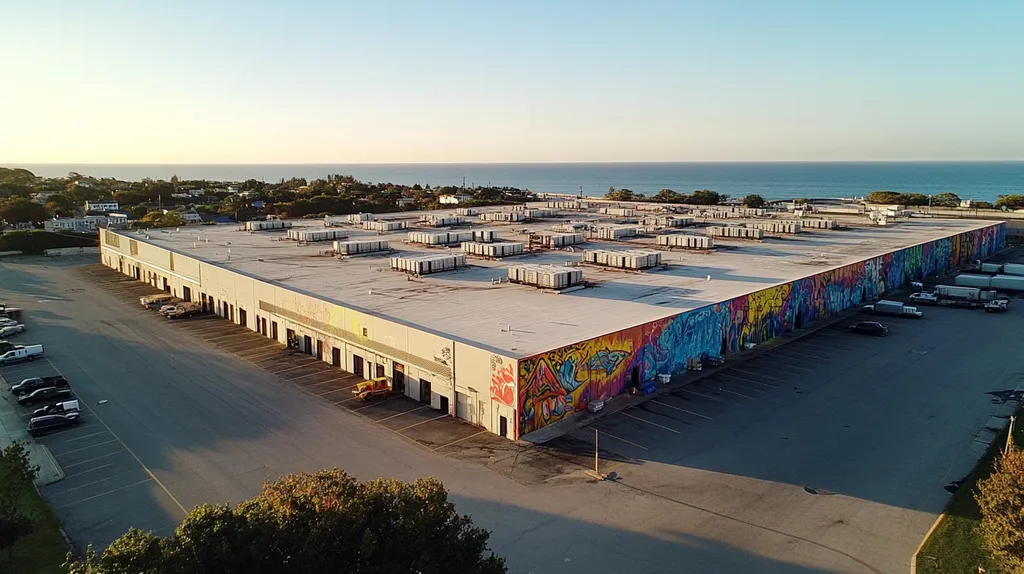
Reflective coatings offer remarkable versatility, making them suitable for various roofing types such as TPO, EPDM, and metal roofs. They are frequently applied in manufacturing plants, warehouses, and distribution centers where cooling needs are significant. A well-known example includes a distribution center located in a sunny climate, which saw substantial benefits from a white reflective coating that minimized heat absorption.
These coatings also protect the underlying materials from UV degradation, significantly extending the roof’s lifespan. This feature is particularly advantageous for facilities situated in harsh environments, where UV exposure can quickly damage standard roofing materials. By opting for reflective coatings, property owners not only improve energy efficiency but also bolster the long-term structural integrity of their roof systems.
Additionally, selecting reflective coatings can enhance the aesthetic appeal of a facility. With a variety of color options available, property managers can choose coatings that align with company branding, creating a cohesive and professional image.
In conclusion, implementing reflective coatings in industrial applications is essential for boosting energy efficiency, enhancing durability, and improving visual appeal.
When You Need It Most
The demand for reflective coatings peaks in warmer climates, particularly during the intense summer months when cooling requirements soar. Facilities that often face elevated temperatures can quickly drain their energy reserves with traditional roofing solutions. Applying a reflective coating just before or during summer can yield immediate advantages.
Facilities that currently use black or dark roofing materials are prime candidates for these coatings. Such surfaces absorb excessive heat, causing spikes in internal temperatures and rising cooling costs. Transitioning to a reflective system can alleviate these issues, leading to noticeable cost reductions almost right away.
Moreover, transitioning periods, such as after a new roof installation or significant repairs, present an ideal point to introduce reflective coatings. This proactive approach enhances the efficiency of newly installed roofing systems, ensuring they contribute to energy savings from day one.
Ultimately, identifying the appropriate moment for applying reflective coatings can dramatically impact energy consumption and operational expenses.
Interactions With Other Systems
Reflective coatings effectively interact with various roofing systems to optimize overall performance. For instance, when used alongside insulation systems, reflective coatings can enhance energy efficiency by keeping facilities cooler in the summer while retaining warmth in winter. This synergy is crucial for facilities managing temperature-sensitive environments.
Furthermore, reflective coatings can boost the performance of integrated solar power systems. By ensuring cooler roof surfaces, these coatings may enhance solar panel efficiency, leading to increased energy generation. This combination provides dual benefits for facilities aiming to adopt renewable energy technologies.
Consideration must also be given to the interaction between reflective coatings and drainage systems. Proper application can prevent water pooling, thereby reducing long-term maintenance costs. Facilities should ensure their roofing infrastructure is equipped to handle any additional weight or modifications resulting from the coating application.
In summary, understanding how reflective coatings work with existing systems can strengthen a facility’s overall strategy for energy efficiency and sustainability.
SECTION 3: KEY TERMINOLOGY DECODED
A solid grasp of the terminology linked to reflective coatings is essential for property owners and facility managers. Misunderstanding these terms can lead to costly mistakes in roofing decisions. With 40% of energy consumption in industrial buildings attributed to cooling expenses, the importance of effective roofing solutions cannot be overstated. Familiarity with key concepts can drastically influence a facility’s energy efficiency and long-term savings. This section demystifies industry jargon and simplifies measurement units to empower informed decision-making.
Essential Terms Explained
Reflective coatings are frequently referred to as “cool roofing” materials. This term describes roofing options specifically designed to reflect significantly more sunlight than conventional roofing systems. They achieve higher reflectivity through a combination of light-colored surfaces and specially formulated reflective chemicals.
An important term to know is “solar reflectance,” which quantifies the amount of solar energy that a surface can reflect. Higher solar reflectance values correlate with increased energy savings, making this a pivotal factor when selecting roofing materials.
Another vital term is “emissivity.” Emissivity measures how well a surface emits absorbed heat. A low emissivity rating means that less heat escapes from the surface, helping to maintain comfortable indoor temperatures.
By understanding these core terms, property owners can make more educated choices about roof performance, energy efficiency, and potential savings.
Industry Jargon Translated
The term “albedo” is common in discussions about roofing. Albedo refers to the reflective capacity of a surface, typically measured on a scale from 0 to 1. A higher albedo value indicates a more reflective surface, thereby enhancing energy efficiency in buildings.
The “Cool Roof Rating Council” (CRRC) is an organization that certifies and rates roofing products according to their energy efficiency. Familiarity with CRRC ratings can assist property owners in selecting effective reflective coatings based on recognized performance standards.
Understanding this terminology enables property owners and managers to navigate product specifications confidently, ensuring they choose solutions that align with their energy efficiency goals.
Measurement & Units Simplified
Measurement metrics are crucial for evaluating roofing performance. The “Solar Reflectance Index” (SRI) is a composite metric that combines solar reflectance and thermal emittance. A higher SRI indicates superior energy performance, making it an essential figure for consideration.
The “Coefficient of Thermal Expansion” (CTE) is also significant. It measures how a material expands or contracts in response to temperature changes. Low CTE values in roofing materials minimize the risk of damage, contributing to a longer lifespan.
Understanding “square footage” is vital when assessing the application of reflective coatings. The total area of the roof directly impacts material costs and installation needs, so accurate measurement is critical.
By simplifying these measurements, property owners can gain a clearer understanding of how their choices affect energy efficiency and overall costs, paving the way for more informed decisions.
SECTION 4: DECISION FACTORS
The choice to apply reflective coatings to industrial roofs is a pivotal factor influencing energy efficiency and operational expenditures. Evidence suggests that these roofing materials can reduce cooling costs by as much as 20%, impacting budget planning significantly. Property owners and facility managers need to consider several factors—including initial costs, performance attributes, and expected lifespan—before selecting a roofing solution that could reshape energy consumption patterns and environmental contributions.
Cost Considerations
Initial costs are a major element in deciding whether to apply reflective coatings. Although the upfront investment may be higher compared to traditional roofing systems, the potential long-term savings can be considerable. Facilities that adopt reflective coatings frequently enjoy substantial reductions in energy bills due to reduced heat absorption.
Moreover, various financing options and incentives are often accessible for energy-efficient enhancements. Familiarity with these financial resources can help mitigate initial costs, making the investment in reflective coatings more compelling.
A comprehensive cost-benefit analysis is essential for property owners. This evaluation should account for both immediate expenses and potential savings over the roof’s lifespan.
Overlooking these financial elements may result in missed opportunities for significant operational savings and enhanced efficiency.
Performance Trade-offs
Roofing materials exhibit different performance characteristics, notably with reflective coatings. While these coatings excel in energy efficiency, there may be trade-offs concerning durability and maintenance needs. Reflective coatings effectively reduce heat buildup; however, their efficiency can be influenced by factors such as climate and the structure of the roof.
Additionally, not all reflective coatings provide the same level of performance. Property owners should scrutinize reflectivity ratings and warranties from manufacturers. Choosing high-quality products ensures superior long-term performance and safeguards against environmental wear.
Facilities situated in regions with marked temperature variations might require more robust solutions to preempt potential issues. Understanding these trade-offs enables key decision-makers to select solutions that align with their operational requirements.
Neglecting a thorough assessment of these performance factors can lead to premature roof failure and escalated maintenance costs.
Lifespan & Durability Factors
Considering the lifespan and durability of reflective coatings is essential for property owners. Generally, high-quality reflective coatings can last between 10 to 20 years. Assessing the expected lifespan is crucial to ensure that the return on investment remains viable over time.
Environmental variables, including UV exposure and rainfall, can heavily influence the coating’s durability. Opting for products tailored to the local climate can significantly enhance performance and longevity.
In addition to weather resistance, properties benefit from a reduced need for routine maintenance, as reflective coatings typically require less upkeep compared to traditional roofing options.
By emphasizing these durability factors, property managers can make well-informed choices that will secure their investment for the long term.
SECTION 5: COMMON CHALLENGES
While reflective coatings offer a multitude of benefits, their successful implementation can encounter several challenges. Property owners and facility managers face issues like improper installation, premature wear, and adverse environmental conditions that undermine the expected energy savings. With energy costs potentially consuming up to 30% of a facility’s total operational budget, recognizing and addressing these challenges is essential to derive the full advantages of reflective coatings.
Frequent Problems & Solutions
Improper application of reflective coatings is a common challenge that can severely diminish their effectiveness. Issues like inadequate surface preparation and inexperienced application often result in poor adhesion. To avert such pitfalls, hiring skilled professionals with specific expertise in the selected reflective coating can significantly improve installation quality.
Environmental factors also contribute to the degradation of reflective coatings. Conditions such as heavy rain, high humidity, and intense UV exposure can adversely affect the coating’s lifespan. Investing in high-quality coatings designed to withstand local weather conditions can be a game changer in enhancing their durability.
Another frequently overlooked aspect is routine maintenance. Regular inspections are crucial for catching early signs of wear and discoloration. Establishing a systematic maintenance schedule can extend the life of reflective coatings and improve overall energy performance.
Warning Signs To Watch For
Timely identification of warning signs can prevent considerable repair costs. A sudden spike in energy bills often serves as an early indicator that the reflective coating is underperforming. If energy costs rise unexpectedly, it warrants a thorough examination of the roof’s protective layer.
Visible wear and tear, such as cracking or peeling, are also clear signals that the reflective coating needs attention. These physical changes can significantly reduce reflectivity, thereby compromising the roof’s performance. Engaging a professional for an evaluation can help determine if repairs or reapplication are necessary.
Leaky roofs or instances of water pooling serve as additional warning signs that the coating may be failing. Addressing these issues promptly is essential to avoid water damage, which could further escalate maintenance challenges.
Preventative Approaches
Taking proactive measures can mitigate potential problems before they arise. Facility managers should invest in high-quality coatings that align with their operational needs. Sourcing products certified by organizations such as the Cool Roof Rating Council (CRRC) can ensure compliance with energy performance standards and enhance reliability.
Regular training for maintenance staff on best practices in coating care is vital. Staff equipped with up-to-date knowledge can recognize early warning signs and implement effective solutions, thereby prolonging the lifecycle of the coatings.
Lastly, establishing a long-term relationship with a reputable roofing contractor for inspections and maintenance can provide invaluable support. This ongoing partnership can lead to custom solutions tailored to facility requirements, ensuring compliance with energy efficiency standards throughout the life of the roof.
SECTION 6: NEXT STEPS & RESOURCES
Implementing reflective coatings is not merely a trend; it is a critical strategy for industrial property owners aiming to cut energy costs and enhance operational efficiency. With energy prices on the rise, reflective roofs have been proven to reduce cooling expenses by as much as 30%. Knowing how to effectively proceed with implementation is essential for maximizing these benefits.
This section outlines the vital steps to take, including essential questions to pose when selecting providers, industry standards to uphold, and resources for further education on reflective coatings.
Questions To Ask Providers
When contemplating reflective coatings, property owners should be prepared with specific inquiries to evaluate a provider’s expertise. Key questions include those about the types of coatings available and their respective reflective properties. It is equally critical to understand the expected lifespan and maintenance requirements of the chosen coating.
Additionally, requesting case studies or references from past projects will help ensure that the provider has relevant experience with facilities similar to yours. A solid warranty is also vital; inquiring about warranty options and coverage can provide assurance about the coating’s long-term performance.
Finally, clarify the installation timelines and how the provider plans to minimize disruption to daily operations. Effective communication on these aspects can lead to smoother project execution and reduced downtime.
Industry Standards & Guidelines
Understanding industry standards is essential for informed decision-making regarding reflective coatings. The Cool Roof Rating Council (CRRC) offers guidelines that aid in evaluating the solar reflectance and thermal emittance of roofing materials, ensuring compliance with energy efficiency benchmarks.
Moreover, integrating LEED (Leadership in Energy and Environmental Design) certifications can boost a facility’s sustainability profile. By familiarizing themselves with these standards, property owners can select materials validated for their energy efficiency and effectiveness.
Consult the American Society for Testing and Materials (ASTM) for testing protocols that verify the durability and performance criteria of reflective coatings. Compliance with these standards significantly impacts expected long-term outcomes.
Lastly, awareness of local regulations is crucial; some areas may require specific energy efficiency features to qualify for incentive programs or financial rebates.
Further Learning Simplified
Ongoing education is critical for property owners and facility managers involved in energy initiatives. Resources such as trade associations, webinars, and industry publications offer valuable information about reflective coatings and their applications. Engaging with industry experts through webinars or conferences can provide deeper insights as well.
Online platforms like the U.S. Department of Energy’s Cool Roofs website present accessible research and case studies, breaking down complex topics into understandable formats for a broader audience.
Networking with fellow facility managers can yield practical insights. Sharing experiences regarding reflective coating projects can highlight common challenges and effective solutions within the industry.
Finally, exploring energy efficiency programs may yield additional incentives or resources tailored to reflective coatings, allowing property owners to maximize both fiscal benefits and energy performance.
The Bottom Line
With industrial energy costs rising by 7-10% annually, implementing reflective coatings represents a critical opportunity that facility managers cannot afford to overlook.
Studies consistently demonstrate that these coatings reduce roof surface temperatures by up to 50°F and cut cooling costs by 20-30%, offering immediate and sustained returns on investment.
The technology continues to advance, with new formulations achieving even higher reflectivity rates while requiring less maintenance.
As environmental regulations tighten and energy prices climb, reflective coatings emerge as an essential strategy for industrial facilities seeking to optimize performance, reduce operational costs, and meet sustainability goals.
The question is no longer whether to implement reflective coatings, but rather how quickly facilities can adopt this proven solution to secure their competitive advantage in an increasingly resource-conscious market.
FREQUENTLY ASKED QUESTIONS
Q. What are reflective coatings for commercial roofs?
A. Reflective coatings are materials applied to roofs to minimize heat absorption. They reflect sunlight, leading to cooler roof surfaces and significant energy savings by reducing the demand on HVAC systems.
Q. How do reflective coatings benefit industrial roofs?
A. Reflective coatings enhance energy efficiency in industrial roofs by reducing cooling costs and prolonging roof longevity. They help maintain stable indoor temperatures and improve overall occupant comfort while lowering operational expenses.
Q. What key terms should I understand about industrial roofs?
A. Important terms include ‘solar reflectance,’ which measures sunlight reflection, and ’emissivity,’ indicating heat emission efficiency. Understanding these terms helps in selecting effective roofing materials for enhanced energy performance.
Q. How do I choose reflective coatings for my commercial roof?
A. Consider initial costs, expected lifespan, and performance characteristics. Conduct a cost-benefit analysis, and look for reputable providers who can ensure proper installation and offer warranties for long-term assurance.
Q. What challenges may arise with reflective coatings on industrial roofs?
A. Challenges include improper installation and environmental degradation. Regular maintenance and hiring experienced professionals can mitigate these issues and ensure the coatings perform effectively over time.
Q. What resources can help me implement reflective coatings?
A. Utilize resources like the Cool Roof Rating Council for standards, and consult the U.S. Department of Energy for research and case studies. Networking with peers and engaging in webinars can provide valuable insights.
Q. Can reflective coatings improve my building’s brand image?
A. Yes, adopting reflective coatings highlights a commitment to sustainability, appealing to eco-conscious tenants. This can enhance your brand image by demonstrating corporate responsibility and adherence to modern energy efficiency standards.






