

Every year, commercial property owners lose millions due to undetected roof damage that could have been prevented through modern assessment technology. Studies show that advanced detection methods can identify up to 85% more potential issues compared to traditional inspections.
From AI-powered damage detection to drone-based thermal imaging, cutting-edge tools are revolutionizing how we evaluate commercial roof conditions. These technologies not only enhance safety but also provide unprecedented accuracy in identifying problems before they escalate into costly repairs.
This comprehensive guide explores the essential technologies transforming commercial roof assessments, their practical implementation, and how they’re reshaping the future of property maintenance.
SECTION 1: FUNDAMENTAL CONCEPTS
The integrity of a commercial roof is crucial for safeguarding not only the facility but also its occupants. Shockingly, research indicates that more than 80% of roofing failures could have been avoided with timely inspections and proactive maintenance. This statistic underscores the pressing need for advanced tools that allow for swift and accurate evaluations of roof conditions. For property owners and facility managers, grasping the technology behind these assessments is key to making informed repair or replacement decisions. In this section, we will dive into AI-powered damage detection, the role of drone technology in inspections, and the fundamentals of aerial imagery.
Introduction to AI-Powered Damage Detection
AI-powered damage detection marks a revolutionary leap in roofing assessments. With the power of machine learning algorithms, property managers can sift through extensive data sets to uncover potential issues with remarkable speed. For instance, AI systems can spot minute signs of wear that even the most experienced human inspectors might miss.
This technology significantly cuts down assessment time, allowing for a thorough check of entire facilities in mere minutes instead of hours. Swift and precise detection lays the groundwork for proactive maintenance strategies, helping to avoid expensive repairs before they arise.
As this technology evolves, AI-driven tools become increasingly reliable, learning from past inspections to enhance their future analyses. Such continuous improvement is essential for addressing roofing problems before they develop into serious concerns.
Integrating AI into routine inspections not only streamlines processes but also elevates safety standards. By reducing the need for personnel to navigate potentially perilous roof environments, it enhances overall operational safety.
Understanding Drone Technology in Roof Inspections
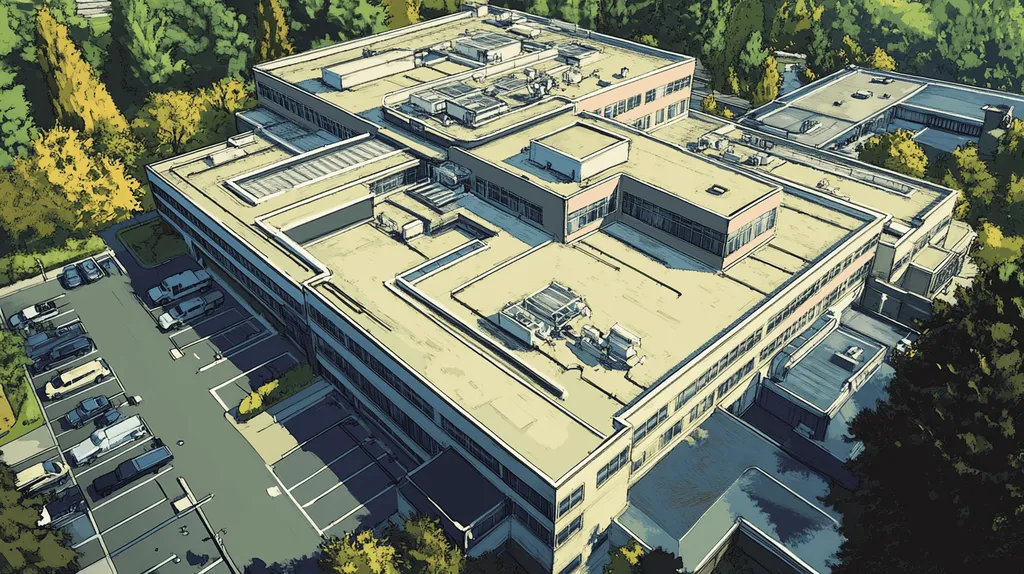
Drone technology has drastically changed the way roof inspections are executed, providing a bird’s-eye view that was once difficult to achieve. Drones can be deployed quickly, capturing high-resolution images and videos of roofs without exposing inspectors to dangerous situations.
These flying machines allow inspectors to identify issues such as leaks or structural damage from angles that may otherwise be unreachable. Additionally, drones can cover extensive areas in a fraction of the time it would take using traditional methods.
Equipped with thermal imaging capabilities, drones can detect variations in temperature that suggest moisture trapped beneath the roofing surface, unveiling hidden problems before they escalate. This functionality is vital for preserving the building’s integrity.
Furthermore, drones facilitate clearer reporting procedures, enabling property owners to visualize their roofing challenges. These compelling visuals serve as concrete evidence for justifying necessary repairs, empowering informed decision-making.
Basics of Aerial Imagery and Digital Reproduction
Aerial imagery and digital reproduction techniques have emerged as cornerstone tools within the roofing sector. High-quality images enable stakeholders to evaluate the roof’s condition rapidly and accurately, minimizing the need for labor-intensive manual inspections.
Using digital reproduction, contractors can create detailed maps and models of roofing systems. Property managers benefit from insights into their roofs’ historical conditions and how these have evolved over time.
This visual data can be seamlessly integrated into building management systems, providing a comprehensive overview that aids in planning ongoing maintenance. Such a data-driven approach enables timely decisions and effective budgeting.
Aerial imagery also improves communication between contractors and property owners, ensuring that all parties have a clear understanding of the roof’s condition and any necessary interventions.
SECTION 2: SYSTEM COMPONENTS
The aging and wear of commercial roofs can lead to significant risks and costly consequences if issues go unnoticed. Property owners may face not just financial losses but also structural failures if preventive measures aren’t in place. Thankfully, cutting-edge technology has emerged as a game-changer for spotting roof problems early. From drones outfitted with advanced sensors to smart AI algorithms that analyze data, understanding these systematic components is vital for effective roof management and preservation.
Drone Hardware and Software Requirements
Drones have completely transformed roof inspections, offering an efficient and safe alternative to traditional methods. These aerial devices, equipped with high-resolution cameras and GPS technology, can swiftly capture detailed images of roofs, eliminating the need for scaffolding or ladders. This added safety not only protects the inspectors but also minimizes disruptions to ongoing operations.
Investing in the right drone hardware is critical. A suitable drone should be lightweight, stable in flight, and equipped with at least 4K cameras for high-quality imagery. Complementing this hardware, robust software applications enable real-time data analysis, enhancing the inspection process. This efficient combination is crucial for facility managers who need prompt and reliable information.
Additionally, ensuring that operators are properly trained on how to use the drones is essential. Skilled pilots can effectively collect crucial data while complying with local regulations, thereby reducing risks and enhancing the quality of the inspection. The result is a more thorough evaluation that benefits both property owners and roofing contractors.
In essence, incorporating drone technology into standard roof assessments significantly boosts safety and operational efficiency. The visual data gathered can help prioritize repairs and plan future maintenance, guaranteeing that roofs remain in prime condition.
Advanced Sensors and Thermal Imaging
Advanced sensors paired with thermal imaging are key in thoroughly assessing the health of commercial roofs. These tools can uncover hidden problems, such as leaks and moisture penetration, that are undetectable to the naked eye. By analyzing temperature variations, thermal imaging can pinpoint concerns early, making it essential for preventing severe structural damage.
Many common roofing issues arise from inadequate insulation or moisture accumulation, often leading to costly deterioration. Sensor technology accurately identifies these challenges, enabling swift, targeted fixes instead of broad, expensive repairs. This precision not only saves valuable time but also lowers overall repair costs.
Furthermore, integrating advanced sensors into a well-designed building management system allows for continuous monitoring of roofing conditions. This real-time data offering gives property managers an unparalleled view of their roofs’ health. By addressing potential issues proactively, facility managers can enhance durability and extend their roofing systems’ longevity.
Overall, utilizing advanced sensors and thermal imaging facilitates a proactive maintenance strategy that not only safeguards property value but also protects investment over time.
AI Algorithms for Damage Analysis
Artificial Intelligence (AI) is increasingly crucial in the realm of roof damage assessment. By analyzing vast amounts of data from drones and sensors, AI algorithms uncover patterns indicating underlying roof issues. This shift from reactive to proactive maintenance allows for timely interventions that prevent further damage.
These algorithms can differentiate between normal wear and signs of significant deterioration by analyzing images and sensor data. This level of scrutiny reduces the likelihood of human error, ensuring that facility managers have reliable assessments to inform their decision-making processes. Accurate evaluations enable better resource allocation for necessary repairs.
Moreover, AI technology can offer predictive insights based on historical data. This forward-thinking capability allows property owners to anticipate when and where maintenance may be needed, enabling them to schedule inspections and repairs strategically. This proactive approach leads to saved time and money.
In summary, integrating AI into roof damage analysis revolutionizes management practices. This technology empowers property owners to make informed, data-driven decisions that significantly enhance the longevity and safety of roofing systems.
SECTION 3: IMPLEMENTATION METHODS
Accurate assessment of commercial roof damage is essential to effective maintenance and repair planning. Delays in this process can lead to severe structural problems and ballooning restoration costs. By leveraging advanced technology, property owners and facility managers can quickly pinpoint issues and mitigate risks. This section explores vital methods for planning and executing drone flights, capturing and analyzing roof imagery, and integrating AI tools for enhanced damage detection.
Planning and Executing Drone Flights
Implementing drones for roof inspections significantly optimizes both time and safety. The planning phase begins with clearly defining specific goals—whether it’s identifying leaks or assessing overall wear. Establishing proper flight paths is crucial, taking into account factors like wind conditions and the layout of the roof.
A well-structured flight plan allows for comprehensive coverage, ensuring no areas are overlooked during the inspection. Once the drone is in the air, pilots can utilize real-time data to make adjustments to pathways and capture critical images. Compliance with FAA regulations is necessary to maintain safe operations.
Selecting the right drone model plays a vital role in the process. Drones equipped with high-resolution cameras can provide the detailed imagery needed for accurate assessments. Ultimately, the seamless execution of drone flights lays the groundwork for effective damage evaluation.
Capturing and Analyzing Roof Imagery
Once drone flights have been completed, the next step is to focus on capturing and analyzing the collected imagery. High-resolution photos and videos facilitate a detailed review of the roof’s condition. This data collection is fundamental for identifying visible damage and early warning signs of potential issues.
Advanced imaging techniques, including thermal imaging, can uncover hidden problems such as moisture retention that remain undetectable to the naked eye. Careful analysis of this data aids in prioritizing repairs and enhancing budget planning.
Utilizing specialized software allows managers to craft comprehensive reports based on the imagery obtained. These reports present clear visuals and actionable insights, empowering informed decision-making regarding repairs and ongoing maintenance.
Integrating AI Tools for Damage Detection
The incorporation of AI tools represents a transformative advancement in roof damage assessment. By leveraging machine learning algorithms, these tools analyze roof imagery for telltale damage signs, such as cracks or punctures. Automating this process not only saves valuable time but also boosts accuracy.
AI detection systems can rapidly process large volumes of data, facilitating more frequent inspections without necessitating additional manpower. This capability enables property owners to adopt a proactive maintenance strategy, catching problems before they worsen.
Moreover, data-driven insights provided by AI can integrate seamlessly into existing management systems, enhancing overall operational efficiency. This integration not only streamlines inspection processes but also effectively reduces long-term repair costs, ensuring the longevity of roofing systems.
SECTION 4: MAINTENANCE REQUIREMENTS
As technology continues to evolve, regular maintenance and updates for roofing assessment tools, particularly drones, become essential. Failing to prioritize this maintenance could lead to significant safety hazards and inaccurate evaluations. For instance, outdated drones might misread roof conditions, resulting in costly repairs down the line. This section emphasizes the critical nature of drone upkeep, adherence to regulations, and the necessity of trained operators.
Regular Drone Maintenance and Updates
Regular maintenance of drones plays a vital role in ensuring accurate roofing assessments. Drones require timely firmware updates and thorough equipment checks to function at their best. For instance, a drone without updated software may fail to identify crucial damage that could jeopardize the roof’s integrity.
Having a routine maintenance schedule can prevent technical failures during inspections. Regular checks on drone hardware can help avoid issues that might disrupt flights. A well-maintained drone is crucial for capturing clear images and data, which are key to making informed decisions about roof repairs.
Moreover, collaborating with manufacturers to stay current on updates is essential for meeting new technology standards. Keeping equipment up to date not only bolsters data reliability but also reduces discrepancies in reporting. Ultimately, consistent drone maintenance leads to more effective roof assessments and can significantly lower overall costs for property owners.
Ensuring Compliance with FAA Regulations
Adhering to Federal Aviation Administration (FAA) regulations is critical when utilizing drones for roof inspections. Property owners must ensure their drones comply with all legal operational standards to avoid fines or penalties. Non-compliance can lead to severe legal repercussions that can hinder operations.
Staying updated on changes to FAA regulations is vital for maintaining safe and legal drone operations. Regular reviews of these regulations help prevent potential oversights. This diligence ensures that roof inspections are not only conducted legally but also safely, minimizing risks during the inspection process.
In specific situations, property owners may need to apply for special permissions to operate drones in designated areas, which could complicate operations if not proactively addressed. By emphasizing compliance, businesses can safeguard against liabilities and facilitate smoother assessments. Following regulations also helps to foster trust with clients and stakeholders, reinforcing the importance of adhering to industry standards.
Training for Drone Operators
Effective drone usage starts with comprehensive training for operators. They need to be skilled not only in piloting drones but also in identifying potential issues during roofing assessments. Well-trained operators can significantly improve the likelihood of detecting roof damage, directly influencing maintenance outcomes.
Investing in specialized training programs is essential for ensuring operators can leverage drones effectively. These programs should encompass both the technical aspects of flying drones and the interpretation of collected data. Knowledgeable operators can extract deeper insights from inspections, enhancing the reliability of evaluations.
Additionally, ongoing training is crucial as drone technology evolves rapidly. Continuous education allows operators to stay abreast of new techniques and the latest features of their equipment. This expertise ultimately leads to higher-quality inspections and more dependable results.
In summary, well-prepared and educated operators are integral to the successful application of drone technology in roof assessments. Organizations that prioritize this training can achieve consistent and accurate evaluations.

SECTION 5: PERFORMANCE METRICS
In the fast-paced world of commercial roofing, understanding performance metrics is essential for protecting valuable assets. Accurate assessments of roof damage can substantially reduce the risk of unexpected repair costs. In fact, research shows that imprecise damage evaluations can inflate repair expenses by as much as 30%. Here, we will delve into the impressive accuracy of AI detection, evaluate efficiency metrics for time and cost, and examine how these factors enhance customer satisfaction and insurance claim approval rates.
Accuracy and Reliability of AI Detection
The evolution of AI detection technology has transformed how the commercial roofing sector assesses damage. Advanced algorithms can scrutinize images and data, achieving detection rates that surpass 90%, which significantly minimizes human error. This means that property owners can trust these AI systems to spot issues that may go unnoticed by a traditional inspector.
Moreover, the reliability of AI is continually improving with ongoing advancements. As AI learns from new roofing materials and techniques, it ensures assessments are aligned with current industry practices. This adaptability is vital in maintaining accuracy, especially in an ever-evolving field.
However, the effectiveness of AI largely hinges on the quality of the data input. High-resolution images and clearly defined parameters bolster the reliability of assessments. By focusing on these practices, property managers can confidently incorporate AI into their damage evaluation strategies.
Overall, leveraging AI for damage detection fosters a proactive approach to maintenance and repair planning. Greater accuracy and reliability reduce financial stresses, simultaneously enhancing the safety and longevity of roofing structures.
Time and Cost Efficiency Metrics
Time efficiency is a crucial consideration for property managers when it comes to roof assessments. Traditional roof inspections may consume days, extending uncertainty surrounding roof conditions and increasing the chances of delayed repairs. In contrast, technology-driven inspections can be completed in significantly less time.
For instance, studies reveal that AI-driven assessments can cut inspection durations by over 50%. This drastic time-saving is vital for facility managers requiring prompt, actionable insights, enabling better resource allocation and timely repair strategies.
Additionally, utilizing advanced technology can lead to cost savings as well. With quicker assessments, property owners can address problems early, thereby minimizing repair costs. By preventing small issues from becoming larger, more expensive repairs, these practices can yield substantial long-term savings.
In summary, investing in state-of-the-art technology streamlines assessments, boosts operational efficiency, and helps avoid delays that can affect a property’s integrity.
Customer Satisfaction and Claim Approval Rates
Customer satisfaction plays a pivotal role in the commercial roofing industry, and technology has made a significant impact on this aspect. With improved assessment accuracy, inspections are timely and precise, reducing the likelihood of disputes. As a result, this fosters greater trust and satisfaction among property owners.
Moreover, enhanced accuracy leads to improved claim approval rates. Insurance providers often require accurate damage assessments before processing claims, and using advanced technologies can mitigate claim denials. Clear data and thorough reporting bolster the owner’s position, making approvals more likely.
Organizations that have transitioned to technology-enhanced assessments report a 20% increase in claim approval rates. This improvement not only boosts customer satisfaction but also strengthens relationships with other stakeholders, such as insurers.
In conclusion, utilizing reliable technology benefits asset management and builds customer loyalty. Satisfied clients are more inclined to recommend services, paving the way for sustainable growth in the business sector.
SECTION 5: PERFORMANCE METRICS
In the fast-paced world of commercial roofing, understanding performance metrics is crucial for protecting valuable assets. Accurate assessments of roof damage not only safeguard investments but can also prevent costly repairs down the line. Research indicates that inaccurate damage evaluations can inflate repair costs by as much as 30%. This section explores the impressive accuracy of AI detection, evaluates efficiency metrics for time and cost, and examines how these factors enhance customer satisfaction and streamline insurance claim approval processes.
Accuracy and Reliability of AI Detection
The accuracy of AI detection in assessing roof damage is revolutionary for the commercial roofing industry. Advanced algorithms meticulously analyze images and data, achieving detection rates that surpass 90%, significantly reducing the likelihood of human error. Property owners can now trust these AI systems to uncover issues that may easily escape a traditional inspector’s eye.
Moreover, the reliability of AI is on a constant upward trajectory. With continuous learning, AI adapts to new roofing materials and assessment techniques, ensuring that evaluations are aligned with current industry practices. This adaptability is vital for maintaining high accuracy, especially as roofing technologies evolve.
Nevertheless, the effectiveness of AI hinges on the quality of input data. High-resolution images and clearly defined parameters strengthen the reliability of assessments. By prioritizing these elements, property managers can confidently integrate AI into their damage evaluation strategies.
Ultimately, harnessing AI technology paves the way for a proactive approach to maintenance and repair planning. This shift not only enhances accuracy and reliability but also reduces financial pressures, contributing to the overall safety and longevity of roofing structures.
Time and Cost Efficiency Metrics
Efficiency is a vital metric for property managers overseeing roof assessments. Traditional inspections can stretch over several days, leading to prolonged uncertainty regarding roof conditions. In stark contrast, technology-driven inspections can often be completed in a fraction of the time.
Studies reveal that AI-driven assessments can reduce inspection timelines by more than 50%. This significant time savings is crucial for facility managers in need of swift, actionable insights, allowing for better resource allocation and effective planning for necessary repairs.
Additionally, employing advanced technology can yield remarkable cost savings. By shortening assessment durations, property owners can tackle problems early, thereby avoiding the steep repair costs that come with letting issues fester. These cost-effective practices create considerable long-term financial benefits.
In summary, investing in cutting-edge technology streamlines the assessment process, enhances operational efficiency, and helps prevent costly delays in addressing potential roofing damage.
Customer Satisfaction and Claim Approval Rates
Customer satisfaction is paramount in the commercial roofing sector, and technology has markedly improved this dimension. With enhanced assessment accuracy, inspections become not only timely but also reliable, minimizing the chance of disputes. This fosters increased trust and satisfaction among property owners.
Moreover, better accuracy translates into improved claim approval rates. Insurance companies often require precise damage assessments before claims are processed, and leveraging advanced technology can significantly reduce claim denial rates. Detailed reporting and clear data bolster the owner’s position, making approvals more attainable.
For instance, organizations that have transitioned to technology-enhanced assessments report a 20% increase in claim approval rates. This improvement boosts customer satisfaction and strengthens relationships with insurance providers.
In conclusion, adopting reliable technology not only benefits asset management but also boosts customer loyalty. Satisfied clients are more likely to recommend services, paving the way for sustainable growth within the industry.
Looking Ahead
With over $1 billion lost annually to undetected commercial roof damage, the stakes for implementing advanced assessment technology have never been higher.
The integration of AI-powered detection systems, drone technology, and thermal imaging has revolutionized how property owners evaluate and maintain their roofing assets, reducing inspection times by up to 70% while increasing damage detection accuracy to over 90%.
As these technologies continue to evolve, property managers who fail to adopt these innovations risk falling behind, facing higher repair costs and increased liability.
The future of commercial roof assessment lies in embracing these digital tools, not just as alternatives to traditional methods, but as essential components of a comprehensive maintenance strategy that protects both assets and bottom lines.
FREQUENTLY ASKED QUESTIONS
Q. Why is technology important for assessing commercial roof damage?
A. Technology enhances the accuracy and speed of roof assessments, identifying potential issues early. It helps property managers make informed decisions and plan repairs before problems escalate.
Q. How can drones improve assessments of an industrial roof?
A. Drones provide high-resolution imagery and thermal data that reveal hidden roof issues. They enable quick inspections, reduce risks, and increase safety compared to traditional methods.
Q. What are the benefits of AI in commercial roof assessments?
A. AI minimizes human error by accurately analyzing data to identify roof issues early. It allows for proactive maintenance, improving longevity and reducing repair costs.
Q. What should I consider when planning drone flights for assessments?
A. Consider flight path, weather conditions, and the roofing layout. Proper planning ensures thorough inspections and enhances safety for equipment and operators.
Q. Why is drone maintenance crucial for accurate assessments?
A. Regular drone maintenance prevents technical failures and ensures accurate imaging during inspections. Updated equipment captures clearer data, leading to more reliable assessments and informed decision-making.
Q. How do performance metrics impact commercial roof assessments?
A. Performance metrics help gauge the accuracy and efficiency of assessments, guiding property owners to proactive maintenance. Improved metrics enhance customer satisfaction and streamline repair processes.
Q. What new technologies are emerging for commercial roof assessments?
A. Emerging technologies include advanced machine learning algorithms for data analysis and enhanced imaging tools, such as multispectral cameras. These innovations aim to improve inspection accuracy and facilitate better maintenance strategies.






