

Welcome to today’s Battle Royale featuring two roofing heavyweights: “Silicone” in the east corner versus “Polyurethane” in the west!
Tonight’s showdown pits these contenders against each other across six punishing rounds designed to test every aspect of their performance for Winter Commercial Roof Coatings.
At stake? Millions in potential costs, decades of building protection, and the critical performance demands of modern commercial and industrial facilities.
Our professional judging panel will evaluate each round on technical merit, real-world performance, and value delivery. After all six rounds, we’ll declare our ultimate champion.
Ladies and gentlemen, facility managers and building owners… it’s time to rumble!
ROUND 1: INITIAL COSTS & INSTALLATION
As winter’s harsh conditions loom, commercial property owners face a critical decision that could make or break their roofing investment. The wrong coating choice now means facing potential failures during the most punishing months of the year – exactly when repairs are most difficult and costly.
While initial pricing often drives decisions, the true cost equation extends far beyond the price per gallon. Smart facility managers know that winter installation constraints and long-term performance ultimately determine the real value of any coating system.
Material Expenses
Though silicone coatings command premium pricing upfront, their advanced formulation delivers substantial long-term savings through reduced energy costs and extended roof life. These coatings can reduce cooling energy demand by 10-40% while lasting up to 15 years longer than uncoated roofs.
Polyurethane coatings attract budget-conscious buyers with lower initial costs. However, their shorter lifespan and increased maintenance needs often result in higher total ownership costs over time.
Despite commanding higher upfront prices, silicone’s superior longevity and energy efficiency create compelling value. Higher initial costs are offset by reduced maintenance and energy savings that can yield substantial returns over time. (source: SmartSeal)
ADVANTAGE: SILICONE
Installation Complexity
Silicone coatings showcase remarkable application simplicity, typically requiring just a single coat. This streamlined process reduces labor hours and minimizes the risk of application errors during challenging winter conditions.
Polyurethane systems demand strict adherence to complex multi-coat procedures. Their sensitivity to moisture and temperature during application creates additional installation challenges, especially in winter environments.
The stark contrast in application complexity makes this an easy call. Silicone’s forgiving nature and single-coat capability dramatically reduce installation risks and labor costs.
ADVANTAGE: SILICONE
Project Timeline
Winter’s limited daylight and unpredictable weather patterns make project scheduling crucial. Silicone coatings cure rapidly even in cold conditions, allowing crews to complete installations within tight weather windows.
Polyurethane’s extended cure times and temperature sensitivity can stretch projects over multiple days. This prolonged exposure to winter elements increases the risk of moisture contamination and coating failures.
With its ability to cure quickly and reliably in cold conditions, silicone clearly outperforms in winter installation scenarios.
ADVANTAGE: SILICONE
ROUND 1 WINNER: SILICONE COATINGS
ROUND 2: DURABILITY & LIFESPAN
When winter storms threaten commercial properties, the durability of roof coatings becomes a make-or-break factor. With replacement costs soaring past $12 per square foot, choosing the wrong coating can turn a manageable maintenance issue into a catastrophic expense.
The brutal combination of freezing temperatures, snow loads, and ice damming puts intense stress on commercial roof coatings. Understanding how different options perform under these conditions is crucial for protecting both the building and the bottom line.
Durability Against Winter Elements
Silicone coatings maintain exceptional flexibility even in subzero temperatures, allowing them to expand and contract without cracking. This elasticity proves critical when temperature swings cause dramatic thermal movement in roofing substrates.
While polyurethane coatings offer good initial durability, their more rigid composition makes them vulnerable to splitting and separation during extreme temperature cycles. This inherent brittleness can lead to coating failures precisely when protection is most needed.
The superior flexibility and cold weather performance of silicone makes it the clear winner for winter durability.
ADVANTAGE: SILICONE
Longevity Under Environmental Stress
High-performance silicone coatings deliver exceptional initial reflectivity values of 87% while maintaining weather resistance for up to 15 years. This sustained performance helps protect the underlying roof structure through countless freeze-thaw cycles. (source: Rust-Oleum)
Polyurethane coatings typically require reapplication every 7-10 years due to degradation from UV exposure and environmental stressors. This shorter lifespan means more frequent disruptions and higher long-term costs.
When it comes to long-term performance under harsh conditions, silicone’s superior durability makes it the obvious choice.
ADVANTAGE: SILICONE
Resistance to Aging and Weathering
Silicone coatings maintain their protective properties even after years of UV exposure and weather abuse. Their inorganic composition resists chalking and degradation, helping maintain reflectivity and waterproofing performance.
The organic chemistry of polyurethane makes it more susceptible to UV damage and oxidation over time. This vulnerability can lead to premature aging and loss of protective capabilities, especially in harsh winter environments.
For sustained weathering resistance, silicone again demonstrates clear superiority.
ADVANTAGE: SILICONE
ROUND 2 WINNER: SILICONE COATINGS
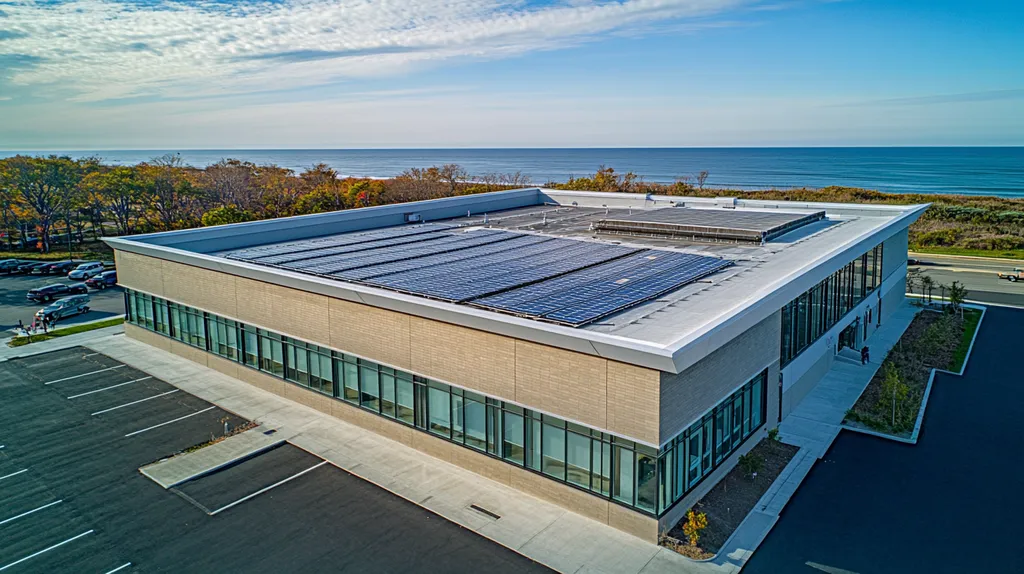
ROUND 3: PERFORMANCE FACTORS
When winter storms batter commercial roofs, coating performance becomes the difference between protection and catastrophe. With temperatures plummeting and freeze-thaw cycles wreaking havoc, facility managers can’t afford second-rate solutions that crack under pressure. Understanding real-world performance factors is crucial for making informed coating decisions that stand up to winter’s worst.
Adhesion and Flexibility
Winter’s extreme temperature swings create intense stress on roof coatings as substrates expand and contract. Poor adhesion during these cycles can lead to coating separation, leaving the roof vulnerable precisely when protection matters most.
Silicone coatings maintain exceptional flexibility even at subzero temperatures, moving harmoniously with the substrate through thermal cycles. Their molecular structure allows for up to 400% elongation without compromising adhesion or protective properties.
Polyurethane coatings become increasingly rigid as temperatures drop, fighting against rather than flowing with substrate movement. This resistance creates stress points where cracks and delamination frequently occur during winter’s harshest moments.
ADVANTAGE: SILICONE
Thermal Performance
Roof coatings offer a range of benefits for protecting roofing structures in cold weather, from improved energy efficiency to minimizing freeze damage risk. The right coating can dramatically impact both protection and operating costs throughout winter. (source: Unicoat Industrial Roofing)
Silicone coatings maintain consistent insulative properties regardless of temperature, helping regulate interior temperatures. Their stable molecular structure resists thermal bridging, reducing heating costs and preventing condensation issues.
While polyurethane provides decent initial thermal performance, its properties can degrade with exposure to extreme cold. This deterioration progressively reduces its effectiveness as an insulative barrier when needed most.
ADVANTAGE: SILICONE
Weather Resistance
Winter brings a brutal combination of moisture, freezing temperatures, and UV exposure that can rapidly degrade inferior coatings. The ability to maintain protective properties through these conditions determines a coating’s real-world value.
Silicone coatings excel at moisture resistance, maintaining their protective barrier even when subjected to ice damming and standing water. Their inorganic chemistry prevents degradation from UV exposure, ensuring consistent performance throughout winter.
Polyurethane coatings can absorb moisture over time, leading to coating failure through delamination and blistering. Their organic composition makes them vulnerable to UV degradation, particularly during winter’s harsh reflection off snow and ice.
ADVANTAGE: SILICONE
ROUND 3 WINNER: SILICONE COATINGS
ROUND 4: MAINTENANCE REQUIREMENTS
Winter maintenance decisions can make or break a commercial roof coating system. With snow loads exceeding 30 pounds per square foot and ice dams creating constant moisture exposure, choosing the wrong coating means facing catastrophic failures when repairs are most difficult and dangerous.
Smart facility managers know that maintenance requirements directly impact both bottom-line costs and system longevity. The wrong choice means committing to years of intensive upkeep precisely when accessing the roof is most challenging.
Routine Inspection Requirements
Silicone coatings maintain their protective properties with minimal intervention, typically requiring only bi-annual inspections to verify coating integrity. Their molecular stability means less degradation from UV exposure and temperature cycling, reducing the frequency of detailed examinations.
The exceptional reflectivity and weather resistance of premium silicone coatings helps maintain performance even under harsh conditions. High-quality formulations deliver initial reflectivity values of 87% while resisting dirt accumulation and weathering that could compromise protection. (source: Rust-Oleum)
Polyurethane coatings demand quarterly inspections to catch early signs of degradation or adhesion failure. Their organic chemistry makes them more susceptible to UV damage and oxidation, requiring vigilant monitoring especially during winter months.
ADVANTAGE: SILICONE
Cleaning and Preventive Care
Silicone’s natural resistance to dirt and biological growth means minimal cleaning requirements. Most installations need only light washing during scheduled inspections to maintain optimal performance.
The material’s hydrophobic properties prevent water absorption and ice adhesion, reducing the need for aggressive cleaning or ice removal. This self-maintaining characteristic proves particularly valuable during winter when access is limited.
Polyurethane demands more frequent cleaning to prevent degradation from environmental contaminants. Their tendency to accumulate dirt and support biological growth requires regular intervention to maintain protective properties.
ADVANTAGE: SILICONE
Repair and Restoration
When damage occurs, silicone coatings offer straightforward repair solutions that can be implemented even in cold conditions. Their chemical stability means aged coatings readily accept new material without extensive surface preparation.
The material’s forgiving nature allows for spot repairs without compromising adjacent areas. This targeted approach reduces maintenance costs while extending overall system life.
Polyurethane repairs often require extensive preparation and ideal conditions rarely found in winter. Their chemical composition makes bonding new material to aged coating challenging, frequently demanding complete removal and reapplication.
ADVANTAGE: SILICONE
ROUND 4 WINNER: SILICONE COATINGS
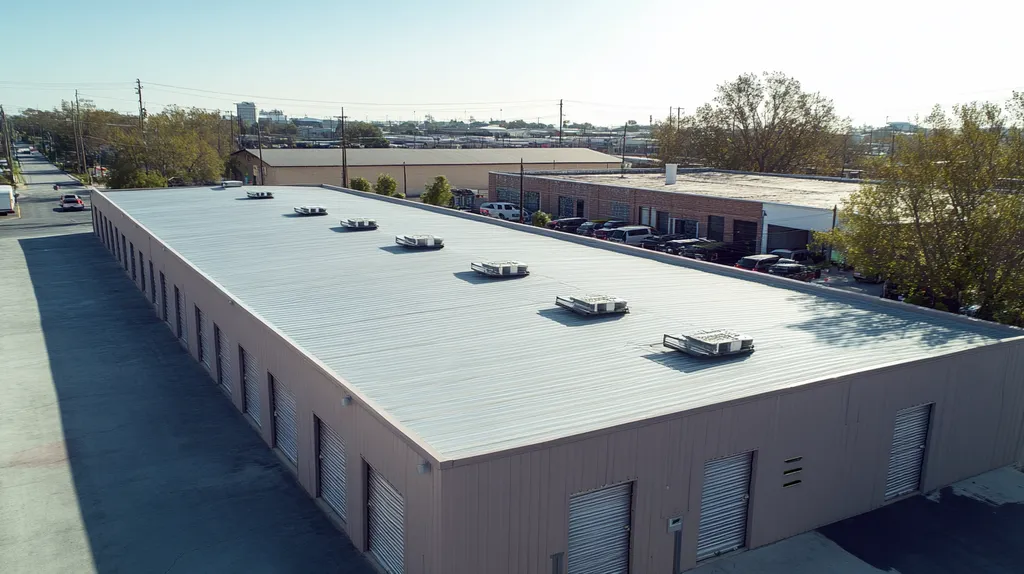
ROUND 5: SUSTAINABILITY CREDENTIALS
As environmental regulations tighten and energy costs soar, commercial property owners face mounting pressure to adopt sustainable roofing solutions. With rooftops accounting for up to 25% of urban surfaces, coating choices can dramatically impact both environmental compliance and operating costs.
The stakes go beyond simple green initiatives – facilities failing to meet emerging environmental standards risk hefty fines and decreased property values. Understanding the true sustainability profile of different coating options has never been more critical.
Environmental Impact
Modern coating systems must balance performance with environmental responsibility. The manufacturing process, installation requirements, and lifecycle impacts all factor into a coating’s true ecological footprint.
Silicone coatings demonstrate exceptional environmental credentials through their low-VOC formulation and minimal waste production. Their single-coat application reduces material consumption while their extended lifespan minimizes replacement frequency.
Polyurethane systems typically generate higher emissions during both manufacturing and installation. Their multi-coat requirements increase material consumption and waste, while shorter lifespans lead to more frequent replacement cycles.
ADVANTAGE: SILICONE
Energy Performance
Roof coatings offer crucial benefits for protecting structures in cold weather, from improved energy efficiency to minimizing freeze damage risk. The right coating can dramatically reduce heating costs while extending roof life. (source: Unicoat Industrial Roofing)
Silicone coatings maintain consistent thermal performance throughout their service life. Their stable molecular structure prevents degradation of insulative properties, delivering reliable energy savings year after year.
While polyurethane coatings offer good initial thermal performance, their insulative properties often deteriorate over time. This degradation leads to declining energy efficiency and increased heating costs.
ADVANTAGE: SILICONE
Resource Conservation
The ability to restore rather than replace aging roofs represents a crucial sustainability advantage. Coating systems that extend roof life while minimizing material consumption deliver significant environmental benefits.
Silicone’s exceptional durability and simple maintenance requirements support long-term resource conservation. Their ability to be recoated without removal of existing material dramatically reduces landfill impact.
Polyurethane systems often require complete removal and replacement at the end of their service life. This process generates substantial waste while consuming additional resources for new installation.
ADVANTAGE: SILICONE
ROUND 5 WINNER: SILICONE COATINGS
ROUND 6: SPECIALIZED APPLICATIONS
When winter storms threaten commercial properties, specialized roofing applications become critical survival tools. With ice dams creating constant moisture exposure and temperature swings exceeding 40°F in a single day, choosing the wrong coating for specific challenges can lead to catastrophic failures.
Understanding how different coatings perform in specialized scenarios isn’t just about protecting the roof – it’s about protecting the entire building investment when mother nature shows her teeth.
Chemical Resistance
Winter brings a toxic cocktail of environmental threats to commercial roofs. From acid rain to industrial pollutants trapped in snow, chemical exposure can rapidly degrade inferior coatings and compromise roof integrity.
Silicone coatings demonstrate exceptional resistance to chemical attack due to their inert molecular structure. Their stable composition maintains protective properties even when exposed to harsh industrial emissions or acidic precipitation.
Polyurethane coatings show vulnerability to chemical degradation, particularly in areas with high industrial activity. Their organic chemistry makes them susceptible to chemical breakdown, leading to premature coating failure.
ADVANTAGE: SILICONE
Low-Slope Application
Most commercial roofs feature minimal slope, creating perfect conditions for water pooling and ice formation. When winter storms hit, these areas become high-risk zones for moisture infiltration and structural damage.
Silicone coatings excel in ponding water conditions, maintaining their protective properties even under constant moisture exposure. Their hydrophobic nature prevents water absorption while resisting degradation from extended submersion.
Polyurethane systems often struggle with ponding water, showing signs of degradation and adhesion loss in consistently wet areas. Their moisture sensitivity makes them particularly vulnerable during winter’s freeze-thaw cycles.
ADVANTAGE: SILICONE
Metal Roof Protection
Metal roofing systems face unique challenges during winter months. The combination of thermal movement, condensation, and galvanic corrosion can quickly compromise unprotected or improperly coated surfaces.
Silicone coatings create a seamless, flexible barrier that moves with metal substrates through thermal cycles. Their superior adhesion and crack resistance provide reliable protection even under extreme temperature fluctuations.
While polyurethane offers initial corrosion protection, its rigid nature fights against metal’s natural thermal movement. This resistance often leads to coating separation and eventual system failure.
ADVANTAGE: SILICONE
ROUND 6 WINNER: SILICONE COATINGS
AND THE WINNER IS…
Ladies and gentlemen, after six grueling rounds of technical warfare, we have a decisive victory! In a stunning display of dominance, SILICONE COATINGS have emerged as our undisputed champion, winning all six rounds in this winter roofing showdown!
Silicone’s championship performance showcased superior flexibility in subzero conditions, exceptional durability against winter elements, and remarkable resistance to moisture infiltration. Its single-coat application process and minimal maintenance requirements delivered knockout blows in multiple rounds.
While polyurethane coatings may have taken some heavy hits today, they remain a viable contender for budget-conscious projects in moderate climates where initial cost outweighs long-term performance demands.
IMPORTANT NOTICE: Every building faces unique challenges based on local climate, structural specifications, and operational requirements. This analysis provides general guidance but cannot account for all variables. Property owners should always consult qualified roofing professionals who can evaluate their specific situation and recommend appropriate solutions.
In the high-stakes arena of commercial roofing, there’s no room for second chances when winter storms strike. Choose your coating champion wisely, because when Mother Nature steps into the ring, only the best-prepared contenders survive to fight another season.
FREQUENTLY ASKED QUESTIONS
Q. What are the initial costs of commercial roof coatings?
A. While silicone coatings have higher upfront costs, they provide significant long-term savings. Polyurethane coatings are cheaper initially, but often result in higher maintenance expenses due to shorter lifespans.
Q. How do silicone and polyurethane coatings differ in durability for industrial roofs?
A. Silicone coatings deliver exceptional flexibility and longevity under harsh winter conditions, whereas polyurethane may crack under extreme temperature fluctuations, leading to potential failures.
Q. What performance factors should be considered for a commercial roof in winter?
A. Key performance factors include adhesion, thermal properties, and weather resistance. Silicone excels in these areas, ensuring effective protection during winter storms.
Q. Which roofing coating requires less maintenance in winter?
A. Silicone coatings need minimal maintenance, requiring only bi-annual inspections to maintain integrity, while polyurethane systems necessitate more frequent monitoring due to their vulnerability.
Q. Are silicone coatings environmentally sustainable for commercial roofs?
A. Yes, silicone coatings have low-VOC formulations and longer lifespans, which enhance their eco-friendliness. Polyurethane coatings tend to create more waste and emissions during their lifecycle.
Q. How do silicone coatings perform in specialized applications?
A. Silicone coatings excel in specialized applications, such as resistance to chemicals and effectiveness on low-slope roofs, providing reliable protection under challenging winter conditions.
Q. What’s the best way to maintain a commercial roof in winter?
A. Routine inspections, keeping drains clear of snow and ice, and using appropriate cleaning methods enhance the performance of your coating and ensure longevity.






