

In historic districts across America, commercial buildings are losing up to 25% of their potential value due to mismatched roofing designs that clash with local architecture. This architectural dissonance affects more than aesthetics—it impacts energy efficiency, maintenance costs, and community identity.
As urban renewal projects accelerate nationwide, the pressure to harmonize commercial roofing with existing architectural styles has never been greater. Modern roofing technologies now offer unprecedented opportunities to blend historical authenticity with contemporary performance.
This comprehensive analysis examines how outdated assumptions about commercial roofing continue to shape decision-making, often at the expense of both visual appeal and long-term value.
SECTION 1: COMMON MISCONCEPTIONS
Despite the rich tapestry of commercial architecture, a common misconception persists: that all commercial roofs are designed alike. This belief can lead to stark contrasts in a neighborhood’s look and feel, potentially diminishing property values. Mismatched roofing styles can disrupt the visual harmony of an area, negatively affecting both businesses and residents. In this section, we will dissect the most prevalent misconceptions surrounding commercial roofing and explore their far-reaching consequences.
All Commercial Roofs Are the Same
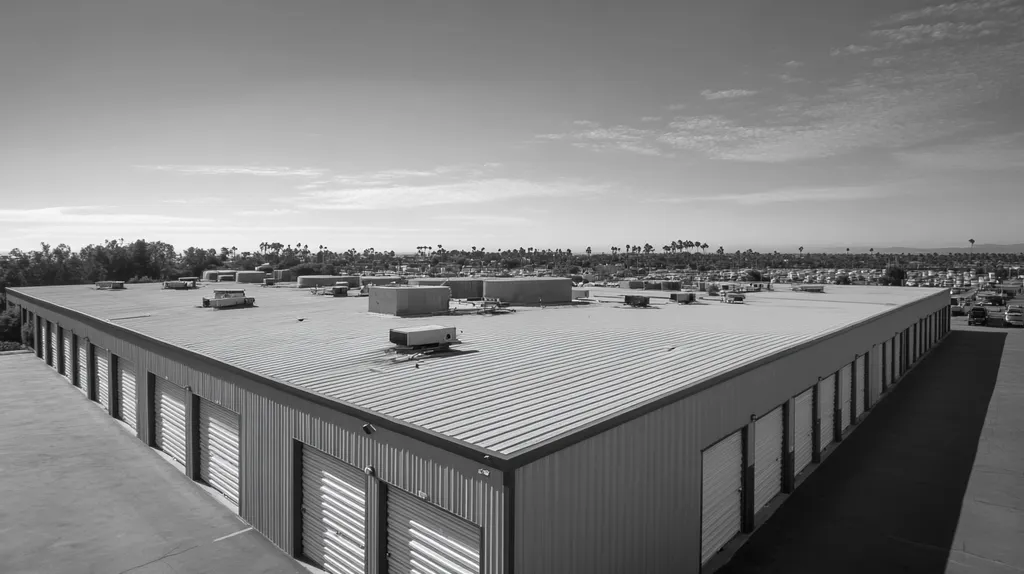
Many property owners fall into the trap of thinking that commercial roofs possess uniform characteristics and functions. This assumption ignores critical variations in roofing materials, styles, and performance. For example, flat roofs offer unique advantages but require different maintenance strategies compared to sloped roofs.
The choice of materials and design can significantly affect sustainability and energy efficiency. By selecting roofing that echoes local architectural styles, property owners enhance their building’s cohesiveness with the community, potentially lowering energy costs in the long run. Ignoring these options could not only lead to increased operational costs but also reduce overall energy performance.
Moreover, aesthetics bear heavily on branding. A roof that harmonizes with the design essence of the surroundings can serve as a unique marketing asset. It denotes a commitment to the community and can attract prospective tenants and clients. Thus, recognizing the variety in roofing designs is essential when making informed decisions.
The assumption that all commercial roofs are interchangeable can result in missed opportunities, particularly regarding energy efficiency and aesthetic appeal. Understanding the multitude of roofing styles and their benefits empowers property owners to make choices that enhance their properties while respecting the local architectural context.
Roofing Style Doesn’t Impact Building Aesthetics
Another pervasive misconception is that the style of a roof has negligible influence on a building’s overall aesthetics. This notion is misleading, leading to designs that clash with surrounding structures. A roof’s style contributes significantly to a building’s initial impression and lasting aesthetic appeal.
For example, a modern flat roof may seem starkly out of place when positioned alongside classical brick buildings, creating visual dissonance. In contrast, a roof designed to reflect nearby historical architecture can blend effortlessly into the environment, amplifying the property’s aesthetic value.
Aesthetic harmony can profoundly influence tenant retention and property value. Buildings that resonate well with their surroundings tend to draw high-end tenants and enjoy better occupancy rates. This highlights that a thoughtfully designed roof plays a crucial role in establishing architectural identity.
Property owners must acknowledge that roofing styles directly affect a property’s visual and market appeal. By selecting roof designs that complement local architecture, they can cultivate inviting spaces, bolster community engagement, and ultimately enhance their brand image.
Local Architectural Styles Are Irrelevant
Some property owners might dismiss the relevance of local architectural styles in roofing decisions. This perspective neglects the importance of community aesthetics and brand identity. Roofs that align with local styles can elevate a property’s market presence and significantly enhance overall value.
When roofs mirror local architectural elements, they foster a sense of belonging and build neighborhood pride. For instance, commercial buildings that embrace features from historical styles often become local landmarks, attracting foot traffic and generating interest.
Disregarding local styles can alienate properties from the community, affecting business perception. Structures that stand out for the wrong reasons may struggle to draw customers. Conversely, roofs designed to harmonize with surrounding aesthetics nurture a cooperative atmosphere.
In summary, it is vital for property owners to recognize the significance of local architectural styles. A well-informed approach to roofing can result in improved tenant relationships, enhanced market performance, and a strengthened community bond. Overlooking this factor impacts not only aesthetics but also broader market viability.
SECTION 2: PRACTICAL IMPLICATIONS
Choosing a commercial roof that complements local architectural styles is not just about aesthetics; it has profound impacts on a building’s character and functionality. Research indicates that properties with well-integrated designs can experience up to a 20% boost in tenant retention. On the flip side, mismatched roofing can lower a property’s value significantly. By understanding the practical implications of roofing choices, property owners can make informed decisions that resonate well in their communities.
Impact on Building Character and Functionality
The roof is often referred to as the building’s fifth façade, shaping its overall character. A roof that mirrors local styles enhances curb appeal, which is crucial for attracting potential tenants or customers.
When roofs seamlessly integrate into the architectural landscape, they help establish a building’s identity, increasing recognition and appeal. This connection fosters a sense of community, which is vital for businesses seeking long-term viability.
Moreover, functionality is improved when roofing choices align with local architectural trends. For example, sloped roofs are engineered to better manage rainfall in areas prone to heavy precipitation, reducing long-term maintenance costs and minimizing water damage.
On the contrary, mismatched roofs can provoke public disapproval, leading to a diminished reputation for the property. Thus, integrating aesthetic appeal with functionality does more than enhance public perception; it also boosts operational efficiency.
Effects on Energy Efficiency and Sustainability
Energy efficiency is a pressing concern for commercial properties, affecting both operating costs and ecological impact. Adopting roofing designs that reflect local styles allows property owners to use materials and technologies best suited for their specific climate.
For instance, green roofs and reflective materials can be tailored to fit existing styles while optimizing thermal efficiency. Buildings employing these methods can see energy costs slashed by as much as 30%, a critical factor in today’s economy.
Additionally, sustainable roofing materials often mimic traditional aesthetics, preserving architectural integrity while conserving energy. This dual approach not only benefits the environment but also meets the growing public demand for responsible building practices.
Therefore, property owners who merge style with sustainability reap dual rewards: they uphold aesthetic harmony and achieve considerable energy savings, ultimately driving long-term value.
Influence on Ventilation and Acoustics
Effective ventilation and acoustics are cornerstones of comfort and functionality in commercial spaces. Roofing designs that echo local architectural traditions can enhance airflow, crucial for maintaining a pleasant indoor climate.
For example, roofs with generous overhangs can facilitate natural ventilation, minimizing the need for energy-intensive HVAC systems. This not only improves air quality but also supports sustainable practices by reducing energy use.
Furthermore, roofing choices that stray from local styles may negatively impact acoustics. Roofs made from denser materials tend to absorb sound more effectively, creating quieter indoor environments—especially important in busy urban settings.
Ultimately, selecting a roof style that aligns with local architecture enhances both acoustics and air circulation, resulting in higher occupant satisfaction and improved retention rates.
SECTION 3: COST OF MISINFORMATION
The financial stakes involved in roofing choices can be substantial. Property owners and facilities managers may underestimate the potential costs tied to poor material decisions, which can lead to a cascade of unexpected expenses. Understanding these risks is vital for maintaining a healthy budget and safeguarding a building’s market value.
Financial Consequences of Poor Material Choices
Opting for roofing materials based on initial cost rather than long-term value can strain finances considerably. While lower-cost options might seem appealing upfront, their hidden costs often surface down the line through repairs and replacements.
For example, materials unsuitable for local climate conditions can deteriorate quickly, leading to premature roof failures. This misalignment can also subject property owners to legal issues if damage occurs to neighboring properties. As a result, the risk of unforeseen expenses increases significantly.
On the other hand, investing in energy-efficient roofing systems may carry higher initial costs but yields significant savings over time. Failing to consider long-term benefits in favor of short-term gains risks escalating energy bills and ongoing repair costs.
Ultimately, selecting appropriate roofing materials is not merely about finances—it’s a strategic decision that will greatly influence the building’s sustainability and cost-effectiveness.
Increased Maintenance Costs Due to Misalignment
When roofing designs conflict with the surrounding architecture, maintenance costs can soar. Incompatibility often necessitates specialized maintenance practices to address aesthetic mismatches.
This disconnection frequently leads to increased inspections and repairs necessary to maintain both the roof’s integrity and its appearance. Consequently, facility managers may find themselves allocating larger portions of their budgets to upkeep compared to those who choose harmonizing materials.
Additionally, roofs that do not conform to local architectural standards may invite scrutiny from community regulations or homeowner associations, resulting in extra compliance costs.
Prioritizing design harmony helps minimize maintenance expenses by enabling standard practices, reducing the need for custom solutions or emergency interventions.
Potential for Reduced Property Value
The visual appeal of a commercial building is a crucial factor in determining its market value. Inappropriately designed roofs can detract from a property’s overall attractiveness, potentially leading to a decline in value.
Prospective buyers may hesitate to invest in a property featuring a roof that clashes with its surroundings, which can stall sales and diminish offers—resulting in significant financial losses for owners.
Moreover, design discrepancies can signal deeper issues, such as inadequate material performance or poor maintenance history, further exacerbating property depreciation beyond the roof itself.
Conversely, roofs that seamlessly blend with their environment not only enhance marketability but can also contribute to increased property value. Thoughtfully designed roofing choices are therefore essential, not just for aesthetics but as a pragmatic financial strategy.
SECTION 4: REALITY CHECK
Aesthetic harmony in commercial roofing has transitioned from a simple design preference to an essential aspect of property development. Research shows that structures harmonizing with their surroundings not only elevate property value but also attract tenants more effectively. As urban landscapes grow increasingly diverse, the challenge for property owners to adopt visually cohesive roofing solutions continues to intensify.
Importance of Aesthetic Harmony in Roofing
The visual appeal of a commercial roof plays a vital role in shaping a property’s overall aesthetic character. When a roof aligns with nearby architectural styles, it fosters community connection and visual unity. An inviting, thoughtfully designed roof can significantly enhance curb appeal, making properties more attractive to customers and tenants alike.
Properties in aesthetically cohesive environments often command higher rental rates. Studies in urban planning indicate that buildings that reflect local architectural styles consistently secure premium leases, highlighting the importance of aesthetic harmony in ensuring a property’s long-term viability.
Neglecting this factor can result in substantial financial setbacks. Buildings that clash with their surroundings risk decreased valuations and heightened vacancy rates, ultimately threatening the financial interests of the investors involved. Thus, selecting a roof that complements the environment is not just a design choice but a strategic decision with real financial implications.
Moreover, achieving aesthetic harmony involves a careful approach to design. It’s about more than simply choosing shingles or materials; it requires a deep understanding of surrounding architecture and the ability to integrate that style seamlessly into roofing concepts. Thoughtful planning and precise execution are essential to maximize both visual appeal and market value.
Role of Advanced Materials in Modern Roofing
The landscape of commercial roofing has transformed with the introduction of advanced materials, allowing for both functional efficiency and aesthetic flexibility. These innovative materials equip property owners with the means to create roofs that not only perform admirably but also harmonize with their architectural context.
Modern options such as synthetic slate or cutting-edge metal systems deliver the classic look of traditional materials, while ensuring superior durability and resilience. These solutions enable property owners to reflect historical aesthetics without sacrificing modern building standards.
In addition, advanced roofing technologies, such as cool roofing systems, can significantly elevate energy efficiency. These systems not only align well with various architectural styles but also minimize heat absorption, translating to lower energy expenses. Thus, embracing such materials is a forward-thinking investment in sustainable practices.
Furthermore, the increasing availability of customized color options and designs enhances creativity for property owners seeking aesthetic coherence. By collaborating with manufacturers, they can craft specifications that achieve both aesthetic harmony and environmental sustainability, yielding a more visually appealing and efficient structure.
Balancing Functionality with Architectural Style
Striking the right balance between functionality and aesthetic appeal presents an ongoing challenge for property owners. A roof must fulfill its primary protective role while also aligning with the building’s architectural narrative. Mastering this balance can significantly influence both the longevity and marketability of the property.
For instance, while flat roofs may excel in functionality, they can clash visually with traditional building designs. It is crucial for property owners to find solutions that maintain structural integrity without sacrificing aesthetics. Innovative design approaches can assist in navigating these complexities.
Moreover, integrating architectural features, such as parapets or decorative accents, can transform a functional roof into an aesthetic asset. This not only delivers a refined appearance but also enhances the overall operational performance of the building.
Ultimately, prioritizing both practicality and visual allure leads to more favorable outcomes. Engaging with experienced architects and roofing specialists ensures that roofing solutions are not only effective but also compelling. This dual focus cultivates spaces that are both functional and visually harmonious within their environments.
SECTION 5: EVIDENCE-BASED ALTERNATIVES
As climate change increasingly impacts urban environments, the urgency for innovative roofing solutions has never been greater. Commercial roofs can no longer serve merely as functional structures; they must contribute to a building’s character and the surrounding ecosystem. This section delves into advanced alternatives that not only respect local architectural styles but also address essential challenges like energy efficiency, urban heat, and biodiversity.
Green Roofs for Urban Cooling and Biodiversity
Green roofs are an inspiring solution, offering significant advantages in mitigating urban heat while boosting biodiversity. These living systems can reduce indoor temperatures by up to 10 degrees Fahrenheit, leading to decreased energy costs for cooling.
In addition to energy savings, green roofs create important habitats for local wildlife. By incorporating native plants, they help restore ecological balance within crowded urban landscapes. Statistics show that cities adopting green roofs often experience increases in pollinator populations, which are critical for food production.
Furthermore, rooftop gardens provide valuable outdoor spaces for employees and residents, enhancing their quality of life. Such amenities not only attract tenants but can also elevate property values, making this an appealing option for commercial property managers.
With numerous incentives and grants available in various regions, transitioning to green roofs has become a viable pathway for those committed to sustainability in their buildings.
Cool Roof Technology for Energy Efficiency
Cool roof technology represents a transformative approach to energy savings for commercial buildings. By reflecting more sunlight and absorbing less heat than traditional materials, these roofs can reduce cooling costs substantially. Research indicates that implementing a cool roof can cut energy consumption by up to 20% during peak heat periods.
This technology also addresses climate resilience. As urban heat islands become more pronounced due to climate change, cool roofs play a vital role in counteracting rising temperatures and improving air quality.
Moreover, cool roofs are adaptable to various architectural styles, seamlessly fitting into both traditional and contemporary designs. This flexibility allows property owners to maintain aesthetic harmony while enhancing their buildings’ energy efficiency.
Thus, cool roofs offer a practical and cost-effective solution for those looking to minimize their environmental impact while ensuring occupant comfort.
Metal Roofing Systems for Contemporary Designs
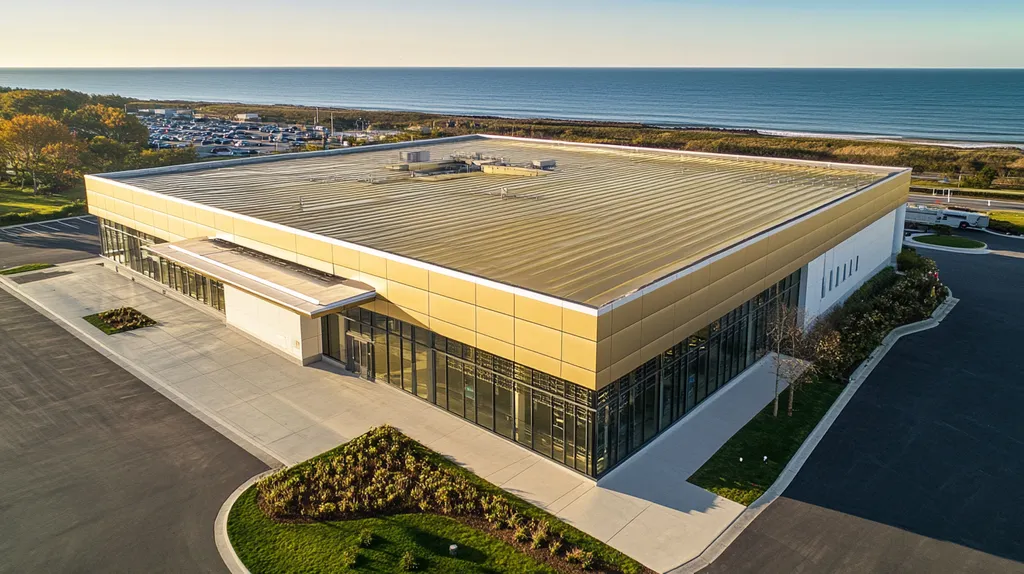
Metal roofing systems are gaining popularity due to their durability and design flexibility. These roofs can mimic the aesthetics of traditional materials while offering superior longevity and minimal maintenance. Increasingly, property owners opt for metal roofs, drawn to their sleek appearance and resilience against harsh weather conditions.
Sustainability is another strong point for metal roofing. Many metal roofs are constructed from recycled materials and are fully recyclable at the end of their lifecycle. This aligns perfectly with the growing demand for eco-conscious building practices.
Additionally, metal roofs reflect sunlight, contributing to energy efficiency by reducing heating costs during colder months. This feature aids in achieving year-round energy savings.
As urban architecture evolves, metal roofing systems provide the versatility needed to complement various styles, enriching the visual appeal of commercial buildings while fulfilling essential functional requirements.
SECTION 6: TEST AND VERIFY
In the world of commercial roofing, the stakes are exceptionally high. A neglected roof can lead to drastic financial consequences, with repair costs for a single leak averaging between $3,000 and $5,000. Property owners must ensure their roofs not only captivate with their appearance but also withstand time and weather while complying with local architectural styles. The process of testing and verifying is essential to achieving these goals and involves thorough inspections, consistent evaluations, and regular maintenance schedules.
Conducting Thorough Roof Inspections
Regular roof inspections are a fundamental practice for maintaining the integrity of commercial roofs. Inspections should encompass a detailed assessment of both the roof’s exterior and its underlying elements. Identifying faults or signs of wear early can prevent minor issues from escalating into major problems.
It is advisable for building owners to hire certified inspectors who are adept at assessing different roofing materials and construction techniques. An experienced inspector can uncover vulnerabilities that might escape untrained eyes. For instance, increased moisture levels could indicate issues lurking beneath the surface that require immediate action.
Drones can also revolutionize the inspection process, enhancing both efficiency and precision. By utilizing drones equipped with high-resolution cameras, property managers gain an expansive view of the roof’s condition, which is crucial for well-informed decision-making.
Ultimately, regular inspections facilitate proactive management, leading to lower long-term costs and extending the life of the roof. This ensures that the roof remains aligned with its intended aesthetic and functional performance.
Evaluating Material Performance Over Time
Understanding how roofing materials perform over time is critical for making informed replacement and repair decisions. Different materials exhibit various aging patterns, and their effectiveness can shift dramatically based on local climate variables. For example, while single-ply membranes may flourish for up to 20 years in temperate conditions, they can deteriorate much quicker in harsher environments.
Property owners are encouraged to periodically evaluate their roofing materials. Assessing for signs of UV damage, thermal expansion, and general wear and tear is essential. Matching material lifespan and visual appeal ensures that roofs satisfy architectural harmony, particularly for structures visible from public vantage points.
Analyzing historical performance data for roofing materials used in similar settings can yield valuable insights. This knowledge equips property managers to select roofs that boast longevity while also enhancing the aesthetic of adjacent architectural styles.
Investing in high-performance materials, although seemingly costly upfront, can lead to significant long-term savings. By actively evaluating material performance, property owners can make informed choices that support both aesthetic integrity and functionality.
Implementing Regular Maintenance Schedules
Regular maintenance is a crucial strategy for prolonging the lifespan of commercial roofs. A comprehensive maintenance schedule should encompass routine cleaning, debris removal, and surface repairs to avert larger issues from developing over time.
A systematic maintenance approach ensures that minor complications are addressed before they escalate. For example, clogged drainage systems can result in water pooling, jeopardizing not only the roof’s integrity but also the overall structure below.
Additionally, seasonal maintenance checks can prepare roofs for fluctuating weather conditions. This proactive measure helps identify potential concerns arising from severe winds or heavy snow loads, ensuring safety and extending longevity.
Ultimately, a consistent maintenance schedule not only bolsters durability but also retains visual appeal. Regular upkeep enables roofs to uphold architectural fidelity, reflecting the style and character of the surrounding environment.
Looking Ahead
With commercial property values increasingly tied to architectural harmony, the cost of ignoring roofing aesthetics has never been higher – up to 25% in lost market value according to recent industry studies.
The evidence clearly demonstrates that commercial roofs mimicking local architectural styles deliver superior returns through enhanced energy efficiency, reduced maintenance costs, and improved tenant satisfaction.
As urban renewal projects accelerate nationwide, property owners who fail to align their roofing choices with surrounding architecture risk significant financial consequences.
The path forward requires abandoning outdated assumptions about commercial roofing in favor of evidence-based solutions that balance visual appeal, functionality, and sustainability.
Those who embrace this architectural harmony in their roofing decisions position themselves to thrive in an increasingly competitive commercial real estate landscape.
FREQUENTLY ASKED QUESTIONS
Q. Do all commercial roofs serve the same purpose?
A. Not at all. Different commercial roofs vary in materials, designs, and functions, which can impact their performance and maintenance needs. Property owners must recognize these differences to choose a roof that complements the specific requirements of their building and the surrounding environment.
Q. How do mismatched roofs affect property value?
A. When roofing does not align with local architectural styles, it can lead to decreased property value and lower tenant retention. A cohesive design enhances marketability and attracts prospective tenants, making thoughtful roofing choices important for maintaining both aesthetic appeal and financial viability.
Q. Is the style of a commercial roof important?
A. Yes, the style of a commercial roof greatly impacts the overall aesthetics of the building. A roof designed to harmonize with local architectural styles can enhance curb appeal and overall property value, while a mismatched roof can detract from a property’s marketability.
Q. How do roofing choices affect energy efficiency?
A. Roofing choices can significantly impact energy efficiency. For instance, materials that respond well to local climate conditions can enhance insulation and reduce energy costs. Choosing sustainable roofing options can lead to reductions in energy consumption, benefiting both the environment and operational expenses.
Q. What risks come from poor material selection for roofs?
A. Poor material selection can lead to significant financial consequences, including increased repair costs and structural failures. Choosing low-cost materials might seem wise initially, but they often lead to premature deterioration and higher long-term expenses, impacting overall property sustainability.
Q. How can I ensure the quality of roofing materials?
A. Conducting thorough research on roofing materials is essential. Property owners should assess the performance history of materials in similar climates, consult with roofing professionals, and ensure that the chosen materials align with both aesthetic goals and practical functionality for their specific building.
Q. Are there alternatives to traditional commercial roofing methods?
A. Yes, alternatives like green roofs, cool roofing technologies, and metal roofing systems are gaining traction. These options provide various benefits, including energy efficiency and aesthetic flexibility while enhancing the ecological impact of commercial properties, enabling owners to address modern demands and community aesthetics.






