
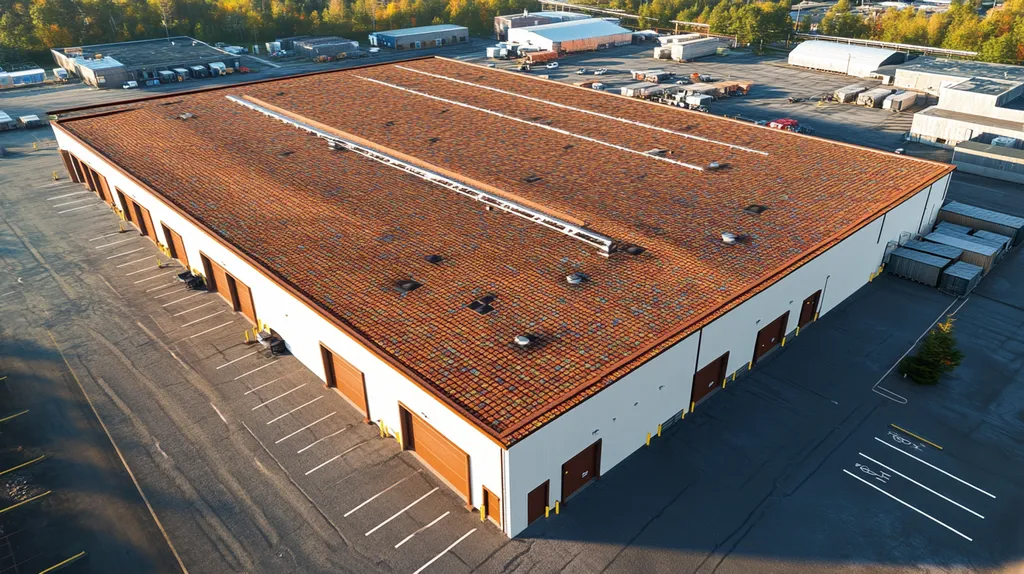
When it comes to commercial roofing, what you can’t see might be costing you big time. Studies show that roofs can lose up to 50% of their reflective properties in just three years, potentially increasing cooling costs by thousands of dollars annually.
For property owners and facility managers, understanding aged reflectivity isn’t just about maintenance—it’s about protecting their bottom line. A well-maintained reflective roof can reduce peak cooling demand by up to 15% and extend roof lifespan by decades.
This comprehensive guide explores everything from fundamental concepts to optimization strategies, helping you make informed decisions about your commercial roof’s reflective properties.
SECTION 1: FUNDAMENTAL CONCEPTS
Understanding aged reflectivity on commercial roofs is crucial for property owners and facility managers. As roofs age, their ability to reflect sunlight diminishes, leading not only to higher energy costs but also potential damage. Believe it or not, a loss of reflectivity can boost cooling demands by up to 30%. In this section, we’ll define aged solar reflectance, clarify essential concepts, and explore their implications for energy efficiency.
Definition of Aged Solar Reflectance
Aged solar reflectance is the roof’s ability to bounce back sunlight after years of being exposed to the elements. Over time, factors such as UV rays, weather changes, and dirt buildup can seriously compromise a roof’s reflective capabilities. For instance, a white TPO membrane may start off reflecting over 80% of solar energy, but that number can plummet in just a few years.
Keeping an eye on aged solar reflectance is vital for preserving a roofing system’s performance and lifespan. As reflectance decreases, roofs absorb more heat, which can elevate interior temperatures. This heat not only accelerates wear and tear on roofing materials but can lead to costly repairs or premature replacements.
A drop in reflectivity can also affect market value. As energy efficiency becomes more crucial to buyers, owners must closely monitor their roof’s performance to stay competitive.
Regular inspections are key to catching drops in solar reflectance early. This proactive approach arms facility managers with the knowledge they need to make smart maintenance or upgrade decisions.
Solar Reflectance vs. Thermal Emittance
Solar reflectance and thermal emittance are essential metrics for assessing a roofing system’s energy performance. Solar reflectance measures a surface’s ability to reject solar energy, while thermal emittance gauges how effectively a material releases the heat it retains. The interplay between these two factors heavily influences a building’s energy consumption.
A roof with high solar reflectance keeps heat gain to a minimum, helping facilities maintain cool temperatures during the scorching summer months. Conversely, high thermal emittance ensures that absorbed heat is swiftly released, further slashing energy costs. Striking the right balance between the two is key to optimizing energy efficiency.
For example, roofing systems that excel in both reflectance and emittance can dramatically reduce cooling costs, especially in urban heat islands where temperatures can soar. An effective roof design takes both properties into account, ensuring maximum efficiency and leading to long-term savings.
Property owners should consider both solar reflectance and thermal emittance when selecting new roofing materials or planning repairs. Focusing solely on one metric could lead to less efficient solutions and spiraling energy bills over time.
Impact on Energy Efficiency
The consequences of aged reflectivity on energy efficiency are significant. As roofs age and their reflectivity wanes, energy bills can skyrocket due to amplified heating and cooling demands. Buildings with older roofing systems often see energy costs spike by 20-30% during peak seasons.
Consider properties that once stood as shining examples of energy efficiency. Over the years, without proper maintenance or reflective coatings, these roofs can deteriorate. Owners face not only higher costs but also increased carbon emissions, which hurt the environment.
Investing in reflective roof coatings or new technologies can rejuvenate lost reflectivity, making it a wise financial move. Such upgrades often lead to a rapid return on investment through lowered energy bills, particularly in extreme climates.
In summary, managing aged reflectivity is vital for maximizing energy efficiency. By recognizing the importance of these aspects and taking timely action, property owners can make smart choices that benefit their budgets and the planet alike.
SECTION 2: SYSTEM COMPONENTS
Grasping the components of roofing systems is essential for maintaining peak reflectivity in commercial roofs. Did you know that heating and cooling account for nearly 50% of a commercial building’s energy use? The roofing materials selected can significantly impact energy efficiency. As roofs age, their ability to reflect sunlight diminishes, leading to increased energy costs and diminished indoor comfort. This section dives into the world of cool roofing materials, roof coatings and membranes, and the powerful concept of integrated roofing systems.
Types of Cool Roofing Materials
Cool roofing materials are engineered to reflect more sunlight and absorb less heat than traditional options. Examples include reflective shingles, tiles, and advanced membranes, like white TPO or PVC, which can reflect up to 80% of sunlight. These choices not only help lower cooling costs, but they also support environmental sustainability by counteracting the urban heat island effect, a growing concern as cities face rising temperatures due to climate change.
However, it’s crucial to remember that not all cool roofing materials are created equal. When selecting roofing products, property managers must ensure they meet relevant energy codes and ratings to guarantee long-lasting performance. Durability against weathering is also essential to maintaining that coveted reflectivity.
Ultimately, investing in high-quality cool roofing materials can lead to substantial cost savings over the life of the roof while enhancing a building’s overall environmental footprint.
Roof Coatings and Membranes
Roof coatings and membranes play a vital role in boosting the reflectivity of existing roofing systems. These products can restore or enhance a roof’s reflective properties, thereby extending its lifespan and improving overall performance. High-quality roof coatings, such as elastomeric or silicone, are specifically designed to be applied over aging roofing surfaces, transforming them into uniform, highly reflective layers.
By applying a reflective roof coating, property owners can experience immediate benefits, including lower energy costs and improved indoor comfort. Many coatings are tailored to withstand harsh weather conditions, ensuring their reflective characteristics endure over time.
To maximize effectiveness, it’s essential for property owners to select coatings that are compatible with their specific roofing materials. Regular inspections and maintenance further ensure these coatings continue to reflect solar heat efficiently.
Incorporating roof coatings boosts energy efficiency while simultaneously supporting sustainability initiatives by lessening the overall demand for cooling energy in commercial spaces.
Integrated Roofing Systems
Integrated roofing systems fuse various components, including insulation, membranes, and coatings, into one cohesive unit. This holistic approach ensures that all aspects of the roofing system collaborate seamlessly, maximizing energy efficiency and reflectivity. By viewing the roof as an integrated system, property owners can significantly enhance their buildings’ overall performance.
For example, an integrated roofing system designed for specific climate conditions can offer superior insulation, exceptional reflective properties, and remarkable durability. This leads to an extended service life and fewer repairs, ultimately reducing lifecycle costs.
Collaboration among roofing professionals during the design phase allows for the selection of the most effective materials and systems. This integration opens the door to innovative solutions that transform energy management and reflectivity within buildings.
With energy regulations tightening, adopting an integrated roofing system isn’t just advantageous—it’s becoming essential for compliance and sustainability in commercial properties.
SECTION 3: IMPLEMENTATION METHODS
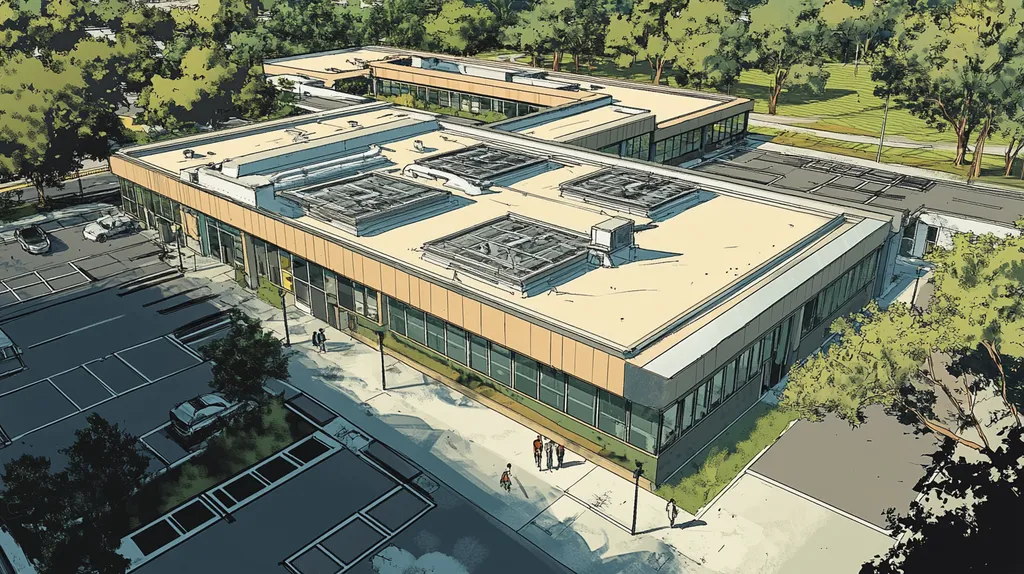
Enhancing aged reflectivity on commercial roofs isn’t just a smart move—it’s essential for keeping energy costs in check and maintaining structural integrity. When roofs lose their reflective capacity, it can lead to rising energy expenses and even damage over time. With buildings accounting for around 40% of total energy consumption in the U.S., making informed roofing choices can significantly impact overall efficiency. This section highlights key methods for implementing effective solutions to improve roof performance.
Installation Procedures for Cool Roofs
Installing cool roofs involves specific steps to ensure they perform effectively. First and foremost, a comprehensive assessment of the existing roof condition is crucial. This evaluation helps determine if a reflective coating is suitable or if a completely new roofing system is required. Property owners should opt for materials boasting high reflectivity ratings—typically above 0.65—to achieve the best results.
Proper surface preparation is paramount following material selection. This process includes thoroughly cleaning the roof surface and addressing all leaks or damage prior to installation. Techniques may vary depending on whether a membrane or coating is being used, but sticking to the manufacturer’s guidelines is vital for optimal performance.
Lastly, conducting post-installation inspections ensures that the roof maintains its reflectivity and structural integrity over time. Regular maintenance, such as keeping the roof clean, is also necessary to extend the life of the system and minimize premature aging.
Climate Zone Considerations
The climate significantly influences the effectiveness of aged reflectivity. In regions experiencing high temperatures and abundant sunlight, the benefits of cool roofs are often maximized. In fact, reflecting surfaces can reduce cooling energy demands by nearly 15% in those areas, leading to substantial savings.
On the other hand, colder climates may not see the same advantages from reflective roofing due to the risk of increased heat loss. In these cases, balancing reflectivity benefits with insulation needs is essential. Consulting local temperature data will guide property owners in choosing the right materials for their specific climate conditions.
Additionally, local building codes may dictate specific reflectivity levels based on regional climate, which is vital for compliance. Being informed about these regulations allows property owners to optimize both energy efficiency and comfort while ensuring adherence to legal standards.
Compliance with Energy Codes
Adhering to energy codes is a critical aspect of any roofing project. Many states have implemented codes that establish minimum efficiency requirements for roofing systems. These guidelines often focus on reflectivity, thermal emittance, and overall energy performance—key components that contribute to energy savings.
It’s essential for property owners to familiarize themselves with these codes before embarking on roofing projects. Ignoring compliance can lead to fines and necessitate expensive corrections. Regularly reviewing local energy regulations keeps roofing initiatives up to date and compliant.
Moreover, working with professional roofing contractors can greatly assist property owners in navigating these compliance requirements. Experts can offer insights on selecting materials that meet or exceed the necessary standards while simultaneously contributing to long-term energy savings.
SECTION 4: MAINTENANCE REQUIREMENTS
Regular maintenance is the unsung hero of commercial roof longevity and reflectivity. In fact, studies show that roofs subjected to routine checks can last up to an incredible 30% longer than those left to fend for themselves. To protect valuable investments and ensure top-notch energy efficiency, property owners must place regular roof upkeep at the forefront of their maintenance strategy.
Regular Inspection and Repair
Proactive inspections are crucial for tackling roofing issues before they escalate into costly dilemmas. It’s recommended that roofs undergo inspection at least twice a year, and especially after severe weather events. These inspections can reveal cracks, blisters, or areas of wear that, if ignored, could severely compromise reflectivity.
Timely repairs are just as vital. Addressing minor leaks or surface damage at the first signs can prevent larger problems down the road. Alarmingly, about 25% of roof failures can be traced back to neglecting timely maintenance.
Furthermore, property owners should keep a close eye on energy bills. A sudden spike often signals roofing problems lurking out of sight. This makes ongoing monitoring just as important as routine inspections.
By embracing a proactive approach, property owners can save thousands on unexpected repairs and extend their roof’s functional life. Partnering with a professional roofing contractor ensures a thorough evaluation of the roof’s condition, offering peace of mind and expert insights.
Cleaning and Restoration Techniques
A clean roof is a reflective roof, which makes regular cleaning an essential element of maintenance. Accumulated debris like dirt and leaves can trap heat, reducing energy efficiency significantly. A routine cleaning schedule not only revitalizes a roof’s reflective properties but also extends its overall lifespan.
Additionally, restoration techniques can lead to marked improvements in a roof’s performance. Applying a reflective coating can restore that lost pizzazz, rejuvenating an aging surface while adding a protective layer. In fact, restoration can boost reflectivity by up to 90%, enhancing energy efficiency to boot.
Timing and methods for cleaning and restoration should be carefully planned for optimal results. Regular cleaning sets the stage for effective restorative measures. Knowledgeable professionals are often best equipped to recommend when restoration is needed, as they can accurately assess the roof’s condition.
By focusing on both cleaning and restoration, property owners can enhance their roofing systems’ longevity and performance, leading to reduced operating costs and increased comfort indoors.
Preventing Common Issues
Prevention is the name of the game when it comes to common roofing issues that can escalate costs. One crucial strategy involves ensuring effective drainage to avoid pooling water, which can wreak havoc on roofing materials. Incorporating regular checks of gutters and downspouts into maintenance routines is essential.
Additionally, protecting roofs against environmental stressors is vital. Choosing roofing materials designed to withstand local weather conditions can significantly improve durability. For instance, select UV-resistant materials for sunny climates to strengthen resilience.
Routine checks for wind and storm readiness can significantly mitigate potential damage during extreme weather. Securing loose materials and ensuring fixtures are tight can help prevent roof failures when conditions turn turbulent.
Moreover, investing in training for maintenance staff on common issues and their prevention can contribute immensely to a roof’s longevity. Awareness and proactivity can save both time and money while fostering reliability in the roofing system over the years.
SECTION 5: PERFORMANCE METRICS
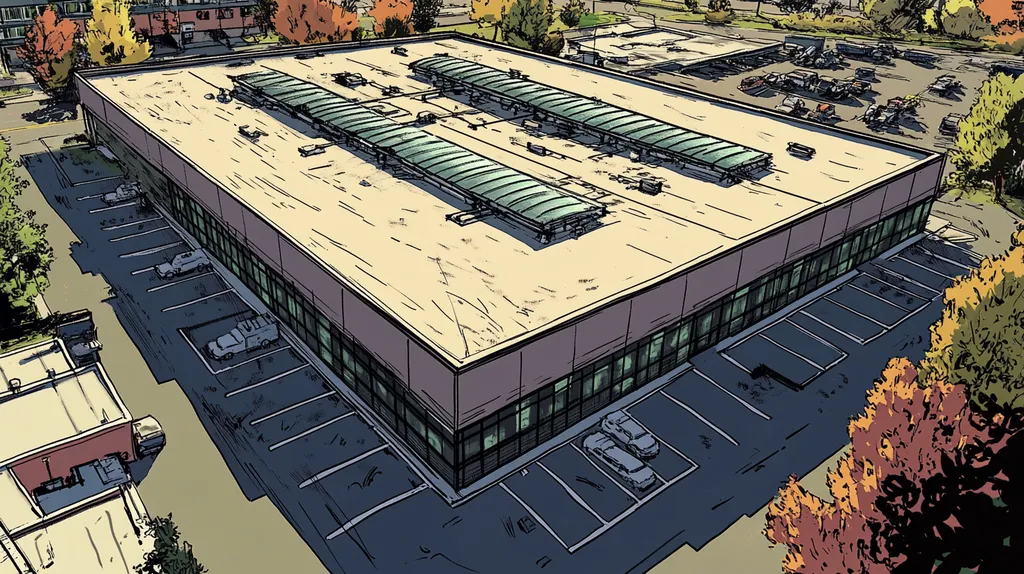
Understanding performance metrics for aged reflectivity on commercial roofs isn’t just beneficial; it’s vital for maximizing energy efficiency and keeping costs manageable. As roof coatings degrade over time, their reflectivity takes a hit, resulting in rising temperatures and increased energy usage. Research shows that roofs can lose up to half of their original reflectivity in as little as three years! This section dives into essential metrics such as the Solar Reflectance Index (SRI), aged reflectance and emittance values, and a thorough energy-related cost analysis, empowering property owners to make savvy decisions.
Solar Reflectance Index (SRI)
The Solar Reflectance Index (SRI) is a key metric that helps evaluate how well roofing materials reflect solar energy. By taking into account both reflectance and emittance values, SRI gives a comprehensive view of a roof’s performance. For instance, roofs boasting a high SRI not only repel the sun’s rays but also effectively release the heat they do absorb, resulting in cooler indoor spaces. This is especially important in urban areas, notorious for heat islands where temperatures soar.
According to the Cool Roof Rating Council, a high SRI can lower roof surface temperatures by up to 30-50 degrees Fahrenheit. This reduction can translate to impressive energy savings and improved comfort for building occupants. Therefore, when selecting roofing materials, property owners should prioritize materials with excellent SRI ratings to optimize cooling costs and reduce reliance on air conditioning.
Additionally, many local building codes and energy efficiency programs consider SRI when setting their standards. Noncompliance can lead to increased operational costs or restrictions on funding for energy-efficient upgrades. Understanding the importance of SRI is crucial for any property owner aiming to implement cost-effective roofing solutions.
Aged Reflectance and Emittance Values
Aged reflectance and emittance values are vital indicators of how roofing materials perform as they age. Over time, exposure to weather conditions, UV degradation, and biological growth can significantly diminish these metrics. Typically, reflective coatings lose their effectiveness as they age, resulting in increased thermal loads on buildings. Regular assessments are essential for identifying these changes and directing necessary maintenance or replacement.
For example, a roof that initially reflected 80% of solar energy may tumble to just 40% after several years— a staggering drop that can lead to soaring energy consumption and operational costs. Property managers need to closely monitor these values to ensure roofs continue to deliver optimal performance as they age.
Moreover, emittance values play a crucial role in assessing how effectively roofs release retained heat. Low emittance values can hinder a roof’s ability to dissipate heat, which can further elevate energy consumption and indoor temperatures. Thus, routine evaluations are instrumental in informing maintenance strategies that improve lifespan and performance of roofing materials.
Energy Savings and Cost Analysis
A comprehensive analysis of energy savings and associated costs provides insight into the financial impacts of aged reflectivity. As roofs lose their reflective properties, energy bills can escalate significantly due to increased dependence on cooling systems. Studies indicate that a cool roof can save property owners between 20-30% in energy expenses each year compared to traditional roofing options, particularly in warmer climates.
Investing in regular reflectivity assessments and maintenance can help property owners keep costs in check. For instance, a 100,000-square-foot commercial building might face an additional $15,000 annually in energy costs because of diminished roof reflectivity— a preventable expense with proactive measures that also enhance overall efficiency.
Understanding the return on investment (ROI) for reflective roof systems is crucial in shaping long-term financial outcomes. Property managers should balance potential savings against the costs of installation and maintenance to make informed roofing decisions. Adopting this holistic approach not only leads to immediate financial benefits but also supports sustainable building practices and ensures compliance with energy regulations.
SECTION 5: PERFORMANCE METRICS
Understanding performance metrics for aged reflectivity on commercial roofs is not just a good idea—it’s a necessity for preserving energy efficiency and keeping budgetary concerns in check. As roof coatings wear down, reflectivity plummets, leading to skyrocketing temperatures and energy consumption. Did you know that roofs can actually lose up to 50% of their original reflectivity in as little as three years? This section explores crucial metrics like the Solar Reflectance Index (SRI), aged reflectance and emittance values, and a detailed energy-related cost analysis, empowering property owners to make savvy roofing decisions.
Solar Reflectance Index (SRI)
The Solar Reflectance Index (SRI) is a fundamental metric used to gauge how effectively roofing materials reflect solar energy. By combining reflectance and emittance values, SRI creates a holistic snapshot of a roof’s performance. Roofs with a high SRI not only bounce back sunlight but also efficiently release any heat they do absorb, keeping indoor environments cooler and more comfortable. This is a game-changer, especially in urban areas known for heat island effects.
For instance, the Cool Roof Rating Council indicates that roofs with high SRI ratings can lower surface temperatures by as much as 30-50 degrees Fahrenheit. This cooling effect can lead to substantial energy savings year-round. With such impressive benefits, property owners should prioritize high SRI materials when selecting roofing systems to optimize cooling costs and minimize air conditioning reliance.
Moreover, many local energy codes consider SRI in their requirements. Ignoring these standards might not only inflate operational costs but also limit funding opportunities for energy-efficient upgrades. A solid grasp of SRI is essential for any property owner looking to maximize the advantages of cost-effective roofing solutions.
Aged Reflectance and Emittance Values
Aged reflectance and emittance values are significant indicators of how roofing materials perform over time. As roofs experience wear and tear from weather exposure, UV degradation, and even plant growth, these values can decline sharply. Typically, reflective coatings weaken as they age, resulting in increased thermal loads on the building and putting strain on energy systems.
Consider this: a roof that once reflected 80% of solar energy might see that number drop to just 40% after several years of exposure. Such a dramatic decrease can substantially raise energy consumption and operational costs. Property managers need to monitor these values closely to ensure their roofs continue to deliver the expected performance throughout their life cycle.
Additionally, emittance values are critical for assessing how well roofs can release heat. Low emittance values hinder the roof’s ability to dissipate retained heat, further driving up energy costs and indoor temperatures. Routine evaluations are necessary to inform maintenance strategies that enhance both the lifespan and performance of roofing materials.
Energy Savings and Cost Analysis
A thorough analysis of energy savings and associated costs illuminates the financial implications stemming from aged reflectivity. As roofs lose their reflective capabilities, energy expenses can surge, primarily due to heightened dependence on cooling systems. Research shows that a cool roof could save property owners between 20-30% annually on energy expenses compared to traditional roofing, particularly in hotter climates.
Investing in consistent reflectivity assessments and maintenance can help keep expenses in check. For example, a 100,000-square-foot commercial building may face an extra $15,000 per year in energy costs due to decreased roof reflectivity. Taking proactive measures can avert such unnecessary expenses and boost the building’s overall energy performance.
Furthermore, understanding the return on investment (ROI) for reflective roofing systems is vital for shaping long-term financial strategies. Property owners should weigh potential savings against installation and maintenance costs to make informed decisions. This comprehensive approach yields immediate financial gains while promoting sustainable building practices and adhering to energy regulations.
The Bottom Line
With commercial roofs losing up to 50% of their reflectivity within three years, property owners can’t afford to ignore aged reflectivity management.
The financial stakes are clear: a well-maintained reflective roof can reduce cooling costs by 15-30% while extending roof life by decades.
From proper material selection to regular maintenance schedules, every aspect of reflectivity management impacts a building’s bottom line and environmental footprint.
As energy codes become stricter and urban heat islands intensify, implementing comprehensive reflectivity strategies isn’t just smart business—it’s essential for future compliance and sustainability.
By leveraging performance metrics, maintenance protocols, and modern materials, property owners can maximize their roof’s reflective properties while minimizing long-term operational costs.
FREQUENTLY ASKED QUESTIONS
Q. What is aged reflectivity on commercial roofs?
A. Aged reflectivity measures how well a commercial roof reflects sunlight as it ages. Various elements like UV rays and dirt buildup can reduce this ability, leading to increased energy costs and potential damage.
Q. How do cool roofing materials affect commercial roofs?
A. Cool roofing materials are designed to reflect sunlight and minimize heat absorption, leading to reduced energy costs. These materials not only enhance comfort indoors but also contribute to environmental sustainability.
Q. What are the steps for installing a cool roof on a commercial building?
A. Installing a cool roof includes assessing the existing roof, selecting high-reflectivity materials, and preparing the surface carefully. Following all manufacturer guidelines is essential for optimal performance.
Q. How can regular maintenance improve reflectivity on commercial roofs?
A. Consistent maintenance, including inspections and cleanings, can significantly enhance a roof’s reflectivity. This proactive approach prevents costly repairs while extending the roof’s lifespan and energy efficiency.
Q. What is the Solar Reflectance Index (SRI) for roofs?
A. The Solar Reflectance Index (SRI) measures a roofing material’s ability to reflect solar energy and dissipate heat. A high SRI contributes to cooler building temperatures and decreases reliance on air conditioning systems.
Q. How does climate affect aged reflectivity on industrial roofs?
A. Climate plays a significant role in how aging affects reflectivity. In hot climates, reflective roofs can reduce cooling demands, while colder areas may require balancing reflectivity with insulation to prevent heat loss.
Q. What are some common issues that affect commercial roof performance?
A. Common issues include poor drainage, weather damage, and outdated materials. Regular inspections and using weather-resistant roofing can help a building avoid these costly complications and maintain high reflectivity.






