

As energy costs continue to surge, facility managers face mounting pressure to reduce HVAC expenses, which typically account for 40% of commercial building energy consumption.
Reflective commercial roof coatings offer a proven solution, with studies showing potential cooling cost reductions of up to 30%. Yet misconceptions about their cost, durability, and effectiveness persist.
This comprehensive analysis cuts through common myths to reveal how reflective coatings impact HVAC systems, exploring both the financial implications of outdated information and evidence-based alternatives for modern facility management.
SECTION 1: COMMON MISCONCEPTIONS
As energy efficiency becomes increasingly essential for operational success, many facility managers overlook the valuable benefits of reflective commercial roof coatings. These innovative coatings significantly reduce HVAC costs by minimizing heat absorption, enhancing energy efficiency. Despite their advantages, several myths persist, creating barriers to adoption. Addressing these misconceptions is crucial for making informed decisions that elevate building performance and sustainability.
Reflective Coatings Are Too Expensive
A prevalent myth among facility managers is that reflective coatings carry a substantial initial cost. While it’s true that upfront expenses may seem steep, the long-term savings can far exceed these costs. Studies indicate that reflective roofs have the potential to reduce a building’s cooling expenses by up to 20%.
Additionally, these financial concerns can be alleviated by considering available rebates and tax incentives for energy-efficient upgrades. Many facilities see a favorable return on investment (ROI) within just three years.
Investing in reflective coatings is not merely an expense; it’s a strategic pathway to significant cost reductions. Numerous facility managers report notable drops in energy bills after installing these advanced coatings.
Ultimately, neglecting the long-term benefits in favor of short-term costs can prevent facility managers from harnessing the full potential of reflective coatings.
Coatings Are Not Durable
Another widespread misconception is that reflective coatings lack durability and a long lifespan. Critics often argue that these coatings deteriorate quickly, particularly when exposed to challenging weather conditions. However, modern coating technologies have evolved to create products that endure severe environmental factors, UV radiation, and thermal fluctuations.
High-quality reflective coatings can last anywhere from 10 to 20 years with consistent maintenance. Designed to resist peeling, cracking, and fading, these coatings provide exceptional longevity, making them a reliable choice for property owners.
Moreover, regular maintenance can prolong the lifespan of these coatings even further. Conducting routine inspections and timely touch-ups can help catch minor issues before they escalate, ensuring optimal functionality.
Ultimately, opting for a durable reflective coating can lead to reduced repairs and lower lifecycle costs, dispelling the notion that these coatings are fragile.
Limited Applicability to Roof Types
Many facility managers mistakenly believe that reflective coatings can only be applied to specific roof types, which limits their usage. In reality, reflective coatings can be effectively utilized on a wide array of roofing materials, such as metal, single-ply, and built-up roofs.
This versatility means facility managers can enhance existing roofs without the need for a full replacement. This option is especially appealing for organizations aiming to boost sustainability while keeping costs manageable.
Additionally, manufacturers have developed specialized formulations to meet the unique needs of various roofing systems. As a result, there are ideal coating solutions available for nearly every roof type.
Ignoring the extensive applicability of reflective coatings may prevent facility managers from unlocking their property’s full energy efficiency and overall performance potential.
SECTION 2: PRACTICAL IMPLICATIONS
The efficiency of HVAC systems plays a critical role in managing energy costs and ensuring a comfortable indoor environment. It’s essential for facilities managers to explore every viable solution, and reflective commercial roof coatings provide a game-changing advantage. By significantly reducing heat absorption, these coatings can lower cooling costs and maintain cooler indoor temperatures. Research indicates that reflective coatings can decrease roof surface temperatures by as much as 30 degrees Fahrenheit. This section will delve into the effects of roof coatings on HVAC efficiency, indoor comfort, and maintenance practices.
Impact on HVAC System Efficiency
Reflective roof coatings greatly enhance HVAC system efficiency. By reducing heat absorption, these coatings help to maintain cooler indoor temperatures, thus easing the workload on cooling systems. As a result, facilities can realize energy savings of up to 15% or more on their annual cooling expenses.
Additionally, less strain on HVAC systems can lead to extended lifespans. With improved efficiency, routine maintenance may need to be conducted less frequently, saving time and resources.
For example, facilities in hotter climates report tangible monthly savings after applying reflective coatings. These savings can be redirected to support other operational efforts, bolstering overall financial management.
Investing in reflective coatings is not just a quick fix; it’s a strategic move toward long-term operational efficiency and reduced energy consumption.
Effects on Indoor Temperature and Comfort
Indoor temperature and occupant comfort are closely connected to how effectively a building manages heat. With lower roof temperatures, reflective coatings can significantly impact thermal dynamics within a building, resulting in a cooler overall environment.
Facilities equipped with reflective coatings tend to report increased employee productivity, as comfortable workplaces correlate directly with employee morale and reduced absenteeism.
This benefit becomes particularly crucial in environments with heat-sensitive equipment, such as data centers. Reflective coatings help mitigate excess heat, ensuring optimal performance of critical devices.
By incorporating reflective coatings, facility managers can enhance both employee satisfaction and operational performance. The rise in comfort leads to better metrics and a more productive work environment.
Maintenance and Inspection Requirements
Proper maintenance and regular inspections are vital for optimal HVAC performance and energy efficiency. While reflective coatings can lessen the demands of routine checks, ongoing assessments of the coating’s condition are essential to maintain peak reflectivity.
Visual inspections can swiftly identify wear and tear from environmental factors, such as severe weather or UV exposure. Addressing maintenance promptly can help avoid unexpected costs due to HVAC failures or decreased efficiency.
Moreover, the application of reflective coatings may allow for adjustments in HVAC maintenance schedules. This flexibility enables facility managers to allocate resources more efficiently, ultimately achieving a solid return on investment through reduced upkeep.
In conclusion, adopting the right reflective coating can streamline operations and solidify its place as an invaluable asset in facility management practices.
SECTION 3: COST OF MISINFORMATION
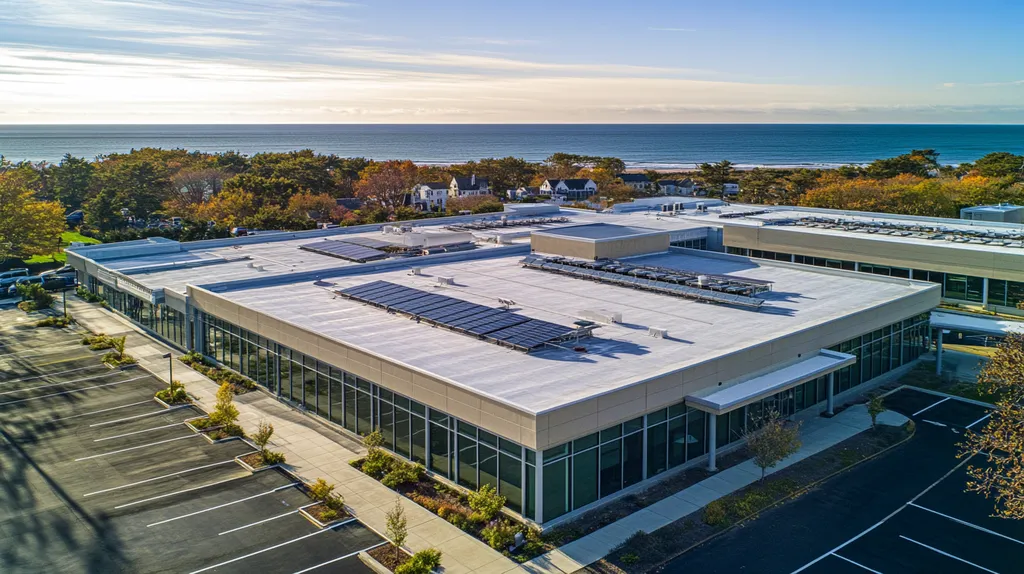
The financial stakes surrounding commercial and industrial roofing are rising, yet misinformation about reflective roof coatings can exacerbate costs for facility managers and property owners. By failing to embrace the benefits of these coatings, organizations may face inflated energy bills and costly operational decisions. Research indicates that a traditional roof may increase energy expenses by as much as 30% during the sweltering summer months. This section delves into the monetary and environmental consequences that stem from misunderstandings regarding reflective roofing technologies.
Increased Energy Consumption Costs
Many facility managers underestimate the significant influence an effective roofing system can have on energy expenses. Reflective roof coatings drastically minimize heat absorption, resulting in reduced demand for air conditioning. In contrast, traditional roofing solutions can trap heat, compelling HVAC systems to work harder and consume more energy.
When HVAC units are overworked, energy costs surge, potentially leading to budget overruns. For instance, buildings without reflective coatings can see monthly energy costs reach thousands of dollars. This added financial pressure can stifle funding available for essential facility upgrades and improvements.
Furthermore, the benefits of reflective coatings extend beyond savings on energy bills. Improved thermal performance increases comfort levels indoors, subsequently decreasing equipment strain. This means longer-lasting HVAC systems, resulting in considerable savings on repairs and replacements over time.
In short, misconceptions about reflective roofing can lead to avoidable energy expenses that negatively affect financial performance and tenant satisfaction.
Premature Roof Replacement Expenses
One significant risk of misinformation is the potential for premature roof replacement. Facility managers may wrongly believe that conventional roofs suffice without considering reflective alternatives. Traditional roofs often deteriorate faster, especially in harsh weather, leading to costly replacements much sooner than expected.
This early wear and tear can force organizations to grapple with the expense of replacing roofs that could have lasted longer with protective reflective coatings. Reflective solutions play a vital role in extending roofing lifespans by shielding them from UV damage, making the initial investment worthwhile.
For example, a large commercial facility that opts for a traditional roofing approach—believing it to be adequate—might find that its roof fails five years earlier than anticipated. The financial implications of a sudden replacement can ripple through budgets, causing unexpected reallocation of resources and potentially disrupting operations.
Understanding the true advantages of reflective coatings can prevent these unnecessary costs and empower facility managers to make more strategic decisions.
Environmental Impact of Inefficient Roofs
The environmental consequences of inefficient roofing are often overlooked yet critical. Misinformed decisions favoring traditional roofing materials can lead to increased greenhouse gas emissions due to heightened energy consumption. This, in turn, escalates fossil fuel use and contributes to environmental challenges, like climate change.
In contrast, investing in reflective roof coatings supports sustainability initiatives. These materials significantly decrease energy demands, helping to lower the overall carbon footprint of commercial buildings. The broader adoption of reflective technologies can be instrumental in reaching environmental objectives.
Moreover, reflective roofs contribute to mitigating urban heat islands. Cities benefiting from efficient reflective surfaces experience lower temperature averages, positively affecting public health and resource consumption.
Choosing to understand and implement reflective roofing technologies transcends financial implications; it embodies a significant step towards reducing environmental impact and aligning with corporate sustainability goals.
SECTION 4: REALITY CHECK
As facility managers face mounting pressure to cut energy costs and boost sustainability, reflective commercial roof coatings are emerging as a transformative solution. Research shows that these coatings canخفض roof temperatures by as much as 30°F, which can significantly enhance HVAC performance. Grasping the fundamentals of how these coatings function and their diverse benefits across varying climates is essential for property owners looking to make savvy investments while ensuring the durability of their roofing systems.
How Reflective Coatings Work
Reflective roof coatings work by reflecting solar radiation rather than allowing it to be absorbed. This simple yet effective mechanism reduces heat transfer into the building, which helps keep interior spaces cooler and eases the load on HVAC systems.
When applied correctly, these coatings enhance the thermal performance of existing roof materials, providing a cost-effective approach to improving energy efficiency while extending the life of roofs.
Furthermore, modern reflective coatings are crafted from advanced materials designed to withstand various environmental challenges. As a result, they contribute to a longer lifespan for roofs, significantly decreasing the risk of costly premature failures.
By utilizing these reflective coatings, facility managers can achieve noticeable improvements in interior temperatures, leading to enhanced comfort and productivity within the workplace.
Benefits in Different Climate Conditions
Reflective coatings excel in both hot and cold climates, each yielding unique advantages. In warm climates, these coatings prevent roofs from absorbing excessive heat, leading to remarkable reductions in cooling costs—an essential factor for facilities reliant on air conditioning.
In colder regions, reflective coatings help maintain warmth by mitigating the thermal shock that occurs when external temperatures plummet. This contributes substantially to energy savings throughout heating seasons.
Additionally, facilities prone to heavy rain can benefit from the waterproofing features of many reflective coatings, which help minimize risks of water leaks. When paired with proper insulation, these coatings maximize energy efficiency across various weather scenarios.
Ultimately, the adaptability of reflective coatings underlines their importance for facility managers, who are tasked with making informed, strategic decisions regardless of climate challenges.
Compatibility with Various Roof Materials
Understanding the compatibility of reflective coatings with different roofing materials is crucial for effective application. Most coatings can be adapted to a variety of surfaces, including metal, TPO, EPDM, and built-up roofs. This versatility enables property managers to enhance their roofing systems without the need for complete replacements.
However, facility managers must inspect existing roof structures before applying coatings. Some materials might require specific preparations, such as cleaning or priming, to ensure optimal adhesion and effectiveness.
Choosing the right primer and coating system can elevate performance and longevity, thus reducing future repair costs and extending the lifespan of the entire roofing system.
Additionally, the selection of a reflective coating should align with the building’s intended use, as different coatings offer unique benefits like UV protection and moisture resistance. Making well-informed choices is key to maximizing the advantages of reflective coatings across various roofing types.
SECTION 5: EVIDENCE-BASED ALTERNATIVES
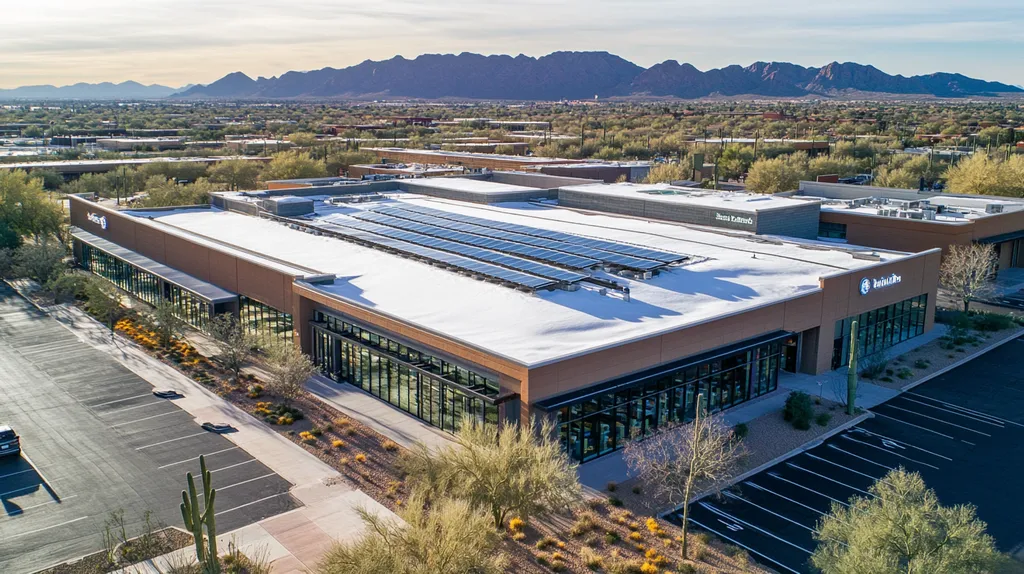
In today’s climate of rising energy expenses and deteriorating roof conditions, facility managers must rethink their roofing strategies. Reflective roof coatings are gaining traction as a powerful solution, backed by research that indicates potential energy savings ranging from 20% to 30%. This section will discuss how reflective coatings not only improve energy efficiency but also enhance roof longevity and promote environmental sustainability.
Energy Savings Through Reflective Coatings
Reflective coatings offer a practical way to cut cooling costs for commercial buildings. By reflecting sunlight instead of absorbing it, these coatings significantly lower surface temperatures, reducing the demand on HVAC systems. The U.S. Department of Energy reports that reflective roofs can decrease cooling energy use by up to 15% to 35%.
This reduction translates into considerable cost savings over time, making reflective coatings a smart financial investment for property managers. As energy prices continue to escalate, the urgency for energy-efficient solutions becomes increasingly vital.
In particularly hot regions, like the Southwest U.S., the financial benefits of these coatings become even more pronounced. Facilities in these areas often experience quicker returns on their investments due to substantial decreases in energy costs.
Implementing reflective coatings is not merely a choice; it is an essential step for facility managers aiming to maintain operational efficiency and manage expenses effectively.
Extended Roof Lifespan and Durability
Installing reflective coatings significantly increases the lifespan of roofing materials. By protecting roofs from harmful UV radiation, these coatings help minimize damage over time. Research indicates that roofs treated with reflective coatings can last up to 20 years longer than untreated ones.
This durability not only leads to fewer repairs and replacements but also helps property owners save money in the long run. With reduced maintenance needs, facility managers can allocate budgets more efficiently.
Additionally, a durable roof minimizes disruptions caused by maintenance activities. For businesses, this reduced downtime translates into ongoing productivity and streamlined operations.
Incorporating reflective coatings is a strategic decision that aligns financial savings with operational resilience.
Environmental Sustainability Benefits
Choosing reflective roof coatings also offers valuable environmental benefits that extend beyond the individual facility. These coatings contribute to urban heat reduction, addressing a growing concern in densely populated areas. By lowering roof temperatures, they help mitigate urban heat island effects, which can raise community temperatures by as much as 5°F.
Moreover, reflective coatings diminish greenhouse gas emissions by lowering the energy demands of cooling systems. According to the Environmental Protection Agency, reducing energy consumption directly lowers carbon footprints.
Facility managers can champion sustainability while ensuring compliance with increasingly stringent environmental regulations. Adopting reflective coatings signifies a commitment to reducing overall environmental impact.
These sustainable practices enhance a building’s reputation and can attract environmentally conscious tenants, ultimately adding long-term value to the property.
SECTION 6: TEST AND VERIFY
For facility managers aiming to maximize HVAC performance, measuring the effectiveness of reflective commercial roof coatings is essential. Without thorough testing and verification, property owners risk missing out on substantial energy savings. The U.S. Department of Energy estimates that reflective roofing can reduce cooling costs by as much as 30%. Understanding the post-application assessment processes can unlock significant financial and operational advantages for facilities.
Conducting Roof Inspections and Tests
Regular inspections of the roof are crucial for assessing the integrity and performance of reflective coatings. These evaluations should focus on identifying any damage, wear, or other issues that could hinder efficiency. Utilizing tools like infrared thermography allows facility managers to detect heat buildup and pinpoint areas needing immediate attention.
A comprehensive checklist should guide facility managers through these inspections, directing their focus to signs of surface erosion, peeling, or other concerns. Documenting findings establishes a benchmark for future evaluations. Consistent inspections not only enhance long-term performance but also bolster the sustainability of the roofing system.
After installation, assessments must ensure compliance with manufacturer specifications. Proper installation directly influences the coating’s ability to reflect sunlight and minimize heat absorption, thus affecting overall energy usage.
Proactive maintenance schedules for inspections are highly recommended. Staying ahead of potential issues can help avoid costly repairs and ensure that the coatings reach their full lifespan.
Measuring Energy Efficiency Post-Application
Quantifying energy efficiency after applying reflective roofing is vital. A practical approach includes monitoring energy consumption and comparing it to historical data. By establishing baseline energy usage before application, facility managers can measure the impact of the new roofing.
Utility bills should be examined closely for any noticeable changes in cooling costs. A marked decline in these expenses is often a positive indicator of effective roofing integration. The use of tools like energy management systems can provide real-time data to streamline this assessment.
Engaging a third-party auditor can enhance credibility in the reported results. Independent evaluations provide professional insights into the energy savings realized following the application of reflective coatings. This diligence not only ensures accurate findings but also helps justify capital investments.
Incorporating energy efficiency metrics into regular financial reporting can assist in budget planning and support future initiatives. Demonstrating clear savings strengthens the rationale for continued investments in facility upgrades.
Case Studies and Real-World Examples
Reviewing real-world examples sheds light on the tangible benefits of reflective commercial roof coatings. One distribution center reported a remarkable 25% reduction in cooling costs in the first year after applying a reflective coating. This level of savings recouped the initial investment within a few years.
In another case, a healthcare facility experienced improved indoor temperatures, leading to reduced reliance on HVAC systems. These changes not only enhanced occupant comfort but also extended the lifespan of air conditioning equipment.
Such case studies emphasize the significance of diligent tracking and reporting on outcomes. Although each facility faced unique challenges, they shared a common commitment to testing and verifying results.
Sharing successful case studies fosters a culture of improvement within the industry. The accumulation of these success stories can drive broader adoption of reflective coatings across various sectors.
The Bottom Line
With commercial HVAC costs continuing to rise by 5-7% annually, facility managers can no longer afford to ignore the proven benefits of reflective roof coatings.
These coatings consistently demonstrate 20-30% reductions in cooling expenses while extending roof life by up to two decades.
The evidence is clear: reflective coatings are a cost-effective, durable solution compatible with most commercial roofing systems.
As building efficiency standards tighten and energy costs climb, implementing reflective coating technology has moved beyond an optional upgrade to become an essential strategy for competitive facility management.
The time for misconceptions has passed – facility managers must embrace this proven technology or risk falling behind in both operational efficiency and environmental sustainability.
FREQUENTLY ASKED QUESTIONS
Q. Are reflective coatings too expensive for commercial roofs?
A. Many believe that reflective coatings come with high initial costs, but the long-term savings outweigh these concerns. While upfront pricing might appear steep, studies show a potential reduction in cooling costs by up to 20%. Additionally, rebates and incentives often ease the financial burden, making it a strategic investment for facility managers.
Q. How do reflective coatings benefit HVAC systems for industrial roofs?
A. These coatings enhance HVAC efficiency by minimizing heat absorption. This leads to lower indoor temperatures, reducing the workload on cooling systems. According to research, energy savings on cooling expenses can be as high as 15%, allowing for more efficient operations and extended lifespans of HVAC systems.
Q. Will using reflective coatings only apply to specific commercial roof types?
A. Reflective coatings are quite versatile and can be applied to numerous roof types, including metal and built-up roofs. This flexibility means facility managers can enhance existing roofs without needing a costly replacement. Manufacturers now offer specialty formulations to accommodate various roofing systems.
Q. What are the financial consequences of misinformation about industrial roofs?
A. Misunderstandings about reflective roof coatings can lead to inflated energy bills and premature roof replacements. Traditional roofs can cause HVAC systems to work harder, increasing energy costs by up to 30%. Recognizing the benefits of reflective coatings can mitigate these expenses and foster better decision-making.
Q. How do reflective coatings function in various climates for commercial roofs?
A. Reflective coatings help manage temperature in both hot and cold climates. In warmer areas, they prevent roofs from absorbing too much heat, while in colder zones, they minimize thermal shock, helping maintain warmth. This adaptability ensures energy efficiency regardless of the climate, making them ideal for any facility manager.
Q. How can I measure the effectiveness of reflective coatings after installation?
A. Post-installation, it’s critical to conduct regular roof inspections and track energy efficiency. By comparing energy consumption before and after applying the coatings, facility managers can measure savings accurately. Utilizing third-party audits can further validate improvements and justify investment decisions related to reflective coatings.
Q. What are some additional benefits of reflective coatings?
A. Besides energy savings, reflective coatings also boost roof durability and enhance sustainability. They extend the lifespan of roofs, resulting in fewer repairs and replacements. Moreover, adopting these coatings can significantly reduce greenhouse gas emissions, contributing to a more sustainable building operation.






