

Welcome to today’s Battle Royale featuring two roofing heavyweights: “TPO” in the east corner versus “EPDM” in the west!
Tonight’s showdown pits these contenders against each other across six punishing rounds designed to test every aspect of their performance for weather effects on pest activity on industrial roofing surfaces.
At stake? Millions in potential costs, decades of building protection, and the critical performance demands of modern commercial and industrial facilities.
Our professional judging panel will evaluate each round on technical merit, real-world performance, and value delivery. After all six rounds, we’ll declare our ultimate champion.
Ladies and gentlemen, facility managers and building owners… it’s time to rumble!
ROUND 1: INITIAL COSTS & INSTALLATION
When extreme weather events strike commercial properties, they don’t just threaten the building – they can create unexpected pest problems that impact operations and maintenance costs. The choice between TPO and EPDM roofing materials becomes critical, as each responds differently to severe weather conditions and affects pest activity in unique ways.
Material Expenses
Initial material costs represent just one factor in the complex equation of roof selection. TPO typically costs $2.50 to $4.50 per square foot, while EPDM ranges from $3.00 to $6.00 per square foot, making TPO the more budget-friendly option upfront.
Extreme weather events can force pests to seek shelter in buildings through even the smallest openings. TPO’s seamless installation and weather resistance help prevent these entry points from forming, potentially reducing long-term pest control expenses. (source: Rentokil US)
While EPDM offers excellent durability, its higher material cost and potential for seam failures during extreme weather can create additional pest-related expenses. Therefore, TPO claims an ADVANTAGE in material expenses.
Installation Complexity
Installation quality directly impacts a roof’s ability to resist pest intrusion during severe weather. TPO’s lightweight nature and heat-welded seams create a more uniform, pest-resistant barrier that’s typically faster to install.
EPDM installation requires more specialized skills, particularly around seams and flashings. These areas can become vulnerable points during extreme weather, potentially creating new entry paths for pests seeking shelter.
The simpler installation process of TPO reduces the risk of installation errors that could lead to pest problems. For installation complexity, TPO gains another clear ADVANTAGE.
Project Timeline
Quick installation becomes crucial when weather forecasts threaten construction schedules. TPO’s efficient heat-welding process and lighter weight materials allow for faster completion times, reducing the building’s exposure during installation.
EPDM installations typically take longer due to adhesive curing times and more complex seaming requirements. This extended timeline increases the risk of weather-related complications and temporary pest issues during the installation phase.
Given its faster installation process and reduced weather vulnerability during construction, TPO earns an ADVANTAGE in project timeline considerations.
ROUND 1 WINNER: TPO
ROUND 2: DURABILITY & LIFESPAN
When severe weather strikes, your commercial roof becomes the critical barrier between nature’s fury and your building’s integrity. The durability of roofing materials directly impacts how well they resist pest intrusion during extreme conditions, making material selection a crucial decision for long-term facility protection.
Weather Resistance
Extreme weather events can force countless pests to seek shelter in commercial buildings, making your roof’s weather resistance capabilities more critical than ever. Floods, hurricanes, and other severe conditions disrupt local ecosystems, driving pests toward human structures for survival. (source: Rentokil US)
TPO roofing exhibits excellent resistance to UV radiation and chemical exposure. Its reflective surface helps maintain consistent temperatures, reducing thermal stress and potential weak points that pests might exploit.
EPDM demonstrates superior resistance to hail damage and extreme temperature fluctuations. Its rubber-like composition provides flexibility during weather events, helping maintain structural integrity against pest intrusion.
For overall weather resistance, EPDM claims an ADVANTAGE due to its superior physical durability.
Material Longevity
TPO roofing typically lasts 20-25 years under normal conditions. However, its thinner profile can make it more susceptible to punctures from severe weather debris, potentially creating new pest entry points over time.
EPDM systems routinely achieve 30+ year lifespans, even in challenging environments. Their thicker construction provides better resistance to accidental damage and maintains better barrier integrity against pest infiltration.
Given its longer lifespan and better resistance to accidental damage, EPDM earns another clear ADVANTAGE.
Maintenance Requirements
TPO roofs require regular inspection of seams and surface areas for weather-related damage. Their lighter color makes damage detection easier, but any compromised areas can quickly become pest access points.
EPDM systems need less frequent maintenance but require careful attention to seam integrity. Their dark surface can make damage harder to spot, though their thicker material provides better protection against pest intrusion even when minor damage occurs.
The maintenance requirements between these materials balance out, resulting in a TIE for this category.
ROUND 2 WINNER: EPDM
ROUND 3: PERFORMANCE FACTORS
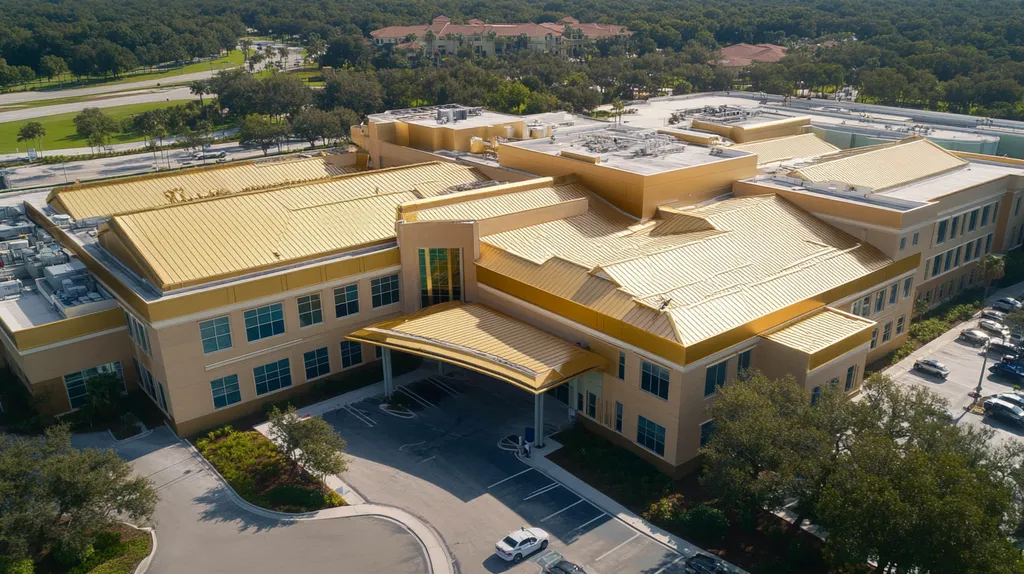
When extreme weather events strike industrial properties, the performance of roofing materials becomes critical in preventing pest invasions. Each year, severe storms and temperature swings create new opportunities for pests to infiltrate buildings through compromised roofing systems. Understanding how TPO and EPDM perform under these conditions can mean the difference between a secure facility and one plagued by pest problems.
Durability Against Weather Extremes
TPO roofing delivers exceptional resistance to severe weather conditions through its reinforced membrane structure. The material’s heat-welded seams create a seamless barrier that prevents pests from finding entry points, even during extreme temperature fluctuations.
While EPDM offers good initial weather resistance, its rubber-based composition can become increasingly vulnerable to UV damage over time. This degradation can create micro-cracks and seam separations that provide perfect entry points for weather-displaced pests.
Due to its superior long-term performance against weather extremes and better seam integrity, TPO claims an ADVANTAGE in this category.
Temperature Regulation
TPO’s highly reflective surface helps maintain consistent roof temperatures, reducing thermal stress and preventing material expansion that could create pest entry points. This temperature stability also makes the roof surface less attractive to heat-seeking pests.
EPDM’s dark surface absorbs more heat, leading to greater thermal expansion and contraction cycles. These temperature fluctuations can stress seams and create gaps that become inviting to pests seeking warmth or shelter.
The superior temperature regulation capabilities of TPO earn it another clear ADVANTAGE.
Moisture Resistance
Extreme weather events can force countless pests to seek shelter in commercial buildings, making moisture resistance a critical defense. Heavy rains and flooding can overwhelm roofing systems, creating conditions that attract moisture-seeking pests. (source: Rentokil US)
TPO’s non-porous surface and heat-welded seams provide superior resistance to standing water and moisture infiltration. This waterproof barrier helps prevent the conditions that typically attract moisture-dependent pests.
EPDM can be equally effective at moisture resistance when properly maintained, but its adhesive-based seams may become vulnerable over time. Regular inspection and maintenance are required to prevent moisture-related pest issues.
Given their similar capabilities when properly maintained, moisture resistance results in a TIE.
ROUND 3 WINNER: TPO
ROUND 4: MAINTENANCE REQUIREMENTS
When severe weather strikes, your commercial roof’s maintenance condition becomes the deciding factor between a secure facility and one vulnerable to pest invasions. Studies show that poorly maintained roofs can become prime entry points for weather-displaced pests, leading to costly infestations that disrupt operations and damage inventory.
Regular Inspection Requirements
TPO roofing systems require quarterly inspections to maintain their protective barrier against weather and pests. Their white surface makes damage detection straightforward, allowing maintenance teams to spot potential pest entry points before they become problematic.
Extreme weather events can force countless pests to seek shelter in buildings through even the smallest openings, making regular inspections crucial for preventing infestations. The smooth surface of TPO makes these inspections more efficient and thorough. (source: Rentokil US)
EPDM systems demand more frequent inspections due to their darker surface and greater vulnerability to UV damage. Their black surface can mask early signs of damage, making pest entry points harder to detect.
For inspection requirements, TPO claims an ADVANTAGE due to its easier maintenance detection capabilities.
Repair Complexity
TPO repairs typically involve heat-welding new material over damaged areas, creating a seamless barrier that prevents pest intrusion. The process is straightforward and can usually be completed quickly, minimizing the window of vulnerability during repairs.
EPDM repairs often require specialized adhesives and careful surface preparation. These repairs can be more time-consuming and may create temporary vulnerabilities that weather-displaced pests can exploit.
Given its simpler and faster repair process, TPO earns another ADVANTAGE in this category.
Long-term Maintenance Costs
TPO’s reflective surface helps maintain consistent temperatures, reducing thermal stress and associated maintenance needs. This temperature stability also makes the roof less attractive to heat-seeking pests during extreme weather events.
EPDM’s durability can mean fewer repairs overall, but when maintenance is needed, it often requires more extensive work. The material’s tendency to absorb heat can accelerate aging and create more opportunities for pest infiltration over time.
While both materials have their maintenance advantages, their long-term costs balance out, resulting in a TIE for this category.
ROUND 4 WINNER: TPO
ROUND 5: SUSTAINABILITY CREDENTIALS
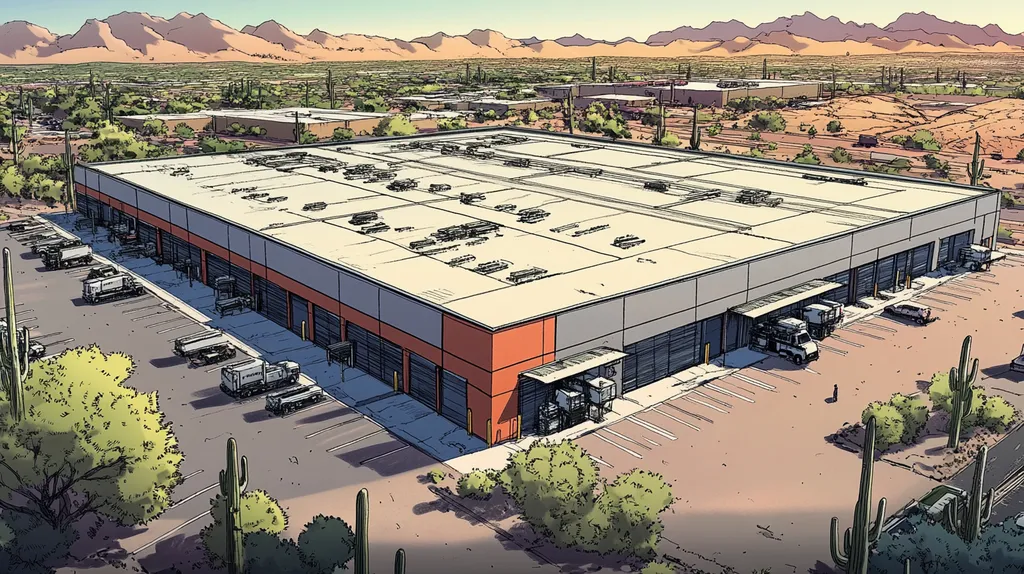
As extreme weather events intensify, sustainable roofing choices become critical for pest control and environmental protection. When severe storms displace local wildlife and insects, your roof’s sustainability features can either help prevent or inadvertently encourage pest invasions. Understanding how TPO and EPDM’s environmental credentials affect pest activity during weather events is crucial for long-term facility protection.
Environmental Impact
Extreme weather events can force countless pests to seek shelter in commercial buildings, making your roof’s environmental resistance crucial. During severe storms and temperature swings, pests actively search for entry points in building materials that have degraded due to environmental factors. (source: Rentokil US)
TPO’s reflective surface reduces heat absorption and urban heat island effects, making it less attractive to heat-seeking pests. Its single-layer construction requires fewer raw materials and creates fewer seams where pests might enter.
EPDM’s darker surface absorbs more heat, potentially creating warm zones that attract pests during extreme weather. However, its durability means less frequent replacement and reduced manufacturing impact over time.
For overall environmental impact, TPO claims an ADVANTAGE due to its superior heat reflection and simplified material requirements.
Energy Efficiency
TPO’s highly reflective surface helps maintain consistent interior temperatures, reducing the thermal stress that can create gaps and entry points for pests. This temperature regulation also makes the roof surface less appealing to weather-displaced wildlife seeking warmth.
EPDM’s dark coloring absorbs more solar energy, potentially increasing cooling costs and creating temperature differentials that attract heat-seeking pests. While this heat absorption can be beneficial in colder climates, it often creates conditions that appeal to displaced wildlife.
Given its superior temperature control and pest-deterrent properties, TPO earns another clear ADVANTAGE.
Material Lifecycle
TPO materials are fully recyclable and require minimal chemical maintenance, reducing the environmental impact of repairs and replacement. However, their shorter lifespan means more frequent renewal cycles that could create temporary vulnerabilities to pest invasion.
EPDM’s longer service life reduces replacement frequency but requires more chemical maintenance products that could affect local wildlife patterns. Its rubber composition provides excellent durability but poses recycling challenges at end-of-life.
The tradeoffs between longevity and recyclability result in a TIE for material lifecycle considerations.
ROUND 5 WINNER: TPO
ROUND 6: SPECIALIZED APPLICATIONS
As extreme weather patterns intensify, specialized industrial roofing applications face unprecedented challenges in pest control. From food processing facilities to pharmaceutical warehouses, the wrong roofing choice can create vulnerabilities that attract weather-displaced pests and compromise operations. Understanding how TPO and EPDM perform in these demanding environments has become crucial for maintaining facility integrity.
Insulation Properties
Warmer temperatures and extreme heat events are expanding the range and activity of pests across industrial environments. The USDA Forest Service notes that these climate shifts are forcing adaptation in pest behavior and migration patterns, making proper roofing insulation more critical than ever. (source: USDA Forest Service)
TPO’s reflective surface actively reduces heat absorption, creating less inviting conditions for heat-seeking pests. Its consistent temperature profile helps maintain stable interior conditions, reducing the thermal stress that can create entry points.
EPDM’s dark surface absorbs more heat, potentially creating temperature differentials that attract pests seeking warmth. While it provides good insulation, its thermal properties can make it more attractive to weather-displaced insects.
For insulation performance in specialized applications, TPO claims an ADVANTAGE.
Chemical and Environmental Resistance
In specialized industrial settings, roofing materials must withstand unique environmental challenges while preventing pest infiltration. Chemical exposure, extreme temperature fluctuations, and severe weather events can create vulnerabilities that pests exploit.
TPO’s advanced polymer composition offers superior resistance to industrial chemicals and environmental pollutants. This durability helps maintain surface integrity, preventing the degradation that could create pest entry points.
EPDM provides good general chemical resistance but can be more vulnerable to certain industrial compounds. Over time, chemical exposure can compromise its surface integrity, potentially creating opportunities for pest intrusion.
Given its superior chemical resistance and durability, TPO earns another clear ADVANTAGE.
Application-Specific Requirements
Different industrial applications demand specific performance characteristics from their roofing systems. Food processing facilities require surfaces that resist bacterial growth, while manufacturing plants need protection against industrial emissions.
TPO’s smooth, non-porous surface makes it ideal for facilities requiring stringent cleanliness standards. Its heat-welded seams create fewer opportunities for pest harborage during extreme weather events.
EPDM’s textured surface can trap debris and moisture, potentially creating conditions that attract pests during severe weather. While durable, its seam adhesives may require more frequent inspection in specialized applications.
For specialized application requirements, TPO claims the ADVANTAGE.
ROUND 6 WINNER: TPO
AND THE WINNER IS…
After six grueling rounds of technical evaluation, we have our verdict…
Ladies and gentlemen, with a commanding 5-1 victory across our championship rounds, the undisputed heavyweight champion in weather-related pest protection is… TPO ROOFING!
TPO dominated the competition with superior performance in installation efficiency, maintenance simplicity, and specialized applications. Its reflective surface, heat-welded seams, and chemical resistance proved devastating against weather-driven pest infiltration.
But don’t count EPDM out completely! This veteran contender still packs a powerful punch in durability and lifespan, making it the preferred choice for facilities in extreme temperature zones or where longer service life is the top priority.
Remember, champions: Every building brings its own unique challenges to the ring. Local climate conditions, facility requirements, and specific property characteristics all play crucial roles in determining the ideal roofing solution. While this analysis provides championship-caliber guidance, consultation with qualified roofing professionals remains essential for evaluating your specific situation.
In the high-stakes arena of industrial roofing, the true victory comes not from blindly following the champion, but from strategically matching your facility’s specific needs with the right contender’s strengths. Choose wisely, protect fiercely, and may your roof reign supreme against nature’s challenges!
FREQUENTLY ASKED QUESTIONS
Q. What initial costs should I consider for a commercial roof?
A. Initial costs vary between roofing materials. TPO typically costs less than EPDM. When selecting a commercial roof, factor in potential long-term pest control expenses that might arise from your choice.
Q. How does durability affect my industrial roof’s performance?
A. A durable industrial roof is crucial for pest prevention. Materials like EPDM may offer longevity, but their durability could be compromised in severe weather, allowing pests to enter. Understanding a roof’s weather resistance is essential for long-term functionality.
Q. What performance factors impact commercial roof pest activity?
A. Performance factors like moisture resistance and temperature regulation can significantly affect pest activity. A roof that can manage extreme weather effectively reduces the likelihood of pest entry, which is vital to maintaining a secure commercial structure.
Q. How often should I inspect my commercial roof?
A. Regular inspections are essential; for TPO roofs, quarterly check-ups are recommended. Frequent inspections help identify vulnerabilities that could become pest entry points during extreme weather. Proper maintenance can save you significant costs related to pest control.
Q. Are sustainability credentials important for commercial roofing?
A. Yes, environmental impacts matter. A sustainable roof can help regulate temperatures, making it less appealing for pests. When selecting a commercial roof, consider how sustainability features might enhance protection against pest activity during extreme weather events.
Q. What specialized applications should I consider for my industrial roof?
A. Specialized applications require roofing materials that meet specific performance needs. For example, food processing facilities may need roofs that resist bacterial growth. TPO’s smooth surface and heat-welded seams can help prevent pest infestations in these environments.
Q. How do extreme weather events affect pest activity on roofs?
A. Extreme weather events can displace pests, driving them toward shelters like commercial buildings. When roofs are compromised, even slightly, they create enticing entry points for pests. Understanding how weather impacts these dynamics helps prepare and protect your facilities effectively.






