
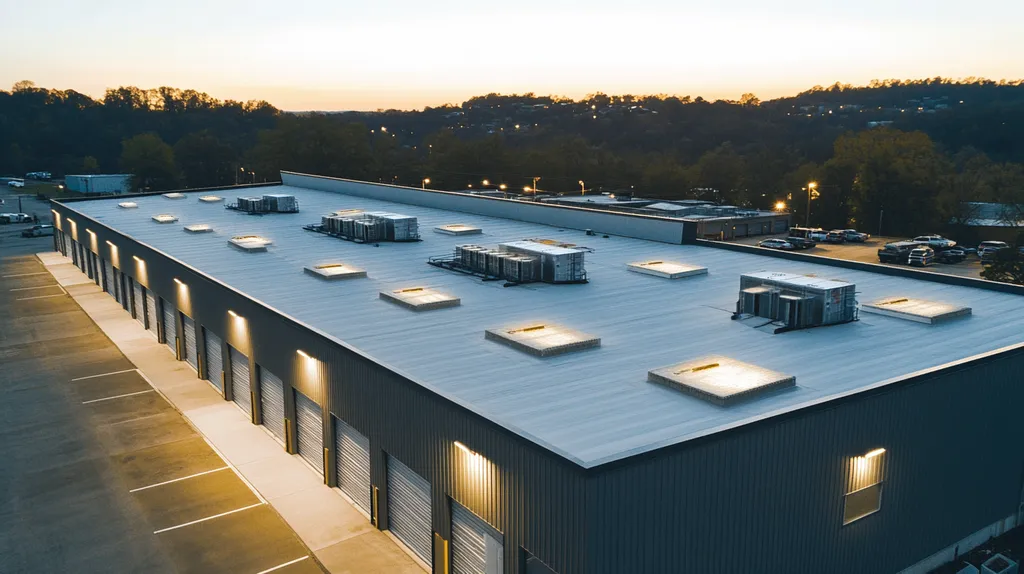
In today’s energy-conscious industrial environment, neglected reflective roofs can lead to a 20-30% increase in cooling costs and premature system failure. The U.S. Department of Energy reports that properly maintained reflective roofs can reduce peak cooling demand by up to 15%.
For facility managers, maintaining these specialized roofing systems requires a structured approach that balances performance, compliance, and cost-effectiveness.
This comprehensive guide provides actionable solutions across six critical areas: performance metrics, financial planning, regulatory compliance, risk management, operational procedures, and long-term maintenance strategies.
SECTION 1: PERFORMANCE FACTORS
Maintaining reflective industrial roofs is essential for efficiency and longevity. Neglecting maintenance can lead to higher energy costs, expensive repairs, and potential structural failures. The U.S. Department of Energy states that reflective roofs can lower energy bills by as much as 20%. By understanding the key performance factors, facility managers can protect their investments and ensure reliable roof performance.
Roof Surface Condition Assessment
The roof surface plays a crucial role in its reflective capabilities. Regular visual inspections are necessary to spot wear, damage, or discoloration, as these issues can significantly hinder light reflection.
Over time, cracks, blisters, and punctures can appear, allowing moisture to breach the membrane and threaten its effectiveness. Immediate action on these problems prevents further complications and prolongs the roof’s lifespan.
Reflective coatings may also deteriorate, diminishing their energy-saving potential. Consistent assessments will help determine when a new coating is necessary to restore reflectivity and increase efficiency.
Key Action Items
Drainage System Efficiency
An efficient drainage system is vital to the durability of reflective industrial roofs. Water pooling can accelerate wear, causing leaks and resulting in costly damage. Regular checks of gutters, downspouts, and drainage channels are essential to prevent these issues.
Debris buildup in these areas can obstruct water flow and heighten the risk of damage. Routine cleanings must be performed, especially during rainy seasons, to guarantee free-flowing drainage.
Moreover, evaluating the roof’s pitch and layout enhances drainage efficiency. Flat roofs, in particular, require specific solutions to effectively manage water runoff.
Key Action Items
Membrane Integrity Evaluation
Ensuring the integrity of the roofing membrane is crucial for protecting against leaks and external elements. Regular evaluations should focus on detecting wear, punctures, and weakened seams that can develop over time.
Non-destructive testing methods can provide a thorough evaluation of membrane condition without incurring damage. This proactive approach allows for early identification of issues, avoiding expensive repairs later.
Facility managers must also verify that installation practices meet industry standards, as improper methods can lead to premature membrane failure. Consistent training for staff and contractors in best practices is vital for durability.
Key Action Items
SECTION 2: FINANCIAL CONSIDERATIONS
Reflective industrial roofs are often neglected in budget discussions, but their maintenance can have a substantial effect on operational costs. Ignoring regular upkeep may result in costly repairs, decreased efficiency, and even early roof replacement. Studies show that a well-maintained reflective roof can lead to up to 20% savings on energy costs each year. This section delves into budgeting for maintenance, the cost-benefit of preventive strategies, and the implications related to warranties and insurance.
Budgeting for Maintenance and Repairs
A comprehensive budgeting process for roof maintenance starts with assessing the roof’s current condition. Facility managers should emphasize a maintenance strategy that incorporates regular inspections and prompt repairs.
The annual budget should account not only for direct maintenance expenses but also potential deterioration that can occur over time. Investing in routine maintenance helps avert unforeseen costs like major repairs or replacements that can disrupt daily operations.
Facilities that allocate 1-3% of the building’s total value for maintenance typically experience an improved lifespan and performance of their roofing systems. This financial planning ensures funds are ready for urgent issues, such as leaks, that may otherwise escalate into serious financial burdens.
Key Action Items
Cost-Benefit Analysis of Preventive Maintenance
A thorough cost-benefit analysis demonstrates that preventive maintenance can lead to substantial long-term savings. By adhering to a scheduled maintenance plan, facility managers can tackle minor problems before they turn into major headaches.
For instance, fixing a small roofing section might only cost a few hundred dollars, but delaying could lead to widespread damage that incurs expenses in the thousands. Such disparities highlight why preventive measures are essential to sound financial planning.
In addition to averting major repair expenses, preventive maintenance can extend the roof’s lifespan significantly. This prolongation reduces the frequency of costly replacements and enables more efficient budget allocation for capital resources.
Key Action Items
Warranty and Insurance Implications
Grasping warranty and insurance implications is crucial for facility managers as they plan roof maintenance. Many roofing warranties require documentation of regular maintenance to remain valid.
Neglecting these guidelines can void warranties, leaving facility managers liable for significant repair costs. This highlights the necessity of aligning maintenance budgets with warranty conditions.
Additionally, insurers often consider a facility’s maintenance history when determining coverage rates. Facilities that demonstrate proactive roof care may qualify for lower premiums, reflecting their reduced risk exposure.
Key Action Items
SECTION 3: COMPLIANCE REQUIREMENTS
Facility managers must navigate the complex landscape of compliance to maximize the performance and safety of reflective industrial roofs. Ignoring compliance standards can lead to severe penalties, safety hazards, and costly repairs. By understanding essential regulations, property owners can protect their investments and maintain a safe work environment. This section outlines critical compliance areas, including OSHA guidelines, local building codes, and manufacturer specifications.
Adherence to OSHA Guidelines
Occupational Safety and Health Administration (OSHA) guidelines establish essential safety standards for roofing work. Meeting these regulations not only safeguards workers but also ensures facilities operate within legal parameters. For instance, proper fall protection systems are required on roofs to prevent workplace injuries.
Regular training and education on OSHA standards can dramatically enhance safety and minimize incidents. Facility managers must actively provide resources and maintain a safe work environment for all roofing personnel. Proactive compliance reduces risks while boosting morale.
To maintain OSHA compliance, routine inspections and documentation of safety measures are necessary. Facility managers should schedule regular reviews of safety practices to keep them aligned with current regulations. This diligence keeps employees informed and dedicated to safety.
Key Action Items
Compliance with Local Building Codes
Local building codes significantly affect roofing maintenance practices and must be adhered to. These codes vary by jurisdiction and impact design, installation, and maintenance routines for reflective roofs. Non-compliance can incur fines and disrupt project timelines.
Facilities need to stay informed about local regulations to ensure their roofing systems meet standards for energy efficiency and structural integrity. For example, some locations may require specific reflective materials that contribute to energy conservation. Understanding these rules is essential for effective management.
Engaging with local building authorities helps gather insights into code updates and requirements. Facility managers can build relationships with inspectors to clarify compliance expectations. Complying with these codes not only avoids penalties, but it also benefits the longevity of the roofing system.
Key Action Items
Manufacturer Specifications and Recommendations
Manufacturer specifications for reflective roofs outline the essential requirements for materials, installation, and maintenance. Following these guidelines is vital for preserving guarantees and warranties. Non-compliance can void warranties, leaving facility managers responsible for costly repairs.
Regularly referring to manufacturer documentation is critical for ensuring effective long-term maintenance. Facility managers should familiarize themselves with specific requirements regarding maintenance frequency, cleaning procedures, and inspection protocols for their roofing products. This knowledge ensures optimal roof function.
Different manufacturers may present unique recommendations based on their products’ characteristics. Disregarding these guidelines may jeopardize the roofing system and overall energy efficiency. Consistent adherence to manufacturer specifications protects the investment in reflective roofing.
Key Action Items
SECTION 4: RISK MANAGEMENT
Risk management for reflective industrial roofs is essential to prevent costly water intrusion and structural damage. Inadequate maintenance and insufficient leak detection can lead to up to 30% of roof failures. Facility managers must prioritize leak identification, structural integrity assessment, and strategies to mitigate damage from severe weather to ensure the longevity and efficiency of their roofing systems.
Identifying Potential Leak Sources
Discovering leaks before they escalate is vital for the integrity of reflective industrial roofs. Common leak sources include equipment penetrations, insufficient flashing, and seam failures. Regular inspections are necessary to assess these areas and verify proper sealing.
Ponding water also poses a significant leak risk, particularly when drainage systems are blocked or inadequately designed. Maintaining clear gutters and downspouts is essential to prevent standing water that can degrade roofing materials. A consistent inspection schedule can help catch leaks early.
Utilizing infrared scanning technology can effectively unveil hidden leaks. This non-invasive method detects temperature variations, indicating moisture accumulation. By investing in this technology, facility managers can address potential issues proactively.
Key Action Items
Assessing Structural Integrity Risks
Regular evaluations of a roof’s structural integrity are essential to prevent catastrophic failures. Aging roofs may exhibit weaknesses, leading to sagging or material compromise. Facility managers should thoroughly inspect support structures like trusses and rafters to identify potential vulnerabilities.
Indicators of structural damage, such as cracking or unusual wear, require immediate assessment from a qualified roofing professional. Neglecting these signs can pose safety risks and lead to costly repairs. Routine inspections can help detect problems early and prolong the roof’s lifespan.
Furthermore, roof load capacity should be closely monitored, particularly when heavy installations like solar panels are added. Consultations with structural engineers can ensure that the roof can safely support additional weight without compromising integrity.
Key Action Items
Mitigating Weather-Related Damage
Weather-related damage presents a significant risk for reflective industrial roofs, especially in areas prone to severe storms, heavy snow, or hail. Facility managers need a clear strategy to prepare roofs for these conditions, including reinforcing seams and ensuring adequate drainage systems.
Installing protective measures, like specially designed roof coatings, enhances resistance against extreme weather. These reflective coatings also help minimize damage from UV rays and thermal expansion while providing energy savings.
Conducting scheduled maintenance before and after severe weather events can significantly reduce roof wear. Managers should promptly assess for damage and address issues after storms to prevent complications. Additionally, developing a response plan for extreme weather can streamline recovery efforts.
Key Action Items
SECTION 5: OPERATIONAL PROCEDURES
Proactive maintenance of reflective industrial roofs is crucial for ensuring their efficiency and lifespan. By focusing on essential operational procedures, facility managers can avert costly repairs and optimize energy savings. In fact, routine inspections and maintenance can extend roofing systems’ lifespan by up to 30%. This section outlines the key practices of scheduling inspections, managing debris, and maintaining roof accessories.
Scheduling Regular Inspections
Establishing a routine inspection schedule is vital for keeping reflective roofs in top condition. Aim for at least two inspections per year, ideally timed for spring and fall. This frequency allows for the timely identification of wear and issues before they become significant problems.
During these inspections, trained personnel should thoroughly check for signs of damage, discoloration, or loose seams. Early detection can prevent small issues from evolving into costly repairs. Additionally, maintaining detailed records of these inspections aids in tracking the roof’s overall condition over time.
Moreover, align inspections with seasonal weather changes. Scheduling them before heavy snow or storm seasons can help the roof handle additional stress. This proactive planning protects not only the roof but the entire facility.
Key Action Items
Clearing Debris and Vegetation
Regularly clearing debris from reflective roofs is key to preventing risks. Accumulation of leaves, branches, and other materials can trap moisture, leading to deterioration and potential algae growth. Cleaning the roof surface is vital for maintaining its reflective properties and minimizing environmental impact.
Vegetation can also cause damage by taking root and compromising the roofing membrane. The facility should have a routine debris removal plan in place, as well as inspections to check for any plant growth. A clean roof optimizes reflective performance, enhancing energy efficiency and prolonging its lifespan.
Creating a debris clearance strategy is essential. Assigning staff or hiring professionals ensures roofs remain clear year-round. This straightforward practice can significantly lower long-term maintenance costs.
Key Action Items
Inspecting and Maintaining Roof Accessories
Roof accessories such as vents, skylights, and drainage systems are vital for the effective functioning of reflective roofs. Routine inspections of these components are necessary to ensure they are in working order. If these accessories malfunction, they can compromise the entire roofing system.
Facility managers should set up a dedicated maintenance schedule for these accessories, which should include checks for clogs in drains and seals around vents. Ensuring these elements function properly allows for efficient water diversion, preventing leaks and accumulation.
Beyond inspections, taking preventive measures like resealing or replacing worn parts can greatly enhance roof performance. Addressing minor issues during regular maintenance can prevent costly repairs down the line.
Key Action Items
SECTION 5: OPERATIONAL PROCEDURES
Effective maintenance of reflective industrial roofs is critical to maximizing their longevity and efficiency. Regular attention to key operational procedures can prevent costly repairs and ensure optimal energy savings. Statistics reveal that routine inspections and maintenance can extend roofing systems’ lifespan by up to 30%. This section details essential practices like scheduling inspections, managing debris, and maintaining roof accessories.
Scheduling Regular Inspections
Establishing a regular inspection schedule is vital for maintaining reflective roofs. Inspections should occur at least twice a year, ideally in spring and fall. This allows for timely identification of wear and potential issues before they escalate into major problems.
During these inspections, trained personnel should look for signs of damage, discoloration, or loose seams. Early detection can prevent small issues from developing into significant repairs. It is also beneficial to maintain detailed records of these inspections, helping to track the roof’s overall condition over time.
Additionally, aligning inspections with seasonal weather changes is crucial. Conducting them before heavy snowfall or storm seasons helps prepare the roof for additional stress. This thoughtful planning protects not only the roof but the entire facility.
Key Action Items
Clearing Debris and Vegetation
Debris accumulation on reflective roofs can pose significant risks. Leaves, branches, and other materials trap moisture, leading to deterioration and potential algae growth. Regular cleaning is essential to maintain the roof’s reflective properties and minimize environmental impact.
Vegetation can further damage the roofing membrane by taking root. Facilities should implement a routine debris removal plan and regularly inspect for any plant growth. A clean roof surface enhances reflective performance, improving energy efficiency and prolonging the roof’s lifespan.
Establishing a debris clearance strategy is critical. Facility managers can assign staff or hire professionals to ensure roofs remain clear year-round. This straightforward practice can significantly lower long-term maintenance costs and prevent drainage issues that could lead to more severe problems.
Key Action Items
Inspecting and Maintaining Roof Accessories
Roof accessories, including vents, skylights, and drainage systems, play a crucial role in the functionality of reflective roofs. These components must be routinely inspected to ensure proper operation. Malfunctioning accessories can compromise the entire roofing system.
Facility managers should create a specific maintenance schedule for these accessories. This should include checking for clogs in drains or downspouts and inspecting seals around vents. Proper functioning of these elements ensures efficient water diversion, preventing leaks and accumulation.
In addition to inspections, preventive measures such as resealing or replacing worn parts are essential. Addressing minor issues during routine checks saves considerable costs compared to delaying repairs until the problems become severe.
Key Action Items
The Bottom Line
With energy costs rising 5-7% annually, maintaining reflective industrial roofs has never been more critical for facility operations and budgets.
Research shows that properly maintained reflective roofs can reduce cooling costs by up to 30% while extending service life by 10-15 years.
Success requires a systematic approach integrating performance monitoring, financial planning, regulatory compliance, and risk management strategies.
Facility managers who implement comprehensive maintenance programs – including bi-annual inspections, prompt repairs, and proper documentation – protect their investments while ensuring optimal energy efficiency.
The future of industrial roofing lies in proactive maintenance that balances immediate costs against long-term savings and sustainability goals.
FREQUENTLY ASKED QUESTIONS
Q. What performance factors affect my commercial roof?
A. Key performance factors include roof surface condition, drainage system efficiency, and membrane integrity. Regular inspections can help identify wear and damages early. Consistent maintenance also focuses on reflective coatings, which enhance energy efficiency.
Q. How should I budget for maintaining an industrial roof?
A. Begin by assessing your roof’s current condition and establish a maintenance strategy. Allocate 1-3% of your building’s total value annually for maintenance costs. This proactive approach can prevent unforeseen problems and extend the roof’s lifespan while ensuring efficient operations.
Q. What are the compliance requirements for my industrial roof?
A. Compliance requirements include adherence to OSHA guidelines, local building codes, and manufacturer specifications. Regular training and inspections are necessary to ensure safety and legal adherence. Engaging with local authorities helps stay updated on any regulatory changes.
Q. How can I identify potential leak sources on my commercial roof?
A. Regular inspections can reveal common leak sources like equipment penetrations, flashing inadequacies, and seam failures. Check for ponding water and blocked drains, as these can lead to significant leaks. Utilizing infrared scanning technology helps detect hidden leaks and moisture accumulation.
Q. What operational procedures should I follow for my reflective roof?
A. Establish a routine inspection schedule, clear debris, and maintain roof accessories like vents and drains. Schedule inspections bi-annually, align them with seasonal weather, and ensure regular debris removal. Comprehensive maintenance of roof accessories prevents issues that could compromise the entire roofing system.
Q. How do weather conditions impact the maintenance of industrial roofs?
A. Weather can significantly affect reflective roofing systems, causing wear and potential leaks. Preparing roofs for severe conditions involves reinforcing seams, ensuring drainage effectiveness, and applying protective coatings. Routine assessments before and after storms help mitigate damage and ensure roof integrity.
Q. What additional steps can I take to extend my commercial roof’s lifespan?
A. Implement a proactive maintenance schedule, establish routine inspections, and engage in debris management. Consider investing in energy-efficient materials and coatings that enhance the roof’s durability. Training staff on maintenance best practices also ensures ongoing adherence to care protocols.






