
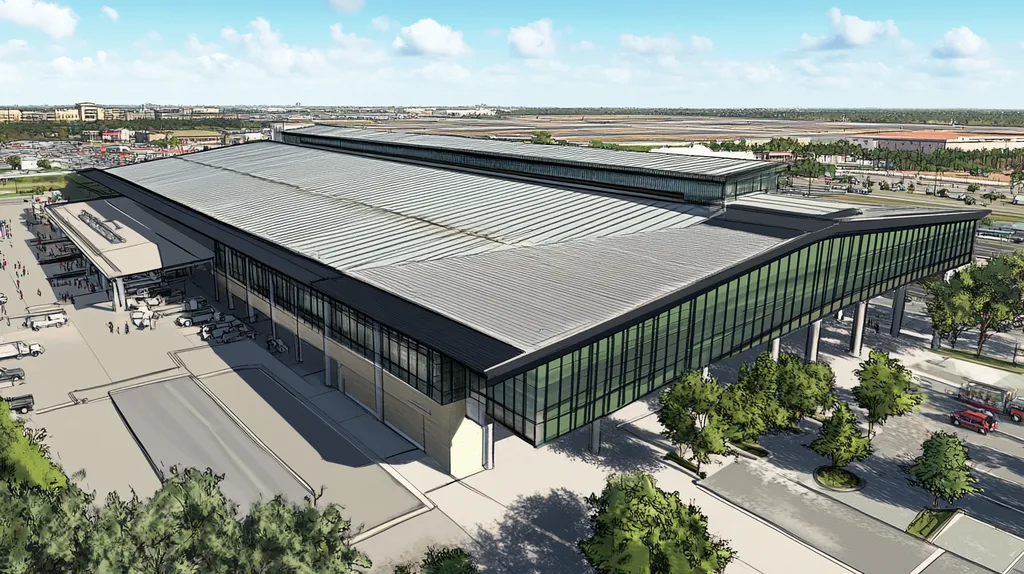
Historic commercial roofs face a critical maintenance crisis, with over 60% experiencing preventable damage due to inadequate inspection schedules. Industry studies show that neglected historic roofs typically require repairs costing three times more than those under regular inspection programs.
For facility managers and property owners, establishing the right inspection frequency can mean the difference between preservation and costly replacement of irreplaceable architectural features.
This comprehensive guide examines performance factors, financial implications, compliance requirements, risk management strategies, and operational procedures essential for protecting these valuable assets.
SECTION 1: PERFORMANCE FACTORS
Historic commercial roofs require vigilant care due to their susceptibility to hidden damage. Regular inspections are essential to avoid costly repairs that can arise from neglect. By understanding the performance factors that affect these roofs, facility managers can make better decisions regarding maintenance and longevity. This section covers the critical areas of roof condition assessment, structural soundness evaluation, and energy efficiency impact, highlighting the importance of timely inspections.
Roof Condition Assessment
Regular roof condition assessments are crucial for protecting the integrity of historic roofs. These evaluations can uncover issues like wear and leaks that aren’t visible from the ground. For example, a small crack may seem harmless but can evolve into significant water damage if left unattended.
Experts suggest conducting visual inspections at least twice a year and performing detailed assessments following extreme weather. Keeping a record of the roof’s condition allows managers to observe changes and plan repairs accordingly, ultimately saving money in the long term.
Additionally, infrared thermal imaging can identify hidden moisture beneath the roof surface, offering insights that traditional inspection techniques might overlook. This advanced technology supports informed maintenance strategies.
Key Action Items
Structural Soundness Evaluation
The structural integrity of a historic roof is vital to its effective performance. Natural aging, combined with inadequate maintenance, can jeopardize safety. Facility managers should regularly assess load-bearing components and roofing materials to keep the roof secure.
Sagging roofs, for instance, may signal significant problems such as weakened beams or excessive debris accumulation. Early evaluation of these issues can prevent severe failures from occurring.
Consulting a structural engineer for thorough assessments of load-bearing areas adds value. Their specialized knowledge can pinpoint risks that might escape the notice of standard inspections.
Key Action Items
Energy Efficiency Impact
Energy efficiency is a vital consideration for all commercial properties, especially those with historic roofs. Poor insulation and air leaks can significantly increase energy costs due to wasted heating and cooling. Evaluating a roof’s energy efficiency should be an integral part of routine inspections.
For instance, a staggering 30% of heating and cooling energy may be lost through inadequately insulated roofs. Identifying these thermal weaknesses enables facility managers to implement effective improvements, such as adding reflective coatings or enhancing insulation.
Moreover, energy-efficient roofs align with sustainability goals, lowering a building’s carbon footprint. This commitment to energy efficiency not only cuts costs but also appeals to environmentally conscious stakeholders.
Key Action Items
SECTION 2: FINANCIAL CONSIDERATIONS
Regular inspections of historic commercial roofs are not merely an optional expense; they are an essential safeguard against potentially crippling financial consequences. The National Roofing Contractors Association (NRCA) states that neglecting routine maintenance can lead to roof failures costing property owners up to three times more than proactive upkeep. Facility managers must carefully balance the costs of inspections against the much higher price tag of emergency repairs, making a strong case for implementing a routine inspection regime. Early intervention not only preserves the value of the asset but also allows for more predictable budget planning.
Cost of Neglect vs. Maintenance
Neglecting maintenance on historic roofs can have staggering financial consequences. Water damage can escalate into severe structural issues, facilitate mold growth, and cause costly equipment failures. For instance, just one leak in a historic roof can lead to repair bills that surpass thousands of dollars, while regular inspections typically cost only a fraction of that amount.
In contrast, following a proactive maintenance schedule allows facility managers to budget effectively and allocate resources wisely. Frequent, smaller expenditures for inspections help identify potential problems early, greatly reducing the risk of expensive repairs or complete roof replacements.
Moreover, the unique architectural features of historic roofs often demand specialized repair techniques. Understanding these specific needs can result in significant long-term savings, reinforcing the idea that prevention is a far more economical choice than reacting to crises.
Key Action Items
Budgeting for Inspections and Repairs
Strategic budgeting for roof inspections and repairs is essential for effective facility management. Facility managers should consider creating a dedicated fund for roofing needs within the operational budget. This forward-thinking approach allows for timely responses to emerging issues without disrupting overall financial health.
Establishing a routine of inspections—particularly before and after severe weather—should be prioritized. Incorporating these costs into the annual budget enables facility managers to avoid the shock of unexpected repair expenses arising from neglected maintenance.
Additionally, collaborating with roofing contractors who provide comprehensive management plans can enhance budgeting accuracy. Many contractors offer bundled services that include scheduled inspections and minor repairs, all at a predictable rate, simplifying financial forecasting.
Key Action Items
ROI on Preventative Maintenance
The return on investment (ROI) from preventative maintenance for historic roofs is extraordinary. Research indicates that every dollar spent on maintenance can save property owners as much as $4 in avoided future repair costs. This compelling statistic underscores the importance of viewing roof inspections as a strategic investment rather than just an expense.
Adopting a consistent inspection schedule can significantly extend a roof’s lifespan, saving property owners from costly premature replacements that can easily exceed hundreds of thousands of dollars. Additionally, reducing weather-related damage can improve overall building efficiency while protecting valuable interior assets.
Finally, the maintenance of historic roofs contributes to improved energy efficiency, which translates into lower utility bills. Well-maintained roofs enhance insulation and airflow, creating direct financial benefits for property owners. In a competitive real estate landscape, a well-kept historic roof can also boost property value, further solidifying the rationale for ongoing investment in inspections and preventative maintenance.
Key Action Items
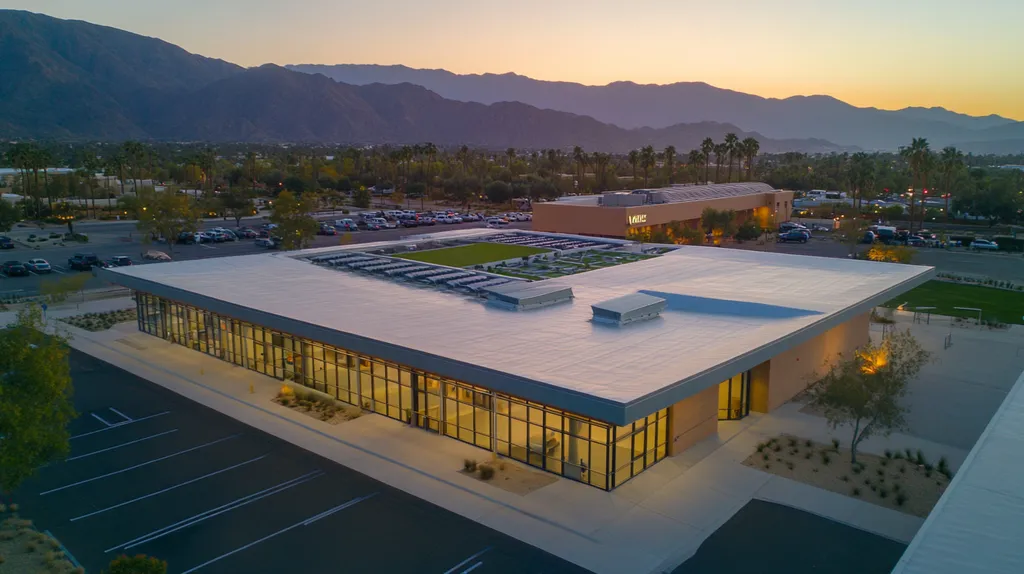
SECTION 3: COMPLIANCE REQUIREMENTS
Ensuring compliance with regulations for historic commercial roofs is crucial for both preservation and safety. Facility managers must navigate local codes and industry standards to avoid costly penalties and protect structural integrity. Understanding and implementing these requirements is key to maintaining a reliable and safe roofing system.
Local Building Codes and Regulations
Local building codes govern how historic roofs should be maintained and altered. These codes are essential for ensuring that construction practices prioritize safety and quality, particularly for uniquely designed historic structures.
Certain modifications may necessitate permits or compliance with historical preservation guidelines. Failing to meet these requirements can result in penalties or demands to undo changes, highlighting that compliance is about preserving both the building and community heritage.
Staying in touch with local permitting offices is critical, as building codes can evolve over time—especially in response to climate challenges. Being proactive in understanding these regulations allows facility managers to avoid compliance headaches down the line.
Key Action Items
Industry Standards for Roof Maintenance
Incorporating industry standards into roof maintenance practices is essential for facility managers. Organizations like the National Roofing Contractors Association (NRCA) provide best practices that not only comply with legal requirements but also enhance the performance of historic roofs.
For example, the NRCA recommends conducting inspections every six months, with additional checks following significant weather events. Adhering to these standards helps identify issues before they escalate, ensuring roofs remain efficient and functional.
Training facility staff on industry standards fosters a proactive maintenance culture. A knowledgeable team can effectively conduct inspections and address potential problems early, thereby boosting overall accountability and compliance.
Key Action Items
Documentation and Reporting Needs
Effective documentation is vital for compliance with regulations. Keeping detailed records of inspections, maintenance, and repairs helps demonstrate adherence to local building codes and standards, which can be critical during audits or inspections.
Facility managers should implement a systematic documentation plan to track inspection dates, findings, and corrective actions taken. Organized records not only satisfy regulatory requirements but also allow for a clearer understanding of the roof’s condition over time.
Promptly reporting any changes or damages to relevant authorities helps mitigate compliance issues. For historic roofs, documenting modifications is especially crucial, as any changes may require approval to adhere to preservation standards.
Key Action Items
SECTION 4: RISK MANAGEMENT
Managing risks effectively is vital to the preservation of historic commercial roofs. Without consistent inspection and maintenance, these roofs can incur serious structural damage. For instance, a simple leak can compromise the building’s integrity, leading to extensive repairs and increased liability costs. Facility managers must prioritize identifying potential hazards to protect their properties and occupants.
Identifying Potential Hazards
Proactively identifying potential hazards on historic roofs is essential for safety. Common issues include cracked tiles, loose flashing, and accumulated debris. If left unchecked, these problems can escalate, leading to severe damage and costly repairs.
For example, cracked tiles may allow water entry, promoting mold growth inside the building. Loose flashing can let water seep into the underlying structure, exacerbating the damage. Conducting regular visual inspections helps spot these issues early and prevents larger, expensive problems from developing.
Assessing the roof’s age and materials is equally critical, as certain materials may deteriorate more quickly than others. Understanding the specific vulnerabilities of historic roofing components enables facility managers to tailor their inspection frequency to effectively mitigate risks.
Key Action Items
Mitigating Water Damage and Leaks
Water damage poses one of the greatest threats to historic commercial roofs. Problems can arise from poor drainage, cracks, and other vulnerabilities that facilitate leaks. Facility managers must actively mitigate this risk by ensuring effective water flow off the roof.
Regularly clearing gutters and downspouts is essential to prevent water buildup, which can lead to leaks and subsequent interior damage. Moreover, implementing a detailed maintenance plan that identifies leak-prone areas can direct attention to risks before they escalate.
Conducting inspections immediately after severe weather events is also crucial for catching new problems early. Addressing water damage proactively helps preserve the roof’s integrity and maintains the building’s historical value.
Key Action Items
Ensuring Employee and Customer Safety
Safety should always be a top priority for facility managers. A compromised roof can pose severe risks, such as falling debris and unsafe conditions that endanger employees and customers alike. Regular inspections are crucial to uncover risks before they lead to accidents or injuries.
For instance, if the roof’s structural integrity is at risk, it may lead to collapse or necessitate evacuation. Conducting frequent checks allows managers to detect warning signs early and facilitate timely repairs or enhancements.
Furthermore, establishing safety protocols for roof access is critical. Only trained professionals should conduct inspections or repairs, minimizing the risk of accidents. Managerial oversight ensures that all safety measures are followed, fostering a safe environment for everyone.
Key Action Items
SECTION 5: OPERATIONAL PROCEDURES
Ensuring the integrity of historic commercial roofs is critical for safeguarding property value and safety. Neglecting regular inspections can lead to severe structural problems, resulting in costly repairs and damage. Properties with well-maintained roofs tend to appreciate in value, sometimes by as much as 10-15%. Therefore, implementing proper operational procedures for inspections and maintenance is essential for facility managers and property owners.
Scheduling Bi-Annual Inspections
Bi-annual inspections are vital for maintaining any historic roof. Scheduling these assessments during the spring and fall helps catch potential issues early, before they are worsened by extreme weather. Regular check-ups allow property managers to identify signs of wear, including issues with flashing, membrane integrity, and structural supports.
Moreover, having a structured inspection schedule fosters accountability among the facility management team. This proactive strategy is often much more cost-effective than waiting until a problem arises. For example, failing to conduct regular checks could lead to a roofing failure, which may require a full replacement—an expense far greater than routine repairs.
Incorporating seasonal assessments also tracks the roof’s performance and condition over time. Documenting these inspection outcomes is beneficial not only for maintenance but also for insurance purposes or when pursuing funding for historical preservation projects. Such comprehensive reporting aids in maintaining both the property value and its cultural significance.
Key Action Items
Conducting Visual and Core Sample Inspections
Visual and core sample inspections are essential for accurately assessing the condition of a historic roof. Visual inspections should cover visible elements like shingles, flashing, and parapets for signs of wear or damage. This quick evaluation enables property managers to address noticeable issues without delay.
Core sampling takes the assessment a step further by examining the roof’s layers and materials. Technicians can evaluate insulation integrity and detect moisture problems by extracting small samples from the roof. This comprehensive method informs maintenance strategies and helps make well-informed decisions about restoration or replacement.
Combining both inspection types provides a thorough overview, enhancing risk management for the property. Understanding the roof’s specific makeup and condition is critical for effective decision-making, especially for historic roofs that may require customized solutions. Documenting the findings from these inspections builds a valuable maintenance record that supports ongoing preservation efforts.
Key Action Items
Maintaining Gutter and Drainage Systems
Gutter and drainage systems, often overlooked, are critical for the longevity of historic roofs. When gutters become blocked, water can pool, compromising the roof’s structure and integrity. Regular maintenance of these systems is necessary to prevent problems stemming from debris accumulation or deterioration.
Facility managers should establish a routine for cleaning gutters at least twice yearly, ideally prior to rainy seasons. This practice helps eliminate leaves, dirt, and other debris that can hinder water flow. Neglected drainage systems can lead to significant issues, including leaks and foundational damage.
Property owners must also consider the unique drainage needs of historic roofs to maintain their original design while ensuring effective water management. Seeking advice from roofing specialists experienced with historic preservation can lead to successful strategies for maintaining drainage systems. Regularly assessing these systems is crucial, as it allows early identification of sagging or damage in gutters and downspouts that need attention.
Key Action Items
SECTION 5: OPERATIONAL PROCEDURES
The integrity of historic commercial roofs is paramount for protecting both property value and safety. When regular inspections are delayed or ignored, severe structural issues can arise, resulting in costly repairs. Research shows that properties with well-maintained roofs can appreciate by as much as 10-15%. Therefore, implementing effective operational procedures for inspections and maintenance is essential for facility managers and property owners.
Scheduling Bi-Annual Inspections
Bi-annual inspections are vital for any historic roof. By scheduling these assessments in spring and fall, property managers can spot potential issues before they worsen due to harsh weather. Regular check-ups enable the early identification of wear and tear, including problems with flashing, membrane integrity, and structural supports.
Additionally, having a structured inspection schedule enhances accountability within the facility management team. This proactive approach tends to be more cost-effective than waiting for issues to arise. For example, skipping regular checks could lead to roofing failures that necessitate complete replacement, which is far more expensive than routine repairs.
Incorporating seasonal assessments allows property owners to track the roof’s performance and condition over time. Documenting inspection outcomes can be invaluable for insurance purposes or when pursuing funding for historic preservation projects. This thorough reporting not only maintains historical significance but also reinforces sustainability goals.
Key Action Items
Conducting Visual and Core Sample Inspections
Visual and core sample inspections are critical for assessing the condition of a historic roof. Visual inspections should cover visible elements such as shingles, flashing, and parapets for signs of wear or damage. This method allows for prompt evaluations, enabling property managers to swiftly address noticeable issues.
Core sampling deepens the assessment by examining the roof’s layers and materials. Technicians can evaluate insulation integrity and detect moisture issues by extracting small samples. These findings inform future maintenance strategies and help make data-driven decisions regarding restoration or replacement.
Combining visual and core inspections provides a comprehensive overview, which enhances risk management for the property. Understanding the roof’s specific makeup and condition is crucial for effective decision-making, especially for historic roofs that may require tailored solutions to maintain both safety and architectural value.
Key Action Items
Maintaining Gutter and Drainage Systems
Gutter and drainage systems, while often neglected, are critical for the longevity of historic roofs. Blocked gutters can lead to water pooling, compromising the roof’s structure and integrity. Regular maintenance of these systems is essential to avert problems arising from debris accumulation or deterioration.
Facility managers should establish a routine to clean gutters at least twice a year, ideally before rainy seasons. This helps eliminate leaves, dirt, and other debris that can hinder water flow. Neglected drainage systems can lead to significant issues, including leaks and foundation damage.
Moreover, property owners need to consider the unique characteristics of historic roofs concerning drainage requirements. Some roofs may need special attention to maintain their original design and ensure effective water management. Consulting with roofing specialists experienced in historic preservation can yield successful strategies for maintaining drainage systems.
Key Action Items
Moving Forward
Historic commercial roofs represent an estimated $47 billion in preservation value across the United States, yet industry data shows over 60% lack adequate inspection schedules.
The consequences of neglecting these architectural treasures extend far beyond immediate repair costs, impacting energy efficiency, structural integrity, and property values for entire communities.
By implementing bi-annual inspections, maintaining detailed documentation, and following industry-standard protocols, facility managers can extend roof lifespans by 25-40% while protecting irreplaceable historic features.
The future of these vital assets depends on establishing consistent inspection frequencies that balance preservation needs with modern performance demands.
Each year of delayed maintenance increases eventual restoration costs by an average of 30%, making immediate action essential for sustainable historic roof preservation.
FREQUENTLY ASKED QUESTIONS
Q. How often should commercial roofs be inspected?
A. It is recommended to conduct inspections at least twice a year and after significant weather events. Bi-annual checks allow facility managers to identify potential issues early, significantly reducing repair costs over time.
Q. What are the financial benefits of regular inspections for industrial roofs?
A. Regular inspections help prevent costly repairs and protect asset value. They enable facility managers to budget for maintenance effectively, reducing the financial burden of emergency repairs due to neglect.
Q. How do local building codes affect historic commercial roofs?
A. Local building codes dictate the maintenance and modifications for historic roofs. Compliance is necessary to avoid penalties and ensure that renovations honor historical preservation guidelines, safeguarding community heritage.
Q. What potential hazards can occur on historic industrial roofs?
A. Common hazards include cracked tiles, loose flashing, and collected debris that can lead to leaks and structural damage. Identifying these issues early is crucial for maintaining safety and preventing costly repairs.
Q. Why are bi-annual inspections important for historic roofs?
A. Bi-annual inspections help to catch potential issues before they worsen, such as wear on flashing and structural supports. This proactive approach saves money and ensures the roof remains functional and safe.
Q. How can facility managers ensure effective documentation of inspections?
A. Implement a systematic plan for documenting inspection dates, findings, and corrective actions. Organized records demonstrate compliance and provide valuable insights into the roof’s condition over time.
Q. What practices enhance the longevity of historic commercial roofs?
A. Regular inspections, timely repairs, and maintaining effective drainage systems are vital. Additionally, adopting energy-efficient solutions can enhance overall performance while safeguarding historical integrity.






