

Temperature fluctuations pose a devastating threat to commercial roofs, with studies showing that up to 80% experience premature failure due to thermal stress. Daily temperature swings exceeding 100°F put immense strain on roofing materials, leading to warping, cracking, and structural compromise.
While the industry promotes standardized solutions for managing temperature impacts, mounting evidence suggests these approaches are dangerously inadequate. Current maintenance schedules and material choices often fail to address the complex interplay between thermal cycling, UV exposure, and seasonal transitions.
This analysis examines why established temperature mitigation strategies fall short and presents data-driven alternatives that can dramatically extend roof lifespans.
SECTION 1: CURRENT PRACTICES
The longevity of commercial roofs is increasingly jeopardized by temperature fluctuations that can dramatically affect both performance and safety. Studies reveal that roofs can endure temperature swings exceeding 100°F within just one day. This strain on materials often leads to early deterioration. For property owners and facility managers, understanding and improving current roofing maintenance practices is essential for safeguarding their investments.
Standard Maintenance Schedules
Maintenance schedules in the industry typically emphasize visual inspections and seasonal cleanings. Unfortunately, these routines often overlook the wear and tear caused by temperature variations throughout the year. For instance, roofs may need closer attention during extreme heat or cold, but many maintenance plans do not adjust to reflect these critical conditions.
This oversight can mask damage such as thermal splitting and membrane shrinkage that could have been identified and remedied during regular inspections. Moreover, if maintenance inspections are poorly timed and miss the peak temperature fluctuations, roofs remain vulnerable to undue stress.
Many property owners and facility managers adhere strictly to a calendar-based approach to maintenance, often ignoring the unique environmental challenges their roofs confront. While this may simplify scheduling, it detracts from an accurate understanding of a roof’s true condition over time.
To enhance the lifespan of commercial roofs, a more proactive maintenance strategy tailored to account for temperature variations is essential. Such an approach can significantly reduce repair and replacement costs while boosting the roof’s durability.
Common Temperature Fluctuation Mitigation
In an effort to combat temperature fluctuations, multiple roofing strategies utilize materials engineered for insulation and durability. However, these materials are often chosen without a complete understanding of how they respond to rapid temperature changes. While some solutions may yield immediate benefits, they may not adequately address long-term challenges.
For instance, reflective roofing surfaces are frequently recommended to lower heat absorption. Yet if these materials are poorly installed or of inferior quality, their advantages can diminish under extreme conditions. This disconnect between intention and execution can inflict unnecessary stress on roofing systems.
Furthermore, the use of thermal shock-absorbing materials lacks consistency in practice. Property owners often underestimate the importance of implementing comprehensive systems that can effectively manage thermal expansion and contraction. Bridging this gap is crucial for developing resilient roofing solutions.
By placing a stronger emphasis on temperature fluctuations during material selection, property owners can create roofing systems that not only perform better but also last longer. It is vital to connect current practices with effective mitigation strategies for the preservation of commercial roofs.
Industry-Recommended Materials
A variety of materials are promoted within the roofing industry to mitigate the impacts of temperature fluctuations. These include modified bitumen, thermoplastic polyolefin (TPO), and ethylene propylene diene monomer (EPDM) roofing systems. However, many recommendations are based on general performance metrics rather than a material’s specific resilience to temperature changes in real-world scenarios.
For example, while EPDM is well-regarded for its thermal stability, it can still become brittle with significant temperature cycling. On the other hand, TPO is valued for its reflective qualities, but poorly installed heat-welded seams may jeopardize its performance. Each roofing material comes with its strengths and weaknesses that must be assessed relative to the local climate.
Additionally, industry guidelines often fail to stress the need for regular testing of materials as temperature fluctuations occur. This lack of focus can lead to the continued use of flawed materials that are ill-suited for harsh conditions, undermining their intended benefits.
A more detailed approach to material selection, grounded in thorough temperature analysis, can greatly enhance long-term performance. Empowering property owners and facility managers with this essential knowledge is key to optimizing their roofing choices.
SECTION 2: SYSTEMIC ISSUES
The durability of commercial roofs faces grave threats from systemic issues that often go unnoticed. As temperature fluctuations become more extreme, ineffective practices can hasten roof deterioration. Alarmingly, studies show that nearly 60% of commercial roofs fail prematurely due to insufficient insulation and neglect of UV radiation effects. To ensure roofs last longer and to safeguard investments, property owners must recognize and address these systemic challenges.
Inadequate Insulation Practices
Insulation is a linchpin in a roof’s ability to handle temperature changes. When insulation levels fall short, heat escapes during colder months, fostering condensation that can damage the roof. This thermal bridge not only compromises air quality but also accelerates the roof’s aging process.
Buildings with poor insulation face more extreme temperature variations. As the roof expands and contracts more frequently, roofing materials wear down quickly. A well-insulated building can save up to 30% in energy costs, while extending the roof’s functionality.
Despite guidelines recommending minimum insulation levels, many roofing projects fail to meet these standards. This oversight can lead to increased heating and cooling expenses, along with hastened material degradation. Prioritizing adequate insulation is vital for a truly resilient roof.
Overlooking insulation standards entails mounting expenses in the long run. Inadequate insulation impacts not only the roof but also the overall energy efficiency and cost-effectiveness of the entire building.
Neglect of UV Radiation Impact
UV radiation plays a significant role in roof deterioration, though many property owners underestimate its impact. Roof materials not designed to withstand UV rays can fade, crack, and lose structural integrity over time. Fluctuating temperatures exacerbate this effect, accelerating material wear.
An alarming example: modified bitumen roofs lacking UV-resistant coatings can lose up to 50% of their lifespan due to UV damage. Although cheaper materials may seem appealing initially, the long-term repair and maintenance costs can far exceed the initial savings.
Incorporating UV-resistant materials into roofing systems is a proactive measure that can save property owners substantial money over time. This approach prevents early failures and significantly extends the roof’s functional life.
In today’s market, making informed decisions on UV protection isn’t just advantageous; it’s essential. The difference between a roof that stands the test of time and one that fails prematurely hinges on this critical consideration.
Overlooking Wind and Debris Damage
Wind and debris present serious threats to commercial roofs, yet many property owners fail to account for their impact when evaluating roof durability. High winds can uproot and tear roofing materials, creating significant vulnerabilities. Additionally, debris can puncture membranes, leading to leaks and structural issues.
Ignoring these risks can lead to dire consequences. For example, a flat roof exposed to frequent storms and debris accumulation is likely to suffer premature failure. Regular inspections and maintenance can help mitigate these dangers, yet too many buildings operate without this crucial oversight.
To combat these risks, it’s essential to implement robust edge systems and engage in regular debris removal. Investing in wind-resistant materials ensures roofs can endure harsh weather conditions without succumbing to damage.
Shifting focus towards proactive measures and comprehensive assessments of these overlooked threats can dramatically enhance the lifespan of a commercial roof. Protecting roofs from such systemic challenges is not just wise—it’s imperative for longevity and performance.
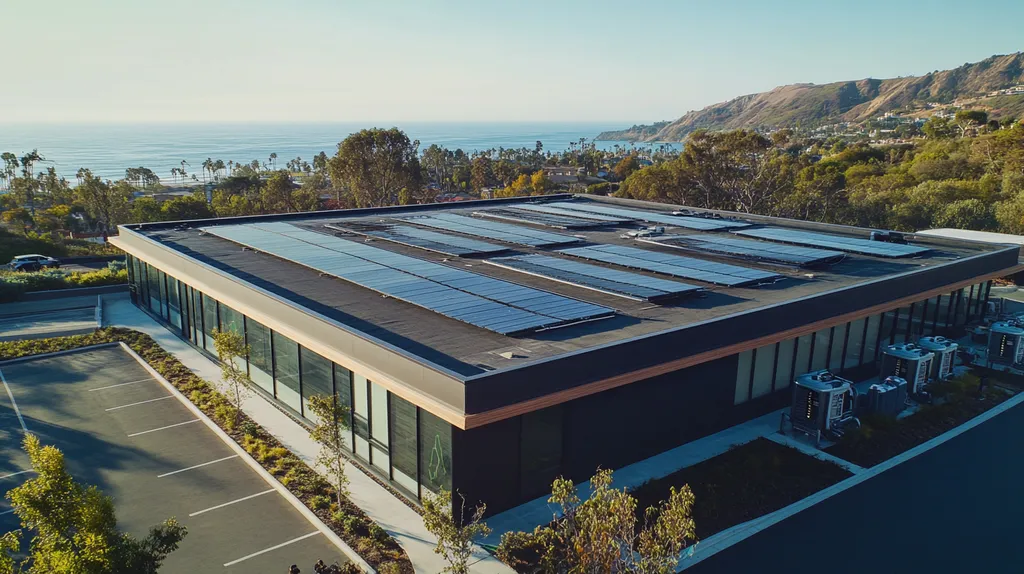
SECTION 3: MISSED OPPORTUNITIES
The impact of fluctuating temperatures on commercial roofs is an urgent concern, leading to early wear and costly repairs. Yet, many property owners fail to leverage effective strategies that can mitigate these temperature-related issues. Essential practices like applying reflective coatings, conducting regular inspections, and anticipating seasonal transitions are crucial for extending the lifespan of roofs. Neglecting these practices not only shortens roof longevity but can result in hefty financial consequences.
Underutilization of Reflective Coatings
Reflective coatings serve as a powerful shield against temperature fluctuations, significantly enhancing roof longevity. By reflecting solar radiation, these coatings help to maintain a consistent roof temperature, reducing the harmful effects of thermal cycling. Unfortunately, many property owners overlook this option, opting for traditional roofing materials that absorb heat instead.
This choice can lead to severe repercussions. Overheated roofs are prone to material fatigue, resulting in cracks and leaks. Moreover, increased utilization of HVAC systems to combat excess heat can lead to soaring energy bills.
Conversely, investing in reflective coatings can decrease cooling costs by up to 30%. This initial expenditure pays off over time, not only through energy savings but also by minimizing maintenance and repair expenses.
Adopting reflective coatings should be standard practice for roofing projects today. As temperatures continue to fluctuate more widely, these coatings are not just optional; they are a vital necessity for protecting commercial roof investments.
Lack of Regular Inspections
A significant opportunity being overlooked is the lack of regular roof inspections. Frequent evaluations can identify issues early, stopping minor problems from turning into major repairs. For example, small cracks or blistering can lead to leaks that compromise the entire roofing system if left unchecked.
Current industry guidelines advocate for inspecting commercial roofs at least twice a year, ideally aligned with seasonal changes. Skipping these assessments increases the chances of hidden damage, which can substantially reduce the roof’s lifespan.
Regular inspections facilitate timely maintenance, ensuring roofs remain in prime condition to withstand temperature variations. This proactive strategy boosts roof reliability and overall performance.
By prioritizing inspections, property owners not only mitigate immediate risks but also enhance the long-term health of their roofing systems. A modest investment in routine assessments can result in significant durability and cost-saving returns.
Ignoring Seasonal Transition Risks
Seasonal transitions bring specific risks to commercial roofs that often go unheeded. Sharp temperature shifts between seasons can place undue stress on roofing materials, leading to cracks and punctures. Ignoring these potential hazards can result in catastrophic roof failures.
For instance, in colder climates, the accumulation of snow and ice can accelerate wear if not managed properly. Similarly, the scorching summer heat can worsen existing vulnerabilities, resulting in thermal expansion issues.
To effectively counter these risks, facility managers should establish a seasonal maintenance checklist to address the unique challenges posed by each season. Implementing preventative measures during these transitions can lead to considerable cost savings for property owners.
By acknowledging and preparing for seasonal threats, property owners can protect their investments while extending the life of their roofs significantly. Ignoring these changes not only jeopardizes the roof’s integrity but also threatens the building as a whole.
SECTION 4: ROOT CAUSES
Understanding the root causes of roof degradation due to temperature fluctuations is crucial for extending the lifespan of commercial roofs. A staggering number of roofs fail prematurely, often influenced by thermal expansion and the harsh freeze-thaw cycle. These challenges can lead to costly repairs and undermine a building’s structural integrity, putting property owners at significant risk.
Thermal Expansion and Contraction
Thermal expansion and contraction occur when roofing materials react to temperature changes, expanding in the heat and contracting in the cold. This constant movement can lead to material fatigue, greatly reducing the roof’s overall durability. For example, a thermoplastic roofing membrane may stretch and then repeatedly shrink, weakening seams over time.
As roofing materials change shape, they can create gaps and cracks, allowing water infiltration that leads to more extensive damage. It’s critical to realize that different roofing materials respond differently to temperature changes.
Some materials, like metal, may expand significantly, increasing the risk of buckling or warping. Therefore, understanding how specific materials behave with temperature fluctuations is vital for selecting solutions that can withstand the local climate’s extremes.
Incorporating design strategies that consider thermal dynamics can significantly enhance roof longevity. This includes using more flexible materials or adding expansion joints that can absorb movement, effectively mitigating the risks related to temperature changes.
Freeze-Thaw Cycle Effects
The freeze-thaw cycle presents a serious risk to commercial roofing systems, especially in areas with drastic seasonal shifts. Water that seeps into roofing materials can freeze overnight, expanding and causing cracks as temperatures plummet. When the ice melts, the roof contracts, further degrading structural integrity.
These repeated cycles can inflict significant damage, particularly on asphalt and built-up roofs, which are susceptible to moisture. Over time, the effects of freeze-thaw cycles weaken roofing materials, leading to leaks and potential interior damage.
Regions that experience frequent freeze-thaw cycles report higher rates of roofing failures. Property owners need to be proactive by choosing materials specifically designed to withstand these challenges, such as rubberized membranes that maintain flexibility.
Regular maintenance checks during the winter months are essential to ensure roofs remain intact. Identifying and addressing early signs of wear can save significant costs and extend the roof’s lifespan.
Ice Dam Formation Mechanisms
Ice dams form when heat escapes from the building, melting snow on the roof’s surface. As this meltwater flows down, it can refreeze at the eaves, creating a barrier that traps water on the roof. This trapped water can seep beneath shingles or membranes, leading to leaks and extensive water damage.
The ongoing cycle of melting and refreezing can worsen roofing issues, particularly in older buildings with inadequate insulation. Ice dams can create structural problems as water builds up, necessitating costly repairs down the line.
To thwart ice dam formation, property owners must ensure proper insulation and ventilation in their roofs. Implementing a continuous layer of insulation can minimize heat loss and lessen the chance of excessive snow melting.
Additionally, preventive measures like roof raking and using heat cables can alleviate ice dam risks. These practices not only safeguard the roof’s integrity but also enhance energy efficiency, making them essential investments for facility managers.

DATA DRIVEN EVIDENCE
Understanding the impact of temperature fluctuations on commercial roofs is essential for protecting property investments. Alarmingly, recent statistics reveal that roofs can lose up to 20% of their lifespan due to inadequate temperature management. This neglect can lead to expensive repairs and even premature roof replacements. In this section, we will explore seasonal weather impacts, delve into material degradation studies, and conduct a cost analysis to highlight the critical need for diligent maintenance practices.
Seasonal Weather Impact Statistics
Seasonal variations can dramatically affect the performance of commercial roofing materials, especially in regions with extreme temperature changes. Studies show that roofs located in climates with a 60-degree annual temperature swing experience rapid wear and tear. For example, flat roofs exposed to severe freeze-thaw cycles are particularly prone to developing cracks and leaks.
Data further indicates that poorly insulated roofs suffer even greater consequences, with surface temperatures differing by as much as 30 degrees between the outside and interior. This continuous temperature cycling can profoundly compromise roofing material integrity over time.
Regions like the Midwest illustrate alarming trends; roofs endure heavy winter snowfall followed by intense summer sun, creating significant vulnerabilities that can lead to failures within the first 15 years. These statistics underscore the necessity for strategic maintenance that addresses seasonal weather impacts, empowering property owners to make informed decisions that protect their investments.
Material Degradation Studies
Material degradation poses a serious threat to commercial roofing systems, particularly when subjected to fluctuating temperatures. Research has demonstrated that materials such as EPDM and TPO can rapidly deteriorate without proper monitoring. For instance, EPDM roofs may show signs of UV-related damage within just five years if routinely exposed to extreme weather conditions.
Laboratory studies indicate that thermal expansion and contraction can lead to the formation of micro-cracks in roofing membranes, which eventually allow moisture to penetrate and cause structural damage. Understanding these risks is vital for facility managers when considering material resilience against temperature fluctuations.
Furthermore, research indicates that non-reflective roofs can heat up to 180°F in direct sunlight. Such excessive temperatures hasten deterioration and can even void warranties. A study highlights that without active maintenance, roofs can suffer a 30% reduction in lifespan. Addressing material degradation effectively is crucial, as adopting advanced materials that withstand temperature extremes can significantly enhance roof longevity and overall property performance.
Cost Analysis of Neglect vs. Maintenance
Neglecting routine roofing maintenance carries significant financial consequences. Studies demonstrate that every dollar spent on proactive roof maintenance can save as much as $4 in future repair costs. This highlights the urgency for regular inspections, especially in areas prone to temperature extremes.
For instance, a commercial building might incur repair costs exceeding $100,000 if early signs of damage are overlooked. This total encompasses potential interior damages and necessary structural repairs due to compromised roofing conditions. In contrast, a well-planned annual maintenance budget of $25,000 can stave off such unforeseen expenses.
Moreover, the implications of neglect reach beyond immediate repair costs; properties with poorly maintained roofs may see diminished value and inflated insurance premiums. Conversely, robust roofing systems not only reduce energy costs but also enhance overall efficiency. Ultimately, the data illustrates that effective maintenance directly correlates with long-term financial benefits, emphasizing the necessity for property owners and facility managers to prioritize strategies that consider temperature fluctuations in their roofing plans.
SECTION 6: ALTERNATIVE SOLUTIONS
The need to enhance the lifespan of commercial roofs is critical as temperature fluctuations continue to challenge traditional roofing methods. A staggering number of commercial roofs fail prematurely due to the stress of thermal expansion and contraction, resulting in hefty repair costs for property owners. Exploring advanced solutions can effectively address these issues and save significant expenses. This section examines innovative insulation techniques, the implementation of UV-resistant materials, and proactive snow and ice management strategies.
Advanced Insulation Techniques
Advanced insulation techniques play a pivotal role in bolstering roof durability against temperature changes. High-performance insulation materials, like spray foam and rigid board, provide exceptional thermal resistance, significantly reducing heat transfer. This additional layer helps maintain more stable roof temperatures, minimizing the chances of warping and cracking.
For example, commercial buildings that utilize effective insulation can witness notable reductions in energy expenses. These savings help offset initial costs while ensuring prolonged roof integrity and performance.
Moreover, combining these insulation options with reflective roofing materials can take energy efficiency a step further. This strategic pairing not only enhances roof life but also optimizes the whole building’s energy profile.
Property owners should prioritize insulation upgrades during roof replacements or regular maintenance cycles. Investing in superior insulation can yield significant long-term benefits, protecting against the financial repercussions of roof deterioration.
Implementing UV-Resistant Materials
Ultraviolet (UV) radiation from sunlight poses a serious risk to commercial roofing systems. To combat this threat, utilizing UV-resistant materials can enhance durability against harsh rays. Membrane roofing options fortified with UV protection withstand temperature fluctuations more effectively without compromising their structural integrity.
For instance, thermoplastic elastomeric (TPO) roofs are gaining popularity due to their capacity to reflect UV rays. Their reflective surface helps maintain lower temperatures on the roof, ultimately extending lifespan and reducing cooling costs.
Additionally, property owners can apply UV-resistant coatings over existing roofing materials. These solutions can revive older roofs and provide crucial protection against thermal expansion, making them an effective strategy for minimizing temperature-related wear.
Selecting materials with high UV resistance not only safeguards the roof but also improves the entire building’s performance. Such thoughtful material choices translate into significant long-term maintenance and energy savings.
Proactive Snow and Ice Management
Proactive snow and ice management is essential for maintaining the health and integrity of roofs during winter months. Heavy accumulations of snow can lead to dangerous ice dams, trapping water on the roof and heightening the risk of leaks and structural damage. An effective management program ensures timely snow removal and minimizes these risks.
Consider incorporating heated roof systems, which can prevent snow and ice buildup altogether, mitigating damage during sudden temperature shifts.
Establishing a routine inspection schedule is also vital for early detection of ice accumulation or weak points. Addressing issues swiftly can prevent expensive repairs down the line.
In summary, implementing a strategic approach to snow and ice management not only protects the roof’s integrity but also significantly extends its lifespan. Proactive measures can save property owners from weather-related emergencies and the costs associated with them.
The Bottom Line
Temperature fluctuations threaten billions in commercial property value, with 80% of roofs failing prematurely due to inadequate thermal protection strategies.
The data clearly demonstrates that current industry practices severely underestimate the devastating impact of thermal stress on roofing systems.
By implementing advanced insulation techniques, UV-resistant materials, and proactive maintenance schedules, property owners can extend roof lifespans by 15-20 years while reducing energy costs by up to 30%.
The financial stakes are immense – every dollar invested in temperature mitigation saves $4 in future repairs.
The time for reimagining commercial roof protection is now, as increasingly extreme weather patterns continue to challenge traditional roofing approaches.
FREQUENTLY ASKED QUESTIONS
Q. How do temperature fluctuations affect the lifespan of a commercial roof?
A. Temperature fluctuations can cause significant wear and tear on commercial roofs. Extreme shifts in temperature can lead to material fatigue, resulting in cracks, leaks, and premature deterioration. Understanding these effects allows property owners to enhance maintenance strategies for long-lasting roofs.
Q. What systemic issues affect the durability of industrial roofs?
A. Systemic issues like inadequate insulation and neglect of UV impacts severely challenge industrial roofs. Without proper insulation, roofs face accelerated aging and energy inefficiencies. Furthermore, roofs unprotected from UV radiation can suffer structural damage, leading to costly repairs and reduced longevity.
Q. What missed opportunities can shorten the lifespan of commercial roofs?
A. Many property owners miss out on leveraging reflective coatings and conducting regular inspections. These practices significantly mitigate thermal stress and enhance durability. Ignoring them can lead to increased maintenance costs and lower roofing performance over time.
Q. What are the root causes of commercial roof degradation?
A. Root causes include thermal expansion, contraction, and the freeze-thaw cycle. These factors lead to cracks and leaks as roofing materials continuously expand and shrink. Identifying these issues allows property owners to choose more resilient roofing solutions for longer-lasting protection.
Q. How do seasonal weather impacts affect industrial roofs?
A. Seasonal weather can greatly influence industrial roof performance. Regions experiencing extreme temperature changes see increased wear, with roofs frequently developing damage from freeze-thaw cycles and thermal cycling. Addressing these environmental factors is essential for maintaining roof integrity over time.
Q. What alternative solutions can enhance commercial roof longevity?
A. Advanced insulation techniques and UV-resistant materials offer innovative solutions for prolonging roof life. High-performance insulation reduces heat transfer while UV-resistant materials protect against harmful rays. Proactive snow and ice management also help maintain integrity and extend roof longevity effectively.
Q. What innovative materials can improve commercial roof performance?
A. Materials such as thermoplastic elastomeric membranes and reflective roofing systems enhance energy efficiency and durability. These innovative options reflect UV rays and manage temperature fluctuations, providing significant long-term benefits for commercial roofs and improving overall building performance.






