
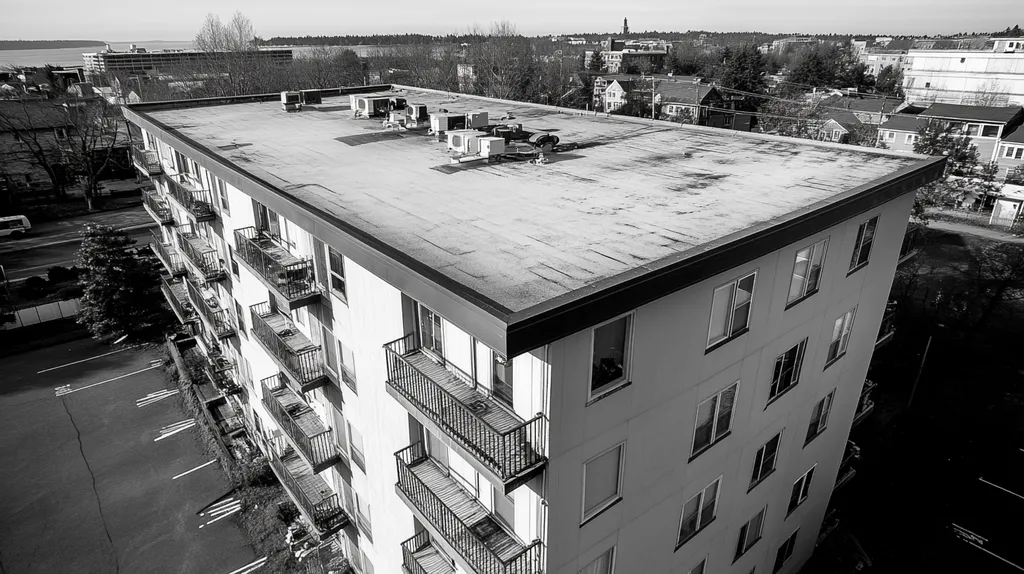
The rapid adoption of solar technology on commercial buildings has created an aesthetic crisis, with over 60% of property managers reporting that conventional installations diminish architectural appeal and property values.
While solar panels offer compelling energy savings, their visual impact often clashes with design elements, creating a stark choice between sustainability and aesthetics.
This comprehensive analysis examines how traditional solar integration approaches compromise commercial roof aesthetics, exploring the systemic issues, missed opportunities, and innovative solutions that could transform the industry.
SECTION 1: CURRENT PRACTICES
As the shift towards solar energy gains momentum among commercial properties, the visual appeal of roofing often falls by the wayside. The National Renewable Energy Laboratory reports that more than 80% of commercial roofs are ripe for solar applications. Yet, traditional installation methods frequently disrupt visual harmony, clashing with a building’s overall architecture. This section delves into conventional practices, identifies their aesthetic shortcomings, and navigates the regulatory environment that shapes solar integration.
Conventional Solar Panel Installation Methods
The standard approach for solar panel installation usually involves setting up arrays on rooftops using racks and brackets. While this method efficiently harnesses energy, it often overlooks the overall visual impact on the building. Many installations use bulky panels that stick out prominently, disrupting sleek rooflines and diminishing the architectural elegance of the structure.
Furthermore, the color and design of the panels tend to be secondary considerations, prioritized far behind efficiency. Utilitarian choices like traditional black or blue panels can clash with the existing roofing materials, resulting in stark contrasts that detract from the property’s aesthetic allure. This mismatch can dissuade potential tenants or buyers who value visual coherence.
Additionally, local building codes and regulations often constrain the projects, complicating the installation process. These restrictions can limit developers’ options for more aesthetically pleasing solar designs that might better complement the property.
In conclusion, while conventional installation methods offer valuable energy solutions, they present significant challenges in preserving visual integrity. This scenario highlights the urgent need for practices that elevate aesthetic considerations alongside functionality.
Aesthetic Limitations of Traditional Solar Panels
The aesthetic shortcomings tied to conventional solar panels are notable. These standard photovoltaic modules focus on performance above all, often neglecting their visual integration with existing roofs. Consequently, installations can resemble an afterthought, disrupting clean architectural lines.
For example, solar arrays installed on flat roofs can create a confusing visual clutter, particularly in busy urban settings. This clutter can leave the impression that a building is outdated or less attractive, potentially undermining lease rates and property values.
Moreover, the uniformity of solar panels can create an overwhelming visual effect, lacking in personality and character. When panels dominate the rooftop landscape, they can overshadow unique architectural details that distinguish a building. As a result, a property that could stand out becomes just another featureless structure in the skyline.
Therefore, the aesthetic drawbacks of traditional solar panels underscore a critical need for improved integration methods. Exploring design-centric alternatives can lead to solutions that enhance, rather than diminish, a property’s visual appeal.
Industry Standards and Regulatory Compliance
In the realm of commercial roofing, adherence to industry standards and regulations significantly influences solar integration practices. Local building codes impose strict requirements for the installation and maintenance of solar systems, often affecting aesthetic outcomes.
Many regulations concentrate primarily on energy efficiency and safety, often sidelining how installations mesh with the overall design of the building. As a result, solar arrays might be installed according to code but fail to complement the architectural integrity of the structure.
Additionally, the push for ‘green’ certifications, such as LEED, can create pressure for building owners to adopt solar systems, despite potential aesthetic trade-offs. This emphasis on compliance may overshadow the necessity for thoughtful design that harmonizes energy efficiency with visual appeal.
Ultimately, achieving regulatory compliance without a focus on aesthetics could mean missed opportunities to enhance a property’s visual identity. Recognizing these limitations is vital for advocating new standards that embrace both functionality and aesthetic integration.
SECTION 2: SYSTEMIC ISSUES
The growing trend of solar integration in commercial properties highlights essential systemic issues that threaten both aesthetic appeal and practical implementation. Research indicates that up to 60% of property owners worry that solar panels detract from their architectural designs. Additionally, high upfront costs create significant financial barriers, making solar energy an unattainable luxury for many. Compounding these issues are maintenance challenges that can jeopardize the durability of roofing systems. Effectively addressing these concerns is critical for paving the way toward solar solutions that enhance—rather than hinder—the visual and functional integrity of commercial roofing.
Visual Dissonance and Architectural Incompatibility
Visual dissonance poses a significant challenge when incorporating solar systems into commercial roofs. Many solar installations fail to harmonize with the unique features of a building. For example, flat commercial roofs can become overrun with solar panels, disrupting the sleek lines and overall aesthetic appeal of the structure.
This clash may result in a lowered perception of property value. Potential tenants or buyers could view buildings with poorly integrated solar systems as outdated, which could dissuade investment or occupancy and ultimately impact long-term revenue.
A focus on aesthetics is often sidelined in favor of function, creating a dilemma for property owners. Architects and facility managers must prioritize design harmony when exploring solar integration options. Thoughtful planning and innovative solutions can help strike a balance between sustainability and aesthetic appeal.
In the competitive landscape of commercial real estate, maintaining aesthetic value is crucial for enhancing a property’s marketability. Building owners must navigate this complex interplay, seeking ways to integrate solar technology seamlessly with existing architectural styles.
High Upfront Costs and Limited Accessibility
The high initial costs associated with solar installations present a major barrier for many commercial property owners. The starting investment can soar into the tens of thousands of dollars, potentially deterring property owners, particularly those operating on tight budgets.
Moreover, smaller businesses often struggle to access financing options or incentives that could facilitate solar integration. This financial hurdle limits the widespread adoption of solar technology across various commercial sectors, leaving many buildings reliant on traditional energy sources that hinder their sustainability goals.
The financial burden of solar systems rarely aligns with the immediate priorities of property managers focused on day-to-day maintenance and repairs. This often leads to solar energy being viewed more as a luxury item rather than an essential energy solution.
To expand solar accessibility, addressing cost barriers is paramount. Industry stakeholders should collaborate to create financial models that enhance affordability, ensuring that reliable solar solutions become available for a wider range of commercial properties.
Maintenance and Durability Concerns
Challenges related to the maintenance of solar panels can undermine their long-term viability on commercial roofs. Property managers often face complications linked to cleaning, inspecting, and repairing panels. Accumulated debris can hinder energy efficiency and negatively affect the solar system’s operational performance.
Additionally, installing solar panels on rooftops can complicate regular roofing maintenance. For example, addressing rooftop leaks may necessitate the removal of solar panels, leading to increased labor costs and risks of damage to both the roof and the panels. This can create hesitance among property managers who prioritize roof longevity and reliability.
Durability is another concern regarding solar equipment. Adverse weather conditions can shorten the lifespan of solar panels, necessitating replacements sooner than expected. Property owners must carefully weigh these factors when considering the benefits of solar integration.
Implementing proper maintenance strategies and utilizing durable materials for solar systems is essential to prevent future complications. A comprehensive approach that addresses both solar technology and roofing integrity will maximize investment and aesthetic appeal.
SECTION 3: MISSED OPPORTUNITIES
As commercial property owners rush to adopt renewable energy solutions, they often miss out on innovative advancements that can significantly improve the aesthetics of their buildings. Conventional solar panels can dull a roof’s visual appeal, resulting in uninviting and uninspired structures. Alternatives such as Building-Integrated Photovoltaics (BIPV) and solar shingles not only enhance aesthetic value but also drive sustainability forward. Failing to explore these options may impact a property’s marketability in an increasingly competitive landscape.
Overlooking Building-Integrated Photovoltaics (BIPV)
Building-Integrated Photovoltaics (BIPV) offer a transformative approach by integrating solar technology directly into the roofing structure. This method not only maintains the building’s architectural integrity but also enhances its overall appeal and value. Unlike traditional solar panels that are simply placed atop roofs, BIPV systems replace conventional roofing materials, creating a harmonious design that makes energy generation virtually invisible.
For instance, BIPV can utilize attractive solar materials to replace standard components like spandrel glass in facades, giving an aesthetically pleasing finish without compromising functionality. Buildings that adopt BIPV stand out with a modern and cohesive design, making a positive impression on potential clients and tenants. Cities embracing BIPV have seen striking rooftops that captivate public admiration, showcasing how innovative design can lead the way in sustainability.
Not considering BIPV is a lost opportunity to showcase innovation while prioritizing aesthetics, elements that are crucial in today’s building market. By integrating energy efficiency and attractive design, property managers can foster a commitment to sustainability that resonates with environmentally conscious stakeholders.
Neglecting Solar Shingles and Tiles
Solar shingles and tiles present an appealing solar integration option that blends seamlessly with traditional roofing styles. These innovative products resemble conventional shingles, allowing for a visually cohesive and attractive appearance. They can complement various architectural designs, ensuring that the building’s style remains intact while harnessing solar energy.
A commercial building outfitted with solar shingles can achieve an elegant or historic look, combining modern technology with visual charm. Such an aesthetic is not just about rooftops; it communicates a forward-thinking message to tenants and clients who value sustainability. Properties opting for these shingles may find themselves attracting a clientele that values both environmental responsibility and stylish design.
Ignoring solar shingles means forgoing the chance to generate energy without compromising a building’s visual appeal. The exterior aesthetic of a building significantly influences perceptions of quality and professionalism, and solar shingles can effectively elevate these impressions.
Ignoring Customized Architectural Designs
Customized architectural designs that incorporate solar features can turn mundane roofing into compelling visual statements. By integrating design elements like solar canopies, pergolas, or strategically placed solar panels, property owners can enhance a building’s appearance and uniqueness. Tailoring solar solutions to fit the property’s design creates a captivating visual narrative.
When solar technology is approached through an aesthetic lens, it transforms ordinary rooftops into noteworthy architectural features. For example, properties that incorporate custom solar structures that align with their architectural style can attract increased foot traffic and interest from the community.
Failing to adopt such customized designs can result in uninspiring rooftops that don’t connect with modern consumers. Properties showcasing artistic solar-driven designs gain a competitive edge, demonstrating a commitment to sustainability and innovation. Focusing on both aesthetic value and functionality through tailored solar solutions can substantially enhance a property’s market positioning.
SECTION 4: ROOT CAUSES
The integration of solar technology into commercial roofing is often stymied by several underlying issues that detract from its visual appeal. This aesthetic shortfall can have significant ramifications, diminishing property value and decreasing tenant satisfaction. Studies have shown that properties featuring visually appealing solar solutions can experience a marketability boost of up to 15%. To enhance both functionality and aesthetics in roofing, it’s crucial for industry stakeholders to recognize and address these barriers.
Lack of Innovation in Solar Panel Design
Solar panel designs have seen little evolution in recent years, often remaining bulky and out of sync with contemporary architectural trends. These outdated forms not only hinder aesthetic appeal but also restrict potential installation options across various roofing styles.
Many building owners find themselves opting to conceal solar installations rather than embracing them as design features. This commonly stems from conventional panel aesthetics that fail to harmonize with the surrounding architecture, presenting a clear opportunity for manufacturers to innovate.
Emerging technologies like solar shingles and integrated photovoltaic systems offer promising alternatives that can blend beautifully with roofing materials. However, resistance to change within the industry often stifles the adoption of such designs.
To break through these barriers, prioritizing innovation is essential. A shift toward more visually appealing solar designs can lead to increased acceptance among commercial property owners and promote more widespread solar integration.
Limited Collaboration Between Architects and Engineers
A divide often exists between architects and engineers during the design and installation of solar technologies, leading to missed opportunities for seamless aesthetic integration. When these two groups work in isolation, the delicate balance between function and form can be compromised.
Architects may concentrate solely on aesthetic elements, sidelining solar technologies’ functionality. Conversely, engineers may focus on energy efficiency without considering visual impact. This disconnect can result in solar integration that is both uninspiring and ineffective.
Pursuing collaborative efforts is crucial for successful integration. Involving architects and engineers in joint discussions from the outset can address aesthetic challenges while keeping energy objectives in view. Workshops or design charrettes not only facilitate collaboration but also spark innovative ideas that position solar systems as attractive features rather than mere necessities.
This essential partnership can redefine solar aesthetics, creating striking spaces that align with both environmental goals and visual appeal.
Economic Barriers to Adoption
The economic climate surrounding solar installations poses a major obstacle, hindering widespread adoption. The high upfront costs associated with solar solutions deter many commercial property owners, especially when combined with aesthetic concerns. For many, the initial financial burden often overshadows potential long-term benefits.
This challenge is exacerbated by the higher costs linked to solar products that offer aesthetic advantages. Budget constraints typically force property owners to choose lower-cost, traditional solutions that fail to integrate solar systems thoughtfully.
Moreover, inconsistencies in incentives and rebates further complicate the financial landscape. Many property owners weigh immediate expenses against uncertain returns on investment, leading to a preference for traditional roofing methods regarded as safer options. This hesitation stifles innovation and slows the implementation of advanced solar technologies.
To encourage advancement, the industry must advocate for stronger financial incentives and elucidate the long-term savings that aesthetically integrated solar systems can provide. A more favorable economic environment can unlock the potential for a new wave of commercial roofs that beautifully incorporate solar energy solutions.
DATA DRIVEN EVIDENCE
As energy expenses continue to escalate, embracing solar energy on commercial roofs has never been more critical. A study from the National Renewable Energy Laboratory reveals that on-site solar installations can slash energy bills by 50% or more. Yet, the aesthetic implications often pose a challenge, leading to questions about market perception. By examining energy efficiency statistics, market demand, and successful integration case studies, stakeholders can identify a strategic approach to solar adoption.
Energy Efficiency and Cost Savings Data
The financial advantages of integrating solar into commercial roofing are substantial. According to the U.S. Department of Energy, businesses that embrace solar can save between $20,000 and $100,000 over a 25-year period. These savings not only highlight the potential for reduced operating costs but also emphasize the importance of systems that blend functionality with visual appeal.
Moreover, aesthetically integrated solar systems can command higher market valuations. Research indicates that properties with visually appealing solar designs often retain tenants longer and can boost lease rates by as much as 15%. This underscores the vital link between energy efficiency, aesthetics, and tenant retention.
The transition to solar not only shields businesses from rising energy costs but also preserves and enhances property values. As energy prices climb, the impetus for proactive property owners to invest in aesthetically integrated solar systems become increasingly urgent.
However, poor integration practices can negate potential savings. Conventional solar panels, with their blunt designs, often clash with a building’s architectural character, diminishing the overall allure for prospective tenants.
Market Demand for Aesthetically Pleasing Solar Solutions
The demand for aesthetically pleasing solar solutions is rising sharply. Recent surveys indicate that over 70% of property managers feel the appearance of solar installations directly influences their buildings’ overall value. This growing sentiment aligns with current design trends favoring sleek, unobtrusive solar technologies.
Systems that fuse energy efficiency with visual appeal are essential for maintaining tenant satisfaction and attracting new clientele. Municipalities are taking note, implementing policies that encourage designs harmonizing with the architectural characteristics of buildings. For example, cities such as San Francisco and New York are leading the way in renewable energy initiatives, all while preserving the visual integrity of their landscapes.
Ignoring this shift towards aesthetic considerations can significantly impact property appeal and market competitiveness. Today, integrating solar energy is not just about harnessing renewable resources; it’s also about ensuring that the solutions blend seamlessly with the architecture.
Case Studies of Successful Solar Integrations
Real-world examples showcase effective solar integration strategies that balance efficiency and aesthetics. A standout instance is the headquarters of a well-known tech firm in California, where solar panels were cleverly embedded into the building’s design. This integration not only dramatically cut energy costs but also enhanced the building’s modern architectural style.
In another case, a retail center in Texas incorporated solar canopies that provided energy savings while offering customer shelter. This innovative design not only improved solar efficiency but also elevated the shopping experience, illustrating how smart design can offer dual benefits.
These successful cases serve as testaments to the fact that prioritizing aesthetics can yield tangible benefits for businesses. Embracing solar energy doesn’t have to sacrifice a property’s appeal or marketability. With careful planning, property owners can create environments where energy efficiency and aesthetic excellence coexist.
SECTION 6: ALTERNATIVE SOLUTIONS
In an era where sustainability is paramount, property owners face the pressing challenge of aligning energy solutions with architectural aesthetics. Conventional solar installations often disrupt the visual identity of buildings, raising concerns among communities and stakeholders. Fortunately, innovative alternatives such as solar shingles and building-integrated photovoltaics (BIPV) provide effective avenues for energy generation while preserving design integrity. This section explores these cutting-edge solutions and their potential to transform commercial roofing.
Integrating Solar Shingles and Tiles
Solar shingles and tiles are redefining the solar landscape by offering a visually appealing alternative to conventional panels. These innovative products can seamlessly blend with traditional roofing materials, ensuring a unified appearance. For instance, brands like GAF Energy’s Timberline Solar provide shingles that look like standard asphalt roofing while generating energy effectively.
The aesthetic advantage of these shingles is substantial. They enhance a building’s curb appeal while serving dual purposes of energy generation and visual integration, attracting eco-conscious tenants and clients. This harmonized approach reflects a growing demand for sustainability that is visually appealing.
Furthermore, the use of solar shingles can reduce installation costs for new roofs. By incorporating these shingles into the roofing system, property owners can eliminate the need for separate mounting equipment, optimizing both design and budget.
The long-term benefits extend beyond visual appeal, as solar shingles are known to increase property value. Businesses seeking environmentally responsible locations are more likely to gravitate toward buildings that demonstrate a commitment to sustainability and aesthetic value.
Implementing Building-Integrated Photovoltaics (BIPV)
Building-Integrated Photovoltaics (BIPV) represent a groundbreaking shift in how solar energy can be incorporated into buildings. Rather than merely sitting atop roofs, BIPV systems integrate directly into a building’s design, utilizing materials for facades and windows that also generate energy. This fusion allows a property to maintain a polished appearance while contributing to the energy grid.
An example of this integration could be a commercial building featuring a facade composed of solar glass, producing energy without compromising aesthetics. Such installations prove that energy generation can be a crucial part of a building’s design narrative.
Additionally, adopting BIPV technology boosts overall energy efficiency. By replacing conventional materials with photovoltaic alternatives, property owners can significantly reduce energy consumption while promoting striking architectural features.
With advancing BIPV technology and decreasing costs, this solution is becoming increasingly attractive for architects and developers seeking to create innovative and sustainable designs. Collaborative efforts among property owners, designers, and energy consultants can lead to the successful integration of BIPV that are visually stunning and functional.
Customized Solar Designs for Architectural Harmony
Customized solar designs are an essential avenue for preserving the aesthetic integrity of commercial properties. By collaborating with architectural firms specializing in sustainable design, property owners can develop tailored solar configurations that resonate with their vision and architectural style.
For example, innovative solar arrays can be crafted to mimic elements like skylights or decorative ridges, making them integral to the building’s unique aesthetic. This bespoke approach not only enhances visual appeal but also fosters a sense of pride in renewable energy initiatives among property owners.
To achieve the best results, architectural firms can team up with solar engineers to design solutions that harmoniously blend design with functionality. Such partnerships can yield exceptional installations that inspire admiration and positive community engagement.
Ultimately, embracing customized solar designs presents a compelling opportunity for property owners to prove that sustainability and aesthetics coexist beautifully. By investing in these innovative solutions, buildings can stand out in a competitive market while contributing positively to environmental goals.
Moving Forward
The evidence is clear: conventional solar panel installations are costing commercial property owners millions in reduced aesthetic value and tenant satisfaction.
With over 60% of facility managers reporting that traditional solar arrays diminish building appeal, the industry stands at a critical crossroads.
The emergence of innovative solutions like BIPV and solar shingles demonstrates that energy efficiency and architectural beauty can coexist harmoniously.
Property owners who embrace these aesthetic-forward solar technologies could see up to 15% higher property valuations and significantly improved tenant retention rates.
The future of commercial roofing lies not in compromise, but in the seamless integration of solar technology that enhances both sustainability and visual appeal.
The time for aesthetic transformation in commercial solar integration is now.
FREQUENTLY ASKED QUESTIONS
Q. How do conventional solar installations affect commercial roof aesthetics?
A. Conventional solar installations often disrupt the visual harmony of commercial roofs. Bulky solar panels can clash with the architecture, detracting from the property’s overall aesthetic and potentially reducing its value. As efficiency takes precedence, the aesthetic design of the installation is frequently compromised, affecting tenant satisfaction.
Q. What systemic issues hinder aesthetic integration of solar on industrial roofs?
A. Systemic issues such as high upfront costs and visual dissonance challenge aesthetic integration. Many property owners fear that solar panels detract from architectural design, while financial hurdles make it difficult to adopt appealing options. Without addressing these barriers, the integration of solar technology remains limited and uninspired.
Q. Are there innovative alternatives to conventional solar that enhance commercial roof beauty?
A. Yes, innovative alternatives like Building-Integrated Photovoltaics (BIPV) and solar shingles can significantly enhance aesthetics. These options replace conventional roofing materials, allowing for seamless energy generation without compromising visual appeal. Such solutions not only improve the look of a property but also reflect a commitment to sustainability.
Q. How does the lack of innovation in solar panel design affect commercial roofing?
A. The lack of innovation results in outdated, bulky solar panels that don’t blend well with modern architecture. This aesthetic stagnation leads many property owners to hide solar installations rather than showcasing them, limiting the potential for appealing designs that complement existing roofs.
Q. What economic barriers prevent beautiful solar solutions in commercial properties?
A. High initial costs and inconsistent incentives deter property owners from investing in visually appealing solar solutions. Many opt for cheaper, traditional roofing options that often lack integration potential. This economic pressure complicates the path toward innovative, aesthetic solar technologies that enhance building value.
Q. How can solar energy improve energy efficiency in commercial roofing?
A. Integrating solar systems can drastically decrease energy bills for commercial properties. Studies show that on-site solar installations can cut costs by over 50%, while aesthetically pleasing designs improve tenant satisfaction and property value, creating a favorable cycle of investment and return.
Q. What customized solutions can enhance the aesthetics of commercial roof solar integration?
A. Custom solar designs can enhance aesthetics by integrating solar elements with the building’s architecture. Collaborating with architectural firms allows property owners to craft solar solutions that reflect their unique style, making energy generation an integral part of the overall design rather than an afterthought.






