
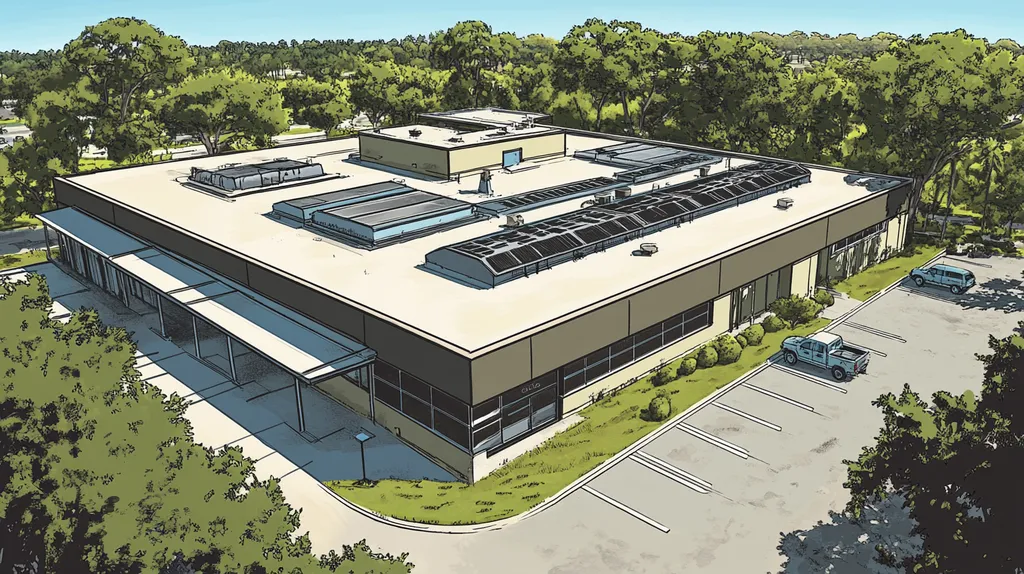
With industrial roofing costs soaring 23% since 2020 and energy efficiency mandates tightening nationwide, facility managers face mounting pressure to adopt sustainable roofing solutions. Traditional coating approaches waste nearly $1.2 billion in excess energy costs annually across U.S. industrial properties.
Sustainable roof coatings represent a critical opportunity to reduce environmental impact while delivering measurable returns on investment through decreased cooling costs and extended roof lifespans.
This comprehensive guide examines the key factors facility managers must consider when evaluating sustainable coating options, from performance metrics and financial implications to compliance requirements and risk management strategies.
SECTION 1: PERFORMANCE FACTORS
Selecting the right roof coating for industrial facilities is not just a maintenance task; it’s a strategic decision with far-reaching consequences. As energy expenses rise, businesses are under increasing pressure to improve energy efficiency. A properly chosen roof coating can cut cooling costs by as much as 30%, translating to significant savings over the years. Furthermore, the durability of these coatings plays a crucial role in reducing long-term maintenance costs. This section delves into essential performance factors that can guide sustainable roof coating choices.
Energy Efficiency and Cooling Costs
Energy efficiency is critical for industrial facilities, particularly in regions prone to extreme temperatures. A reflective roof coating not only cools surface temperatures but can also substantially lower cooling expenses. Research shows that light-colored or reflective coatings can reduce energy consumption by up to 30% during the hottest months.
Beyond financial savings, energy-efficient roof coatings enhance a facility’s sustainability efforts. These coatings lessen dependency on air conditioning, which in turn reduces carbon emissions. This helps businesses comply with environmental regulations while bolstering their corporate social responsibility and improving brand perception.
Investing in a sustainable coating offers long-term financial rewards as well. Decreased cooling costs lead to lower operational expenditures, allowing businesses to allocate funds to other vital areas. It’s crucial for decision-makers to examine the energy performance ratings of available coatings, giving preference to those with Energy Star certification, which ensures adherence to stringent efficiency standards.
Key Action Items
Durability and Lifespan Extension
When choosing roof coatings for industrial applications, durability is a key consideration. A high-quality coating can significantly prolong the life of a roof, minimizing the need for replacements. Durable coatings resist harsh weather conditions, protecting against leaks and structural damage over time.
Facility managers should seek out coatings that are recognized for their longevity. Materials like silicone and polyurea frequently outperform standard options, showcasing superior resistance to cracking and peeling. Independent studies suggest that these coatings can last over 20 years with minimal maintenance requirements.
Additionally, a robust coating can lead to considerable savings on repairs and upkeep. By preventing frequent reapplications, facilities can stabilize their maintenance budgets. Knowing the local climate and potential chemical exposure is vital for selecting coatings that resist fading and weathering while ensuring the roof remains both functional and visually appealing.
Key Action Items
UV and Chemical Resistance
Exposure to UV radiation can severely damage roofing materials, resulting in costly repairs over time. Opting for a high-quality roof coating that provides solid protection against UV rays is essential for maintaining the roof’s structural integrity. Coatings with enhanced UV resistance can significantly extend a roof’s lifespan.
Chemical resistance is another critical factor, especially for facilities that handle corrosive materials. Some coatings are designed to repel harsh chemicals, minimizing deterioration risk. For instance, coatings engineered for manufacturing environments can withstand damage from spills or chemical exposure.
Selecting coatings with built-in UV and chemical resistance not only bolsters roof longevity but also enhances overall facility safety. A well-maintained roof reduces potential liabilities while ensuring a safe work environment for employees. Understanding specific chemicals present at your facility aids in making informed decisions. Testing and certifying coatings against industry standards guarantees compliance with safety regulations and offers peace of mind.
Key Action Items
SECTION 2: FINANCIAL CONSIDERATIONS
The financial impact of selecting sustainable roof coatings is substantial for industrial facilities. While property owners might initially balk at the perceived high costs, these expenses can be negligible in light of the long-term savings. According to the U.S. Department of Energy, reflective roof coatings can cut cooling costs by up to 40% in certain climates. Grasping these financial dynamics is essential for making informed choices that promote both sustainability and fiscal responsibility.
Initial Investment and Cost Savings
Investing in sustainable roof coatings does often come with a higher upfront cost compared to traditional products, as premium reflective coatings can be roughly 20% more expensive at first. However, this initial outlay can lead to significant savings on utility bills as energy efficiency improves.
For many industrial facilities, adopting a cool roof can lessen heating and cooling demands, resulting in reduced HVAC expenses and an expedited return on investment. Selecting long-lasting materials further curtails the frequency and costs of repairs and replacements, making this investment not just prudent, but financially strategic.
In this light, viewing the initial investment in sustainable coatings as part of a broader strategy focused on long-term efficiency and performance equips facility managers with a solid foundation for financial planning.
Key Action Items
Long-Term Maintenance and Repair Costs
When evaluating sustainable roof coatings, long-term maintenance costs play a pivotal role. While the upfront investment might be greater, these environmentally friendly options often result in lower maintenance needs due to their durability against harsh weather conditions.
This enhanced resilience can lead to fewer repairs and prolong the life of an existing roof, thereby lowering the risk of major overhauls. As disruptions to operations are minimized, facilities can enjoy increased productivity, creating a more favorable economic environment.
Ultimately, a careful assessment of ongoing maintenance costs versus the initial investment reveals that sustainable coatings offer meaningful long-term financial benefits. Strategically planning for these savings helps maximize return on investment.
Key Action Items
Potential for Green Building Incentives
Property owners should explore the array of green building incentives available to help offset the costs of sustainable roof coatings. Numerous local, state, and federal programs provide financial support for energy-efficient upgrades, such as tax credits and rebates, making eco-friendly choices more enticing.
The Energy Efficiency Improvement Act, for instance, offers a variety of incentives aimed at industrial facilities implementing sustainable technologies. Utilizing these programs can significantly ease the overall financial burden associated with upgrading to eco-friendly roofing solutions.
Additionally, obtaining certifications like LEED (Leadership in Energy and Environmental Design) can boost a facility’s market value, allowing buildings to command higher rental or sale prices, further validating the investment in sustainable coatings.
Key Action Items

SECTION 3: COMPLIANCE REQUIREMENTS
Compliance with roofing regulations is essential not only for legal reasons but also for protecting investments and fostering long-term sustainability. As industrial facilities face tougher scrutiny regarding their environmental impact, understanding the complex landscape of compliance becomes crucial for property owners and facility managers. Failure to meet these requirements can lead to severe penalties and project delays, jeopardizing both safety and sustainability efforts.
Adherence to Building Codes and Regulations
Building codes ensure the safety and performance of roofing systems by specifying required materials, installation techniques, and structural integrity. Failing to comply with these codes can result in fines and risk the safety of the facility’s occupants. For example, many areas mandate that reflective coatings meet certain energy efficiency standards to reduce heat absorption, thus saving on energy costs.
Facility managers should regularly consult local codes, especially when modifying roofing systems. This proactive approach not only ensures compliance but also showcases the company’s commitment to safety and sustainability. By integrating adherence to regulations into their strategies, facility managers can mitigate risks while enhancing their facility’s reputation.
In conclusion, staying informed about building codes is vital for effective roofing projects, leading to safer, compliant, and energy-efficient roofs that endure over time.
Key Action Items
Compliance with Environmental Standards
Adhering to environmental standards is critical for minimizing the ecological impact of industrial facilities. These guidelines often dictate the types of materials that can be used and their long-term environmental effects. Ensuring compliance helps guarantee that roofing solutions perform effectively while contributing to sustainability efforts.
For instance, the U.S. Environmental Protection Agency (EPA) sets forth guidelines that promote the use of low-VOC (volatile organic compounds) coatings. Such coatings can significantly reduce air pollution and enhance indoor air quality for workers. Non-compliance can lead to fines and tarnish a facility’s image.
Moreover, compliance with environmental standards often opens doors to grants and incentives for green building initiatives. Facilities can leverage this compliance as a marketing advantage, highlighting their commitment to sustainability and corporate responsibility.
Key Action Items
Certification for Green Building Programs
Obtaining certification for green building programs such as LEED (Leadership in Energy and Environmental Design) offers tangible benefits for industrial facilities. These certifications validate the environmental integrity of roofing materials and practices, leading to potential reductions in operating costs and increased marketability.
To qualify for certification, properties must meet rigorous standards in energy efficiency, water usage, and sustainable materials. For example, using reflective roofing coatings can earn LEED credits that contribute to energy conservation goals, aligning with the industry’s shift towards sustainability.
Achieving such certifications can also attract eco-conscious tenants and clients, giving facilities a competitive edge. Companies pursuing these certifications invest not only in compliance but also in a sustainable future.
Key Action Items
SECTION 4: RISK MANAGEMENT
As industrial facilities increasingly adopt sustainable practices, effective risk management has never been more crucial. The roofing sector generates around 11 million tons of waste annually in the United States, making it a significant contributor to landfill overflow. By addressing these critical risks, facility managers and property owners can make informed decisions about sustainable roof coating options that benefit the environment and their organizations.
Reducing Landfill Waste and Environmental Impact
Many traditional roofing systems end their life cycle in landfills, negatively impacting our environment. Sustainable roof coatings can extend an existing roof’s lifespan, reducing the frequency of replacements. Moreover, these coatings are often recyclable or biodegradable, significantly lessening their long-term environmental impact.
Incorporating reflective coatings promotes energy efficiency by lowering energy demands in industrial facilities. This not only minimizes landfill waste but also decreases the carbon footprint linked to manufacturing new roofing materials. Opting for sustainable choices can directly lead to reduced operational costs due to lower energy consumption.
Furthermore, minimizing landfill waste aligns with corporate sustainability goals, boosting a company’s market image. Stakeholders today increasingly favor businesses that prioritize eco-friendly practices, providing a competitive advantage. Thus, adopting sustainable roofing options becomes both an essential need and an exciting opportunity for growth.
Key Action Items
Mitigating Urban Heat Island Effects
The urban heat island effect exacerbates heat-related issues in cities, leading to higher temperature levels compared to surrounding areas. This phenomenon increases energy demand for cooling systems in industrial facilities, raising operational costs. By utilizing reflective and lighter-colored coatings, businesses can alleviate this effect by reflecting sunlight and lessening heat absorption.
Research indicates that these coatings can decrease roof surface temperatures by up to 30 degrees Fahrenheit. Such temperature reductions lead to lower energy consumption, particularly during peak summer months, resulting in substantial savings for cooling costs. Improved thermal performance also extends the roof’s lifespan, providing long-term value.
Tackling the urban heat island effect through sustainable coatings has benefits that extend beyond individual facilities. When multiple buildings in a city adopt these practices, the collective impact can significantly reduce urban temperatures. Such community-focused solutions not only improve life for residents but also showcase the company’s commitment to corporate responsibility.
Key Action Items
Minimizing Health Risks from VOCs
Volatile organic compounds (VOCs) are commonly found in many traditional roofing materials and coatings, often emitting harmful fumes that can jeopardize health. Transitioning to low-VOC or VOC-free coatings helps ensure regulatory compliance while protecting the health of workers and facility occupants.
Studies show that lower VOC levels directly enhance indoor air quality, which is vital for maintaining a productive workforce. Facilities that adopt sustainable coatings experience reduced health-related absenteeism, boosting overall productivity. Better air quality improves employee well-being and can lead to decreased healthcare costs linked to workplace-related illnesses.
Additionally, choosing low-VOC coatings emphasizes a commitment to safety and environmental responsibility. Clients are increasingly attracted to businesses that prioritize health and sustainability, thereby enhancing a facility’s reputation and strengthening relationships with customers. Addressing VOC emissions through sustainable roof coatings demonstrates proactive management of both health and compliance.
Key Action Items

SECTION 5: OPERATIONAL PROCEDURES
The stakes are high for industrial facilities that opt for sustainable roof coatings. If these coatings are poorly installed or maintained, the consequences can include water damage, increased energy inefficiency, and even early roof replacement. For instance, an improperly applied coating may lose its reflective properties, which can lead to energy costs soaring by as much as 25%. Therefore, effective operational procedures encompassing application, maintenance, and repair are essential to ensure these solutions fulfill their environmental promises.
Application and Installation Processes
Applying sustainable roof coatings demands meticulous attention to detail and rigorous adherence to industry-standard practices. Proper surface preparation is paramount; any dirt or debris can hinder adhesion and ultimately compromise performance. Facilities must ensure that the substrate is clean and completely dry before proceeding with any coating application.
Choosing the right type of coating—whether acrylic, silicone, or polyurethane—also plays a vital role. Each material has its own application methods and optimal weather conditions for installation. For example, some coatings may not perform well in high humidity or cold temperatures, which could lead to complications.
Furthermore, training personnel in proper application techniques ensures a uniform coating thickness. Even application is crucial for avoiding issues like peeling or bubbling in the future. To minimize risks, utilizing a professional applicator experienced in sustainable coatings is highly recommended.
Lastly, executing a thorough post-application inspection confirms that the coating adheres properly and meets essential performance specifications. Early identification of installation errors can save both time and resources in the long run.
Key Action Items
Maintenance and Inspection Schedules
Ongoing maintenance is essential for extending the life of sustainable roof coatings. Regular inspections, ideally conducted twice a year, help identify potential issues before they escalate into more serious problems. A proactive approach can address concerns like fading or deterioration early on, thus significantly reducing future repair expenses.
Maintenance routines should include cleaning the roof surface to eliminate debris, moss, or other growth that may compromise the coating’s effectiveness. Using a soft wash technique with eco-friendly cleaners minimizes environmental impact and protects the roof surface.
In addition to cleaning, evaluating the coating’s integrity is critical. Facility managers should look for indicators like cracking, bubbling, or any signs of wear that may signal the need for touch-ups. Keeping a detailed inspection log assists in tracking the coating’s condition and planning for future maintenance effectively.
Key Action Items
Repair and Restoration Techniques
When damage occurs, prompt repairs are crucial to prevent further complications. Minor blemishes can often be easily corrected with touch-ups using compatible coatings. Ignoring small damages can escalate to larger failures, requiring costly repairs or complete roof replacements.
Facility managers should be knowledgeable about repair protocols specific to their coating type. For instance, some silicone coatings can be promptly restored with a simple re-coat, while acrylic coatings may necessitate more extensive preparation before application.
In instances of severe damage, facilities may need to consider complete restoration, which is often more economical than a full replacement and can improve the roof’s thermal efficiency. This approach should be tailored to the specific condition of the roof and the coating system employed.
Ultimately, establishing a well-defined restoration strategy aids in budgeting and forecasting future costs. Recognizing when to repair or restore a roof can significantly influence overall operational efficiency and resource allocation for the facility.
Key Action Items
SECTION 5: OPERATIONAL PROCEDURES
The stakes are high for industrial facilities considering sustainable roof coatings. A poorly installed or maintained coating can lead to water damage, inefficiency, and the premature need for replacement. For instance, a roofing system with inadequate application may lose its reflective properties, increasing energy costs by up to 25%. Effective operational procedures in application, maintenance, and repair are crucial to ensure that these sustainable solutions deliver on their promise.
Application and Installation Processes
Applying sustainable roof coatings requires rigorous attention to detail and adherence to industry-standard practices. Proper surface preparation is essential; any dirt or debris can prevent adhesion and compromise performance. Facilities must ensure that the substrate is clean and dry before applying the coating.
Selecting the right coating type—whether acrylic, silicone, or polyurethane—is another critical step. Each type has specific application methods and optimal weather conditions for performance. Applying certain coatings in high humidity or cold temperatures can lead to complications.
Training personnel on proper application techniques ensures a uniform coating thickness, preventing issues such as peeling and bubbling over time. Utilizing a professional applicator experienced with sustainable coatings can further mitigate application risks and enhance quality.
Finally, conducting a post-application inspection verifies that the coating adheres properly and meets performance specifications. Early detection of installation errors can save time and resources in the long run.
Key Action Items
Maintenance and Inspection Schedules
Ongoing maintenance is critical for extending the lifespan of sustainable roof coatings. Regular inspections, ideally twice a year, help identify potential issues before they escalate. A proactive approach can address problems like fading or deterioration early on, significantly reducing repair costs.
Maintenance routines should include cleaning the roof surface to remove debris, moss, or other growth that can compromise coating effectiveness. Using a soft wash method with eco-friendly cleaners minimizes environmental impact and protects the roof surface.
In addition to cleaning, assessing the coating’s integrity is essential. Facility managers should look for signs of cracking, bubbling, or other wear that may indicate the need for touch-ups. Keeping a detailed log of inspections aids in tracking the coating’s condition and planning future maintenance.
Investing in a scheduled maintenance program can also align with energy audits for the facility. Documenting energy savings can serve as a compelling metric to justify roofing investments.
Key Action Items
Repair and Restoration Techniques
When damage occurs, prompt repairs are crucial to prevent further complications. Minor blemishes can often be easily corrected with touch-ups using compatible coatings. Failing to address small damages can escalate to larger failures, necessitating costly repairs or even full roof replacement.
Facility managers should familiarize themselves with repair protocols specific to their coating type. For instance, some silicone coatings can be easily restored with a simple re-coat, while acrylic coatings may require more extensive preparation before application.
In cases of severe damage, facilities may need to consider complete restoration, often more economical than replacement and can enhance thermal efficiency. Matching the restoration approach to the specific condition of the roof and coating system is essential.
Ultimately, having a well-defined restoration strategy aids in budgeting and forecasting future costs. Recognizing when to repair or restore a roof can significantly improve the facility’s overall operational efficiency.
Key Action Items
Moving Forward
With industrial roofing costs projected to rise another 15% by 2025 and stricter environmental regulations on the horizon, sustainable roof coatings have become a critical investment for facility managers.
The data clearly shows that traditional roofing approaches waste over $1.2 billion in excess energy costs annually across U.S. industrial properties, while contributing 11 million tons of waste to landfills.
By implementing sustainable coating solutions, facilities can reduce cooling costs by up to 40%, extend roof lifespans by 15-20 years, and significantly decrease their environmental impact.
Success requires careful attention to material selection, proper installation procedures, and ongoing maintenance protocols.
The time for sustainable roofing transformation is now – the financial and environmental costs of delay are simply too high to ignore.
FREQUENTLY ASKED QUESTIONS
Q. How do commercial roof coatings improve energy efficiency?
A. Commercial roof coatings can enhance energy efficiency by reflecting sunlight and reducing heat absorption. This typically results in lower cooling costs, contributing to significant savings. Properly selected coatings help facilities maintain comfortable temperatures without over-relying on air conditioning systems.
Q. What financial benefits can industrial roof coatings provide?
A. While sustainable roof coatings often have higher upfront costs, they offer long-term savings through reduced utility bills and maintenance. Enhanced durability minimizes the need for frequent repairs, translating to better financial outcomes over time. Additionally, many facilities can access incentives for adopting green technologies.
Q. What building codes should industrial facilities meet for roofing?
A. Industrial facilities must comply with local building codes which dictate materials, installation methods, and safety standards. Adhering to these codes helps ensure structural integrity and may even lead to lower energy costs over time by utilizing approved energy-efficient products.
Q. How can sustainable coatings reduce landfill waste?
A. Sustainable coatings extend the life of roofs, thereby reducing the frequency of replacements. Many are recyclable or biodegradable, further minimizing environmental impact. By selecting these coatings, facilities align with corporate sustainability goals and diminish their contribution to landfill overflow.
Q. How important are application procedures for roof coatings?
A. Proper application procedures are vital as they ensure the coating adheres effectively, preventing issues such as peeling or bubbling. Facilities should engage trained professionals and follow recommended preparation steps to achieve optimal performance and longevity from their coatings.
Q. What are the key environmental considerations for roof coatings?
A. When selecting roof coatings, consider factors like VOC emissions, recyclability, and renewable materials. Compliance with environmental standards enhances sustainability efforts, as many coatings exist that reduce air pollution and improve indoor air quality while still being efficient.
Q. How do I evaluate the right roof coating for my industrial facility?
A. Evaluate potential coatings based on their energy efficiency ratings, durability, and compatibility with local climate conditions. Consult with roofing experts who can provide insights into materials best suited for your facility’s specific operational needs and compliance requirements.






