

Commercial roof coating failures cost property owners over $2.3 billion annually in repairs and replacements, with a staggering 30% of applications failing within the first five years due to outdated specifications.
While manufacturers tout standardized application guidelines as foolproof solutions, mounting evidence suggests these one-size-fits-all approaches are fundamentally flawed.
From inadequate surface preparation protocols to rigid temperature restrictions that ignore regional climate variations, established specifications often prioritize simplicity over effectiveness.
This analysis examines why current application standards fall short, explores the systemic issues plaguing the industry, and presents data-driven alternatives that promise superior performance and longevity.
SECTION 1: CURRENT PRACTICES
Commercial roof coatings are not just a nice-to-have; they’re the frontline defense against the elements. Yet, many roofs are failing prematurely—often due to improper application techniques. This costly oversight not only leads to extensive repairs but can create safety hazards as well. In this section, we will examine the current practices surrounding roof coating applications, illuminate the pitfalls of ignoring modern methods, and call for significant advances in industry standards.
Standard Application Methods
In the world of commercial roofing, the go-to application methods include spray, roller, and brush techniques. Each option has its perks and problems, directly affecting how well a coating performs. For instance, while spray applications can cover large areas quickly, overspray can become a messy issue. Conversely, rollers allow for precise application but can lead to splotchy finishes.
Surprisingly, many contractors cling to these traditional methods, often ignoring new technologies that could vastly improve efficiency and durability. By failing to embrace best practices, property owners may inadvertently shorten their roofs’ lifespan—an investment in their building that can go south quickly.
Adding to the chaos, variations in application thickness arise when contractors interpret standards differently. These discrepancies can create weak spots that welcome leaks and water damage, threatening the integrity of the entire system.
In conclusion, a standardized and updated approach to application methods is essential. Embracing innovative techniques could drastically improve roof performance and longevity.
Common Coating Types and Uses
In the commercial roofing arena, coatings such as acrylic, silicone, and polyurethane are commonly utilized. Each serves a unique purpose—be it UV resistance, waterproofing, or boosting reflectivity. For instance, silicone coatings shine in environments with significant water exposure, showing remarkable resistance to ponding conditions.
However, the dispute over the best coating for specific environments is far from settled. Far too often, decisions are based on price rather than suitability, leading to frustrating outcomes. A building in an area with high UV radiation would be better off with a reflective acrylic coating instead of an inexpensively chosen option that doesn’t cut it.
Furthermore, mismatches between coating properties and roofing materials can lead to disastrous adhesion issues and premature deterioration. Property owners should take it upon themselves to research coatings that align with their particular climate and structural needs.
To achieve optimal performance, staying current with the latest advances in coating technologies is crucial. This information assists property managers in making informed decisions that will enhance durability and efficiency.
Manufacturer Guidelines and Compliance
Following manufacturer guidelines is non-negotiable for successful roof coating applications. These specifications detail critical components such as application temperatures, proper surface preparation, and curing times, all vital to securing top-notch results. Unfortunately, many contractors prioritize speed over quality, often overlooking these essential recommendations.
This lack of compliance not only jeopardizes coating performance but may also void warranties. This means property owners could face hidden repair costs when things go wrong due to early failure.
Adding to the confusion is the absence of standardized compliance protocols across the industry. Misaligned understandings between manufacturers and contractors can result in uneven quality in installations, directly affecting the resilience of roofs.
To counter these challenges, property owners should engage certified contractors who value compliance and are committed to ongoing education. Being aware of and adhering to manufacturer guidelines can protect investments and ensure a roof that performs reliably over the long term.
SECTION 2: SYSTEMIC ISSUES
The stakes in commercial roof coating applications couldn’t be higher. Inappropriate temperatures or humidity levels during application can lead to poor adhesion and premature failure. Recent studies have shown that improperly applied coatings can degrade in as little as three years, resulting in expensive leaks and repairs. In this section, we’ll take a hard look at systemic issues plaguing the industry: the temperature and humidity limitations that are frequently glossed over, the dangers of improper mixing and thinning, and the critical importance of adequate surface preparation.
Temperature and Humidity Limitations
Proper temperature and humidity are non-negotiable players in the roof coating game. Most coating specifications set these parameters in stone, warning that temperatures that are too low can slow drying and invite dust and debris. On the flip side, extreme heat can rush the curing process, which might hinder proper adhesion to the substrate, leaving it susceptible to failure.
Humidity also complicates the equation. When coatings are applied in high humidity, they can trap moisture underneath, leading to unwelcome guests like mold or the coating peeling away from the surface. Disregarding these parameters can result in coatings that fail far before their anticipated lifespan, racking up repair costs that may leave property owners reeling.
Maintaining ideal conditions isn’t just a side note; it requires careful planning and vigilance. Yet, many contractors toss this vital step aside in favor of quick returns, expanding their profit margins at the expense of quality. This negligence escalates risks and amplifies long-term expenses for property users.
Strictly adhering to temperature and humidity guidelines is, therefore, critical for ensuring the longevity and efficacy of the roof coating system. Just a minor deviation can pave the way for a cascade of failures that could have been easily sidestepped.
Risks of Improper Mixing and Thinning
Proper mixing and thinning of coatings form the bedrock of effective performance. When coatings aren’t mixed correctly, issues like inconsistent texture and weak adhesion arise. For example, failure to blend components thoroughly can create “hot spots,” area variations that cure differently, resulting in premature failures that no one saw coming.
Moreover, the temptation to dilute coatings to facilitate application can backfire spectacularly. Many contractors bypass recommended thinning levels in their rush to finish the job. This move compromises the coating’s film thickness and its capacity to shield the substrate from harmful UV exposure and weathering.
Such blunders shorten the roof’s lifespan and can jeopardize warranty claims. If a coating fails due to shoddy application practices, manufacturers have every right to deny claims, leaving property owners stuck with unexpected repair bills.
To sidestep these potential catastrophes, it’s crucial to adhere meticulously to manufacturer guidelines during mixing. Spending a little extra time on preparation can generate significant savings related to premature failures down the road.
Inadequate Surface Preparation
Even though surface preparation is touted as a vital stage of any coating application, it still flies under the radar far too often. A clean and solid substrate forms the bedrock for proper adhesion and durability. Unfortunately, issues like oil, dirt, or peeling coatings are common culprits that get overlooked.
When surfaces aren’t adequately prepped, coatings can struggle to bond, resulting in frustrating issues like blistering or flaking. Facility managers sometimes mistakenly believe that a light cleaning does the trick, only to be thwarted when contaminants sabotage the adhesion process.
Neglecting to address underlying substrate flaws only compounds the likelihood of coating failures. Ignoring these issues beforehand establishes a vicious cycle of repeat repairs and ballooning maintenance costs. This kind of oversight places property owners at considerable risk.
In closing, thorough surface preparation is non-negotiable for the success of any roof coating project. It may save a few minutes upfront, but the long-term costs associated with neglecting this essential step will always outweigh any initial time savings.
SECTION 3: MISSED OPPORTUNITIES
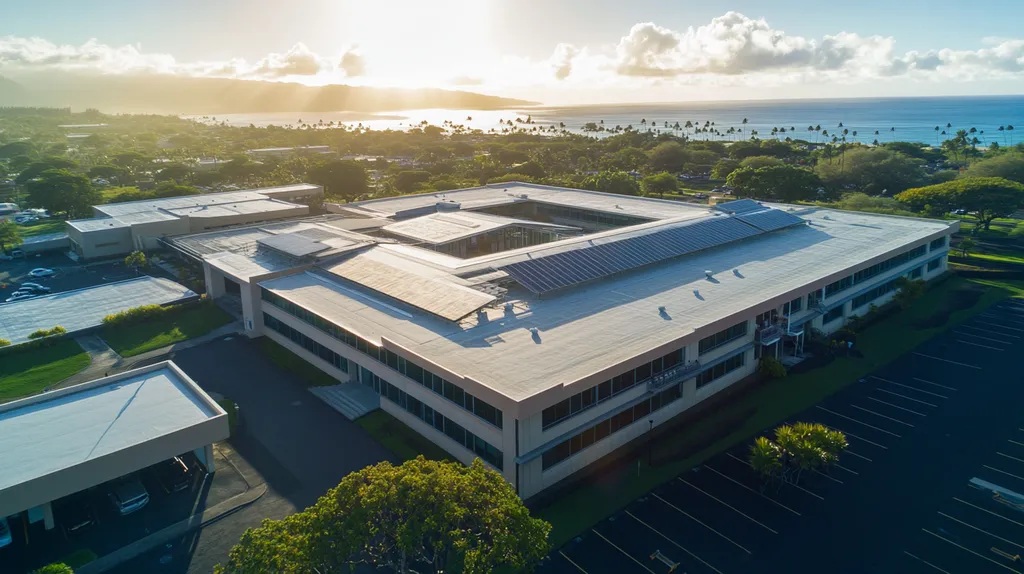
Commercial roof coatings offer significant benefits to building owners and facility managers, yet these advantages frequently remain unrealized. A recent study indicates that just tweaking application specifications could boost energy efficiency by up to 20%. Overlooking these potential gains not only squanders financial savings but also stifles environmental progress. This section dives into the critical issues surrounding missed opportunities in energy savings, roof longevity, and environmental impact.
Energy Efficiency and Cost Savings
Current application specifications often overlook energy efficiency, leading to soaring utility bills in commercial buildings. Reflective coatings, for example, can significantly lower indoor temperatures, slashing the need for air conditioning during the sweltering summer months.
Building owners risk missing out on substantial operating cost reductions due to outdated application practices. By sticking to the old ways, facilities managers effectively ignore innovative solutions like cool roof coatings, which can drastically cut energy consumption and costs.
Investing in modern techniques not only enhances coating performance but also streamlines long-term expenses. A commitment to innovative application methods can create a win-win scenario: improved performance and lower bills.
Moreover, energy-efficient roofs support sustainability initiatives, boosting marketability. Landlords eager to attract tenants seeking green building certifications would do well to reconsider their approach.
Extended Roof Lifespan Potential
Many property owners remain unaware that optimizing application specifications can significantly prolong their roofs’ lifespans. A well-applied roof coating can effectively add years to a roof’s life, minimizing leaks and structural headaches.
Sticking with outdated coating technologies might lead to premature replacements, which can be both costly and disruptive. This is about more than just longevity; it’s about dodging the unexpected hassle of sudden repairs.
Regular maintenance, combined with the right application techniques, can ensure roofs remain functional for as long as possible. Upgrading specifications to include advanced materials improves adhesion and enhances resistance to environmental wear.
Focusing on extending roof lifespan aligns with smart asset preservation strategies. Building owners can reap the dual rewards of financial savings and heightened property value through strategic roof coating applications.
Environmental Benefits Overlooked
The environmental ramifications of commercial roofing practices are facing increasing scrutiny. Sadly, existing specifications often ignore the ecological gains of advanced roof coating applications, resulting in unnecessary carbon emissions and waste.
Switching to reflective or insulating roof coatings can dramatically reduce a building’s carbon footprint. Unfortunately, application guidelines rarely emphasize these sustainable options, limiting their broader adoption.
Eco-friendly coatings not only tackle heat island effects but also contribute positively to urban sustainability efforts. By neglecting these options, property owners miss valuable opportunities to embrace environmentally responsible practices.
Ultimately, revising application specifications to incorporate greener options can significantly bolster a building’s sustainability profile. Greater awareness of these environmental benefits can enhance compliance with regulations and strengthen corporate responsibility initiatives.
SECTION 4: ROOT CAUSES
The effectiveness of commercial roof coating applications is often undermined by several root causes. Property owners and facility managers face risks, such as increased maintenance costs and reduced building lifespan, if these issues are not addressed. An alarming 30% of roof coating applications fail prematurely due to ineffective techniques. This section dives into the primary contributors to these problems: a lack of customization for roof types, insufficient training for contractors, and outdated industry standards.
Lack of Customization for Roof Types
The biggest problem with today’s roof coating specifications is their clumsy one-size-fits-all approach. Whether it’s EPDM, TPO, or built-up roofs, each type has its unique quirks that demand specific handling. Applying a generic coating leads to lackluster adhesion and premature breakdown.
Take, for instance, applying a coating designed for metal roofs to an aging asphalt roof. This mismatch can lead to bubbling, peeling, or worst of all, total coating failure. It’s clear: customizing applications for various roof types isn’t just beneficial; it’s essential.
Adding to the chaos, environmental factors like climate and location can skew performance even further. A coating effective in one region could flop disastrously in another. Having specifications that consider these variables can vastly improve success rates and longevity.
Ultimately, a tailored approach elevates both the durability and functionality of roof coatings, allowing property owners and managers to enjoy their investments without unnecessary headaches.
Insufficient Training for Contractors
When it comes to roof coating, many contractors’ training comes up woefully short. Too often, roofing professionals enter the field without thorough instruction on how to navigate the intricacies of different coating systems, leading to shoddy application methods.
Research shows that a staggering 40% of coating failures stem from poorly trained contractors. Without grasping the essentials of surface preparation, mixing ratios, and weather considerations, the odds of going off the rails during application skyrocket.
What’s worse, ongoing education is often tossed aside in favor of short-term profits. With new materials and innovations constantly hitting the market, keeping up is critical. Neglecting this means subpar installations are the order of the day.
Investing in regular, comprehensive training not only enhances the skills of contractors but also instills confidence in property owners. A more competent workforce leads to healthier roofing systems and longer-lasting coatings.
Outdated Industry Standards
Many current industry standards for roof coatings read like relics from the Stone Age. These outdated specifications tend to ignore the advancements in materials and application techniques, allowing mediocrity to thrive.
For example, numerous standards fail to recognize newer adhesion technologies or environmentally friendly products. The result? Coatings that don’t meet modern performance expectations and fall short in the long run.
The lack of regular updates from industry organizations only makes matters worse. As innovations in materials and application methods emerge, a dynamic response is crucial for ensuring coating longevity and efficiency.
It’s time for the industry to embrace regular updates to standards, making space for resilient and effective roofing solutions. Collaboration among manufacturers, contractors, and regulatory bodies is essential to advancing the field and safeguarding property investments.

DATA DRIVEN EVIDENCE
The stakes surrounding commercial roof coating applications have never been higher. Shockingly, reports reveal that improper application leads to a jaw-dropping 30% of coating failures in just the first five years. This trend results in not only costly repairs but also significant disturbances for property owners. By diving into critical performance metrics and real-world case studies, industry stakeholders can better understand the shortcomings of established application specifications and make informed choices.
Performance Metrics and Failure Rates
Performance metrics offer vital insights into the durability and efficiency of roof coatings. According to industry data, coatings that stray from manufacturer guidelines typically fail to endure essential challenges like temperature swings and moisture intrusion. Alarmingly, coatings applied haphazardly show a failure rate above 30% within five years.
The consequences of these failure rates stretch beyond mere appearances; they jeopardize the entire building’s integrity. A single failure can initiate leaks that compromise structures and create safety hazards. Moreover, the costs of premature failures can skyrocket, thrusting unexpected financial burdens on property owners.
As the market shifts, a focus on improved performance standards becomes paramount. By adopting rigorous testing and evaluation practices, the industry can forecast coating lifespans more accurately, safeguarding property investments with reliable roofing solutions.
Awareness of these performance metrics is a game-changer for property owners. Stressing strict adherence to optimal standards will not only lower failure rates but also enhance the longevity of roofs.
Case Studies of Coating Failures
Real-world examples underscore the dire consequences of inadequate application specifications. Consider a distribution center that faced devastating leaks due to a roof coating applied below the recommended thickness. Within three years, the facility incurred over $200,000 in repair costs stemming from water damage.
Another case involved a commercial office building whose roof membrane rapidly deteriorated from improperly installed coatings unable to withstand UV exposure. Within just 18 months, the building owner was forced into a costly full roofing system replacement.
Such stories highlight how crucial proper application and following specifications are for achieving coating longevity. Analyzing these failures helps spotlight common pitfalls that property owners can avoid. With increased awareness, facility managers can effectively manage risks, ultimately preventing costly surprises and protecting their investments.
Sharing insights from these failures prompts accountability across the industry, enabling property owners to make well-informed decisions regarding their roofing systems and application practices.
Industry Surveys and Feedback
Recent surveys conducted among property owners and facility managers reveal a mounting concern over existing coating application guidelines. A noteworthy 62% of respondents indicated that the current specifications do not adequately tackle the challenges posed by diverse environmental conditions.
Feedback from industry professionals reflects a clear demand for comprehensive and flexible guidelines. Many emphasize the necessity for tailored solutions that factor in variables such as climate and building design. This disconnect places a considerable burden on property managers who must navigate outdated specifications.
Furthermore, survey results advocate for enhanced training and resources for roofing contractors. When teams possess knowledge about the latest advancements and best practices, the probability of successful application outcomes rises significantly.
Aligning application standards with feedback from the field has the potential to substantially boost performance and durability. By facilitating open communication between manufacturers, contractors, and property owners, the industry can pinpoint the necessary steps toward more effective coating applications.
SECTION 6: ALTERNATIVE SOLUTIONS
As the commercial roofing industry grapples with escalating challenges from extreme weather and tight budgets, property owners must seek alternative solutions that break free from outdated application specifications. With over 30% of roof failures attributed to inadequate application practices, the stakes have never been higher. Embracing advanced materials, optimized application techniques, and regular maintenance can not only extend the lifespan of roof coatings but also save property owners from costly repairs down the line.
Advanced Coating Materials and Technologies
The roofing industry is experiencing a renaissance in coating materials, leading to unprecedented advancements. Innovative options like elastomeric coatings and reflective surfaces are engineered for superior durability and energy efficiency. These modern materials flex and adapt to temperature changes, cutting down on cracking and deterioration.
Nano-coatings are taking the market by storm, incorporating nanoparticles that create stronger barriers against UV damage and moisture. These high-tech solutions can extend the lifespan of coatings beyond what’s possible with traditional options, translating to long-term savings for property owners.
Moreover, eco-friendly choices like water-based and low-VOC coatings are gaining traction. These alternatives not only lessen environmental impact but also simplify cleanup and application. Opting for these materials ensures compliance with growing regulations, addressing the ecological concerns facing modern roofing projects.
Choosing advanced coating materials isn’t just about performance; it’s also a step towards sustainable building practices. Property owners should prioritize these innovations to protect their investments and support energy-efficient strategies that resonate with today’s environmental standards.
Optimized Application Techniques and Tools
Incorporating cutting-edge tools like drones for pre-application assessments can also bolster the process. Drones can capture high-resolution imagery, pinpointing trouble spots that require extra attention during coating. This proactive step can drastically reduce the chances of improper application, setting projects up for success.
Additionally, investing in training for roofing crews is essential. Regular education ensures teams stay informed about the latest tools and methods, translating to improved workmanship and fewer callbacks for repairs. Property owners should prioritize hiring well-trained crews who are up to speed on modern practices.
By optimizing application methods and tools, the potential benefits of advanced coating materials can be fully realized. Operators armed with the right training and equipment are the key to ensuring a successful, longer-lasting coating application.
Regular Maintenance and Inspection Protocols
While often overlooked, regular maintenance is critical for prolonging the life of roof coatings. Implementing a consistent inspection routine can sniff out minor issues before they escalate into major disasters. In fact, proactive maintenance has been shown to extend roof system lifespans by as much as 50%—a statistic that should grab any property owner’s attention.
Establishing clear protocols for routine inspections, such as visual checks at least twice a year, can help ensure that warranty liabilities don’t rear their ugly heads. Keeping documented records of inspections can also bolster service histories, aiding in future resale or insurance claims.
Moreover, encouraging open communication with roofing contractors fosters timely feedback on potential maintenance and repair needs. This ongoing dialogue is crucial for developing a collaborative strategy that yields effective roof management.
Ultimately, property owners who invest in regular inspections and maintenance are not just preserving their roofs; they’re securing their financial investments and ensuring their roofing systems stand strong for years ahead.
Looking Ahead
With annual coating failures costing the industry over $2.3 billion, the need to overhaul outdated application specifications has never been more urgent.
Current standardized guidelines continue driving high failure rates while ignoring advances in materials science and application technologies that could dramatically improve performance.
The data is clear: customized approaches incorporating climate considerations, proper contractor training, and regular maintenance protocols can extend coating lifespans by up to 50%.
Until the industry embraces evidence-based specifications that account for diverse roof types and environmental conditions, property owners will continue facing premature failures and escalating repair costs.
The path forward requires replacing rigid, one-size-fits-all standards with adaptive solutions that leverage modern materials and application methods to deliver lasting protection.
FREQUENTLY ASKED QUESTIONS
Q. What are common issues with commercial roof coating applications?
A. Many issues stem from improper application techniques, leading to early failures. Reasons include outdated methods, inadequate preparations, and unclear manufacturer guidelines, which can create weak spots and costly repairs. Proper training and staying updated with modern practices are essential for avoiding these pitfalls.
Q. How do temperature and humidity affect industrial roof coatings?
A. Application during inappropriate temperature or humidity can lead to adhesion issues and premature failures. Lower temperatures slow drying, while high humidity may trap moisture, resulting in mold and peeling. Adhering to specifications is crucial for ensuring the durability of your roof coatings.
Q. What energy-saving benefits do commercial roofs provide?
A. Choosing reflective coatings can significantly lower indoor temperatures, reducing reliance on air conditioning. With energy-efficient practices, property owners can realize noticeable savings on utility bills, and attract environmentally conscious tenants looking for green certifications. It’s a win-win!
Q. Why is surface preparation essential for roof coating applications?
A. Surface preparation is vital for ensuring proper adhesion of coatings. Contaminants like dirt, oil, or remnants from old coatings can lead to significant issues like blistering or flaking. A clean substrate guarantees a strong bond, prolonging the life of your commercial roof.
Q. How can property owners avoid costly coating failures?
A. Regular inspections and maintenance can identify potential issues before they escalate. Moreover, hiring well-trained contractors who follow manufacturer guidelines ensures the application process is executed correctly. Staying informed about new materials and practices contributes significantly to preventing costly failures.
Q. What advanced materials are best for commercial roof coatings?
A. Advanced options like elastomeric and nano-coatings provide superior durability and flexibility against environmental conditions. Eco-friendly alternatives also reduce environmental impact while improving performance. Investing in these materials can lead to longer-lasting solutions and even lower maintenance costs down the road.
Q. What are the risks of using outdated industry standards?
A. Relying on outdated standards can lead to inadequate performance and premature coating failures. Lack of recognition for new technologies means missing out on necessary advancements that ensure durability and efficiency. Updating standards is crucial for aligning with modern practices for commercial roof coatings.






