
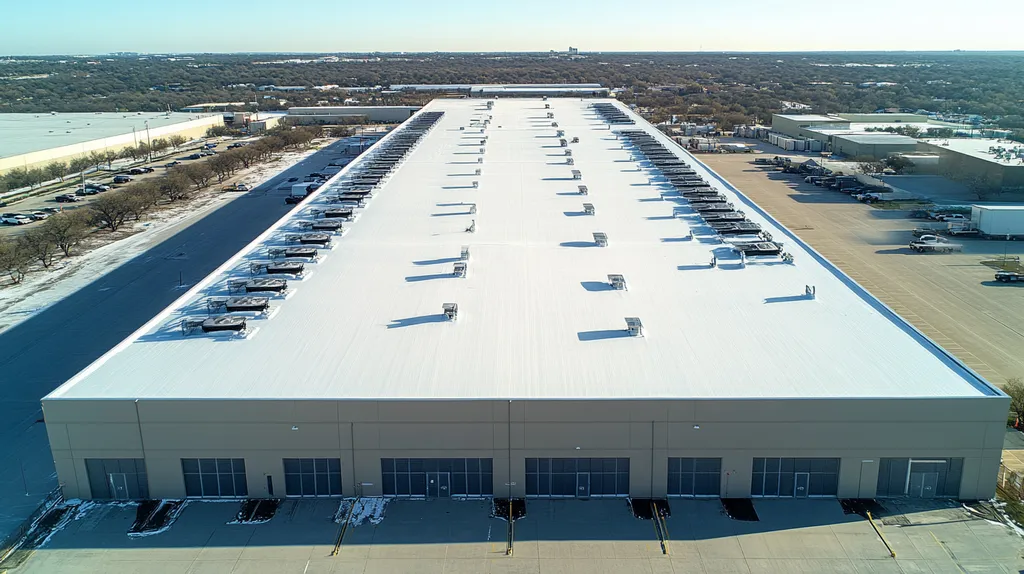
Commercial building owners lose over $3.5 billion annually due to improper roof coating selections, with 40% of coatings failing prematurely in challenging climates. These failures often result from fundamental misunderstandings about how regional weather patterns affect coating performance.
From scorching desert heat to freeze-thaw cycles, each climate zone demands specific coating properties for optimal protection and longevity. Yet many facility managers continue to select coatings based on cost alone, ignoring crucial environmental factors.
This comprehensive guide examines the science behind climate-appropriate coating selection, common pitfalls to avoid, and evidence-based solutions that can extend roof life by up to 15 years while reducing energy costs.
SECTION 1: COMMON MISCONCEPTIONS
When it comes to commercial roof coatings, misinformation can cost building owners thousands in wasted materials and labor. Industry data shows that improper coating selection leads to premature failure in 35% of commercial roofs within the first five years of application. Understanding and avoiding these common misconceptions isn’t just about maintenance—it’s about protecting your building’s most critical asset while maximizing your investment.
Myth: One Coating Fits All Climates
The reality of commercial roof coatings is that environmental conditions drastically affect performance. A building in a dry, hot environment requires different coating properties than one in an area with cold, snowy winters. (source: Inland Coatings)
Temperature fluctuations, UV exposure, and precipitation levels all influence how a coating performs. What works perfectly in Arizona’s desert climate might fail completely in Seattle’s rainy environment.
Coating manufacturers develop specific formulations for different climate zones for good reason. Some coatings excel at reflecting heat but crack in freezing temperatures, while others provide superior water resistance but may degrade faster under intense UV exposure.
Belief: Reflectivity Always Means Energy Savings
While reflective coatings can reduce cooling costs significantly in warm climates, they aren’t always the most energy-efficient choice. Buildings in northern regions may actually increase their heating costs with highly reflective coatings.
The effectiveness of reflective coatings depends on factors like building design, insulation levels, and local utility rates. Some facilities may benefit more from coatings that balance both heat reflection and absorption.
Energy savings calculations must consider year-round performance, not just summer cooling benefits. What saves money in July might cost more in January, making coating selection a careful balancing act.
Assumption: Roof Condition Doesn’t Affect Coating Choice
The condition of an existing roof directly impacts coating performance and longevity. Surface preparation requirements vary significantly based on current roof damage, material type, and age.
Metal roofs with rust require different coating systems than TPO membranes with UV degradation. Attempting to apply a coating without addressing underlying issues often leads to adhesion failures and water infiltration.
Professional assessment of roof condition should always precede coating selection. This evaluation helps identify necessary repairs and determines whether a coating is even appropriate for the current roof state.
Moisture testing, adhesion trials, and surface analysis provide crucial data for coating selection. Skipping these steps often results in premature coating failure and unnecessary expense.
SECTION 2: PRACTICAL IMPLICATIONS
Commercial roofing decisions carry significant financial implications, with improper coating choices potentially reducing roof lifespan by 40-60%. Environmental factors, material compatibility, and seasonal changes all play crucial roles in determining coating success. Understanding these practical considerations helps facility managers avoid costly failures while maximizing their roofing investment’s longevity and performance.
Impact of Climate on Coating Performance
Different climates create unique challenges for roof coating performance. Hot, sunny regions accelerate coating degradation through intense UV exposure, while areas with frequent rainfall face moisture-related deterioration issues.
Temperature fluctuations can cause coating expansion and contraction, potentially leading to cracking and separation. This is particularly critical in regions experiencing extreme temperature variations between seasons.
Acrylic roof coatings provide excellent UV protection and energy efficiency in high sun exposure regions, while silicone roof coatings better resist ponding water, making them ideal for flat roofs in rainy or snowy areas. (source: Lakes Country Roofing)
High humidity environments require special consideration, as moisture-trapped beneath improperly selected coatings can lead to substrate deterioration and coating failure.
How Roof Material Dictates Coating Compatibility
Each roofing substrate demands specific coating characteristics for proper adhesion and performance. Metal roofs require coatings with superior flexibility to accommodate thermal movement, while single-ply membranes need products that won’t degrade their surface.
Surface preparation requirements vary significantly between materials. Concrete demands thorough cleaning and often primer application, while modified bitumen may need specialized coating systems to prevent bleed-through.
Chemical compatibility between existing roofing materials and new coatings is crucial. Incompatible combinations can result in coating rejection, premature failure, or damage to the underlying substrate.
Proper adhesion testing must be conducted before full application to verify coating compatibility with the existing roof surface. This small investment prevents costly failures and ensures optimal performance.
Seasonal Weather Effects on Roof Longevity
Seasonal weather patterns create distinct challenges for roof coating durability. Winter freeze-thaw cycles can cause coating brittleness and cracking, while summer heat waves may accelerate coating degradation.
Spring rains and fall storms test coating water resistance and adhesion strength. Proper coating selection must account for these predictable yet challenging conditions.
Snow accumulation and ice formation require coatings with excellent moisture resistance and flexibility. Coatings must maintain their protective properties even under prolonged exposure to standing water and ice.
Wind-driven rain and debris can erode coating surfaces over time. Selecting products with appropriate wear resistance helps maintain protection throughout all seasons.
SECTION 3: COST OF MISINFORMATION
When commercial property owners make uninformed decisions about roof coatings, the financial impact extends far beyond the initial material costs. Industry statistics show that incorrect coating selections lead to premature failures in over 40% of commercial roofs within their first three years. These failures trigger a cascade of expenses across maintenance, energy efficiency, and eventual replacement costs that can devastate facility budgets.
Financial Risks of Incorrect Coating Selection
Climate and weather exposure significantly influence coating performance and longevity. Temperature extremes, humidity variations, and precipitation patterns can accelerate coating degradation when improper products are selected. (source: SmartSeal)
Initial coating failures often lead to substrate damage, potentially voiding manufacturer warranties. This leaves building owners fully exposed to repair costs that should have been covered under warranty protection.
Emergency repairs resulting from coating failures typically cost 300% more than planned maintenance. These unexpected expenses can severely impact annual maintenance budgets and force delays in other critical facility improvements.
Insurance carriers may increase premiums or deny coverage for buildings with documented coating failures. This creates additional financial exposure beyond direct repair costs.
Repair and Maintenance Costs from Inappropriate Coatings
Buildings with mismatched coatings require maintenance interventions up to four times more frequently than those with properly specified systems. Each intervention compounds labor costs and disrupts tenant operations.
Inappropriate coatings often mask underlying problems while allowing deterioration to continue. This hidden damage typically requires extensive repairs once discovered, multiplying the original coating investment several times over.
Coating failures frequently lead to water infiltration, which can damage expensive interior finishes and equipment. These secondary damages often exceed the cost of the roofing repairs themselves.
Maintenance teams must divert resources from preventive activities to address coating-related emergencies. This reactive approach accelerates the deterioration of other building systems.
Long-Term Energy and Replacement Cost Consequences
Poorly specified coatings can increase cooling costs by up to 25% in warm climates. These elevated energy expenses compound monthly, creating significant operational cost increases over time.
Premature coating failure often necessitates complete removal and reapplication. This process typically costs 40% more than the initial installation while providing a shorter service life.
Buildings with failed coatings face accelerated degradation of insulation and structural components. These cumulative damages can force total roof replacement years ahead of schedule.
The combined impact of increased energy costs and accelerated deterioration can reduce a roof’s expected lifespan by 50% or more. This compression of the replacement cycle creates severe strain on capital improvement budgets.
SECTION 4: REALITY CHECK
Commercial roof coating selection demands precision, with industry data showing that improper choices lead to 60% higher maintenance costs within the first two years. Climate variations, substrate conditions, and performance claims all intersect to determine coating success or failure. Understanding these realities helps facility managers avoid the common pitfalls that plague many commercial roofing projects.
Matching Coating Types to Regional Climates
Silicone coatings demonstrate superior water resistance and adhesion in regions with high rainfall or persistent humidity, though their reflectivity may diminish over time due to dirt accumulation. (source: Roofline Inc.)
Desert and high-altitude environments require coatings with exceptional UV resistance and thermal stability. These regions often see surface temperatures exceed 180°F, demanding products that maintain flexibility under extreme heat stress.
Coastal areas need specialized coating formulations that resist salt spray and constant moisture exposure. Standard coatings can deteriorate rapidly in these harsh maritime conditions, leading to premature failure.
Mountain and northern regions require coatings that maintain flexibility through freeze-thaw cycles. Products must resist ice damage while accommodating substantial thermal movement between seasons.
Assessing Roof Condition Before Coating Application
Surface preparation requirements vary dramatically based on existing roof conditions. Even minor contamination can prevent proper coating adhesion, leading to widespread failure within months of application.
Moisture testing must extend beyond surface evaluation to identify trapped water within the roofing assembly. Coating over wet insulation or substrates guarantees system failure and accelerates deterioration.
Structural deflection and drainage patterns require careful evaluation before coating selection. Areas of ponding water need specially formulated products, while high-traffic zones demand enhanced wear resistance.
Age-related degradation affects coating compatibility and performance expectations. Older roofs may require specialized primers or enhanced surface preparation to achieve proper adhesion.
Evaluating Water Resistance and Weather Durability Claims
Manufacturing specifications often cite ideal laboratory conditions that rarely match real-world performance. Field testing under actual weather conditions provides more reliable indicators of coating durability.
Water resistance ratings must account for both surface penetration and vapor transmission. Some coatings excel at blocking liquid water but trap damaging vapor within the roof assembly.
Impact resistance and tensile strength determine a coating’s ability to withstand physical stress. These properties become critical in areas prone to hail, falling branches, or maintenance traffic.
Chemical resistance affects long-term durability, particularly in industrial areas. Exposure to exhaust gases, chemical emissions, and acid rain can rapidly degrade inadequately formulated coatings.
SECTION 5: EVIDENCE-BASED ALTERNATIVES
Commercial roof coating failures cost U.S. building owners over $2.5 billion annually in repairs, energy loss, and structural damage. Selecting climate-appropriate coatings can prevent these losses while extending roof life by 10-15 years. Understanding the scientific evidence behind coating performance in different environments enables property owners to make decisions that protect their investments and avoid costly mistakes.
Selecting Silicone, Acrylic, or Polyurethane by Climate Zone
Roof coatings perform best in areas with moderate temperatures and rainfall levels, while buildings in extreme conditions require specially formulated materials designed for harsh environments. (source: Parsons Roof)
Silicone coatings excel in high-humidity regions, maintaining their physical properties even under constant moisture exposure. Their molecular structure prevents water absorption while allowing the substrate to breathe, reducing the risk of trapped moisture.
Acrylic coatings provide optimal performance in dry, sunny climates where UV resistance is crucial. Their reflective properties and color stability make them ideal for reducing cooling costs in hot regions.
Polyurethane systems offer superior impact resistance and flexibility, making them suitable for areas with extreme temperature fluctuations. Their tough finish withstands physical abuse while maintaining waterproof integrity.
Advantages of Cold-Weather Compatible Coatings like Ecodur
Cold-weather coatings represent a significant advancement in roofing technology, offering application capabilities down to 20°F. This extended working season reduces scheduling constraints and allows for emergency repairs during winter months.
These specialized formulations maintain flexibility even in sub-freezing conditions, preventing the cracking and separation common with traditional coatings. Their molecular structure accommodates thermal movement without compromising adhesion.
Enhanced moisture resistance prevents ice damage and water infiltration during freeze-thaw cycles. This protection is crucial for maintaining building envelope integrity throughout harsh winter conditions.
Installation costs decrease significantly since these coatings require minimal heating equipment and special preparations. Their rapid cure times also reduce labor requirements and facility disruption.
Incorporating Reflective and Energy-Efficient Coatings
Modern reflective coatings can reduce roof surface temperatures by up to 80°F compared to uncoated surfaces. This dramatic temperature reduction directly impacts cooling costs and HVAC system longevity.
Energy-efficient formulations combine high solar reflectance with superior thermal emittance. This dual-action approach prevents heat absorption while allowing accumulated heat to dissipate quickly.
Advanced coating technologies now offer self-cleaning properties that maintain reflectivity over time. These innovations ensure long-term energy savings without increasing maintenance requirements.
Integration with building automation systems allows for performance monitoring and optimization. Real-time data helps facility managers quantify energy savings and adjust operational strategies accordingly.
SECTION 6: TEST AND VERIFY
Commercial roof coating failures cost property owners millions annually in repairs, energy waste, and structural damage. Industry data shows that 65% of premature coating failures stem from inadequate testing and verification procedures. Without proper evaluation methods, even the most expensive coating systems can fail within months of application, leaving buildings vulnerable to water damage and compromised structural integrity.
Methods to Evaluate Roof and Climate Compatibility
Successful coating selection begins with comprehensive climate analysis, including detailed examination of temperature ranges, precipitation patterns, and UV exposure levels. This data establishes baseline requirements for coating performance and durability.
Core sample analysis of existing roofing materials reveals moisture content, substrate condition, and potential adhesion challenges. These findings help determine necessary surface preparation steps and primer requirements.
Acrylic roof coatings demonstrate excellent UV resistance and reflectivity in sunny regions, while silicone coatings excel at resisting ponding water on flat roof surfaces. (source: Lakes Country Roofing)
Laboratory analysis of coating samples under simulated environmental conditions provides crucial performance data. This testing reveals how coatings respond to thermal cycling, moisture exposure, and chemical contamination.
Field Testing for Adhesion and Water Resistance
Pull-adhesion testing determines bond strength between coating and substrate under actual site conditions. These tests must be conducted across various roof areas to account for surface variations and exposure differences.
Water spray testing evaluates coating performance under dynamic conditions, revealing potential weaknesses in seams and penetrations. Extended ponding tests identify areas where standing water might compromise coating integrity.
Impact resistance testing simulates hail damage and maintenance traffic effects. Results guide decisions about coating thickness and reinforcement requirements in high-traffic zones.
Chemical exposure tests verify coating resistance to specific environmental contaminants present at the site. This is particularly important for facilities near industrial areas or coastal environments.
Monitoring and Maintenance Practices to Ensure Performance
Regular infrared scanning identifies moisture infiltration before visible damage occurs. These scans should be conducted quarterly during the first year after application to establish performance baselines.
Surface adhesion tests performed annually track coating degradation rates and identify areas requiring preventive maintenance. Documentation of these results helps optimize maintenance schedules and budget planning.
Digital monitoring systems with moisture sensors provide real-time alerts about potential coating failures. This technology enables rapid response to developing problems before they cause extensive damage.
Scheduled cleaning and inspection protocols remove contamination that could accelerate coating deterioration. These procedures must adapt to seasonal changes in environmental conditions and exposure levels.
The Bottom Line
With over $3.5 billion lost annually to improper commercial roof coating selections, the stakes couldn’t be higher for property owners and facility managers.
Climate-appropriate coating selection represents the single most important factor in achieving maximum roof protection and longevity, with proper choices extending service life by up to 15 years.
Research shows that 40% of coating failures stem directly from mismatching products to regional weather conditions, resulting in premature deterioration and unnecessary replacement costs.
By following evidence-based selection criteria, conducting thorough compatibility testing, and implementing proper maintenance protocols, commercial buildings can achieve optimal protection while reducing long-term ownership costs by up to 60%.
The future of commercial roofing depends on making informed, climate-conscious coating decisions that protect both buildings and bottom lines.
FREQUENTLY ASKED QUESTIONS
Q. Can one coating fit all climates for a commercial roof?
A. No, different climates require specific coatings to ensure performance. For example, coatings that work in hot, dry areas may fail in cold, wet climates. Selecting the right coating based on local weather conditions is critical for longevity and effectiveness.
Q. How does climate impact coating for my industrial roof?
A. Climate significantly affects coating durability. Hot, sunny climates require UV-resistant coatings, while regions with heavy rain need moisture-resistant products. Understanding local climate patterns helps in selecting the right coating to prevent premature deterioration.
Q. What are the financial risks of choosing the wrong coating for a commercial roof?
A. Choosing the wrong coating can lead to expensive failures, increased repair costs, and early replacement. Financial strain may occur from higher maintenance needs and potential insurance implications. Careful selection can mitigate long-term financial impacts.
Q. How does roof material affect coating compatibility for industrial roofs?
A. Different roofing materials require specific coatings for optimal adhesion and durability. For instance, metal roofs need flexible coatings, while TPO membranes require products that won’t degrade their surface. Ensuring compatibility is vital to prevent failures.
Q. What is the importance of proper testing for commercial roof coatings?
A. Proper testing ensures that selected coatings perform as expected under real-world conditions. Tests evaluate adhesion, water resistance, and overall durability, minimizing the risk of premature failure due to environmental factors. Thorough evaluation saves money over time.
Q. How do seasonal changes affect coating performance for commercial roofs?
A. Seasonal changes, like freeze-thaw cycles and heavy rains, challenge coating performance. Coatings need to withstand temperature extremes and moisture conditions to prevent cracking and water damage. Choosing weather-appropriate products prolongs roof life considerably.
Q. What are effective alternatives to traditional coatings for commercial roofs?
A. Alternatives like silicone, acrylic, and polyurethane coatings offer various benefits suited to specific climates. Silicone excels in moisture, while acrylic shines in UV resistance. Understanding options helps protect investments and enhances roof longevity.






