
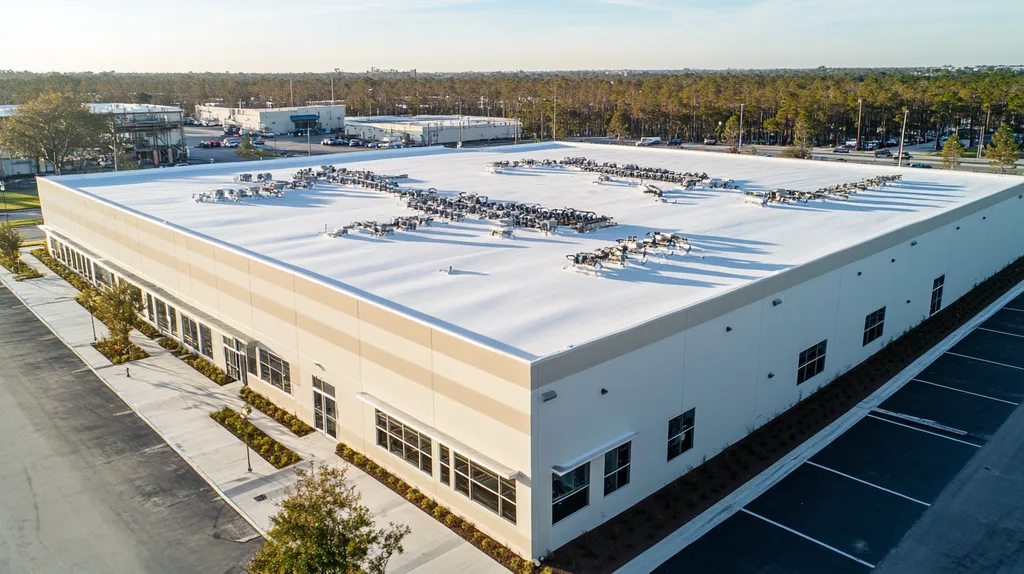
Drainage failures account for 40% of commercial roof replacements, costing property owners over $3.5 billion annually in preventable damage. This staggering figure stems largely from persistent industry myths about drainage design that compromise building performance.
From misconceptions about flat roof slopes to dangerous assumptions about drainage system equivalency, these widespread beliefs create catastrophic vulnerabilities in commercial structures.
This analysis examines critical drainage design facts versus fiction, providing evidence-based solutions that can extend roof lifespans by decades while reducing maintenance costs by up to 75%.
SECTION 1: COMMON MISCONCEPTIONS
Ineffective drainage systems account for over 40% of commercial roof failures, leading to billions in repair costs annually. Understanding and addressing common misconceptions about roof drainage can prevent catastrophic failures and extend roof lifespans by decades. These misunderstandings often result in inadequate maintenance protocols and flawed installation specifications that compromise building integrity.
Myth: Flat Roofs Are Completely Flat
Commercial “flat” roofs require specific slope gradients to function properly, typically ranging from 1:40 to 1:80, ensuring water flows effectively toward drainage points. This minimal yet crucial incline prevents water accumulation and protects the roof’s structural integrity.
Strategic drain placement at roof low points maximizes water removal efficiency, while crickets – small raised structures – direct water flow around obstacles to prevent ponding. The combination of proper slope and drainage placement significantly reduces the risk of leaks and membrane damage.
Regular inspection of these slope configurations remains essential for maintaining optimal drainage performance. Even minor deviations from designed gradients can lead to water accumulation and accelerated deterioration of roofing materials.
Understanding these design principles enables facility managers to better maintain their drainage systems and prevent costly water damage. (source: Eskola LLC)
Misbelief: Drainage Systems Are Unnecessary on Flat Roofs
The misconception that drainage systems are optional on commercial roofs leads to significant structural vulnerabilities. Water accumulation of just one inch per square foot adds 5.2 pounds of weight, potentially exceeding design load limits.
Insufficient drainage creates conditions for biological growth, including algae and moss, which break down roofing materials. These organisms trap moisture against the roof surface, accelerating deterioration and potentially voiding manufacturer warranties.
Temperature fluctuations cause trapped water to expand and contract, creating stress on roofing membranes. This cyclic stress often results in premature aging and failure of roofing systems.
Proper drainage systems protect against these issues while extending roof lifespan and maintaining building efficiency. Regular maintenance of these systems proves far less costly than addressing water damage.
Assumption: All Drainage Designs Perform Equally
Climate conditions significantly impact drainage system effectiveness, requiring specialized designs for different regions. Systems optimal for heavy rainfall may prove inadequate for areas with significant snow accumulation or frequent freeze-thaw cycles.
Building geometry and roof configuration demand customized drainage solutions. Factors such as roof size, slope variations, and mechanical equipment placement all influence proper drain quantity and positioning.
Material selection must align with specific environmental challenges. Different membrane types, insulation materials, and drainage components interact uniquely, affecting overall system performance.
Performance variations between drainage designs can result in substantial differences in maintenance requirements and system longevity. Standardized approaches often fail to address site-specific challenges, leading to premature system failure.
SECTION 2: PRACTICAL IMPLICATIONS
Drainage design failures represent a critical vulnerability in commercial roofing, with improper water management leading to catastrophic consequences. Industry data shows that inadequate drainage systems reduce roof lifespans by up to 70% while increasing maintenance costs exponentially. Understanding these implications helps facility managers implement effective solutions that protect their building investments and ensure operational continuity.
Effects of Poor Drainage on Roof Longevity
Compromised drainage directly accelerates membrane deterioration through constant water exposure. Even minor ponding can break down roofing materials at microscopic levels, leading to premature aging and system failure.
UV radiation compounds the damage when standing water magnifies sunlight onto roofing surfaces. This intensified exposure accelerates chemical breakdown of membranes and protective coatings, reducing their effectiveness.
Freeze-thaw cycles in ponded areas create expansion stress that compromises membrane integrity. These stresses can create micro-tears that eventually develop into major leaks, requiring extensive repairs.
Water accumulation also provides ideal conditions for biological growth that can penetrate and degrade roofing materials. This organic deterioration often voids manufacturer warranties while creating additional maintenance challenges.
Impact of Drainage Design on Structural Integrity
Gravity drainage systems require precise slope planning to effectively move water, while siphonic systems can operate with reduced slope requirements. This flexibility allows for more efficient water removal across complex roof geometries. (source: Alpine Sheet Metal Systems)
Excessive water weight from poor drainage can exceed design load limits by 500%. This overloading stresses support structures and can lead to catastrophic failures, particularly during severe weather events.
Water infiltration through compromised areas can corrode structural steel and weaken concrete reinforcement. These hidden structural impacts often go undetected until significant damage occurs.
Thermal movement in building materials becomes more problematic when drainage issues exist. The combination of temperature fluctuations and trapped moisture accelerates structural deterioration.
Operational Challenges from Inadequate Water Removal
Business disruptions from water-related roof failures cost companies millions annually in lost productivity. Emergency repairs and unexpected closures create cascading impacts throughout operations.
Indoor air quality deteriorates when moisture penetrates building envelopes due to drainage issues. This creates health risks for occupants and potential liability for property owners.
Energy efficiency decreases significantly when insulation becomes saturated from poor drainage. Higher utility costs and uncomfortable indoor conditions affect both operational budgets and workplace productivity.
Insurance premiums often increase substantially after water-related claims, while coverage options may become limited. These financial impacts extend well beyond the immediate cost of repairs.
SECTION 3: COST OF MISINFORMATION
Commercial property owners face staggering financial consequences when drainage design myths influence decision-making. Industry data reveals that drainage-related failures account for 35% of premature roof replacements, with associated costs exceeding $3.5 billion annually across North America. Understanding the true cost implications of inadequate drainage systems is essential for protecting both short-term operations and long-term property investments.
Financial Risks of Ignoring Proper Drainage Standards
A well-designed drainage system and properly pitched roof serve as critical safeguards against catastrophic water damage. Buildings must maintain minimum slope requirements of quarter inch per foot, while incorporating multiple drains, scuppers, and adequately sized gutters to ensure proper water management. (source: FacilitiesNet)
Insurance carriers increasingly scrutinize drainage specifications when evaluating coverage terms. Properties with documented drainage deficiencies face premium increases averaging 25-40% and may experience coverage exclusions for water-related damages.
Commercial mortgage lenders now regularly include drainage system assessments in their due diligence process. Properties failing to meet current drainage standards often face higher interest rates or loan denials, directly impacting property valuations.
Building code violations related to improper drainage can trigger substantial municipal fines. These penalties compound over time until remediation occurs, creating escalating financial exposure for property owners.
Repair and Replacement Expenses from Drainage Failures
Emergency drainage repairs typically cost 300% more than planned maintenance or upgrades. This premium reflects both the urgent nature of these repairs and the additional damage caused by delayed intervention.
When drainage failures compromise roofing membranes, replacement costs average $12-18 per square foot. These expenses balloon to $25-35 per square foot when underlying insulation and deck materials require replacement due to water saturation.
Secondary structural damage from prolonged moisture exposure often necessitates extensive repairs. Steel deck corrosion, concrete deterioration, and compromised fastening systems can double or triple the scope and cost of remediation projects.
Equipment damage from water infiltration creates additional financial impacts. HVAC systems, electrical infrastructure, and roof-mounted equipment often require premature replacement when exposed to moisture from drainage failures.
Hidden Costs of Water Damage and Downtime
Business interruption losses from drainage-related failures average $50,000 per incident for retail operations and $175,000 for light industrial facilities. These figures exclude long-term impacts on customer relationships and market position.
Environmental remediation costs for mold and bacterial growth resulting from chronic moisture problems typically range from $15-25 per square foot. These expenses often fall outside standard insurance coverage.
Legal liability exposure increases dramatically when drainage failures affect building occupants. Settlement costs for slip-and-fall incidents or health-related claims frequently exceed $100,000 per occurrence.
Energy efficiency degradation from waterlogged insulation increases operating costs by 20-30% annually. This hidden expense compounds over time, creating significant budget impacts that often go unrecognized until comprehensive energy audits are performed.
SECTION 4: REALITY CHECK
Drainage design failures account for over 40% of commercial roof replacements, costing property owners billions annually in preventable damage. Current data shows that inadequate drainage reduces average roof lifespans by 15-20 years while increasing maintenance costs by up to 300%. Understanding and implementing proper drainage requirements represents the difference between a high-performing roof asset and a constant source of expensive problems.
Verified Minimum Slopes and Drainage Requirements
Minimal yet precise slope gradients ranging from 1:40 to 1:80 significantly enhance water flow towards drainage points, preventing costly stagnation issues that compromise roof integrity. Strategic drain placement at roof low points maximizes removal efficiency, while specialized crickets direct water flow around obstacles to prevent ponding. (source: Eskola LLC)
Building codes mandate minimum drainage capacities based on roof area and local rainfall intensity. These requirements ensure systems can handle peak water volumes without risking structural overload or membrane damage.
Modern drainage calculations incorporate factors like parapet heights, equipment locations, and membrane types to determine optimal slope configurations. This comprehensive approach prevents design oversights that could lead to premature system failure.
Regular slope verification through professional surveys helps identify settling or deflection issues before they cause drainage problems. Early detection enables cost-effective corrections rather than emergency repairs.
Performance Benefits of Engineered Drainage Systems
Engineered drainage solutions reduce maintenance costs by up to 60% compared to basic configurations. These systems utilize precise calculations for drain placement, pipe sizing, and flow rates to maximize water removal efficiency.
Advanced drainage designs incorporate redundant pathways and emergency overflow provisions. This layered approach prevents catastrophic failures during extreme weather events while protecting critical building systems.
Integrated monitoring systems allow facility managers to detect drainage issues before they cause significant damage. Real-time alerts enable proactive maintenance that extends system lifespan while reducing repair costs.
Performance data shows engineered systems maintain effectiveness three times longer than standard configurations. This extended service life delivers substantial returns on the initial investment through reduced maintenance and replacement costs.
Real-World Examples of Effective Commercial Roof Drainage
A 200,000-square-foot distribution center implemented an engineered drainage system that prevented over $2 million in potential water damage during recent flooding events. The system’s enhanced flow capacity handled 500% more water volume than the previous configuration.
Healthcare facilities utilizing advanced drainage designs report 85% fewer maintenance calls related to water infiltration. This improved reliability protects sensitive medical equipment while ensuring continuous operations.
Multi-story office complexes with engineered drainage systems demonstrate 40% lower insurance premiums due to reduced risk profiles. These savings offset installation costs while providing superior protection against water damage.
Industrial facilities implementing comprehensive drainage solutions experience 75% fewer emergency repair incidents. This reduction in unplanned maintenance significantly improves operational efficiency and budget predictability.
SECTION 5: EVIDENCE-BASED ALTERNATIVES
Commercial roofing drainage failures cost property owners billions annually in preventable damage and repairs. Modern drainage solutions can extend roof lifespans by 20-30 years while reducing maintenance costs by up to 75%. However, maximizing these benefits requires understanding key differences between available systems, proper slope requirements, and material selection criteria that determine long-term performance.
Gravity vs. Siphonic Drainage Systems Explained
Gravity-based systems remain the most common drainage solution, utilizing slope and pipe diameter to achieve flow rates of 2-4 gallons per minute per square foot. While effective for moderate rainfall, these systems require larger pipe networks and precise slope calculations.
Siphonic systems leverage negative pressure to achieve flow rates up to 8 gallons per minute per square foot through smaller diameter pipes. This enhanced capacity allows for fewer roof penetrations and reduced structural load requirements.
Installation costs typically run 15-25% higher for siphonic systems compared to gravity alternatives. However, reduced maintenance requirements and superior performance during heavy rainfall events often justify this premium through lower lifetime ownership costs.
System selection should prioritize local rainfall intensity data, roof geometry, and structural loading limits. Peak flow calculations must account for both typical precipitation patterns and extreme weather events to ensure adequate capacity.
Designing Positive Drainage with Proper Roof Slope
Proper slope design represents the foundation of effective commercial roof drainage. Minimum slopes of 1/4 inch per foot direct water toward drains, scuppers, or gutters, while multiple drainage points prevent backup issues and structural overload. (source: Cole Roofing)
Tapered insulation systems can create positive drainage on existing structures without major modifications. These engineered solutions provide consistent slope while improving thermal performance and reducing energy costs.
Cricket and saddle installations redirect water flow around rooftop obstacles and equipment. These raised structures prevent ponding behind mechanical units, pitch pockets, and other common impediments to drainage.
Regular slope verification through electronic monitoring and physical inspection ensures drainage patterns remain effective. Settlement, structural movement, and membrane compression can alter designed slopes over time.
Material and System Selection for Optimal Water Management
Modern thermoplastic and thermoset membranes offer superior resistance to ponding water compared to traditional materials. These advanced compounds maintain structural integrity despite prolonged moisture exposure, reducing leak risks.
High-performance insulation materials resist moisture absorption and maintain R-value when exposed to water. This stability prevents thermal efficiency degradation while supporting consistent drainage patterns.
Integrated drainage layers between insulation and membrane components accelerate water removal. These composite systems reduce ponding potential while protecting underlying materials from moisture damage.
Edge metal and termination details must accommodate maximum anticipated water volumes. Proper sizing and installation of these components prevents overflow and facade damage during peak flow events.
SECTION 6: TEST AND VERIFY
Commercial roof drainage failures cost property owners billions annually in preventable damage. Industry data reveals that 35% of catastrophic roof failures stem from undetected drainage issues that proper testing could have prevented. Systematic verification through inspections, monitoring, and technology deployment represents the critical difference between proactive maintenance and emergency repairs that can shut down operations.
Inspection Techniques for Drainage System Validation
A well-designed drainage system requires proper pitch configurations and adequately sized components to prevent water infiltration. Commercial roofs must maintain minimum slopes of quarter inch per foot while incorporating strategically placed drains, scuppers, and gutters to ensure effective water management. (source: FacilitiesNet)
Professional inspections should evaluate membrane seams, penetrations, and drainage pathways for signs of deterioration or blockage. These assessments must occur quarterly and after severe weather events to maintain system integrity.
Flow testing using calibrated water volumes helps verify drain capacity and identify restrictions. This quantitative approach reveals issues before they compromise roof performance.
Documentation of inspection findings through detailed reports and photographic evidence creates accountability while tracking system degradation over time. This historical record proves invaluable for maintenance planning and warranty compliance.
Monitoring Roof Drainage Performance Over Time
Electronic monitoring systems track water levels and flow rates continuously, providing real-time performance data. These systems detect subtle changes that indicate developing drainage problems before visible damage occurs.
Seasonal benchmarking helps identify performance trends and anticipate maintenance needs. Different weather patterns create unique stresses that require specific monitoring protocols.
Performance metrics should include drain response times, ponding duration, and flow volumes during various rainfall intensities. This data enables precise system optimization and validates drainage design calculations.
Regular analysis of collected data reveals patterns that help predict potential failures. Early intervention based on these insights prevents catastrophic drainage issues while reducing maintenance costs.
Employing Technology for Early Detection of Drainage Issues
Moisture sensors embedded within roofing assemblies detect water infiltration before interior leaks develop. This early warning capability prevents extensive damage to building systems and contents.
Thermal imaging surveys reveal subsurface moisture accumulation and compromised insulation. These non-invasive inspections identify drainage problems that visual observation might miss.
Digital mapping software creates detailed drainage models that predict system performance under various conditions. This technology enables precise maintenance planning and system modifications.
Remote monitoring platforms provide 24/7 oversight of drainage system operation. Automated alerts ensure rapid response to developing issues while maintaining comprehensive performance records.
The Bottom Line
Commercial roof drainage failures cost North American businesses over $3.5 billion annually in preventable damage, with 40% of premature roof replacements directly attributable to drainage design issues.
The evidence conclusively demonstrates that proper drainage design can extend roof lifespans by 20-30 years while reducing maintenance costs by up to 75%.
Modern technology, from siphonic systems to electronic monitoring, provides cost-effective solutions that eliminate the risks created by outdated drainage myths.
Property owners who implement engineered drainage solutions and regular verification protocols protect their investments while avoiding the catastrophic consequences of drainage failures that continue to plague commercial buildings relying on conventional approaches.
The choice between evidence-based drainage design and traditional assumptions represents billions in potential losses versus sustainable building performance.
FREQUENTLY ASKED QUESTIONS
Q. What misconceptions exist about commercial roof drainage systems?
A. Many believe flat roofs are truly flat, but they need precise slopes. This misperception can lead to water accumulation and diminished roof life. Proper installation and maintenance based on slope design are crucial for long-lasting commercial roofing performance.
Q. How does inadequate drainage affect commercial roof lifespan?
A. Poor drainage exacerbates membrane deterioration and can cause leaks. Accumulated water leads to additional pressures on roofs and promotes biological growth, significantly shortening roof lifespans. Implementing effective drainage strategies can help prevent these issues and extend roof durability.
Q. What are the financial risks of neglecting drainage design standards?
A. Ignoring proper drainage standards can lead to increased insurance premiums and construction fines. Additionally, properties with drainage deficiencies may face higher interest rates for loans, significantly impacting overall financial health. It’s essential to adhere to drainage requirements to mitigate these financial risks.
Q. How do slope requirements impact commercial roof drainage?
A. Proper slope is vital for effective water management. A minimum slope of 1/4 inch per foot directs water towards drains and prevents ponding. Incorporating well-defined slopes reduces the risk of structural damage and prolonged water exposure, ensuring roof longevity.
Q. What are the benefits of engineered drainage systems?
A. Engineered drainage systems significantly reduce maintenance costs and enhance performance. These systems employ precise calculations for drain placement and include redundancy features to prevent failures. Ultimately, they provide substantial returns through improved durability and lower repair expenses.
Q. How can technology assist in monitoring roof drainage systems?
A. Technology such as moisture sensors and thermal imaging can detect drainage issues early. These tools identify subsurface moisture or potential leaks before they escalate. Incorporating real-time monitoring enhances preventive maintenance and improves long-term roof performance.
Q. What are the implications of improper water management on indoor environments?
A. Improper water management can deteriorate indoor air quality and lead to mold growth. This exposure creates health risks for occupants and potential liabilities for property owners. Ensuring effective drainage contributes to a safer and healthier indoor environment for all users.






