
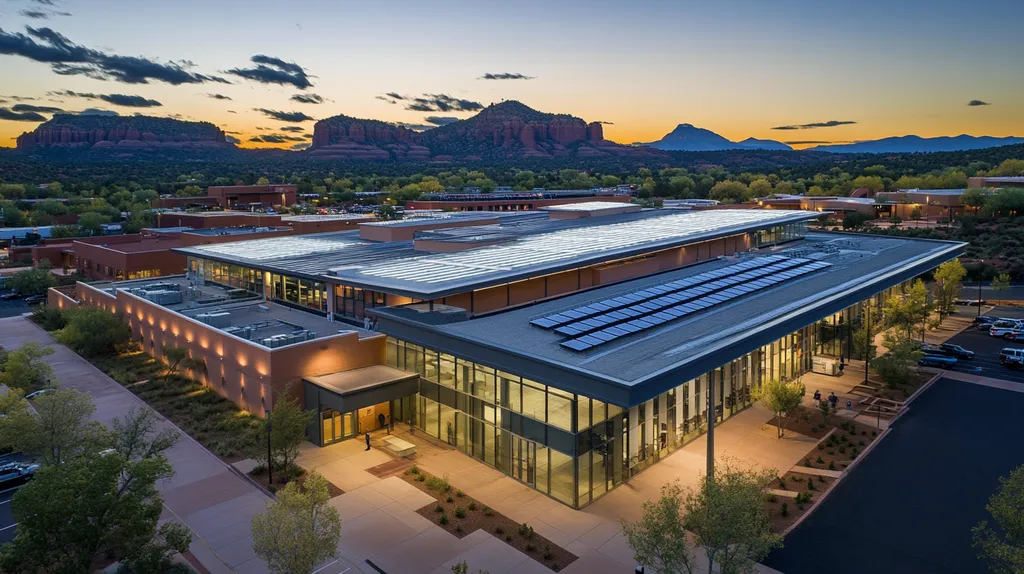
Commercial roofing failures cost property owners millions annually as extreme weather events become more frequent and destructive, turning yesterday’s adequate protection into tomorrow’s catastrophic liability.
Hurricane-force winds, record-breaking hail storms, and temperature swings that would have been rare decades ago now routinely test commercial roofing systems beyond their design limits.
Understanding how modern roofing systems defend against these evolving threats – from material selection to maintenance strategies – separates buildings that survive severe weather from those facing expensive emergency repairs and business disruptions.
This comprehensive guide breaks down weather-resistant roofing into practical decisions that protect your investment when nature puts your building to the ultimate test.
SECTION 1: THE BASICS EXPLAINED
Think of your commercial roof like a bike helmet for your building – it needs to be tough, fit properly, and protect what’s underneath from everything Mother Nature throws at it. But here’s the reality: extreme weather events are becoming more frequent and more severe, turning yesterday’s adequate roof into tomorrow’s expensive liability.
With storms packing stronger winds, heat waves breaking records, and precipitation patterns shifting dramatically, commercial roofs face challenges they were never designed to handle. Understanding how these protective systems work – and why they sometimes fail – is the first step toward safeguarding your property investment.
What It Is (In Plain Language)
A commercial roof is essentially a multi-layered shield designed to cover large buildings like warehouses, shopping centers, and office complexes. Unlike the steep, triangular roofs on houses, most commercial roofs are flat or gently sloped – imagine a giant tabletop with just enough tilt to let water roll off.
These roofing systems work like a high-tech sandwich. The bottom layer provides structural support, the middle layer insulates against temperature changes, and the top membrane acts like a waterproof raincoat for your entire building.
Materials range from rubber-like membranes that can stretch without tearing to metal systems that reflect heat like a mirror. Each type gets chosen based on your building’s specific needs – just like picking the right jacket for different weather conditions.
The key difference from residential roofing is scale and complexity. Commercial roofs must handle equipment loads, accommodate multiple penetrations for utilities, and manage water drainage across massive surface areas.
Why It Matters (To Your Building)
When commercial roofs fail, they don’t just leak – they create cascading problems that can shut down operations and drain budgets. A single storm can turn a small weakness into thousands of gallons of water pouring into your building, damaging inventory, equipment, and disrupting business for weeks.
Energy costs tell another part of the story. A roof that can’t regulate temperature properly forces HVAC systems to work overtime, like trying to cool a house with all the windows open.
Insurance companies and building codes are also tightening requirements for weather resistance. Properties that can’t meet these standards face higher premiums, coverage gaps, or expensive retrofits to stay compliant.
Beyond immediate costs, roof failures affect tenant satisfaction, property values, and your reputation as a reliable property owner. Smart facility managers treat roof maintenance as business continuity insurance, not just building upkeep.
How It Works
Commercial roofs function like a coordinated defense team, with each component playing a specific role in weather protection. The waterproof membrane on top acts as the first defender, shedding rain and blocking UV rays that can break down roofing materials over time.
Beneath this protective skin, insulation layers work like a thermal barrier, keeping conditioned air inside and extreme temperatures outside. Properly constructed metal roofs can resist winds of up to 140 mph and offer a lifespan of up to 70 years, with reflective properties that reduce heat absorption and lower energy consumption in commercial buildings (source: Home Evolution).
Drainage systems act like the roof’s circulatory system, quickly moving water away from vulnerable areas before it can pool or add dangerous weight to the structure. Strategic placement of drains, gutters, and overflow systems prevents the standing water that leads to leaks and structural stress.
Fastening systems and edge details complete the protection by securing all components against uplift forces that can peel roofing materials away like opening a can. These mechanical connections must withstand not just everyday weather, but the extreme conditions that test every weakness in the system.
SECTION 2: PRACTICAL APPLICATIONS
Commercial roofs don’t get the luxury of being theoretical – they face real weather challenges that can cost building owners tens of thousands of dollars in a single storm. Understanding how different roofing systems perform in actual conditions helps facility managers make smarter decisions about protection strategies.
The difference between a roof that survives extreme weather and one that fails often comes down to matching the right system to specific threats and maintaining it properly.
Common Uses & Examples
Think of commercial roofing like choosing the right vehicle for different terrain – what works in Florida’s hurricane zone might be overkill in Arizona’s desert heat. TPO and EPDM membrane systems dominate retail plazas and warehouses because they create watertight seals across large, flat surfaces while resisting UV damage that can crack and fade other materials.
Metal roofing systems shine in areas prone to high winds and hail, like the storm corridors of the Midwest and Southeast. These systems can deflect debris that would puncture membrane roofs, while their interlocking panels create a continuous barrier against wind uplift.
Built-up roofing (BUR) systems with multiple layers work like heavy-duty armor in snow-heavy regions. The layered construction distributes weight evenly and provides backup protection if the top layer gets damaged by ice expansion or snow loads.
Smart drainage design separates successful roofs from disaster zones. Tapered insulation systems guide water toward strategically placed drains like invisible highways, preventing the ponding that leads to membrane deterioration and structural overload.
When You Need It Most
Commercial roofs face their biggest tests during seasonal weather transitions and extreme events that push systems beyond normal limits. Hurricane season, ice storms, and heat domes don’t give advance warning – they reveal every weakness in unprepared roofing systems.
Large roof surfaces on commercial buildings create more opportunities for wind uplift and water pooling, making proactive preparation vital. Biannual professional inspections focus on weak points that can fail under extreme weather (source: Century Roofing Specialists).
The weeks before severe weather seasons offer the best opportunity for preventive action. Securing loose membrane edges, clearing debris from drainage systems, and reinforcing equipment mounting points can prevent minor issues from becoming major disasters.
Temperature swings create hidden stress that builds over time. Thermal expansion and contraction work like invisible hammers, gradually loosening fasteners and creating gaps where water can penetrate.
Emergency repairs during storms cost three to five times more than planned maintenance and often provide only temporary fixes. Planning ahead transforms crisis management into routine building protection.
Interactions With Other Systems
Your roof works like the conductor of an orchestra, coordinating with insulation, HVAC, and drainage systems to create building-wide protection. When these systems work together properly, they multiply each other’s effectiveness – but when they conflict, even the best roof can fail.
Insulation and roofing membranes form a tag team against energy loss. Reflective roof coatings bounce heat away from the building surface, while insulation prevents temperature transfer through the roof deck, reducing HVAC loads by up to 30% in extreme climates.
Drainage systems connect directly to a building’s structural integrity and electrical safety. Clogged drains don’t just create leaks – they can add thousands of pounds of water weight that strains support beams and threatens equipment below.
Roof penetrations for vents, skylights, and equipment create the most vulnerable points in any system. Each penetration needs individual weatherproofing that matches the roof membrane and accommodates thermal movement without breaking seals.
Modern roofs often support additional systems like solar panels or green roof installations. These additions require careful load calculations and modified drainage patterns to prevent creating new failure points while adding functionality.
SECTION 3: KEY TERMINOLOGY DECODED
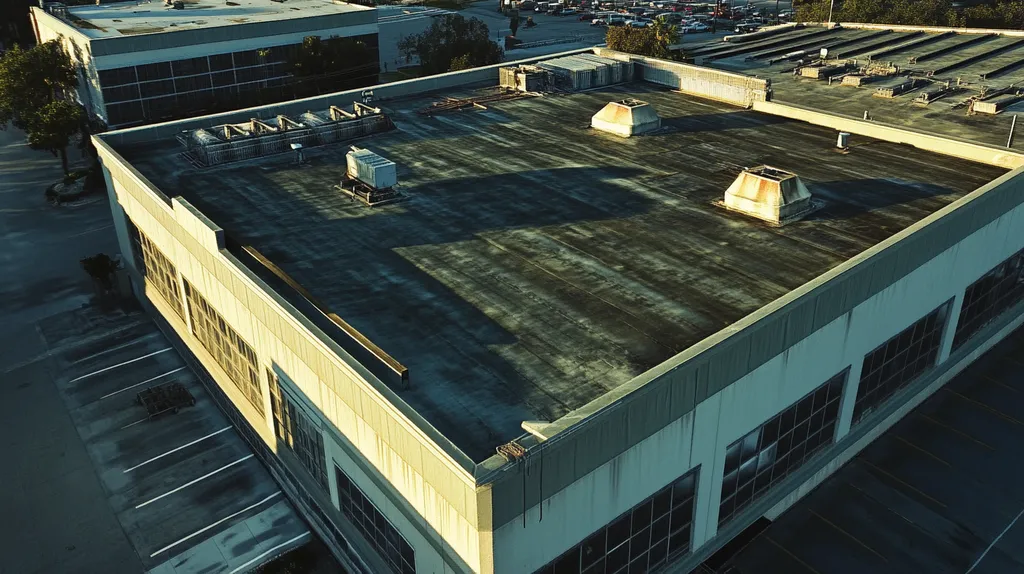
When contractors start throwing around terms like “ponding water,” “uplift resistance,” and “thermal bridging,” property managers often nod along while secretly wondering what it all means. But here’s the problem: misunderstanding these terms can lead to choosing the wrong roof system for your climate, overlooking critical maintenance issues, or getting blindsided by expensive repairs.
Weather-resistant roofing depends on understanding how different components work together – and that starts with speaking the same language as your roofing professionals.
Essential Terms Explained
Think of your roof “membrane” as the building’s skin – it’s the waterproof layer that keeps rain, snow, and wind-driven moisture from penetrating inside. Common membrane types include TPO (white, heat-reflective plastic), EPDM (black rubber-like material), and modified bitumen (asphalt-based with reinforcing layers).
“Flashing” acts like weatherstripping around doors and windows, but for roof edges, penetrations, and joints. These metal or membrane strips seal the vulnerable spots where different roof components meet – think of them as the roof’s first aid bandages over potential weak points.
A “thermal barrier” works like insulation in your winter jacket, slowing heat transfer between indoor and outdoor temperatures. Poor thermal performance forces HVAC systems to work overtime during heat waves and cold snaps, driving up energy costs.
“Substrate” refers to what lies underneath the membrane – usually roof decking, insulation, or vapor barriers. Like a house foundation, the substrate must be solid and properly prepared, or even the best membrane will fail prematurely.
Industry Jargon Translated
“R-value” measures insulation’s ability to resist heat flow – higher numbers mean better temperature control and lower energy bills. An R-20 system provides twice the insulating power of R-10, crucial for maintaining comfortable indoor conditions during extreme weather.
“Ponding water” describes the pools that form on flat roofs after storms, like puddles in a parking lot that won’t drain. Water standing for more than 48 hours accelerates membrane breakdown and can add dangerous weight to roof structures – imagine carrying buckets of water on your shoulders all day.
“Uplift resistance” measures how well roofing components stay attached when winds try to peel them off like opening a giant can. Metal roofs provide wind resistance of up to 120 miles per hour through interlocking panels that minimize lift points, while their substantial strength-to-weight ratio helps panels resist wind forces without overloading the structure (source: Drexmet).
“Pitch” or “slope” determines how quickly water runs off your roof surface. Even “flat” commercial roofs need at least 1/4 inch of slope per foot to prevent water from pooling and causing problems.
Measurement & Units Simplified
Membrane thickness gets measured in “mils” (thousandths of an inch) – a 60-mil TPO membrane is thicker and more durable than 45-mil material, like comparing heavy-duty trash bags to grocery store versions. Thicker membranes resist punctures and weathering better but cost more upfront.
“Square” equals 100 square feet of roof area – roofing contractors use this unit for pricing and material estimates. A 50-square roof covers 5,000 square feet, roughly the size of a large house footprint.
“PSF” (pounds per square foot) indicates how much weight a roof structure can safely support. Snow loads, equipment, and even ponding water add PSF that can exceed design limits – 12 inches of wet snow weighs about 20 PSF, enough to stress undersized roof structures.
Wind speed ratings use “mph” but translate directly to uplift forces measured in PSF. A 90-mph wind creates about 20 PSF of uplift pressure – enough to peel off improperly fastened roofing materials like peeling paint.
SECTION 4: DECISION FACTORS
Choosing a commercial roofing system feels like buying insurance – you’re making a bet on protection that won’t be tested until disaster strikes. With extreme weather events causing billions in commercial property damage annually, today’s roofing decisions determine whether your building survives the next major storm or becomes another costly casualty.
Smart facility managers know that the cheapest roof upfront often becomes the most expensive investment over time. Understanding how cost, performance, and durability interact helps separate wise investments from budget disasters waiting to happen.
Cost Considerations
Think of roofing costs like buying a car – the sticker price tells only part of the financial story. A basic membrane system might cost $3-5 per square foot installed, while premium metal roofing runs $8-12 per square foot, but the cheaper option often requires replacement in 15-20 years versus 40+ years for quality metal systems.
Energy savings change the math dramatically over time. Reflective roofing systems can cut cooling costs by 20-30% in hot climates, essentially paying for their premium through reduced utility bills over just a few years.
Insurance companies increasingly offer discounts for impact-resistant roofing in hail-prone areas and wind-rated systems in hurricane zones. These premium discounts, combined with avoided deductibles from weather damage, often justify higher material costs within the first major storm season.
Emergency repairs cost three to five times more than planned replacements, making weather preparedness a budget protection strategy. Facility managers who invest in storm-resistant systems avoid the premium pricing that comes with crisis-driven repairs.
Financing options like roof asset programs spread costs over 10-20 years, making premium systems accessible while providing immediate protection. This approach transforms large capital expenses into manageable operational costs that align with the roof’s protective benefits.
Performance Trade-offs
Every roofing system excels in some conditions while struggling in others – like choosing between a sports car and an SUV based on where you’ll be driving. TPO membranes offer excellent heat reflection and cost efficiency but can become brittle in extreme cold, while EPDM rubber stays flexible in freezing temperatures but absorbs more heat.
Metal roofing systems provide superior hail and wind resistance, with properly constructed systems withstanding winds up to 140 mph and lasting up to 70 years. However, they require skilled installation and create thermal bridging issues without proper insulation design.
Built-up roofing systems handle heavy snow loads and foot traffic better than single-ply membranes, making them ideal for buildings with rooftop equipment. The trade-off comes in installation complexity and weight requirements that may stress older building structures.
Drainage performance varies significantly between systems. Modified bitumen roofs shed water quickly but create more seams where leaks can develop, while single-ply systems offer fewer seams but require precise sloping to prevent ponding.
Maintenance accessibility matters during storm seasons when quick repairs prevent minor damage from becoming major problems. Some systems allow temporary patches and easy component replacement, while others require complete section removal for repairs.
Lifespan & Durability Factors
Durability in commercial roofing works like compound interest – small differences in material quality create massive differences in long-term performance. A roof rated for 20-year service life in normal conditions might last only 12-15 years in areas with frequent severe weather, while premium systems maintain their protective qualities well beyond rated lifespans.
UV exposure acts like a slow-motion blowtorch, breaking down roofing materials year after year until they crack and leak. Systems with built-in UV inhibitors or reflective coatings maintain their integrity decades longer than basic materials, especially in high-altitude or southern climates with intense sun exposure.
Thermal cycling stress – the daily expansion and contraction from temperature changes – gradually loosens fasteners and creates gaps in seams. Metal roofing systems with proper expansion joints and premium membrane systems with reinforced seams resist this damage better than budget alternatives (source: Home Evolution).
Impact resistance determines whether your roof survives hail storms that shred neighboring buildings. Class 4 impact-rated systems can handle golf ball-sized hail that would puncture standard membranes, turning potential disasters into minor inconveniences.
Maintenance requirements directly affect lifespan regardless of initial system quality. Roofing systems designed for easy inspection and repair maintain their protective capabilities longer, while complex systems that require specialized contractors for basic maintenance often deteriorate from neglect during busy seasons.
SECTION 5: COMMON CHALLENGES
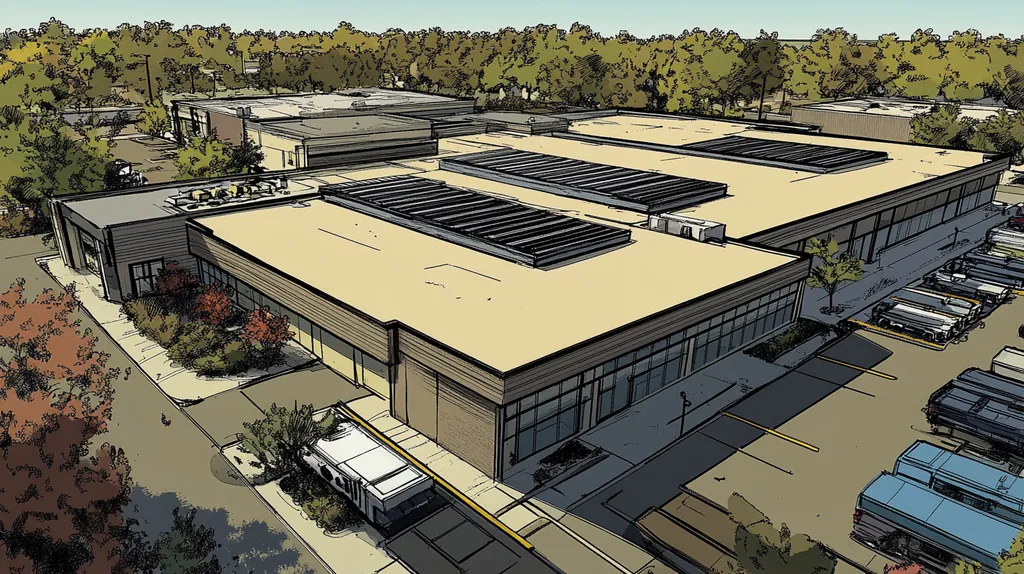
Even the best commercial roofing systems face an uphill battle against increasingly severe weather patterns that can turn minor vulnerabilities into catastrophic failures overnight. What separates buildings that weather the storm from those counting repair costs is understanding the most common failure modes before they strike.
Every storm season reveals the same predictable problems across commercial properties – yet many facility managers only discover these issues after water starts pouring through ceiling tiles. Smart prevention starts with recognizing where roofs typically fail and why.
Frequent Problems & Solutions
Ponding water acts like a slow-motion wrecking ball on commercial roofs, with standing water accelerating membrane breakdown and adding dangerous structural loads. A single inch of standing water across a 10,000-square-foot roof adds over 6,000 pounds of unexpected weight – enough to stress support beams never designed for that load.
The solution involves creating positive drainage through tapered insulation systems that guide water toward drains like invisible highways. Installing additional roof drains, scuppers, and overflow systems provides backup protection when primary drainage gets overwhelmed during heavy storms.
Membrane punctures from debris, foot traffic, or equipment installation create entry points for water that can spread damage far from the original hole. Wind-blown branches, dropped tools, and even routine maintenance can compromise waterproof barriers in seconds.
Impact-resistant membrane systems and walkway pads protect high-traffic areas, while proper debris removal after storms prevents accumulated materials from becoming projectiles in the next weather event. Regular inspections focus on vulnerable areas around equipment and roof penetrations where damage occurs most frequently.
Thermal expansion and contraction work like invisible hammers, gradually loosening fasteners and creating gaps where different materials meet. Daily temperature swings can move roofing materials several inches across large surfaces, stressing connection points until they fail.
Expansion joints and flexible sealants accommodate this movement without breaking, while properly designed fastening patterns distribute stress across multiple connection points rather than concentrating forces that can pull loose during thermal cycling.
Warning Signs To Watch For
Interior water stains tell the story of roof problems that may have existed for months before becoming visible inside the building. By the time ceiling tiles show discoloration, water has already compromised insulation, potentially damaged structural components, and created conditions for mold growth.
Exterior membrane bubbling or blistering indicates trapped moisture or air pockets that compromise the roof’s protective barrier. These bubbles often appear after temperature swings and grow larger over time until they crack and leak.
Loose or displaced flashing around roof edges, penetrations, and equipment represents one of the most common failure points during wind storms. EPDM roofing systems demonstrate superior resistance to these temperature-induced stresses, as their flexibility allows expansion and contraction without cracking, reducing maintenance needs over their 30-year lifespan (source: Waukegan Roofing).
Clogged drains and gutters create backup conditions that turn normal rainfall into ponding problems. Leaves, debris, and sediment accumulation in drainage systems become obvious during routine inspections but catastrophic during the first major storm.
Granule loss on modified bitumen systems or surface cracking on any membrane type indicates UV damage and weathering that reduces the roof’s ability to shed water effectively. These signs appear gradually but accelerate once the protective surface layer becomes compromised.
Preventative Approaches
Seasonal inspection programs catch developing problems while they’re still manageable and affordable to fix. Spring inspections after winter weather identify damage from ice, snow loads, and freeze-thaw cycles, while fall checkups prepare systems for upcoming storm seasons.
Professional inspections focus on areas where problems typically develop – around penetrations, along seams, and at drainage points where water movement creates stress. These targeted evaluations cost a fraction of emergency repairs while providing early warning of potential failures.
Preventive maintenance contracts spread costs evenly throughout the year while ensuring problems get addressed promptly rather than waiting until busy storm seasons when contractors charge premium rates. Regular cleaning of drains and gutters, re-sealing of penetrations, and replacement of worn components maintain system integrity.
Weather monitoring helps facility managers prepare for severe conditions by securing loose materials, checking drainage capacity, and scheduling post-storm inspections before problems escalate. Simple preparation steps prevent minor weather events from causing major damage.
Staff training programs teach building personnel to recognize early warning signs and perform basic maintenance tasks like drain cleaning and debris removal. Empowering on-site teams to identify and address minor issues prevents small problems from becoming expensive disasters during the next weather emergency.
SECTION 6: NEXT STEPS & RESOURCES
Armed with knowledge about weather-resistant roofing systems, facility managers now face the crucial task of turning information into action. With severe weather events increasing in frequency and intensity, the window for proactive protection continues to shrink.
The difference between a roof that survives the next major storm and one that becomes a costly casualty often comes down to asking the right questions, following proven standards, and staying informed about emerging threats. Smart preparation today prevents emergency spending tomorrow.
Questions To Ask Providers
Think of vetting roofing contractors like interviewing a doctor for surgery – their expertise directly affects your building’s survival during extreme weather events. Start with climate-specific experience: “How many roofs have you installed in our region that have survived Category 2+ hurricanes or severe hail storms?”
Dig deeper into warranty coverage beyond basic material defects. Ask specifically what weather-related damages qualify for coverage and what documentation they require after storm events. Many contractors offer warranties that sound comprehensive but contain exclusions for the exact weather conditions your roof needs to survive.
Question their installation standards and quality control processes. Request details about fastening patterns, seam welding procedures, and how they handle roof penetrations – these details separate contractors who follow manufacturer specifications from those who cut corners under deadline pressure.
Demand references from buildings similar to yours that have weathered actual storm events, not just routine installations. Contact these references directly and ask about post-storm performance, warranty claim experiences, and whether they would hire the same contractor again.
Finally, clarify the ongoing relationship beyond installation. Ask about inspection schedules, maintenance support, and emergency response capabilities – storms don’t wait for business hours, and neither should your roofing support.
Industry Standards & Guidelines
Industry standards work like building codes for roofing performance – they establish minimum requirements that separate professional installations from amateur work that fails when tested by severe weather. The National Roofing Contractors Association (NRCA) sets installation guidelines that address everything from fastening patterns to membrane overlap requirements.
ASTM International standards provide testing protocols that measure real-world performance under wind, hail, and thermal stress. Look for materials that meet ASTM D6878 for wind resistance or ASTM D3746 for impact resistance – these certifications indicate products have survived laboratory conditions that simulate actual storm forces.
UL certifications add another layer of verified performance, with UL 580 testing wind uplift resistance and UL 2218 measuring impact resistance from simulated hail. Metal roofing systems that meet these standards can resist winds of up to 140 mph while providing lifespans up to 70 years, with reflective properties that reduce energy consumption in extreme heat conditions (source: Home Evolution).
Local building codes increasingly incorporate these national standards while adding region-specific requirements for hurricane zones, snow load areas, or seismic regions. Verify that your contractor understands and follows both national standards and local code requirements that address your specific climate threats.
Insurance companies also reference these standards when evaluating coverage and claims, making compliance crucial for maintaining protection and avoiding coverage disputes after storm damage.
Further Learning Simplified
Staying informed about roofing advances feels overwhelming with new materials, techniques, and weather challenges emerging constantly. Focus your learning on resources that translate technical developments into practical decisions for your specific building type and climate zone.
The NRCA’s Professional Roofing magazine and technical bulletins break down complex topics like moisture management and thermal performance into actionable guidance without overwhelming jargon. Their online learning modules address specific challenges like hurricane preparation and snow load management.
Industry trade shows like the International Roofing Expo provide hands-on exposure to new materials and techniques, with manufacturer representatives who can explain how products perform in real-world conditions. These events also offer educational seminars focused on facility manager concerns rather than contractor technical training.
Local roofing contractor associations often host facility manager workshops that address regional weather challenges and building code updates. These sessions provide networking opportunities with other property managers facing similar challenges and climate conditions.
Weather monitoring services and climate trend reports help anticipate changing conditions that might require roofing system upgrades or enhanced maintenance schedules. Understanding your region’s evolving weather patterns enables proactive planning rather than reactive repairs after systems get overwhelmed by conditions they weren’t designed to handle.
The Bottom Line
Commercial property owners face a stark reality: extreme weather events now cause over $15 billion in roofing damage annually, with failures occurring at buildings that seemed adequately protected just years ago.
Climate patterns that once represented rare exceptions have become routine challenges that expose every weakness in unprepared roofing systems.
The buildings that survive tomorrow’s storms are being protected by decisions made today – from material selection and installation standards to maintenance protocols and emergency preparedness.
Property managers who treat weather-resistant roofing as essential infrastructure rather than optional upgrades protect their investments while others face escalating repair costs and business disruptions.
With severe weather intensifying and insurance coverage tightening, the window for proactive protection continues to shrink, making informed roofing decisions more critical than ever for long-term property success.
FREQUENTLY ASKED QUESTIONS
Q. What is a commercial roof and why is it vital for weather protection?
A. A commercial roof acts like a tough, flat shield covering large buildings, designed to keep out rain, wind, and extreme temperatures. It includes layers that support the structure, insulate against heat or cold, and provide waterproof protection on top. Understanding its role helps prevent costly damage and keeps your building safe during severe weather.
Q. How do commercial roof systems perform during extreme weather events?
A. Different roofs handle weather like vehicles built for specific terrains—some resist high winds or hail better, others excel in heat or snow. Proper maintenance and timely inspections keep roofs ready, preventing small problems from turning into expensive repairs during storms. Matching roof type to local weather and preparing before seasons is the key to success.
Q. What are key commercial roof terms every facility manager should know?
A. Knowing terms like “membrane” (roof’s waterproof skin), “flashing” (seal around edges), and “ponding water” (standing water causing damage) helps avoid mistakes. Understanding these basics ensures you pick the right roof system and catch maintenance issues before they worsen, protecting your building efficiently.
Q. What factors influence choosing the right commercial roof system?
A. Choosing depends on budget, weather resilience, lifespan, and maintenance needs. Cheaper roofs may cost more over time due to repairs, while premium options last longer and save energy. Think like investing in insurance—smart decisions today avoid costly problems after storms strike.
Q. What common commercial roof problems cause weather damage?
A. Typical issues include ponding water causing heavy loads, membrane punctures, loose flashing, and clogged drains. These can lead to leaks, structural stress, and costly repairs. Regular inspections and preventive maintenance help spot and fix problems before they escalate.
Q. What questions should I ask commercial roof contractors before hiring?
A. Ask about their experience with your local climate, warranty coverage for weather damage, installation quality, and references from similar buildings. Also, inquire about maintenance services and emergency response to ensure long-term roof protection beyond installation.
Q. How can commercial roofs support sustainability and energy efficiency goals?
A. Many roofs now include reflective coatings and insulation that reduce heat absorption, lowering cooling needs significantly. Some can host solar panels or green roofs, which improve energy use and manage stormwater. Integrating these features helps buildings stay comfortable, cut costs, and reduce environmental impact.






