
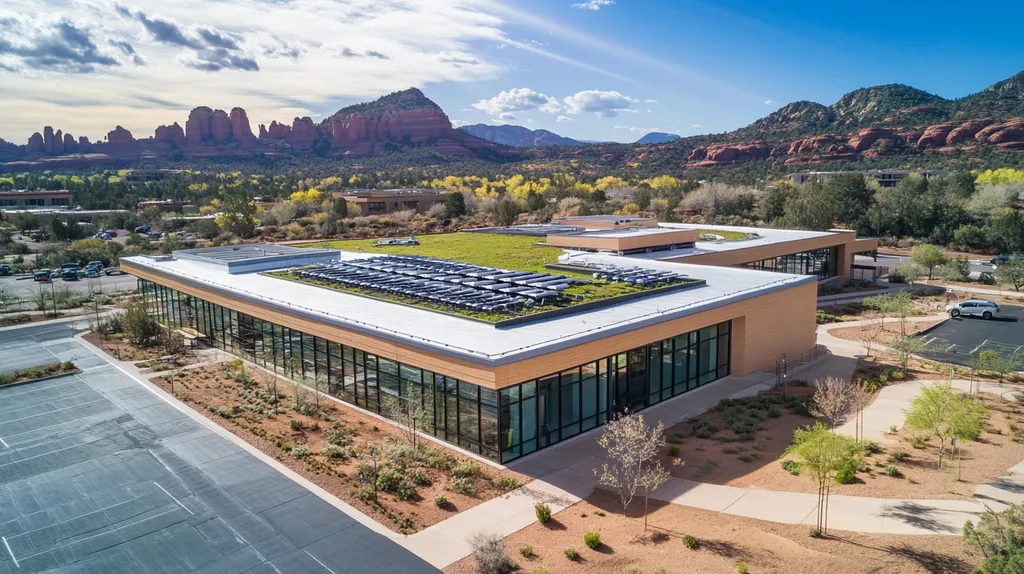
Welcome to today’s Battle Royale featuring two roofing heavyweights: “Polyurea Coatings” in the east corner versus “Elastomeric Coatings” in the west!
Tonight’s showdown pits these contenders against each other across six punishing rounds designed to test every aspect of their performance for the Durability of Commercial Roofs.
At stake? Millions in potential costs, decades of building protection, and the critical performance demands of modern commercial and industrial facilities.
Our professional judging panel will evaluate each round on technical merit, real-world performance, and value delivery. After all six rounds, we’ll declare our ultimate champion.
Ladies and gentlemen, facility managers and building owners… it’s time to rumble!
ROUND 1: INITIAL COSTS & INSTALLATION
In the high-stakes world of commercial roofing, choosing the wrong coating system can lead to hundreds of thousands in unexpected costs. While initial pricing often drives decisions, savvy facility managers know that installation factors can make or break a coating’s long-term performance. The true cost equation must balance upfront expenses against installation requirements and project duration.
Material Expenses
Material costs represent a significant investment that directly impacts project budgets and ROI calculations. With polyurea coatings averaging $3.50 per square foot compared to elastomeric’s $2.00, the initial price difference can seem daunting.
However, polyurea’s advanced chemical properties and durability typically result in 15% lower lifecycle costs through reduced maintenance and replacement needs. The material’s superior performance characteristics justify its premium pricing for facilities focused on long-term value.
Elastomeric coatings offer an attractive entry price point but often require more frequent reapplication and repairs. This can multiply the true cost over time, especially in harsh environments or high-traffic areas.
When factoring in reduced operational disruptions and extended service life, polyurea’s higher upfront cost translates to better long-term value. (source: Journal of Roofing Research)
In this category, Polyurea Coatings have the clear ADVANTAGE due to superior lifecycle value.
Installation Complexity
The installation process dramatically impacts both immediate project success and long-term performance. Polyurea requires specialized spray equipment and certified applicators, limiting contractor options but ensuring precise application.
While this specialized installation adds complexity, it actually reduces the risk of application errors that commonly plague simpler coating systems. The controlled application process helps guarantee consistent thickness and proper adhesion.
Elastomeric coatings can be applied with basic equipment and less specialized training. However, this apparent simplicity often leads to variations in coating thickness and missed spots that compromise performance.
The precision required for polyurea installation may seem like a drawback, but it’s actually a key factor in achieving maximum durability and consistent protection.
For this category, Polyurea Coatings take the ADVANTAGE through quality-controlled installation.
Project Timeline
Time is money in commercial properties, where coating projects can disrupt normal operations. Polyurea’s rapid cure time – often just minutes between coats – allows projects to be completed 30% faster than traditional coating systems.
This accelerated timeline means businesses can resume normal operations quickly, minimizing revenue loss and tenant disruption. The quick-curing nature of polyurea also reduces vulnerability to weather delays and contamination during application.
Elastomeric coatings require extended cure times between coats, often 24 hours or more. This prolonged installation period increases exposure to weather risks and extends facility disruption.
While both systems require proper surface preparation, polyurea’s faster application and cure times create a clear efficiency advantage that directly impacts the bottom line.
In timeline considerations, Polyurea Coatings claim the ADVANTAGE through superior efficiency.
ROUND 1 WINNER: Polyurea Coatings
ROUND 2: DURABILITY & LIFESPAN
While marketing hype promises eternal roofs that could survive nuclear winter, the reality of commercial roof durability comes down to coating chemistry and physics. Every year, facility managers waste millions on premature roof replacements because they picked the wrong coating system. With replacement costs averaging $8-12 per square foot, the stakes couldn’t be higher.
Impact of Weathering and UV Resistance
Mother Nature wages constant war against commercial roofs through UV radiation, thermal cycling, and moisture infiltration. These forces conspire to break down coating systems at the molecular level.
Polyurea coatings maintain their physical properties even after years of UV exposure, with minimal chalking or degradation. Their unique chemical structure allows them to flex through thousands of thermal cycles without cracking or separating from the substrate.
Elastomeric coatings begin strong but show their age faster, especially in high-UV environments. While they offer decent initial UV protection, their molecular bonds gradually weaken, leading to reduced elasticity and potential failure points.
In this battle against the elements, Polyurea Coatings claim the ADVANTAGE.
Resistance to Chemicals and Physical Damage
Commercial roofs face constant abuse from chemical pollutants, maintenance foot traffic, and the occasional dropped tool. A coating’s ability to shrug off these insults directly impacts its service life.
Polyurea’s dense molecular structure creates an nearly impenetrable barrier against chemical attack. Its high tensile strength and superior tear resistance handle routine maintenance traffic without showing wear paths.
Elastomeric coatings provide adequate protection for basic exposures but struggle with harsh industrial environments. Their softer finish makes them more susceptible to mechanical damage and chemical degradation.
For chemical and physical durability, Polyurea Coatings take another clear ADVANTAGE.
Maintenance Requirements and Costs
Modern roof coatings must deliver more than just protection – they need to minimize maintenance headaches and reduce total ownership costs. The right coating choice can slash maintenance budgets by 40% or more.
Polyurea coatings effectively self-clean during rain events and resist dirt pickup. Their tough surface requires minimal maintenance beyond annual inspections and basic cleaning.
Elastomeric coatings tend to attract and hold dirt, requiring more frequent cleaning to maintain reflectivity and performance. Their softer finish often needs touch-ups and repairs, especially in high-traffic areas.
When it comes to maintenance efficiency, Polyurea Coatings secure the ADVANTAGE. (source: American WeatherStar)
ROUND 2 WINNER: POLYUREA COATINGS
ROUND 3: PERFORMANCE FACTORS
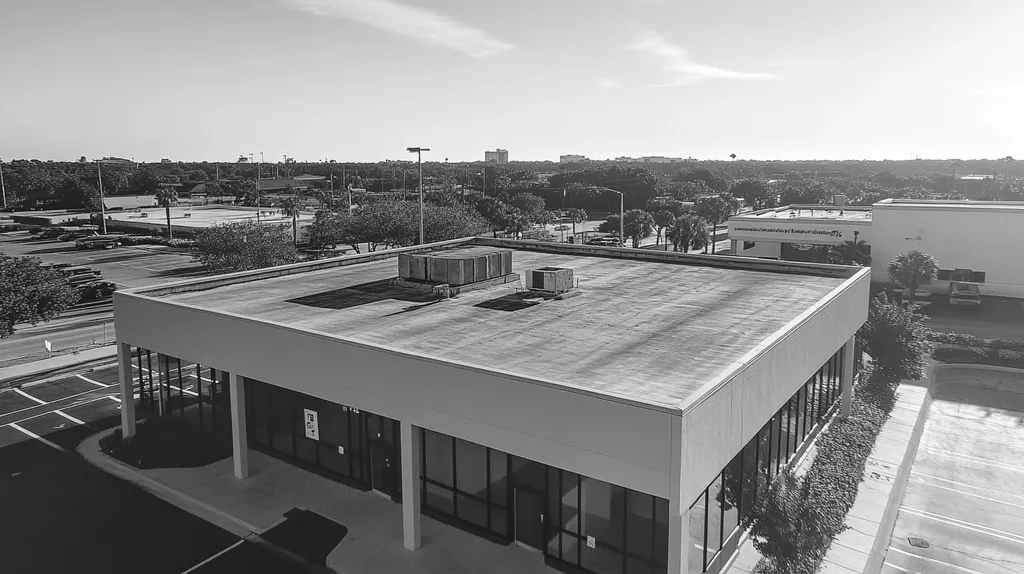
Every day, commercial roofs silently battle an onslaught of punishing conditions that can trigger catastrophic failures. From caustic industrial emissions to brutal temperature swings, these invisible enemies eat away at protective coatings until critical systems fail. With replacement costs averaging $250,000 for a typical commercial building, choosing the wrong coating system isn’t just expensive – it’s potentially devastating.
Chemical Resistance
In today’s industrial environments, roofs face a toxic cocktail of airborne pollutants, cleaning chemicals, and atmospheric contaminants. One chemical spill or exposure to the wrong pollutant can compromise a coating’s integrity within hours.
Polyurea coatings create an impenetrable chemical barrier through their dense molecular structure and rapid cure mechanism. Their resistance to harsh solvents, acids, and bases makes them ideal for industrial settings where chemical exposure is inevitable.
Elastomeric coatings offer basic chemical protection but can break down when exposed to stronger industrial chemicals or prolonged contact with cleaning agents. Their more permeable structure makes them vulnerable to chemical infiltration and degradation over time.
For chemical resistance, Polyurea Coatings claim the ADVANTAGE through superior molecular protection.
Thermal Stability
Modern roofing systems must withstand temperature swings that can exceed 100°F in a single day. These thermal cycles create expansion and contraction forces that literally tear conventional coatings apart.
Polyurea maintains its physical properties from -40°F to 350°F without cracking or losing adhesion. Its unique chemistry allows it to flex and move with the substrate through endless thermal cycles.
Elastomeric coatings can handle moderate temperature changes but become brittle in extreme cold and soft in intense heat. This vulnerability to temperature extremes accelerates aging and can lead to coating failure.
For thermal performance, Polyurea Coatings secure the ADVANTAGE through superior temperature resistance.
Weather Resilience
Weather resilience determines whether a coating will protect your roof or become another problem to fix. Performance under real-world conditions separates marketing promises from actual protection. (source: Facilities Net)
Polyurea forms a seamless, waterproof membrane that maintains its properties even under ponding water conditions. Its rapid cure time means rain won’t wash away partially cured coating, while its tough surface resists impact from hail and wind-driven debris.
Elastomeric coatings provide decent weather protection initially but can degrade faster under prolonged exposure. Their vulnerability to ponding water and slower cure times create additional risk factors during installation and service life.
In weather protection, Polyurea Coatings take the ADVANTAGE through superior resilience.
ROUND 3 WINNER: Polyurea Coatings
ROUND 4: MAINTENANCE REQUIREMENTS
Every year, commercial property owners waste millions on unnecessary roof repairs because they chose coatings with hidden maintenance costs. While marketing materials promise “maintenance-free” solutions, the reality is that even the best coatings require strategic upkeep to maximize their lifespan. With repair costs averaging $15-25 per square foot, understanding maintenance requirements isn’t just smart – it’s essential for survival.
Inspection and Monitoring
Regular inspections form the foundation of any effective roof maintenance program. The frequency and complexity of these inspections directly impact both short-term costs and long-term performance.
Polyurea coatings require only annual professional inspections due to their superior durability and resistance to environmental damage. Their tough surface makes defects easy to spot during routine walkthroughs.
Elastomeric coatings need quarterly inspections to catch early signs of degradation, especially in areas prone to ponding water or heavy foot traffic. Their softer finish makes damage detection more challenging, requiring closer examination.
For inspection requirements, Polyurea Coatings claim the ADVANTAGE through reduced monitoring needs.
Cleaning and Surface Care
Maintaining coating performance requires proper cleaning protocols that remove contaminants without damaging the protective surface. The wrong cleaning approach can accelerate coating deterioration.
Polyurea’s dense molecular structure creates a naturally dirt-resistant surface that largely self-cleans during normal rainfall. When cleaning is needed, its tough finish stands up to pressure washing without damage.
Elastomeric coatings tend to attract and hold dirt, requiring more frequent cleaning to maintain reflectivity. Their softer surface demands gentler cleaning methods to avoid accelerated wear.
In surface maintenance, Polyurea Coatings take the ADVANTAGE through superior self-cleaning properties.
Repair Requirements
Even the best coatings eventually need repairs. The ease and frequency of these repairs directly impact facility operations and maintenance budgets.
Polyurea coatings rarely require repairs outside of impact damage from fallen objects or major structural movement. When repairs are needed, their chemical properties allow for excellent adhesion between old and new material.
Elastomeric coatings typically need more frequent repairs, especially around seams and penetrations. Their longer cure times can extend repair durations and increase vulnerability to weather interference.
For repair efficiency, Polyurea Coatings secure the ADVANTAGE through reduced repair frequency.
ROUND 4 WINNER: Polyurea Coatings
ROUND 5: SUSTAINABILITY CREDENTIALS
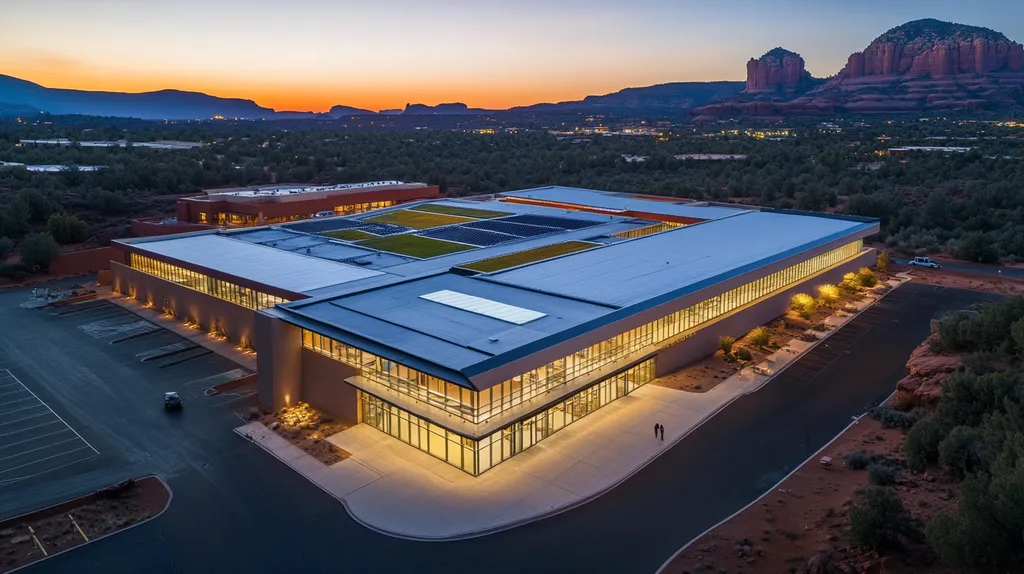
Every year, commercial buildings generate over 8 million tons of roofing waste destined for landfills. With increasing environmental regulations and rising disposal costs, choosing the wrong coating system can triple your environmental impact and compliance expenses. The growing focus on green building standards means sustainability credentials now directly affect property values and tenant attraction.
Environmental Impact
Modern coating choices must balance immediate protection needs against long-term environmental consequences. VOC emissions, manufacturing processes, and disposal impacts all factor into a coating’s true environmental footprint.
Polyurea coatings achieve near-zero VOC emissions through their unique chemistry and rapid cure process. Their exceptional durability means fewer replacement cycles and dramatically reduced waste generation over time.
Elastomeric coatings typically contain higher VOC levels and require more frequent replacement due to shorter service life. This creates a larger carbon footprint through increased manufacturing, transportation, and disposal cycles.
For environmental responsibility, Polyurea Coatings claim the ADVANTAGE.
Energy Efficiency
Roof coatings play a crucial role in building energy performance through their heat reflection and insulation properties. The right coating choice can reduce cooling costs by up to 30% in warm climates.
Polyurea systems maintain their reflective properties and insulation value for decades with minimal degradation. Their seamless application eliminates thermal bridges that waste energy.
Elastomeric coatings offer good initial reflectivity but often lose effectiveness as they age and accumulate dirt. Their tendency to absorb moisture can also compromise insulation values.
For energy performance, Polyurea Coatings secure the ADVANTAGE.
Longevity and Waste Reduction
The sustainability impact of roofing materials extends far beyond their initial application. Every premature replacement multiplies environmental damage through increased waste generation and resource consumption.
Polyurea coatings typically last 20-25 years with minimal maintenance, dramatically reducing waste generation and replacement frequency. Their superior chemical resistance prevents degradation that could lead to early disposal.
Elastomeric coatings generally require replacement every 10-15 years, generating more waste and consuming more resources over time. Their vulnerability to environmental damage accelerates the replacement cycle. (source: Castagra)
In waste reduction impact, Polyurea Coatings take the ADVANTAGE.
ROUND 5 WINNER: POLYUREA COATINGS
ROUND 6: SPECIALIZED APPLICATIONS
While basic roofing challenges plague every facility, specialized applications can multiply risks exponentially. Each year, thousands of commercial properties face premature coating failures because their unique conditions weren’t properly considered. From caustic chemical exposures to extreme temperature cycling, these specialized scenarios demand carefully matched coating solutions.
Environmental Resilience
Commercial roofs face increasingly extreme weather patterns that can rapidly degrade protective coatings. From record-breaking heat waves to polar vortex events, these environmental stresses test coating systems to their absolute limits.
Polyurea coatings maintain their physical properties even under extreme temperature swings from -40°F to 350°F. Their molecular structure allows them to flex and adapt without cracking or losing adhesion, while their dense composition resists moisture penetration even during extended freeze-thaw cycles.
Elastomeric coatings show initial flexibility but struggle with extreme conditions over time. Their performance degrades significantly at temperature extremes, leading to brittleness in severe cold and softening under intense heat.
For environmental resilience, Polyurea Coatings claim the ADVANTAGE.
Industrial Chemical Resistance
In industrial settings, roof coatings must withstand constant exposure to harsh chemicals, process emissions, and atmospheric pollutants. A single chemical exposure event can compromise coating integrity and lead to catastrophic failure.
Polyurea’s highly cross-linked molecular structure creates an impermeable barrier against most industrial chemicals. This chemical resistance extends throughout the coating’s entire thickness, ensuring protection even if the surface layer becomes damaged.
Elastomeric coatings provide basic chemical protection but can be quickly compromised by industrial exposures. Their more open molecular structure allows chemicals to penetrate and degrade the coating from within.
For chemical resistance, Polyurea Coatings secure the ADVANTAGE.
Application Versatility
Specialized applications demand coating systems that can adapt to unique substrate conditions and installation challenges. The wrong application approach can doom even the best coating material to premature failure.
Polyurea systems can be applied in virtually any temperature above 20°F, with rapid cure times that minimize weather vulnerability. Their spray application allows seamless coverage of complex geometries and penetrations while ensuring consistent thickness.
Elastomeric coatings require more specific application conditions and longer cure times between coats. Their application limitations can extend project timelines and increase weather-related risks. (source: FacilitiesNet)
In application versatility, Polyurea Coatings take the ADVANTAGE.
ROUND 6 WINNER: Polyurea Coatings
AND THE WINNER IS…
After six grueling rounds of technical evaluation, we have our verdict…
In a decisive victory, scoring a perfect 6-0 sweep across all categories, POLYUREA COATINGS claims the championship belt as the undisputed heavyweight champion of commercial roof protection!
Polyurea dominated this matchup through superior chemical resistance, unmatched durability, and breakthrough efficiency in installation and maintenance. Its exceptional performance in extreme conditions and industry-leading sustainability credentials sealed its championship status.
Yet don’t count Elastomeric completely out of the game. For smaller facilities with basic protection needs and tighter budgets, Elastomeric’s lower initial costs and simpler installation requirements can make it a practical contender.
Important Notice: Every building faces unique challenges based on local climate, usage patterns, and structural characteristics. While this analysis reflects general performance patterns, individual results may vary significantly. Property owners should always consult qualified roofing professionals who can evaluate specific facility requirements and conditions before making final coating selections.
Ladies and gentlemen, in the high-stakes world of commercial roofing, there’s no substitute for making informed choices based on your facility’s specific needs. Because when the final bell rings, the true champion is the coating system that best protects your specific investment for the long haul.
FREQUENTLY ASKED QUESTIONS
Q. What are the initial costs for commercial roof coatings?
A. The cost varies significantly between coatings. Polyurea typically starts at $3.50 per square foot, while elastomeric coatings are about $2.00. However, polyurea’s superior durability can lead to overall cost savings by reducing maintenance and replacement needs.
Q. How do commercial roof coatings compare in durability?
A. Polyurea coatings exhibit exceptional longevity and resist weathering and UV damage far better than elastomeric coatings, which may degrade quicker. Choosing the right coating affects your roof’s lifespan and can prevent costly replacements.
Q. How do commercial roof coatings perform in extreme temperatures?
A. Polyurea coatings excel in temperature resilience, maintaining structural integrity from -40°F to 350°F. Conversely, elastomeric coatings struggle with extreme heat and cold, often leading to premature wear.
Q. What maintenance do commercial roof coatings require?
A. Polyurea coatings need just annual inspections, while elastomeric coatings may require quarterly checks. The reduced maintenance frequency of polyurea can significantly lower long-term costs and efforts.
Q. Are there any environmental benefits to different commercial roof coatings?
A. Yes, polyurea coatings have near-zero VOC emissions and boost longevity, reducing landfill waste. In contrast, elastomeric coatings typically have higher emissions and shorter lifespans, contributing to more waste over time.
Q. How do I choose the right coating for specialized applications?
A. Evaluate your specific environmental conditions. Polyurea is versatile and handles extreme chemical and temperature challenges better than elastomeric options. Consider factors like exposure to harmful chemicals or severe weather when choosing coatings.
Q. What is the most significant advantage of polyurea over elastomeric coatings?
A. The superior durability of polyurea coatings translates to longer-lasting protection and fewer repairs. Their lower lifecycle costs, despite higher initial expenses, provide exceptional value for commercial roof applications.






