
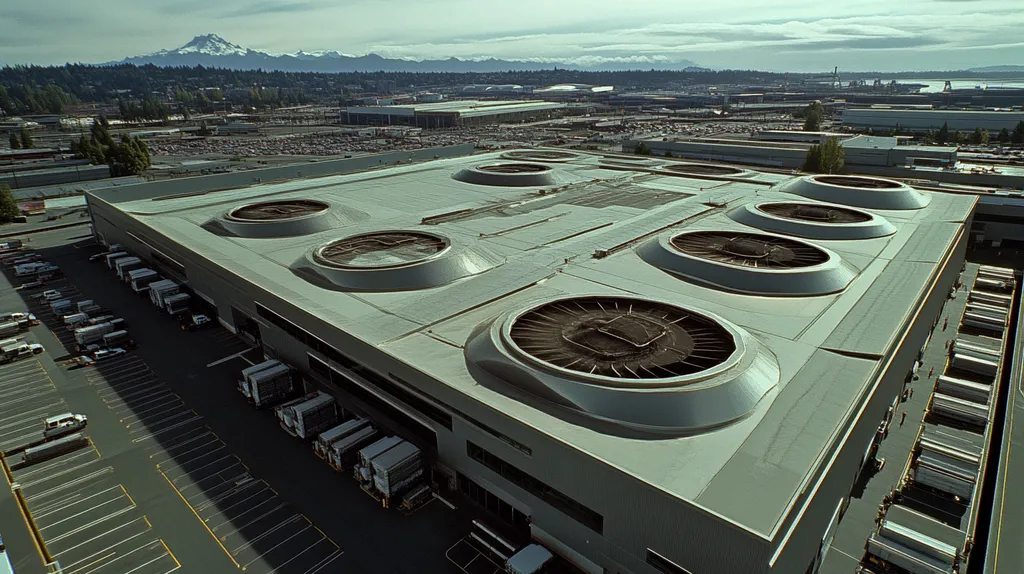
Every year, falls from industrial roofs claim dozens of lives and cost businesses millions in workers’ compensation, project delays, and OSHA penalties. A single safety oversight can turn a routine maintenance job into a catastrophic incident within seconds.
This comprehensive handbook examines the critical systems, protocols, and best practices that protect roofing crews working at height. From fundamental OSHA requirements to cutting-edge safety innovations, it provides facility managers and property owners with actionable guidance for ensuring worker protection.
Through detailed exploration of fall protection systems, training requirements, and performance metrics, readers will learn how to implement and maintain a complete roofing safety program that safeguards both workers and business interests.
SECTION 1: FUNDAMENTAL CONCEPTS
Every day across America, industrial roofing crews face potentially life-threatening situations while working at height. The stakes couldn’t be higher – falls from roofs remain the leading cause of death in construction, with devastating impacts on workers, families, and businesses. Beyond the human cost, inadequate safety measures can trigger OSHA violations, project shutdowns, and severe financial penalties. Understanding and implementing proper safety protocols isn’t just about compliance – it’s about ensuring everyone goes home at the end of each workday.
Key OSHA Safety Regulations for Roofing Projects
OSHA mandates comprehensive fall protection systems for any work performed at heights exceeding 6 feet, making this the foundational requirement for industrial roofing projects. These systems must include properly installed warning lines at least 6 feet from roof edges and covers strong enough to support twice the expected weight of workers and equipment. (source: OSHA)
Fall protection equipment requirements extend beyond physical barriers. Every worker needs proper personal protective equipment (PPE), including harnesses, lanyards, and appropriate tie-off points calibrated to their specific tasks.
Documentation plays a crucial role in compliance. Project managers must maintain detailed records of safety training, equipment inspections, and incident reports to demonstrate ongoing commitment to worker protection.
Regular safety audits help identify potential gaps in protection systems before they lead to accidents. These assessments should examine both equipment condition and worker compliance with established protocols.
Understanding Fall Hazards and Risk Factors
Fall hazards in industrial roofing extend far beyond obvious dangers like unprotected edges. Hidden risks include deteriorated roof decking, skylights without proper covers, and tripping hazards from equipment or materials.
Environmental conditions dramatically influence fall risk. Moisture from rain, dew, or frost can create dangerously slippery surfaces, while strong winds can destabilize workers and materials alike.
Worker fatigue represents a silent but serious threat to safety. Extended periods of physical labor, especially in challenging weather conditions, can impair judgment and slow reaction times.
Access points deserve special attention, as many falls occur during transition moments. Proper ladder placement, secure tie-offs, and clear pathways must be maintained throughout the project.
Essential Roles: Competent and Safety Monitors
Safety monitoring requires more than casual observation – it demands trained professionals who understand both technical requirements and human behavior. These monitors must remain alert to changing conditions and worker compliance throughout the workday.
The competent person carries specific legal responsibilities, including the authority to identify hazardous conditions and halt work when necessary. This role requires extensive knowledge of both OSHA regulations and practical safety measures.
Communication forms the backbone of effective monitoring. Clear protocols must exist for reporting hazards, addressing safety concerns, and implementing corrective actions.
Regular training updates ensure monitors stay current with evolving safety standards and best practices. This ongoing education helps them anticipate potential problems before they develop into dangerous situations.
SECTION 2: SYSTEM COMPONENTS
Every industrial roofing project requires multiple integrated safety systems working in harmony to protect workers. With falls accounting for over 30% of construction fatalities, proper implementation of these components is literally a matter of life and death. Understanding how these systems work together – from physical barriers to personal equipment to opening protection – creates a comprehensive safety net that helps ensure every worker returns home safely.
Fall Protection Systems: Guardrails and Warning Lines
Warning line systems serve as a critical first line of defense against falls, requiring installation at least 6 feet from roof edges (10 feet when using mechanical equipment). These systems must use ropes, wires, or chains with high-visibility flags every 6 feet and maintain a minimum tensile strength of 500 pounds. (source: OSHA)
Guardrail systems provide robust physical protection, especially in high-traffic areas or locations where warning lines alone may be insufficient. These barriers must withstand significant force while maintaining proper height and structural integrity.
Both systems require daily inspection to ensure components haven’t been damaged or displaced. Even minor compromises in these systems can create dangerous vulnerabilities.
Weather exposure and constant use take their toll on these protective measures. Regular maintenance schedules help identify wear points before they become critical failures.
Personal Protective Equipment (PPE) Types and Standards
Every worker needs properly fitted safety equipment designed specifically for roofing tasks. This includes impact-rated hard hats, slip-resistant footwear, and fall protection harnesses rated for the specific work being performed.
Equipment compatibility is crucial – harnesses must work seamlessly with anchor points and lanyards. Regular inspection of all connection points helps prevent equipment failure under stress.
Weather-appropriate PPE becomes especially important during extreme conditions. Hot weather demands breathable materials while cold conditions require insulation that doesn’t restrict movement.
Training on proper PPE use and maintenance is as important as the equipment itself. Workers need to understand how to inspect, adjust, and care for their safety gear.
Roof Openings Safety: Skylight Covers and Hatch Guards
Skylights and roof hatches represent some of the most dangerous points on any industrial roof. Without proper protection, these openings become invisible hazards, especially during low-light conditions or when covered by snow.
Protection systems for these openings must account for both access needs and safety requirements. Covers need to be easily removable for maintenance while remaining secure against accidental displacement.
Regular inspection of opening protection becomes especially critical after storms or maintenance work. Even properly installed covers can become compromised by severe weather or unauthorized access.
Safety signage around protected openings helps reinforce awareness. Clear marking of hazard areas reduces the risk of accidental contact with these potentially dangerous points.
SECTION 3: IMPLEMENTATION METHODS
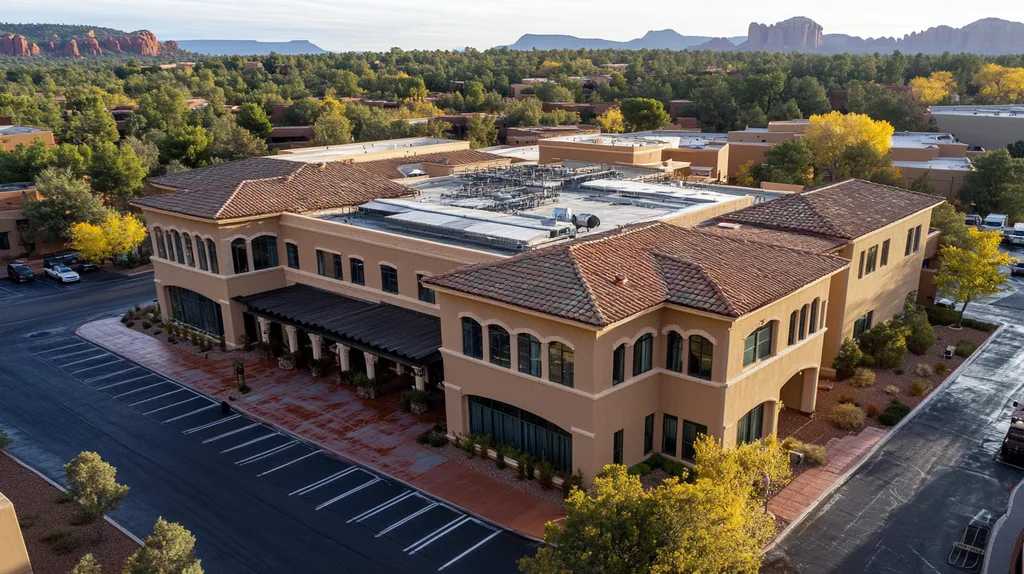
Every industrial roofing project represents a complex choreography of people, equipment, and safety systems working in harmony. With over 50 fatalities annually from roofing falls, proper implementation of safety measures isn’t just about following regulations – it’s about preserving lives. The difference between a safely completed project and a tragic accident often comes down to how thoroughly safety protocols are planned, installed, and managed across every phase of work.
Planning Safe Roof Access and Material Handling
Access points represent critical transition zones where many accidents occur. Every entry point needs clear protocols for both personnel and material movement, with designated staging areas that keep work flows organized and predictable.
Material handling demands careful coordination between ground crews and roof teams. Mechanical lifting equipment must be properly sized and positioned to minimize manual handling while maintaining safe distances from roof edges.
Weather conditions significantly impact both access and material handling safety. High winds can turn normally stable materials into projectiles, while moisture creates hazardous footing during loading and unloading operations.
Establishing clear communication protocols between ground and roof teams helps prevent accidents during critical material transfers. Using designated signalers and maintaining visual contact during lifts creates multiple safety checkpoints.
Installation of Anchors, Lifelines, and Fall Arrest Systems
Proper installation of fall protection starts with thorough structural assessment. Anchor points must be evaluated by qualified personnel to ensure they can support the maximum anticipated loads during both normal use and fall arrest situations.
Warning line systems serve as a critical first line of defense, requiring installation at least 6 feet from roof edges with high-visibility flags every 6 feet. These systems must resist 16 pounds of force without tipping, while covers protecting skylights must support twice the expected worker and equipment weight. (source: OSHA)
Horizontal lifeline systems require precise tensioning and proper termination to function effectively. Regular inspection of all components, including connectors and cable tension, helps ensure system reliability.
Personal fall arrest systems need careful integration with fixed anchor points and lifelines. Each connection point requires verification of compatibility between different manufacturers’ components.
Coordinating Multi-Contractor Safety and Site Management
Multi-contractor environments demand clear chains of command for safety oversight. Establishing a primary safety coordinator ensures consistent enforcement of protocols across all crews working on site.
Daily safety briefings help coordinate activities between different trades. These meetings should address specific hazards created by overlapping work zones and establish clear communication channels.
Equipment sharing between contractors requires careful scheduling and inspection protocols. Each crew needs documented procedures for equipment handoff and verification of proper functioning.
Emergency response plans must account for all contractors on site. Regular drills help ensure every worker knows their role in crisis situations, regardless of their primary employer.
SECTION 4: MAINTENANCE REQUIREMENTS
Every year, dozens of workplace accidents occur due to poorly maintained roof safety systems and equipment. The financial impact extends far beyond immediate injury costs – OSHA fines for inadequate maintenance can exceed $145,000 per violation, while equipment failures can shut down operations for weeks. A robust maintenance program isn’t just about checking boxes – it’s about creating a comprehensive system that protects both workers and the substantial investment in safety equipment.
Regular Inspection of Safety Equipment and Systems
Each piece of fall protection equipment represents a critical link in the safety chain. Daily visual inspections help catch obvious damage like frayed harnesses or bent connectors before they create hazardous situations.
Warning line systems require particular attention, as they serve as the first line of defense against falls. These systems must maintain specific heights between 34-39 inches from the walking surface and resist 16 pounds of force without tipping, while warning lines need flags every 6 feet and 500-pound minimum tensile strength. (source: OSHA)
Guardrail systems demand thorough structural evaluation during inspections. Even minor damage can compromise their ability to prevent falls, making regular strength testing essential.
Documentation of all inspections creates a vital maintenance history. These records help identify patterns of wear and predict when equipment may need replacement.
Routine Roof Surface and Debris Management
Clean, well-maintained roof surfaces dramatically reduce slip and trip hazards. Regular sweeping removes loose materials that can become projectiles during high winds or create dangerous walking conditions.
Drainage systems require consistent attention to prevent water accumulation. Blocked drains can create dangerous pools that compromise both worker safety and roof integrity.
Snow and ice management becomes critical during winter months. Designated walking paths need extra attention to prevent the formation of invisible ice patches.
Storage areas for tools and materials must remain organized and secure. Proper organization prevents trip hazards while ensuring equipment stays protected from weather damage.
Training Updates and Compliance Verification
Safety protocols evolve as new hazards are identified and equipment technology advances. Regular training updates ensure workers understand current best practices and regulatory requirements.
Hands-on demonstrations reinforce proper equipment inspection techniques. Workers need practical experience identifying wear patterns and potential failure points.
Documentation of training completion helps track compliance across large teams. These records prove invaluable during safety audits or incident investigations.
Regular competency assessments verify that training translates into proper field practices. These evaluations help identify areas where additional instruction may be needed.
SECTION 5: PERFORMANCE METRICS
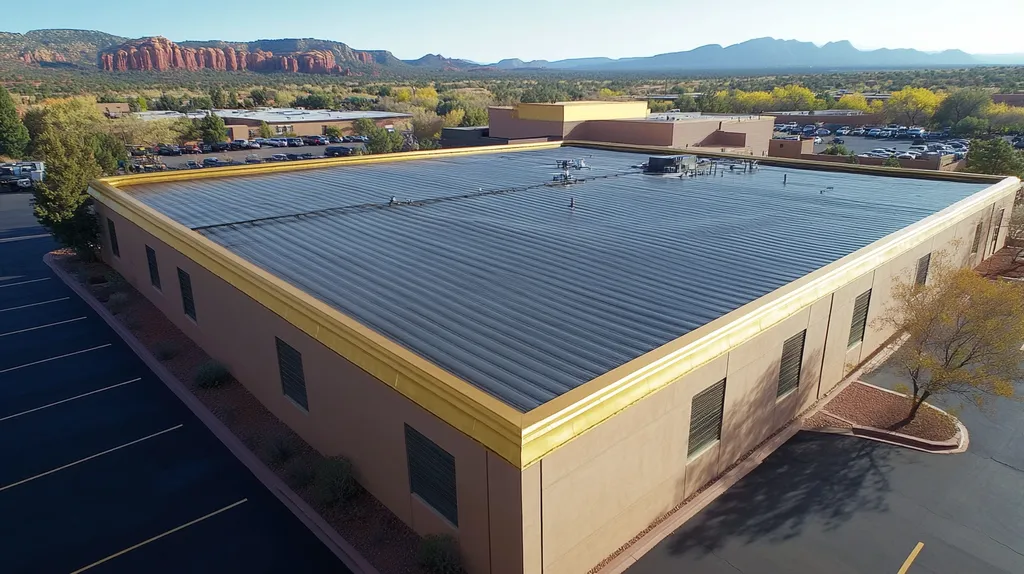
In industrial roofing, performance metrics serve as early warning systems that can mean the difference between life and death. With roofing accidents accounting for nearly one-third of construction fatalities, tracking key safety indicators isn’t just about compliance – it’s about preventing tragedy. Yet many facilities track only basic incident rates, missing crucial warning signs that could prevent accidents. Effective measurement requires a comprehensive approach that examines incidents, compliance, and equipment usage patterns.
Measuring Incident and Near-Miss Rates
Incident tracking must go beyond simple accident counts to capture near-misses that signal potential problems. These close calls often reveal systemic issues before they result in injuries or fatalities.
Effective measurement requires standardized reporting processes that make it easy for workers to document safety concerns. When reporting becomes complicated or time-consuming, crucial warning signs go unreported.
Data analysis should identify patterns in both timing and location of incidents. Clusters of near-misses around specific tasks or areas often indicate needed improvements in training or equipment.
Regular review meetings help translate metrics into action. Monthly safety committees should examine trend data and implement specific corrections based on findings.
Compliance Audits and Safety Program Effectiveness
Safety audits need clear, measurable criteria that go beyond simple yes/no checklists. Detailed scoring systems help quantify program effectiveness and track improvements over time.
Third-party audits provide crucial outside perspective on safety practices. External reviewers often spot issues that internal teams have become accustomed to overlooking.
Employee feedback during audits reveals practical challenges in following safety protocols. This ground-level insight helps shape more effective procedures that workers will actually follow.
Documentation provides both legal protection and improvement tracking. Detailed records of audit findings and corrective actions demonstrate ongoing commitment to safety enhancement.
Monitoring PPE Usage and Equipment Integrity
Daily equipment inspections must follow systematic protocols that catch subtle signs of wear. Even minor damage to fall protection equipment can have catastrophic consequences.
Usage tracking helps identify both equipment reliability issues and compliance patterns. When certain items show frequent damage or go unused, it may indicate needed changes in training or equipment selection.
Regular testing ensures safety equipment maintains required performance standards. Warning line systems must resist 16 pounds of force without tipping while maintaining proper height and visibility with flags every 6 feet, and protective covers must support twice the anticipated worker and equipment weight. (source: OSHA)
Equipment replacement schedules should be based on both usage data and manufacturer recommendations. Proactive replacement before failure prevents accidents and ensures continuous protection.
SECTION 6: OPTIMIZATION STRATEGIES
Industrial roofing safety optimization isn’t just about meeting standards – it’s about constantly evolving to protect lives. With over 50 roofing fatalities annually, traditional approaches often fall short. Modern optimization strategies can reduce accidents by up to 40% through targeted improvements in technology, training, and planning. Yet many facilities continue relying on outdated methods, creating unnecessary risks for workers and liability for owners.
Enhancing Safety Through Technology and Innovation
Digital monitoring systems now provide real-time tracking of worker locations and safety equipment status. These systems can instantly alert supervisors when someone enters a restricted area or disconnects from fall protection.
Drone technology enables comprehensive roof inspections without exposing workers to unnecessary risks. High-resolution imaging and thermal scanning can identify potential hazards before crews ever set foot on the roof.
Smart PPE equipment incorporating sensors and communication devices helps workers stay connected and protected. These advanced systems can detect falls, monitor vital signs, and automatically signal for help during emergencies.
Virtual reality training simulators allow workers to practice dangerous scenarios safely. This technology provides realistic experience handling emergency situations without actual risk.
Continuous Safety Training and Behavioral Reinforcement
Understanding complex regulatory requirements demands ongoing education and clear guidance. The distinction between OSHA standards for general industry (4-foot threshold) and construction (6-foot threshold) creates particular compliance challenges that require careful attention during training. (source: Tractel BlueWater US)
Regular toolbox talks focused on specific hazards help maintain safety awareness. These brief, targeted sessions reinforce key protocols while addressing emerging challenges identified through near-miss reports.
Peer mentoring programs pair experienced workers with newer team members. This approach ensures practical knowledge transfer while building a culture of shared responsibility for safety.
Recognition programs that reward proactive safety behaviors help reinforce positive habits. Celebrating workers who consistently demonstrate safety leadership encourages others to follow their example.
Integrating Safety in Project Planning and Scheduling
Safety considerations must drive project timelines rather than being forced to fit within them. Building adequate time for safety protocols into schedules prevents rushed work that leads to accidents.
Weather monitoring and response planning require dedicated schedule flexibility. Projects need clear stop-work triggers and procedures for securing equipment during adverse conditions.
Material staging and movement plans should minimize handling risks. Proper planning ensures equipment and supplies reach work areas safely without creating new hazards.
Regular schedule reviews must include safety performance metrics. Tracking these indicators helps identify when time pressures may be compromising safe work practices.
The Bottom Line
With over 50 roofing fatalities annually and millions lost to injuries and OSHA violations, the stakes for industrial roof safety have never been higher.
Comprehensive safety programs integrating proper equipment, thorough training, and rigorous monitoring represent the difference between successful projects and potential tragedy.
Technology continues advancing protective capabilities through smart PPE, digital monitoring, and VR training simulations that prepare workers for hazardous situations without putting them at risk.
Yet even the most sophisticated safety systems rely on consistent implementation and maintenance to remain effective.
When facility managers and property owners make safety their highest priority – backed by proper resources, documentation, and continuous improvement – they protect both lives and business interests while setting new standards for industry excellence.
FREQUENTLY ASKED QUESTIONS
Q. What are key safety measures for a commercial roof project?
A. Essential safety measures include installing adequate fall protection systems, maintaining equipment, and conducting regular safety audits. Training workers on proper use of personal protective equipment (PPE) is crucial. By prioritizing these measures, you can significantly reduce the risk of accidents on-site.
Q. How do I implement safety components for an industrial roof?
A. Begin with comprehensive assessments of potential risks and proper installation of fall protection systems. This includes guardrails and warning lines placed strategically around edges. Consistent inspections and maintenance of all safety components are necessary to ensure ongoing protection for workers.
Q. What strategies ensure safety during roof project implementation?
A. Establish clear protocols for access and material handling, and ensure proper installation of safety equipment. Effective communication among team members will minimize accidents during transitions. Adapting safety strategies to weather conditions will further enhance the project’s safety throughout all stages of implementation.
Q. How often should safety equipment on a commercial roof be inspected?
A. Safety equipment should be visually inspected daily before use, with more comprehensive evaluations conducted weekly. This includes checking fall protection gear and safety systems like warning lines. Maintaining detailed records of these inspections is essential for compliance and safety enhancement.
Q. What training is essential for workers on industrial roofs?
A. Workers should receive thorough training on the use of PPE, safety protocols, and hazard recognition. Regular updates on safety measures and equipment inspections are vital. Practical demonstrations can enhance understanding of emergency responses and proper equipment handling.
Q. How can we measure safety performance metrics effectively?
A. Track both incident and near-miss rates to identify trends and patterns. Conduct regular audits that assess compliance and safety program effectiveness. Analyzing equipment usage helps ensure all safety measures are practical and effective in preventing accidents.
Q. What can be done to optimize safety for industrial roofs?
A. Use advanced technology such as drones for inspections and real-time monitoring systems to track worker safety. Continuous education and training enhance worker awareness and adherence to safety protocols. Consider implementing recognition programs to foster a culture of safety and accountability among workers.






