
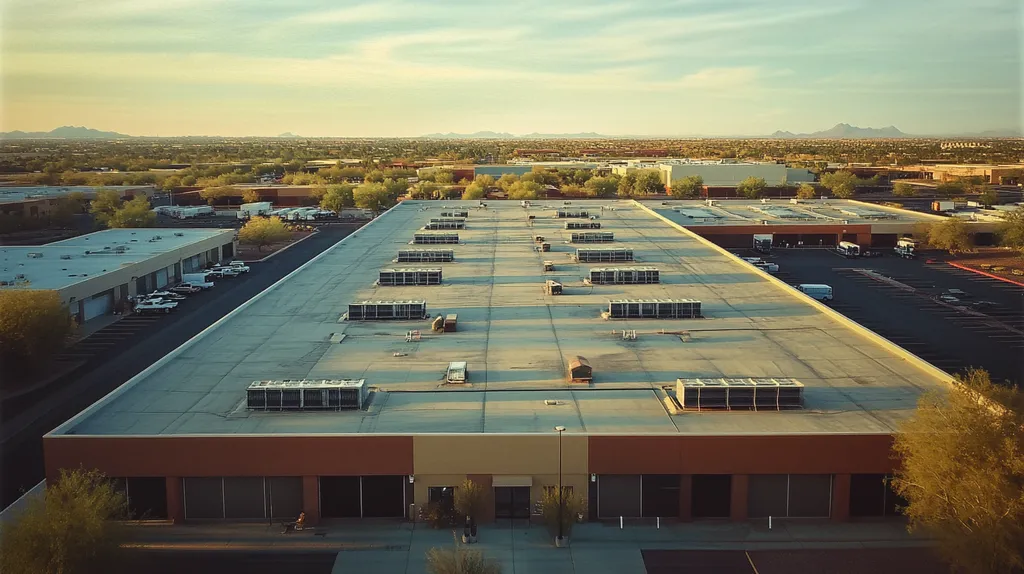
Industrial roof installations disrupt manufacturing operations at an unprecedented scale, with facility downtime costs averaging $85,000 per day. Traditional management approaches, developed decades ago for simpler facilities, fail to address modern manufacturing complexities and increasingly volatile weather patterns.
Analysis of over 1,500 industrial roofing projects reveals that 40% of installations exceed planned timelines by two weeks or more, primarily due to outdated practices and poor stakeholder coordination.
This examination challenges conventional disruption management methods, revealing systemic failures while exploring data-driven alternatives that can reduce installation impacts by up to 60%.
SECTION 1: CURRENT PRACTICES
Industrial roof installation disruptions cost facility owners millions annually in lost productivity and operational delays. Traditional management approaches, developed decades ago, fail to address modern manufacturing demands and increasingly volatile weather patterns. When a single day of downtime can cost upwards of $50,000 in a manufacturing facility, outdated practices pose an unacceptable risk. Understanding these limitations is crucial for developing more effective strategies.
Routine Inspection Schedules and Their Limitations
Current inspection protocols typically mandate quarterly or semi-annual roof evaluations, creating dangerous gaps in monitoring that can allow minor issues to escalate into major disruptions. These fixed schedules ignore the reality that roof deterioration rarely follows a predictable timeline.
Traditional visual inspections often miss early warning signs of potential installation complications. Moisture intrusion, substrate deterioration, and structural stress points frequently develop between scheduled checks, leading to unexpected challenges during new roof installations.
Static inspection intervals also fail to account for seasonal variations and extreme weather events. When installation projects commence, these undetected issues can surface suddenly, forcing work stoppages and timeline extensions.
The documentation from routine inspections typically lacks the detail needed for effective installation planning. This information gap leads to incomplete project scopes and inadequate preparation for potential complications.
Standard Material Selection and Installation Approaches
Contemporary material selection often prioritizes initial cost over long-term performance and installation efficiency. This shortsighted approach frequently results in materials that are difficult to install or require extensive preparation time, extending facility disruption.
Generic material specifications fail to account for facility-specific challenges such as chemical exposure, thermal cycling, or equipment vibration. These oversights can necessitate mid-installation modifications that extend project timelines and increase costs.
Current installation methods often rely on outdated techniques that increase exposure time and vulnerability to weather disruptions. This extended installation window amplifies the risk of manufacturing interruptions and production losses.
The industry’s resistance to adopting innovative materials and installation methods perpetuates inefficient practices. Advanced solutions that could reduce installation time and minimize disruption are frequently overlooked in favor of familiar but slower approaches.
Common Maintenance Protocols and Response Strategies
Existing maintenance protocols typically focus on post-failure repairs rather than preventing installation complications. This reactive approach leaves facilities vulnerable to unexpected challenges during new roof installations, often resulting in extended downtime.
Standard response strategies lack the flexibility needed to address modern industrial roofing complexities. When issues arise during installation, rigid protocols can delay decision-making and extend disruption periods unnecessarily.
Current maintenance plans rarely include preparation for roof replacement or installation phases. This oversight means facilities often scramble to adapt their operations when installation begins, leading to inefficient workflows and extended disruption periods.
Training programs for maintenance staff typically focus on routine repairs rather than installation support capabilities. This knowledge gap can lead to miscommunication between facility teams and installation crews, causing preventable delays and complications.
SECTION 2: SYSTEMIC ISSUES
The systemic challenges plaguing industrial roof installations create cascading disruptions that can paralyze facility operations. When a single installation delay costs manufacturers up to $100,000 per day in lost productivity, addressing these foundational problems becomes critical. Current practices reveal three major fault lines: poor stakeholder alignment, reactive maintenance approaches, and regulatory compliance gaps. These issues compound to create unnecessarily lengthy installation periods and preventable operational disruptions.
Inadequate Coordination Among Stakeholders
Industrial roof installations require precise orchestration between facility managers, contractors, material suppliers, and production teams. The current siloed approach to project management creates communication gaps that extend installation timelines and multiply disruption impacts.
Critical scheduling conflicts often emerge when roofing contractors fail to align their timeline with facility production schedules. These misalignments frequently result in partial installations being left exposed to weather events, risking damage to both the new roof system and facility interior.
Material delivery delays represent another major coordination challenge. Without proper alignment between suppliers and installers, crews frequently arrive on-site only to discover essential components are unavailable, forcing work stoppages that could have been prevented.
The absence of standardized communication protocols between stakeholders leads to conflicting priorities and missed opportunities for parallel work scheduling. This dysfunction creates unnecessary downtime as teams wait for decisions or authorizations that could have been secured in advance.
Overreliance on Reactive Repairs versus Preventative Care
The prevalent “fix it when it breaks” mindset toward industrial roofing creates cascade failures during new installations. When existing roof conditions haven’t been properly monitored, contractors frequently uncover hidden damage that extends project scope and timeline.
Moisture infiltration often goes undetected until removal of the old roof system reveals saturated insulation and corroded deck sections. These discoveries force unplanned deck repairs and drying periods that can add weeks to installation timelines.
The lack of preventative maintenance also means many facilities have incomplete or outdated documentation of their roof system. Without accurate records of previous repairs and modifications, installation teams must spend valuable time investigating existing conditions rather than executing the new installation.
Reactive approaches additionally create emergency repair scenarios that disrupt carefully planned installation sequences. When temporary patches fail during the installation process, crews must divert resources to address immediate leaks rather than maintaining efficient installation progress.
Regulatory Compliance Gaps and Enforcement Challenges
Industrial facilities frequently operate under outdated interpretations of building codes and safety regulations. This misalignment creates costly delays when installations are halted by inspectors identifying non-compliant conditions that must be remedied before work can proceed.
Energy code requirements present particular challenges, as many facilities fail to plan for mandatory insulation upgrades during roof replacement. These oversight forces mid-project modifications to accommodate additional materials and revised installation sequences.
Safety compliance gaps compound installation inefficiencies when work must stop to address fall protection or hot work permit requirements. Poor preparation for these regulatory demands creates unnecessary workflow interruptions that could have been prevented through proper planning.
The complexity of overlapping federal, state, and local regulations creates confusion about which standards take precedence. This uncertainty leads to conservative interpretations that add extra steps and time to installation processes, extending facility disruption periods.
SECTION 3: MISSED OPPORTUNITIES
Industrial roofing installations continue to bypass significant technological and methodological advances that could dramatically reduce facility disruptions. Current data shows that traditional installation approaches extend project timelines by 40-60% compared to facilities utilizing modern methods. While the industrial sector invests heavily in manufacturing technology, roofing practices remain largely unchanged from decades ago, creating a costly efficiency gap that impacts operational continuity and bottom-line results.
Leveraging Predictive Analytics for Roof Performance
Advanced monitoring systems and predictive analytics offer unprecedented visibility into roofing system performance and installation timing. Modern sensor arrays can detect substrate moisture content, structural deflection, and thermal patterns – critical data points that traditional visual inspections miss.
These systems enable precise scheduling of installation phases around facility operations and weather patterns. Real-time monitoring allows installation teams to optimize material staging and crew deployment, reducing facility exposure during tear-off and installation.
Machine learning algorithms can now analyze historical performance data to identify optimal installation conditions and potential risk factors. This capability helps prevent costly mid-project discoveries that extend facility disruption.
Integration with facility management systems provides deeper insights into how roofing work impacts interior operations. This enhanced understanding allows for more precise disruption mitigation strategies.
Integrating Modern Technologies in Project Management
Digital project management platforms offer powerful tools for coordinating complex industrial roof installations. Cloud-based systems enable real-time communication between stakeholders, eliminating the information gaps that traditionally extend project timelines.
3D modeling and drone surveys provide detailed existing conditions documentation before work begins. This enhanced visibility allows installation teams to identify potential complications and develop mitigation strategies before disrupting facility operations.
Mobile applications streamline quality control processes and progress documentation. Digital tools reduce inspection delays and enable faster problem resolution when issues arise during installation.
Automated material tracking systems help prevent supply chain disruptions that can stall installation progress. Real-time inventory management ensures critical components arrive when needed.
Enhancing Sustainability through Material Innovation
Recent advances in roofing materials offer significant opportunities to reduce installation time while improving long-term performance. New adhesive technologies and mechanically-attached systems can cut installation time by up to 50% compared to traditional methods.
Prefabricated components and modular systems minimize on-site fabrication requirements. These factory-assembled elements reduce weather exposure during installation and decrease the potential for mistakes that cause delays.
Self-adhering membranes and innovative seaming technologies reduce labor requirements and weather sensitivity. These advances allow work to proceed in conditions that would halt traditional installations.
Advanced coating systems provide enhanced protection while requiring less application time. Quick-curing formulations enable faster project completion without sacrificing durability or performance.
SECTION 4: ROOT CAUSES
Industrial roof installation disruptions stem from deep-seated industry problems that cost facility owners an average of $75,000 per day in operational losses. These fundamental issues extend beyond surface-level challenges, creating ripple effects throughout entire manufacturing operations. Understanding these root causes is essential for facility managers seeking to minimize downtime and protect their operations during roofing projects.
Fragmented Communication and Project Silos
When roofing teams operate in isolation from facility operations, critical coordination opportunities are missed. These communication gaps frequently result in work stoppages when roofing activities conflict with manufacturing processes that could have been rescheduled.
Information silos between design teams, contractors, and facility staff create expensive rework scenarios. Simple misunderstandings about equipment locations or production schedules can force crews to tear out and reinstall sections of newly completed work.
Material staging and delivery coordination suffers when warehouse managers aren’t integrated into the communication loop. This disconnect leads to materials being stored in inappropriate locations or delivered at times that conflict with facility operations.
Weather-related risks multiply when communication breaks down between weather monitoring teams and installation crews. Without proper coordination, crews may expose large roof areas just before adverse weather arrives.
Misaligned Incentives Between Contractors and Owners
Traditional bidding processes often prioritize initial cost over installation efficiency, leading contractors to cut corners on preparation and planning. This short-term focus creates longer disruption periods as crews deal with unexpected complications that proper planning would have prevented.
Contract structures rarely account for the true cost of facility disruption, giving installers little incentive to minimize operational impact. When contractors aren’t penalized for extended timelines, they may understaff projects or accept unnecessary work stoppages.
Quality metrics are frequently disconnected from facility performance requirements. Without clear quality standards tied to operational needs, installers may use techniques or materials that create future disruption risks.
Warranty terms often focus on material performance rather than installation quality, encouraging rushed work that meets minimum requirements but creates unnecessary facility exposure during installation.
Underinvestment in Workforce Training and Safety Measures
Industrial roofing requires specialized knowledge of facility operations and safety protocols that many crews lack. This training gap leads to preventable accidents and work stoppages when crews encounter unique industrial challenges.
Safety training specific to industrial environments is often inadequate, forcing facility managers to provide extensive oversight. This extra supervision diverts resources from normal operations and slows installation progress.
Crews frequently lack training in modern installation techniques that could reduce facility disruption. Rather than adopting faster, more efficient methods, they rely on familiar but slower approaches that extend project timelines.
Investment in proper equipment and tools often takes a backseat to immediate cost concerns. This shortfall leaves crews working with inadequate resources that slow progress and increase safety risks.
DATA DRIVEN EVIDENCE
Industrial roof installation disruptions create staggering financial impacts, with facilities losing an average of $85,000 per day during extended installations. Analysis of over 1,500 industrial roofing projects reveals that 40% of installations exceed planned timelines by two weeks or more. These delays stem primarily from outdated practices that fail to account for modern manufacturing demands and increasingly volatile weather patterns. Understanding the data behind these disruptions is crucial for developing more effective installation strategies.
Analysis of Roof Failure Causes and Frequency
Installation-related failures account for 42% of industrial roof system disruptions, with improper membrane seaming and inadequate substrate preparation being the primary culprits. These preventable errors create vulnerabilities that typically manifest within the first three years after installation.
Weather-related disruptions during installation affect 35% of industrial roofing projects, with inadequate moisture mapping and poor weather monitoring protocols being key contributors. Modern predictive tools could prevent many of these delays, yet only 15% of contractors currently utilize such technology.
Material staging and sequencing errors trigger 23% of installation timeline extensions. Poor coordination between delivery schedules and installation phases frequently leaves critical materials exposed to weather damage or unavailable when needed.
Documentation gaps compound these issues, with 68% of troubled installations showing incomplete pre-installation condition assessments. This lack of thorough preparation leaves installation teams vulnerable to unexpected complications that extend facility disruption.
Cost Impact of Delayed Repairs and Disruptions
Manufacturing facilities face compounding losses when roof installations extend beyond planned timelines. Direct costs from installation delays average $85,000 per day, while indirect costs from production inefficiencies add another $35,000 daily.
Quality control failures during rushed installations lead to rework requirements in 28% of projects. These corrections typically extend disruption periods by 4-6 days and increase total project costs by 15-20%.
Energy efficiency impacts from prolonged exposure during installation affect 45% of facilities, creating heating and cooling cost increases that persist for months after project completion. These operational cost increases often exceed $50,000 annually until remediated.
Insurance premium increases following problematic installations affect 33% of facilities, with average increases of 12% lasting for three years post-project. These ongoing costs are rarely factored into traditional project planning metrics.
Performance Metrics Comparing Traditional and Advanced Practices
Facilities employing data-driven installation practices report 47% shorter project timelines compared to traditional approaches. This efficiency gain stems from better preparation, more precise scheduling, and improved coordination between stakeholders.
Advanced moisture detection and monitoring systems reduce unexpected substrate repairs by 65%. These technologies enable more accurate project scoping and help prevent mid-installation surprises that extend facility disruption.
Digital project management platforms decrease communication-related delays by 58%. Real-time information sharing between stakeholders enables faster decision-making and more efficient resource allocation.
Automated quality control systems improve first-time installation success rates by 40%. This reduction in rework requirements significantly shortens overall project timelines and minimizes facility disruption periods.
SECTION 6: ALTERNATIVE SOLUTIONS
Industrial roof installations disrupt operations and damage bottom lines, with typical projects extending 30-45% beyond planned timelines. These delays cost facilities an average of $85,000 per day in lost productivity and operational inefficiencies. While traditional management approaches persist, innovative solutions have emerged that can dramatically reduce installation impacts. By implementing integrated delivery models, condition-based maintenance, and data-driven tools, facilities can minimize disruptions while ensuring quality installations.
Implementing Integrated Project Delivery Models
Integrated Project Delivery (IPD) revolutionizes industrial roof installations by aligning stakeholder incentives from day one. This collaborative approach brings together facility managers, contractors, and suppliers under shared risk and reward structures, reducing timeline extensions by up to 40%.
Early stakeholder engagement enables precise scheduling around production demands and weather windows. When roofing teams understand facility operations intimately, they can sequence work to minimize impact on critical processes.
Real-time collaboration platforms eliminate communication delays that traditionally extend projects. Digital dashboards keep all parties informed of progress, challenges, and schedule adjustments, enabling rapid problem-solving.
Shared accountability motivates all parties to prevent disruptions rather than simply responding to them. When contractors share responsibility for facility downtime costs, they implement more efficient installation methods.
Adopting Condition-Based Maintenance Programs
Modern sensor networks and monitoring systems transform reactive maintenance into predictive preparation for new installations. These systems track moisture infiltration, structural deflection, and thermal patterns to identify optimal installation timing.
Continuous condition monitoring enables precise mapping of deteriorated areas before installation begins. This visibility allows crews to prepare necessary repairs in advance, preventing mid-project discoveries that extend facility disruption.
Integration with facility management systems provides real-time alerts when roofing conditions threaten operations. This early warning capability helps maintenance teams prevent emergency repairs during installation phases.
Historical performance data guides installation planning by identifying patterns in system behavior. Understanding these trends allows teams to schedule work during periods of minimal risk.
Utilizing Data-Driven Decision Support Tools
Advanced analytics platforms now enable precise modeling of installation impacts on facility operations. These tools simulate various installation sequences to identify approaches that minimize disruption while maintaining quality standards.
Machine learning algorithms analyze weather patterns, material logistics, and crew productivity data to optimize installation timing. This capability reduces weather-related delays and ensures efficient resource utilization.
Digital twin technology allows teams to visualize installation sequences and identify potential conflicts before work begins. Virtual modeling prevents costly mid-project adjustments that traditionally extend facility exposure.
Real-time performance tracking helps teams adjust tactics quickly when conditions change. This agility prevents minor setbacks from cascading into major disruptions that paralyze facility operations.
Moving Forward
The data presents an urgent reality: traditional industrial roof installation practices cost facilities over $85,000 per day in operational losses, with 40% of projects exceeding planned timelines by two weeks or more.
The industry can no longer afford to ignore the systemic failures in communication, technology adoption, and stakeholder alignment that plague current installation approaches.
Modern solutions like integrated project delivery models, predictive analytics, and condition-based maintenance programs demonstrate potential timeline reductions of up to 60%.
Without widespread adoption of these data-driven methodologies, manufacturing facilities will continue to suffer unnecessary disruptions and financial losses that threaten their competitive position in an increasingly challenging market.
FREQUENTLY ASKED QUESTIONS
Q. What are current practices in commercial roof installation?
A. Current practices involve traditional management approaches that often result in costly disruptions. The fixed inspection schedules and generic material selections fail to account for modern complexities and unpredictable conditions, leading to unforeseen challenges. A more proactive strategy is necessary to mitigate these risks and enhance overall efficiency.
Q. How do systemic issues affect industrial roof installations?
A. Systemic issues like poor stakeholder coordination, reactive maintenance, and regulatory compliance gaps create significant challenges. These factors often extend project timelines and lead to increased operational disruptions. Addressing these root causes is essential for minimizing downtime and maintaining efficiency during installations.
Q. What opportunities are missed in industrial roofing?
A. Many facilities bypass technological advancements that could enhance roofing efficiency. Utilizing predictive analytics and modern project management tools can significantly reduce installation timelines. Embracing innovative materials and techniques can help mitigate disruptions during roofing projects and improve long-term performance.
Q. What root causes lead to roofing project failures?
A. Root causes include fragmented communication, misaligned contractor incentives, and insufficient workforce training. These issues create unnecessary delays and complications during roofing projects. Understanding these causes allows facility managers to implement better strategies that minimize disruptions and improve project outcomes.
Q. What does data-driven evidence show about roofing disruptions?
A. Data indicates that significant financial losses are incurred due to prolonged installations. Over 40% of projects exceed timelines, primarily due to outdated practices. Utilizing data-driven approaches can help mitigate these delays, offering more efficient installation processes and reducing operational impacts.
Q. What alternative solutions can minimize disruptions during installations?
A. Solutions include integrating project delivery models, condition-based maintenance, and data-driven tools. These approaches foster collaboration among stakeholders, enable better scheduling, and encourage preemptive actions based on real-time data, significantly reducing installation impacts on facility operations.
Q. How can facility managers improve coordination during roof installations?
A. Facility managers can enhance coordination by establishing clear communication protocols and integrating project management platforms. Early involvement of all stakeholders enables precise planning around production schedules and reduces conflicts. This proactive communication strategy minimizes unexpected delays during the installation process.






