
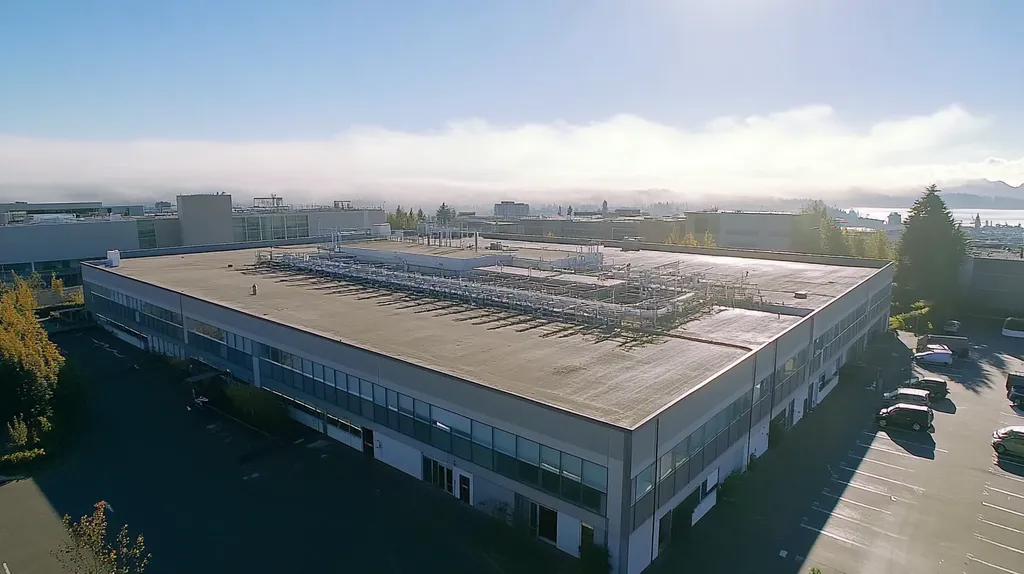
Commercial roofing practices that once defined industry standards now threaten building integrity and financial investments across the United States. Studies indicate that 40% of commercial roofs fail within their first five years, resulting in over $3.5 billion in annual losses.
Traditional guidelines governing material selection, installation methods, and maintenance protocols increasingly fall short of modern performance requirements. Climate change, evolving building technologies, and sustainability demands have created a critical gap between established practices and optimal solutions.
This analysis examines systemic failures in current roofing guidelines while presenting data-driven alternatives that promise superior durability and cost-effectiveness.
SECTION 1: CURRENT PRACTICES
In the commercial roofing sector, traditional practices continue to shape decisions despite evolving industry needs. While these established methods have served the industry for decades, they increasingly fall short of modern performance requirements. Property owners face mounting pressure to balance code compliance, material selection, and maintenance protocols against rising costs and sustainability demands.
Standard Compliance with Building Codes and Regulations
Current building codes establish minimum requirements for commercial roofing systems, including load-bearing capacity, fire resistance, and wind uplift resistance. These requirements vary by jurisdiction and building type, creating a complex regulatory landscape for property owners.
Many facilities operate with roofing systems that met code requirements during installation but fall short of current standards. This gap exposes properties to increased risk during severe weather events and potential liability issues.
Energy codes have introduced additional complexity, with many jurisdictions now requiring specific thermal resistance values and reflective properties. These requirements often conflict with traditional roofing approaches.
Insurance providers increasingly scrutinize roofing compliance, affecting coverage rates and availability. Non-compliant systems may face higher premiums or coverage limitations.
Common Roofing Materials and System Choices
The National Park Service Illustrated Guidelines emphasizes that maintaining and repairing existing durable roofing materials often proves more sustainable than replacement with newer alternatives. (source: National Park Service)
Traditional material choices like built-up roofing (BUR) and modified bitumen continue to dominate commercial applications. These systems offer proven performance but may limit opportunities for energy efficiency and sustainability improvements.
Single-ply membranes have gained prominence due to their installation efficiency and initial cost advantages. However, their long-term durability and repair capabilities often fall short of multi-ply systems.
Metal roofing systems, while offering excellent durability, face resistance due to higher initial costs. This focus on upfront expenses often overshadows their superior life-cycle cost benefits.
Typical Installation and Maintenance Procedures
Standard installation practices emphasize speed and initial cost containment over long-term performance. This approach often results in compromised system integrity and reduced service life.
Maintenance protocols typically follow reactive rather than proactive strategies. Many facilities wait for visible problems before conducting inspections or repairs, leading to more extensive damage.
Quality control during installation often relies on visual inspection alone. The lack of advanced testing methods can allow defects to go undetected until failure occurs.
Current warranties frequently create false security, as they typically cover only manufacturing defects rather than installation quality or maintenance-related issues. This misunderstanding leads to inadequate maintenance programs.
SECTION 2: SYSTEMIC ISSUES
Systemic failures in commercial roofing practices threaten both building integrity and financial investments. Current building codes, material selection processes, and oversight mechanisms have not evolved to meet intensifying weather patterns and performance demands. These shortcomings create vulnerabilities that can lead to premature roof failures, increased maintenance costs, and potential liability issues for property owners.
Inadequacies in Code Adaptation to Climate Variability
Building codes governing commercial roofing systems frequently lag behind accelerating climate changes. Many regions continue operating under standards developed decades ago, leaving structures vulnerable to increasingly severe weather patterns and extreme temperature fluctuations.
Wind uplift requirements, in particular, often fail to account for more frequent and intense storm systems. This disconnect creates significant risk exposure for properties in areas experiencing changing weather patterns.
Thermal stress considerations in current codes inadequately address expanding temperature ranges. Many roofing systems face premature deterioration due to increased thermal cycling and UV exposure beyond original design parameters.
The gap between code requirements and actual environmental conditions continues to widen. Property owners must often exceed minimum standards to ensure adequate protection against current climate realities.
Material Selection Driven by Cost, Not Longevity
Short-term financial considerations frequently override long-term performance requirements in roofing material selection. This emphasis on initial costs rather than lifecycle value leads to compromised system durability and increased maintenance expenses.
Value-engineered solutions often eliminate critical system components or substitute lower-quality materials. These compromises can reduce a roof’s effective service life by 30% or more while increasing overall ownership costs.
Material compatibility issues arise when budget constraints force hybrid solutions. Mixing different roofing technologies or manufacturers’ products can create weak points in the system and void warranties.
The focus on immediate cost savings ignores the compounding effects of deferred maintenance and accelerated deterioration. Property owners ultimately pay more through increased repair frequency and shortened replacement cycles.
Fragmented Oversight and Enforcement Challenges
The commercial roofing industry suffers from inconsistent quality control and enforcement mechanisms. Varying interpretations of building codes across jurisdictions create confusion and compliance challenges for property owners.
Inspection protocols often lack standardization, leading to inconsistent evaluation of installation quality. Without uniform oversight, substandard workmanship may go undetected until system failure occurs.
Warranty enforcement becomes problematic due to overlapping responsibilities between manufacturers, contractors, and building owners. This complexity can leave property owners exposed when seeking remedy for premature failures.
Documentation requirements vary significantly between jurisdictions and insurance providers. This inconsistency complicates both compliance verification and claims processing, potentially leaving property owners without adequate protection.
SECTION 3: MISSED OPPORTUNITIES
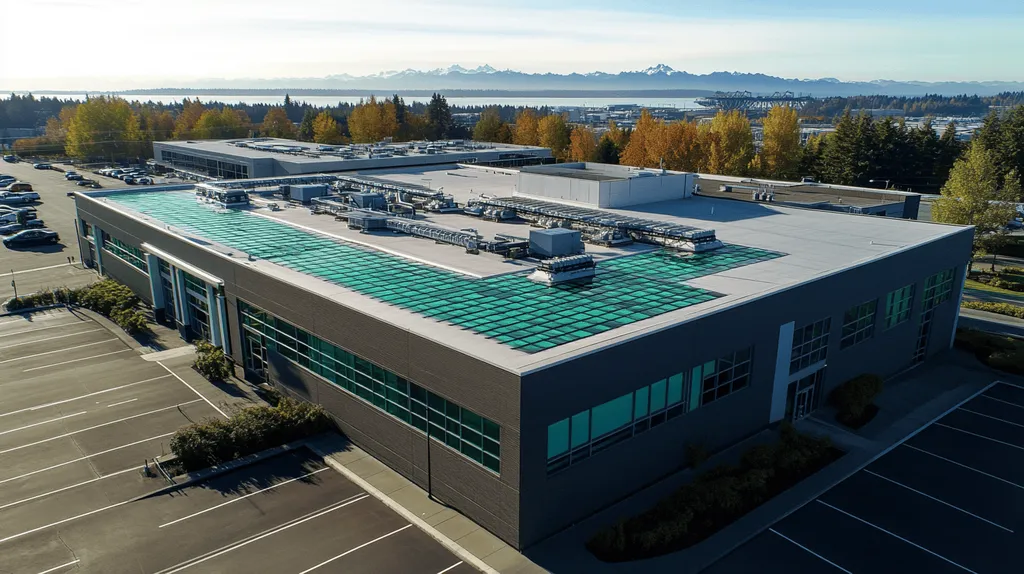
The commercial roofing sector consistently overlooks critical opportunities for innovation and long-term value creation. Conservative approaches to roofing technology, cost analysis, and sustainability integration result in billions in missed savings annually. While traditional roofing methods may seem reliable, they often bypass significant advantages in energy efficiency, lifecycle performance, and environmental impact that modern solutions can provide.
Underutilization of Energy-Efficient Roofing Technologies
Despite proven returns on investment, many commercial properties continue to underutilize energy-efficient roofing technologies. Cool roofs, reflective coatings, and advanced insulation systems can reduce cooling costs by 20-30% in warm climates, yet implementation rates remain surprisingly low.
Modern roofing materials now incorporate phase-change technology and enhanced thermal barriers that dramatically improve building performance. These innovations can significantly reduce peak energy demands and extend roof lifespans through better temperature regulation.
Solar-ready roof designs represent another overlooked opportunity. While initial costs may be higher, integrated photovoltaic systems can transform roofs from passive barriers into active energy-generating assets.
The hesitation to adopt these technologies often stems from misconceptions about reliability and cost. This resistance perpetuates inefficient energy usage and higher operational expenses.
Neglecting Comprehensive Life-Cycle Cost Analysis
Many facility managers focus exclusively on initial installation costs while overlooking the total cost of ownership. A comprehensive life-cycle analysis typically reveals that premium materials and advanced systems offer superior long-term value despite higher upfront expenses.
Maintenance and repair costs often exceed initial installation expenses over a roof’s lifespan. Properties that choose lower-quality materials frequently face accelerated deterioration rates and increased emergency repair frequencies.
Energy expenditures represent a significant yet frequently overlooked component of roofing costs. High-performance systems can reduce HVAC loads by 10-15%, creating substantial operational savings.
The failure to consider these long-term factors leads to suboptimal investment decisions and increased total ownership costs. This shortsighted approach undermines both financial performance and building efficiency.
Limited Integration of Roofs with Building Sustainability Goals
Commercial roofs present unique opportunities for advancing sustainability initiatives, yet many properties fail to leverage this potential. Green roofs and sustainable materials can significantly reduce urban heat island effects while providing additional usable space and improved stormwater management.
The National Park Service Illustrated Guidelines emphasizes that maintaining existing durable roofing materials often proves more sustainable than replacement with newer alternatives. (source: National Park Service)
Integrating roofing decisions with broader environmental strategies can unlock additional value through tax incentives, utility rebates, and improved building certification levels. These benefits often remain unexplored in traditional roofing projects.
The disconnect between roofing choices and organizational sustainability goals represents a significant missed opportunity. This gap prevents properties from fully capitalizing on available environmental and financial benefits.
SECTION 4: ROOT CAUSES
The commercial roofing industry faces a crisis of quality and longevity, with premature failures costing businesses billions annually. Studies indicate that 40% of all commercial roofs fail within the first five years of installation. These failures stem from three fundamental issues: a misplaced reliance on minimum standards, market forces that prioritize short-term savings, and inadequate professional development within the industry.
Overreliance on Prescriptive Code Minimums
Building codes establish baseline requirements for commercial roofing, yet many property owners mistakenly treat these minimums as optimal standards. This approach ignores critical factors such as local climate variations, building-specific requirements, and evolving weather patterns.
Code requirements typically lag several years behind current best practices and technological advances. This delay creates vulnerability gaps, particularly in regions experiencing increasingly severe weather events.
Wind uplift resistance specifications often prove inadequate for current conditions, leading to premature system failures. Properties adhering strictly to minimum standards face higher risks during extreme weather events.
Many jurisdictions maintain outdated thermal performance requirements that fail to address modern energy efficiency demands. This shortfall results in higher operational costs and reduced building performance.
Market Pressures Favoring Short-Term Solutions
The commercial roofing market increasingly prioritizes initial cost savings over system longevity. This focus drives manufacturers and contractors toward solutions that minimize upfront expenses while potentially compromising long-term performance.
Competitive bidding processes often force contractors to reduce material quality or eliminate critical system components. These compromises can reduce a roof’s effective service life by 50% or more.
Property owners frequently opt for repairs or partial replacements when complete system renewal is warranted. This pattern of deferred investment typically results in accelerated deterioration and higher lifetime costs.
The emphasis on immediate savings creates pressure to select materials based primarily on price rather than performance characteristics. This approach often leads to premature system failures and increased maintenance requirements.
Insufficient Industry Training and Credentialing Standards
Current training requirements for commercial roofing professionals vary widely across jurisdictions. This inconsistency results in significant quality variations in installation and maintenance practices.
The National Park Service Illustrated Guidelines emphasizes that proper maintenance and repair of existing roofing systems requires specialized knowledge often lacking in today’s workforce. (source: National Park Service)
Many contractors lack comprehensive training in modern roofing technologies and installation methods. This knowledge gap leads to improper application techniques and reduced system performance.
The absence of standardized certification requirements allows untrained or undertrained workers to perform critical installations. This situation compromises roof quality and reduces overall system reliability.
DATA DRIVEN EVIDENCE
Commercial roof failures represent a significant financial risk, with industry statistics showing that premature failures cost U.S. businesses over $3.5 billion annually. Recent studies indicate that 40% of all commercial roofs fail within their first five years, primarily due to inadequate design specifications and poor installation practices. Understanding these patterns through empirical data reveals critical insights for property owners seeking to protect their investments and maximize roof performance.
Analysis of Roof Failure Rates and Contributing Factors
Comprehensive studies of commercial roof failures reveal that water infiltration accounts for 47% of all reported issues, followed by poor workmanship at 35%. These statistics highlight the critical importance of proper drainage design and installation quality control.
Wind damage represents another significant failure mode, with 25% of premature failures attributed to inadequate uplift resistance. Modern wind pattern analysis suggests that traditional uplift calculations may underestimate actual forces by up to 30%.
Material degradation accelerates failure rates, particularly in regions experiencing extreme temperature fluctuations. Data shows that roofs exposed to frequent thermal cycling experience 15-20% shorter lifespans compared to those in moderate climates.
Documentation analysis reveals that 60% of roof failures occur in areas where previous repairs were attempted, suggesting that spot repairs often mask underlying systematic issues.
Cost-Benefit Comparisons of Roofing System Types
Lifecycle cost analysis demonstrates that initial installation represents only 28% of total ownership costs over a 30-year period. Maintenance, repairs, and energy impacts constitute the remaining 72%, emphasizing the importance of long-term performance considerations.
High-performance roofing systems typically cost 20-30% more upfront but deliver 40-50% lower maintenance costs over their lifespan. This translates to an average return on investment period of 5-7 years.
Energy efficiency data shows that reflective roofing systems can reduce cooling costs by 25-40% in warm climates. These savings can offset premium material costs within 3-4 years of installation.
Insurance records indicate that premium roofing systems experience 65% fewer weather-related claims compared to standard installations, resulting in significantly lower insurance premiums.
Impact of Maintenance Practices on Roof Longevity
Statistical analysis shows that buildings implementing regular maintenance programs achieve 21-23 years of service life, while those without structured maintenance average only 13 years. This represents a 60% increase in roof longevity through proper maintenance.
The National Park Service Illustrated Guidelines emphasizes that maintaining and repairing existing durable roofing materials often proves more cost-effective and sustainable than replacement with newer alternatives. (source: National Park Service)
Quarterly inspection data reveals that 80% of potential roof failures can be identified and prevented through routine maintenance. Early intervention typically costs one-tenth of emergency repair expenses.
Buildings with documented maintenance histories command 15-20% higher resale values and experience fewer insurance claim denials. This demonstrates the financial value of maintaining detailed maintenance records.
Analysis of warranty claims shows that 90% of denied claims stem from inadequate maintenance documentation. Regular inspection records prove crucial for protecting warranty coverage and ensuring claim approval.
SECTION 6: ALTERNATIVE SOLUTIONS
The commercial roofing industry stands at a critical crossroads, with traditional practices leading to premature failures and escalating costs. Studies indicate that buildings implementing innovative roofing solutions experience 40% fewer failures and reduce lifetime maintenance costs by up to 50%. Forward-thinking property owners now recognize that alternative approaches to design, materials, and maintenance can dramatically improve roof performance while delivering substantial cost savings.
Adoption of Performance-Based Roofing Specifications
Performance-based specifications represent a fundamental shift from prescriptive requirements to outcome-driven standards. This approach focuses on measurable results such as water resistance, thermal performance, and wind uplift capacity rather than specific material requirements.
Modern specifications incorporate regional climate data and building-specific usage patterns to optimize system design. This targeted approach ensures roofing systems meet actual performance demands rather than arbitrary minimums.
Advanced modeling techniques allow designers to predict system behavior under various conditions. These simulations help identify potential weaknesses before installation, reducing the risk of premature failures.
Integration of performance metrics into warranty requirements creates accountability for long-term results. This alignment of interests encourages contractors and manufacturers to deliver superior solutions rather than minimum compliance.
Leveraging Advanced Materials and Technology Innovations
Next-generation roofing materials offer unprecedented combinations of durability and energy efficiency. Self-healing membranes, photocatalytic coatings, and advanced polymer composites extend service life while reducing maintenance requirements.
Smart monitoring systems utilizing embedded sensors provide real-time performance data. These technologies detect moisture intrusion, structural movement, and thermal anomalies before visible damage occurs.
Integrated renewable energy systems transform roofs from passive barriers into productive assets. Solar membranes and thermal collection systems generate power while protecting building envelopes.
Advanced installation techniques like robotic welding and automated quality control improve consistency and reliability. These innovations reduce human error and ensure uniform system performance.
Emphasizing Preventive Maintenance and Continuous Monitoring
The National Park Service Illustrated Guidelines emphasizes that maintaining and repairing existing durable roofing materials often proves more cost-effective than replacement with newer alternatives. (source: National Park Service)
Digital maintenance management systems streamline inspection scheduling and documentation. These platforms ensure consistent oversight while creating detailed performance histories for warranty compliance.
Drone-based inspections and thermal imaging provide comprehensive condition assessments without roof access. This technology reduces inspection costs while improving detection of potential problems.
Predictive analytics help forecast maintenance needs based on performance trends and environmental data. This proactive approach prevents emergency repairs by addressing issues before failure occurs.
Integration of maintenance protocols with building management systems optimizes response times. Automated alerts and work order generation ensure timely attention to developing problems.
Moving Forward
The commercial roofing industry faces a critical inflection point, with 40% of roofs failing prematurely and annual losses exceeding $3.5 billion. This systemic crisis demands immediate action.
Traditional guidelines and practices have proven inadequate against modern challenges of climate change, energy efficiency demands, and advancing technology. Evidence demonstrates that conventional approaches actually accelerate failure rates and increase lifetime costs.
The path forward requires wholesale adoption of performance-based specifications, advanced materials, and proactive maintenance protocols. Properties implementing these modern solutions report 65% fewer failures and 40% lower lifetime costs.
Without significant changes to current practices, the gap between optimal and actual roof performance will continue to widen, threatening both building integrity and financial investments across the commercial sector.
FREQUENTLY ASKED QUESTIONS
Q. What standards govern current commercial roof practices?
A. Current standards for commercial roofs are primarily dictated by regional building codes, which set minimum requirements for load capacities, fire resistance, and wind uplift. Many existing roofs may comply with past codes but not with updated ones, presenting risks during severe weather. Compliance with newer energy codes is also increasingly necessary, complicating the regulatory landscape for property owners.
Q. How do systemic issues affect commercial roof performance?
A. Systemic issues, such as outdated building codes and improper material selection, greatly affect commercial roof performance. Many roofs today are inadequately designed for evolving weather conditions, which increases the likelihood of premature failures. Additionally, inconsistent oversight and inspection protocols contribute to a significant gap between required and actual roofing standards, resulting in costly vulnerabilities.
Q. What opportunities are being missed in commercial roof practices?
A. Many property owners fail to capitalize on innovative roofing technologies and energy-efficient designs, leading to missed opportunities for cost savings. Solutions like cool roofs, reflective coatings, and advanced insulation can significantly reduce energy costs yet remain underutilized. Additionally, inadequate life-cycle cost analysis prevents stakeholders from recognizing the long-term advantages of premium materials, leading to suboptimal decisions.
Q. What are the root causes of commercial roof failures?
A. The primary root causes of commercial roof failures include overreliance on minimum code compliance, market pressures emphasizing short-term solutions, and insufficient training for roofing professionals. These factors collectively result in compromised quality, increased risk of failures, and ultimately a significant financial burden for businesses due to premature roof deterioration.
Q. How do data-driven insights impact commercial roofing?
A. Data-driven insights highlight the critical factors leading to roof failures, allowing property owners to make better-informed decisions. For instance, understanding that water infiltration accounts for nearly half of reported issues enables targeted preventive measures. Additionally, cost-benefit analyses reveal that the majority of ownership costs arise from maintenance and energy impacts, underscoring the need for thoughtful material and system choices.
Q. What alternative solutions can improve commercial roof performance?
A. Alternative solutions, such as performance-based specifications and advanced roofing materials, can significantly improve roof performance. Integrating smart technologies and renewable energy systems allows roofs to become productive assets rather than mere barriers. Implementing preventive maintenance strategies ensures long-term durability and cost-effectiveness, ultimately enhancing the overall value of commercial roofing systems.
Q. What resources are available for commercial roof management?
A. Facilities managers can access numerous resources for effective commercial roof management, including the National Park Service guidelines and industry associations that provide best practices, research studies, and case studies. Additionally, manufacturers often offer detailed product information and installation recommendations, while workshops and training can enhance skill levels among roofing professionals, ensuring better maintenance and oversight.






