
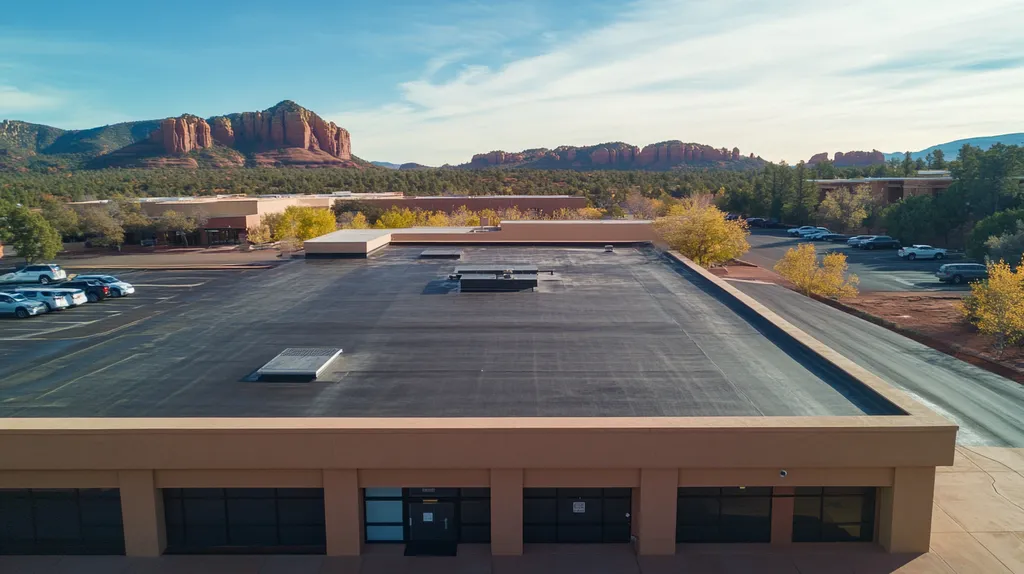
Welcome to today’s Battle Royale featuring two roofing heavyweights: “TPO” in the east corner versus “EPDM” in the west!
Tonight’s showdown pits these contenders against each other across six punishing rounds designed to test every aspect of their performance for Industrial Roof Contractor Experience Verification.
At stake? Millions in potential costs, decades of building protection, and the critical performance demands of modern commercial and industrial facilities.
Our professional judging panel will evaluate each round on technical merit, real-world performance, and value delivery. After all six rounds, we’ll declare our ultimate champion.
Ladies and gentlemen, facility managers and building owners… it’s time to rumble!
ROUND 1: INITIAL COSTS & INSTALLATION
The financial implications of industrial roofing choices extend far beyond initial material costs. A miscalculated decision can lead to premature system failure, operational disruptions, and unexpected replacement expenses. Property owners and facility managers must carefully evaluate both immediate and long-term financial impacts when selecting between TPO and EPDM systems.
Material Expenses
Material costs represent a significant portion of any industrial roofing project’s budget. TPO membranes typically cost between $3.00 to $4.50 per square foot for standard thickness options, making them an attractive initial investment for large industrial spaces.
EPDM materials generally command higher prices, ranging from $4.00 to $6.50 per square foot. This premium reflects EPDM’s established market presence and proven durability record in diverse climate conditions.
When comparing base material costs alone, TPO demonstrates an “ADVANTAGE” with its lower price point, particularly beneficial for projects with strict initial budget constraints.
Installation Complexity
Installation methods significantly impact project success and timeline adherence. TPO installations require specialized heat-welding equipment and certified technicians who understand proper welding temperatures and techniques. (source: Industrial Roofing Journal)
EPDM installation relies more heavily on adhesive application and manual seaming techniques. While this approach requires less specialized equipment, it can be more labor-intensive and weather-dependent for proper curing.
Despite requiring specialized equipment, TPO’s mechanically welded seams and faster installation process earn it an “ADVANTAGE” in this category.
Project Timeline
Project duration affects both direct costs and business operations. TPO installations typically progress faster due to mechanical seaming and fewer weather restrictions, allowing facilities to resume normal operations sooner.
EPDM installations often require longer completion times due to adhesive curing requirements and more manual labor in the seaming process. Weather conditions can further extend these timelines, particularly in humid or cold climates.
With its faster installation process and reduced weather sensitivity, TPO claims another clear “ADVANTAGE” in project timeline efficiency.
ROUND 1 WINNER: TPO
ROUND 2: DURABILITY & LIFESPAN
When evaluating industrial roofing systems, durability and lifespan considerations can make or break a facility’s operational budget. Recent industry data shows that premature roof failures can cost organizations up to 400% more than properly installed systems over their lifetime. Understanding how TPO and EPDM perform in real-world conditions is crucial for making informed decisions that protect both the facility and its bottom line.
Durability Against Weather Elements
Weather resistance capabilities directly impact a roof’s ability to protect industrial facilities. TPO membranes excel in high-UV environments and maintain their reflective properties over time, helping regulate building temperatures and reduce cooling costs.
EPDM demonstrates exceptional resistance to extreme temperature fluctuations and maintains flexibility in cold climates. Its chemical composition provides natural resistance to ozone, UV radiation, and weathering, though it may absorb more heat than TPO.
Some roofers specialize in specific applications based on regional weather patterns and facility requirements, making contractor selection crucial for optimal performance. (source: IKO)
Given its superior heat reflection and consistent performance across varied conditions, TPO claims the ADVANTAGE in weather resistance.
Expected Lifespan
A properly installed TPO roof system typically delivers 20-30 years of service life when maintained according to manufacturer specifications. Modern TPO formulations have addressed early-generation durability concerns, resulting in more consistent longevity.
EPDM systems can last 25-35 years under optimal conditions, representing one of the longest-lasting single-ply options available. However, this potential lifespan heavily depends on installation quality and regular maintenance adherence.
With both systems offering comparable longevity potential but EPDM showing slightly better long-term performance data, EPDM takes the ADVANTAGE in expected lifespan.
Maintenance Requirements
TPO roofing systems typically require minimal routine maintenance beyond regular inspections and basic cleaning. Their heat-welded seams resist separation, and their smooth surface helps prevent debris accumulation.
EPDM systems demand more frequent inspection and maintenance, particularly around seams and penetrations. While the material itself is highly durable, adhesive-based seams may require periodic attention to prevent water infiltration.
For its lower maintenance demands and more resilient seaming technology, TPO earns the ADVANTAGE in this category.
ROUND 2 WINNER: TPO
ROUND 3: PERFORMANCE FACTORS
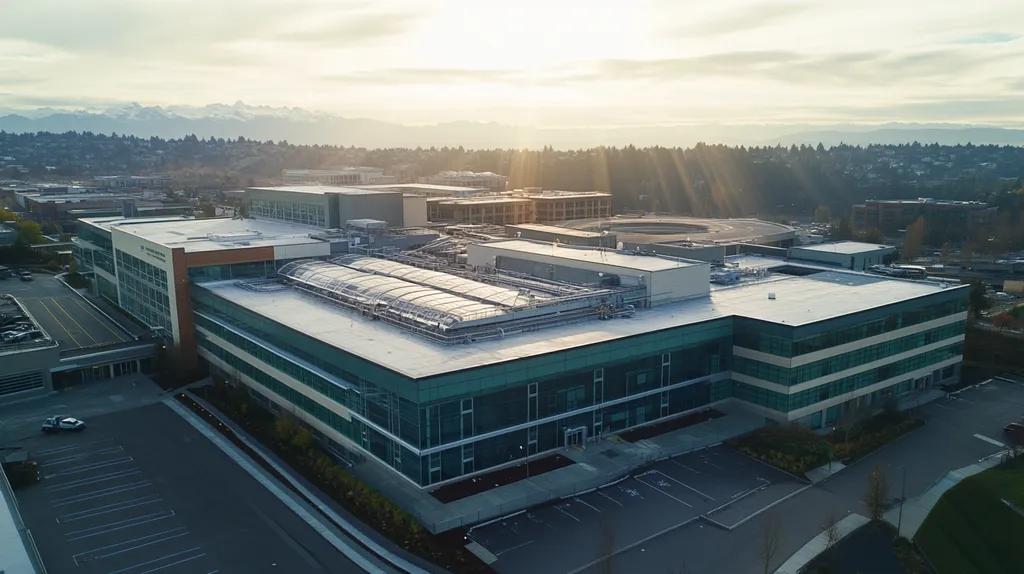
Performance factors in industrial roofing represent the difference between a successful long-term investment and a costly liability. Modern facilities face increasing demands for energy efficiency, weather resilience, and minimal maintenance disruptions. Understanding how different roofing systems perform under real-world conditions is crucial for protecting both the facility and its operational budget.
Recent data shows that performance-related roof failures can increase total ownership costs by up to 300% when factoring in repairs, energy losses, and operational disruptions. Making informed decisions about roofing system performance has never been more critical for facility management success.
Waterproofing Capability
Waterproofing effectiveness directly impacts facility protection and operational continuity. Even minor leaks can cascade into major structural issues, equipment damage, and production delays, making this performance factor essential for long-term success.
TPO systems excel in waterproofing through their heat-welded seams, which create permanent molecular bonds. This technology virtually eliminates seam failures, the most common source of roof leaks in industrial applications.
EPDM systems rely on adhesive-based seaming methods that, while effective when properly installed, can become vulnerable over time. The material itself offers excellent water resistance, but seam integrity remains a critical consideration.
Given its superior seam technology and consistent waterproofing performance, TPO claims the ADVANTAGE in this category.
Energy Efficiency
Energy efficiency has become a crucial performance metric as facilities face rising utility costs and increasing pressure to reduce environmental impact. The right roofing choice can significantly impact a building’s energy consumption and operating expenses.
TPO membranes offer superior solar reflectivity, maintaining up to 85% reflection rates even after years of service. This characteristic significantly reduces cooling loads and helps maintain consistent interior temperatures.
EPDM, particularly in its standard black formulation, absorbs more solar heat, which can increase cooling demands during summer months. While white EPDM options exist, they typically don’t match TPO’s long-term reflective performance.
For its superior energy performance and consistent reflective properties, TPO earns another clear ADVANTAGE.
Maintenance Requirements
Maintenance demands directly affect both operational costs and facility management resources. Regular upkeep ensures optimal performance and maximum lifespan, but the complexity and frequency of required maintenance vary significantly between systems.
TPO systems typically require minimal intervention beyond scheduled inspections and basic cleaning. Their welded seams and chemical-resistant surface help maintain performance with limited maintenance investment.
EPDM systems often need more frequent attention, particularly around seams, penetrations, and areas of high foot traffic. While the material itself is durable, maintenance requirements can be more demanding and time-consuming.
With its lower maintenance demands and more resilient installation methods, TPO secures the ADVANTAGE in maintenance requirements.
ROUND 3 WINNER: TPO
ROUND 4: MAINTENANCE REQUIREMENTS
Maintenance requirements represent a critical factor in industrial roofing that can make or break long-term facility operations. Industry data shows that poorly maintained roofs can fail up to 60% earlier than their expected lifespan, leading to premature replacement costs that can exceed $1 million for large industrial facilities.
Understanding the maintenance demands of different roofing systems is essential for accurate lifecycle cost projections and operational planning. This analysis examines how TPO and EPDM systems compare in terms of routine upkeep, repair requirements, and long-term care.
Accessibility for Inspections and Repairs
Roof system accessibility directly impacts maintenance efficiency and cost-effectiveness. TPO’s smooth, welded surface allows maintenance teams to quickly identify and address potential issues, reducing inspection time and improving problem detection rates.
EPDM systems, while durable, can present inspection challenges due to their darker color and adhesive-based seam construction. These characteristics can make leak detection more time-consuming and complex, potentially allowing minor issues to develop into major problems.
For its superior visibility and easier inspection access, TPO claims the ADVANTAGE in this category.
Frequency of Required Maintenance
TPO roofing systems typically require scheduled inspections twice annually, focusing primarily on seam integrity and surface condition assessment. These inspections are generally straightforward and can be completed efficiently by qualified maintenance teams.
EPDM systems demand more frequent seam inspections and potential resealing, particularly in areas with extreme temperature fluctuations. The adhesive-based seaming method requires vigilant monitoring to prevent water infiltration.
Given its lower frequency of required maintenance interventions, TPO earns the ADVANTAGE in maintenance scheduling demands.
Repair Complexity and Costs
When repairs become necessary, TPO systems offer significant advantages through their heat-weldable surface. This characteristic allows for strong, permanent repairs that effectively restore the membrane’s original integrity. (source: American WeatherStar)
EPDM repairs often involve more complex procedures, particularly when addressing seam failures or penetration issues. The adhesive-based repair methods require specific environmental conditions and longer curing times, potentially extending facility downtime.
With its more straightforward repair procedures and reliable repair outcomes, TPO secures the ADVANTAGE in repair considerations.
ROUND 4 WINNER: TPO

ROUND 5: SUSTAINABILITY CREDENTIALS
Environmental impact and sustainability have become defining factors in industrial roofing decisions, with significant financial implications. Studies show that sustainable roofing choices can reduce facility energy costs by up to 30% while supporting corporate environmental goals. As regulations tighten and energy costs rise, the sustainability credentials of roofing systems directly impact both operational expenses and regulatory compliance.
Environmental Manufacturing Impact
The manufacturing process and raw material sourcing significantly influence a roofing system’s environmental footprint. TPO production requires less energy and generates fewer emissions compared to traditional roofing materials, with many manufacturers implementing closed-loop recycling programs.
EPDM manufacturing involves more energy-intensive processes and relies heavily on petroleum-based raw materials. However, modern EPDM facilities have made substantial progress in reducing waste and implementing recycling initiatives.
With its more efficient production process and lower environmental impact, TPO claims the ADVANTAGE in manufacturing sustainability.
Energy Performance
TPO’s highly reflective surface significantly reduces roof surface temperatures, often by 50-60 degrees Fahrenheit compared to dark surfaces. This characteristic directly translates to lower cooling costs and reduced urban heat island effects.
Standard black EPDM absorbs more solar radiation, potentially increasing cooling demands. While white EPDM options exist, they typically require more frequent cleaning and maintenance to maintain reflective properties.
TPO’s superior and consistent reflective properties earn it the ADVANTAGE in energy performance.
End-of-Life Considerations
TPO membranes can be fully recycled at the end of their service life, with many manufacturers offering take-back programs. The recycled material can be processed into new roofing products, reducing landfill impact.
EPDM also offers recycling potential, though the process is more complex and less widely available. The material’s durability contributes to sustainability by reducing replacement frequency.
Given its more straightforward recycling process and established recycling programs, TPO secures the ADVANTAGE in end-of-life sustainability.
ROUND 5 WINNER: TPO
ROUND 6: SPECIALIZED APPLICATIONS
Specialized industrial applications present unique challenges that can make or break a roofing system’s performance. Recent industry data shows that up to 40% of premature roof failures in industrial settings stem from mismatched applications, resulting in millions in damages and operational disruptions.
Understanding how TPO and EPDM perform in specialized environments is crucial for making informed decisions that protect both facility assets and operational continuity. This analysis examines key factors that influence roofing success in specialized industrial settings.
Chemical Resistance Requirements
Industrial environments often expose roofing systems to harsh chemicals, making chemical resistance a critical performance factor. TPO membranes offer good resistance to common industrial chemicals but may show vulnerability to certain petroleum-based substances and industrial solvents.
EPDM demonstrates exceptional resistance across a broader spectrum of industrial chemicals, including acids, alkalis, and organic compounds. This natural chemical resistance stems from its synthetic rubber composition, making it particularly suitable for facilities with chemical processing or storage.
Given its superior chemical resistance profile and proven track record in industrial environments, EPDM claims the ADVANTAGE in this category.
High-Temperature Applications
Many industrial facilities generate significant heat through manufacturing processes or equipment ventilation. TPO membranes maintain structural integrity at sustained temperatures up to 275°F, making them well-suited for facilities with high heat exposure.
EPDM performs reliably in elevated temperatures but may experience more thermal expansion and contraction. While this movement doesn’t typically compromise the membrane’s integrity, it can stress seams and flashings over time.
For its superior heat resistance and dimensional stability, TPO earns the ADVANTAGE in high-temperature applications.
Equipment Load Management
Industrial roofs often support heavy equipment and require frequent maintenance access. License verification through state boards helps ensure contractors understand proper load distribution and reinforcement techniques for specific roofing systems. (source: A Good Roofer Near Me)
TPO systems can be engineered to handle significant equipment loads but require careful attention to reinforcement at support points. The material’s inherent stiffness helps distribute point loads effectively when properly supported.
EPDM offers similar load-bearing capabilities when properly reinforced and demonstrates excellent puncture resistance. Its greater flexibility can help accommodate minor structural movement without compromising integrity.
With both systems offering comparable performance when properly specified and installed, this category results in a TIE.
ROUND 6 WINNER: TIE
AND THE WINNER IS…
Ladies and gentlemen, after six punishing rounds of technical evaluation, we have our verdict! With a dominant performance winning five rounds and tying one, TPO emerges as our undisputed champion in this industrial roofing showdown!
TPO demonstrated knockout power in initial costs, installation efficiency, performance factors, maintenance requirements, and sustainability credentials. Its combination of heat-welded seams, superior energy efficiency, and lower maintenance demands proved unbeatable in today’s demanding industrial environment.
But don’t count EPDM out completely! This veteran contender still packs a powerful punch in specialized applications, particularly where chemical resistance is crucial or extreme temperature fluctuations are common. EPDM remains a formidable choice for facilities with specific environmental challenges.
IMPORTANT NOTICE: Every facility brings unique requirements to the ring. Local climate conditions, building specifications, and operational demands all play crucial roles in determining the ideal roofing system. This analysis provides general guidance, but property owners should always consult with qualified roofing professionals who can evaluate their specific situation and requirements.
In the high-stakes world of industrial roofing, champions aren’t crowned by popular opinion – they’re made by matching the right contender to your facility’s specific requirements. Make your choice carefully, because in this arena, there are no rematch guarantees!
FREQUENTLY ASKED QUESTIONS
Q. What are the initial costs for a commercial roof project?
A. Initial costs for a commercial roof vary based on material. TPO is more affordable at $3.00 to $4.50 per square foot. In contrast, EPDM ranges from $4.00 to $6.50 per square foot, reflecting its durability and market reputation.
Q. Which roofing system has a better lifespan for industrial roofs?
A. EPDM typically lasts 25-35 years, slightly surpassing TPO’s 20-30 years lifespan. However, actual longevity depends on proper installation and consistent upkeep of both systems, emphasizing the importance of quality contractor choice.
Q. How do TPO and EPDM perform in terms of energy efficiency?
A. TPO roofs benefit from high solar reflectivity, keeping buildings cooler and lowering energy costs. EPDM, particularly in black, tends to absorb heat, which can increase cooling expenses. Choosing TPO helps enhance long-term energy efficiency.
Q. What are the maintenance requirements for industrial roofs?
A. TPO requires less routine upkeep, generally needing biannual inspections and basic cleaning. In contrast, EPDM demands more frequent checks and maintenance around seams, indicating that TPO often presents a simpler maintenance experience.
Q. Which roofing system is better for extreme weather conditions?
A. TPO excels with superior UV resistance, maintaining reflectivity under sunlight. While EPDM is quite durable against temperature variations, TPO’s heat-reflective characteristics generally offer better protection for buildings in extreme weather.
Q. How do TPO and EPDM compare in sustainability?
A. TPO roofs offer a lower environmental impact during production, emitting fewer gases. They also feature easy recycling options. While EPDM has made strides in sustainability, TPO generally positions itself as the more eco-friendly choice.
Q. Can I verify a contractor’s experience in commercial roof installation?
A. Absolutely! Request references, review past projects, and check certifications. A trustworthy contractor will readily provide information about their experience with industrial roofs, ensuring you make informed choices that protect your investment.






