

As commercial properties rush to embrace the latest trends in sustainable architecture, green roofs have emerged as the poster child of eco-friendly design, with installations growing by 15% annually since 2018.
Yet beneath the verdant veneer lies a complex reality: up to 40% of green roof projects face significant aesthetic deterioration within five years, while maintenance costs often exceed initial projections by 30%.
This critical examination explores how current green roof integration practices may be compromising both visual appeal and structural integrity, while overlooking more effective alternatives for achieving sustainable, aesthetically pleasing commercial roofscapes.
SECTION 1: CURRENT PRACTICES
As cities continue their upward sprawl, green roofs are popping up like dandelions in spring, with a whopping 60% of new commercial buildings featuring these verdant additions. However, while green roofs can be visually appealing, many designs fall short of aesthetic brilliance, resulting in drab rooftop spaces. This section delves into the most common green roof designs, the materials and plants typically used, and the maintenance practices that often neglect the beauty these installations could foster.
Prevalent Green Roof Designs
In the world of green roofs, functionality often trumps flair. Two common styles, intensive and extensive green roofs, each come with their own quirks. Intensive roofs can accommodate a diverse range of plants, but they require hefty structural support, which can inflate costs. On the other hand, extensive roofs are lighter and cheaper but confine themselves to a narrow palette of hardy plants, leading to repetitive and uninspired vistas.
This more-is-less mindset often results in rooftops that read like a dull novel—a parade of sedums reigns supreme, functional but lacking in visual dynamism. Property owners frequently miss out on creative opportunities, overlooking unique designs that could embrace a wider array of plants and innovative layouts.
Without addressing these design pitfalls, the potential for creating vibrant and visually stimulating green spaces remains locked away. By refining these designs, property owners could boost their aesthetic appeal and elevate their property’s value significantly.
Common Materials and Plant Choices
The choice of materials and plants is crucial in shaping the aesthetic charm of green roofs. Most systems rely on a blend of soil substitutes, drainage layers, and vegetation mats that often lack visual flair. Unfortunately, many projects opt for the tried-and-true, gravitating towards resilient plants like sedums and grasses for their low-maintenance qualities.
This homogenous plant selection can yield rooftop landscapes that might as well be wearing beige. Innovative or flowering plants, along with native species that offer seasonal color and charm, are frequently sidelined, robbing rooftops of their potential visual interest.
Additionally, a focus on durability often squashes creativity; more visually appealing materials may be dismissed as impractical. This conservative approach can stifle the artistry of green roofs across commercial properties, leading to drab, uninspired environments.
Maintenance Protocols in Use
Maintenance is a make-or-break factor for the success and aesthetics of green roofs. However, most current maintenance routines concentrate on plant health, neglecting to enhance visual appeal. Standard practices such as weeding, fertilization, and irrigation are all well and good, but aesthetic improvements are often an afterthought.
Some property managers equate minimal maintenance with adequate care. Unfortunately, this misconception can breed unsightly greenery. Over time, fallen leaves and debris can pile up, diminishing the aesthetic value and potentially jeopardizing plant health.
Ignoring the visual aspects of maintenance can seriously undermine the impact of green spaces. By weaving in aesthetic-focused practices, commercial properties could unveil the true beauty of their green roofs and make a lasting impression in their urban landscape.
SECTION 2: SYSTEMIC ISSUES
The allure of green roofs is often matched by a host of hidden challenges that could turn a dream installation into a costly headache. As property owners and facility managers embrace the aesthetic potential of these green spaces, they must also grapple with significant systemic concerns. Alarming statistics suggest that up to 30% of green roofs face structural failures, leading to expensive repairs and potential safety hazards. Three key issues—structural integrity, high costs, and durability—warrant careful evaluation before diving into the green revolution.
Structural Integrity Concerns
The weight of soil, lush plants, and intricate irrigation systems can be a heavy burden for commercial roofs that weren’t built for such loads. Most roofs simply aren’t designed to support the additional weight of a green roof, which can lead to serious issues such as sagging, leaks, or even catastrophic failure.
Buildings with aging infrastructures are particularly vulnerable. Research shows that up to 40% of roofs that are over 20 years old can’t support extra weight without significant reinforcement, often requiring costly renovations or total roof replacements—counterproductive to the initial goal of enhancing aesthetics.
With the stakes this high, ongoing monitoring and maintenance become essential, placing an added burden on facility management. Preventive measures, while critical, can quickly escalate into expensive undertakings, making the promise of greener aesthetics seem more like a gamble.
Thus, it is vital for property owners to conduct a thorough analysis of load-bearing capabilities before embarking on the green roof journey to avoid potential hazards and significant financial liabilities.
High Initial and Maintenance Costs
While the appeal of a green roof is palpable, the truth is far less charming. Initial installation costs often soar above those of traditional roofing, averaging between $15 to $25 per square foot compared to the $5 to $10 approximation for standard roofs. This price tag can send a chill down any budget-conscious manager’s spine.
The maintenance costs can become an even bigger concern. Caring for a thriving ecosystem involves specialized labor and expertise that isn’t always available in-house. This can lead to continuous expenses that many property managers might overlook when crunching the numbers.
Don’t forget about the intricacies of water management systems—an essential component for any successful green roof—that require further financial input. These expenses can result in a total cost of ownership that outstrips initial forecasts and disrupts long-term financial planning.
In light of these factors, property owners must consider whether the aesthetic benefits of green roofs truly justify the financial risks involved.
Limited Long-Term Durability
One of the primary concerns surrounding green roofs is their questionable long-term durability. Initial installations might dazzle, but the reality is that fostering healthy vegetation over the years can be challenging. Various factors—like climate conditions, plant selection, and soil quality—greatly impact the longevity of these installations.
Many green roofs tend to suffer a decline in plant health within five years, leading to frustrating issues such as soil erosion and rampant weed growth. This degradation not only complicates maintenance but also diminishes both the aesthetic and functional appeal over time.
Frequent replacements of plants or entire systems can escalate both expenses and disturbances to daily operations. Ultimately, the once-promising image of a vibrant green oasis may fade, leaving behind a rooftop that’s visually disappointing and increasingly pricey to maintain.
These challenges highlight the necessity for thorough and informed decision-making when considering a green roof. Property owners must weigh the aesthetic allure against the practical realities of long-term viability.
SECTION 3: MISSED OPPORTUNITIES
The integration of green spaces on commercial roofs presents a critical opportunity for boosting building performance and sustainability. Research reveals that these lush additions can enhance energy efficiency by as much as 30%. However, many property owners remain stuck in conventional roofing solutions, overlooking not only financial savings but also the broader benefits for the environment and employee well-being. This section uncovers the untapped potential for energy efficiency, the neglect of biodiversity, and how green spaces contribute to employee satisfaction.
Untapped Energy Efficiency Potential
Energy efficiency is a pressing consideration for commercial property owners, yet the transformative role of green roofs often goes unnoticed. Studies show that these vegetated rooftops can drastically lessen heat absorption, which translates to significantly lower cooling costs during sweltering months. By adopting green roofs, businesses could significantly cut down on air conditioning reliance, leading to hefty savings on energy bills.
Beyond savings, green roofs offer a layer of insulation that not only extends a roof’s lifespan but also reduces maintenance costs. This added resilience means less frequent need for replacements, a significant boon for budget-conscious facilities. In a landscape where every penny counts, ignoring this opportunity can be detrimental to financial efficiency.
Moreover, buildings with green roofs may gain eligibility for energy-efficient certifications, setting them apart in a competitive market. Properties that adopt sustainable practices naturally attract eco-conscious clients and tenants, unlocking value that traditional roofs simply cannot provide.
In essence, the advantages of energy savings and reduced costs associated with green roofs highlight the crucial financial impacts of overlooking these green opportunities.
Neglected Biodiversity Enhancement
Commercial rooftops often consist of unyielding materials that contribute little to ecological health, starkly contrasting with the biodiversity-boosting prospects of green roofs. Urban areas thrive on increased greenery, which nurtures local wildlife and strengthens the urban ecosystem. By shunning green roofs, property owners miss a chance to make significant contributions to biodiversity.
Green spaces serve as vital habitats for various species, including birds, bees, and butterflies, all of which face mounting threats from urban sprawl. By investing in green roofs, properties play an essential role in environmental stewardship, enhancing not just their immediate surroundings but benefiting the larger community.
Furthermore, enhancing local biodiversity can bolster a company’s reputation, aligning its brand with sustainable practices. As eco-awareness rises among consumers, businesses that actively promote biodiversity are poised to attract more clients and tenants who prioritize environmental responsibility.
In conclusion, the decision to neglect biodiversity-enhancing green spaces represents a missed opportunity for commercial properties to contribute meaningfully to the environment while enjoying the reputational benefits that come with it.
Overlooked Employee Wellbeing Benefits
Employee well-being increasingly comes to the forefront of workplace productivity and satisfaction. Unfortunately, many commercial environments remain devoid of features that foster healthy surroundings. Research indicates that green spaces have a positive impact on mental health and cognitive performance, making them essential for promoting employee welfare.
Exposure to greenery within workplace settings has been proven to reduce stress and elevate overall job satisfaction, leading to higher employee retention rates. Businesses that disregard green roof options might unknowingly create environments that hinder employee happiness and productivity.
Moreover, incorporating natural elements encourages creativity and collaboration among staff. Green roofs can offer inviting areas for informal meetings or relaxation during breaks, which aids in cultivating a cohesive workplace culture.
Ultimately, overlooking the integration of green spaces can impede businesses from nurturing an optimal working environment. This oversight not only affects staff morale but can seep into overall business performance as well.
SECTION 4: ROOT CAUSES
The integration of green spaces into commercial roofing is often hampered by critical oversights that can detract from both beauty and functionality. Many property owners lack awareness that without proper assessments, even the most well-designed rooftop gardens can lead to leaks, structural issues, and ultimately, agony-inducing repair costs. Studies highlight that an informed approach is essential to harness the true potential of these verdant additions.
Lack of Comprehensive Structural Assessments
A significant hurdle in the integration of green spaces is the absence of in-depth structural evaluations. Many commercial rooftops aren’t built to bear the weight of soil and plant life—think of it as trying to add a garden to a cake without reinforcing the layers beneath! Without careful analysis, property owners can be flirting with disaster, risking roof failures and costly water damage.
When enthusiasm for greenery overshadows structural realities, the result can be disastrous. Roofs may buckle under the additional weight, leaving facilities managers scrambling to address safety hazards. Regular assessments are not just a suggestion; they are an absolute necessity for safeguarding these investments.
Moreover, a lack of thorough evaluations can lead to inadequate drainage systems. This creates standing water, detrimental both to aesthetics and roofing integrity. Proper drainage is essential to maintain both the visual allure and longevity of the roof, ensuring that what was meant to be a lush oasis doesn’t become a soggy headache.
Facility managers beware: Prioritizing structural assessments can not only protect investments but also foster vibrant, sustainable rooftop ecosystems that truly enhance properties.
Inadequate Climate and Sunlight Considerations
The second lighting rod for disaster in green roof implementation is the often-overlooked factors of climate and sunlight exposure. Every region boasts its own climatic quirks, and failing to consider these nuances can lead to a botanical letdown. For example, regions with blistering heat require robust plant species that can endure the sun’s wrath.
Neglecting these variables often leads to underperforming landscapes where plants simply refuse to thrive. The resulting patchy greenery can tarnish the intended aesthetic appeal that originally inspired the project.
Sunlight, too, plays a crucial role in plant success. When the sun is shy, plant growth can dwindle, leaving roofs looking bald and uninspired. Such miscalculations can transform a promising project into an uninspired eyesore.
By fully considering the local climate and plant requirements, property owners can cultivate vibrant green spaces that not only celebrate nature but also enhance the aesthetics of their buildings.
Insufficient Regulatory Incentives
The third stumbling block for green roofs is the lack of substantial regulatory incentives aimed at encouraging their development. While some regions promote energy-efficient solutions with enticing rebates, green roofs often miss out on similar support, leaving property owners reluctant to invest.
Without meaningful incentives, the initial costs of setting up and maintaining green roofs loom larger than their potential benefits, causing Trepidation among owners pondering the investment. Research indicates that apprehension about upfront expenses can lead to missed long-term gains, particularly when the financial returns aren’t readily apparent.
Additionally, the absence of industry standards can lead to inconsistent quality across green roof projects. Some property owners may invest heavily in high-quality installations, while others do not, resulting in disparities that muddle the overall perception of green roofs.
Encouraging regulatory changes addressing these gaps could spark a thriving culture of green roofing, combining environmental stewardship with enhanced aesthetics and property value.
DATA DRIVEN EVIDENCE
The allure of green roofs on commercial buildings can be compelling, but are the economics and environmental benefits as radiant as they seem? Analyzing the data reveals a different story—one where energy savings and enhancements to urban heat management may not justify the initial investment and layered costs that come with green roofs. This section unpacks energy efficiency claims, scrutinizes air quality data, and examines real-world case studies to provide a more nuanced understanding of the impact of integrating green spaces into commercial roofing.
Energy Savings and Cost Analysis
Advocates of green roofs often tout significant reductions in energy expenditure through enhanced insulation. However, a revealing study from the Environmental Protection Agency indicates that the energy savings are frequently overstated, especially when weighed against the hefty installation and ongoing maintenance costs. Conventional roofing systems may offer a more reliable return on investment.
Maintenance is another critical factor that can spiral expenditures. Green roofs demand regular watering, pest management, and soil upkeep, which can be quite the drain on budget-conscious property owners. By contrast, traditional roofing materials tend to require less frequent attention, ultimately lowering total costs over their lifespan.
As the National Research Council reports, while some energy consumption reductions are observed in gentler climates, harsher environments often see traditional roofs outperforming their green counterparts. Therefore, a careful cost-benefit analysis becomes essential for property managers—ensuring that financial decisions align seamlessly with long-term property goals.
Air Quality and Urban Heat Island Data
While the benefits of improved air quality through green roofs are frequently highlighted, research from the International Journal of Environmental Research and Public Health suggests the reality may be less impressive. Although green roofs can provide some marginal air quality improvements, the significant impact many hope to see often fails to materialize.
Additionally, urban heat islands continue to plague cities regardless of green roofs. These phenomena emerge when urban landscapes absorb heat from materials like concrete and asphalt, generating sweltering temperatures. Even with greenery, these areas can still suffer from elevated heat, leading to greater cooling demands and strained energy resources.
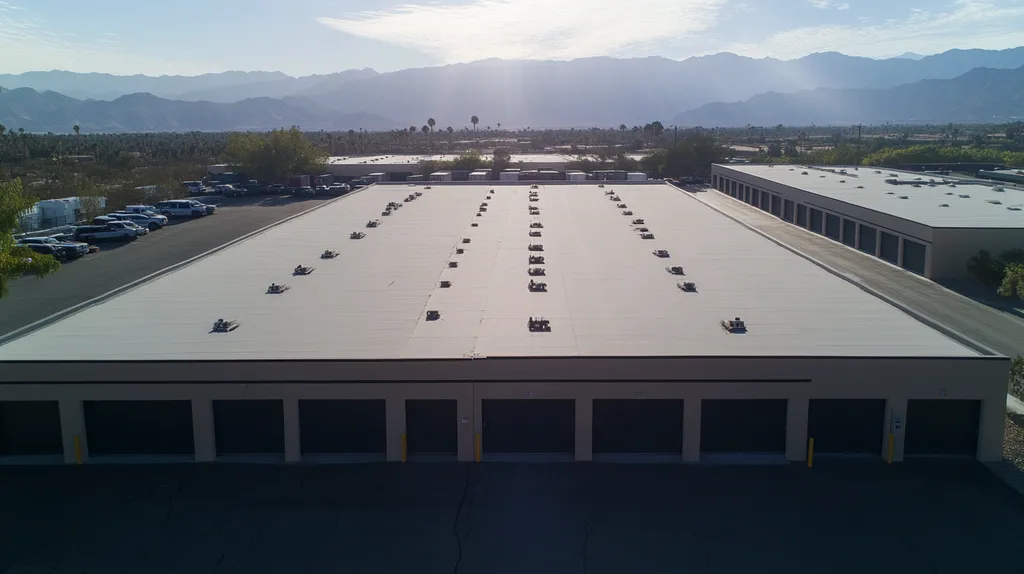
Interestingly, flat commercial rooftops can be treated with reflective coatings that reduce heat absorption effectively—without the complications linked to green roof systems. Thus, while green roofs may offer some visual charm, the anticipated environmental benefits in air quality and temperature moderation often fall short of the mark and warrant scrutiny.
Case Studies on Green Roof Performance
High-profile green roof projects have music to their own tune, yet the reality can vary dramatically. Take Chicago’s City Hall, for instance: despite the green roof’s reputation, the Department of Environment has reported limited energy savings, highlighting the disconnect between expectations and real-world outcomes.
In New York City, a green roofing initiative encountered ongoing drainage and waterproofing issues, resulting in repair costs that overshadowed any initial savings. Such examples shine a spotlight on the practical hurdles that may come with integrating green spaces atop commercial buildings.
A Toronto case study revealed that while green roofs could assist with stormwater management, their financial returns in energy savings did not match the enthusiastic projections. These scenarios illustrate how optimistic financial forecasts often clash with the stark realities of green roof performance.
In light of this evidence, property owners must rigorously assess the performance metrics and financial implications of green roofs, ensuring that their decisions are informed by reliable data rather than the appealing facade of aesthetics.
SECTION 6: ALTERNATIVE SOLUTIONS
The pressing need for sustainable solutions in roofing design has never been clearer. As commercial property owners increasingly face regulations and market demands for greener initiatives, balancing the aesthetics of green spaces on roofs with functionality is essential. Fortunately, innovative alternatives can enhance aesthetics without compromising structural integrity or requiring extensive maintenance. This section will explore cutting-edge technologies, sustainable landscaping practices, and smart maintenance strategies that can transform rooftop aesthetics into something truly captivating.
Innovative Green Roof Technologies
One way to tackle the challenges of traditional green roofs is through embracing innovative technologies. Modular green roof systems stand out as a fantastic solution. These pre-planted systems can be quickly installed, offering a quick fix for those craving greenery and far less ongoing maintenance than conventional options.
Another technological advancement gaining traction is lightweight soil alternatives. These materials significantly reduce the load on commercial roofs while still providing the right conditions for plant growth. By leveraging smart design, properties can flaunt a green aesthetic that minimizes worries about structural constraints.
In addition, existing technologies such as effective drainage mats and advanced irrigation systems significantly enhance green roofs. They promote better water retention and distribution, ensuring that plants flourish with minimal human intervention. As technology continues to evolve, it lays the groundwork for more adaptable and visually striking roofing options.
Ultimately, integrating these innovative technologies can help property owners achieve a vibrant green roof aesthetic that is as practical as it is beautiful.
Integrated Sustainable Landscaping Approaches
Commercial rooftops stand to gain immensely from integrated sustainable landscaping practices. One effective strategy involves the use of native plants, which are naturally suited to the local environment and require less water and maintenance. By selecting these resilient species, property owners can create dynamic green spaces that harmonize with the existing surroundings.
Moreover, incorporating permeable surfaces in rooftop gardens enhances water management and drainage. These designs not only reduce stormwater runoff but also add an artistic flair to the property. Integrating hardscaping elements like pavers or stone pathways can provide structure and elegance without overwhelming the roof’s natural beauty.
Collaborating with local landscaping firms further strengthens these efforts. These experts can offer invaluable guidance on selecting and maintaining plants that complement the architecture of the building itself. Such partnerships ensure landscaping reflects a commitment to sustainability, enriching both the environment and the aesthetics of commercial roofs.
By embracing these sustainable landscaping approaches, property owners can effectively elevate their rooftops into thriving green spaces that benefit both aesthetics and the environment.
Cost-Effective Maintenance Strategies
Maintaining the beauty and functionality of commercial roofs doesn’t have to break the bank. Proactive maintenance plans stand as the cornerstone of cost-effective strategies. Regular inspections help identify issues early, allowing for swift resolutions that can prevent escalating expenses down the line.
Leveraging modular green roof systems simplifies maintenance tasks. Designed for better accessibility, property managers can perform upkeep with significantly less effort, which lowers maintenance costs while preserving the roof’s aesthetic appeal.
Additionally, investing in staff training optimizes maintenance operations. Educating teams on effective plant care and management minimizes the reliance on external services, yielding substantial savings. A well-trained staff can execute selective pruning and pest management, enhancing both the health and visual allure of the green space.
These cost-effective maintenance strategies not only extend the life of the green roof but also enhance the overall aesthetic of commercial properties, creating an inviting and sustainable urban atmosphere.
Looking Ahead
As commercial properties invest over $2.8 billion annually in green roof installations, the industry stands at a critical crossroads between aesthetic ambition and practical reality.
The evidence suggests that current green roof integration practices often result in compromised aesthetics, structural concerns, and escalating maintenance costs that outweigh their visual benefits.
Rather than abandoning the concept entirely, property owners must pivot toward innovative technologies like modular systems and smart irrigation, which can deliver the desired aesthetic impact without the traditional pitfalls.
With 73% of employees reporting increased job satisfaction in buildings with visible green elements, the stakes for getting this right have never been higher.
The future of commercial roof aesthetics lies not in blindly following trends, but in embracing data-driven solutions that balance visual appeal with long-term sustainability.
FREQUENTLY ASKED QUESTIONS
Q. What are current practices for commercial roofs with green spaces?
A. A staggering 60% of new commercial buildings now boast green roofs. However, many of these designs fall short on aesthetics due to a focus on functionality over flair, featuring repetitive plant choices like sedums. This neglect stifles potential beauty, leaving rooftops looking drab rather than dynamic.
Q. What systemic issues affect commercial roof aesthetics?
A. Several systemic issues can jeopardize the aesthetic potential of green roofs, such as structural integrity and high costs. With as many as 30% facing failures, these concerns demand careful planning. Without addressing these issues, property owners may find their beautiful visions turning into costly burdens.
Q. How do green roofs miss opportunities for commercial roofs?
A. Many commercial roofs miss the chance to enhance energy efficiency and biodiversity due to conventional approaches. By overlooking green roofs, property owners ultimately forfeit financial savings and ecological benefits, as well as impacting employee well-being which thrives in greener work environments.
Q. What are the root causes of poor green roof aesthetics?
A. Root causes include inadequate structural assessments and climatic considerations, often leading to disastrous outcomes. Many rooftops simply cannot bear the weight of greenery without proper evaluation, resulting in safety risks and aesthetic disappointments, making comprehensive analysis a must before installation.
Q. What does data-driven evidence say about green roofs?
A. Data reveals that the touted energy savings of green roofs are often exaggerated compared to traditional roofing. Moreover, many installations report limited performance in areas like air quality and urban heat management, calling for a pragmatic review of their costs versus benefits.
Q. What alternative solutions exist for commercial roofs?
A. Alternative solutions include modular green roof systems and integrated sustainable landscaping practices. These innovations provide vibrant aesthetics without placing undue stress on structural integrity, balancing beauty with practical maintenance needs and offering tailored options for diverse climates.
Q. How can I choose plants for my commercial roof garden?
A. Opt for native plants that suit your local climate, require less water, and enhance energy efficiency. Consulting with landscaping experts helps in selecting compatible species that flourish and maintain aesthetic charm, paving the way for a lively and resilient green roof.






