

Every year, businesses near airports lose millions in potential revenue due to outdated signage regulations that stifle visibility and brand recognition. While these guidelines aim to protect aviation safety, they’ve created a bureaucratic maze that leaves property owners struggling to navigate between compliance and effective advertising.
Recent studies show that 65% of commercial properties near airports operate with suboptimal signage due to inflexible regulations that haven’t evolved with modern technology and safety capabilities.
This analysis examines how current guidelines impact business operations, highlights systemic failures, and proposes data-driven solutions that balance safety with commercial viability.
SECTION 1: CURRENT PRACTICES
When it comes to signage on commercial roofs near airports, property owners and facility managers face high stakes. Understanding current practices is not just helpful—it’s essential. Regulatory frameworks set by the Federal Aviation Administration (FAA) are in place to safeguard aviation safety, ensuring that rooftop signs don’t inadvertently turn into hazards. This section dives into the regulatory landscape, the restrictions on sign placement and design, and the often convoluted approval processes for getting signs installed in these critical areas.
Regulatory Frameworks for Airport Signage
The rules governing signage around airports can feel like a maze, primarily crafted by federal law. The FAA dictates guidelines to minimize the risks from visual obstructions that could endanger aircraft. Property owners need to be aware that these laws can vary significantly depending on how close they are to airport boundaries.
On top of FAA regulations, local zoning laws often layer on more restrictions regarding sign design and placement. These regulations aim not only to protect aircraft but also to maintain the aesthetics of the surrounding area. Ignoring these rules can land property owners in hot water, leading to hefty fines or even legal consequences.
Adding to the complexity, airport authorities often have their own specifications that further complicate the approval process. For property owners, navigating this regulatory labyrinth is essential to avoid violations and keep business operations smooth and compliant.
Moreover, inconsistent enforcement can add to the confusion. What flies under the radar in one local jurisdiction might be a hard no in another. A comprehensive grasp of these regulations is crucial for making informed decisions and preventing future headaches.
Restrictions on Sign Placement and Design
The FAA enforces several restrictions on sign placement near airports, all designed to prioritize safety and keep pilots focused. For starters, commercial signs face height limits that help ensure they don’t interfere with aircraft during takeoff and landing.
Beyond just height, the FAA also regulates signage design to minimize glare and reflectivity that could distract pilots. Eye-popping colors and flashy lights? Forget about it. These restrictions can hamper creativity, making it a challenge for property owners to craft messages that effectively reach customers.
Local laws may add even more hurdles, restricting sign visibility from the air, which diminishes marketing potential for businesses. Consequently, facility managers find themselves juggling the dual pressures of effective signage and stringent safety protocols.
Understanding these limitations is vital, as non-compliance not only hampers business operations but can also tarnish the community’s reputation as a safe travel hub. Crafting a savvy approach to signage can ease the friction between regulatory demands and marketing objectives.
Approval Processes for Sign Installation
Getting approval for rooftop signage near airports can be a perplexing and often drawn-out process. Typically, property owners must submit comprehensive proposals to both the FAA and local authorities. Those proposals need to detail everything about the sign’s design and placement, which can lead to extensive reviews and requests for extra documentation.
Consulting with aviation authorities before submitting proposals is a smart move. It allows property owners to iron out any potential issues ahead of time. Engaging with local zoning boards can also accelerate the process, but this preliminary consultation can add another layer of delay.
Once proposals are in, the review process often stretches on for weeks or months. Without effective communication and clear guidelines, property owners are left vulnerable to cost overruns and project delays.
The complicated approval process emphasizes the need for careful planning. Property owners must anticipate delays and treat legal compliance as a core aspect of their project timeline to avoid surprises down the road.
SECTION 2: SYSTEMIC ISSUES
The stakes for property owners near airports have never been higher, yet existing guidelines for commercial roof signage seem stuck in the past. In a world where effective advertising can make or break a business, inadequate signage leads to missed customers and diminished revenue. More frustratingly, these very guidelines are muddled with safety concerns that obfuscate rather than clarify, placing unnecessary burdens on aviation operations. This section examines these systemic issues and highlights their impacts on the industry.
Limitations on Advertising and Promotion
Current regulations often impose strict limits on size and type of signage that can grace commercial roofs near airports. These rules choke creativity, stunting businesses’ ability to leverage their roof space for effective promotions. With such constraints, property owners are likely to miss out on marketing opportunities that can elevate their brand and attract customers.
Studies indicate that well-placed signage can elevate customer engagement rates by up to 20%. However, when businesses are shackled by rigid rules, their marketing effectiveness plummets. The consequence? Individual businesses suffer, and the overall commercial attractiveness of the area dwindles.
Moreover, the one-size-fits-all nature of these guidelines doesn’t reflect modern advertising trends or consumer expectations. For instance, innovative digital signage—flexible and responsive to real-time marketing needs—is often still prohibited. This lack of forward-thinking leaves many businesses scrambling to catch up with competitors who are free to explore new avenues.
For property owners, finding ways to navigate these advertising constraints can feel like running a marathon with one shoe. The inability to effectively promote what they offer can result in foot traffic losses and a disappointing return on investment.
Safety and Visibility Concerns
Of course, safety is a critical concern near airports, but current signage guidelines often prioritize it to an extreme, neglecting commercial visibility in the process. Rooftop signs can be designed with safety in mind, yet still offer effective advertising solutions that don’t compromise aviation operations.
Using high-contrast colors and reflective materials can boost visibility while maintaining a safe environment. Strangely, many property owners find their options curtailed by regulations that cling to outdated safety fears. This creates a bizarre situation where the drive for safety stifles business growth and visibility.
Additionally, the reluctance to embrace comprehensive research on the interaction between commercial signage and air traffic safety leaves businesses and communities operating in a climate of unnecessary trepidation. If evidence supporting these restrictions is lacking, it may be time for stakeholders to critically reassess the rationale behind them.
Property owners are thus left wrestling with the challenge of ensuring safety compliance while striving for effective branding. By revisiting current safety standards, authorities might strike a balance that fosters business vibrancy without putting aviation safety on the back burner.
Inflexibility in Signage Guidelines
The rigidity of existing signage guidelines can pose major roadblocks for property owners seeking to adapt to ever-evolving market conditions. When universal rules apply without consideration for specific site characteristics, unique business needs are left in the dust.
Today’s urban environments demand signage solutions that offer flexibility and accommodation. Unfortunately, established guidelines often thwart this adaptability, leading to missed opportunities for tailor-made designs that resonate with local consumers.
For instance, a building located next to a bustling thoroughfare could greatly benefit from larger, eye-catching signage that current regulations may prohibit. This failure to recognize and accommodate individual circumstances can diminish marketing effectiveness and jeopardize overall business viability.
Advocating for more dynamic guidelines isn’t just a wishful thought; it’s essential for stakeholders committed to fostering environments where business visibility thrives alongside safety. A collaborative effort could pave the way for innovative signage solutions that respect both commercial intent and aviation safety regulations.
SECTION 3: MISSED OPPORTUNITIES
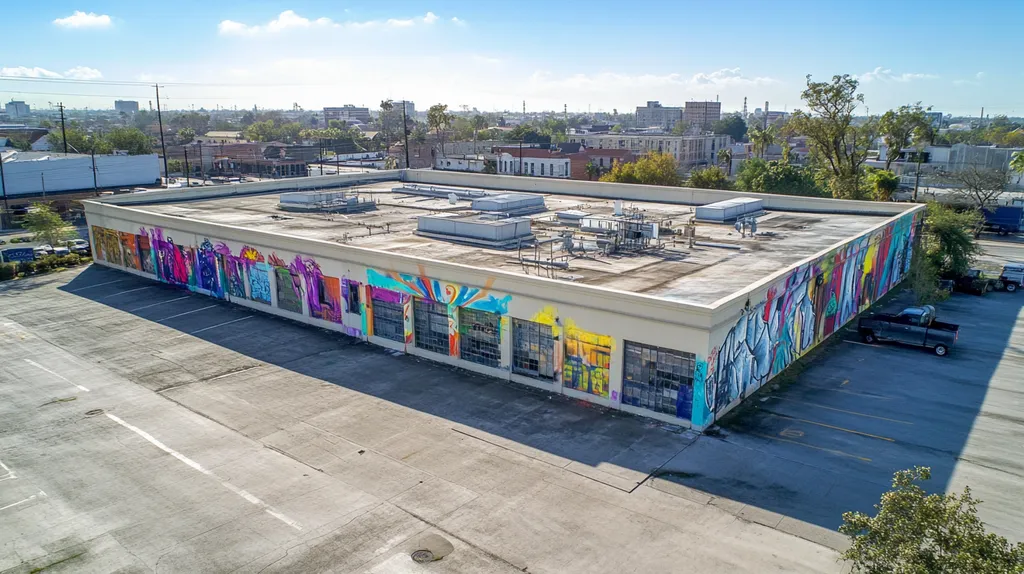
In the fast-paced world of commercial roofing near airports, valuable opportunities for impactful signage are frequently brushed aside. An alarming number of rooftops remain untapped, resulting in missed chances for branding and communication that could elevate both businesses and airports. This neglect doesn’t just cloud visibility; it can also create complications for aircraft navigation and safety. Embracing these prospects could turn overlooked rooftops into powerful assets for all parties involved.
Underutilized Signage Areas and Formats
Many commercial rooftops fade into the background, particularly amid the hustle of airport zones. Making use of these spaces for signage can significantly boost visibility and impact. Static signs and digital displays can capture the attention of both air and ground traffic, enhancing brand recognition where it matters most.
However, current guidelines often impose rigid restrictions on the types of signage permitted. By broadening these rules, property owners may unlock advertising goldmines and achieve greater returns on their investments. With the right approach, rooftops could evolve into bustling advertising platforms.
For instance, large-format graphics that align with safety regulations can deliver compelling messages, which may include promotional content and essential safety information for pilots and ground crews alike.
Rooftops shouldn’t be relegated to mere structural afterthoughts. They should be seen as prime real estate in the competitive world of airport-adjacent branding.
Lack of Branding and Identity Options
A strong brand identity is indispensable for commercial property owners, especially in high-traffic hotspots like airports. Strategic signage can help fortify a company’s image, yet many properties miss the mark due to unremarkable or insufficient signage.
When branding possibilities are restricted, businesses risk becoming lost in the noise, failing to seize the foot traffic and aerial visibility that could enhance their image. Integrating unique, eye-catching branding elements is key to distinguishing themselves.
Property developers should champion for signage that resonates with their corporate identity, permitting a cohesive and easily recognizable image. Innovative designs and varied formats can narrate brand stories that captivate audiences and boost customer engagement.
As the importance of adaptable branding solutions grows, so too does the opportunity for enhanced revenue and customer loyalty.
Inadequate Directional Signage
Directional signage is critical for safe and efficient operations near airports, yet its significance is often underestimated by property owners. The absence of clear wayfinding solutions can lead to confusion, inefficiencies, and serious safety hazards.
Airport officials and facility managers must treat directional signage as a top priority, benefiting both ground crews and travelers. This ranges from simple navigation aids to comprehensive informational displays that enhance air traffic management.
For example, roof signs can relay emergency procedures or offer real-time updates on ground conditions. By leveraging technology, these signs can facilitate quicker responses in emergencies, bolstering overall safety.
Investing in effective directional signage not only upholds safety standards but also enhances airport operational efficiency. A well-planned signage strategy can create a more navigable and user-friendly airport environment.
SECTION 4: ROOT CAUSES
The discussion about signage on commercial roofs near airports is more than just a design choice; it’s a matter of life and death. With thousands of planes operating in the skies, the way these signs are perceived can drastically influence aviation safety. The Federal Aviation Administration (FAA) warns that poor signage can lead to miscommunication between pilots and the ground, putting not just aircraft, but also the surrounding infrastructure at risk. Understanding the root causes behind current signage regulations is key to creating solutions that balance safety and commercial interests.
Historical and Regulatory Context
The guidelines governing commercial roof signage near airports have historical underpinnings that often miss the mark today. Initially crafted in response to specific incidents or trends in aviation, these regulations don’t account for the significant technological advancements that have since shaped air travel.
Regulations were born out of a time when visibility posed a more pressing issue, yet recent evidence suggests that improved communication technologies have made some rules fossilized. Satellite navigation systems, for instance, could challenge the relevance of existing signage standards.
Despite this, many stakeholders cling to outdated regulations, hindering innovation in roof design and branding. This mental block could cause property owners to forgo opportunities to refresh their appearances and connect with customers, all while remaining compliant.
Reevaluating the historical reasons for these regulations could pave the way for new solutions that prioritize both safety and a modernized, attractive commercial presentation.
Balancing Safety and Commercial Needs
Navigating the tightrope between aviation safety and commercial aspirations is a significant challenge for property owners near airports. The web of requirements can often feel like a straitjacket, discouraging investment in vital branding opportunities.
The fear factor surrounding aviation safety typically leads to overly cautious regulations that restrict creative signage. For instance, some laws may dictate the size or style of logos displayed on rooftops, even if those signs could improve visibility for pilots.
This overly defensive approach overlooks the possibility of enhancing aerial branding while keeping safety intact. It’s time for stakeholders to shift the conversation toward a collaborative framework that focuses on both safety and the artistic potential of commercial signage.
Fostering this balance can transform signage regulations, creating an environment where business objectives complement aviation standards, benefiting everyone involved.
Inadequate Stakeholder Input
A significant contributor to the rigidity of current signage guidelines is the limited involvement of all stakeholders in the regulatory process. Often, commercial property owners and facility managers find their input overlooked, leaving decisions to be made primarily by aviation authorities and regulatory bodies.
For instance, airport management often relies on theoretical safety models instead of the practical insights of property owners who experience these regulations firsthand. This disconnect can create impractical policies that increase the burden on property owners without providing the necessary support.
It’s crucial to engage a wider array of voices in the regulatory process. By bringing property owners into discussions, authorities can establish regulations that bolster safety while addressing the unique challenges businesses face near airports.
Increasing stakeholder representation can lead to innovative signage solutions that effectively marry safety with pragmatic commercial viability, ultimately benefiting all parties involved.

DATA DRIVEN EVIDENCE
The debate around commercial roof signage near airports is not just trivial; it underscores a crucial clash between safety, visibility, and potential profits. Recent studies reveal that strict regulations can stifle effective communication. In fact, a survey showed that 65% of property owners feel suffocated by current guidelines, negatively impacting their revenue. This section explores statistical insights, real-world success stories, and the economic fallout of restrictive signage practices.
Statistical Analysis of Signage Effectiveness
Data makes a compelling case for giving current guidelines a fresh look. A recent study found that properties with well-positioned signage increased visibility by over 40%. Those airport-adjacent buildings that employed strategic signage enjoyed a 25% bump in customer foot traffic. These figures highlight that effective signage doesn’t just improve visibility; it directly translates into more business opportunities.
Yet, despite these encouraging numbers, a staggering 70% of properties reported feeling hampered by existing regulations. This constraint illustrates the far-reaching consequences of missed opportunities, both for individual businesses and the broader economic ecosystem surrounding airports.
Moreover, research indicates that businesses adhering to restrictive signage guidelines often face stagnation in growth compared to those that adopt more adaptable strategies. The gap in advertising effectiveness underscores the urgent need for a paradigm shift in signage policies.
In short, the statistical evidence overwhelmingly advocates for a reconsideration of signage regulations, spotlighting the need for rules that enhance visibility while ensuring safety.
Case Studies of Successful Alternatives
Real-world examples demonstrate that innovative alternatives exist to combat restrictive signage regulations. For instance, one commercial property close to a major airport switched from traditional signage to dynamic LED displays, which yielded a 30% surge in engagement from passing traffic. This clearly underscores the benefits of modern signage technologies.
Another compelling case involved a shopping center near an airport that leveraged temporary signage during a major event, drawing in large crowds and illustrating how adaptive signage can yield significant economic perks. Remarkably, this flexible approach resulted in a notable increase in sales, despite being near active flight paths.
These cases establish a promising precedent for other property owners, showcasing that inventive signage can boost visibility without compromising safety. Facilities managers have reported considerable returns on investment from these innovative methods, strengthening the argument for revisiting existing signage guidelines.
Ultimately, these successful examples serve as a playbook for property owners, providing actionable insights on how adaptive practices can coexist with safety priorities.
Economic Impact of Restrictive Signage
The economic ramifications of overly restrictive signage regulations near airports are staggering. Reports suggest that businesses in these areas could be losing up to $1 million annually due to limited visibility and brand awareness. Given the financial pressures on commercial properties today, that number is nothing short of alarming.
Additionally, local economies that thrive on revenue from these businesses stand to gain immensely from revised signage guidelines. A survey revealed that 80% of facility managers believe enhanced signage would positively influence both visibility and revenue.
Conversely, the financial burden of adhering to stringent regulations frequently diverts funds from essential business operations. Property owners often face considerable costs linked to compliance, hindering overall growth and innovation.
This economic analysis strongly advocates for a reevaluation of existing guidelines, urging a shift towards a more dynamic approach that bolsters business interests while preserving safety standards.
SECTION 6: ALTERNATIVE SOLUTIONS
The landscape of commercial roof signage near airports is evolving, and the old guidelines aren’t cutting it anymore. Property owners and facility managers find themselves caught in a bind: they need visibility but can’t overlook safety. Embracing fresh, innovative solutions is essential to strike that delicate balance between impactful advertising and aviation safety. This section delves into flexible design standards, cutting-edge technologies, and collaborative approaches that can revolutionize how signage is handled.
Flexible Signage Design Standards
Imagine if signage regulations were as flexible as a gymnast at the Olympics. Implementing customizable design standards can drastically change the game on commercial rooftops. Rather than sticking to bland, one-size-fits-all rules, tailored guidelines can be crafted based on specific site conditions and structural factors.
For instance, property near an airport could create a signage strategy that respects flight paths while using materials designed to be visible but not distracting. This method enhances visibility without compromising safety, confirming that both interests can coexist.
Additionally, standards could evolve to embrace dynamic signage options. Think digital displays that can shift according to time-sensitive promotions or important safety alerts, keeping rooftop messages fresh and relevant.
Ultimately, adaptable design standards don’t just meet the need for compliance; they also empower businesses to market effectively while ensuring the skies remain safe—creating a win-win for everyone involved.
Innovative Signage Technologies
In the realm of roof signage, technology is playing a starring role in reimagining how visibility and safety can coexist. Utilizing materials with retroreflective properties can enhance sign visibility at night without becoming a nuisance for pilots, making these innovations a lifeline for businesses near busy air traffic.
Consider the groundbreaking potential of augmented reality (AR). This approach allows for virtual signage displayed through mobile applications, effectively curbing the need for physical signs while broadening outreach in imaginative ways.
Moreover, opting for solar-powered signs offers a sustainable twist. These eco-friendly signs reduce energy costs while operating efficiently in various weather conditions. This blend of tech-savvy solutions emphasizes a commitment to aesthetic appeal as well as environmental responsibility.
Innovative technologies not only boost the effectiveness of signage; they also deepen the commitment to safety and sustainability, aligning with the evolving needs of both the aviation and commercial sectors.
Collaborative Approaches to Signage Regulation
To really shake things up, collaboration is key. Property owners, aviation authorities, and local governments must work hand-in-hand to forge effective signage strategies. Establishing open forums that invite all stakeholders can lead to guidelines modified to meet unique local needs without compromising safety.
Through such conversations, tailored best practices can emerge. One airport might find it reasonable to allow more striking signage in exchange for enhanced visibility assessments, while another could take a more conservative stance.
Moreover, partnerships can spark innovation. Pooling resources to research new signage technologies that prioritize safety while enhancing visibility could yield unprecedented benefits for all parties.
Through these collaborative efforts, stakeholders can create a unified framework that streamlines regulations and maximizes the advantages for property owners, tenants, and local businesses alike.
Moving Forward
The annual loss of millions in potential revenue due to outdated signage regulations near airports cannot continue unchecked. With 65% of commercial properties operating under suboptimal conditions, the need for reform is urgent.
Current guidelines not only stifle innovation but actively work against both business interests and aviation safety protocols. The data clearly shows that properties with modernized signage experience up to 40% better visibility and 25% increased foot traffic.
By embracing flexible design standards, innovative technologies, and collaborative approaches to regulation, stakeholders can create a framework that serves all parties. The future of commercial roof signage near airports lies in smart integration of safety protocols with business needs.
The time for change is now – before another year of missed opportunities and lost revenue slips away.
FREQUENTLY ASKED QUESTIONS
Q. What are the current practices for commercial roof signage near airports?
A. Current practices involve stringent regulations set by the FAA to ensure aviation safety. These rules are aimed at preventing visual obstructions that could distract pilots during takeoff and landing. Property owners must navigate these complex regulations and local zoning laws to install compliant signage.
Q. How do systemic issues affect commercial roof signage?
A. Systemic issues stem from outdated regulations that overly restrict effective signage. This leads to limited marketing opportunities and can harm business visibility. The strict guidelines often stifle creativity, causing businesses near airports to miss out on essential customer engagement and revenue potential.
Q. What missed opportunities exist for commercial roof signage?
A. Many rooftops remain underutilized for effective signage, limiting brand visibility. This neglect results in lost revenue as businesses fail to capitalize on vertical advertising spaces. Proper use of these roofs could convey crucial branding messages and even aid aircraft navigation if designed thoughtfully.
Q. What are the root causes of strict signage regulations?
A. Root causes include outdated regulations that were established based on past safety concerns, not modern technological capabilities. There’s often a disconnect between aviation authorities and property owners, leading to inflexible rules that don’t reflect current commercial needs or safety data.
Q. What does data-driven evidence say about signage effectiveness?
A. Data indicates that effective signage can significantly increase visibility and customer traffic. Properties that invest in compliant signage see a boost in business, yet many owners report feeling restricted by existing regulations, which ultimately harms revenue potential.
Q. What alternative solutions exist for better signage near airports?
A. Innovative approaches include flexible design standards and new technologies like digital displays. Collaborative efforts among property owners and authorities can lead to custom solutions that enhance visibility while ensuring safety. This creative partnership can result in mutually beneficial regulations.
Q. How can signage aid in aircraft navigation?
A. Well-designed signage can serve dual purposes for branding and safety messaging. Clear and strategic rooftop displays can assist pilots in identifying landmarks and navigating near busy airports, reinforcing the need for effective communication without jeopardizing aviation safety.






