
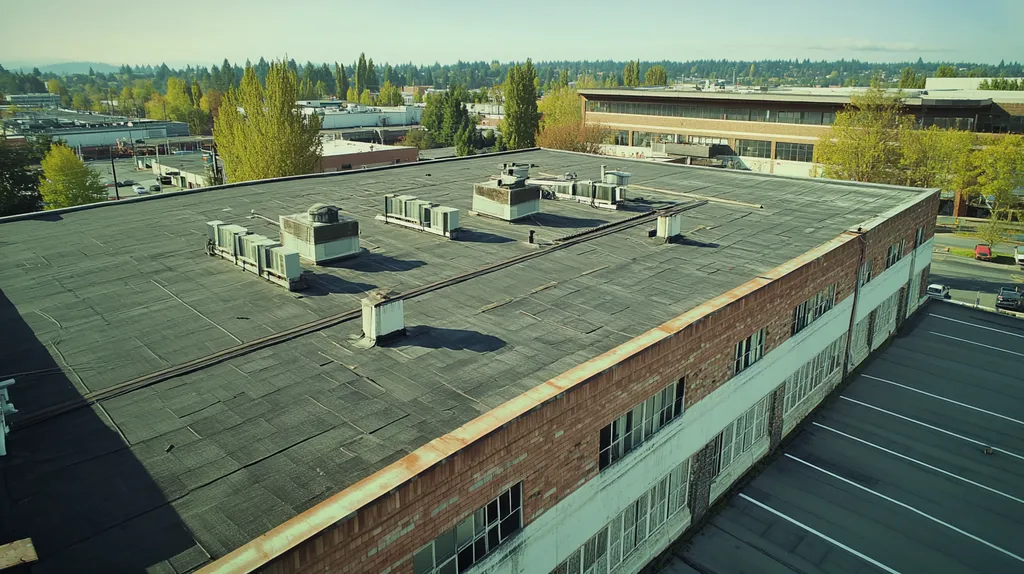
The growing adoption of roof gardens represents a pivotal shift in commercial building design, yet persistent industry myths continue to cost property owners millions in missed opportunities and increased operational expenses.
Research indicates that green roofs can slash energy costs by up to 25% while extending roof lifespans by more than 200%, yet misconceptions about maintenance requirements and installation costs prevent widespread implementation.
As urban centers grapple with rising temperatures and stormwater management challenges, understanding the reality behind these sustainable solutions has never been more critical for property owners and facility managers.
SECTION 1: COMMON MISCONCEPTIONS
Despite their growing popularity, roof gardens are often shrouded in misconceptions that may discourage property owners and facility managers from embracing them. For example, research indicates that green roofs can cut energy costs by as much as 25%, yet many still view them as prohibitively expensive. Additionally, there’s a concern that maintaining these green spaces is demanding, which could lead to inflated operational expenses. Many also mistakenly believe that roof gardens are just for show, missing out on their substantial environmental and economic benefits. Clarifying these common myths is vital for fostering informed decision-making.
Green Roofs are Too Expensive
One of the most persistent myths about roof gardens is the perception of high costs. While the initial investment may average between $15 and $30 per square foot, it’s essential to look beyond those numbers. Green roofs can dramatically decrease heating and cooling expenses due to their natural insulation capabilities.
Moreover, various regions offer incentives or rebates for installing green roofs, which can help ease that initial financial burden. Over time, property owners benefit from reduced maintenance costs as these roofs protect the underlying structures from UV damage and extreme temperature fluctuations.
Additionally, the aesthetic appeal and improved functionality of green roofs can significantly increase property value, leading to higher rental incomes. Therefore, when assessing the financial impact, it’s crucial to consider not just the upfront expenditure but the long-term return on investment.
Green Roofs Require Excessive Maintenance
Another widespread misconception is that roof gardens require excessive upkeep. In reality, the maintenance needs of a green roof are typically minimal and similar to those of conventional roofing systems. Most green roofs are designed with drought-resistant plants that thrive with little water.
A well-thought-out green roof features a specialized drainage system and optimal soil mixes, promoting sustainability while minimizing maintenance efforts. Common maintenance tasks usually include occasional weeding and watering during extended dry spells—not daily labor.
Property owners can enhance their maintenance efficiency by employing technology, such as irrigation systems that adjust based on weather forecasts. Investing in a high-quality green roof design pays off by simplifying care requirements.
In conclusion, with appropriate planning and expert installation, green roofs can deliver low-maintenance solutions that provide both ecological and financial advantages.
Green Roofs are Only for Aesthetic Purposes
Many individuals think of green roofs as mere decorative features. While they undoubtedly enhance visual appeal, their advantages reach well beyond aesthetics. Roof gardens foster urban biodiversity by creating habitats for various species, thereby supporting a healthier ecosystem.
Furthermore, green roofs significantly improve building performance by absorbing rainwater, minimizing runoff, and combating the urban heat island effect. They also enhance air quality by filtering pollutants and generating oxygen.
Research has demonstrated that green roofs boost energy efficiency, providing a natural barrier that helps regulate indoor temperatures. This capability not only reduces energy expenses but also enhances occupant comfort.
In summary, reducing green roofs to simple decorations ignores their multifaceted benefits, which include substantial environmental, economic, and health advantages.
SECTION 2: PRACTICAL IMPLICATIONS
As urban centers become increasingly dense, the challenges facing property owners and facility managers multiply. Decisions about roofing design are no longer just structural choices; they directly impact HVAC efficiency, stormwater management, and urban heat mitigation. Research indicates that roof gardens can reduce energy costs by as much as 25%. Understanding these practical implications is essential for making informed, impactful decisions.
Impact on HVAC Systems and Energy Costs
Green roofs serve as a game changer for the efficiency of HVAC systems in commercial buildings. By acting as natural insulators, they help stabilize indoor temperatures and reduce the need for excessive air conditioning or heating. This not only leads to lower energy bills but also extends the life of HVAC equipment.
A study from the City of Chicago found that buildings equipped with green roofs saw energy usage drop by 15 to 35 percent compared to traditional roofs. Such reductions translate to significant savings over time, making the case for investing in green roofing even stronger.
Moreover, the calming presence of greenery can enhance indoor comfort for occupants. A comfortable environment not only boosts employee productivity but also reduces absenteeism-related costs.
Investing in roof gardens can pave the way for properties to achieve energy efficiency certifications, making them even more attractive in the market. As energy costs continue their upward trend, the urgency to adopt sustainable roofing solutions becomes undeniable.
Effects on Stormwater Management and Drainage
Stormwater management is a crucial concern for urban locales, and roof gardens play an essential role in addressing this issue. Their ability to absorb rainwater dramatically reduces runoff and helps filter pollutants. The EPA reports that impervious surfaces like traditional roofs account for 25 to 30 percent of stormwater in cities.
By choosing green roofs, property owners can help alleviate stress on municipal drainage systems, preventing the costly upgrades that often accompany urban development. This sustainable choice not only minimizes flooding risks but also reduces erosion in nearby areas.
Additionally, the vegetation in roof gardens aids in filtering pollutants, which improves overall air quality and fosters urban biodiversity. Supporting local ecosystems enhances a building’s sustainability profile and aligns with modern environmental expectations.
Implementing green roofs can contribute to compliance with local stormwater regulations, delivering immediate value to property owners. Embracing these sustainable practices is no longer a trend; it’s essential for responsible urban management.
Influence on Urban Heat Island Mitigation
The urban heat island effect, where city areas heat up more than their rural surroundings, poses significant public health and environmental threats. Roof gardens combat this issue effectively by utilizing vegetation to provide shading and promote evapotranspiration, which cools surface temperatures and the surrounding air.
Research indicates that regions with extensive green roofs can experience temperature drops of 5 to 10 degrees Fahrenheit during peak summer months. For commercial properties, these lower temperatures yield direct benefits, including reduced energy costs and enhanced occupant comfort.
Moreover, cooler urban environments diminish the risks associated with heat-related health conditions, contributing to a healthier population. This aspect of green roofs aligns with public health objectives, adding yet another layer of appeal for property owners.
As cities grapple with climate change challenges, property owners investing in roof gardens position themselves as frontrunners in urban sustainability. Adopting these green solutions not only elevates property value but also significantly aids in enhancing the resilience of their communities against future climate challenges.
SECTION 3: COST OF MISINFORMATION
The myths surrounding roof gardens carry significant and often hidden costs for commercial property owners. Misunderstanding their benefits can lead to unnecessary energy usage, inadequate stormwater management, and lost opportunities for increasing property value. Without accurate knowledge, property managers risk making decisions that could lead to higher expenses and diminished asset value. To ensure smart investments, it’s crucial to dispel these misconceptions and recognize the real consequences of misinformation.
Increased Energy Consumption and Costs
Misinformation often leads to the false notion that roof gardens are merely a luxury expense. In reality, a well-installed green roof provides essential natural insulation, reducing energy consumption significantly. They can lower heating and cooling costs by as much as 25%, making them an intelligent financial choice.
Overlooking these energy-saving advantages can result in soaring utility bills. For instance, buildings with traditional roofs soak up heat, which causes increased reliance on air conditioning during hot months. This can escalate energy costs and strain HVAC systems.
Additionally, misconceptions about roof gardens can cause property owners to miss out on state incentives aimed at promoting energy-efficient designs. Many local governments actively support green technologies like roof gardens, which play a critical role in unlocking potential financial benefits.
Ultimately, dismissing the energy efficiency and financial savings associated with roof gardens can lead to markedly increased operational costs. Accurate understanding of their benefits paves the way for smarter decisions and significant savings.
Neglected Stormwater Management Consequences
Myths about roof gardens also obscure their vital role in managing stormwater. Many property owners wrongly believe that conventional roofs can handle rainfall runoff adequately, leading to potential regulatory fines and costly system repairs. This common misunderstanding can have severe financial repercussions.
In reality, roof gardens provide an effective solution for stormwater management by absorbing rainwater and significantly reducing runoff—capturing up to 80% in some climates. This natural system relieves pressure on municipal drainage systems and mitigates flooding risks.
Failing to implement effective stormwater solutions can result in hefty fines, higher utility costs, and damage to surrounding properties. Investing in roof gardens not only beautifies spaces but also offers an environmentally sound strategy for managing stormwater, proving both cost-effective and practical over time.
Missed Opportunities for Property Value Increase
Underestimating the value of roof gardens can cost property owners in terms of real estate appraisals. Research shows that commercial buildings with green roofs can enjoy property value increases of up to 15% compared to those without these systems. This increase represents a substantial financial incentive.
Today’s tenants and buyers prioritize sustainability, making properties with green features highly desirable. Roof gardens enhance appeal through eco-friendly attributes and improved aesthetics, providing a competitive edge in bustling real estate markets.
Moreover, green roofs generally lead to reduced long-term maintenance costs. They protect underlying roofing materials from harsh environmental conditions, extending lifespans and preventing premature deterioration.
Neglecting the potential return on investment associated with roof gardens means missing out on significant market gains. Owners who embrace the benefits of green rooftops not only enhance property value but also improve marketability and overall profitability.
SECTION 4: REALITY CHECK
While green roofs might appear to be an extravagant addition to commercial buildings, overlooking their advantages can be a grave error. Research has shown that these eco-friendly rooftops can result in energy cost reductions of up to 25%. As more property owners consider this sustainable option, it’s vital to grasp the actual maintenance requirements and the numerous benefits they offer. This section brings to light critical realities that support informed decision-making.
Actual Maintenance Requirements for Green Roofs
The myth that green roofs demand high maintenance often deters property owners from exploring this option. In truth, maintenance is generally straightforward and largely depends on the design of the system. Simple green roofs with resilient plants may require minimal attention, while more intricate designs might benefit from regular check-ups.
Common maintenance tasks typically include weeding, checking irrigation systems, and removing debris. These activities can often be scheduled on a quarterly or biannual basis, dictated by plant types and local environmental conditions. Moreover, a well-executed installation can significantly minimize future maintenance needs.
Many green roofs incorporate drought-resistant vegetation, which requires very little water once established. This not only lightens the maintenance load but also promotes eco-friendly landscape practices.
By grasping maintenance needs early on, property owners can budget effectively and align service contracts with real requirements, ensuring that their green roofs remain functional and visually appealing.
Real-World Examples of Successful Green Roofs
Several commercial buildings have transformed forgotten rooftop spaces into thriving green landscapes. An exemplary case is the Chicago City Hall, which features a green roof that not only cools the building but also supports local wildlife. This installation has positively impacted stormwater management as well.
Another standout project is the Barclays Center in Brooklyn, home to a green roof that aids in urban cooling while enhancing air quality. Research indicates that these green systems can lower surrounding temperatures by as much as 5°F, benefiting both building occupants and local residents.
Such successful implementations highlight the value of thoughtful design and proper plant selection. With effective planning, green roofs can become invaluable assets instead of liabilities for property owners.
Exploring these real-world examples shows the tangible benefits that green roofs provide to the commercial sector, encouraging further investments in sustainable practices.
Benefits of Integrated Green Roof Systems
Integrated green roof systems offer a wide array of benefits that extend well beyond mere visuals. These roofs significantly enhance energy efficiency, with studies confirming that buildings outfitted with them often realize lower heating and cooling costs.
In addition to energy savings, green roofs also contribute positively to urban biodiversity. By providing vital habitats for pollinators and birds, they help foster a healthier urban environment. Properties featuring green roofs can also experience enhanced public perception, ultimately boosting property value.
Moreover, many municipalities offer incentives for buildings that incorporate green roofs, such as tax credits and rebates. These financial benefits can help offset initial installation costs and show compliance with sustainability initiatives.
By integrating green roofs into commercial spaces, property owners not only align with contemporary environmental standards but also cultivate a responsible image that attracts eco-conscious tenants. This proactive stance can lead to substantial long-term rewards for property owners.
SECTION 5: EVIDENCE-BASED ALTERNATIVES
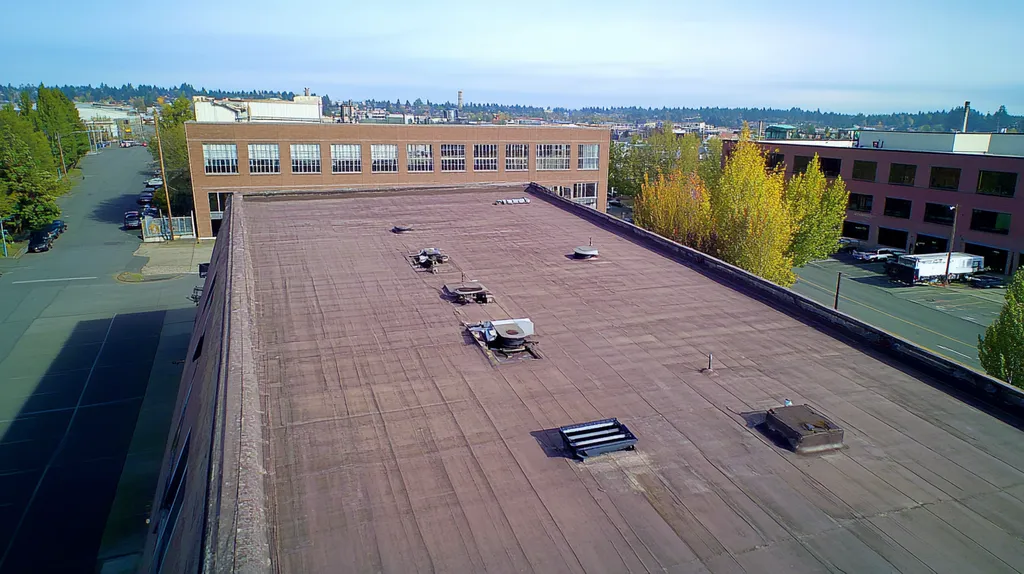
As commercial property owners consider the implementation of roof gardens, the decisions made can significantly influence both sustainability and operational costs. Opting for native and drought-resistant plant species can greatly lessen maintenance while amplifying visual charm. Furthermore, the integration of green roofs with solar panels offers a dynamic duo for energy efficiency. Promoting biodiversity also stands out as a noteworthy advantage, enhancing local ecosystems and fostering a positive community impact. This section explores actionable, evidence-based alternatives that empower property managers to make informed and responsible choices.
Using Native Plants and Drought-Resistant Species
Incorporating native and drought-resistant plants into roof garden designs is a crucial step towards sustainability. These plants thrive in local climates, requiring significantly less water than non-native varieties, which translates into lower irrigation costs and a reduced risk of plant failure.
Additionally, native species support local wildlife, enhancing biodiversity by attracting beneficial insects and birds to the rooftop ecosystem. These interactions contribute positively to urban health and vibrancy.
Research indicates that systems using native plants can significantly reduce runoff pollution, effectively filtering rainwater. This natural approach assists in managing stormwater and alleviating pressure on municipal drainage, creating a win-win for property owners concerned about flooding.
Choosing native and drought-resistant plants not only encourages ecological balance but also positions the building as environmentally responsible. This dedication to sustainability can enhance property value in an ever-more eco-conscious market.
Combining Green Roofs with Solar Panels
Integrating green roofs with solar panels represents a revolutionary method to maximize rooftop utility. This combination dramatically boosts energy efficiency, leading to reduced operational costs for commercial buildings. The greenery on green roofs acts as a natural insulator, easing energy demands for heating in winter and cooling in summer.
Studies show that green roofs can enhance solar panel performance by maintaining optimal temperatures. Cooler solar panels can produce up to 20% more electricity compared to those exposed to high heat, translating into greater energy generation.
This dual-function system also protects the underlying roofing materials from sun-related deterioration, significantly extending their lifespan. This protection results in lower future replacement costs and reduced landfill waste, marking a sustainable choice for property management.
Investing in this combined approach may unlock tax incentives and grants for energy-efficient upgrades. Property owners must consider these long-term benefits, which can offset the initial investment through ongoing savings and potential financial incentives.
Enhancing Biodiversity and Local Ecosystems
Green roofs play a vital role in boosting urban biodiversity. They can transform underutilized areas into flourishing ecosystems that support diverse species, including pollinators like bees and butterflies, which are essential for plant reproduction.
Research shows that properties featuring green roofs typically experience higher biodiversity levels than those without them. This ecological enhancement leads to improved air quality and mitigates the urban heat island effect, benefiting surrounding neighborhoods.
A thoughtfully designed green roof that includes various plant species contributes to habitat diversity. This variety fosters a balanced ecosystem, increasing wildlife presence and adding ecological value to commercial properties.
Engaging with the local community about these biodiversity initiatives can cultivate goodwill and raise awareness regarding sustainability efforts. Property owners can collaborate with environmental organizations to amplify their impact on local ecosystems, thereby enhancing both environmental and community outcomes.
SECTION 6: TEST AND VERIFY
As the popularity of roof gardens surges, the importance of thorough testing and verification is at an all-time high. Inadequate assessments can have serious consequences, resulting in structural failures and expensive repairs. For example, a green roof that lacks proper support may bear too much weight from soil and plants, leading to potential collapse and safety hazards. Implementing strict testing protocols is essential for the durability and success of these innovative installations. This section focuses on crucial testing measures, ongoing performance evaluations, and the vital role of regular maintenance.
Conducting Soil and Structural Integrity Tests
Before launching a roof garden project, understanding the building’s structural capacity is paramount. This begins with a comprehensive structural integrity assessment, including load calculations and material evaluations. For instance, varying soil types impose different weight-bearing loads; overlooking this can lead to severe structural issues.
Soil tests are equally critical, as they should assess both drainage capabilities and nutrient levels. A robust substrate is essential for healthy plant growth and preventing excess water accumulation. Unchecked poor soil quality can jeopardize plant life and diminish the integrity of the roof.
Ultimately, conducting thorough evaluations of both soil and structural components is key to safeguarding the investment and ensuring a thriving roof garden. Ignoring these crucial steps can place both the building’s equipment and its occupants at risk.
Monitoring and Evaluating Green Roof Performance
Regularly monitoring roof garden performance is vital to gauge their effectiveness and overall impact. Tools such as moisture sensors and drainage monitoring systems provide real-time insights into soil conditions and water levels. For example, unexpected fluctuations in moisture might indicate drainage problems that, if left unaddressed, could cause significant structural damages.
Periodic assessments of plant health are also necessary to guide maintenance efforts. A decline in plant vitality can often point to environmental stressors or improper irrigation practices. Documenting these observations helps distinguish successful strategies from areas needing improvement.
Moreover, focusing on energy performance evaluations allows for a better understanding of the thermal advantages provided by green roofs. These assessments can lead to optimized energy efficiency in commercial buildings, resulting in lower utility costs and a reduced carbon footprint.
Regular Inspection and Maintenance Schedules
Establishing a diligent inspection and maintenance schedule is essential for the longevity of roof gardens. Inspections should occur biannually, with additional assessments following severe weather events. This proactive strategy helps identify issues like drainage clogs or overgrown vegetation before they develop into larger challenges.
Routine maintenance tasks include weeding, replanting, and soil aeration. Staying on top of these responsibilities not only keeps roof gardens visually appealing but also ensures they function properly. Neglecting maintenance can lead to deteriorating plant health and increased risk of roof damage.
Finally, maintaining detailed records of inspections and maintenance activities allows facility managers to make informed decisions regarding improvements and investments in their roof gardens. This systematic approach strengthens the viability of green roofs and maximizes their numerous benefits for commercial properties.
Looking Ahead
The evidence is clear: commercial roof gardens represent one of the most impactful investments property owners can make, with potential energy savings of up to 25% and property value increases averaging 15%.
As urban centers face mounting environmental challenges, green roofs offer proven solutions for stormwater management, heat island mitigation, and biodiversity enhancement.
The cost of perpetuating outdated myths about roof gardens – from maintenance requirements to installation expenses – continues to deprive building owners of significant financial and environmental benefits.
With mounting evidence supporting their efficacy and growing municipal incentives for implementation, the question is no longer whether to install a green roof, but rather how quickly property owners can capitalize on this transformative technology.
FREQUENTLY ASKED QUESTIONS
Q. Are commercial roofs really too expensive to implement green roofs?
A. While initial costs may seem high, green roofs can reduce energy bills significantly over time. They provide insulation that cuts heating and cooling costs, leading to long-term savings. Additionally, various incentives may help offset the investment, enhancing overall financial viability.
Q. Do industrial roofs really need excessive maintenance if they have roof gardens?
A. Contrary to popular belief, roof gardens typically require minimal maintenance similar to traditional roofing systems. Most green roofs utilize drought-resistant plants and efficient irrigation systems, making upkeep manageable. Regular inspections and occasional care may be all that’s necessary to maintain their health and function.
Q. Do commercial properties benefit from green roofs beyond aesthetics?
A. Yes! Green roofs offer extensive benefits, including improved energy efficiency, stormwater management, and enhanced air quality. They create habitats for urban wildlife and contribute to reducing the urban heat island effect, making them vital for sustainability and building performance.
Q. How do green roofs impact energy efficiency for commercial roofs?
A. Green roofs serve as natural insulators, significantly improving HVAC efficiency by stabilizing indoor temperatures. This reduces reliance on heating and cooling systems, leading to lower energy costs. Implementing green roofs can achieve energy usage reductions of 15% to 35% compared to traditional roofing methods.
Q. What are the real costs of misinformation about green roofs?
A. Misunderstandings can lead to increased energy consumption and inadequate stormwater management. Ignoring the benefits of green roofs may cause missed opportunities for energy savings and fines for poor runoff management. Accurate knowledge guides smarter investments, helping property owners avoid unnecessary costs.
Q. How can I ensure the longevity of a green roof on my commercial building?
A. Establishing a regular inspection and maintenance schedule is crucial for green roofs. Regular checks can catch drainage issues or plant health declines early. Following a diligent maintenance plan helps preserve the investment and reaps the extensive benefits of green roofing systems.
Q. What specific plants should I choose for my commercial roof garden?
A. Opting for native and drought-resistant plants is ideal for roof gardens. These species thrive in local climates, need less water, and support local wildlife. Incorporating diverse plant options can enhance biodiversity, reduce maintenance, and promote a healthier ecosystem on your roof.






