
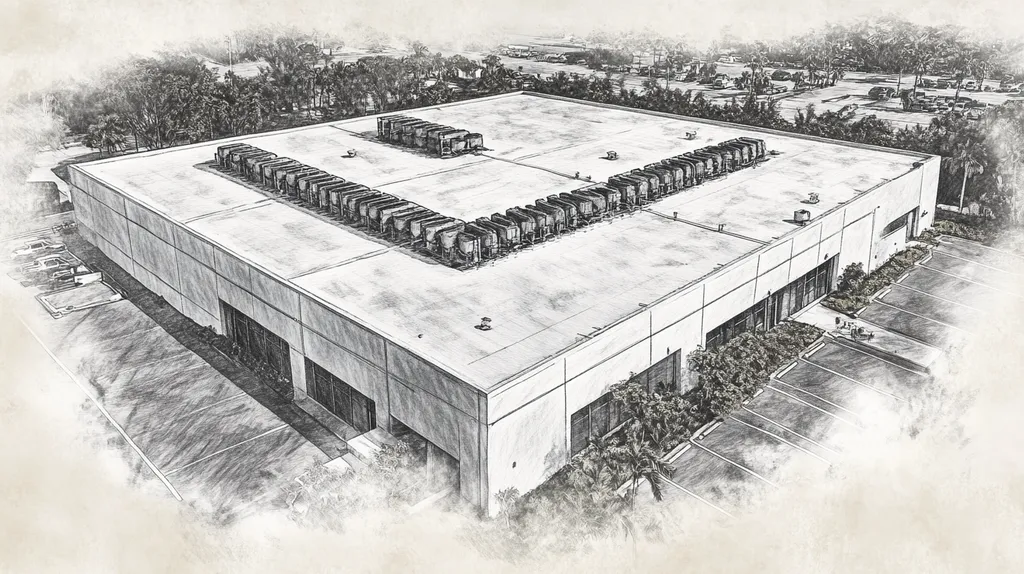
Welcome to today’s Battle Royale featuring two roofing heavyweights: “TPO Roofing” in the east corner versus “Green Roofs” in the west!
Tonight’s showdown pits these contenders against each other across six punishing rounds designed to test every aspect of their performance for Industrial Roof Designs for Energy Efficiency and Aesthetics.
At stake? Millions in potential costs, decades of building protection, and the critical performance demands of modern commercial and industrial facilities.
Our professional judging panel will evaluate each round on technical merit, real-world performance, and value delivery. After all six rounds, we’ll declare our ultimate champion.
Ladies and gentlemen, facility managers and building owners… it’s time to rumble!
ROUND 1: INITIAL COSTS & INSTALLATION
In today’s competitive industrial market, roofing decisions carry substantial financial weight. Rising energy costs and increasing emphasis on sustainable building practices have pushed facility managers to carefully evaluate their roofing options. The initial investment and installation process of a new industrial roof can impact operational continuity and bottom-line performance for decades.
Material Expenses
Material costs represent a significant portion of any industrial roofing project. TPO roofing systems typically cost between $3.50 and $7.00 per square foot for materials, depending on membrane thickness and attachment method.
Green roof systems command premium prices, with materials ranging from $10 to $30 per square foot. This higher cost stems from multiple required components including root barriers, drainage mats, growing medium, and vegetation.
While both systems offer distinct benefits, TPO roofing maintains a clear cost advantage in material expenses, making it more accessible for budget-conscious facility managers.
Installation Complexity
Installation complexity directly affects labor costs and project risk. TPO roofing installation follows standardized procedures, requiring minimal specialized equipment beyond heat welders and basic roofing tools.
Green roof installation demands extensive expertise in both roofing and horticultural systems. The process requires careful coordination between multiple trades and often involves structural modifications to support the additional weight.
The straightforward nature of TPO installation gives it a significant advantage in this category, reducing both labor costs and potential complications.
Project Timeline
Project duration impacts facility operations and overall costs. A typical TPO roof installation on an industrial facility can be completed in 5-10 working days, depending on weather conditions and roof size.
Green roof installations generally require 2-3 weeks at minimum, with larger projects extending beyond a month. This timeline includes structural preparations, waterproofing installation, and the careful placement of growing medium and vegetation.
The shorter installation window for TPO roofing provides another clear advantage, minimizing business disruption and accelerating project completion.
ROUND 1 WINNER: TPO ROOFING
ROUND 2: DURABILITY & LIFESPAN
Industrial roofing decisions have far-reaching consequences, with system failures potentially costing facilities millions in damages and operational disruptions. Recent data shows that premature roof replacement due to poor material selection affects over 30% of industrial buildings within their first decade of operation.
Weathering and Environmental Resistance
TPO roofing membranes excel in resisting UV radiation, ozone exposure, and chemical contamination common in industrial environments. Their heat-welded seams create monolithic surfaces that maintain watertight integrity through extreme temperature cycles.
The material’s inherent flexibility allows it to accommodate building movement and thermal expansion without compromising structural integrity. However, early generations of TPO showed susceptibility to premature aging in high-heat environments.
Green roofs naturally shield underlying waterproofing from UV degradation and temperature extremes. The soil and vegetation layer acts as a protective barrier, significantly reducing environmental stress on roofing components.
While this natural protection extends membrane lifespan, root penetration and moisture retention can create vulnerabilities if improperly managed.
Physical Damage Resistance
Modern TPO membranes offer superior puncture and tear resistance compared to traditional single-ply materials. Their reinforced construction withstands routine maintenance traffic and accidental impacts from dropped tools or debris.
Premium TPO formulations incorporate advanced impact modifiers and stabilizers that maintain physical properties throughout the system’s service life. Regular inspections can identify and address potential weak points before failure occurs.
Green roof systems distribute physical loads across multiple protective layers, reducing point impact stress. The growing medium provides natural cushioning against mechanical damage.
However, accessing underlying waterproofing for repairs becomes significantly more complex and expensive once vegetation is established. This complexity can delay necessary maintenance and increase repair costs.
Life-Cycle Performance
TPO roofing systems typically deliver 20-25 years of reliable service when properly installed and maintained. Their simplified construction allows for straightforward repairs and sectional replacement when needed.
Well-maintained TPO roofs often exceed their warranty periods without significant degradation. The ability to refresh surface coatings can extend functional lifespans even further.
Green roofs frequently achieve 40+ year lifespans due to their protective plant cover and thermal buffering effects. Their multiple component layers provide redundant waterproofing protection.
Yet this longevity depends heavily on consistent maintenance and specialized expertise. Without proper care, green roof systems can deteriorate rapidly and require costly rehabilitation.
ROUND 2 WINNER: TPO Roofing
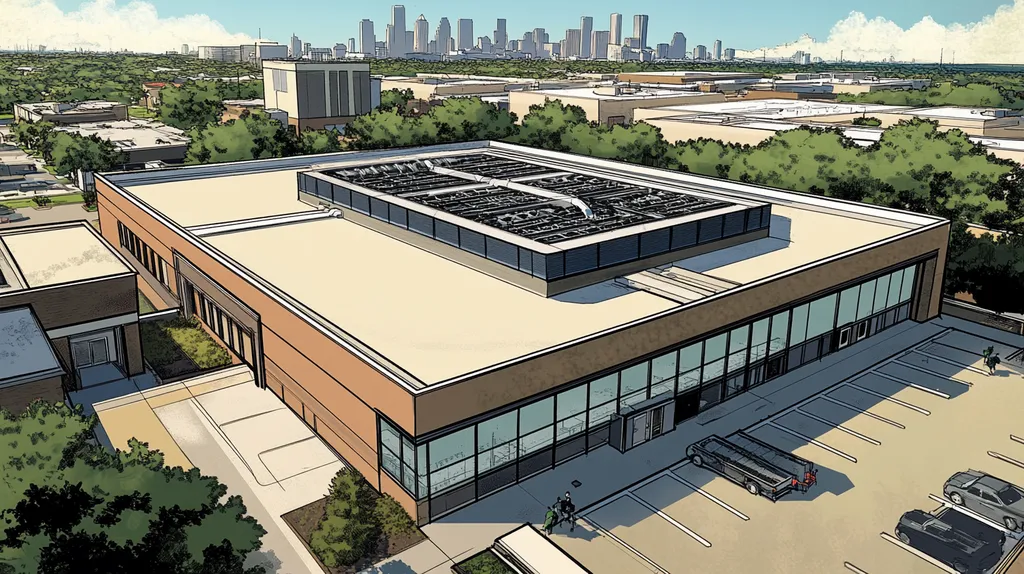
ROUND 3: PERFORMANCE FACTORS
Industrial roofing choices directly impact building performance and operational costs. Studies show that roofing systems account for up to 40% of a commercial building’s energy losses, making performance factors critical in system selection. As energy costs continue rising and environmental regulations tighten, facility managers must carefully evaluate how different roofing options affect their building’s efficiency and sustainability.
Energy Efficiency
Heat gain through industrial roofs can increase cooling costs by 20-30% during peak summer months. TPO roofing’s highly reflective surface helps minimize this impact, reflecting up to 85% of solar radiation and reducing cooling load demands.
Modern TPO membranes maintain their reflective properties for 15-20 years with minimal degradation. This sustained performance helps facilities maintain predictable energy costs throughout the roof’s lifespan.
Green roofs provide natural insulation through soil mass and vegetation cover. Their evaporative cooling effect can reduce roof surface temperatures by up to 40°F compared to conventional roofs.
The combination of thermal mass and evaporative cooling gives green roofs superior year-round energy performance. While TPO excels in summer cooling, green roofs provide both heating and cooling benefits.
ADVANTAGE: GREEN ROOFS
Durability
TPO roofing systems demonstrate excellent resistance to environmental stressors including UV radiation, chemical exposure, and temperature fluctuations. Their mechanically-fastened or fully-adhered installation methods provide reliable wind uplift resistance.
The material’s flexibility and strength allow it to handle building movement and thermal expansion without compromising waterproof integrity. Repairs can typically be completed quickly using heat-welded patches.
Green roof systems protect underlying waterproofing from physical damage and UV exposure. The multiple layers distribute loads effectively and buffer against temperature extremes.
However, accessing and repairing damaged areas requires removing vegetation and growing medium, increasing maintenance complexity and cost. Root barriers must remain intact to prevent membrane damage.
ADVANTAGE: TPO ROOFING
Environmental Impact
TPO roofing production requires significant energy input and petroleum-based materials. While the finished product helps reduce building energy use, its manufacturing process contributes to carbon emissions.
End-of-life disposal presents additional environmental challenges, as TPO materials typically end up in landfills. Some manufacturers now offer recycling programs, but participation remains limited.
Green roofs actively improve environmental conditions by absorbing carbon dioxide, filtering air pollutants, and supporting biodiversity. Their natural water retention capabilities reduce stormwater runoff by 50-90%.
Living roof systems continue providing environmental benefits throughout their lifespan, including habitat creation and urban heat island reduction. These cumulative positive impacts far outweigh any installation-related environmental costs.
ADVANTAGE: GREEN ROOFS
ROUND 3 WINNER: GREEN ROOFS
ROUND 4: MAINTENANCE REQUIREMENTS
Maintenance decisions for industrial roofing systems directly impact operational costs and building longevity. Industry data shows that improper maintenance leads to premature roof failure in 70% of cases, with average replacement costs exceeding $250,000 for typical industrial facilities. Understanding the maintenance demands of different roofing systems helps facility managers optimize their maintenance budgets and prevent catastrophic failures.
Routine Inspections
TPO roofing systems require bi-annual professional inspections to maintain warranty coverage. These inspections focus on seam integrity, drainage pathways, and mechanical attachment points where failures typically begin.
Maintenance teams can typically complete TPO inspections in a single day, with minimal disruption to facility operations. Identified issues can often be addressed immediately through simple heat-welding repairs.
Green roof inspections demand specialized expertise in both waterproofing and horticultural systems. Monthly vegetation checks are required during growing seasons to prevent root invasion and ensure proper drainage.
The complexity of green roof components necessitates longer inspection times and multiple specialist visits throughout the year. Access to underlying waterproofing requires careful removal and replacement of growing medium.
ADVANTAGE: TPO ROOFING
Preventive Care
TPO roofing maintenance primarily involves keeping drainage paths clear and addressing surface contamination. The smooth surface allows for easy cleaning with standard pressure washing equipment.
Periodic reapplication of protective coatings extends TPO performance but requires minimal labor and material costs. Most preventive work can be scheduled during planned facility downtime.
Green roofs require constant attention to irrigation, fertilization, and weed control. Vegetation management demands specialized knowledge and equipment not typically available to facility maintenance teams.
The living components of green roofs can’t be deferred or scheduled around facility operations. Weather conditions and growing seasons dictate maintenance timing regardless of business needs.
ADVANTAGE: TPO ROOFING
Long-term Care Requirements
TPO systems maintain consistent maintenance needs throughout their service life. The predictable nature of TPO care allows for accurate long-term budget planning and resource allocation.
As TPO roofs age, maintenance requirements increase gradually rather than suddenly. This predictability helps facility managers avoid unexpected repair expenses.
Green roof maintenance demands evolve as vegetation matures and climate patterns shift. Initial establishment periods require intensive care, while mature systems need ongoing specialized attention.
The biological nature of green roofs introduces variables that complicate long-term maintenance planning. External factors like weather patterns and pest populations can suddenly increase care requirements.
ADVANTAGE: TPO ROOFING
ROUND 4 WINNER: TPO ROOFING
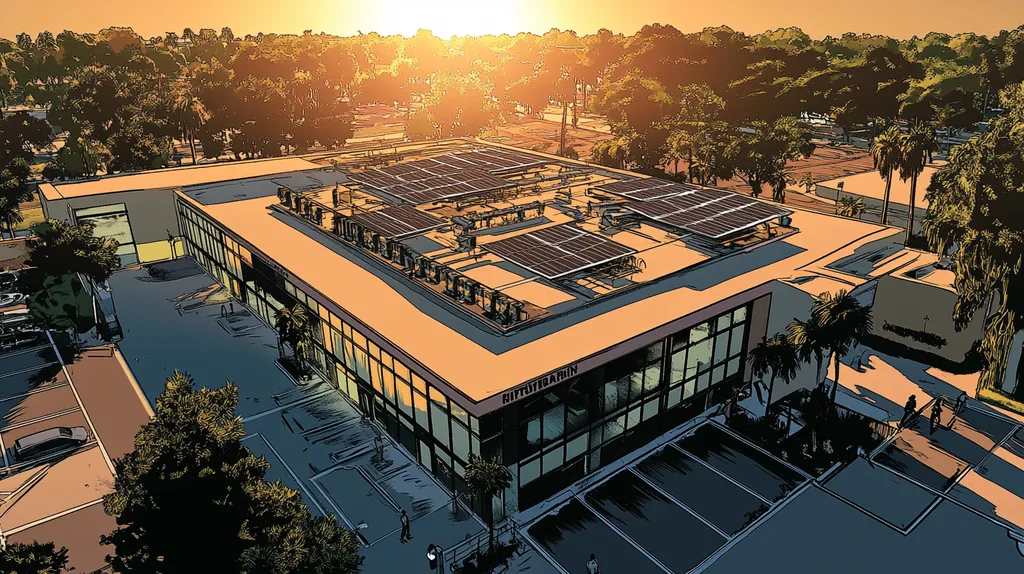
ROUND 5: SUSTAINABILITY CREDENTIALS
Sustainability has emerged as a critical factor in industrial roofing decisions, with environmental regulations becoming increasingly stringent. Buildings account for nearly 40% of global energy consumption and carbon emissions, making roofing choices pivotal in reducing environmental impact. Modern facility managers must evaluate how different roofing systems contribute to their organization’s sustainability goals while maintaining operational efficiency.
Energy Performance
TPO roofing systems feature highly reflective surfaces that minimize solar heat absorption, reducing cooling costs in warm climates. Their reflective properties remain stable for 15-20 years with minimal degradation, providing predictable energy performance throughout the roof’s lifespan.
Modern TPO installations can incorporate additional insulation layers to enhance thermal performance. The system’s seamless nature prevents thermal bridging that could compromise energy efficiency.
Green roofs provide natural insulation through soil mass and vegetation layers. Their evaporative cooling effect significantly reduces heat island impacts and can lower roof surface temperatures by 50-70°F compared to conventional roofing.
The combination of thermal mass and natural cooling processes makes green roofs exceptionally effective at regulating building temperature year-round. This natural approach requires no additional energy input to maintain performance.
ADVANTAGE: GREEN ROOFS
Resource Conservation
TPO manufacturing requires significant petroleum resources and energy input. While the material is technically recyclable, current infrastructure limitations mean most TPO roofing ends up in landfills at the end of its service life.
The production process generates substantial carbon emissions, though these may be offset by the material’s energy-saving properties during use. Some manufacturers now incorporate recycled content, but percentages remain relatively low.
Green roofs actively sequester carbon through plant growth and photosynthesis. Their soil layers retain 60-100% of rainfall, dramatically reducing stormwater runoff and associated infrastructure demands.
Natural vegetation systems support local biodiversity and can be maintained using organic practices that minimize resource consumption. The materials used are largely renewable and biodegradable.
ADVANTAGE: GREEN ROOFS
Life-Cycle Impact
TPO roofing’s environmental impact concentrates in its production and disposal phases. During service life, its main environmental contribution comes from reducing building energy consumption through solar reflection.
Regular maintenance requires minimal resource input, though cleaning products and replacement materials contribute to the system’s environmental footprint. Repair materials must be petroleum-based to maintain system integrity.
Green roofs continuously generate environmental benefits throughout their operational life. Their natural processes filter air pollutants, reduce urban heat island effects, and create wildlife habitats.
While maintenance requires regular inputs of water and organic materials, these resources support natural cycles rather than depleting them. The system’s environmental benefits compound over time as vegetation matures.
ADVANTAGE: GREEN ROOFS
ROUND 5 WINNER: GREEN ROOFS
ROUND 6: SPECIALIZED APPLICATIONS
Specialized industrial applications present unique roofing challenges that can make or break facility operations. Manufacturing processes, chemical exposure, and extreme temperature variations place extraordinary demands on roofing systems. Recent industry data indicates that over 40% of specialized industrial facilities experience premature roof failures due to mismatched system selection.
Chemical Resistance
Industrial environments often expose roofing materials to harsh chemicals, oils, and industrial emissions. These exposures can rapidly degrade standard roofing materials, leading to premature failure and potential contamination of building contents.
TPO roofing demonstrates exceptional resistance to industrial chemicals, with specialized formulations available for extreme exposure conditions. The material’s non-porous surface prevents chemical absorption, while heat-welded seams maintain integrity even under constant chemical exposure.
Green roofs offer limited chemical resistance, as industrial pollutants can damage or kill vegetation. Chemical exposure may contaminate growing medium and create long-term maintenance challenges.
The biological nature of green roof systems makes them particularly vulnerable to industrial pollutants, requiring additional protective measures and frequent soil testing.
ADVANTAGE: TPO ROOFING
Temperature Management
Manufacturing facilities often generate significant internal heat loads that must be managed effectively. Poor temperature control can impact production processes and increase cooling costs dramatically.
TPO roofing’s reflective surface helps manage external heat gain but offers limited protection against internal heat sources. While the material maintains stability at high temperatures, it doesn’t actively contribute to temperature regulation.
Green roofs excel at temperature management through natural evaporative cooling and thermal mass effects. The combination of soil layers and vegetation creates a natural buffer against both external and internal heat loads.
Living roof systems can reduce peak roof temperatures by up to 75°F compared to conventional roofing, providing superior temperature control for specialized applications.
ADVANTAGE: GREEN ROOFS
Equipment Integration
Industrial roofs frequently support heavy equipment, ventilation systems, and process piping. These penetrations and additional loads create potential failure points that must be properly managed.
TPO roofing systems allow for simple, reliable equipment mounting and penetration sealing. The material’s flexibility and heat-weldable nature enables secure integration of roof-mounted systems without compromising waterproof integrity.
Green roofs present significant challenges for equipment integration. Access to roof-mounted systems requires vegetation removal and specialized protection measures to prevent root damage.
The complexity of maintaining equipment while preserving growing medium and plant life makes green roofs less suitable for equipment-intensive applications.
ADVANTAGE: TPO ROOFING
ROUND 6 WINNER: TPO ROOFING
AND THE WINNER IS…
After six grueling rounds of technical evaluation, we have our verdict…
In a split decision, with a score of 4 rounds to 2, TPO ROOFING claims the championship belt! Its victories in initial costs, durability, maintenance, and specialized applications proved decisive in this heavyweight bout.
TPO’s combination of cost-effectiveness, straightforward installation, and reliable performance made it the preferred choice for most industrial applications. Its superior chemical resistance and ability to accommodate roof-mounted equipment sealed the victory.
But don’t count Green Roofs out! This sustainable challenger dominated the sustainability rounds and proved unbeatable in energy performance. For facilities prioritizing environmental impact or facing extreme cooling demands, Green Roofs remain a formidable contender.
IMPORTANT NOTICE: Every building presents unique challenges and opportunities. Local climate conditions, structural capabilities, and specific facility requirements can significantly impact roofing system performance. This analysis provides general guidance but cannot account for all variables. Property owners should consult qualified roofing professionals who can evaluate their specific situation before making final decisions.
In the high-stakes world of industrial roofing, there’s no substitute for matching your facility’s specific needs with the right system’s strengths. Choose your champion wisely – your building’s future performance hangs in the balance!
FREQUENTLY ASKED QUESTIONS
Q. What are the initial costs for a commercial roof?
A. Material costs for TPO roofing range from $3.50 to $7.00 per square foot. Green roofs are more expensive, costing between $10 and $30 per square foot due to additional components needed. Facility managers should evaluate these initial costs against long-term benefits and operational efficiency.
Q. How long do industrial roofs typically last?
A. TPO roofing systems usually last between 20 to 25 years when properly maintained. In contrast, well-maintained green roofs can achieve lifespans exceeding 40 years, depending on maintenance and environmental conditions. Long-term planning is crucial for budgetary considerations.
Q. Which roofing system is more energy efficient for commercial buildings?
A. Green roofs provide natural insulation and evaporative cooling, making them excellent for energy efficiency. Conversely, TPO roofs reflect up to 85% of solar radiation, reducing cooling costs during summer months. Each system has unique benefits that need evaluation based on specific climate impacts.
Q. How often should I maintain a commercial roof?
A. TPO roofs require bi-annual inspections to monitor for issues, while green roofs need monthly checks during growing seasons. Regular inspections can prevent minor issues from escalating into major repairs. Establishing a consistent maintenance schedule is crucial for long-term performance.
Q. Which roofing option is more sustainable for my facility?
A. Green roofs actively sequester carbon and improve biodiversity, making them highly sustainable. TPO roofing, while energy-efficient during use, has environmental costs related to production and disposal. The choice often depends on specific organizational sustainability goals.
Q. Can I integrate equipment on a TPO roofing system?
A. Yes, TPO roofs are flexible and allow for reliable mounting of heavy equipment. Proper sealing of penetrations is necessary to maintain waterproof integrity. Green roofs can make such integrations more complicated due to the need to remove vegetation.
Q. What are the main performance risks of green roofs?
A. Green roofs can face risks related to root penetration and moisture retention, potentially leading to structural damage. Additionally, they require specialized knowledge for maintenance, which increases complexity and costs. Understanding these risks is vital for successful implementation.






