

Welcome to today’s Battle Royale featuring two roofing heavyweights: “TPO” in the east corner versus “PVC” in the west!
Tonight’s showdown pits these contenders against each other across six punishing rounds designed to test every aspect of their performance for Local Climate Factors in Commercial Roof Design.
At stake? Millions in potential costs, decades of building protection, and the critical performance demands of modern commercial and industrial facilities.
Our professional judging panel will evaluate each round on technical merit, real-world performance, and value delivery. After all six rounds, we’ll declare our ultimate champion.
Ladies and gentlemen, facility managers and building owners… it’s time to rumble!
ROUND 1: INITIAL COSTS & INSTALLATION
When selecting a commercial roofing system, the initial investment can reach millions for large facilities. Recent market analysis shows that material and labor costs have increased by 25% since 2021, making the choice between TPO and PVC more critical than ever. Understanding the total cost implications – from materials to installation timeline – has become essential for protecting both immediate budgets and long-term facility operations.
Material Expenses
TPO and PVC materials represent significantly different price points in the commercial roofing market. TPO membranes typically cost 30-40% less than comparable PVC options, with current market rates ranging from $3.50-6.00 per square foot for TPO versus $6.00-9.50 for PVC.
While TPO’s lower material cost makes it attractive for budget-conscious projects, the price difference often reflects fundamental differences in material composition and performance capabilities. Premium TPO formulations can narrow this gap, but still generally maintain a cost advantage.
PVC’s higher cost stems from its more complex manufacturing process and enhanced chemical resistance properties. However, these same characteristics often translate to longer service life in challenging environments.
Given the substantial initial savings without significantly compromising quality, TPO earns the ADVANTAGE in material expenses.
Installation Complexity
TPO installation requires less specialized equipment and fewer steps than PVC, making it more accessible to a broader range of qualified contractors. The simpler welding process and lighter weight of TPO sheets reduce labor requirements and minimize the risk of installation errors.
PVC installations demand more precise temperature control during welding and careful attention to chemical compatibility with other building materials. These requirements often limit the contractor pool and increase labor costs.
While both materials require proper training and certification, TPO’s more straightforward installation process reduces the likelihood of workmanship defects. This translates to fewer callbacks and warranty claims.
The simplified installation requirements and broader contractor availability give TPO the ADVANTAGE in this category.
Project Timeline
Installation speed significantly impacts overall project costs and building operations. TPO’s lighter weight and simpler welding requirements typically result in 20-30% faster installation compared to PVC systems.
PVC installations require more precise setup and longer cooling times between welds. Additional time must also be allocated for compatibility testing with adjacent materials and more rigorous quality control checks.
The extended installation time for PVC systems can increase exposure to weather risks and delay project completion. This particularly impacts regions with shorter construction seasons or unpredictable weather patterns.
TPO’s faster installation timeframe and reduced weather vulnerability earn it the ADVANTAGE in project timeline considerations.
ROUND 1 WINNER: TPO
ROUND 2: DURABILITY & LIFESPAN
Commercial roof failures can devastate business operations and create massive repair costs. With replacement costs averaging $8-15 per square foot, premature system failure on a 100,000 square foot facility could mean over $1 million in unexpected expenses. Understanding how TPO and PVC membranes perform under specific climate conditions has become essential for protecting long-term facility investments.
Impact of Local Climate on Durability
TPO membranes excel in moderate climates with consistent temperatures. Their reflective surface effectively manages UV exposure and heat loads, making them particularly suitable for sunbelt regions with steady, warm conditions.
However, TPO can become brittle when exposed to extreme temperature fluctuations. Areas experiencing frequent freeze-thaw cycles or dramatic seasonal shifts may see accelerated membrane degradation.
PVC demonstrates superior resilience across diverse climate zones. Its chemical composition allows it to maintain flexibility and structural integrity through temperature extremes, from desert heat to subarctic cold.
While both materials can provide decades of service in optimal conditions, PVC’s broader climate adaptability earns it the ADVANTAGE in this category.
Material Composition and Longevity
TPO’s single-ply construction offers good initial performance but can show signs of wear in challenging environments. The membrane may develop surface cracks or separation at seams when subjected to prolonged environmental stress.
The multi-layer composition of PVC creates inherent redundancy against weathering and physical damage. Its molecular structure actively resists chemical breakdown from acid rain, industrial emissions, and other environmental pollutants.
Laboratory testing shows PVC retains its protective properties longer than TPO under accelerated aging conditions. This translates to more predictable performance throughout the membrane’s service life.
Given its superior resistance to environmental degradation, PVC claims the ADVANTAGE in material longevity.
Maintenance Requirements
TPO roofs typically require annual inspections and may need increasing maintenance as they age. Exposure to harsh conditions can accelerate the need for seam repairs and surface treatments.
PVC systems generally maintain their performance characteristics with basic preventive maintenance. Their natural resistance to biological growth and chemical exposure reduces the frequency of remedial repairs.
While both materials benefit from regular maintenance programs, PVC’s lower lifetime maintenance burden and reduced repair frequency give it the ADVANTAGE in this category.
ROUND 2 WINNER: PVC
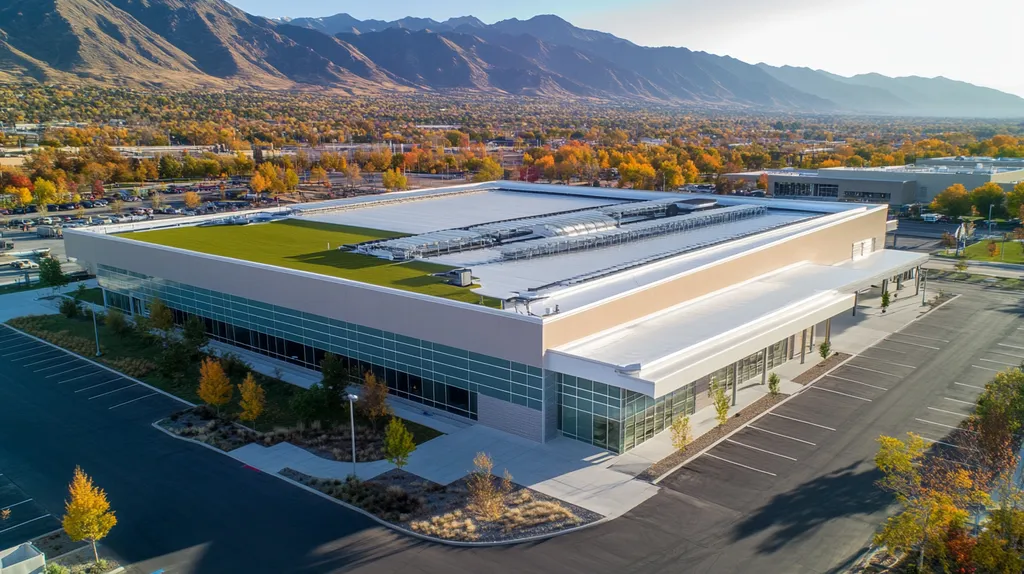
ROUND 3: PERFORMANCE FACTORS
In today’s extreme weather conditions, roofing performance can make or break a facility’s operational continuity. From intense heat waves to severe storms, commercial buildings face unprecedented environmental challenges. Understanding how roofing materials perform under specific climate conditions has become crucial for protecting multimillion-dollar investments and maintaining business operations.
Thermal Performance
Climate plays a pivotal role in determining the longevity and performance of roofing materials, particularly in regions with extreme temperature variations. Different climates affect roofing materials uniquely, making material selection crucial for long-term success. (source: NARoofing)
TPO membranes demonstrate exceptional heat reflection properties, with typical solar reflectance values exceeding 0.75. This high reflectivity helps reduce cooling costs and extends membrane life in hot climates by minimizing heat absorption.
PVC systems offer good thermal performance but generally show lower reflectivity values than TPO. While PVC maintains structural integrity in high temperatures, it may experience more heat absorption and transfer to the building interior.
TPO’s superior reflective properties and thermal performance earn it the ADVANTAGE in this category.
Water Resistance
Water infiltration represents one of the most significant threats to commercial roofing systems. Modern membranes must withstand not just rainfall, but also ponding water and ice damming conditions.
TPO membranes provide excellent initial water resistance through heat-welded seams and waterproof composition. However, seam integrity can become compromised over time, particularly in areas with frequent freeze-thaw cycles.
PVC demonstrates superior resistance to standing water and maintains watertight performance longer than TPO. Its chemical formulation actively resists water absorption and maintains seam strength even under constant moisture exposure.
Given its superior long-term water resistance, PVC claims the ADVANTAGE in this category.
Environmental Resilience
Modern commercial roofs must withstand increasingly severe weather events while maintaining their protective capabilities. This includes resistance to high winds, hail impact, and chemical exposure from acid rain or industrial emissions.
TPO provides good initial resistance to environmental factors but can show accelerated degradation when exposed to sustained chemical exposure or extreme weather conditions. The membrane may become brittle and crack under prolonged stress.
PVC’s advanced chemical composition delivers superior resistance to environmental pollutants and maintains its protective properties longer under harsh conditions. Its molecular structure actively resists breakdown from UV exposure and chemical contact.
PVC’s superior environmental durability earns it the ADVANTAGE in this category.
ROUND 3 WINNER: PVC
ROUND 4: MAINTENANCE REQUIREMENTS
Proper maintenance can mean the difference between a commercial roof lasting 30 years or failing in less than 10. With replacement costs averaging $12-18 per square foot, premature failure on a 100,000-square-foot facility could result in an unexpected $1.8 million expense. Understanding the maintenance demands of TPO versus PVC systems has become critical as climate changes intensify wear patterns.
Routine Inspection and Repair
In areas with extreme temperatures and high UV exposure, roofing materials face accelerated aging and increased maintenance demands. The intensity of these environmental factors directly impacts inspection frequency and repair requirements. (source: NAROOFING)
TPO membranes typically require quarterly inspections in challenging climates, with particular attention needed at seams and penetrations. These systems often need increased maintenance as they age, especially in regions with dramatic temperature swings.
PVC systems maintain their performance characteristics longer, usually requiring only bi-annual comprehensive inspections. Their superior chemical resistance and UV stability result in fewer repair interventions, even in harsh environments.
With lower inspection frequency and repair needs, PVC claims the ADVANTAGE in routine maintenance.
Preventive Care Requirements
Effective preventive maintenance programs significantly impact both roof longevity and facility operating costs. Modern commercial roofs must withstand increasingly unpredictable weather patterns while maintaining their protective capabilities.
TPO systems need regular surface cleaning and periodic reapplication of protective coatings, especially in areas with high pollution or industrial emissions. These treatments help maintain reflectivity and prevent premature membrane degradation.
PVC roofing requires minimal preventive treatments due to its inherent chemical resistance and self-cleaning surface properties. Its molecular structure actively resists environmental contamination, reducing the need for intensive maintenance protocols.
Given its lower preventive maintenance burden, PVC earns the ADVANTAGE in this category.
Emergency Response Protocols
Emergency repairs represent some of the most costly and disruptive maintenance events for commercial facilities. The accessibility and repairability of roofing systems directly impact response times and repair outcomes.
TPO membranes can be challenging to repair in emergency situations, particularly when wet or in extreme temperatures. Finding compatible repair materials and achieving proper adhesion often requires specific conditions and extended facility downtime.
PVC systems offer superior emergency repairability through their consistent weldability and material stability. Repairs can be executed effectively even in less-than-ideal conditions, minimizing business disruption.
PVC’s superior emergency repairability gives it the ADVANTAGE in this category.
ROUND 4 WINNER: PVC
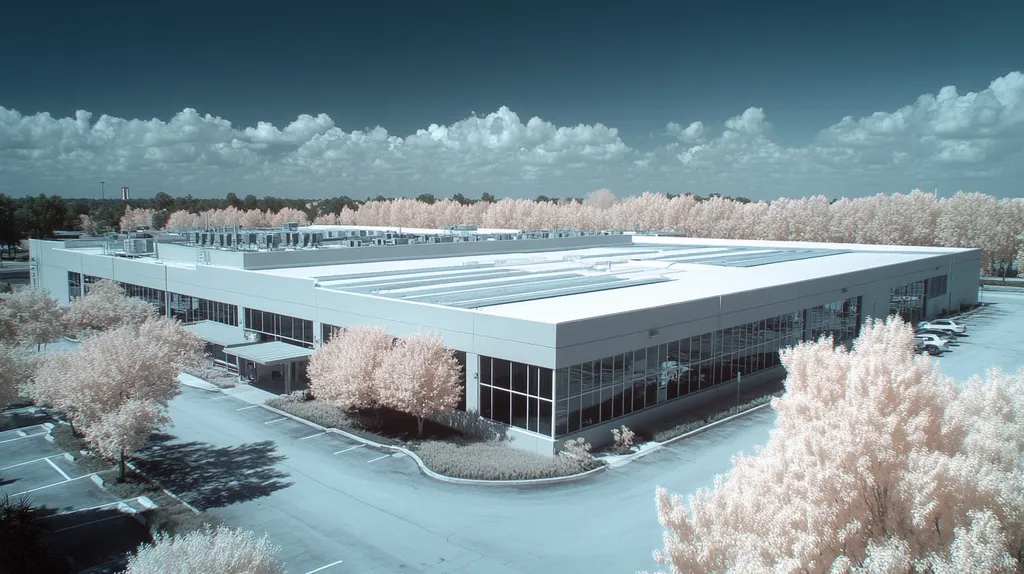
ROUND 5: SUSTAINABILITY CREDENTIALS
With rising environmental regulations and corporate sustainability mandates, roofing choices now directly impact both compliance and operational costs. The EPA estimates commercial buildings account for 35% of U.S. energy consumption, making roofing sustainability a critical factor in facility planning. For a 100,000-square-foot facility, the wrong roofing choice can increase annual energy costs by $50,000 or more.
Energy Efficiency
Climate plays a pivotal role in determining how roofing materials perform and impact building energy consumption. Different climates affect roofing materials uniquely, making material selection crucial for optimizing energy performance. (source: NARoofing)
TPO membranes achieve solar reflectance ratings above 0.85 and maintain these properties longer than most alternatives. This exceptional reflectivity can reduce cooling costs by up to 30% in warm climates while minimizing urban heat island effects.
PVC systems offer good thermal performance but typically show lower initial reflectivity and faster degradation of reflective properties. While still energy-efficient, PVC requires more frequent maintenance to maintain optimal thermal performance.
Given its superior long-term reflective properties, TPO claims the ADVANTAGE in energy efficiency.
Material Lifecycle Impact
The environmental impact of roofing materials extends from manufacturing through disposal. Modern facilities must consider the complete carbon footprint of their roofing choices.
TPO manufacturing requires less energy and produces fewer emissions compared to PVC production. The simpler chemical composition also means fewer toxic byproducts and lower environmental impact during production.
PVC production involves chlorine-based processes that generate more environmental concerns. While modern manufacturing has improved, PVC still carries a higher environmental burden throughout its lifecycle.
TPO’s lower manufacturing impact and cleaner production process earn it the ADVANTAGE in this category.
End-of-Life Management
Responsible disposal of roofing materials has become increasingly important as landfill costs rise and environmental regulations tighten. A typical commercial re-roofing project can generate 10-15 tons of waste material.
TPO membranes can be fully recycled into new roofing products or repurposed for other applications. The material’s simple chemistry makes it easier to process and more valuable in recycling streams.
PVC recycling faces more challenges due to its complex chemical composition and potential contaminants. While technically recyclable, PVC often ends up in landfills due to processing difficulties.
TPO’s superior recyclability and simpler waste management options secure the ADVANTAGE in this category.
ROUND 5 WINNER: TPO
ROUND 6: SPECIALIZED APPLICATIONS
For large commercial facilities, specialized roofing applications can make or break energy efficiency and long-term performance. A 100,000-square-foot facility with the wrong specialized roofing system can waste over $75,000 annually in energy costs while creating unnecessary maintenance burdens. As building codes evolve and sustainability requirements tighten, understanding how TPO and PVC perform in specialized scenarios has become essential for protecting facility investments.
Green Roofing Systems
The integration of vegetation and growing media with roofing systems demands exceptional durability and precise installation. Modern green roofs can add 25-35 pounds per square foot of load to commercial structures, making material selection crucial.
TPO membranes offer excellent compatibility with green roof installations due to their strong root resistance and flexible installation options. Their heat-welded seams provide reliable waterproofing beneath soil and vegetation layers.
PVC systems demonstrate superior chemical resistance but require additional protective layers when used in green roof applications. The increased material complexity can complicate installation and future maintenance access.
TPO’s simpler integration and proven performance give it the ADVANTAGE in green roofing applications.
Reflective Roofing Systems
In regions with intense UV exposure, reflective roofing materials can significantly reduce energy costs through improved thermal performance. The right reflective system can lower peak roof temperatures by up to 50°F. (source: Solaria Solar and Roofing)
TPO membranes maintain their reflective properties longer than most alternatives, with typical degradation of less than 10% over a decade. Their surface composition actively resists dirt accumulation that could reduce reflectivity.
PVC roofing provides good initial reflectivity but often shows faster degradation of these properties, especially in high-UV environments. More frequent cleaning and maintenance are required to maintain optimal performance.
TPO’s superior long-term reflective performance earns it the ADVANTAGE in this category.
Low-Slope Roofing Applications
Low-slope commercial roofs face unique challenges in managing water drainage and preventing ponding. Even minor installation errors can create significant performance issues.
TPO installations on low-slope surfaces benefit from lighter material weight and flexible application methods. The membrane’s natural rigidity helps maintain proper drainage slopes without additional support.
PVC systems perform equally well in low-slope applications, offering excellent ponding water resistance and proven long-term durability. Their chemical resistance provides additional protection against standing water exposure.
With comparable performance advantages, TPO and PVC TIE in low-slope applications.
ROUND 6 WINNER: TPO
AND THE WINNER IS…
After six grueling rounds of technical evaluation, we have our verdict…
With victories in Rounds 2, 3, and 4, PVC demonstrates its championship credentials through superior durability, environmental resilience, and lower lifetime maintenance demands!
TPO fought back impressively, claiming Rounds 1, 5, and 6 with its cost advantages, sustainability credentials, and specialized application performance. But in this climate-focused showdown, PVC’s proven track record in extreme conditions and long-term reliability earned it the championship belt!
However, TPO remains a formidable contender, particularly in moderate climates where its lower initial costs and excellent reflective properties can deliver outstanding value. Its performance in green roofing applications and superior sustainability metrics make it a compelling choice for specific projects.
Remember, folks: Every building faces unique challenges based on local climate conditions, usage patterns, and structural characteristics. While PVC claims victory today, your facility’s specific requirements may favor either contender. Always consult qualified roofing professionals who can evaluate your particular situation and recommend the best solution for your needs.
In the high-stakes world of commercial roofing, victory doesn’t just come from choosing the overall champion – it comes from matching your building’s specific requirements to the right contender’s strengths. Choose wisely, building owners. Your facility’s future depends on it!
FREQUENTLY ASKED QUESTIONS
Q. What are the initial costs of a commercial roof system?
A. The upfront costs for commercial roofing can be substantial. TPO typically costs 30-40% less than PVC, making it attractive for budget-conscious projects. However, it’s crucial to consider the long-term implications of material choices, as opting solely for a lower initial cost may lead to higher lifetime expenses.
Q. How does the durability of TPO compare to PVC for industrial roofs?
A. Both materials have different durability profiles depending on climate. While TPO performs well in moderate conditions, PVC shows superior resilience against extreme temperatures and harsh environments. Therefore, when considering the longevity of an industrial roof, PVC often comes out as the stronger choice.
Q. Which roofing material is better for water resistance in commercial roofs?
A. PVC membranes excel in water resistance compared to TPO. They maintain watertight integrity over time, even under constant moisture exposure. On the other hand, while TPO has good initial water resistance, it may struggle with seam integrity in harsher climates, leading to potential leaks.
Q. How often should I maintain my commercial roof?
A. Maintenance frequency varies significantly between roofing types. TPO typically requires more frequent inspections, especially in harsh climates, while PVC can often sustain performance with bi-annual checks. A well-planned maintenance schedule is crucial for maximizing the lifespan of your roof.
Q. Which material is more energy-efficient for my commercial roof?
A. TPO is usually recognized for its superior energy efficiency, achieving higher solar reflectance ratings compared to PVC. This means that TPO can significantly cut cooling costs, especially in warmer climates. For energy-conscious facility owners, this can offer notable savings over time.
Q. Can TPO be used for specialized roofing applications?
A. Yes, TPO is highly compatible with various specialized roofing applications, including green roofs. Its strength and flexibility make it an excellent choice for such installations, ensuring reliable performance. This makes it a favored option for facilities looking to enhance energy efficiency through green solutions.
Q. What are the end-of-life options for commercial roofing materials?
A. TPO roofing materials offer excellent end-of-life options as they can be fully recycled into new products. In contrast, while PVC is technically recyclable, its complex chemical composition can hinder effective recycling. Thus, TPO typically provides a more sustainable end-of-life solution.






