
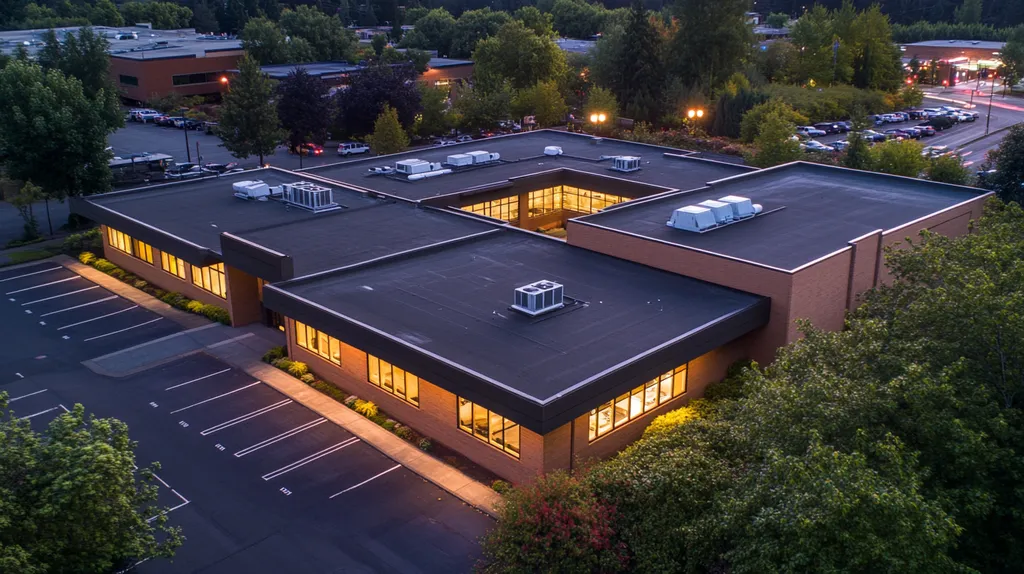
Every year, commercial property owners spend over $5 billion on emergency roof repairs that could have been prevented through proper evaluation practices. Yet traditional assessment methods continue to fall short, missing critical warning signs that lead to catastrophic failures.
From inadequate visual inspections to outdated maintenance protocols, the industry’s established practices often overlook underlying issues that compromise roof integrity and building safety.
This analysis examines why current roof evaluation methods are failing property owners, explores evidence-based alternatives, and presents a framework for implementing more effective assessment strategies that protect both assets and occupants.
SECTION 1: CURRENT PRACTICES
Evaluating the condition of a commercial roof is far more than a box to check off during maintenance; it is crucial for the long-term sustainability of a building. Ignoring routine roof assessments can lead to steep repair costs and unexpected operational interruptions. In fact, when roofing issues go undiagnosed, repair expenses can climb by an alarming 60%. This section delves into the pitfalls of visual inspections, the inadequacies of standard checklists, and the importance of timely assessments.
Visual Inspections and Their Limitations
Visual inspections serve as an initial step in assessing roofing conditions. They enable property managers to spot apparent problems—such as tears, blisters, or pooling water—quickly. However, these inspections frequently overlook hidden vulnerabilities that could lead to severe damage.
Many underlying issues, like concealed membrane damage or structural weaknesses, remain invisible to the naked eye. This limitation often fosters a false sense of security. A roof might appear intact externally while concealing costly problems lurking beneath the surface.
Additionally, environmental factors like rain, snow, and sun exposure can accelerate roof degradation. Without the aid of advanced diagnostic tools, relying exclusively on visual inspections can increase the likelihood of unexpected failures over time.
Consequently, although visual inspections are an important initial assessment tool, they should not be used in isolation. A more in-depth evaluation approach is essential to protect against hidden threats that could jeopardize the roof’s integrity.
Standard Inspection Checklists and Protocols
Inspection checklists are commonly employed in the roofing field to ensure thorough evaluations. These tools typically cover aspects like seams, flashings, and drainage systems. However, strictly adhering to a standard checklist can result in an incomplete picture of a roof’s overall condition.
Most checklists focus primarily on visible damage without considering the roof’s long-term performance or its historical context. For instance, they might not address past repairs or seasonal variations that could influence the roof’s structural integrity.
Moreover, many checklists lack the flexibility needed for diverse roofing systems. Each roof has its own unique characteristics based on materials, age, and local environmental conditions. A generic approach can easily overlook vital aspects specific to each roof.
To achieve better outcomes, property owners should advocate for customized inspections designed around the specific needs of their roofs. This tailored strategy ensures that evaluations are reflective of the present state while also anticipating future challenges.
Frequency and Scheduling of Roof Assessments
Many property owners stick to a routine schedule for roof assessments, often opting for biannual or annual checks. While regular evaluations are beneficial, this timeframe may not suffice for all roofing types or environmental conditions.
For instance, roofs located in areas prone to extreme weather may warrant more frequent inspections. Similarly, high-traffic roofs housing mechanical equipment or HVAC units require additional attention. Failing to adjust assessment frequencies can lead to missed opportunities for timely intervention.
Furthermore, only addressing visible problems can be harmful. Many roofing issues develop gradually, so waiting for visible signs often means substantial damage has already occurred. Proactive inspections conducted more regularly can significantly reduce these risks.
Ultimately, implementing a flexible, data-driven approach to roof assessment schedules supports better decision-making regarding repairs and maintenance, minimizing the likelihood of unforeseen costs. This strategy aligns evaluation practices with the distinct challenges posed by each roof system.
SECTION 2: SYSTEMIC ISSUES
A critical challenge in commercial roofing evaluations is the tendency to rely heavily on reactive maintenance. Property owners often wait until visible problems escalate into significant damage before taking action. This costly approach can be avoided with proactive strategies. Statistics reveal that roofs with regular evaluations are far less likely to experience catastrophic failures. Understanding that neglecting maintenance efforts can jeopardize the roof’s structural integrity and longevity is vital for any responsible property owner.
Overreliance on Reactive Maintenance
Reactive maintenance involves responding to visible issues like leaks only after they occur. This mindset creates a false sense of security, causing property owners to believe their roof is in good condition until severe problems arise. Everyday wear and tear often goes unnoticed until it manifests as significant damage, which could have been identified through consistent inspections.
This reactive behavior not only inflates repair costs but also risks extensive damage to hidden structures. For instance, water penetration can lead to issues such as mold growth, which presents health and safety concerns. Addressing these complications after they arise incurs additional costs that could have been mitigated with proactive assessments.
Moreover, properties without regular assessments often face the consequences of emergency repairs. These urgent situations are typically more expensive and disrupt daily operations. A solid assessment strategy facilitates planned maintenance, reducing the frequency of unexpected emergencies.
Transitioning from a reactive maintenance model to a proactive approach is crucial. By emphasizing regular evaluations, property owners can significantly prolong their roofs’ lifespan and lower overall operational costs.
Inadequate Material and Structural Analysis
Many roofing evaluations fail to perform a comprehensive analysis of both materials and structural integrity. It’s a common misconception that visual inspections can replace thorough assessments. This superficial approach often overlooks vital signs of deterioration, leaving roofs at risk.
For example, roofing membranes may degrade at varying rates based on environmental exposure, necessitating deeper analysis often ignored in standard evaluations. A proper understanding of material types and their lifespan is essential for creating a sustainable maintenance strategy.
In addition, without an extensive structural analysis, hidden issues may remain undetected. Problems, such as deck failures, can go unnoticed until they present as leaks or sagging. Comprehensive assessments involving core samples and moisture mapping are essential to reveal these hidden challenges.
This lack of rigorous evaluation ultimately hampers property owners’ ability to make informed decisions. Identifying and addressing material vulnerabilities early on ensures resources are allocated effectively, promoting durability and longevity.
Lack of Long-Term Planning and Budgeting
A major concern in commercial roofing is the absence of long-term planning and budgeting for maintenance and repairs. Property owners often misallocate funds, focusing primarily on immediate issues while neglecting future investments. This short-sighted perspective can lead to significant budget deficits down the line.
When strategic planning is absent, roofs may suffer from the cumulative effects of neglect. Annual inspections can help property owners forecast necessary budget allocations for ongoing maintenance, reducing the risk of sudden expenses stemming from catastrophic failures.
Moreover, establishing a long-term roofing strategy allows for the incorporation of upgrades such as energy-efficient materials, contributing to lower operational costs. By integrating budgeting and planning into their roofing strategies, property owners can better protect their investments over time.
Ultimately, adopting a proactive and comprehensive approach to roofing management is essential. A focus on long-term planning and budgeting ensures the health of roofs and secures financial stability for property owners.
SECTION 3: MISSED OPPORTUNITIES
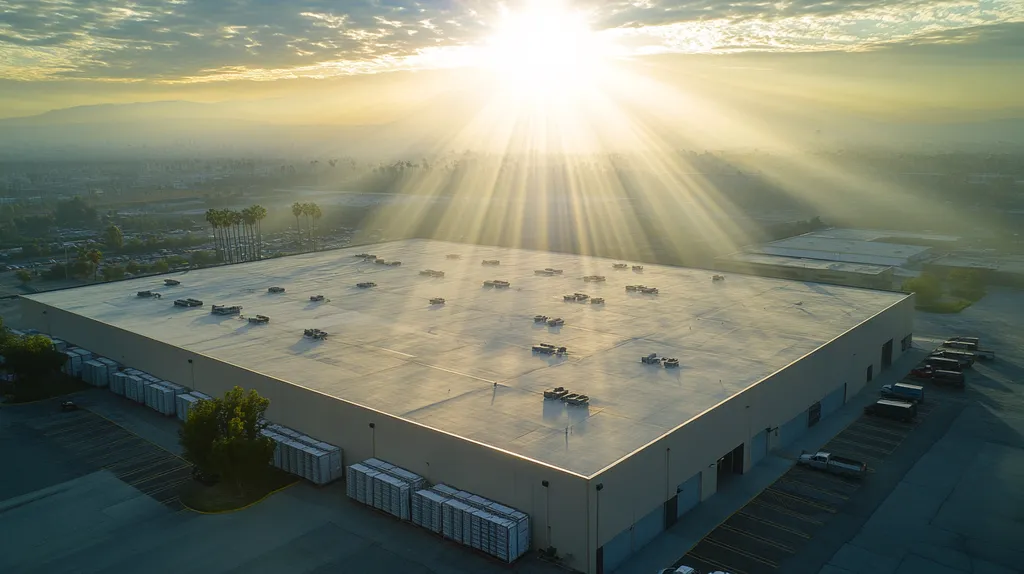
In the competitive world of commercial roofing, overlooking key evaluation factors can lead to costly setbacks. Property owners risk soaring energy costs, lost revenue due to operational disruptions, and unexpected repair bills from undetected damage. These missed opportunities not only shorten the lifespan of a roof but can also negatively influence overall facility performance and financial planning.
Neglecting Energy Efficiency and Cost Savings
Energy efficiency should be a cornerstone of roof evaluations, yet it’s often overlooked. Conventional assessment methods tend to zero in on visible issues, neglecting how an inefficient roof boosts heating and cooling demands.
A compromised roof can result in energy losses of up to 30%, significantly driving up utility bills that could be kept in check with a more comprehensive evaluation strategy. Property owners may miss out on cost-saving upgrades, such as enhanced insulation or reflective roofing materials, which can deliver substantial savings over time.
Integrating energy analysis into assessments not only identifies current inefficiencies but also allows owners to make informed decisions before these issues escalate. Predictable cost-savings transform the roof from a passive element into an active player in overall operational expenses.
Overlooking Hidden Damage and Moisture Issues
Hidden damage is a lurking threat in commercial roofing evaluations. Issues such as water infiltration can take months to reveal themselves, leading to significant structural damage and mold formation.
A building with concealed leaks may suffer from wood rot or compromised steel components, creating safety hazards and incurring hefty repair costs. Routine inspections, if conducted without sophisticated diagnostic tools, may miss these subtle signs of distress.
Implementing comprehensive assessments that include moisture mapping and thermal imaging can unveil these hidden dangers. By addressing these issues proactively, property owners can effectively manage repair costs and maintain a safe environment.
Failing to Utilize Advanced Diagnostic Technologies
The roofing industry is advancing rapidly with new technological tools, yet many property owners continue to depend on outdated inspection methods. Traditional visual evaluations often fail to provide a complete picture of a roof’s health.
Embracing innovative technologies, such as drones and infrared thermography, allows property owners to gain insights that surpass the capabilities of the human eye. Drones can offer detailed aerial inspections without disturbing daily operations, while infrared thermography highlights thermal anomalies, warning of moisture issues before they escalate.
Neglecting these advanced diagnostic tools limits a property owner’s ability to make informed, proactive decisions. By upgrading evaluation practices, property owners can significantly enhance the accuracy and effectiveness of their roofing assessments, ensuring better long-term outcomes.
SECTION 4: ROOT CAUSES
The effectiveness of commercial roof evaluations often falters at its core. A staggering number of property owners unexpectedly face roofing failures, incurring heavy repair or replacement costs. Alarmingly, research indicates that 30% of commercial roofs do not undergo adequate assessments due to entrenched systemic issues. Understanding these root causes is essential for implementing meaningful improvements.
Inadequate Training and Certification of Inspectors
Central to the problem of ineffective roof evaluations is the insufficient training of inspectors. Many lack the necessary expertise to conduct thorough assessments, often leaving critical issues like hidden leaks or structural weaknesses unaddressed. This knowledge gap can lead to significant vulnerabilities going unnoticed.
Additionally, the absence of standardized certification processes allows for inconsistent evaluation methods across the industry. This inconsistency raises the stakes, as the reliability of inspection outcomes can vary dramatically from one inspector to another.
Moreover, ongoing education about the latest roofing materials and technologies is frequently neglected. As roofing systems evolve, failing to keep inspectors informed can compromise the quality of their evaluations, putting properties at risk.
Property owners are encouraged to seek inspectors with credentials that reflect the latest industry best practices. Investing in qualified professionals not only safeguards roofs but also helps mitigate long-term costs associated with unforeseen issues.
Insufficient Documentation and Record Keeping
Another critical issue plaguing roof evaluations is inadequate documentation and record-keeping practices. Many property owners fail to maintain detailed records of past inspections, repairs, and maintenance activities. This lack of information can hide vital insights needed to assess a roof’s current condition accurately.
Without comprehensive records, identifying recurring roofing problems becomes challenging, complicating proactive maintenance efforts. This oversight can lead to unexpected failures arising from unresolved issues that may have been detected earlier.
Furthermore, ineffective documentation practices can obstruct communication among stakeholders. When property owners, maintenance teams, and roofing contractors lack access to essential information, evaluations may fall short, resulting in misinformed decisions.
By improving documentation strategies, property owners gain a clearer perspective on their roofs’ histories, facilitating informed evaluations that lead to timely maintenance and enhanced roof performance.
Poor Communication Between Stakeholders
Effective communication is paramount for successful roof evaluations, yet it often remains insufficient within the industry. Misunderstandings between property owners, inspectors, and roofing contractors can lead to misinterpretation of a roof’s condition and necessary repair actions, delaying critical maintenance efforts.
Additionally, the lack of a unified communication platform can create information silos. When stakeholders are not on the same page, important data about roof inspections may not be shared promptly, resulting in decisions being made without adequate context.
Establishing regular, structured communication updates can help alleviate these challenges. By fostering collaboration among all parties, property owners can receive comprehensive evaluations that support timely and informed decision-making.
Enhancing communication can significantly affect the outcomes of roof evaluations. When stakeholders align their efforts, they promote proactive management, protecting the investments made in commercial roofing systems.

DATA DRIVEN EVIDENCE
Understanding the condition of a commercial roof is vital for ensuring both the longevity of the building and its financial health. Data indicates that nearly 30% of commercial roofs fail within their first decade, resulting in not only costly repairs but also potential structural damage. By adopting a data-driven approach to roof evaluation, facility managers can make more informed decisions, ultimately reducing risks and saving on expenses. This section will delve into critical statistical analyses, the benefits of comprehensive assessments, and persuasive case studies that highlight the need to evolve beyond traditional practices.
Statistical Analysis of Roof Failure Rates
Statistics reveal concerning trends in roof failures among commercial properties. For instance, recent studies show that roughly 45% of flat roofs develop leaks during their lifespan, leading to severe water damage and mold issues that drive up repair costs. Furthermore, roofs over 20 years old are at a 70% risk of failure, underscoring the critical need for proactive evaluations.
Environmental factors also contribute significantly to roof longevity. In regions with heavy snow and ice, roofs can hold moisture longer, hastening their deterioration. This data illustrates the importance of incorporating geographic and climatic factors into assessments to better understand risk versus reward.
Utilizing statistical models that analyze age, materials, and historical performance can greatly enhance forecasting accuracy. Such insights empower property managers with a dependable framework for determining when to invest in repairs or replacements.
A comprehensive, data-backed grasp of failure rates fosters a strategic mindset towards roof management. This not only bolsters safety but also safeguards investments for the future.
Cost-Benefit Studies of Comprehensive Assessments
Investing in comprehensive roof assessments can lead to significant financial benefits for property owners. Studies indicate that properties that implement routine evaluations save an average of 20% on overall maintenance costs compared to those that rely on sporadic inspections. This statistic highlights the clear economic advantages of embracing proactive management strategies.
Timely identification of potential issues can thwart catastrophic failures that would necessitate expensive emergency repairs. For example, a small leak caught early through regular inspections can be rectified at a fraction of the cost of major water damage repairs. This reinforces the critical role of consistent and thorough roof evaluations in protecting a facility’s value.
Additionally, these assessments can improve energy efficiency. By pinpointing and sealing gaps, property owners can lower energy consumption and further reduce operating expenses. Therefore, implementing preventative measures based on data-driven evaluations not only showcases cost savings but also improves overall efficiency.
Comprehensive roof assessments should be considered strategic investments that yield substantial returns through enhanced efficiency and longevity.
Case Studies of Successful Roof Management Strategies
A wealth of case studies reinforces the value of data-driven roof management. One standout example involves a mid-sized manufacturing facility that integrated advanced thermal imaging technology. This proactive strategy allowed for the early detection of hidden leaks, extending the roof’s lifespan by over five years once issues were addressed.
Another example involves a corporate office that adopted regular drone inspections. This cutting-edge approach identified structural weaknesses much earlier than conventional methods, enabling timely repairs and saving the company approximately $100,000 in avoidable replacement costs.
These cases vividly illustrate how investment in advanced evaluation techniques not only leads to superior management outcomes but also positively influences a company’s financial performance. Rigorous data collection and analysis pave the way for clear action plans that prioritize roofing needs while minimizing unforeseen expenses.
Successful roof management strategies serve as benchmarks for the industry. By learning from these examples, property owners can replicate effective practices, safeguarding their investments and enhancing operational efficiency.
SECTION 6: ALTERNATIVE SOLUTIONS
As commercial roofs age, their condition is often misjudged, leading to costly mistakes. Alarmingly, nearly 30% of premature roofing failures stem from inadequate assessments. Property owners and facility managers feel immense pressure to maintain asset integrity while also adhering to tight budgets. To meet these challenges head-on, exploring alternative evaluation methods is crucial. This section will cover comprehensive condition assessments, the integration of advanced technologies, and the development of strategic long-term management plans.
Implementing Comprehensive Condition Assessments
Many current practices lean heavily on visual inspections, which often overlook significant underlying issues. A comprehensive condition assessment uses multiple evaluation techniques to provide a complete picture of a roof’s health. This may include methods such as core sampling, moisture detection, and meticulous record reviews.
When skilled professionals conduct thorough evaluations, they can uncover problems like insulation damage or compromised seams. In fact, property managers who invest in full assessments discover about 15% more issues compared to those relying solely on visual inspections. This proactive approach empowers property owners to prioritize repairs before they evolve into costly problems.
Ultimately, adopting comprehensive assessments cultivates informed decision-making. By delivering detailed and actionable insights, property owners can make more effective choices regarding whether to repair, replace, or maintain their roofs. This clarity is essential for extending the lifespan of roofing assets.
Neglecting comprehensive assessments can lead to uninformed decisions. As roofs continue to age, the risk of hidden damages grows, indicating a pressing need for thorough inspections. Thus, transitioning to a more detailed assessment approach is vital for optimal roof management.
Utilizing Advanced Technologies like Thermography
Traditional evaluation methods frequently miss underlying moisture issues, resulting in long-term structural damage. Incorporating advanced technologies, such as thermography, can provide a solution. This non-invasive technique employs infrared cameras to reveal temperature variations across the roof’s surface.
Thermography effectively detects areas of moisture entrapment that are normally invisible. By identifying these hotspots, roofs can be assessed with greater precision, allowing for targeted repairs instead of blanket fixes. For example, the use of thermography has been shown to enhance the identification of concealed leaks, potentially reducing repair costs by up to 40%.
The accuracy provided by these technologies supports proactive maintenance strategies. With improved visibility into a roof’s condition, facility managers can allocate resources more effectively for repairs and replacements. Additionally, these technologies contribute to overall operational safety by facilitating early intervention before minor issues escalate.
Incorporating thermography into routine inspections also helps establish a reliable historical record of a roof’s condition. This data can inform future assessments and enhance decision-making regarding ongoing maintenance plans.
Developing Strategic Long-Term Roof Management Plans
A reactionary approach to roof maintenance often leads to higher costs and unwanted failures. By developing a strategic long-term roof management plan, property owners can transform this narrative. Such a plan incorporates ongoing assessments, preventative maintenance, and budgets for necessary repairs.
Property owners stand to gain significantly by scheduling regular inspections to identify potential issues early. For instance, implementing a five-year maintenance plan typically results in a reduction of overall repair costs by up to 25%. This systematic approach enables better financial forecasting and extends the life of the roof.
Moreover, addressing a variety of roofing materials and systems within a single management plan allows for tailored strategies that suit the specific needs of each roof. By understanding unique conditions and stressors, property owners can maximize their roofing investments.
Ultimately, a well-developed strategic roof management plan fosters accountability and transparency. It equips property owners and facility managers to prioritize their maintenance efforts and make informed decisions based on a clear understanding of both current and future roofing needs.
Moving Forward
The commercial roofing industry stands at a critical crossroads, with over $12 billion in preventable damage occurring annually due to inadequate roof evaluations.
Traditional assessment methods continue to fall short, missing vital warning signs and leading to catastrophic failures that impact both property values and occupant safety.
The evidence clearly demonstrates that transitioning to data-driven, technology-enabled evaluation practices could reduce roof failures by up to 70% while extending average roof lifespans by 5-7 years.
Property owners and facility managers must embrace comprehensive assessment protocols, advanced diagnostic technologies, and strategic long-term planning to protect their investments.
The cost of inaction – in terms of emergency repairs, business disruption, and premature roof replacement – far outweighs the investment required to implement these proven solutions.
FREQUENTLY ASKED QUESTIONS
Q. What are the limitations of visual inspections for a commercial roof?
A. Visual inspections can only identify visible problems like tears or blisters, often missing hidden vulnerabilities. These underlying issues, such as structural weaknesses, can lead to costly damage over time. For complete protection, property owners should couple visual assessments with advanced techniques to ensure better roof integrity.
Q. How does reactive maintenance impact the condition of an industrial roof?
A. Reactive maintenance focuses on addressing visible problems only once they arise, often resulting in severe damage and inflated repair costs. This approach ignores underlying wear and tear, leading to potential health and safety risks. Proactive strategies can help catch issues early, ensuring better longevity for the roof.
Q. What key factors are often overlooked during a commercial roof evaluation?
A. Many evaluations neglect essential factors like energy efficiency or hidden moisture issues. Ignoring these aspects can lead to increased operational costs and structural damage. Comprehensive assessments that include energy analysis and moisture mapping are crucial for preventing these missed opportunities.
Q. How can inadequate training affect inspections of commercial roofs?
A. Inspectors lacking proper training may miss critical issues like hidden leaks or structural weaknesses. This knowledge gap can lead to vulnerabilities going unnoticed, resulting in costly repairs down the line. Hiring qualified professionals ensures more thorough evaluations and better roof management.
Q. Why is a data-driven approach necessary for roof evaluations?
A. A data-driven approach provides insights into roof failure rates and helps identify trends. Without this context, property managers risk making uninformed decisions. Utilizing statistics enhances the ability to forecast repairs, promoting informed maintenance strategies that save costs and extend roof lifespan.
Q. What are alternative evaluation methods for commercial roofs?
A. Alternative evaluation methods include comprehensive condition assessments that use core sampling and advanced technologies like thermography. These techniques uncover hidden issues and improve analysis precision. Implementing these methods helps prioritize repairs, ultimately leading to better roof management and reduced costs.
Q. How can facility managers integrate technology into roof assessments?
A. Facility managers can utilize technologies like drones for aerial inspections and thermal imaging for moisture detection. These tools enhance the accuracy of evaluations, allowing for timely interventions before issues become significant. Embracing technology leads to better-informed decisions and efficient management of roofing assets.






