
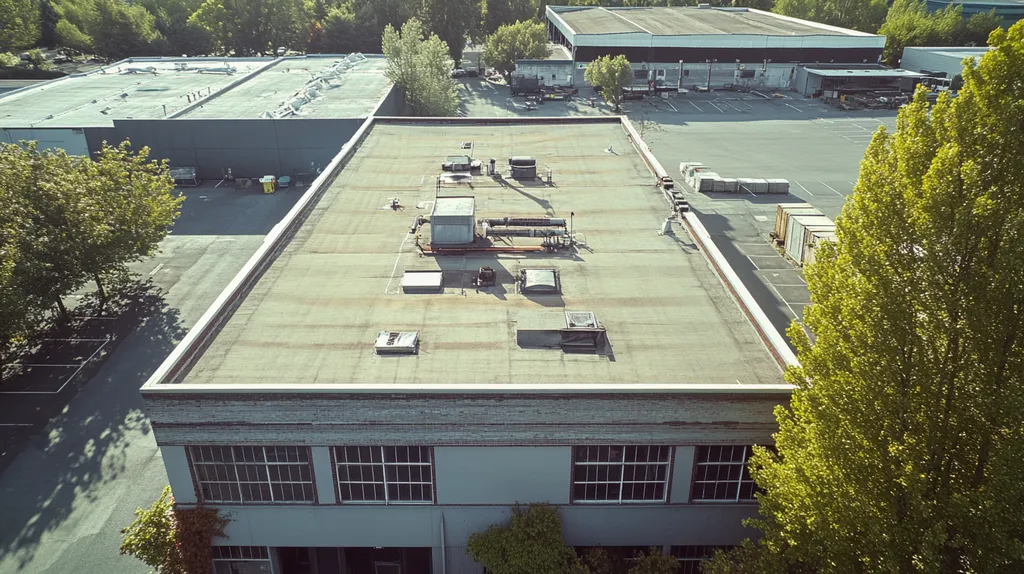
Commercial roof installation failures cost U.S. businesses over $2.5 billion annually, with 75% of these incidents directly linked to non-compliance with essential requirements.
From building codes and material specifications to proper permits and safety protocols, the complexity of commercial roofing demands careful attention to numerous critical factors.
This comprehensive analysis examines common misconceptions, practical implications, and evidence-based solutions that property owners and facility managers must understand to ensure successful, code-compliant roof installations.
SECTION 1: COMMON MISCONCEPTIONS
Installing a commercial roof comes with significant responsibilities, yet many property owners misinterpret fundamental requirements. Astonishingly, approximately 75% of roofing failures are attributed to non-compliance with local building codes. Inadequate understanding of material specifications and oversight of necessary permits can lead to not only financial setbacks but also compromised safety and durability. This section highlights critical misconceptions that could jeopardize the success and longevity of commercial roofing projects.
Ignoring Local Building Codes
Many property owners mistakenly undervalue the importance of adhering to local building codes during roofing installations. These regulations are carefully crafted to ensure both safety and structural integrity, specifically considering the unique climate and environmental conditions of the area.
The repercussions of non-compliance can be severe, including hefty fines and the necessity for costly rework. Local codes dictate not only the materials used but also how they must be installed, promoting a roof’s longevity and performance.
Moreover, disregard for these codes can void warranties from manufacturers, leaving property owners with unexpected repair expenses should any problems arise. Consulting a qualified roofing professional well-versed in local regulations can significantly ease the process of compliance.
In essence, understanding and conforming to local building codes are essential for protecting both the structure and the investment made in the roofing system.
Misunderstanding Roof Material Requirements
A prevalent misconception is the belief that any roofing material will suffice for a project. This notion is not only misleading but can also result in dire consequences.
Different roofing materials possess varying levels of durability, weather resistance, and energy efficiency. For example, a flat roof generally requires a specific membrane type to effectively manage water drainage, unlike a sloped roof, which has different drainage considerations.
Utilizing the wrong materials can lead to premature failures, leaks, and financially burdensome repairs. Collaborating with a roofing expert can provide clarity regarding the most appropriate materials tailored to specific environmental influences.
Ultimately, grasping the distinct material requirements for each roofing project plays a critical role in ensuring the roof meets both budgetary and performance expectations.
Overlooking Necessary Permits
Acquiring the necessary permits for roofing work is often dismissed as an unnecessary step by many property owners. However, neglecting this critical requirement can result in significant complications.
Failure to secure the appropriate permits can halt construction altogether, leading to delays and increased costs. Most jurisdictions implement permit requirements to ensure that roofing work complies with safety and zoning regulations.
Additionally, undertaking unauthorized roofing projects can adversely affect insurance claims and liability coverage in the event of unforeseen accidents. By prioritizing the permit acquisition process, property owners can protect themselves legally and foster a smoother construction experience.
In summary, securing all required permits is paramount for any property undergoing roof installation to avoid future complications.
SECTION 2: PRACTICAL IMPLICATIONS
Neglecting critical requirements during commercial roof installation can lead to severe repercussions. In fact, the National Roofing Contractors Association estimates that poor roof installation is responsible for a staggering 30% of premature failures. Addressing structural integrity, safety concerns, and energy efficiency is pivotal for increasing the lifespan of the roof and ensuring operational success for the building.
Structural Integrity Risks
Overlooking essential installation requirements can significantly jeopardize a roof’s structural integrity. Roofs must be engineered to endure various loads, weather conditions, and thermal shifts. Ignoring these specifications can lead to issues such as sagging, leaks, or even catastrophic collapse, endangering both occupants and property.
For instance, roofs lacking the proper slope may experience water pooling, which accelerates wear and tear on materials. This accumulation can weaken roofing components, resulting in extensive damage that proper adherence to guidelines could have prevented.
Additionally, poorly secured roofing materials are susceptible to wind damage. During storms, inadequately fastened roofs may peel back or detach, creating a significant safety risk and leading to expensive repairs.
Ensuring compliance with structural requirements during installation dramatically reduces risks, prolongs the roof’s lifespan, and protects the overall integrity of the building.
Safety and Liability Concerns
Safety is paramount in any construction endeavor, not least during commercial roof installation. Ignoring safety standards can lead to accidents that endanger both workers and building occupants. According to the Occupational Safety and Health Administration, falls are a leading cause of workplace injuries, especially in the roofing industry.
Furthermore, property owners risk liability issues arising from unsafe conditions. If a contractor fails to follow safety protocols, the owner may be held responsible for accidents occurring on their property, with consequences such as lawsuits and increased insurance rates.
To safeguard both workers and property interests, implementing rigorous safety measures throughout the installation process is essential. Employing accredited contractors and strict compliance protocols can significantly mitigate risks associated with roofing projects.
Thus, ensuring safety during installation is not only a legal obligation but also a sound strategic investment in the property’s long-term health.
Energy Efficiency and Insulation Issues
Disregarding energy efficiency requirements during roof installation can lead to skyrocketing energy bills and uncomfortable indoor environments. A poorly insulated roof permits excessive heat transfer, forcing HVAC systems to operate inefficiently and increasing operational costs.
Research suggests that energy-efficient roofs can reduce cooling costs by up to 30%. Choosing suitable insulation materials that align with the building’s function and local climate is crucial for maximizing these savings.
Beyond financial implications, inadequate insulation can negatively affect indoor air quality and comfort. Buildings with insufficient insulation often face temperature fluctuations, which can lower employee productivity and even contribute to health issues caused by extreme temperatures.
By investing in energy-efficient roofing solutions, property owners not only comply with environmental standards but also increase their asset’s overall value. Proper insulation and energy efficiency considerations should be fundamental components of roofing installation requirements.
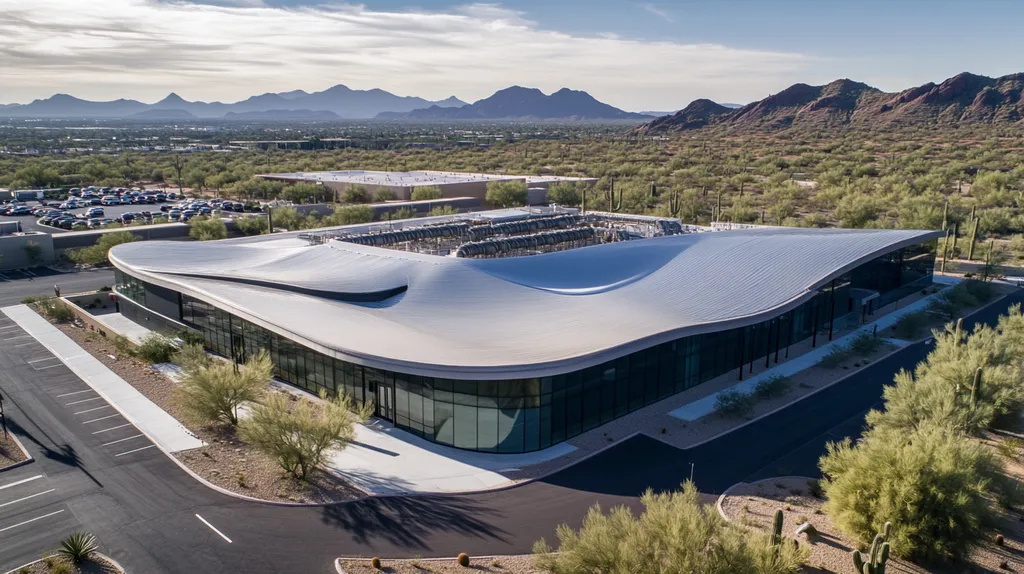
SECTION 3: COST OF MISINFORMATION
Misinformation in commercial roof installation carries significant financial risks for property owners. Misunderstanding building codes can lead to steep fines, while the belief in universal roofing solutions often results in poor choices. These errors not only drive up repair and replacement costs but can also jeopardize long-term investment. It is crucial to grasp the true requirements for roofing installation to avoid these costly pitfalls.
Financial Penalties and Fines
Non-compliance with local building codes can result in severe financial penalties for property owners. Local codes are designed to safeguard both public safety and structural integrity; ignoring them can quickly lead to fines reaching up to $5,000 per violation.
Additionally, improper roofing may spark legal disputes with tenants or neighbors caused by roof failures. These disputes can impose further unexpected costs, negatively impacting property owners’ financial stability.
Moreover, inadequate installations often trigger inspections and necessitate additional certifications to rectify compliance issues, further inflating expenses. Awareness of these potential costs is vital. Taking a proactive stance on compliance not only mitigates risks but also helps preserve financial resources for necessary investment elsewhere.
Increased Maintenance and Repair Costs
Assumptions about roofing materials can lead to significantly increased maintenance expenses. Many property owners erroneously believe that opting for lower-cost materials will lead to savings. In reality, this short-sighted choice may result in frequent repairs that quickly surpass initial cost savings.
For example, roofs installed without proper drainage can lead to water pooling, which accelerates leaks and structural damage. Repairing such issues can entail thousands of dollars, highlighting the financial repercussions of misinformation.
Furthermore, the misconception that all roofing systems possess the same durability can prompt premature wear. Regular, informed maintenance is key, as misinformation can alter the approach to upkeep, inflating long-term financial burdens.
Ultimately, an understanding of the roofing system’s specific needs is crucial to mitigate unexpected repair costs and maintain fiscal responsibility.
Potential for Premature Roof Replacement
Failure to adhere to proper installation guidelines can drastically shorten a roof’s lifespan. Property owners often assume that roofing systems will last as promised, but flawed installations can lead to premature failure, necessitating costly replacements much sooner than anticipated.
For instance, inadequate ventilation can unleash accelerated degradation, disrupting business operations and resulting in repair costs that may reach tens of thousands of dollars.
Moreover, misinformation can drive the decision to replace roofs entirely instead of addressing manageable issues. Often, valuable roof life is lost due to a simple lack of understanding, resulting in unnecessary spending.
By committing to a thorough understanding of installation requirements, property owners can enhance the longevity of their roofs and prevent premature replacement costs. Making informed decisions today fosters better financial outcomes in the future.
SECTION 4: REALITY CHECK
In the realm of commercial roofing, neglecting code specifications can lead to severe financial and safety repercussions. Properties failing to meet local regulations face hefty fines and potential legal challenges. A solid understanding of these requirements is vital to avoid costly mistakes and secure a long-lasting, safe roof.
Understanding Building Code Specifications
Building codes represent critical standards that govern all aspects of roofing installations. Non-compliance can trigger significant penalties and heightened liability for property owners. Local regulations dictate everything from the types of materials to installation methods, ensuring that roofs are both safe and efficient.
It is essential to comprehend these codes for optimal roof performance. Roofs that do not adhere to local standards are more likely to fail under expected weather conditions, possibly resulting in financial and property losses. Therefore, conducting thorough research on local and regional codes is a crucial step before any roofing project.
Moreover, many building codes embed safety and energy efficiency criteria. By following these guidelines, property owners can protect their investments while potentially accessing energy incentives. This not only translates to long-term cost savings but also supports sustainability efforts.
In summary, a deep dive into building code specifications is fundamental to successful roofing projects. Ignoring these guidelines can compromise both the roof’s integrity and the building’s overall safety.
Importance of Proper Roof Design
Effective roof design extends beyond mere aesthetics; it is essential for the longevity and functionality of any commercial building. Inadequate design often leads to water pooling, which can cause leaks and significant structural damage. Furthermore, improper ventilation can result in escalated energy costs, diminishing comfort within the space.
The design must account for necessary load requirements, particularly in regions susceptible to heavy snowfall. Roofs must be engineered to handle additional weight to prevent catastrophic failures that could endanger occupants and damage the structure.
Additionally, integrating robust drainage systems is critical for a roof’s overall performance. Without these systems, water accumulation can lead to the deterioration of roofing materials, necessitating costly repairs down the line. Thoughtful design can effectively mitigate these risks.
Ultimately, prioritizing a well-considered roof design is crucial for achieving an efficient, resilient commercial roofing system. Property owners must emphasize this aspect during the planning phase to circumvent future complications.
Role of Licensed Roofing Contractors
Hiring licensed roofing contractors is essential for navigating the complexities of commercial roof installations. Unlicensed individuals may compromise quality by using inferior materials or craftsmanship, risking long-term performance and safety.
Licensed contractors are well-versed in local building codes and are committed to ensuring compliance throughout the installation. Their expertise diminishes potential risks while enhancing the overall quality of the roofing system. Importantly, contractor errors can void warranties on materials and products, leading to additional financial burdens.
Furthermore, experienced professionals can offer insights into appropriate material selection and design considerations tailored to the specific needs of the building. This expertise ensures that safety and performance standards are consistently met.
In conclusion, engaging licensed roofing contractors significantly boosts the reliability and effectiveness of a commercial roofing project. Property owners must prioritize hiring qualified professionals to protect their investments and achieve successful project outcomes.
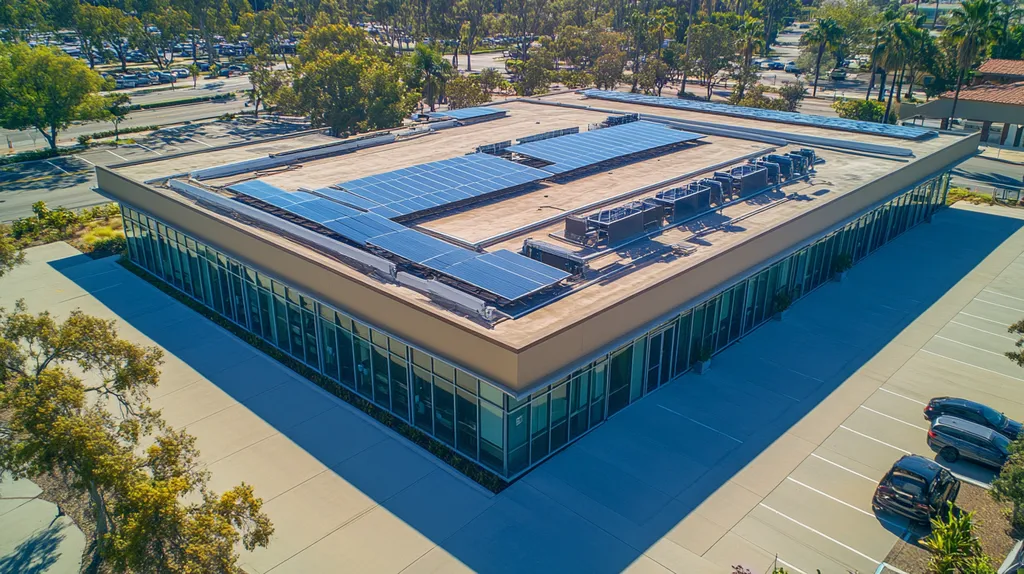
SECTION 5: EVIDENCE-BASED ALTERNATIVES
Making informed decisions about roofing materials is crucial for enhancing a building’s durability and operational efficiency. Neglecting essential factors such as material selection and compliance can lead to expensive repairs and devalued properties. Research indicates that poor roofing choices can result in significant leaks and structural damage, costing property owners thousands of dollars. This section delves into vital alternatives regarding roofing materials, environmental compliance, and maintenance strategies to empower informed decision-making.
Selecting the Right Roofing Materials
The selection of roofing materials directly impacts the lifespan and performance of a commercial roof. Conventional options like asphalt or single-ply systems may not hold up against severe weather conditions. In contrast, advanced materials such as thermoplastic polyolefin (TPO) or built-up roofing (BUR) provide superior durability and energy efficiency.
While high-quality materials may require a higher initial investment, the long-term savings make them worthwhile. TPO roofing, for instance, reflects sunlight, significantly lowering cooling costs and reducing the frequency of repairs. Studies show that a carefully chosen roof can last up to 30 years, exceeding the lifespan of cheaper alternatives.
Additionally, it is vital for property owners to factor in local climate conditions when selecting roofing materials. Reflective roofs prove beneficial in warmer regions, whereas durable membranes may be necessary for areas subject to harsh weather patterns.
Ultimately, a solid understanding of available material options empowers property owners to enhance their structures’ longevity and resilience.
Ensuring Compliance with Environmental Permits
Environmental regulations play an essential role in commercial roofing projects. Ignoring local, state, or federal permit requirements can lead to substantial fines and delays in project timelines. Furthermore, non-compliance can negatively affect property insurance and future resale value.
Property owners should proactively consult local regulations before commencing any roofing work. Some communities mandate specific materials to minimize environmental impact or establish requirements for water runoff and snow load management. These regulations are designed to promote sustainability and protect local ecosystems.
Utilizing compliant materials not only ensures adherence to regulations but can also yield benefits such as tax incentives or grants. Many governmental bodies offer resources for environmentally-friendly roofing installations, making compliance a financially advantageous choice.
By taking a proactive stance on environmental permits, property owners can mitigate future legal challenges and reduce potential financial penalties.
Implementing Regular Maintenance Schedules
Regular maintenance is vital for extending the life of commercial roofing systems. Neglect can lead to unexpected repairs and costly early replacements. Industry recommendations suggest conducting scheduled inspections at least twice annually, especially following severe weather events.
Key maintenance tasks include debris removal, seam and flashing inspections, and gutter cleaning. Research indicates that properties with organized maintenance plans typically experience fewer issues and, as a result, lower operational costs.
Moreover, documenting each inspection offers valuable insights into the roof’s condition over time. This detailed record assists in planning future repairs or replacements and can be advantageous during property transactions.
Ultimately, a commitment to regular maintenance not only enhances the value of a commercial property but also represents a sound investment strategy for building owners.
SECTION 6: TEST AND VERIFY
In the high-stakes world of commercial roofing, neglecting testing and verification steps can lead to expensive mistakes. Industry studies indicate that improper installations are responsible for numerous premature roof failures, costing businesses thousands in repairs and downtime. Thus, pre-installation inspections, compliance checks with regulations, and post-installation quality evaluations are essential for ensuring a durable roof. Overlooking these crucial components puts property owners and facility managers at risk of significant setbacks.
Conducting Pre-Installation Inspections
Before initiating any roofing project, thorough pre-installation inspections are vital. These inspections help identify potential issues with the building’s structure, such as outdated materials or hidden damage, that may compromise the roofing project. Ensuring that the new roof is installed on a solid foundation significantly reduces the risk of future leaks and other failures.
Property owners should engage qualified professionals to conduct these inspections. Expert evaluations can uncover unseen problems, such as inadequate drainage or structural weaknesses, that must be addressed in advance. Recognizing these issues before installation allows for effective planning and budgeting.
Additionally, inspecting the existing roof system, if applicable, can yield valuable insights into the most suitable materials and techniques for a new installation. This proactive measure minimizes the chances of unexpected complications that might delay the project or lead to unexpected costs.
In summary, a thorough pre-installation inspection not only safeguards the investment but also establishes a solid foundation for a successful roofing project.
Verifying Compliance with Local Regulations
Adhering to local building codes and regulations is a non-negotiable requirement for any commercial roofing installation. These regulations are designed to uphold safety, structural integrity, and environmental standards. Property owners need to be aware of the specific codes relevant to their location, as non-compliance can result in legal and financial repercussions.
Different regions may impose specific requirements regarding the types of materials, energy efficiency standards, and even aesthetic considerations for roofs. For example, certain municipalities may mandate reflective roofing materials to lower energy costs. Ignoring these requirements can lead to enforcement actions, fines, or even the need to entirely redo the project.
Collaborating with knowledgeable contractors can streamline the process of navigating local regulations. These professionals can guide property owners on the necessary permits and inspections required prior to the start of the roofing project. Such a proactive approach significantly mitigates disruptions and potential penalties.
Ultimately, verifying compliance with local regulations is not just an obligation; it serves as a cornerstone for a successful roofing installation.
Performing Post-Installation Quality Checks
The completion of a roofing installation does not signal the end of responsibility; post-installation quality checks are crucial for long-term success. These checks evaluate whether the roof system has been installed according to industry standards and manufacturer specifications. A thorough examination helps to identify any deficiencies or issues that could result in future problems.
During these inspections, roofing professionals must review critical components such as seams, flashing, and drainage systems. Each element plays a pivotal role in the overall integrity and performance of the roof. Detecting issues early can prevent small problems from escalating into costly repairs.
Moreover, documenting the inspection and providing property owners with a comprehensive report creates a record of the installation quality. This documentation can be invaluable for future warranty claims and any renovations or repairs. Without proper records, property owners may encounter difficulties proving compliance or attributing faults to manufacturer errors in case of a subsequent failure.
In conclusion, conducting post-installation quality checks not only provides peace of mind but also enhances the longevity and reliability of the new roof, thereby increasing the building’s overall value.
The Bottom Line
With commercial roofing failures costing businesses over $2.5 billion annually, property owners cannot afford to overlook essential installation requirements.
The consequences of non-compliance extend far beyond immediate financial penalties, potentially compromising structural integrity, occupant safety, and long-term property value.
Building codes, material specifications, and proper permits form the foundation of successful commercial roofing projects, while regular inspections and maintenance ensure sustained performance.
By partnering with licensed contractors, adhering to local regulations, and implementing thorough quality control measures, property owners can protect their investment and avoid the costly pitfalls of improper installation.
The path to a reliable commercial roof lies in understanding and following these critical requirements, ultimately safeguarding both the building and its occupants for decades to come.
FREQUENTLY ASKED QUESTIONS
Q. What are the misconceptions about commercial roof installation?
A. Common misconceptions include underestimating the importance of local building codes and ignoring necessary permits. Many property owners mistakenly believe any roofing material suffices, which can lead to costly failures. Understanding these crucial components is essential for a successful installation and long-term roof performance.
Q. What are the risks of neglecting commercial roof installation requirements?
A. Neglecting requirements can endanger structural integrity, leading to sagging, leaks, or even roof collapse. Additionally, non-compliance with safety standards increases liability risks for property owners. Prioritizing proper installation practices significantly reduces these risks and enhances roof longevity.
Q. What financial penalties arise from misinformation about commercial roofs?
A. Non-compliance with local building codes can lead to fines up to $5,000 per violation. Legal disputes resulting from roof failures can incur additional costs, stressing the importance of understanding the true requirements for roofing installations to avoid these financial penalties.
Q. How important is it to understand building code specifications for commercial roofs?
A. Understanding building code specifications is vital for ensuring compliance with safety and structural integrity. Non-compliance could trigger significant penalties and increase liability risks. Review local codes thoroughly before initiating roofing projects to protect your investment and meet necessary standards.
Q. What benefits do high-quality roofing materials provide?
A. High-quality roofing materials enhance durability and energy efficiency, potentially extending the roof’s lifespan significantly. Although they may require a higher initial investment, the long-term savings from reduced repairs and energy costs make them a worthwhile choice for property owners.
Q. Why is testing and verification important in roof installations?
A. Testing and verification steps help identify potential issues before, during, and after installation. They ensure compliance with regulations and industry standards, significantly reducing the risk of expensive and unexpected repairs for property owners.
Q. How often should commercial roofs undergo maintenance?
A. Commercial roofs should be inspected at least twice annually, especially after severe weather. Regular maintenance can significantly reduce unexpected repairs and extend the roof’s lifespan. An organized maintenance plan ensures building safety and lowers long-term operational costs.






