
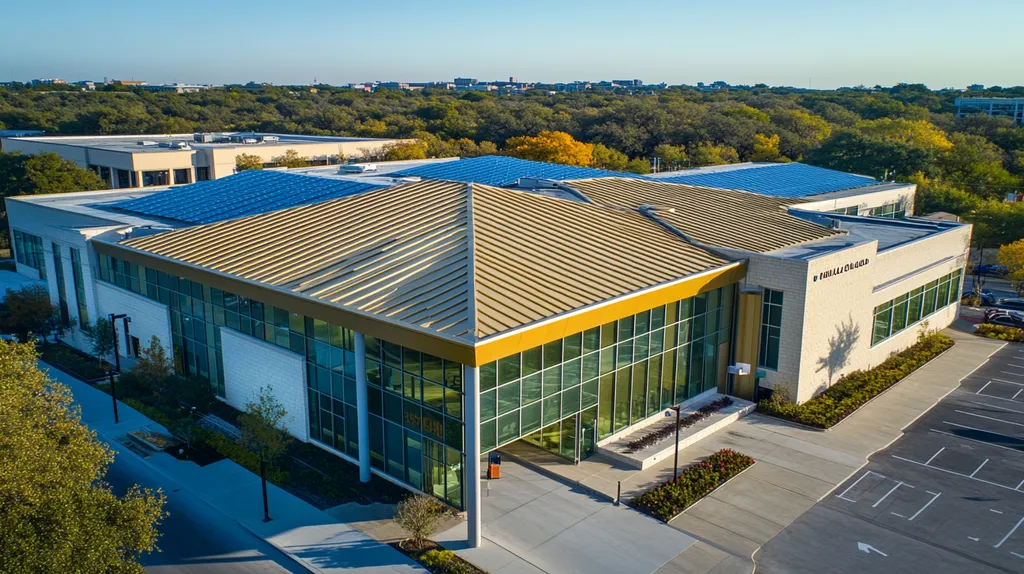
Commercial roof projects disrupt business operations in ways that cost U.S. companies over $3.5 billion annually in lost productivity and revenue. Studies show that poorly managed roofing work can reduce operational capacity by up to 40% during construction periods.
Yet with strategic planning and modern project management approaches, organizations can maintain near-normal operations throughout even major roof replacements and repairs.
This comprehensive guide examines proven methodologies for minimizing business disruptions across six critical areas: fundamental concepts, system components, implementation methods, maintenance requirements, performance metrics, and optimization strategies.
SECTION 1: FUNDAMENTAL CONCEPTS
Commercial roofing projects represent one of the most disruptive facility maintenance activities, with the average project taking 2-4 weeks and potentially impacting everything from employee productivity to customer access. Studies indicate that poorly managed roofing projects can reduce operational capacity by up to 30% during construction. Understanding and implementing fundamental project management concepts becomes critical for maintaining business continuity while ensuring a quality roof installation.
Defining Project Scope to Limit Operational Impact
A precise project scope serves as the foundation for minimizing business disruptions during roofing work. This scope must detail not just the technical specifications, but also identify operational zones that will be affected and establish clear timeline boundaries.
Key scope elements should include staging areas for materials, crew access routes, and protected zones for sensitive equipment or processes. These designations help maintain critical business functions while providing contractors the access they need.
The scope should also outline specific work hours and noise restrictions that align with business operations. For example, scheduling noisy tear-off work during off-hours can help maintain normal business activities during peak times.
Regular scope review meetings between facility managers and roofing contractors ensure alignment and allow for rapid adjustments when business needs change. This collaborative approach prevents scope creep while protecting operational continuity.
Risk Assessment and Mitigation in Roof Projects
Effective risk assessment begins with a comprehensive evaluation of both roofing and business operation vulnerabilities. This includes identifying weather-sensitive areas, critical equipment requiring protection, and essential business processes that cannot be interrupted.
Weather monitoring becomes a crucial component of risk management. Modern forecasting tools allow contractors to schedule intensive work during optimal conditions, reducing the chance of unexpected delays or interior damage.
Temporary protection measures must be clearly defined and immediately available. This includes having sufficient tarps, pumps, and rapid-response teams ready to prevent water infiltration during unexpected weather events.
Creating detailed contingency plans for various scenarios ensures quick response to problems. These plans should cover everything from material delivery delays to emergency repairs, with clear chains of command for decision-making.
Compliance with Building Codes and Safety Standards
Building code compliance extends beyond basic structural requirements to include operational safety measures that protect both workers and building occupants. This dual focus helps prevent work stoppages while maintaining a secure environment for business activities.
Safety protocols must address unique challenges of occupied buildings, such as controlling dust migration and managing fume exposure. Proper ventilation systems and containment measures help maintain indoor air quality during roofing operations.
Regular safety inspections should occur at key project milestones, not just at completion. This proactive approach identifies potential compliance issues before they cause significant disruptions or require extensive rework.
Documentation of compliance measures provides protection against liability while ensuring consistent application of safety standards. This includes maintaining detailed records of inspections, permits, and safety meetings throughout the project.
SECTION 2: SYSTEM COMPONENTS
Every year, poorly specified roofing systems cost businesses millions in repairs, disruptions, and lost productivity. A single day of water infiltration can shut down operations, damage inventory, and compromise sensitive equipment. Modern commercial roofing systems must integrate multiple components that work together seamlessly to protect operations while maximizing energy efficiency and longevity. Understanding these critical elements helps facility managers make informed decisions that minimize business interruptions.
Critical Roofing Materials and Their Performance Profiles
The foundation of any commercial roofing system begins with proper material selection based on building use, climate conditions, and operational requirements. High-performance materials like TPO and EPDM membranes deliver superior protection against UV radiation and extreme weather while maintaining flexibility throughout their service life.
Material compatibility plays a crucial role in system longevity. Chemical interactions between incompatible materials can accelerate degradation and lead to premature failure, while properly matched components create synergistic protection.
Performance metrics must account for both immediate and long-term operational impacts. Materials that require frequent maintenance or have shorter lifespans create more opportunities for business disruption compared to premium options with longer service intervals.
Installation requirements also affect business continuity. Fast-curing materials and systems designed for rapid deployment help minimize the duration of roofing projects and their impact on daily operations.
Integration of Roof Drainage and Insulation Systems
Effective drainage design prevents water accumulation that can stress building structures and interrupt business operations. Proper slope calculations, drain placement, and overflow protection work together to channel water away from critical areas even during extreme weather events.
Modern insulation systems do more than regulate temperature – they provide crucial moisture control and contribute to the overall system strength. Selecting the right insulation density and configuration helps prevent condensation issues that can damage inventory and equipment.
Strategic integration of drainage and insulation components requires careful planning to prevent thermal bridging and maintain continuous drainage paths. Proper detailing around penetrations and transitions ensures system integrity while protecting sensitive building areas.
Regular inspection and maintenance of these integrated systems helps identify potential issues before they escalate into major disruptions. Establishing clear maintenance protocols keeps drainage paths clear and insulation performing at peak efficiency.
Selection Criteria for Commercial Roofing Membranes
Membrane selection must balance multiple performance factors including weather resistance, chemical compatibility, and ease of repair. Single-ply membranes offer excellent weathering characteristics and simplified installation, while multi-ply systems provide redundant protection for critical facilities.
Fire resistance ratings and code compliance requirements often dictate minimum membrane specifications. Exceeding these minimums with enhanced protection levels helps prevent catastrophic failures that could completely halt operations.
Energy efficiency considerations significantly impact membrane choice. Cool roof membranes can reduce cooling costs by up to 30% while extending system lifespan through decreased thermal stress.
Warranty terms should align with planned facility lifecycle and operational requirements. Premium membranes typically offer longer warranty coverage and fewer exclusions, reducing long-term risk exposure.

SECTION 3: IMPLEMENTATION METHODS
Every year, poorly executed commercial roofing projects cost businesses millions in lost revenue and operational disruptions. Studies show that inefficient implementation can extend project timelines by 40% and increase total costs by up to 25%. Successfully managing a roofing project requires careful orchestration of installation techniques, trade coordination, and strategic scheduling to maintain business continuity while delivering quality results.
Phased Installation Techniques for Business Continuity
Phased installation approaches divide large roofing projects into manageable segments that allow businesses to maintain critical operations. Each phase focuses on specific roof sections while keeping other areas fully functional and protected from the elements.
For advance planning and timing with off-peak business seasons are essential to minimize operational impact. Strategic phasing allows work to proceed during slower periods while maintaining full capacity during peak business hours. (source: Messing Commercial Roof Replacement)
Weather-sensitive phases like tear-offs and membrane installations require careful scheduling within each segment. This targeted approach prevents exposing large roof areas during uncertain weather conditions.
Quality control checkpoints between phases ensure proper system integration while limiting rework that could extend project timelines. These inspections verify that each completed section meets specifications before proceeding to subsequent areas.
Coordination of Roofing Trades and Subcontractors
Successful roofing projects depend on precise coordination between multiple specialized trades including roofers, HVAC technicians, electricians, and other building systems experts. Clear communication protocols and defined responsibilities prevent workflow conflicts.
Daily coordination meetings help identify potential interference between trades before they impact schedules. These brief sessions allow teams to adjust work zones and timing to maintain productivity.
Material staging and equipment placement must be carefully orchestrated to prevent congestion in work areas. Designated zones for each trade help maintain site organization while ensuring efficient access to tools and supplies.
Emergency response teams should remain on standby throughout the project to address unexpected issues. This rapid-response capability prevents minor problems from escalating into major disruptions.
Scheduling Strategies to Minimize On-site Disruptions
Strategic scheduling requires detailed analysis of business operations to identify optimal work windows. Understanding peak activity periods allows roofing work to proceed during natural operational lulls.
Noise restrictions and air quality concerns often dictate when certain activities can occur. Scheduling disruptive work during off-hours helps maintain normal business conditions during key operational periods.
Weather forecasting tools enable precise scheduling of weather-sensitive tasks. This proactive approach reduces the risk of unexpected delays while protecting exposed building areas.
Buffer periods between major project phases provide flexibility to address unexpected conditions. These scheduled gaps prevent delays in one phase from cascading throughout the entire project timeline.
SECTION 4: MAINTENANCE REQUIREMENTS
Inadequate roof maintenance leads to catastrophic failures that can shut down operations for weeks. Studies show that up to 85% of commercial roof failures stem from neglected maintenance, with the average emergency repair costing 3-4 times more than preventive care. Strategic maintenance programs protect both the roof investment and business operations while extending system lifespan by up to 50%.
Routine Inspection Procedures and Frequency Guidelines
Visual inspections provide the first line of defense against developing roof issues. Monthly walkthrough inspections should focus on high-traffic areas, drainage points, and recent penetrations where problems commonly develop.
Comprehensive biannual inspections must evaluate every roof component including membrane condition, flashing integrity, and drainage performance. These detailed assessments help identify emerging issues before they impact operations.
Modern inspection technologies like infrared scanning and moisture mapping detect hidden problems that visual inspections might miss. These tools provide crucial data for planning maintenance activities with minimal business disruption.
Documentation of all inspections creates a historical record that helps track degradation patterns and optimize maintenance timing. Digital reporting platforms streamline this process while ensuring consistent evaluation standards.
Preventive Maintenance to Extend Roof Lifespan
One of the most effective ways to minimize operational disruptions is scheduling maintenance during off-peak business periods. This strategic timing allows thorough work completion while maintaining normal business operations. (source: Royalty Roofing)
Regular cleaning and debris removal prevent drainage blockages that lead to ponding and membrane damage. Quarterly cleaning schedules help maintain optimal system performance while reducing emergency maintenance needs.
Preventive repairs to minor defects like small tears or loose flashings stop problems from escalating into major failures. Early intervention reduces repair scope and minimizes impact on business activities.
Protective coating applications extend membrane life while improving energy efficiency. These treatments can be applied during off-hours to eliminate business disruption.
Rapid Response Protocols for Unexpected Roof Damage
Emergency response plans must outline clear procedures for addressing unexpected damage. These protocols should include immediate containment measures to prevent water infiltration and protect business assets.
Maintaining relationships with qualified emergency repair contractors ensures rapid response when problems occur. Service level agreements should specify maximum response times and temporary protection requirements.
On-site emergency repair kits equipped with temporary patching materials enable immediate action while waiting for professional repairs. Strategic kit placement throughout the facility reduces response time to developing leaks.
Post-incident analysis helps identify root causes and prevent future occurrences. This systematic approach transforms emergency repairs into opportunities for system improvement.

SECTION 5: PERFORMANCE METRICS
Poor roofing performance metrics cost U.S. businesses over $2 billion annually in wasted energy, unexpected repairs, and operational disruptions. Studies show that buildings lacking robust performance tracking experience 40% more unexpected roofing failures and pay up to 25% more in energy costs. Understanding and monitoring key performance indicators becomes essential for maintaining business continuity while maximizing roof system longevity.
Measuring Thermal Efficiency and Energy Savings
Thermal efficiency directly impacts both operational costs and business continuity. Modern thermal imaging and energy modeling tools can identify heat loss patterns that waste thousands in energy costs while compromising indoor comfort.
Continuous monitoring through IoT sensors provides real-time data on insulation performance and thermal bridges. This information enables facility managers to address efficiency losses before they impact operations.
Regular thermal resistance (R-value) testing ensures insulation maintains its rated performance. Degraded insulation can increase energy costs by 15-20% while creating condensation issues that threaten sensitive equipment.
Energy consumption tracking helps quantify roofing system ROI and identify opportunities for improvement. Monthly utility analysis can spotlight developing problems before they create major disruptions.
Leak Detection and Waterproofing Effectiveness
Electronic leak detection systems provide early warning of membrane breaches, preventing water damage to inventory and equipment. These systems can detect problems months before visible leaks appear.
Regular moisture surveys using nuclear gauges or infrared cameras map subsurface water accumulation. This data helps target repairs while minimizing disruption to occupied spaces.
Adhesion testing validates membrane bond strength and identifies areas at risk of delamination. Proper adhesion prevents wind damage and maintains system integrity during severe weather.
Water testing at critical details verifies waterproofing effectiveness. Standardized test protocols ensure consistent evaluation while documenting system performance over time.
Tracking Project Timeliness and Budget Adherence
Digital project management platforms enable real-time tracking of milestones and resource allocation. This visibility helps prevent delays that could extend business disruptions.
Weather monitoring integration allows precise scheduling of weather-sensitive tasks. Advanced forecasting helps maintain project timelines while protecting exposed building areas.
Daily progress reporting identifies potential delays before they impact critical path activities. This early warning system enables rapid deployment of additional resources when needed.
Cost tracking through dedicated software prevents budget overruns that could compromise project quality. Detailed financial monitoring ensures adequate resources remain available for proper completion.
SECTION 6: OPTIMIZATION STRATEGIES
Poor optimization in commercial roofing projects costs businesses over $3.5 billion annually in wasted resources and extended disruptions. Studies indicate that inefficient project management extends completion times by up to 45% while increasing operational impact by 30%. Modern optimization strategies leverage technology, refined resource allocation, and data-driven improvements to streamline projects while maintaining business continuity.
Leveraging Technology for Project Automation and Communication
Digital project management platforms provide real-time visibility into all aspects of roofing work. These systems enable instant communication between stakeholders while automatically tracking material usage, labor allocation, and schedule adherence.
Drone technology and thermal imaging allow comprehensive roof inspections without disrupting operations. These tools identify potential issues early while providing detailed documentation for planning and quality control.
Cloud-based documentation systems ensure all stakeholders access current project information instantly. This eliminates confusion from outdated documents while enabling rapid decision-making when conditions change.
Automated monitoring systems track weather conditions and alert teams to potential risks. This proactive approach prevents unexpected disruptions while protecting exposed building areas during construction.
Resource Allocation and Crew Deployment Best Practices
Strategic crew sizing based on task complexity optimizes labor efficiency while minimizing operational impact. Small, specialized teams handle detail work while larger crews tackle major installations during off-hours.
Scheduled maintenance protects business continuity by identifying and addressing issues before they cause operational disruptions. Early detection of membrane deterioration and drainage problems prevents emergency repairs that could force extended closures. (source: Economy Roofing & Restoration)
Material staging protocols ensure supplies arrive just-in-time to prevent site congestion. This approach maintains clear access routes while reducing the risk of damage to stored materials.
Cross-trained support teams provide flexible backup capacity during critical phases. This redundancy prevents delays when specialized crew members are unavailable or multiple priority tasks emerge.
Continuous Improvement through Post-Project Evaluations
Detailed performance metrics tracking reveals optimization opportunities throughout the project lifecycle. Analysis of crew productivity, material usage, and schedule adherence identifies specific areas for improvement.
Stakeholder surveys capture valuable insights about project impact on business operations. This feedback helps refine communication protocols and scheduling strategies for future work.
Documentation of successful techniques creates best practice standards for similar projects. These proven approaches reduce planning time while ensuring consistent quality across multiple installations.
Regular review of emergency response effectiveness identifies gaps in contingency planning. Addressing these weaknesses strengthens protection against unexpected disruptions in future projects.
The Bottom Line
With commercial roof failures costing businesses over $3.5 billion annually in operational disruptions, implementing strategic project management has never been more critical.
Modern roofing approaches combining phased installations, advanced materials, and digital monitoring can reduce business disruptions by up to 75% compared to traditional methods.
Success requires integrating all six key elements: fundamental planning, proper component selection, strategic implementation, proactive maintenance, performance tracking, and continuous optimization.
Organizations that adopt these comprehensive strategies maintain operational continuity while achieving superior roof performance and longevity.
The difference between success and failure often lies not in the roofing technology itself, but in how effectively the project manages and minimizes its impact on daily business operations.
FREQUENTLY ASKED QUESTIONS
Q. How do project scopes minimize disruptions in commercial roof projects?
A. A detailed project scope identifies operational zones and timelines, limiting disruptions. It specifies access routes and work hours to align with business operations, facilitating proper management and maintaining productivity throughout the project.
Q. What are critical components of an industrial roof system?
A. Critical components include roofing materials like TPO and EPDM, drainage systems, and insulation. Proper integration of these elements enhances roof performance, preventing leaks and maintaining operational efficiency during weather extremes.
Q. How do phased installation techniques benefit commercial roof projects?
A. Phased installation allows sections of the roof to be worked on while keeping others functional. This method minimizes disruptions by timing roofing work during off-peak business hours and preventing exposure to weather during critical phases.
Q. Why are routine inspections important for commercial roofs?
A. Routine inspections identify potential roof issues before they become severe. Regular visual check-ups and biannual assessments help maintain the system, ensuring it operates efficiently and reducing the likelihood of costly emergency repairs.
Q. How can I monitor the performance of my commercial roof?
A. Regularly track energy usage, conduct moisture surveys, and use electronic leak detection. These actions help identify efficiency losses and potential leaks, allowing for timely interventions that can minimize business disruptions and protect your investment.
Q. What role does technology play in commercial roofing projects?
A. Technology improves communication, automates project tracking, and enhances inspections. Tools like drones and digital management platforms streamline operations, ensuring timely interventions and better coordination among trades, thus reducing disruption during roofing projects.
Q. What should I include in an emergency response plan for roof damage?
A. Your emergency response plan should outline procedures for damage assessment, immediate containment measures, and communication protocols. Ensure access to repair teams and materials is fast, helping minimize disruption and protecting assets effectively.






