

Welcome to today’s Battle Royale featuring two roofing heavyweights: “Thermal Imaging” in the east corner versus “Regular Inspections” in the west!
Tonight’s showdown pits these contenders against each other across six punishing rounds designed to test every aspect of their performance for Maintenance Plan for Industrial Roofs.
At stake? Millions in potential costs, decades of building protection, and the critical performance demands of modern commercial and industrial facilities.
Our professional judging panel will evaluate each round on technical merit, real-world performance, and value delivery. After all six rounds, we’ll declare our ultimate champion.
Ladies and gentlemen, facility managers and building owners… it’s time to rumble!
ROUND 1: INITIAL COSTS & INSTALLATION
Industrial roofing decisions carry massive financial implications, with the wrong choice potentially leading to hundreds of thousands in unexpected repairs. Today’s facility managers face increasing pressure to maximize roof longevity while minimizing maintenance costs. Understanding the true costs and complexities of different inspection methods has become crucial for protecting these vital assets.
Material Expenses
Understanding the different types of commercial roofs and roofing materials is essential for developing an effective maintenance strategy that maximizes return on investment. Regular inspections after significant weather events help identify potential issues before they become costly repairs. (source: Xenia)
Traditional visual inspections often lead to reactive material purchases, focusing on immediate fixes rather than long-term solutions. This approach can result in a patchwork of repairs using varying material qualities and types.
Thermal imaging enables precise identification of problem areas, allowing for targeted material selection and more accurate quantity estimation. This precision helps prevent over-purchasing while ensuring the right materials are used for each specific issue.
When comparing overall material costs, thermal imaging demonstrates an ADVANTAGE through its ability to optimize material selection and reduce waste.
Installation Complexity
Installation complexity directly impacts both immediate costs and long-term performance. The challenge lies in accurately assessing existing conditions to plan appropriate installation procedures.
Traditional inspection methods rely heavily on visual assessment and physical probing, which can miss underlying issues that complicate installation. This uncertainty often leads to mid-project changes and extended timelines.
Thermal imaging provides detailed subsurface information before work begins, enabling more precise planning and fewer surprises during installation. This technology helps identify exact problem areas and their extent, streamlining the installation process.
Thermal imaging shows a clear ADVANTAGE in reducing installation complexity through superior diagnostic capabilities.
Project Timeline
Project timelines significantly impact both direct costs and operational disruptions. Every day of roofing work can mean potential interference with normal business operations.
Conventional inspections often require multiple visits to fully assess conditions, leading to extended planning phases. The discovery of hidden issues during work frequently causes timeline extensions.
Thermal imaging accelerates the assessment phase by providing comprehensive data in a single scan. This efficiency carries through to execution, as work crews can precisely target problem areas without unnecessary exploration.
The speed and accuracy of thermal imaging create another ADVANTAGE in minimizing project duration and maintaining predictable timelines.
ROUND 1 WINNER: THERMAL IMAGING
ROUND 2: DURABILITY & LIFESPAN
Industrial roof failures can cascade into catastrophic business disruptions, with water damage alone causing millions in equipment losses and operational downtime. Modern facility managers must navigate an increasingly complex landscape of maintenance technologies and methodologies to protect these critical assets. The stakes are particularly high for facilities housing sensitive equipment or processes where even minor leaks can trigger major consequences.
Material Integrity and Aging Detection
A well-defined proactive roofing maintenance plan can significantly extend roof performance and service life, with proper maintenance reducing total ownership costs. Regular inspections, conducted at least twice annually, help identify potential issues before they escalate into major problems. (source: Facility Executive)
Traditional visual inspections rely heavily on surface-level observations, often missing subsurface deterioration until visible damage appears. This limitation can lead to unexpected failures between inspection cycles, particularly in areas where water infiltration remains hidden.
Thermal imaging technology detects temperature variations that indicate moisture intrusion, insulation failures, and material degradation long before visible signs appear. This capability enables facility managers to address developing issues at their earliest stages.
For material integrity assessment, thermal imaging shows a clear ADVANTAGE through its ability to detect hidden problems before they compromise roof performance.
Longevity Based on Maintenance Frequency
The frequency and thoroughness of maintenance directly impact roof system longevity. Traditional inspection methods typically schedule maintenance based on calendar intervals or visible damage, potentially missing critical intervention windows.
Regular visual inspections face practical limitations including weather conditions, time constraints, and access difficulties. These factors can lead to inconsistent assessment quality and missed problem areas.
Thermal imaging enables rapid, comprehensive evaluations regardless of daylight or surface conditions. This technology allows for more frequent assessments without increasing labor costs or disrupting facility operations.
In maintenance frequency optimization, thermal imaging demonstrates an ADVANTAGE through superior monitoring capabilities and reduced inspection constraints.
Cost Implications for Long-Term Success
Long-term roofing costs extend far beyond initial maintenance investments. Traditional inspection programs often struggle to justify preventive measures, leading to deferred maintenance and accelerated deterioration.
Visual inspection methods rely heavily on inspector experience and judgment, introducing variability in problem identification and treatment recommendations. This inconsistency can result in unnecessary repairs or missed opportunities for preventive action.
Thermal imaging provides objective data for maintenance decision-making, helping facility managers allocate resources more effectively. The technology’s ability to detect problems early typically results in smaller, less expensive repairs.
For long-term cost management, thermal imaging shows an ADVANTAGE through improved problem detection and more efficient resource allocation.
ROUND 2 WINNER: THERMAL IMAGING
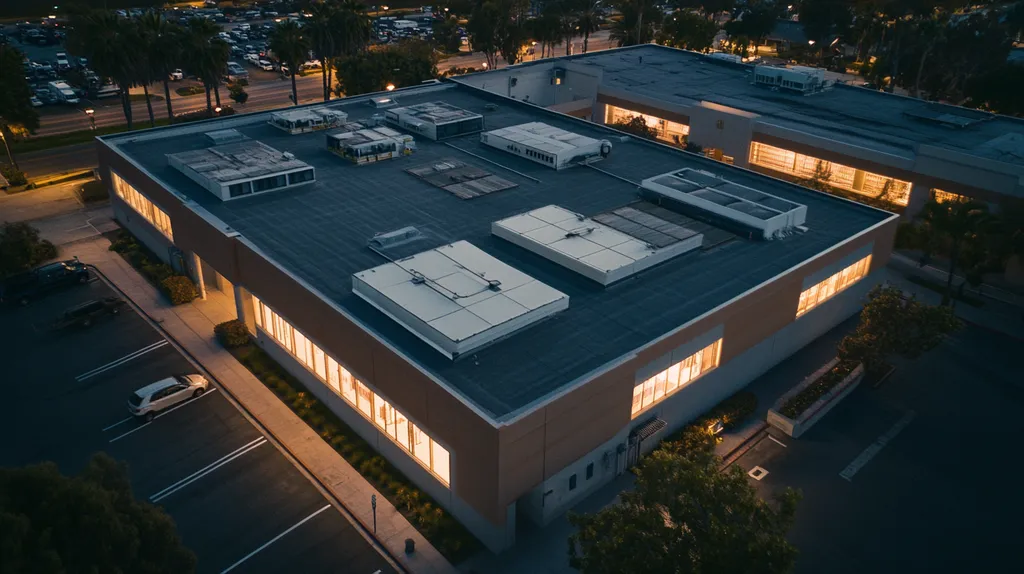
ROUND 3: PERFORMANCE FACTORS
Industrial roofing performance can make or break facility operations, with even minor issues potentially escalating into catastrophic failures. Recent data shows that undetected roof problems lead to over $1 billion in annual repair costs across the industrial sector. Modern facility managers must balance traditional inspection methods with emerging technologies to protect these crucial assets.
Thermal Imaging Effectiveness
Thermal imaging technology revolutionizes how we detect and diagnose roofing issues before they become visible problems. The technology identifies temperature variations that signal moisture infiltration, insulation breakdown, and structural compromises long before traditional methods could spot them.
The precision of thermal imaging allows facility managers to create detailed condition maps of their entire roofing system. This comprehensive view enables targeted repairs and maintenance, preventing small issues from developing into major failures.
Advanced imaging capabilities also help track performance changes over time, creating a historical record of roof condition. This data-driven approach enables predictive maintenance strategies that extend roof life and reduce emergency repairs.
When evaluating detection capabilities, thermal imaging shows a clear ADVANTAGE through its ability to identify issues before they become visible problems.
Regular Inspections Reliability
The NRCA recommends building managers inspect their roof systems at least twice per year, preferably in the spring and fall, with additional inspections after major weather events. Regular maintenance should include removing debris, unclogging gutters and drains, and addressing standing water issues promptly. (source: SFS USA)
Traditional visual inspections rely heavily on the expertise of individual inspectors. This human element introduces variability in assessment quality and consistency across different inspection cycles.
Weather conditions and accessibility issues can limit the effectiveness of regular inspections. Poor lighting, wet conditions, or safety concerns may prevent thorough examination of all roof areas.
For reliability assessment, regular inspections show limitations compared to technology-driven solutions, giving thermal imaging another ADVANTAGE.
Cost vs. Benefit Analysis
The financial implications of different performance monitoring approaches extend far beyond initial implementation costs. Making the wrong choice can lead to premature roof failure and extensive repair expenses.
Traditional inspection programs typically cost less upfront but may miss developing problems that lead to expensive emergency repairs. These unexpected issues often occur between scheduled inspections, causing operational disruptions.
While thermal imaging systems require higher initial investment, they typically reduce long-term maintenance costs through early problem detection. The technology’s ability to prevent major failures often delivers substantial return on investment.
In analyzing cost versus benefit, thermal imaging demonstrates an ADVANTAGE through superior long-term value and risk reduction.
ROUND 3 WINNER: THERMAL IMAGING
ROUND 4: MAINTENANCE REQUIREMENTS
Industrial roof maintenance failures cost facility owners billions annually in preventable damage, with inadequate inspection protocols being the primary culprit. Modern facilities face increasing pressure to maximize roof performance while minimizing maintenance expenses. The stakes are particularly high for operations housing sensitive equipment or processes, where even minor leaks can cascade into major operational disruptions.
Understanding Maintenance Frequency and Depth
The NRCA recommends building managers inspect their roof systems at least twice per year, preferably in the spring and fall, with additional inspections after major weather events. Regular maintenance should include removing debris, unclogging gutters and drains, and addressing standing water issues promptly. (source: SFS USA)
Traditional visual inspections often struggle with consistency and thoroughness, particularly in detecting subsurface issues. Weather conditions, accessibility challenges, and inspector fatigue can compromise inspection quality, leading to missed problems that compound over time.
Thermal imaging systems enable comprehensive evaluations regardless of lighting conditions or surface accessibility. This technology provides consistent, objective data about roof conditions, allowing for more reliable tracking of developing issues.
For maintenance depth and reliability, thermal imaging demonstrates a clear ADVANTAGE through superior detection capabilities and consistency.
Cost-Effectiveness of Maintenance Options
Maintenance costs extend far beyond the immediate expense of inspections and repairs. Hidden problems that escape detection during routine visual inspections often develop into major failures requiring emergency repairs.
Traditional inspection programs typically cost less initially but face significant limitations in problem detection. These limitations frequently result in reactive maintenance scenarios that drive up long-term expenses.
Thermal imaging technology enables precise problem identification before issues escalate into costly repairs. This proactive capability helps facilities optimize maintenance budgets and prevent unexpected expenses.
In analyzing long-term cost-effectiveness, thermal imaging shows an ADVANTAGE through superior problem prevention and budget optimization.
Safety and Risk Management Considerations
Maintenance safety directly impacts both personnel wellbeing and facility liability exposure. Traditional inspection methods often require extensive roof access, increasing fall risks and exposure to hazardous conditions.
Visual inspections frequently necessitate multiple site visits and physical probing of suspected problem areas. This increased exposure to potential hazards creates additional liability concerns for facility managers.
Thermal imaging allows for comprehensive roof evaluation from safe locations, minimizing personnel exposure to heights and other risks. The technology’s non-invasive nature reduces both immediate safety concerns and long-term liability issues.
For safety and risk management, thermal imaging demonstrates another ADVANTAGE through reduced personnel exposure and enhanced inspection safety.
ROUND 4 WINNER: THERMAL IMAGING
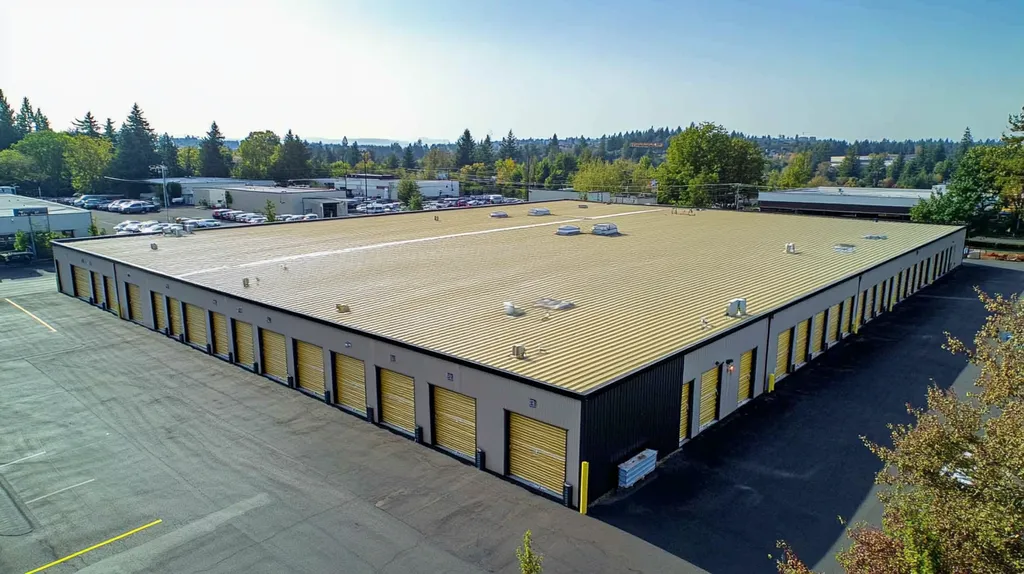
ROUND 5: SUSTAINABILITY CREDENTIALS
Industrial roofing decisions now carry unprecedented environmental implications, with inefficient systems contributing significantly to urban heat islands and energy waste. Recent studies show commercial buildings account for nearly 35% of all energy consumption in developed nations, with roof performance being a critical factor. As regulations tighten and sustainability becomes a business imperative, facility managers must evaluate their roof maintenance strategies through an environmental lens.
Environmental Impact
A comprehensive roofing maintenance plan is crucial for preserving system integrity while minimizing environmental impact. Regular inspections, maintenance schedules, and proper documentation form the foundation of sustainable roofing practices. (source: Xenia Team)
Traditional visual inspections often miss subtle energy efficiency issues, leading to increased carbon footprints through excessive heating and cooling losses. These methods typically require multiple site visits, generating additional vehicle emissions and resource consumption.
Thermal imaging technology enables comprehensive energy audits that identify heat loss and insulation gaps with precision. This capability allows facility managers to optimize building envelope performance while minimizing inspection-related emissions.
For environmental impact reduction, thermal imaging shows a clear ADVANTAGE through superior efficiency assessment capabilities.
Material Longevity
Sustainable roofing practices require maximizing material lifespan while minimizing waste. Current estimates suggest premature roof replacement accounts for millions of tons of landfill waste annually.
Regular visual inspections often lead to unnecessary material replacement due to inability to accurately assess remaining useful life. This conservative approach results in serviceable materials being discarded prematurely.
Thermal imaging provides precise degradation mapping that enables targeted intervention and optimal material lifecycle management. This technology helps prevent premature replacement while ensuring timely repairs that extend system longevity.
In material conservation, thermal imaging demonstrates an ADVANTAGE through superior lifecycle optimization.
Operational Efficiency
Operational efficiency directly impacts both environmental footprint and resource utilization. Every maintenance activity carries associated energy costs and potential material waste.
Traditional inspection methods require extensive manual investigation and often disrupt normal facility operations. This approach leads to increased energy consumption through repeated access requirements and extended inspection periods.
Thermal imaging enables rapid, non-invasive assessment that minimizes operational disruption and resource consumption. The technology’s efficiency reduces both direct and indirect environmental impacts of maintenance activities.
For operational sustainability, thermal imaging shows another ADVANTAGE through reduced resource requirements.
ROUND 5 WINNER: Thermal Imaging
ROUND 6: SPECIALIZED APPLICATIONS
Industrial roofing failures in specialized applications can trigger catastrophic consequences, with recent data showing losses exceeding $2.5 billion annually from undetected issues in critical facilities. Modern industrial complexes house increasingly sensitive operations, from data centers to pharmaceutical manufacturing, where even minor roofing issues can cascade into major operational disruptions.
Critical Environment Protection
Specialized industrial facilities require exceptional roof system reliability to protect sensitive operations and equipment. Healthcare facilities, clean rooms, and data centers demand zero-tolerance for water infiltration or environmental contamination.
Traditional visual inspections often struggle to detect developing issues in these critical environments. The reactive nature of visual assessment means problems are typically discovered only after they begin impacting protected spaces.
Thermal imaging provides early detection of moisture infiltration and insulation failures before they compromise sensitive environments. This technology enables precise mapping of potential threats, allowing for preventive intervention before critical operations are affected.
For critical environment protection, thermal imaging shows a clear ADVANTAGE through superior threat detection capabilities.
Process-Sensitive Applications
Industrial processes requiring strict environmental control face unique challenges in roof system maintenance. Temperature fluctuations and moisture infiltration can disrupt production processes, leading to significant financial losses.
Regular visual inspections provide limited insight into how roof conditions affect internal environments. These methods often miss subtle degradation that impacts climate control efficiency.
Thermal imaging technology precisely maps heat transfer patterns and moisture movement through roof assemblies. This capability allows facility managers to optimize roof performance for process-sensitive applications.
In process-sensitive environments, thermal imaging demonstrates an ADVANTAGE through superior performance monitoring.
Hazardous Material Containment
The NRCA recommends building managers inspect their roof systems at least twice per year, preferably in the spring and fall, with additional inspections after major weather events. Regular maintenance should include removing debris, unclogging gutters and drains, and addressing standing water issues promptly. (source: SFS USA)
Facilities handling hazardous materials require exceptional roof system integrity to prevent environmental contamination. Traditional inspections often struggle to verify containment system integrity, particularly in areas with complex penetrations or joints.
Thermal imaging enables comprehensive evaluation of containment system boundaries and identifies potential breach points before failures occur. This technology provides documented verification of system integrity for regulatory compliance.
For hazardous material containment, thermal imaging shows an ADVANTAGE through superior breach prevention capabilities.
ROUND 6 WINNER: THERMAL IMAGING
AND THE WINNER IS…
After six grueling rounds of technical evaluation, we have our verdict. In a stunning demonstration of technological superiority, THERMAL IMAGING claims a decisive victory with a clean sweep across all rounds!
This heavyweight champion dominated the competition through superior detection capabilities, delivering knockout performances in cost management, durability assessment, and environmental protection. The champion’s ability to identify hidden threats before they become visible problems proved insurmountable for traditional methods.
Yet don’t count Regular Inspections out completely. For smaller facilities with straightforward roof systems and limited budgets, traditional visual inspections still deliver reliable performance when conducted by qualified professionals.
Important Notice: Every facility faces unique challenges based on location, usage, and specific building characteristics. Local climate conditions, regulatory requirements, and property-specific factors can significantly impact maintenance strategy effectiveness. This analysis provides general guidance but cannot account for all variables. Facility managers should consult qualified roofing professionals who can evaluate their specific situation before making final decisions.
Ladies and gentlemen, in the high-stakes arena of industrial roofing, victory goes not just to the technological champion, but to those who strategically deploy both contenders’ strengths in their maintenance arsenal. Choose your fighter wisely – your facility’s future depends on it!
FREQUENTLY ASKED QUESTIONS
Q. What are the costs of commercial roof maintenance?
A. Costs vary significantly based on roofing material, repairs needed, and inspection methods. Investing in thermal imaging may incur higher upfront costs but leads to long-term savings by accurately targeting issues, optimizing material usage, and preventing unnecessary expenditures.
Q. How does thermal imaging affect industrial roof durability?
A. Utilizing thermal imaging can extend the lifespan of an industrial roof by identifying hidden deteriorations that regular methods often miss. Early detection allows for timely repairs, preserving the integrity of roofing systems and preventing costly failures.
Q. What performance factors should I consider for a commercial roof?
A. Key performance factors include moisture control, insulation quality, and structural integrity. Regular thermal imaging assessments can provide comprehensive evaluations of these factors, ensuring your roofing system meets operational needs while addressing potential issues before they escalate.
Q. How often should I inspect my industrial roof?
A. It’s generally recommended to inspect your industrial roof at least twice a year. Additional inspections after harsh weather can catch issues early. Thermal imaging boosts inspection frequency without disrupting operations, ensuring constant monitoring of roof conditions.
Q. Does thermal imaging help with sustainability in commercial roofs?
A. Yes, thermal imaging plays a critical role in sustainable roofing by identifying areas of heat loss and insulation deficiencies. This technology aids in optimizing energy performance and reduces environmental impact, aligning with modern sustainability goals.
Q. How does roof maintenance differ for specialized applications?
A. Maintenance for specialized applications demands a higher level of precision to protect sensitive operations. Thermal imaging aids by identifying potential threats early, ensuring environments like data centers or clean rooms remain protected, which traditional inspections often miss.
Q. What are the risks of neglecting regular roof inspections?
A. Neglecting regular inspections can lead to unnoticed issues that evolve into costly repairs or catastrophic failures. Utilizing advanced methods like thermal imaging mitigates these risks by detecting problems early, helping to maintain roofing integrity and operational continuity.






