
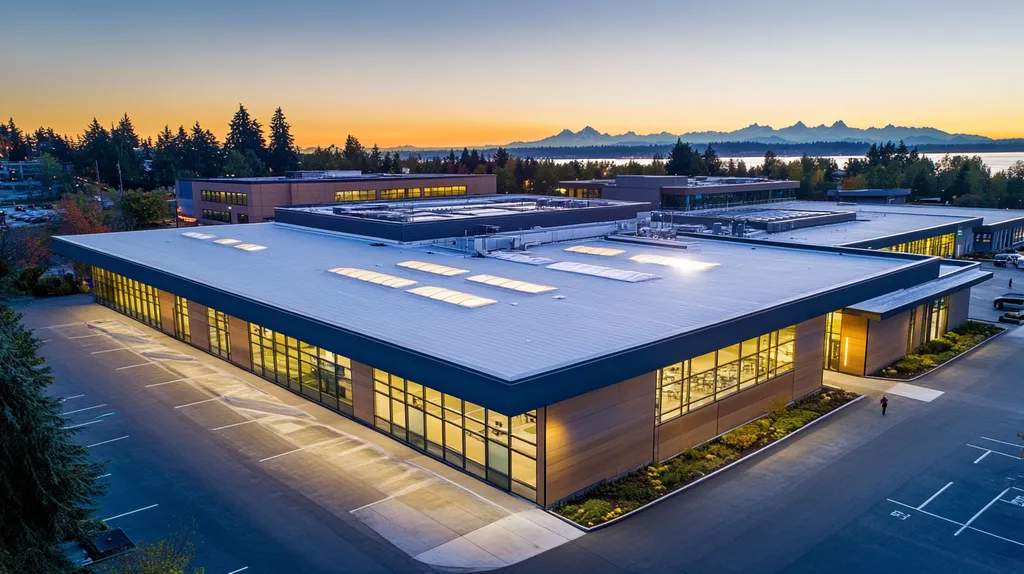
Welcome to today’s Battle Royale featuring two roofing heavyweights: “TPO” in the east corner versus “PVC” in the west!
Tonight’s showdown pits these contenders against each other across six punishing rounds designed to test every aspect of their performance for minimizing disruption during commercial roof installation.
At stake? Millions in potential costs, decades of building protection, and the critical performance demands of modern commercial and industrial facilities.
Our professional judging panel will evaluate each round on technical merit, real-world performance, and value delivery. After all six rounds, we’ll declare our ultimate champion.
Ladies and gentlemen, facility managers and building owners… it’s time to rumble!
ROUND 1: INITIAL COSTS & INSTALLATION
In today’s competitive commercial environment, every hour of business disruption directly impacts the bottom line. When choosing between TPO and PVC roofing systems, the installation process can mean the difference between days versus weeks of interrupted operations. Recent industry data shows that inefficient installations can increase project costs by up to 30% and extend downtime by 40%.
Material Expenses
Material costs represent a significant portion of any commercial roofing project’s budget, often accounting for 40-60% of total expenses. Understanding these costs is crucial for accurate project planning and minimizing financial disruption.
TPO materials typically cost between $3.50 to $5.00 per square foot, making them an economical choice for budget-conscious facility managers. The lower price point allows for greater flexibility in allocating resources to other aspects of the installation process.
PVC materials generally command a premium, ranging from $5.00 to $7.50 per square foot. While this higher cost reflects enhanced durability and chemical resistance, it can strain initial project budgets and require longer financial planning periods.
ADVANTAGE: TPO for providing comparable performance at a lower initial investment.
Installation Complexity
Modern installation methods have revolutionized commercial roofing efficiency. New hook and loop fastening systems can now replace traditional bitumen applications, allowing for year-round installation without weather restrictions. (source: VELCRO Brand Blog)
TPO’s lightweight nature and flexible composition make it highly adaptable to these innovative installation methods. The material’s pliability allows for faster positioning and securing, reducing labor hours and minimizing building disruption.
PVC installation requires more specialized techniques and often involves more complex welding procedures. These additional steps can extend installation time and require more skilled labor, potentially increasing both cost and disruption.
ADVANTAGE: TPO for simpler installation requirements and compatibility with modern fastening systems.
Project Timeline
Project duration directly impacts business operations and revenue. Every additional day of installation can mean thousands in lost productivity and customer inconvenience.
TPO installations typically complete in 25-40% less time than traditional systems. The material’s lighter weight and easier handling characteristics allow crews to cover more square footage per day.
PVC installations generally require additional time due to more complex seam welding and detail work. The extra attention needed for proper installation can extend project timelines by several days or even weeks.
ADVANTAGE: TPO for faster completion times and minimal operational disruption.
ROUND 1 WINNER: TPO
ROUND 2: DURABILITY & LIFESPAN
When a commercial roof fails prematurely, the resulting disruption can paralyze business operations and devastate profitability. Recent industry data shows that unexpected roof replacements cost businesses an average of $250,000 in lost productivity and repairs. Understanding how TPO and PVC systems perform over time is crucial for minimizing these costly interruptions.
Resistance to Environmental Factors
Environmental resistance directly impacts how often a roof system will require repairs or replacement, affecting long-term operational continuity. Heat, UV radiation, and chemical exposure represent the primary threats to roofing system longevity.
TPO membranes offer good UV resistance and reflect up to 85% of solar radiation, helping maintain consistent interior temperatures. However, prolonged exposure to high temperatures can accelerate membrane degradation, potentially leading to premature failure.
PVC roofing demonstrates superior resistance to chemicals, oils, and environmental pollutants. Its molecular structure provides enhanced protection against UV damage and thermal stress, resulting in fewer weather-related repairs.
ADVANTAGE: PVC for superior environmental resilience.
Maintenance Requirements
Regular maintenance activities can create significant operational disruptions, making maintenance frequency a critical consideration. The complexity and frequency of required maintenance directly affect facility operations and staff productivity.
TPO systems typically require inspections every six months to monitor seam integrity and check for physical damage. These frequent maintenance intervals can lead to repeated business interruptions and increased labor costs.
PVC roofing demands less frequent maintenance due to its inherent durability and superior seam strength. Annual inspections are usually sufficient, resulting in fewer disruptions to normal business operations.
ADVANTAGE: PVC for reduced maintenance frequency.
Overall Longevity
The total lifespan of a roofing system determines how often a facility will face major disruptions for replacement or extensive repairs. Each replacement cycle brings significant operational interruptions and financial impacts.
TPO roofs typically last 15-20 years when properly maintained. This shorter lifespan means more frequent replacement cycles, each bringing substantial disruption to business operations.
PVC systems consistently achieve 25-30 year lifespans, with some installations exceeding three decades of service. This extended durability translates to fewer replacement cycles and less cumulative operational disruption.
ADVANTAGE: PVC for superior longevity.
ROUND 2 WINNER: PVC
ROUND 3: PERFORMANCE FACTORS
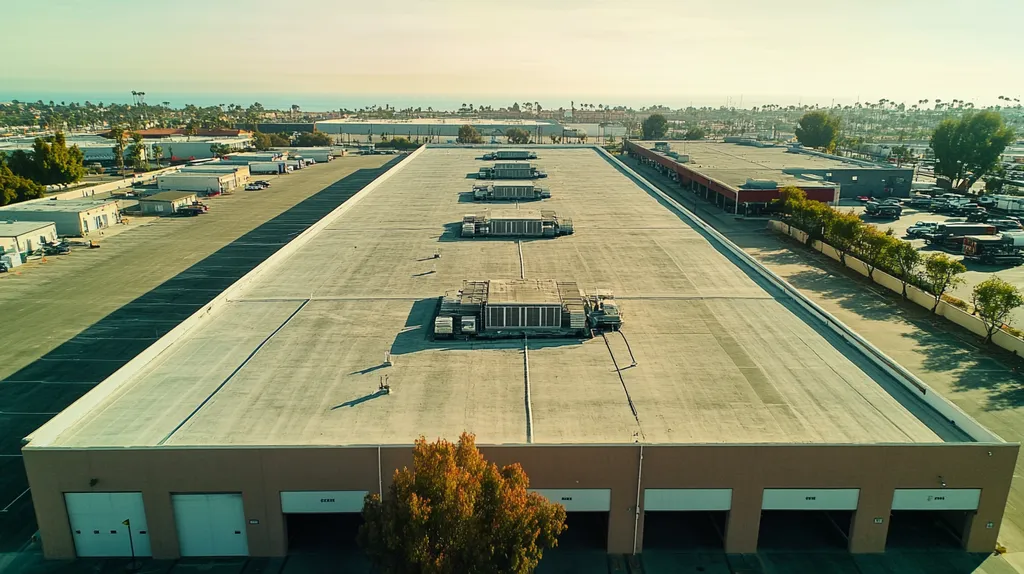
Every minute of rooftop performance impacts business continuity and operational costs. Poor performing roofing systems can lead to unexpected failures, causing disruptions that cost facilities an average of $3,000 per hour in lost productivity. Understanding how TPO and PVC systems perform under real-world conditions is crucial for minimizing these costly interruptions.
Durability and Longevity
Durability directly affects how often businesses face disruptive repairs or replacements. A roofing system’s ability to maintain structural integrity determines its impact on day-to-day operations and long-term facility planning.
TPO membranes provide reliable performance for 15-20 years when properly installed and maintained. However, their resistance to physical damage and extreme temperature fluctuations can vary significantly between manufacturers and formulations.
PVC systems consistently demonstrate superior durability with documented lifespans exceeding 25 years. Their enhanced chemical resistance and stronger seam strength result in fewer emergency repairs and unplanned disruptions.
ADVANTAGE: PVC for superior structural integrity and proven longevity.
Energy Efficiency
Energy performance affects both operational costs and indoor comfort. Inefficient roofing systems can increase cooling demands by up to 35%, leading to higher utility bills and stressed HVAC systems.
TPO membranes excel in solar reflectivity, typically achieving ratings above 0.85. This exceptional reflection capability helps maintain consistent interior temperatures and reduces cooling system strain.
PVC roofing delivers strong energy performance but generally reflects slightly less solar radiation than TPO. While still highly efficient, PVC systems typically achieve reflectivity ratings between 0.80-0.85.
ADVANTAGE: TPO for superior energy efficiency and temperature control.
Weather Resistance
Weather resistance capabilities determine how well a roof system protects business operations during severe conditions. Failure to withstand extreme weather can result in catastrophic disruptions and costly emergency repairs.
TPO membranes provide good resistance to normal weather conditions but can show vulnerability during extreme events. Their performance in high winds and against hail impact varies based on membrane thickness and installation quality.
PVC roofing demonstrates exceptional resistance across all weather conditions. Their superior seam strength and puncture resistance provide better protection against severe storms, high winds, and impact damage.
ADVANTAGE: PVC for comprehensive weather protection.
ROUND 3 WINNER: PVC
ROUND 4: MAINTENANCE REQUIREMENTS
Every hour spent on rooftop maintenance disrupts business operations and impacts revenue. Studies show that poorly maintained commercial roofs can reduce building energy efficiency by up to 40% and lead to catastrophic failures costing hundreds of thousands in emergency repairs. Understanding the maintenance requirements of TPO and PVC systems is crucial for minimizing these costly disruptions.
Inspection Frequency
Regular inspections serve as the foundation of any effective roofing maintenance program. The frequency and complexity of these inspections directly impact operational continuity and maintenance budgets.
TPO systems require bi-annual professional inspections to monitor seam integrity, check for physical damage, and assess membrane condition. These frequent inspection cycles can create significant scheduling challenges for facility operations.
PVC roofing typically needs only annual professional inspections due to its superior durability and chemical resistance. This reduced inspection frequency minimizes operational disruptions while maintaining system integrity.
ADVANTAGE: PVC for reduced inspection requirements
Routine Maintenance Tasks
The complexity and frequency of maintenance tasks directly affect facility operations and staff productivity. Innovative maintenance systems now allow for more efficient upkeep while minimizing business interruptions. (source: VELCRO Brand Blog)
TPO membranes need quarterly cleaning to prevent debris accumulation and maintain reflectivity. These frequent maintenance cycles require careful scheduling to avoid disrupting normal business operations.
PVC systems maintain their performance with semi-annual cleaning cycles. Their superior chemical resistance and durability reduce the need for intensive maintenance procedures.
ADVANTAGE: PVC for simpler maintenance requirements
Emergency Repairs
Emergency repairs create the most significant operational disruptions and often occur at the worst possible times. The frequency and complexity of these repairs directly impact business continuity.
TPO roofs show higher vulnerability to physical damage and environmental stress, leading to more frequent emergency repairs. These unexpected maintenance needs can create substantial operational challenges.
PVC systems demonstrate superior resistance to physical damage and environmental factors, resulting in fewer emergency repair situations. This enhanced durability helps maintain consistent business operations.
ADVANTAGE: PVC for reduced emergency repair frequency
ROUND 4 WINNER: PVC
ROUND 5: SUSTAINABILITY CREDENTIALS
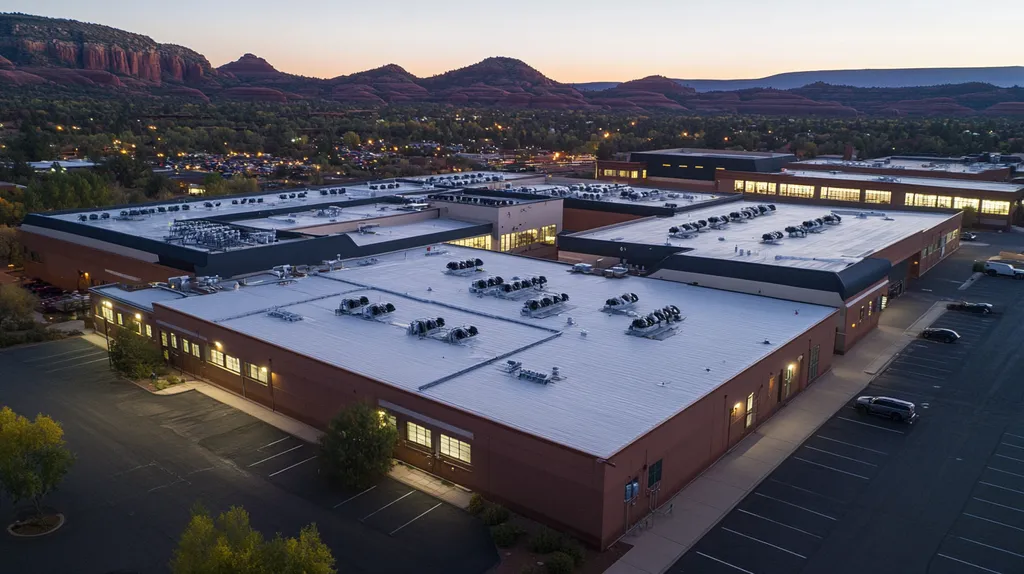
Environmental responsibility now directly impacts building valuations and operational costs. Recent market analysis shows that properties with sustainable roofing systems command 7-10% higher lease rates and experience 23% faster tenant acquisition. With commercial buildings accounting for nearly 40% of U.S. energy consumption, choosing between TPO and PVC roofing systems has far-reaching implications for both environmental impact and business success.
Environmental Impact
The manufacturing process and chemical composition of roofing materials directly affect their environmental footprint. Understanding these impacts helps facility managers make decisions that align with both sustainability goals and operational requirements.
TPO production creates minimal toxic byproducts and requires less energy than traditional roofing materials. The membrane’s simplified chemical structure means fewer harmful emissions during manufacturing and installation.
PVC manufacturing generates concerning levels of chlorine-based compounds and requires significant energy input. While modern production methods have improved, PVC still creates more environmental toxins than alternative materials.
ADVANTAGE: TPO for cleaner production processes and reduced environmental impact.
Energy Performance
A roofing system’s energy performance affects both environmental impact and operational costs. Modern sustainable roofing solutions can reduce building energy consumption by up to 30% through improved thermal management.
TPO membranes achieve exceptional solar reflectance ratings above 0.85, maintaining these properties throughout their service life. This superior reflectivity translates to reduced cooling costs and lower carbon emissions from HVAC operations.
PVC systems offer good initial reflectivity but may experience more significant degradation over time. While still energy efficient, they typically cannot match TPO’s consistent long-term thermal performance.
ADVANTAGE: TPO for superior long-term energy efficiency.
End-of-Life Management
Responsible end-of-life management becomes increasingly critical as landfills reach capacity and disposal costs rise. The recyclability of roofing materials significantly impacts their overall environmental footprint.
TPO membranes can be fully recycled into new roofing products or other applications. Their simple chemical composition facilitates efficient processing and reduces waste stream contamination.
PVC recycling presents more challenges due to chemical additives and complex material composition. While technically recyclable, fewer facilities accept PVC roofing materials, often resulting in landfill disposal.
ADVANTAGE: TPO for superior recyclability and waste reduction.
ROUND 5 WINNER: TPO
ROUND 6: SPECIALIZED APPLICATIONS
In today’s complex commercial environment, specialized applications can make or break a roofing system’s effectiveness. Recent industry data shows that mismatched roofing materials cause 47% of premature failures, costing businesses millions in unexpected repairs and operational disruptions. Understanding how TPO and PVC perform in specialized settings is crucial for maintaining business continuity and protecting valuable assets.
Chemical and Industrial Compatibility
The presence of chemicals, oils, and industrial emissions can rapidly degrade unsuitable roofing materials, leading to premature failure and operational shutdowns. In manufacturing and processing facilities, exposure to harsh substances presents a constant threat to roofing system integrity.
TPO membranes offer moderate chemical resistance but can show vulnerability when exposed to industrial solvents and petroleum-based products. This limitation requires careful consideration in facilities where chemical exposure is common.
PVC roofing demonstrates exceptional resistance to chemicals, acids, and oils. Its superior chemical composition provides lasting protection in industrial environments, significantly reducing the risk of material degradation and unexpected failures.
ADVANTAGE: PVC for superior chemical resistance
Equipment and Mechanical System Integration
Modern commercial roofs must accommodate an increasing array of mechanical systems, solar installations, and communication equipment. Innovative fastening solutions now allow for secure equipment mounting without compromising roof integrity. (source: VELCRO Brand Blog)
TPO systems offer excellent flexibility and can easily adapt to various mounting solutions. Their lightweight nature and strong heat-welded seams provide reliable support for rooftop equipment while maintaining watertight integrity.
PVC roofing requires more complex integration methods and often needs additional reinforcement around equipment mounts. While highly durable, its rigid nature can complicate equipment installation and future modifications.
ADVANTAGE: TPO for superior equipment integration capabilities
High-Traffic Areas
Maintenance access paths and equipment service areas create concentrated wear patterns that can compromise roofing system integrity. These high-traffic zones require special consideration to prevent premature failure and maintain operational continuity.
TPO membranes show vulnerability to repeated foot traffic and mechanical abuse. While walkway pads can provide protection, the base membrane may still experience accelerated wear in high-traffic areas.
PVC systems demonstrate superior resistance to physical abuse and puncture damage. Their enhanced durability better withstands regular maintenance traffic without requiring extensive protective measures.
ADVANTAGE: PVC for superior traffic resistance
ROUND 6 WINNER: PVC
AND THE WINNER IS…
After six grueling rounds of technical analysis, with millions in potential costs and decades of building protection hanging in the balance, we have our undisputed champion!
In a 4-2 decision, PVC claims victory as the superior choice for minimizing disruption in commercial roof installations! This powerhouse dominated with knockout performances in durability, maintenance, specialized applications, and overall performance factors.
PVC’s superior chemical resistance, exceptional longevity, and reduced maintenance requirements proved decisive in securing this historic win. Its ability to deliver 25-30 year lifespans with minimal emergency repairs makes it the undisputed heavyweight champion of commercial roofing.
However, don’t count TPO out completely! This worthy challenger showed impressive strength in both cost efficiency and sustainability credentials. For budget-conscious projects without chemical exposure concerns, TPO remains a formidable contender.
IMPORTANT NOTICE: Every building presents unique challenges that can impact roofing system performance. Local climate conditions, specific facility requirements, and operational demands all play crucial roles in determining the optimal solution. This analysis provides general guidance only – consultation with qualified roofing professionals remains essential for evaluating individual situations.
Ladies and gentlemen, in the high-stakes arena of commercial roofing, victory goes not just to the strongest contender, but to the system that best matches your facility’s specific requirements. Choose wisely – your building’s future depends on it!
FREQUENTLY ASKED QUESTIONS
Q. What are the initial costs for a commercial roof installation?
A. The costs vary based on material choice. TPO tends to be more affordable than PVC, costing between $3.50 to $5.00 per square foot, while PVC ranges from $5.00 to $7.50. Selecting the right material impacts not only your budget but also the potential duration of installation interruptions.
Q. Which roofing option has better durability for an industrial roof?
A. PVC roofing generally outlasts TPO systems, offering consistent durability with lifespans often exceeding 25 years. Its material properties enable it to withstand a range of environmental challenges better than TPO, which can degrade more quickly under extreme conditions.
Q. How do TPO and PVC perform in energy efficiency?
A. TPO roofs tend to excel in solar reflectivity, often achieving ratings above 0.85, which helps maintain consistent indoor temperatures. Although PVC systems also offer good energy efficiency, they may not reflect as much solar radiation over time as TPO.
Q. What are the maintenance requirements for a commercial roof?
A. TPO roofs require inspections every six months and quarterly cleanings to ensure performance. In contrast, PVC systems generally need annual inspections and semi-annual cleanings, reducing the frequency and potential for operational disruptions during maintenance.
Q. How environmentally friendly are TPO and PVC roofing materials?
A. TPO roofing has a lower environmental impact due to its simpler manufacturing process and reduced toxic emissions. In contrast, PVC production can generate harmful chlorine-based compounds, making TPO the more sustainable choice overall.
Q. Which roofing system is best for high-traffic commercial areas?
A. PVC roofing is more suitable for high-traffic areas due to its superior resistance to physical damage and punctures. TPO membranes can wear down faster under repeated foot traffic, making them less ideal without protective measures.
Q. How do TPO and PVC react to environmental conditions?
A. PVC generally shows superior resistance to harsh environmental factors, including UV exposure and chemicals, leading to fewer weather-related repairs. TPO, while good for normal conditions, can be vulnerable to extreme temperatures, affecting roof longevity.






