

When it comes to industrial roofing, what happens after coating installation can make or break your investment. Studies show that improper maintenance reduces coating lifespans by up to 50%, potentially turning a 20-year roof into a 10-year headache.
From UV damage to moisture intrusion, numerous threats can compromise even the highest-quality coating systems. Property owners who skip regular maintenance often face premature failures, leading to costly repairs and operational disruptions.
This guide breaks down the essential maintenance factors that determine coating longevity, helping facility managers protect their roofing investment through proper care and timely intervention.
SECTION 1: THE BASICS EXPLAINED
After adding coatings to industrial roofs, maintenance becomes a top priority to ensure their longevity and effectiveness. Skipping regular upkeep can lead property owners down a costly path of damages and early failures. Research shows that ignoring maintenance can slash the lifespan of coated roofs by as much as 50%. Understanding the essentials of maintenance—what it involves, why it matters, and how it operates—can help protect a significant financial investment.
What It Is (In Plain Language)
Maintaining coated roofs means performing regular inspections, cleaning, and repairs to keep them in top shape. This includes monitoring for issues such as cracks, blisters, or peeling that could lead to leaks. Such leaks can damage the materials underneath and rack up repair costs.
Additionally, routine cleaning clears away debris and dirt that can wear down the coating over time. A clean surface is essential as it prevents water from pooling—a common problem that can cause significant roof deterioration. Mastering these basic tasks is the first step toward effective roof maintenance.
In essence, maintenance goes beyond appearances; it’s about keeping the roofing system functional. Regular care allows minor issues to be identified before they snowball into major problems.
Simplified maintenance practices can markedly extend the life of a coated roof. Commitment to a consistent maintenance schedule is key for property owners to achieve long-term success.
Why It Matters (To Your Building)
Proper maintenance is vital to maximize your returns on investment for a coated roof. Letting roof maintenance slide can lead to disastrous failures and exorbitant repair bills—potentially costing thousands in damages. Reports indicate that a well-maintained roof can last 20 years or longer, while a poorly maintained one might only hold up for a decade.
Moreover, maintaining roofs boosts energy efficiency by reflecting sunlight, which keeps cooling costs down. Neglecting regular maintenance could lead to excessive heat absorption, driving up energy bills and affecting comfort levels inside the building.
Ultimately, effective maintenance has a direct impact on a building’s market value. A well-kept roof can attract prospective buyers or tenants, whereas signs of neglect can raise red flags. This aspect is crucial for property managers focused on ensuring occupancy rates and tenant satisfaction.
In summary, the financial and operational consequences of neglecting roof maintenance are significant. Regular upkeep is the cornerstone for maximizing the longevity and safety of an industrial building.
How It Works
The maintenance process for coated roofs follows a systematic approach. First, it’s important to schedule regular inspections at least twice a year, focusing on vulnerable areas like seams and edges. These inspections help identify issues early on, preventing larger, more costly problems.
Cleaning follows, which involves removing dirt, leaves, and other debris that can trap moisture on the roof. Gentle power washing can achieve this without damaging the coating. A clean surface also helps facilitate thorough inspections.
If any issues are identified, prompt repair is crucial. Minor cracks can often be sealed with specific coatings or sealants designed for the roof type. Addressing these problems quickly can prevent larger issues down the road, saving both time and money.
Finally, keeping a detailed maintenance log helps track inspections and repairs, enabling property owners to monitor roof health over time. This log can be invaluable during property evaluations and insurance renewals.
Understanding how maintenance works empowers property managers to craft effective strategies, ensuring the roof remains in prime condition throughout its lifespan.
SECTION 2: PRACTICAL APPLICATIONS
Effective maintenance of an industrial roof after coating installation is not just a good idea; it’s essential for extending its lifespan and protecting your investment. Ignoring this crucial aspect can result in expensive repairs, damage to property, and even safety issues. Research shows that roofs that receive regular maintenance can last up to 25% longer than those that don’t. For building owners and facility managers, understanding the practical applications of maintenance—including specific use cases and timely interventions—is paramount.
Common Uses & Examples
Regular maintenance has many practical applications, from shielding against weather damage to enhancing energy efficiency. A key focus should be on inspecting seams and flashing—these areas are prone to leaks, which can result in costly interior damage if left unchecked.
In addition, keeping the roof clean is vital. Over time, accumulated dirt and biological growth, such as algae or moss, can compromise the integrity of the coating. Surprisingly simple maintenance tasks can dramatically prolong the roof’s life and effectiveness.
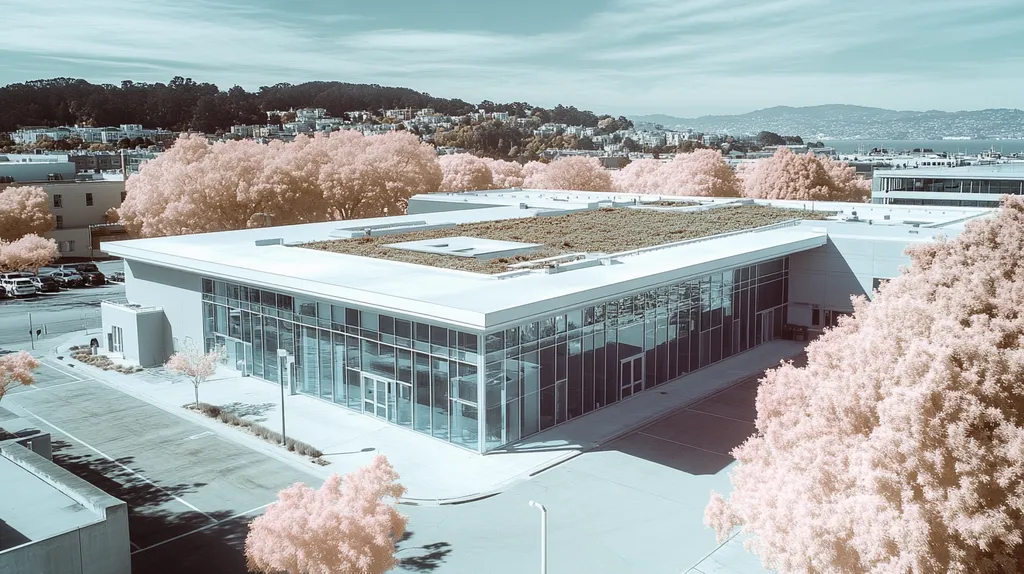
For a more advanced preventative approach, specialized inspectors can utilize infrared thermography. This high-tech method detects hidden moisture within the roofing system, allowing facility managers to tackle potential problems before they worsen. Regular maintenance isn’t just protective; it’s a proactive strategy for successful facility management.
It’s also crucial to document all maintenance activities. Keeping detailed logs not only reinforces accountability but also provides insights into the roof’s condition over time. This documentation proves invaluable when planning budgets or negotiating roofing service contracts.
When You Need It Most
Timing is key in roofing maintenance, particularly after severe weather events. For instance, intense storms can test a roof’s coating to its limits. Following such an event, property managers should carry out comprehensive inspections to catch any damage caused by high winds or falling debris.
Seasonal shifts impact maintenance demands as well. In colder regions, for example, property owners should be vigilant for ice dam formations that can jeopardize the coating’s performance. Consistent checks during the spring and fall ensure roofs remain free of snow, ice, and autumn leaves, all of which can accelerate wear.
Moreover, proactive maintenance is especially critical before and after major service work like HVAC installations or repairs. Such activities can disturb roofing coatings, making inspections and touch-ups necessary to keep the roof effective.
Ultimately, a well-planned maintenance schedule helps avert unforeseen costs. By anticipating maintenance needs during high-stress periods, property owners can better safeguard their roofing investments.
Interactions With Other Systems
The roof is part of a larger ecosystem; its performance often hinges on how well it interacts with other building systems. Take HVAC systems, for example: they release hot air and moisture that can bombard the roof surface. Without proper maintenance, these elements can accelerate wear and lead to more significant issues.
Drainage systems are equally vital in ensuring roofing integrity. Clogged gutters can cause water to pool on the roof, significantly compromising coatings. Regular maintenance must involve checking these drainage systems to ensure they are clear and functioning properly, reducing unnecessary strain on the roof.
Additionally, roof coatings work in tandem with the insulation below. If regular inspections reveal signs of moisture intrusion, both the coating and the thermal efficiency of the insulation may be compromised, leading to inflated energy costs. This highlights the need for a comprehensive care approach.
By integrating roof maintenance with inspections of other building systems, property managers can streamline repairs and overall performance. This coordinated strategy not only enhances roof longevity but also improves operational efficiency, establishing a sustainable approach to facilities management.
SECTION 3: KEY TERMINOLOGY DECODED
Decoding the lingo tied to roofing coatings is crucial for smart maintenance planning. Property owners and facility managers often stumble into costly errors due to misunderstandings of industry jargon. Terms like “reflectivity” and “wet mil” may sound familiar, yet grasping their implications is essential for preserving the effectiveness and longevity of a roofing system. A solid understanding of these terms empowers better decision-making and ultimately keeps roofs in top shape.
Essential Terms Explained
Understanding core terms such as “coating” and “substrate” can significantly influence maintenance strategies. A coating is a protective layer applied to the roof, enhancing its durability and ability to reflect sunlight. In contrast, the substrate refers to the underlying structure supporting this coating. Recognizing this distinction helps in tailoring maintenance actions based on the specific coating type and substrate material, impacting the entire roof’s performance.
Another vital term is “UV resistance,” which describes a coating’s ability to resist damage from the sun’s harsh rays. Roofs without adequate UV resistance may wear out prematurely, compromising not just their structural integrity but also their energy efficiency. A clear understanding of these concepts ensures property managers schedule maintenance effectively to mitigate risks.
Additionally, grasping “thermal expansion” is essential. As temperatures fluctuate, roofing materials expand and contract. Awareness of this concept allows facility managers to anticipate these movements, enabling prompt maintenance to prevent leaks or material fatigue that can lead to bigger issues down the line.
Industry Jargon Translated
Common roofing terms like “ponte” and “membrane” can lead to confusion among those overseeing properties. A ponte refers to the crucial area where the roof meets another building component. If not managed properly, this junction can become a leak-prone spot, making it vital that maintenance addresses these connections thoroughly.
The term “membrane” denotes a thin layer acting as a water barrier. Different types of membranes come with distinct lifespans and repair requirements. Understanding your roof’s membrane type is fundamental for effective maintenance strategies, as it guides the selection of appropriate adhesives and repair techniques to maximize performance.
Lastly, the concept of “weathering” reflects the cumulative wear caused by environmental factors. Recognizing how weathering affects a roof helps property managers take proactive steps, such as regular inspections and cleaning, to enhance overall roof durability.
Measurement & Units Simplified
Understanding measurement units like “wet mil” and “dry mil” is crucial for roofing durability. “Wet mil” measures the thickness of a coating during application, while “dry mil” indicates the thickness achieved after curing. Ensuring an accurate assessment of mill thickness is essential to meet manufacturer recommendations for performance and longevity.
Applying a coating with the right wet mil thickness can greatly enhance its effectiveness. If the application falls below the recommended thickness, the roof may suffer from inadequate protection, resulting in higher maintenance needs.
Additionally, square footage is another key measurement that defines the area a coating covers. Knowing how to calculate square footage allows property managers to procure the right amount of materials without overspending. Having this knowledge on hand ensures that maintenance budgets remain intact while securing optimal roof health.
SECTION 4: DECISION FACTORS
When it comes to maintaining a roof after coatings are applied, understanding the decision factors at play is crucial for property owners and facility managers. A lack of diligent maintenance can lead to leaks, structural damage, and an avalanche of repair costs. In fact, statistics show that more than 80% of industrial roofs experience premature failure due to insufficient care. The key to success lies in focusing on three essential areas: cost considerations, performance trade-offs, and the lifespan of materials. Each of these factors plays a pivotal role in safeguarding the integrity of your roofing investment.
Cost Considerations
A crucial decision factor is weighing the initial costs against long-term expenses. While the upfront investment in coating systems may seem steep, overlooking regular maintenance can create financial pitfalls. For example, standard maintenance such as routine inspections can cost a few thousand dollars annually, whereas ignoring these needs could lead to water damage repairs that average tens of thousands.
It’s also wise to budget not just for regular upkeep but for unexpected repairs as well. By allocating resources for both preventive measures and reactive repairs, property managers can alleviate financial burdens over time. Striking the right balance between initial investment and ongoing maintenance is essential for protecting roof integrity.
Some coating systems have specific maintenance protocols that must be followed. Recognizing these requirements and their associated costs can help property owners avoid operational confusion and unexpected expenses. Remember, every dollar spent on maintenance can save you from future losses, making cost considerations a vital aspect of roofing management.
Performance Trade-offs
The choice of coating directly impacts not only roof performance but the frequency of maintenance required. Certain coatings might boast impressive durability but demand frequent inspections and touch-ups. On the flip side, a coating known for its reflective properties can lower energy costs, but may wear down faster in adverse conditions.
Analyzing the environment your roof will face is essential. Factors such as weather conditions, exposure to chemicals, and foot traffic all influence a coating’s performance and maintenance needs. Understanding these trade-offs equips property managers to make informed decisions that protect their investments effectively.
Additionally, warranties often come with stipulations regarding maintenance. A lengthy warranty can be attractive, but adherence to strict maintenance guidelines is typically necessary to keep it valid. This underlines the importance of proactive maintenance, ensuring routines align with manufacturer recommendations for long-term benefits.
Lifespan & Durability Factors
The durability and expected lifespan of a specific coating directly inform maintenance strategies. Most coatings come with a projected lifespan, and understanding these timelines is essential for proactive scheduling of inspections and upkeep.
For example, a high-quality elastomeric coating could potentially last over a decade with the right maintenance, while a lesser product may begin to show signs of wear in just a few years. Investing in superior coatings is worthwhile if property owners are committed to ongoing maintenance.
Don’t forget environmental factors such as UV exposure, moisture retention, and temperature variations—they all play significant roles in a coating’s durability. Regular maintenance activities, including cleaning and sealing, contribute to the lifespan of any roofing coating, ensuring it withstands the test of elements.
It’s essential that the chosen coating is compatible with the specific environmental conditions of the roof’s location. Property owners must evaluate their coating choices alongside maintenance practices to ensure they align with the desired longevity. This thoughtful approach can significantly enhance durability and performance over time.
SECTION 5: COMMON CHALLENGES
Coated industrial roofs encounter a variety of challenges that can jeopardize their lifespan and functionality. Understanding these issues is crucial for property owners to avoid potentially hefty repair bills or even complete roof replacements. For instance, studies show that failing to maintain roofs properly can reduce their lifespan by up to 30%. By recognizing common problems, warning signs, and preventative strategies, property managers can take proactive steps to ensure their roofing systems remain in peak condition.
Frequent Problems & Solutions
One of the most prevalent issues for coated roofs is UV degradation. If maintenance lapses, the protective layer can deteriorate, leading to leaks and structural damage. Conducting regular inspections can help identify the early effects of UV exposure, allowing for timely interventions before damage escalates.
Moisture accumulation is another major concern, often resulting in blistering that further weakens the coating. Property managers should focus on ensuring that drainage systems function effectively to reduce water retention on the roof.
Pest infestations pose a silent threat as well. Roof debris can create a welcoming environment for rodents and birds, causing additional harm to the roofing material. Instituting a regular cleaning routine helps keep the roof surface clear of waste and minimizes pest-related risks.
Lastly, thermal expansion can lead to cracks in the coating. A proactive maintenance strategy incorporates the use of flexible sealants during repairs, which can accommodate movement and help prevent cracking, extending the life of the coating significantly.
Warning Signs To Watch For
Discoloration on a coated roof is often a key indicator of decline that property managers overlook. Fading colors typically suggest UV damage and signal a potential loss of protective quality. Regular monitoring of color changes is essential, as it often precedes more severe physical deterioration.
Bubbling or blistering on the surface is another critical warning sign. This indicates trapped moisture beneath the coating, which can lead to major issues if not promptly addressed. Immediate repair is essential to stave off further damage.
The appearance of cracks and fissures should be taken seriously. These openings can lead directly to leaks and subsequent water damage, making regular visual inspections crucial for early detection.
Sagging areas on the roof can signify structural weaknesses that compromise the overall integrity of the coating. Property managers should perform thorough assessments at the first sign of sagging to evaluate and address any underlying issues.
Preventative Approaches
Establishing a regular maintenance plan is vital for maximizing the lifespan of a coated roof. This plan should encompass bi-annual inspections as well as prompt repairs for any identified issues. Consistent attention can help mitigate minor problems before they escalate into significant headaches.
Additionally, applying a reflective coating after extended exposure to harsh weather can bolster UV protection. This added layer acts as a barrier against sun damage, maintaining the strength of the underlying structure.
Training maintenance staff to recognize potential problems equips them to act quickly when issues arise. Enhanced awareness leads to quicker responses, ultimately reducing the risk of extensive damage.
Lastly, documenting all maintenance activities creates a valuable history of the roof’s condition. This record aids in guiding future maintenance decisions and can be indispensable for warranty claims, ensuring that property managers are ready for any challenges that may come their way.
SECTION 6: NEXT STEPS & RESOURCES
Poor maintenance of coated industrial roofs can lead to serious outcomes, like leaks, energy inefficiency, and hefty repair bills. A staggering statistic from the National Roofing Contractors Association reveals that proper roof care can extend its lifespan by an impressive 30%. To safeguard your investment, it’s vital for property owners and facility managers to ask the right questions, follow industry standards, and seek out educational resources that enhance roof performance.
Questions To Ask Providers
When evaluating roofing providers, it’s crucial for property owners to dive into their post-installation maintenance practices. Questions like, “What specific maintenance tasks will you suggest?” and “How often should these actions occur?” can provide important insights. Understanding a provider’s expertise with coatings gives a clearer picture of their approach.
Requesting a comprehensive maintenance plan is also vital. This should outline inspection schedules, cleaning routines, and any potential repairs. Knowing the recommended frequency of these tasks assists in effective budget planning.
Don’t forget to discuss warranty specifics. It’s essential to ensure that the warranty covers maintenance-related issues, potentially saving significant costs down the road and providing peace of mind.
Finally, consider involving the roofing provider in training facility staff on basic maintenance practices. This investment in knowledge empowers staff, promoting consistency and effectiveness in maintenance efforts.
Industry Standards & Guidelines
Adhering to established industry standards and guidelines is crucial for maintaining roof integrity. Organizations such as the American National Standards Institute (ANSI) and the Roofing Industry Committee on Weather Issues (RICOWI) provide excellent resources that outline best practices for roof maintenance after coatings are applied.
Moreover, the United States Environmental Protection Agency (EPA) sets forth sustainability guidelines that can help enhance coating effectiveness while being environmentally responsible.
Regularly consulting these standards keeps property owners informed about the latest innovations and maintenance techniques. Aligning with these guidelines not only boosts performance but also protects against potential legal issues related to roofing conditions.
Joining professional associations offers further benefits, including access to workshops and networking opportunities. These organizations provide valuable literature to help keep knowledge fresh on best maintenance practices.
Further Learning Simplified
For those looking to deepen their knowledge of roof maintenance and coatings, a wealth of resources are available. Online courses and webinars hosted by roofing experts present complex concepts in an easily digestible format, perfect for busy managers and owners.
Books and industry journals are also indispensable resources. Publications focused on industrial roofing feature case studies, innovations, and effective strategies for maintaining roofs. Subscribing to leading journals ensures access to the latest information in the field.
Additionally, engaging with industry leaders on social media platforms can provide a continual flow of knowledge and insights. Following influencers and expert discussions can keep property owners updated on best practices.
Lastly, local workshops and contractor-hosted training sessions are excellent for reinforcing practical skills. These collaborative settings build a community dedicated to improving roof longevity through shared learning experiences.
The Bottom Line
With proper maintenance, industrial roof coatings can provide decades of protection and performance – but studies show over 80% of coating failures stem directly from inadequate upkeep.
The stakes are clear: maintenance neglect leads to coating breakdown, water infiltration, and ultimately complete roof system failure costing hundreds of thousands in repairs.
By implementing regular inspections, prompt repairs, and documented maintenance procedures, facility managers can dramatically extend coating lifespans while avoiding catastrophic failures.
The path forward requires viewing maintenance not as an expense, but as an investment that delivers returns through reduced repair costs, enhanced energy efficiency, and superior building protection.
Your roof coating’s success or failure ultimately comes down to one factor: your commitment to maintaining it properly.
FREQUENTLY ASKED QUESTIONS
Q. What is essential maintenance for my industrial roof?
A. Essential maintenance involves regular inspections, cleaning, and repairs. Checking for cracks, blisters, or peeling is crucial to prevent leaks. Keeping the roof clean also helps prevent moisture accumulation that can cause significant damage.
Q. When should I inspect my commercial roof after extreme weather?
A. It’s vital to inspect your roof immediately after severe weather events like storms. High winds and falling debris can cause damage that, if left unchecked, leads to costly repairs.
Q. What are the key terms I need to know for building roof maintenance?
A. Familiarize yourself with terms like “coating,” “substrate,” and “UV resistance.” Understanding these concepts impacts how you maintain your roof and ensures you use the right materials and techniques for repairs.
Q. What financial factors affect my commercial roof maintenance budget?
A. Initial coating costs versus long-term maintenance expenses are crucial. Regular inspections may seem expensive, but they prevent costly repairs later, protecting your financial investment over time.
Q. How can I recognize the problems with my coated industrial roof?
A. Look for signs like discoloration, bubbling, and visible cracks. These indicators often suggest underlying issues like moisture damage, making regular inspections essential for timely repairs.
Q. What resources should I consult for effective roof maintenance?
A. Consult industry standards from organizations like ANSI and EPA for best practices. Joining professional associations provides access to valuable training, networking, and ongoing educational resources on roof care.
Q. What specialized tools can aid in maintaining my industrial roof?
A. Consider using tools like infrared thermography to detect hidden moisture issues. Additionally, power washers can effectively clean debris without damaging coatings, keeping your roof healthy and prolonging its lifespan.






