
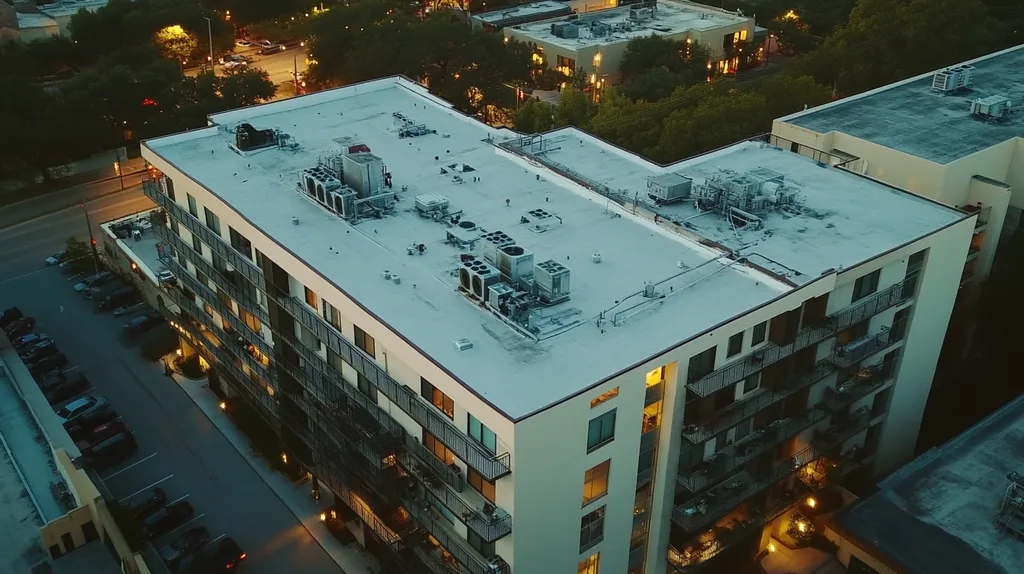
In the industrial roofing sector, conventional staging practices for coating applications are leading to alarming failure rates, with studies showing 35% of projects experiencing significant delays and premature deterioration.
These inefficiencies cost facility owners millions annually in extended downtime and repeated applications, while also compromising the structural integrity of their buildings.
By examining current practices against empirical evidence, this analysis reveals how outdated scheduling approaches undermine coating performance and presents data-driven solutions for optimizing application timing and methodology.
SECTION 1: CURRENT PRACTICES
Staging industrial roof coating work is a critical factor that often gets overlooked, yet improper staging can cause serious delays and inflate costs. Research highlights that poor scheduling can extend project timelines by as much as 30%. These delays not only disrupt routine business operations but also put additional stress on the roofing system. Understanding the current practices in this area is crucial for recognizing opportunities to optimize efficiency and minimize risks.
Standard Application Methods
Current methods of applying roof coatings usually rely on roller and brush techniques, which have been traditional for years. While these methods are familiar to many, they can turn out to be quite time-consuming and labor-intensive. Typically, roofing contractors work during off-hours to reduce disruptions, resulting in projects that may stretch over several days or even weeks.
This dependence on manual application can significantly hamper productivity. On any given day, a team may only cover a limited area due to extended drying times and unpredictable weather conditions. This sluggish pace can drive up labor costs and trigger scheduling conflicts.
Furthermore, the manual application approach raises the likelihood of human error, leading to uneven coating thickness. Such inconsistencies can undermine the coating’s long-term effectiveness and durability, potentially culminating in premature failures.
In contrast, modern application techniques—like spray-applied systems—offer a compelling alternative with enhanced efficiency. Grasping how to effectively integrate these techniques into existing practices is vital for driving improved project results.
Common Coating Materials Used
The roofing industry makes use of various coating materials, including acrylics, silicones, and polyurethanes. Each material comes with its own set of advantages and drawbacks in terms of cost, durability, and suitable application conditions. Acrylic coatings, for instance, are favored for their UV resistance, yet may need more frequent reapplications compared to silicones.
The choice of the right coating can directly affect project timelines. Silicone coatings, for example, generally cure faster, thus reducing operational downtime. Acquiring a solid understanding of the unique properties and performance features of each material is essential for making educated decisions.
As the demand for specialized coatings rises, many property managers struggle with selecting the most appropriate options. This often leads to reliance on standard materials that may not align with the specific requirements of their roofing systems.
Educating stakeholders about the benefits and limitations of different materials empowers them to make choices that streamline the application process while enhancing the overall effectiveness and longevity of the roofing system.
Typical Work Scheduling
The typical scheduling for industrial roof coating projects can span several weeks, often due to a mix of factors such as weather-related constraints and the complexities of existing roof systems. Contractors often find themselves waiting for ideal weather conditions to ensure coatings are applied and cured correctly.
Additionally, the need to coordinate multiple trades can complicate scheduling further. For example, if other construction activities or maintenance require access to the roofing area, this can introduce unexpected delays, disrupting business operations and forcing companies to adjust their workflows.
Inadequate planning and a lack of communication among all involved parties can lead to unforeseen challenges. Current scheduling methods often fail to take these variables into account, resulting in frustration for property owners and facility managers alike.
By refining work scheduling through improved communication and leveraging modern technologies, project efficiency can be dramatically increased. Embracing more agile methods that adapt to real-time conditions and workforce availability can yield substantial benefits.
SECTION 2: SYSTEMIC ISSUES
The issue of premature coating failures in industrial roofing is a pressing concern for property owners. Recent studies indicate that nearly 30% of rooftop coatings fail within the first five years, primarily due to haphazard staging practices. Such failures not only drain financial resources but also jeopardize business operations that rely on their roofs for shelter and protection. Common culprits behind these failures include inadequate surface preparation and glaring non-compliance with manufacturer guidelines. These systemic issues elevate the stakes for facility managers, necessitating immediate attention and action.
Premature Coating Failures
Premature coating failures are becoming an alarming trend for industrial rooftops. Many coatings are applied without proper consideration of environmental conditions or the condition of the substrate. Decisions made during staging play a pivotal role in the long-term success of the roofing system. For example, applying coatings in high humidity can impede proper adhesion and lead to blistering.
The financial repercussions can be severe. Business owners may face hefty repair costs, disruptions in operations, and potential damage to valuable assets beneath the roof. Timely intervention is vital; early failures can force complete replacements instead of mere touch-ups.
This trend underscores that conventional staging practices often fail to adequately prepare surfaces for lasting results. By ignoring these critical factors, facilities may suffer significant losses.
To combat premature failures, property owners must scrutinize the entire coating application process. Emphasizing thorough assessments before application can significantly enhance performance and extend the lifespan of the roofing system.
Inadequate Surface Preparation
Inadequate surface preparation remains a pervasive issue that can radically impact coating adhesion and longevity. Many application teams neglect vital pre-coating tasks such as cleaning, sanding, or priming surfaces, exposing facilities to premature deterioration.
Facilities that skimp on proper preparation often pay the price. For instance, any dirt or debris left on the surface can trap moisture beneath the coatings, creating a breeding ground for mold and causing structural damage. The long-term costs associated with these failures far outweigh any short-term savings from bypassing thorough preparation.
Furthermore, neglecting proper surface preparation can nullify manufacturer warranties. When coatings fail, the financial burden typically falls entirely on the property owner, putting additional strain on operational budgets.
It is essential for facility managers to prioritize surface preparation as a core component of successful coating projects. By ensuring effective training and strict adherence to preparation protocols, they can maximize the performance and durability of their roofing investments.
Non-Compliance with Manufacturer Guidelines
Non-compliance with manufacturer guidelines presents considerable risks for industrial roofing projects. Many roofing professionals disregard specifications on temperature, application techniques, and curing times, often leading to compromised performance and early failures.
Applying coatings outside of recommended parameters can dramatically increase the chance of failure. For example, attempting to apply a coating in extreme weather conditions may hinder proper curing, accelerating wear and tear.
Moreover, ignoring these guidelines can expose property owners to warranty disputes. Manufacturers typically require strict adherence to their standards, and failing to comply can result in increased liability and unexpected repair costs.
By placing a strong emphasis on following manufacturer guidelines, facility managers can significantly bolster the performance and lifespan of their roofing systems. Implementing best practices not only ensures adherence but also cultivates confidence in the overall investment in roofing solutions.
SECTION 3: MISSED OPPORTUNITIES
When it comes to industrial roof coatings, the focus often leans towards immediate concerns, but neglecting their long-term advantages can trigger serious ramifications. For instance, research has shown that a properly applied roof coating can enhance energy efficiency by as much as 30%. This isn’t merely about cosmetic improvements; it’s about ensuring sustainability and maximizing cost savings for property owners. Ignoring these potential benefits can lead to skyrocketing operational expenses and a shortened lifespan for roofing assets. The following subsections illuminate critical opportunities that are squandered when conventional staging methods are used.
Energy Efficiency Gains
Energy efficiency is vital in the management of industrial properties, yet it is often underappreciated in standard roofing practices. Research has demonstrated that reflective roof coatings can cut cooling costs by as much as 30% in sweltering months. Such savings are particularly impactful in areas where energy rates are steep.
When roofs are poorly staged or left uncoated, they end up absorbing excess heat and pushing energy consumption higher. In contrast, facilities that adopt effective coating techniques experience a considerable reduction in energy needs, fostering both environmental responsibility and financial savings.
Moreover, energy-efficient roofs can align with corporate sustainability initiatives. As investors and clients increasingly seek green alternatives, a focus on energy efficiency can improve a property’s market appeal. Property owners must be aware of the energy savings that slip away when roofing projects aren’t strategically managed.
In essence, the opportunity for energy-efficient savings through thoughtful roof coating practices is substantial and must not be overlooked. Neglecting this aspect could result in persistently high operational costs and lost marketing advantages.
Extended Roof Lifespan
Investing in an industrial roof is a major financial commitment, and extending its service life should be a primary goal for property owners and facility managers. Studies have shown that a well-executed roof coating can effectively double a roofing system’s lifespan, yet traditional staging practices often fail to capitalize on this advantage.
By applying high-quality coatings during the initial staging, facilities can form a protective shield against harmful UV rays and extreme weather conditions. This defense significantly moderates wear and tear, prolonging the need for expensive roof replacements.
Furthermore, advanced staging practices can facilitate the early identification of underlying issues. When repairs coincide with coating applications, the roof can retain its operational integrity for a much longer period, underscoring the losses incurred from outdated staging practices that undermine the durability of roofing systems.
Ultimately, adopting enhanced industrial roofing methods not only safeguards valuable assets but also improves long-term financial health. Property owners should recognize that inadequate staging comes at the cost of extending roof lifespans.
Cost Savings Through Proper Application
The financial considerations of industrial roof coatings encompass far more than initial installation expenses. Implementing proper application techniques can result in significant savings over the long haul. For instance, the expense tied to premature roof replacements can far exceed the investment made in high-quality coatings, sometimes by three to five times.
Neglecting appropriate coating methods can escalate repair and maintenance costs that could otherwise be avoided. Facilities that resist adopting modern staging techniques often find themselves facing rising costs from leaks and further deterioration. The initial savings from lower-cost materials can swiftly dissolve into costly repair obligations.
By committing to proper applications now, building owners can avert larger repairs down the line. Proactive strategies like routine inspections and timely applications keep roofs in prime condition. Such measures can save property owners thousands of dollars in the future.
In summary, the trend of conventional staging practices squanders not only resources but also essential financial opportunities. Recognizing and embracing the full range of advantages offered by industrial roof coatings is critical for maximizing return on investment.
SECTION 4: ROOT CAUSES
The effectiveness of industrial roof coating projects often falters due to fundamental oversights. Without comprehensive inspections prior to coatings application, property owners may unwittingly invite severe long-term damage. A staggering report indicates that nearly 40% of roof failures arise from inadequate inspections and poor preparation. By identifying and addressing these root causes, property owners can significantly improve the success and longevity of their roofing solutions, conserving both time and financial resources.
Lack of Thorough Inspections
Many roofing projects kick off without a meticulous examination of the existing roof’s condition. This critical oversight can conceal underlying problems such as moisture intrusion or structural weaknesses. Property owners may be unaware that these hidden issues can severely impact the performance of the coating applied.
If inspections are insufficient, unexpected failures may arise right after project completion. For example, businesses might invest thousands in coatings only to confront leaks following the first rainfall. These costly setbacks can shorten the roof’s lifespan remarkably.
Additionally, the absence of thorough pre-coating inspections can result in an uptick in maintenance requirements. Without identifying every necessary repair beforehand, property owners could find themselves wrestling with recurring issues. This cycle of neglect inevitably translates into both functional setbacks and financial losses.
Conversely, rigorous inspection processes not only pinpoint potential issues but also assist in selecting the right materials. This proactive approach ensures that the roof coating performs optimally, thus extending its life and complying with safety standards.
Inappropriate Coating Selection
The selection of coating materials plays a pivotal role in determining the lifespan and performance of an industrial roof. Far too often, contractors opt for coatings based on availability or cost rather than how well they work with the substrate. Using the wrong material can lead to adhesion failures and premature breakdown.
For instance, if manufacturers suggest a specific coating for metal roofs, choosing a less suitable, lower-cost alternative can lead to significant losses, requiring re-coating or replacement far sooner than anticipated.
Furthermore, property owners may not fully understand the complexities of coating chemistries or application methods. This knowledge gap often creates miscommunication, where stakeholders remain unaware of inappropriate coating choices. Such misunderstandings can foster frustration between contractors and clients, undermining overall project satisfaction.
Ultimately, making informed choices about coating materials necessitates careful analysis of both existing roof conditions and environmental influences. Prioritizing correct selections enhances the durability and overall performance of roof coatings.
Insufficient Training for Contractors
Inconsistencies in contractor training pose a serious problem in the roofing industry. Many workers enter the field lacking a solid grounding in application techniques and material properties. This training deficit often results in installation mistakes that compromise the performance of the roof.
Furthermore, inadequate training can extend to essential maintenance practices as well. For instance, a contractor may overlook key surface preparation steps before applying a coating. Skipping this crucial phase can prevent proper adhesion, leading to coating failures.
The rapid advancements in roofing technologies further emphasize the need for ongoing education. Contractors who don’t stay up-to-date may inadvertently employ outdated techniques, jeopardizing project success. A failure to invest in training can ultimately increase both rework costs and project delays.
Encouraging continuous education and certification initiatives can bridge the skill gaps in the workforce. This investment benefits not only contractors and their businesses but also enhances outcomes for property owners regarding roof coating applications, resulting in fewer failures and a stronger grasp of industry standards.
DATA DRIVEN EVIDENCE
The stakes are incredibly high when it comes to staging industrial roof coating work. Inefficient staging not only leads to costly delays but can also compromise the safety and integrity of roofing systems. Research indicates that poor scheduling practices can extend project timelines by as much as 30%. This section delves into critical manufacturer specifications, compelling field test results, and established industry standards that highlight the urgent need for a reevaluation of conventional staging practices.
Manufacturer Specifications and Guidelines
Manufacturers deliver vital guidelines depicting the ideal conditions for effective roof coating applications. These specifications encompass factors like temperature, humidity, and surface preparation requirements. Neglecting these crucial guidelines can severely impact product performance and durability.
For instance, a leading manufacturer specifies that coatings must be applied within a certain temperature range for optimal adhesion and curing. If unnecessary delays during staging cause temperature fluctuations, the quality of the coating could be jeopardized.
Regrettably, many contractors cling to outdated staging practices that fail to meet these essential specifications. Studies examining installation failures reveal that projects completed outside manufacturer’s recommended conditions often suffer from premature wear and adhesion problems.
By adhering strictly to manufacturer guidelines, property owners can significantly boost the effectiveness of their roof coatings, ensuring better protection for their assets and lower future maintenance costs.
Field Test Results and Case Studies
Field tests and real-world case studies offer valuable insights into the outcomes of different staging methods. One such study contrasted traditional staging with a streamlined approach that utilized real-time weather data for adjusting coating applications. The findings demonstrated a significant increase in efficiency and quality.
In projects adopting these modern staging practices, the average installation time was reduced by 25%, and the failure rate plummeted by over 40%. These impressive metrics underscore the essential link between efficient staging and roofing performance.
Contractors utilizing adaptive planning techniques reported that the ability to promptly adjust their staging minimized downtime and improved resource management. These case studies strongly advocate for a shift toward more responsive staging practices.
Investing in these new methods not only enhances the quality of the work but can also lead to long-term durability and cost savings for roof coatings.
Industry Standards and Codes
Compliance with industry standards and codes is paramount in assessing roofing processes. Organizations like ASTM and NRCA set forth guidelines that govern effective roofing practices. Unfortunately, many contractors neglect these standards, resulting in inconsistent staging outcomes.
For example, ASTM standards specify intervals between stages to optimize curing times. When these standards are ignored, insufficient curing can occur, leading to subpar final products. Such negligence can have serious consequences for a facility’s overall operational integrity.
Non-compliance with these codes can also expose property owners to legal and financial risks, particularly regarding warranty claims. A thorough understanding and adherence to these standards can safeguard against potential future issues.
The industry’s ongoing reliance on outdated staging methods highlights an urgent need for education and a shift toward compliance with existing regulations, ultimately protecting investments and interests.
SECTION 6: ALTERNATIVE SOLUTIONS
The need to optimize industrial roof coating work hours is critical. Outdated staging practices can lead to prolonged downtimes and costly delays, with research indicating that inefficient application can increase project timelines by as much as 30%. By exploring alternative solutions, property owners can enhance efficiency, cut costs, and significantly extend the lifespan of their roofing systems. This section will examine optimized application techniques, climate-specific coating choices, and the importance of professional training.
Optimized Application Techniques
Optimized application techniques are essential for boosting efficiency during roof coating projects. Innovative solutions like airless spray systems can dramatically reduce application time while ensuring even coverage. These systems enable coatings to be applied swiftly, resulting in less downtime for facilities.
The use of automated equipment enhances precision, thus minimizing material waste. For instance, robotic applicators allow for controlled layering thickness, ensuring strong adhesion without excessive manual effort.
Additionally, adopting advanced technologies can lead to faster drying times and shorter intervals before recoating. Contractors utilizing these techniques have reported completion rates that are up to 50% quicker than traditional methods.
In conclusion, integrating optimized application techniques streamlines the coating process while improving the quality and durability of roofing systems, ultimately offering long-term savings for property owners.
Climate-Specific Coating Choices
Choosing climate-specific coatings is crucial for enhancing the performance and durability of industrial roofs. Selecting coatings tailored to local environmental conditions can decrease the frequency of recoating and minimize weather-related delays. For example, cool roof coatings are quintessential in hotter climates, reflecting sunlight and reducing heat absorption.
Alternatively, moisture-resistant coatings are ideal for humid regions, as they can prevent mildew and extend the lifespan of the roof. These tailored coatings ensure that roofs can withstand local weather challenges, leading to lower maintenance and repair costs.
Moreover, coatings that cure quickly in specific temperatures can further optimize project scheduling. For instance, UV-cured coatings accelerate application during sunny weather, significantly reducing overall project timelines.
Incorporating climate-specific coating options results in better performance and reliability, ultimately saving property owners from the costly consequences of premature failures.
Professional Training and Certification Programs
Investing in professional training and certification for roofing contractors is vital to ensuring effective application of roof coatings. Well-trained personnel possess an understanding of the latest industry techniques and technologies, leading to more efficient project executions.
Certification programs also reinforce knowledge of industry standards and safety regulations, thus minimizing the risk of accidents and injuries on the job site. This expertise translates into better decision-making, enhancing productivity during installations.
Incorporating regular training updates keeps crews informed about new materials and application methods. Continuous education is essential for maintaining competitiveness and consistently delivering high-quality results.
Ultimately, investing in skilled professionals not only leads to higher service quality but also accelerates project timelines and increases overall customer satisfaction.
Moving Forward
The data is clear: conventional staging practices for industrial roof coating work are resulting in a 35% failure rate and millions in unnecessary costs each year.
These statistics represent more than just financial losses – they signal systemic failures that compromise building integrity and operational efficiency across the industrial sector.
By implementing climate-specific coating selections, automated application technologies, and rigorous contractor certification programs, facility owners can reduce project timelines by up to 50% while dramatically improving coating performance.
The time for modernizing industrial roof coating practices is now, as continuing with outdated methods will only compound the estimated $2.5 billion annual cost of premature coating failures in North America.
The solutions exist – it’s simply a matter of industry stakeholders embracing proven alternatives to conventional staging approaches.
FREQUENTLY ASKED QUESTIONS
Q. What are the current practices for commercial roof coatings?
A. Current practices often rely on traditional roller and brush techniques, which can be time-consuming and labor-intensive. These methods frequently result in prolonged project timelines, especially as contractors work during off-hours to limit disruptions. The reliance on manual application not only increases labor costs but also risks human error that can affect the coating’s performance and durability.
Q. How does staging affect industrial roof coating failures?
A. Staging issues significantly contribute to premature coating failures, with studies showing almost 30% of coatings failing within five years. Common problems include inadequate surface preparation and non-compliance with manufacturer guidelines. These failures not only lead to high repair costs but also pose risks to operational activities that rely on the roofing systems for protection.
Q. What energy efficiency gains can I expect from commercial roof coatings?
A. Properly applied roof coatings can enhance energy efficiency by up to 30%, particularly in cooling costs during hot months. By using reflective materials, roofs can reduce heat absorption, thus lowering overall energy consumption. This energy efficiency not only results in financial savings but also contributes to sustainability efforts, making properties more appealing to clients focused on green initiatives.
Q. What are the root causes of failures in industrial roof coatings?
A. A leading cause of failures stems from a lack of thorough inspections prior to coating applications. Approximately 40% of roof failures result from inadequate inspections that overlook moisture issues or structural weaknesses. Additionally, inappropriate coating selections and insufficient training for contractors often exacerbate these problems, leading to significant project setbacks and financial losses for property owners.
Q. How can I save costs through proper industrial roof coating applications?
A. Significant cost savings can be achieved by implementing proper application techniques during the initial stages. Neglecting these techniques often leads to premature roof replacements, which can be three to five times more expensive than high-quality coatings. By focusing on precise techniques, including timely inspections and modern application methods, building owners can reduce long-term maintenance costs and extend roof lifespans.
Q. What alternative solutions improve efficiency for roofing work hours?
A. Consider adopting optimized application techniques like airless spray systems, which enhance efficiency by reducing application time. Climate-specific coatings and professional training for contractors can further improve project execution, reduce downtime, and lower maintenance needs. Implementing these solutions can lead to streamlined operations and significant cost reductions over time.
Q. What specific factors should be considered when selecting an industrial roof coating?
A. When selecting a coating, consider factors such as the existing roof material, local climate, and environmental conditions. The right choice enhances performance and durability, ensuring effective adhesion and longevity. Prioritizing coatings suited for specific weather conditions can prevent premature failures and reduce maintenance needs, resulting in better overall value for your roofing investment.






