

Weather interruptions cost commercial property owners over $1.5 billion annually in roofing-related damages, yet many continue to operate under dangerous misconceptions about winter maintenance and repairs.
From delayed inspections to improper emergency responses, these misunderstandings put buildings at risk while dramatically increasing long-term costs.
This comprehensive analysis separates fact from fiction regarding weather’s impact on commercial roofs, providing facility managers and property owners with evidence-based strategies to protect their investments throughout challenging conditions.
SECTION 1: COMMON MISCONCEPTIONS
Weather can disrupt commercial roofing projects in significant ways, yet many property owners and facility managers cling to misconceptions that can jeopardize their roofing investments. Alarmingly, nearly 25% of roof failures stem from inadequate preventative measures taken during adverse weather conditions. Recognizing these common myths is essential for making informed decisions about roofing maintenance and repairs.
Snow and Ice Don’t Cause Leaks
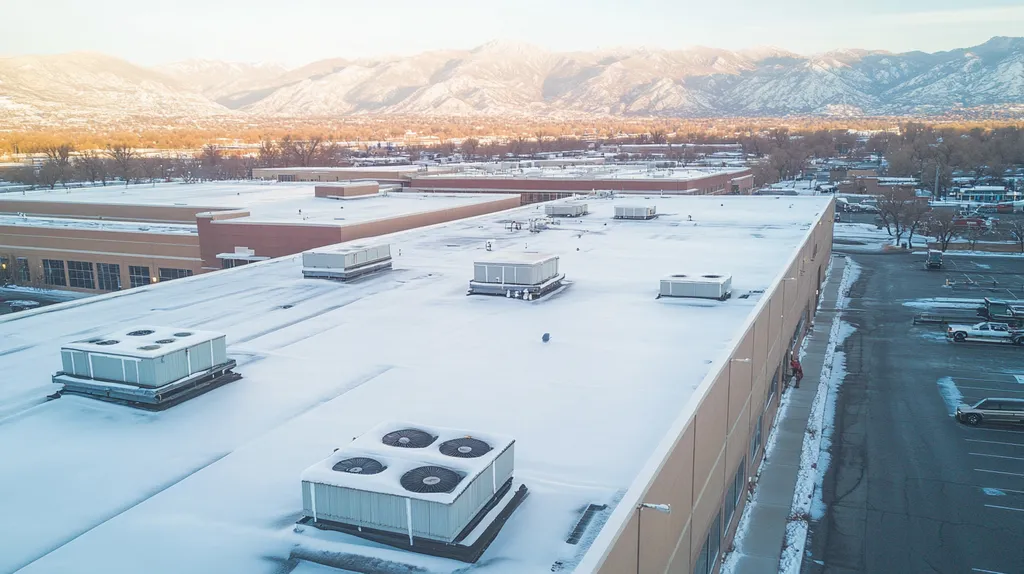
It’s a widespread belief that snow and ice pose no threat to roofs, but this misconception can lead to serious problems. In reality, winter weather can result in substantial damage, leading to leaks and other structural concerns. The weight of accumulated snow can stress roofing materials, and as it melts, water infiltration can become a concern.
Additionally, ice dams—formed by melting snow that refreezes at the edge of roofs—can trap water on the roof’s surface. This water can seep through any weaknesses in the roofing membrane. To guard against these risks, regular inspections and preventative maintenance during winter months are crucial.
Neglecting the potential impact of snow and ice can lead to extensive damage and costly repairs down the road. Property owners should consider investing in proper insulation and ventilation to help minimize the risk of ice dams and leaks.
Understanding how winter weather affects roof integrity is vital for facilities management. Engaging roofing professionals to conduct inspections and address issues before winter hits can save both time and resources.
Inspections Are Only for Fall, Spring, or Summer
Many mistakenly believe that roof inspections are only needed during milder weather months. This belief can have dire consequences. While seasonal inspections are beneficial, overlooking winter inspections can allow unnoticed damage to escalate when roofs are most vulnerable.
Winter storms bring intense conditions that can expose weaknesses in roofing systems. Issues like snow accumulation, ice formation, and extreme cold can reveal problems not visible during other seasons. Therefore, conducting inspections during winter is critical to identifying potential issues early.
Failure to inspect in the winter may result in hidden leaks, leading to significant damage to a facility’s interior and inventory. Planning for regular inspections year-round is essential for maintaining the integrity of the roof.
Commercial property owners should prioritize having inspections conducted throughout the year. Partnering with roofing experts to establish a consistent maintenance schedule ensures that roofs remain protected no matter the season.
Roofs Can’t Be Repaired in Winter
A common myth is that roofing repairs cannot be performed in winter. Although colder temperatures pose challenges, they do not make all roofing work impossible. Many roofing materials are designed specifically for winter applications, allowing for effective repairs even in harsh conditions.
For instance, there are specialized adhesives and sealants that work well in low-temperature environments. Additionally, roofing professionals use equipment and techniques specifically adapted for winter conditions, ensuring that repairs can proceed safely and efficiently.
Delaying repairs until spring can exacerbate problems, leading to leaks and structural damage that could disrupt daily operations and compromise safety. Timely interventions can help mitigate these risks.
Facility managers and property owners should remain proactive concerning winter roofing needs. Knowing that safe and effective repairs can happen during colder months empowers decision-makers to safeguard their buildings throughout the year.
SECTION 2: PRACTICAL IMPLICATIONS
Weather interruptions during roofing projects can create more than just a temporary setback; they can have significant consequences for building performance and safety. A recent survey revealed that 62% of facility managers reported delays caused by weather, which adversely affects both timelines and budgets. Recognizing these implications is crucial for property owners and facility managers aiming to uphold operational efficiency and protect asset value. This section delves into key areas impacted by weather interruptions: building temperature and energy efficiency, gutter and drainage system integrity, and the challenges associated with emergency inspections and repairs.
Impact on Building Temperature and Energy Efficiency
Weather interruptions can severely disrupt a building’s temperature regulation, ultimately raising energy costs. For example, unanticipated rain during roofing work may postpone the installation of energy-efficient materials that help stabilize indoor temperatures. If insulation gets wet, its effectiveness diminishes, leading to increased energy consumption as HVAC systems struggle to maintain a comfortable environment.
Moreover, prolonged exposure to wet conditions can damage structures further, requiring costly repairs that can worsen energy inefficiencies. When HVAC systems work overtime to counter temperature fluctuations, facilities can see a sharp rise in energy bills.
To minimize these complications, property owners should prioritize proactive project management and develop contingency plans for unexpected weather. Partnering with experienced roofing contractors who have weather preparedness strategies can significantly enhance energy efficiency during and after the roofing process.
In conclusion, unforeseen weather events can trigger inefficiencies that impact both comfort and operational costs. By addressing these challenges head-on, facility managers can uphold energy efficiency and optimize overall building performance.
Gutter and Drainage System Damage
Heavy rains and sudden storms during roofing projects can wreak havoc on gutter and drainage systems. These disruptions may lead to improper gutter installations, which can cause water pooling and inevitable leaks. This not only undermines the integrity of the roof but also risks water damage to the building’s foundation.
For instance, a construction site faced with torrential rainfall without proper drainage can see gutters overflow. This situation can trigger a series of problems, including mold growth, rusting metal components, and long-term structural weaknesses.
Additionally, if drainage systems become clogged with debris due to adverse weather during construction, their performance can dramatically decrease. Regular inspections and maintenance are vital during storm seasons, especially when roofing projects are underway.
To prevent potential damage, it’s critical to implement strong waterproofing solutions and adhere to ongoing maintenance practices during weather disruptions. Taking these steps can greatly reduce long-term risks to the building’s integrity.
Emergency Inspection and Repair Challenges
Weather interruptions often complicate emergency inspections and repairs, heightening safety risks. When storms derail scheduled work, the urgency for immediate assessments increases, yet poor weather can delay these responses. Waiting for conditions to improve may prolong a building’s exposure to potential water intrusion and related issues.
For instance, if a roofing project is interrupted by bad weather, immediate post-storm inspections become crucial. Without timely action, unseen damage may fester and result in significantly higher repair costs.
Furthermore, harsh conditions can impede the safety of inspection teams and workers attempting to evaluate the damage during or shortly after severe weather events. Investing in preventative measures, like utilizing technology for remote inspections, can help address these challenges effectively.
Ultimately, acknowledging the urgency surrounding weather-related interruptions allows for quicker actions and better repair strategies, protecting the integrity of roofing systems and mitigating long-term expenses.
SECTION 3: COST OF MISINFORMATION
The impact of misinformation in roofing is more critical than many property owners realize. Inadequate insulation due to misunderstandings can account for up to 30% of energy costs in commercial buildings. Misconceptions about appropriate maintenance during harsh weather can lead to costly oversights, risking not only a building’s integrity but also its value. This section unpacks the financial ramifications arising from misinformation across three key areas: escalating energy costs, postponing necessary repairs, and the pitfalls of unnecessary full roof replacements.
Increased Energy Bills Due to Poor Insulation
Poor insulation often stems from a lack of understanding regarding its importance in roofing systems. Property owners may think that their roof materials alone are sufficient, failing to recognize how inadequate insulation can inflate energy consumption as heating and cooling systems work unfairly hard.
Take, for example, a commercial building with insufficient insulation. Such a property could see its energy expenses jump by tens of thousands of dollars each year. The misconception that insulation isn’t a priority can deter timely investments that would significantly decrease these costs.
This issue becomes even more pressing in older buildings, where ignoring insulation problems can lead to escalating expenses. Educating property managers about the vital link between roofing and insulation can help avert unnecessary expenditure.
Delayed Repairs Leading to Higher Costs
Postponing crucial repairs based on misinformation can have dire financial consequences. Some property owners believe a roof can endure minor weather damage without immediate attention, but this thinking can cause small issues to develop into major structural problems.
A small leak, if left unaddressed, can result in moisture buildup, fostering mold growth and degrading building materials. The cost to rectify these compounded issues can be several times greater than addressing initial minor damage.
Additionally, neglecting repairs can disrupt business activities, leading to revenue loss. The ongoing damage from leaks often remains underestimated, causing property owners to delay action until serious problems arise.
By committing to regular inspections and staying informed about weather-related risks, property owners can sidestep these exorbitant costs.
Unnecessary Full Roof Replacements
Flawed information can lead property owners to prematurely opt for full roof replacements, assuming visible damage means replacement is the only outcome. This common misconception can generate substantial financial waste.
Many roofing issues can be effectively resolved through targeted repairs or restoration methods, extending a roof’s lifespan significantly. A well-cared-for commercial roof can last 20 years or more with proper maintenance.
However, acting on misguided beliefs may result in property owners spending hundreds of thousands of dollars on unnecessary replacements. Professional evaluations and routine maintenance can help prevent these costly mistakes.
Making informed decisions based on accurate assessments is essential. By understanding the true factors that affect a roof’s longevity, facility managers can better protect their investments.
SECTION 4: REALITY CHECK
Winter weather brings serious risks to commercial roofing systems, often leading to expensive repairs and hazardous conditions. The National Roofing Contractors Association estimates that damage from winter weather can spike maintenance costs by as much as 30%. By recognizing these dangers, property owners can take proactive steps to safeguard their assets and ensure safe environments. This section will discuss the real threats posed by winter weather on roofs, highlight signs of wind and hail damage, and underline the necessity of regular inspections.
Actual Risks of Winter Weather on Roofs
Winter weather is notorious for worsening existing roofing problems and creating new challenges. The weight of accumulated snow can place excessive stress on rooftops, potentially leading to structural collapse during heavy snowfall. Additionally, ice dams can form at the roof’s edges, blocking water drainage and causing leaks and mold growth within the building.
Fluctuations in temperature may also cause roofing materials to expand and contract, resulting in cracks or gaps in seams and joints. This deterioration can compromise the roof’s integrity, making it more susceptible to issues that might have gone unnoticed before winter.
Alarmingly, over 50% of business owners fail to prepare their roofs for winter’s challenges. This lack of readiness increases the risk of severe damage. Understanding these problems is crucial for property owners focusing on protecting their investments and maintaining safe conditions for occupants.
Signs of Wind and Hail Damage
Wind and hail can cause significant damage to roofs, but the signs might not always be immediately apparent. Property owners should closely inspect their roofs for missing or damaged shingles, as neglecting these issues can lead to leaks if not repaired swiftly. Another critical sign of concern is granule loss; if a roof is shedding granules, underlying issues likely need professional evaluation.
Punctures and indentations on flat roofing systems can also indicate hail damage, creating weak points for water infiltration. Additionally, if gutters are clogged with granular debris, it could signal deterioration of the roof’s surface.
Conducting visual inspections following severe weather is crucial for identifying potential problems. It’s important to note that some damage may not manifest right away, making professional assessments essential for a thorough evaluation.
Importance of Regular Inspections
Regular inspections are vital to keeping a commercial roof in good condition, especially in harsh winter climates. They allow property owners to identify and address potential issues before they balloon into expensive repairs. Industry standards recommend that roofs be inspected at least twice annually and after any major weather event.
Enlisting a professional roofing contractor for inspections brings valuable expertise. These experts can pinpoint subtle signs of damage and suggest necessary repairs. Establishing a routine inspection schedule not only extends the lifespan of the roof but also helps meet manufacturer warranty requirements.
Implementing comprehensive maintenance programs can lessen emergency repair costs by up to 50%. Regular inspections not only protect against unanticipated expenses but also promote safe, secure facilities remaining operational throughout the year.
SECTION 5: EVIDENCE-BASED ALTERNATIVES
Severe weather can disrupt roofing projects, leading to costly delays and extensive damage. Studies reveal that these weather-related interruptions account for up to 30% of project timelines. With extreme weather occurrences on the rise, it is crucial for property owners and facility managers to embrace effective strategies. This section examines winter-specific maintenance, innovative technology for remote inspections, and the advantages of restoration over traditional roof replacement.
Winter-Specific Maintenance Strategies
Winter presents specific challenges that threaten roof integrity. Issues such as snow accumulation, ice dams, and freezing temperatures can wreak havoc if not properly managed. Implementing winter-specific maintenance strategies—like regular snow removal and thorough inspections—can significantly reduce these risks.
Scheduling roof inspections before winter is essential. By identifying vulnerabilities such as loose shingles or compromised flashing, property managers can address these weaknesses swiftly. This proactive approach reduces the chance of emergency repairs during extreme weather.
Incorporating de-icing systems can further prevent ice buildup, decreasing the likelihood of leaks and structural damage. Such strategies not only help maintain roofing efficiency but also lead to substantial cost savings on repairs in the long run.
In summary, adopting winter-specific strategies ensures roofs remain reliable and functional amid the season’s harshest conditions. Investing in proactive maintenance ultimately results in reduced repair costs and an extended lifespan for commercial roofs.
Using Technology for Remote Inspections
Integrating technology for remote inspections can dramatically improve the efficiency of roofing projects. Drones, for instance, facilitate detailed aerial surveys, identifying problems that may be missed from the ground. This approach minimizes safety risks and reduces the need for costly equipment like scaffolding or ladders.
The data obtained from remote inspections can be analyzed to prioritize necessary repairs based on urgency. Moreover, technology allows for seamless communication among team members, ensuring everyone is up to speed on the roof’s condition, especially when weather disruptions arise.
Remote inspections enable property owners to react promptly to weather-related issues. In the event of an unexpected storm, having updated information about the roof’s condition is crucial for making informed decisions about necessary repairs.
By leveraging technology, property owners can enhance productivity and better manage weather interruptions. Investing in these innovative tools results in improved outcomes and can potentially lower insurance claims due to fewer weather-related damages.
Cost-Effective Restoration Over Replacement
Many roofs affected by extreme weather can be restored instead of replaced, providing a cost-effective solution. Restoration techniques, such as applying reflective coatings or repairing flashing, can prolong a roof’s lifespan while enhancing energy efficiency.
Opting for restoration minimizes disruptions to business operations, a critical factor during weather interruptions. Instead of resorting to a full replacement, property owners maximize their roofing investments while maintaining both aesthetic and functional value.
It is essential to understand the appropriate materials and methods for restoration. Techniques like roof cleaning and re-seaming can significantly hinder leaks and damage, making them effective long-term maintenance strategies. Successful restorations can extend the need for full replacements by several years.
Ultimately, choosing restoration over replacement allows property owners to navigate budget constraints while ensuring the reliability of their roofing systems. This approach enhances the roof’s longevity and reduces the impact of adverse weather events on the facility.
SECTION 6: TEST AND VERIFY
Weather damage can leave commercial roofs vulnerable, leading to costly repairs or premature replacements. Alarming statistics reveal that nearly 25% of roofing claims arise from weather-related issues. Therefore, testing and verification are vital for accurately identifying and documenting damage. This proactive approach not only protects valuable investments but also ensures compliance with warranty requirements. The following subsections explore advanced tools and methods that can enhance the overall inspection process.
Infrared Scanning for Hail Damage
Infrared scanning is an advanced technique for assessing hail damage on roofs. This innovative method reveals temperature variations that can indicate underlying issues invisible to the naked eye. After a hailstorm, roofs may suffer from compromised insulation or moisture infiltration. Infrared scans are essential for detecting these hidden threats early, preventing further deterioration.
By employing infrared technology, roofing professionals can generate comprehensive reports that keep stakeholders informed about existing issues. This documentation is invaluable for insurance claims, as it provides concrete evidence of the damage and its extent. Routine infrared inspections establish a maintenance baseline, helping property owners anticipate future needs.
Furthermore, infrared scanning complements visual inspections with quantitative data, offering deeper insights into the roof’s condition. By integrating this modern technology into regular assessments, commercial property owners can better safeguard their investments against unforeseen repairs.
Ultimately, incorporating infrared scanning into maintenance protocols can promote sustainability. With an efficiently performing roof, property managers can enjoy reduced energy costs while demonstrating commitment to environmental responsibility.
Specialized Cameras and Drones for Inspections
Specialized cameras and drones are transforming roof inspections. These advanced technologies provide high-resolution imagery and remarkable detail that traditional methods may miss. Drones can safely access hard-to-reach areas, minimizing risk to personnel and accelerating the inspection process.
Equipped with thermal imaging capabilities, drones can swiftly detect leaks and thermal imbalances, providing real-time insights. This immediate feedback allows property managers to make quicker, more informed decisions regarding necessary repairs or maintenance. Overall, drone inspections enhance operational efficiency while saving both time and money.
Additionally, utilizing drones improves the documentation process with visual records that facilitate communication with insurance adjusters and other stakeholders. High-quality images can clearly highlight specific areas needing attention, streamlining repair scopes and associated costs.
Embracing this technology not only heightens safety but also showcases a commitment to innovation in facility management. Property owners leveraging these advancements can maintain their roofs more effectively, reducing the likelihood of weather-related disruptions.
Documentation and Warranty Considerations
Thorough documentation is essential when navigating weather-related roof damage. Having accurate records supports warranty claims and ensures compliance with manufacturers’ specifications. Many roofs require specific maintenance procedures to keep warranties intact, underlining the significance of verified inspection documentation.
Property owners should meticulously maintain logs of inspections, repairs, and upgrades, along with temperature readings and weather events during extreme conditions. This information allows for informed decision-making regarding future maintenance and can create a timeline detailing the roof’s performance over time.
Additionally, understanding the nuances of warranty requirements can prevent costly mistakes. Certain warranties may mandate inspections at specific intervals or after significant weather events. Failing to adhere to these guidelines can void warranties, resulting in unexpected out-of-pocket expenses.
Ultimately, investing time in thorough documentation can yield long-term financial benefits. Property owners and facility managers can effectively manage risks and ensure that their roofing systems perform optimally while remaining compliant with warranty conditions.
The Bottom Line
Weather-related roofing interruptions cost the commercial property sector over $1.5 billion annually, yet 62% of facility managers still operate under dangerous misconceptions about winter maintenance and repairs.
Professional inspections using modern technology like infrared scanning and drones can detect problems before they escalate into major structural issues.
By implementing year-round maintenance strategies and embracing evidence-based alternatives to full replacements, property owners can reduce repair costs by up to 50% while extending roof lifespans.
The time for relying on outdated practices and misinformation has passed – commercial properties require data-driven solutions to protect their roofing investments against increasingly severe weather patterns.
The stakes are clear: adapt to modern roofing best practices or risk substantial financial losses and compromised building integrity.
FREQUENTLY ASKED QUESTIONS
Q. Do snow and ice affect my commercial roof?
A. Yes, snow and ice can lead to leaks and structural issues. Accumulated snow creates stress, and melting can cause water infiltration. Regular inspections during winter are crucial for maintenance.
Q. How does weather affect commercial roofing timelines?
A. Weather interruptions can lead to significant delays in roofing projects. Unexpected conditions like rain can postpone vital installations, negatively impacting both timelines and budgets. Planning ahead can mitigate these risks.
Q. Can poor insulation increase energy costs for my industrial roof?
A. Yes, inadequate insulation can inflate energy expenses significantly. When roofs lack proper insulation, heating and cooling systems have to work harder, leading to higher costs. Investing in insulation is critical for energy efficiency.
Q. What risks does winter weather pose to roofs?
A. Winter weather creates risks like structural stress from snow and ice dams. These conditions can lead to leaks and mold growth, affecting both the integrity of the roof and the building. Preparation is essential.
Q. Are there alternatives to replacing my commercial roof?
A. Yes, many roofs can be restored instead of fully replaced. Restoration techniques, like applying coatings, can extend roof life and save costs. Proper assessments help determine the best solution for roofing issues.
Q. How can remote inspections benefit my commercial roof?
A. Remote inspections using drones provide detailed insights while minimizing risks. This technology enhances safety and allows for quicker assessments, helping property owners respond promptly to weather-related issues.
Q. Why is thorough documentation important for my industrial roof?
A. Thorough documentation supports warranty claims and ensures compliance. Keeping detailed records of inspections and repairs helps in managing roof maintenance, ultimately protecting investments and minimizing costs.






