
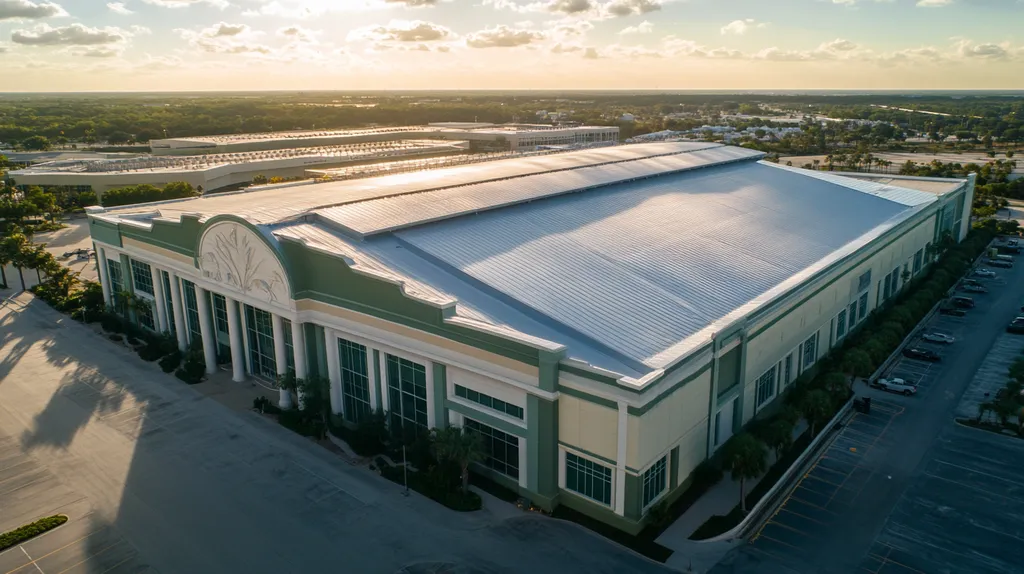
Recent EPA data shows that over 40% of commercial buildings exceed recommended VOC emission levels from roof coatings, leading to $12.5 million in fines issued in 2023 alone. These volatile organic compounds pose serious risks to occupant health and environmental compliance.
As regulations tighten nationwide, facility managers must carefully evaluate VOC content when selecting roof coatings. The stakes include not just regulatory penalties, but also indoor air quality, coating performance, and long-term maintenance costs.
This guide provides a systematic framework for assessing VOC levels across critical areas including performance metrics, financial implications, compliance requirements, and risk management protocols.
SECTION 1: PERFORMANCE FACTORS
The volatile organic compound (VOC) levels in commercial roof coatings are crucial not only for environmental compliance but also for the effectiveness and lifespan of roofing systems. High VOC concentrations can lead to significant issues, such as premature coating failures and soaring maintenance expenses. Facility managers need to grasp these impacts to ensure both their budgets and the overall performance of their roofing projects are safeguarded.
Impact of VOC Levels on Coating Durability and Adhesion
VOCs are integral to the performance of roof coatings, particularly in regard to durability and adhesion. Elevated VOC levels can create weak bonds with the substrate, risking delamination and early deterioration of the roofing system.
In contrast, low VOC coatings typically enhance adhesion, contributing to greater durability and extended roof lifespan. This durability is pivotal in mitigating costly repairs over time.
Additionally, better adhesion helps resist environmental factors such as wind and rain, which are vital for maintaining the structural integrity of a building.
Key Action Items
Influence of VOCs on Application and Drying Times
The application and curing of roof coatings are significantly affected by their VOC levels. While higher VOC content can improve fluidity, it may extend drying times, causing potential delays in project completion.
Low VOC alternatives generally dry faster, promoting quicker installations that minimize disruption to building operations. However, these coatings may necessitate adjustments in application methods, requiring skilled professionals for optimal results.
Recognizing how VOC levels influence application and curing can help facility managers streamline roofing projects and keep them on schedule.
Key Action Items
Effects of VOCs on Environmental Resistance and Substrate Compatibility
The compatibility of roof coatings with various substrates is essential for achieving optimal performance. High VOC coatings can sometimes react adversely with certain base materials, undermining bond strength and overall functionality.
Low VOC options typically offer enhanced compatibility, especially with environmentally sensitive materials. This not only enhances environmental resistance but also ensures the roofs can withstand harsh weather conditions.
Moreover, lower VOC levels often relate to reduced health risks for applicators and decreased environmental impacts, easing regulatory burdens for facility managers.
Key Action Items
SECTION 2: FINANCIAL CONSIDERATIONS
As environmental regulations become more stringent, understanding the financial ramifications of low-VOC roof coatings is critical for facility managers. While traditional roof coatings may present lower upfront costs, they can result in unforeseen long-term liabilities and potential health risks. Failing to transition to low-VOC options could lead to rising operational expenses and legal challenges, underscoring the importance of a thorough financial assessment of these products.
Cost Implications of Low-VOC vs. Traditional Roof Coatings
Initially, the cost of low-VOC roof coatings might seem higher than that of conventional coatings. However, the potential savings over time often outweigh these initial costs. Low-VOC coatings can enhance energy efficiency, leading to lower HVAC expenses, which contribute to overall operational savings.
Moreover, these coatings may qualify for green building certifications, positively impacting property value. As regulations tighten, traditional coatings may incur additional compliance costs that could negate their initial affordability.
Conducting a life-cycle cost analysis is essential for facility managers to accurately gauge the financial benefits of low-VOC alternatives. This analysis should incorporate maintenance, energy costs, and compliance expenditures over the roof’s lifespan.
Key Action Items
Budgeting for VOC Testing and Certification Requirements
Given the current regulatory landscape, budgeting for VOC testing and certification has become a necessity rather than a choice. Facility managers need to consider the costs related to compliance testing, which can vary based on region and facility type.
Although testing for VOC levels incurs initial costs, they are minor compared to the penalties associated with non-compliance. In many areas, laws require routine testing, further highlighting the importance of proper budget allocation.
Certification enhances a property’s marketability, attracting tenants with sustainability commitments. Including certification expenses in overall financial planning allows for a clearer view of total investment costs.
Key Action Items
Economic Benefits of VOC-Compliant Roofing Solutions
Investing in VOC-compliant roofing solutions presents economic benefits that extend beyond mere cost savings. By opting for environmentally sound products, facility managers can often tap into tax incentives or rebates supporting sustainability initiatives.
Additionally, improved indoor air quality from low-VOC coatings can lead to lower absenteeism and higher employee productivity. These positive health outcomes translate into indirect financial gains for businesses.
Furthermore, compliant roofing systems may lower insurance premiums, as insurers frequently view these properties as reduced risk. Sustainable features in a building can also attract environmentally conscious tenants, allowing property owners to charge higher lease rates.
Overall, embracing low-VOC roofing solutions can significantly enhance financial performance, making a strong business case for their adoption.
Key Action Items
SECTION 3: COMPLIANCE REQUIREMENTS
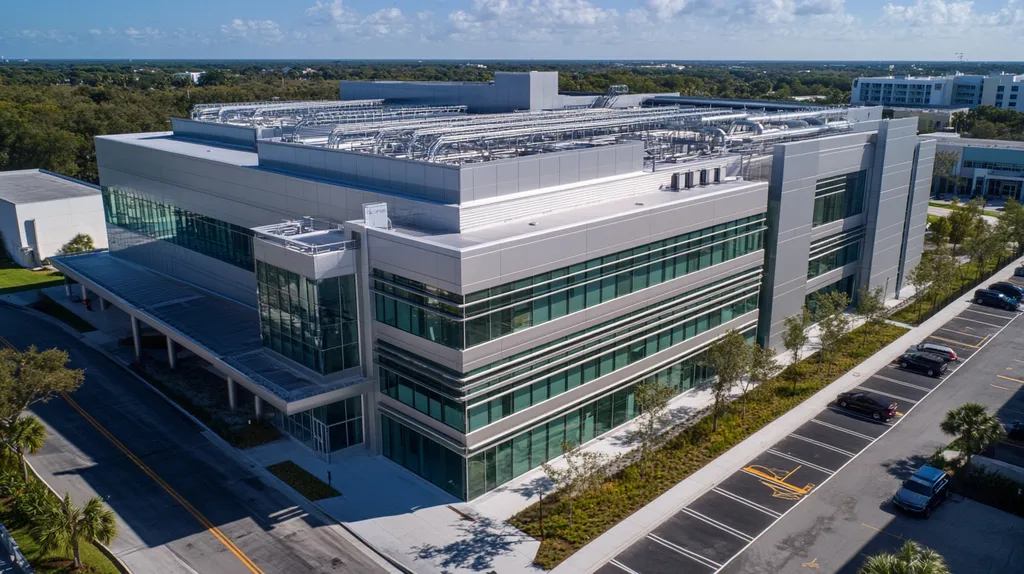
Compliance with VOC regulations in roof coatings is essential for facility managers. Failure to adhere can lead to substantial fines and operational disruptions that could severely impact the property’s budget. For example, the EPA imposed fines exceeding $3 million in 2022 on multiple companies for exceeding allowable VOC limits. Thus, a clear understanding of regulatory requirements is crucial to protect financial interests and promote environmental responsibility.
Understanding Federal and State VOC Content Limits
Facility managers must familiarize themselves with both federal and state VOC limits for roofing materials. The federal Clean Air Act strictly regulates these emissions to safeguard air quality, while some states, like California, enforce even more rigorous standards through local agencies such as the South Coast Air Quality Management District (SCAQMD).
Non-compliance can trigger legal challenges and significant fines, especially in highly regulated states. It is critical that facility managers stay informed about the specific VOC limits affecting their roofing projects and maintain compliance to avoid scrutiny from regulatory bodies.
To ensure materials comply with these limits before use, facility managers should work with reputable suppliers that provide necessary documentation and certifications. Participating in industry associations can also help keep them updated on regulatory developments.
Key Action Items
Labeling and Documentation for Regulatory Compliance
Effective labeling and documentation are vital for staying compliant with VOC regulations. All roofing materials must have clearly visible labels indicating their VOC content, which facilitators need to have accessible for audits and inspections.
Records should include VOC test results, manufacturer specifications, and installation certifications. These documents not only protect against potential legal challenges but also simplify interactions with regulatory agencies, ensuring that the facility is prepared should compliance be questioned.
Regular inventory reviews are important to confirm that materials continue to meet current regulations. Transitioning to low-VOC alternatives can improve compliance and enhance the property’s environmental profile.
Key Action Items
Testing Methods to Verify VOC Levels in Coatings
To confirm compliance with VOC regulations, facility managers should implement reliable testing methods for roof coatings. The most commonly used approach is a standard lab analysis that measures VOC emissions under controlled conditions.
For instance, employing EPA Method 24 assesses volatile components by quantifying solvents released during heating, ensuring accurate VOC content measurement. This verification is essential in confirming that products meet legal requirements.
While in-house testing can be conducted, it requires precise execution and reliable equipment, making outsourcing to certified laboratories a more viable option for many facilities. Regular testing can not only ensure compliance but also uncover potential issues early, promoting healthier indoor air for occupants.
Key Action Items
SECTION 4: RISK MANAGEMENT
Facility managers must actively address the risks associated with volatile organic compounds (VOCs) in commercial roof coatings. Research indicates that VOC emissions pose notable health hazards for employees and customers. With tightening air quality regulations, neglecting VOC management can result in hefty fines and potential litigations. Awareness of these risks is essential for making decisions that prioritize safety, compliance, and environmental responsibility.
Assessing Health and Safety Risks Related to VOC Emissions
VOCs can trigger health issues, including respiratory problems and long-term neurological effects. When roofing materials emit high VOC levels, it can compromise air quality and expose workers to harmful conditions. Facilities in urban locations are especially vulnerable due to existing pollution and HVAC systems that may circulate these emissions indoors.
Conducting regular risk assessments is vital. Facility managers should evaluate the VOC content in roof coatings and monitor levels actively. Deployment of air quality sensors can assist in quantifying potential exposure and facilitate timely adjustments.
Without proper risk evaluations, both health and productivity can suffer. Indoor air quality is directly linked to employee well-being and effectiveness, emphasizing the importance of prioritizing assessments to enhance workplace conditions.
Key Action Items
Mitigating Environmental Impact from VOC Releases
The environmental repercussions of VOC emissions are significant. These compounds contribute to air pollution and smog formation, affecting local communities. Thus, facility managers must take responsibility for minimizing their environmental impacts.
Implementing low-VOC or VOC-free roofing coatings is one effective strategy. For example, water-based coatings generally generate fewer emissions compared to solvent-based products. Many manufacturers now offer eco-friendly solutions that comply with regulations without sacrificing performance.
Routine maintenance is essential to prevent VOC accumulation. Facility managers should organize inspections to identify potential leaks or operational issues in roofing systems to mitigate future releases.
Key Action Items
Strategies for Liability Reduction through VOC Compliance
Compliance with VOC regulations is essential for minimizing legal liability. Facility managers should remain informed about the guidelines governing VOC limits in building materials. Failure to comply can result in fines, lawsuits, and reputational harm.
Developing a robust compliance program can help significantly reduce these risks. Such a program should include regular staff training on VOC regulations and safety. Comprehensive documentation of compliance measures is critical for legal protection.
Utilizing certified products also aids in limiting liability exposure. Partnering with manufacturers who adhere to industry standards can safeguard facilities from lawsuits related to VOC emissions.
Key Action Items
SECTION 5: OPERATIONAL PROCEDURES
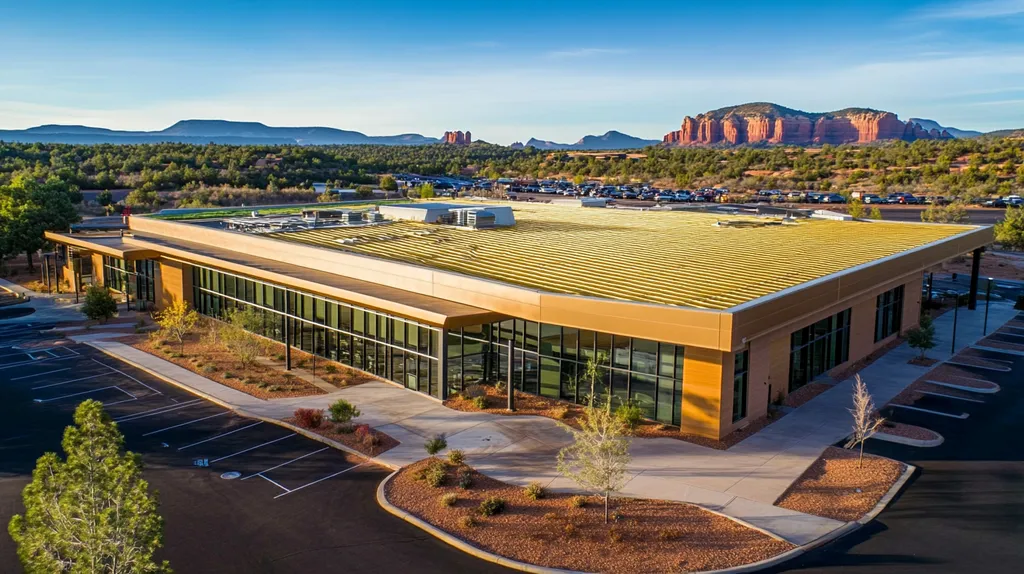
With increasing emphasis on VOC-compliant roofing systems, the adoption of strong operational procedures is imperative for facility managers. High levels of volatile organic compounds (VOCs) can lead to serious health risks and significant regulatory fines. Research indicates that improper application can boost VOC emissions by more than 30%. This section outlines best practices for application, monitoring techniques, and handling protocols necessary to ensure compliance and safety.
Best Practices for VOC-Compliant Coating Application
To minimize VOC emissions, it’s essential to apply coatings with proper techniques. Facility managers should closely follow manufacturers’ specifications concerning environmental conditions like temperature and humidity. For example, applying coatings during cooler periods can help reduce evaporation rates, which can subsequently lower VOC levels.
Utilizing advanced equipment such as airless sprayers can improve application control and consistency. By ensuring a uniform coat, these sprayers help prevent overspray, which can lead to unnecessary VOC emissions.
Training staff on safe application techniques and the significance of personal protective equipment (PPE) is equally critical. Understanding the risks associated with VOCs and the best practices for minimizing exposure can enhance both safety and compliance.
Key Action Items
Monitoring and Verifying VOC Levels Onsite
It’s crucial to monitor VOC levels during the application process to ensure compliance with regulations. Investing in real-time monitoring systems allows facilities to measure airborne VOC concentrations and make timely adjustments if levels exceed acceptable limits.
Conducting baseline assessments prior to application is beneficial. This gives facility managers a reference point, helping them to detect changes in VOC levels effectively.
For larger projects, involving a third-party verification process is recommended. Certified environmental consultants can perform unbiased evaluations and confirm compliance with local and federal regulations.
Key Action Items
Handling and Storage Protocols for VOC-Containing Materials
Proper handling and storage of VOC-containing materials are fundamental to reducing emissions. Facilities should always keep these materials in well-ventilated spaces, shielded from direct sunlight and heat sources, to maintain their integrity and prevent VOC release.
Implementing secondary containment strategies can further minimize risks. These measures can prevent spills from sources of volatile emissions and thus enhance worker safety.
Mandatory use of personal protective equipment (PPE) during handling reinforces safety and highlights the importance of controlling VOC levels. Regularly scheduled training on handling protocols will help maintain awareness and compliance among staff.
Key Action Items
SECTION 5: OPERATIONAL PROCEDURES
With increasing pressure for VOC-compliant roofing systems, facility managers must enforce stringent operational procedures. High levels of volatile organic compounds (VOCs) not only pose severe health risks but can also lead to substantial regulatory fines. Research indicates that improper application can elevate VOC emissions by over 30%, making adherence to best practices essential. This section covers crucial procedures, including application methods, monitoring techniques, and handling protocols to ensure compliance and safety.
Best Practices for VOC-Compliant Coating Application
To effectively minimize VOC emissions, following proper application techniques is critical. Facility managers should strictly adhere to manufacturers’ guidelines regarding factors such as temperature and humidity, applying coatings during cooler periods to prevent rapid evaporation which raises VOC levels.
Utilizing equipment like airless sprayers enhances control and consistency in applying coatings. This method helps achieve a uniform layer, thereby reducing overspray and waste, which can lead to excessive VOC releases into the environment.
Training personnel on safe application practices and the importance of personal protective equipment (PPE) is essential. Understanding the hazards associated with VOCs and best practices for reducing exposure ensures both employee safety and compliance.
Key Action Items
Monitoring and Verifying VOC Levels Onsite
Monitoring VOC levels during application is vital for ensuring compliance with regulations. Facilities should invest in real-time monitoring systems that continuously measure airborne VOC concentrations. These systems enable immediate operational adjustments if levels exceed acceptable limits.
Conducting baseline assessments before beginning work is beneficial. This strategy provides a reference for adequately comparing VOC levels during and after coating applications, ensuring compliance.
For larger projects, it is advisable to involve third-party verification. Certified environmental consultants can carry out unbiased evaluations and confirm adherence to local and federal guidelines.
Key Action Items
Handling and Storage Protocols for VOC-Containing Materials
Safe handling and storage of VOC-containing materials are essential for reducing emissions. Facilities must store these materials in well-ventilated areas, protected from direct sunlight and heat sources, to ensure stability and minimize VOC release.
Implementing secondary containment measures during storage can further reduce risks. These strategies prevent spills from becoming sources of volatile emissions, thereby enhancing overall site safety.
Mandatory use of personal protective equipment (PPE) during handling is crucial. This requirement safeguards workers from direct exposure and underscores the importance of managing VOC levels.
Key Action Items
Moving Forward
Recent EPA data shows that over 75% of commercial facilities still use high-VOC roof coatings, creating significant health and compliance risks across the industry.
As regulations tighten and enforcement increases, facility managers must take decisive action on VOC compliance or face mounting penalties, which averaged $157,000 per violation in 2023.
The transition to low-VOC alternatives requires systematic evaluation across six critical areas: performance metrics, financial planning, regulatory compliance, risk management, operational procedures, and long-term maintenance.
Success depends on implementing comprehensive testing protocols, maintaining detailed documentation, and staying current with evolving standards.
By following the action items outlined in this guide, facility managers can protect their properties while contributing to improved environmental and health outcomes.
FREQUENTLY ASKED QUESTIONS
Q. How do VOC levels impact commercial roof coating performance?
A. High VOC levels can weaken adhesion and durability of coatings. This may lead to premature failures, delamination, and increased maintenance costs, which are critical considerations for facility managers to ensure long-term performance.
Q. What are the cost implications of low-VOC vs. traditional floor coatings?
A. Although low-VOC coatings may have higher upfront costs, they provide long-term savings through enhanced energy efficiency and potentially lower maintenance costs. In contrast, traditional coatings can incur ongoing compliance costs that negate their initial affordability.
Q. How can facility managers stay compliant with federal VOC regulations?
A. Facility managers should review federal and state regulations regularly and verify that roofing products meet VOC limits before use. Engaging with certified suppliers and participating in industry associations can help keep them informed about any changes in compliance requirements.
Q. What health risks do VOC emissions pose for commercial properties?
A. VOCs can cause respiratory issues and long-term neurological effects. Employees may be exposed to harmful conditions if high levels are present indoors, which necessitates regular risk assessments and monitoring for compliance with health standards.
Q. How should VOC-containing materials be stored at commercial facilities?
A. VOC-containing materials must be stored in well-ventilated areas, shielded from direct sunlight and heat sources. Implementing secondary containment measures can further reduce risks associated with potential spills and emissions from stored materials.
Q. What monitoring techniques ensure compliance with VOC levels during application?
A. Investing in real-time VOC monitoring systems allows facilities to measure airborne concentrations and adjust operations promptly. Conducting baseline assessments before application also provides reference points for determining compliance with acceptable limits.
Q. How does documenting VOC compliance help facility managers?
A. Proper documentation of VOC compliance, including testing results and installation certifications, is vital for audits and regulatory inspections. Maintaining thorough records ensures preparedness for any compliance inquiries and can protect against legal challenges regarding emissions.






