
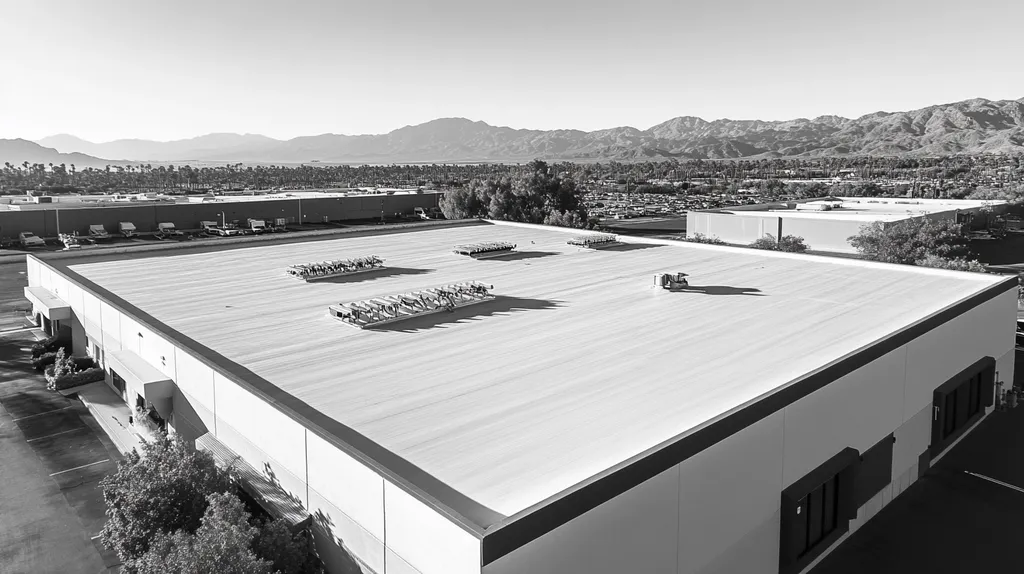
Welcome to today’s Battle Royale featuring two roofing heavyweights: “Polyurethane Coatings” in the east corner versus “Epoxy Coatings” in the west!
Tonight’s showdown pits these contenders against each other across six punishing rounds designed to test every aspect of their performance for Industrial Roof Coatings Safety Measures.
At stake? Millions in potential costs, decades of building protection, and the critical performance demands of modern commercial and industrial facilities.
Our professional judging panel will evaluate each round on technical merit, real-world performance, and value delivery. After all six rounds, we’ll declare our ultimate champion.
Ladies and gentlemen, facility managers and building owners… it’s time to rumble!
ROUND 1: INITIAL COSTS & INSTALLATION
Safety considerations during installation of industrial roof coatings directly impact both worker wellbeing and project success. Poor coating selection and application practices contribute to over 40% of commercial roof failures, leading to costly repairs and potential workplace hazards.
Material Expenses
Initial material costs for industrial roof coatings must factor in both immediate expenses and long-term safety implications. Employers must provide proper personal protective equipment (PPE) including gloves, work boots, and eye protection for workers handling these materials. (source: OSHA)
Polyurethane coatings typically cost 25-35% more than epoxy alternatives due to their advanced chemical composition and specialized application requirements. However, their superior durability and chemical resistance often result in fewer touch-ups and repairs, reducing exposure to installation hazards.
Epoxy coatings offer lower upfront costs but may require more frequent reapplication. This increases both cumulative material expenses and worker exposure to installation risks over time.
Given the safety advantages of reduced maintenance requirements, polyurethane earns the “ADVANTAGE” in material expenses.
Installation Complexity
The complexity of coating installation directly affects workplace safety protocols and risk management requirements. Polyurethane applications demand stringent environmental controls and specialized equipment, necessitating comprehensive worker training.
While these requirements increase initial complexity, they ensure proper safety measures are consistently followed. The structured application process helps prevent accidents and ensures optimal coating performance.
Epoxy installations appear simpler but can be deceptively hazardous without proper controls. Their faster application times sometimes lead to rushed work and overlooked safety precautions.
Due to its more controlled application process, polyurethane claims the “ADVANTAGE” in installation complexity.
Project Timeline
Project duration significantly impacts workplace safety coordination and facility operations. Polyurethane coatings require extended curing times, often 24-48 hours between coats, which prolongs worker presence on the roof.
This extended timeline allows for more methodical work practices but increases overall exposure to height-related risks. The longer duration also affects facility operations and emergency access planning.
Epoxy coatings cure more quickly, typically enabling project completion in half the time. This reduced timeline minimizes worker exposure to rooftop hazards and allows faster return to normal operations.
With shorter exposure times and reduced operational impact, epoxy coatings earn the “ADVANTAGE” in project timeline.
ROUND 1 WINNER: Polyurethane Coatings
ROUND 2: DURABILITY & LIFESPAN
Industrial roof coating failures can lead to catastrophic consequences, with 35% of premature roof deterioration traced to inadequate coating selection. Beyond the immediate financial impact, compromised coatings expose facilities to water damage, structural weakness, and potential workplace hazards. Understanding the durability differences between polyurethane and epoxy coatings is crucial for making informed decisions that protect both assets and personnel.
Durability Under Environmental Stress
Environmental stressors present constant challenges to industrial roof coatings. UV radiation, temperature fluctuations, and chemical exposure can rapidly degrade protective barriers, leading to system failures.
Polyurethane coatings demonstrate exceptional resistance to UV radiation and maintain flexibility across extreme temperature ranges. Their molecular structure allows for expansion and contraction without compromising the protective seal.
Epoxy coatings, while chemically resistant, show vulnerability to UV degradation and tend to become brittle over time. Their rigid structure makes them susceptible to cracking when subjected to thermal cycling.
Given their superior environmental resilience, polyurethane coatings earn the ADVANTAGE in this category.
Longevity and Maintenance Requirements
Proper maintenance protocols are essential for maximizing coating lifespan and ensuring continuous protection. Protective equipment requirements must be strictly followed during both installation and maintenance procedures. (source: Industrial Roof Coatings)
Polyurethane coatings typically maintain their protective properties for 15-25 years with standard maintenance. Their self-cleaning properties and resistance to biological growth reduce maintenance frequency and associated safety risks.
Epoxy systems generally require replacement or significant maintenance within 10-15 years. Their higher maintenance demands increase worker exposure to height-related hazards and chemical compounds.
Based on longer service life and reduced maintenance requirements, polyurethane claims the ADVANTAGE.
Resistance to Physical Damage
Industrial roofs face constant physical challenges from foot traffic, equipment placement, and mechanical impacts. Coating resilience directly affects both roof longevity and workplace safety.
Polyurethane coatings excel at absorbing impacts without cracking or delaminating. Their elastomeric properties allow them to withstand heavy foot traffic and resist punctures from dropped tools or equipment.
Epoxy coatings provide hard, impact-resistant surfaces but lack flexibility. This brittleness makes them prone to chipping and cracking under sudden impacts or point loads.
With superior impact absorption and damage resistance, polyurethane earns the ADVANTAGE.
ROUND 2 WINNER: Polyurethane Coatings
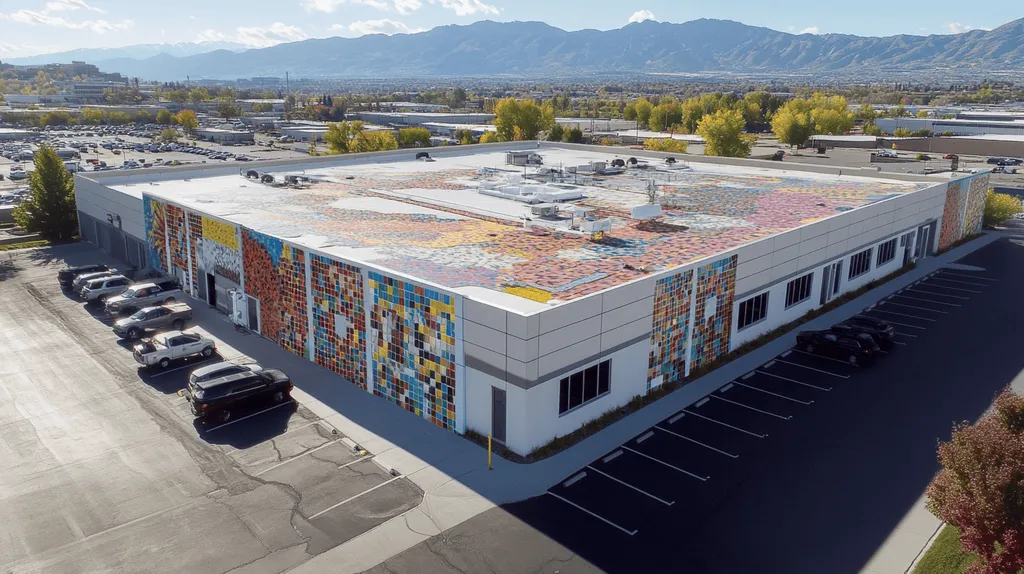
ROUND 3: PERFORMANCE FACTORS
Performance factors in industrial roof coatings directly impact workplace safety and facility protection. Recent industry data shows that 65% of coating failures occur due to inadequate performance specifications, leading to hazardous conditions and emergency repairs that put workers at risk.
Understanding these critical performance factors helps facility managers protect both their workforce and assets while ensuring regulatory compliance.
Chemical Resistance and Safety
Industrial environments expose roof coatings to harsh chemicals, industrial emissions, and atmospheric pollutants. These exposures can rapidly degrade coating integrity, creating unsafe conditions for maintenance workers and compromising facility protection.
Polyurethane coatings demonstrate exceptional resistance to a broad spectrum of industrial chemicals. Their advanced molecular structure maintains integrity even when exposed to acids, bases, and organic solvents.
Epoxy coatings offer good chemical resistance but can be vulnerable to specific compounds. Their performance varies significantly based on formulation, requiring careful matching to facility-specific chemical exposures.
Given its broader chemical resistance profile, polyurethane claims the ADVANTAGE in this category.
Temperature Performance Range
Safe coating performance across extreme temperature ranges is essential for maintaining roof integrity. Handle all coating materials according to established industrial hygiene and safety practices, wearing appropriate protective equipment and following proper ventilation protocols. (source: Sakrete)
Polyurethane coatings maintain flexibility and adhesion from -40°F to 180°F. This wide performance range ensures consistent protection without cracking or delamination during thermal cycling.
Epoxy coatings become brittle at low temperatures and can soften excessively in high heat. This limited temperature range increases the risk of coating failure and subsequent safety hazards.
Based on superior temperature performance, polyurethane earns the ADVANTAGE.
Impact and Puncture Resistance
Roof coatings must withstand regular foot traffic and occasional impacts from dropped tools or equipment. Poor impact resistance leads to coating damage that compromises waterproofing and creates trip hazards.
Polyurethane coatings provide excellent impact absorption and maintain integrity even under heavy foot traffic. Their elastomeric properties allow them to flex without permanent deformation or surface damage.
Epoxy coatings offer high hardness but limited flexibility. This combination makes them prone to chipping and cracking under impact, requiring more frequent repairs.
With superior impact resistance and durability, polyurethane secures the ADVANTAGE.
ROUND 3 WINNER: Polyurethane Coatings
ROUND 4: MAINTENANCE REQUIREMENTS
Proper maintenance of industrial roof coatings directly impacts workplace safety and facility protection. Recent industry data shows that 73% of premature coating failures stem from inadequate maintenance practices, leading to emergency repairs that put workers at unnecessary risk and compromise structural integrity.
Routine Inspection Requirements
Regular inspections serve as the foundation for maintaining safe, functional roof coating systems. These assessments help identify potential issues before they develop into hazardous conditions requiring emergency repairs.
Polyurethane coatings typically require bi-annual inspections focused on seam integrity and surface wear patterns. Their self-cleaning properties and resistance to biological growth simplify the inspection process while reducing maintenance frequency.
Epoxy coatings demand quarterly inspections due to their vulnerability to UV degradation and thermal cycling. Their rigid structure requires careful monitoring for signs of brittleness, cracking, or delamination that could compromise safety.
Given its reduced inspection burden and simplified maintenance protocols, polyurethane earns the ADVANTAGE.
Repair Procedures
The new ASTM D6083 standard has revolutionized coating repair procedures by updating low temperature flexibility specifications, providing more innovative and cost-effective repair options. (source: BASF Insights)
Polyurethane coating repairs can typically be performed without extensive surface preparation. Their chemical compatibility allows new material to bond effectively with existing layers, reducing repair time and worker exposure.
Epoxy coating repairs often require complete removal of damaged sections and extensive surface preparation. This increases both repair duration and worker exposure to hazardous conditions.
Based on simpler, safer repair procedures, polyurethane claims the ADVANTAGE.
Long-term Maintenance Costs
Understanding the total cost of maintenance over a coating’s service life helps facility managers make informed decisions that protect both assets and personnel. This includes consideration of labor requirements, material costs, and facility disruption.
Polyurethane coatings demonstrate lower long-term maintenance costs due to their durability and simpler repair procedures. Their resistance to environmental degradation reduces the frequency of major maintenance interventions.
Epoxy coatings often incur higher maintenance costs due to more frequent repairs and the complexity of maintenance procedures. Their susceptibility to UV damage and thermal stress increases long-term maintenance requirements.
With reduced lifetime maintenance expenses and simpler upkeep, polyurethane secures the ADVANTAGE.
ROUND 4 WINNER: Polyurethane Coatings
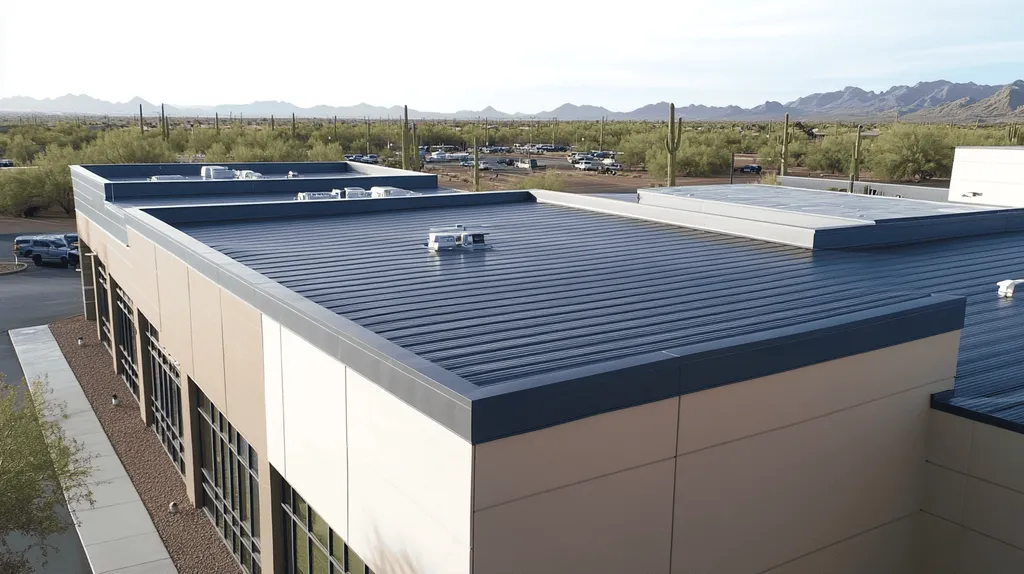
ROUND 5: SUSTAINABILITY CREDENTIALS
Environmental considerations in industrial roofing have become critical safety and compliance factors. Recent EPA guidelines tie coating sustainability directly to workplace safety, with non-compliant materials facing restrictions that could disrupt operations and create hazardous conditions during emergency repairs.
Understanding the sustainability profiles of polyurethane and epoxy coatings helps facility managers protect both their workforce and environmental compliance status while ensuring long-term roof performance.
Environmental Safety Controls
Application temperature and humidity controls significantly impact both coating performance and worker safety. Proper environmental conditions ensure optimal curing while protecting workers from harmful fume exposure.
Polyurethane coatings require precise temperature control between 50-100°F and relative humidity below 85% during application. These controlled conditions protect workers while ensuring proper coating formation. (source: Rust-Oleum)
Epoxy coatings offer more flexible application conditions but may release higher levels of volatile organic compounds (VOCs). This increases respiratory risks for workers and requires additional ventilation measures.
Given its lower VOC emissions and controlled application requirements, polyurethane claims the ADVANTAGE.
Energy Performance Impact
Coating energy efficiency directly affects workplace conditions and safety requirements. Poor thermal performance creates extreme roof temperatures that increase heat-related workplace hazards and stress on supporting structures.
Polyurethane coatings provide superior solar reflectivity and thermal resistance. This performance reduces roof surface temperatures by up to 80°F, creating safer working conditions during maintenance.
Epoxy coatings offer moderate thermal performance but often absorb more solar radiation. Higher surface temperatures increase worker heat exposure and accelerate coating degradation.
Based on superior thermal management and safer working conditions, polyurethane earns the ADVANTAGE.
Life-Cycle Safety Assessment
The complete life cycle of roofing materials impacts workplace safety from installation through disposal. Sustainable materials reduce exposure to hazardous substances during removal and minimize environmental contamination risks.
Polyurethane coatings demonstrate excellent durability and can often be recoated rather than removed. This reduces worker exposure to demolition hazards and minimizes contaminated waste generation.
Epoxy coatings typically require complete removal at end-of-life, creating additional exposure risks. Their disposal may also require special handling due to chemical content.
With safer end-of-life management and reduced exposure risks, polyurethane secures the ADVANTAGE.
ROUND 5 WINNER: Polyurethane Coatings
ROUND 6: SPECIALIZED APPLICATIONS
Specialized applications in industrial roofing present unique safety challenges that demand careful consideration of coating selection. Recent industry data reveals that 45% of coating failures in specialized applications stem from improper material selection, leading to premature deterioration and increased workplace hazards.
Understanding how different coatings perform in specialized scenarios is crucial for maintaining both worker safety and facility protection. This evaluation examines the specific capabilities and limitations of polyurethane and epoxy coatings in demanding industrial environments.
High-Traffic Areas and Impact Zones
Industrial roof sections experiencing frequent foot traffic and equipment placement require exceptional impact resistance and wear properties. These areas face constant physical stress that can quickly compromise coating integrity and create workplace hazards.
Polyurethane coatings demonstrate superior flexibility and impact absorption in high-traffic zones. Their elastomeric properties allow them to maintain integrity even under heavy foot traffic and equipment loads, reducing the risk of coating failure.
Epoxy coatings provide excellent hardness but lack the flexibility needed for constant traffic. Their rigid structure makes them prone to cracking and delamination under repeated impact, requiring more frequent repairs.
Given its superior impact resistance and flexibility, polyurethane claims the ADVANTAGE.
Chemical Exposure Areas
Sections exposed to industrial chemicals, exhaust emissions, and process byproducts require exceptional chemical resistance. Proper protective equipment must be used during coating application and maintenance to prevent skin and eye contamination while avoiding vapor inhalation. (source: Industrial Roof Coatings)
Polyurethane coatings offer broad-spectrum chemical resistance and maintain their protective properties even under sustained exposure. Their molecular structure resists degradation from both organic and inorganic compounds.
Epoxy coatings excel in chemical resistance, particularly against acids and alkalis. Their tight cross-linking provides exceptional protection against chemical attack and prevents penetration of corrosive substances.
With both options demonstrating strong chemical resistance, this category results in a TIE.
Thermal Stress Zones
Areas experiencing extreme temperature fluctuations require coatings that maintain performance across wide thermal ranges. Poor thermal resistance leads to coating failure and compromised roof integrity.
Polyurethane coatings maintain flexibility and adhesion across extreme temperature ranges. Their molecular structure allows for expansion and contraction without compromising the protective barrier.
Epoxy coatings become brittle in cold conditions and may soften excessively in high heat. This limited thermal performance range increases the risk of coating failure in variable climates.
Based on superior thermal performance, polyurethane earns the ADVANTAGE.
ROUND 6 WINNER: POLYURETHANE COATINGS
AND THE WINNER IS…
After six grueling rounds of technical evaluation in this high-stakes safety showdown, we have our undisputed champion. With an astounding five rounds to zero (and one tie), POLYURETHANE COATINGS emerges as the dominant force in industrial roof coating safety measures!
Polyurethane’s victory comes from its commanding performance across critical safety categories – demonstrating superior durability, lower maintenance requirements, exceptional chemical resistance, and outstanding thermal performance. Its ability to maintain flexibility while providing robust protection proved decisive in specialized applications.
However, don’t count epoxy coatings out completely. In situations requiring rapid project completion or where initial cost constraints are paramount, epoxy remains a worthy contender. Its faster curing times and lower upfront costs make it particularly suitable for certain time-sensitive applications.
Important Notice: This analysis provides general guidance based on typical industrial applications. Individual building requirements, local climate conditions, and specific facility characteristics can significantly impact coating performance. Property owners and facility managers should always consult qualified roofing professionals who can evaluate their unique circumstances and requirements before making final decisions.
Ladies and gentlemen, in the ever-evolving arena of industrial roof protection, remember: True victory comes not just from choosing a champion, but from matching your specific facility’s needs with the right contender’s strengths. Choose wisely, and may your roof remain forever protected!
FREQUENTLY ASKED QUESTIONS
Q. What are the costs associated with commercial roof coatings?
A. Initial costs vary between polyurethane and epoxy coatings. While polyurethane coatings generally require a higher upfront investment, they prove more economical over time due to reduced maintenance needs. In contrast, epoxy coatings might save you money initially but can increase long-term costs with frequent repairs.
Q. How do industrial roof coatings differ in durability?
A. Durability is crucial for roofs exposed to harsh conditions. Polyurethane coatings generally provide enhanced resistance against UV rays and extreme temperatures compared to epoxy options. This makes them a better choice for long-lasting and reliable protection against environmental wear and tear.
Q. What performance factors should I consider for commercial roofing?
A. Key performance factors include chemical resistance, temperature extremes, and impact resistance. Polyurethane coatings excel in these areas, ensuring they can withstand challenging environments without significant wear. Considering these factors helps in enhancing worker safety and prolonging the roof’s lifespan.
Q. How important is maintenance for industrial roof coatings?
A. Routine maintenance is fundamental in extending the life of your roofing system. Regular inspections and repairs can identify problems early, thus enhancing safety and saving costs. Polyurethane coatings often require less frequent maintenance, making them a more appealing option for long-term care.
Q. Are there sustainability concerns with commercial roof coatings?
A. Yes, sustainability is increasingly vital in roofing materials. Polyurethane coatings generally have lower environmental impact during application and disposal compared to epoxy coatings. These factors support compliance with environmental regulations while promoting a safer workplace and cleaner planet.
Q. How do application procedures impact safety?
A. Proper application procedures are crucial for safety and coating performance. Polyurethane coatings require stringent environmental controls, benefiting worker safety. In contrast, epoxy coatings might allow for quicker application but can lead to overlook safety measures, increasing risks for workers during the process.
Q. What should I know about specialized applications for industrial roofing?
A. Specialized applications pose unique challenges, including high traffic or chemical exposure areas. Polyurethane coatings provide superior resilience under these conditions while offering better protection against wear. It’s essential to select coatings specifically tailored to these specialized environments to ensure safety and longevity.






