
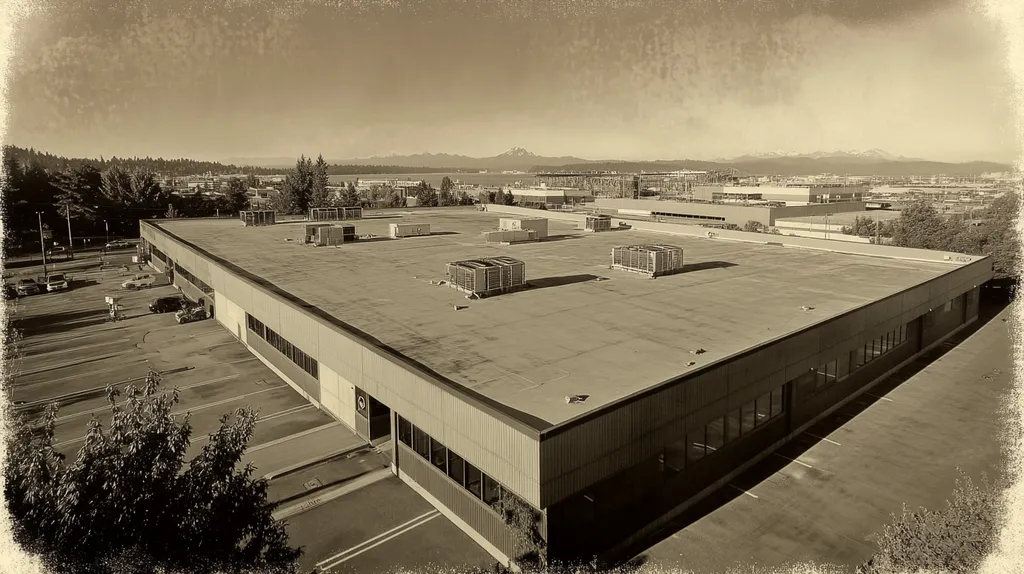
In today’s energy-conscious market, selecting the right commercial roof color can slash cooling costs by up to 30% – yet many property owners overlook this crucial decision. With energy prices continuing to climb, the stakes have never been higher.
From reflective white surfaces that bounce away heat to darker materials that absorb solar energy, roof color choices directly impact both building efficiency and aesthetic appeal. Recent studies show that optimized roof color selection can extend material lifespan by 20% while significantly reducing HVAC strain.
This comprehensive guide breaks down the essential factors in commercial roof color selection, from energy performance to long-term maintenance considerations, helping property owners make informed decisions that benefit their bottom line.
SECTION 1: THE BASICS EXPLAINED
Selecting the right color for a commercial roof is not just about aesthetics; it plays a vital role in energy efficiency and the overall performance of your building. Did you know that reflective roofs can potentially slash energy costs by up to 20%? This makes choosing the right color more important than ever for property owners. With a solid understanding of the basics, you can make choices that will benefit your immediate budget and long-term sustainability goals.
What It Is (In Plain Language)
Roof color refers to the hue of your building’s roof surface, a choice that goes beyond simple preference. Common commercial options include light colors like white and gray, as well as darker shades like black and brown. Each color reflects sunlight differently, which can significantly impact your building’s temperature and energy consumption.
Light-colored roofs are fantastic at bouncing back sunlight, which helps keep buildings cooler. In contrast, dark roofs absorb more heat, increasing the energy needed for cooling systems. Understanding these fundamental characteristics aids in selecting the best color for different climates and building types.
Moreover, certain colors may pair better with specific roofing materials, influencing the roof’s durability and lifespan. This consideration is crucial in order to meet local building codes and environmental requirements.
In summary, the color of a roof is a critical factor that influences not only appearance but also functionality and energy efficiency.
Why It Matters (To Your Building)
The color you choose for your roof has significant implications for both energy efficiency and the overall costs throughout a building’s lifecycle. A lighter roof can substantially counteract the urban heat island effect, offering cooler outdoor environments. This translates to reduced air conditioning bills and a smaller carbon footprint—an increasingly important factor in today’s eco-conscious marketplace.
Additionally, aesthetic appeal matters! An appealing roof color can enhance property value and attract potential tenants or buyers. Buildings with eye-catching aesthetics often experience faster occupancy rates, directly impacting their financial performance.
Furthermore, selecting the right roof color can help extend the lifespan of roofing materials. Different colors can influence thermal expansion and contraction processes, leading to varying levels of wear and tear over time. Protecting your roof’s integrity can save considerable funds on repairs and replacements, making it a smart color choice, indeed.
Ultimately, grasping the importance of roof color empowers property owners to make informed decisions that promote energy efficiency, visual appeal, and financial success.
How It Works
The connection between roof color and energy efficiency lies in the concepts of solar reflectance and emissivity. Solar reflectance measures how well a material can reflect solar energy, while emissivity indicates how effectively it emits heat that it has absorbed.
Typically, light-colored roofs boast high solar reflectance. This means they send a significant amount of sunlight back into the atmosphere, reducing the heat that enters your building and keeping indoor spaces cooler. On the other hand, dark roofs absorb more heat, which can spike cooling costs.
It’s important to consider material choices as well. Certain coatings can enhance the reflectivity of traditional roofing materials, making them even more energy-efficient while allowing for a variety of color options. This flexibility in design can significantly improve performance.
Recent advancements in roofing technology have also introduced cool roofing options that achieve higher reflectance without sacrificing aesthetic appeal. Integrating these innovative choices into your roof color strategy can lead to greater overall effectiveness.
In essence, understanding how color impacts thermal dynamics empowers property owners to make smart selections that enhance both energy use and comfort within their facilities.
SECTION 2: PRACTICAL APPLICATIONS
The choice of roof color for a commercial property isn’t just a design decision; it’s a pivotal factor affecting energy efficiency and the building’s overall performance. As energy costs continue to climb, businesses must act quickly to make smarter roofing choices. Research indicates that opting for lighter roof colors can cut cooling expenses by up to 20% in warmer climates. By grasping the practical applications of roof color, property owners can enhance building performance and tenant satisfaction, ensuring they stay ahead in a competitive market.
Common Uses & Examples
Different industries reap unique benefits from specific roof colors, tailored to their operational needs. For example, warehouses often choose white or light grey roofs to reflect sunlight, effectively cutting down cooling costs. This method is particularly effective in southern regions, where high temperatures can create soaring indoor cooling demands.
In contrast, office buildings may opt for darker shades that marry aesthetics with energy performance. These colors can lend a sophisticated, modern flair while still delivering functional benefits. Additionally, green roofing solutions are on the rise, providing both insulation and an eco-friendly visual appeal.
Case studies indicate that retail centers with reflective roofs enhance customer experiences, as shoppers gravitate toward more comfortable environments. Selecting the right roof color not only leads to energy savings but can also boost foot traffic and drive revenue.
When You Need It Most
Timing is crucial when selecting the right roof color. Property owners need to consider their local climate during the planning phases. In areas that experience long stretches of sunny weather, lighter colors should be prioritized early on. These shades maximize energy efficiency by reflecting solar heat, making for cooler interiors.
Furthermore, roof color selection becomes vital during building renovations. Upgrading to an energy-efficient color can significantly reduce the carbon footprint and yield immediate cost savings. Addressing color choices during the design phase will facilitate better outcomes for the entire building.
Seasonal fluctuations also affect roof performance. In extreme weather conditions, such as heat waves or heavy snow, lighter colors can help keep surface temperatures down, ensuring sturdier structural integrity. Being proactive about these choices can greatly influence the roof’s lifespan.
Interactions With Other Systems
The color of a roof interacts intimately with various building systems, making it essential for property owners to consider these relationships. A lighter roof can enhance the efficiency of HVAC systems by lowering interior temperatures. This reduction in temperature means less strain on cooling equipment and ultimately leads to lower energy costs.
The chosen roof color also has implications for insulation systems. A white roof works well with reflective insulation, amplifying the building’s energy efficiency. It’s crucial for property owners to evaluate their insulation materials alongside color selection to ensure a harmonious performance.
Lastly, the interplay with solar panels deserves attention. Installing solar panels on darker roofs may create heat buildup that can diminish energy production efficiency. Therefore, understanding how roof color fits into the broader energy management system is vital for achieving optimal effectiveness.

SECTION 3: KEY TERMINOLOGY DECODED
Grasping roofing terminology is crucial for commercial property owners and facility managers alike. The right words can illuminate choices that influence energy efficiency and the visual appeal of your building. In fact, a recent study reveals that choosing the wrong roof color can inflate cooling costs by 15% or more each year. By familiarizing themselves with these key terms, property owners can make informed decisions that lead to better satisfaction and investment longevity.
Essential Terms Explained
In roofing lingo, you’ll hear terms like “reflectance” and “emissivity” pop up frequently. Reflectance measures how much sunlight a roof can bounce back, playing a big role in keeping your building comfortable. Conversely, emissivity indicates how effectively a roof can release the heat it has absorbed. Understanding these concepts allows property owners to pick colors that amplify energy efficiency, especially in climates that swing between extremes.
For instance, “light-colored roofs” are often spotlighted as the top choice for warm areas. They reflect more sunlight, leading to less heat being absorbed and lower cooling expenses. On the flip side, “dark-colored roofs” soak up that sun, which can drive up energy costs and demand for cooling.
Another term to keep in your toolbox is the “solar reflectance index” (SRI). This figure tells you a roof’s ability to not just reflect solar energy, but also radiate heat. Different roofing materials come with varying SRI ratings, affecting your energy efficiency decisions significantly.
By mastering these essential terms, property owners can navigate the complexities of roofing options more skillfully, ensuring they choose colors that fulfill both aesthetic desires and practical needs.
Industry Jargon Translated
The roofing landscape is full of jargon that might feel like a foreign language. For example, “cool roofing” refers to materials specifically designed to reflect more sunlight. These roofs can dramatically lower building temperatures and cut energy costs, making it essential to grasp this term when assessing energy-efficient roofing solutions.
Additionally, “thermal performance” speaks to how well your roofing system resists heat transfer. Factors such as color, material type, and insulation work together to shape overall thermal performance. Property owners should keep these interconnected aspects in mind when contemplating roof color options.
Finally, being aware of “building codes” is vital in this equation. These regulations often dictate what roofing materials and colors are permissible, helping ensure compliance with local laws. Ignoring these codes could lead to hefty penalties, making them a crucial aspect of your decision-making process.
Measurement & Units Simplified
When it comes to evaluating roof color, several measurements come into play. A key one is “degrees Fahrenheit,” which indicates temperature. By understanding how your color choice affects temperatures on the roof, managers can predict potential energy savings.
Another important measurement is “watts per square meter,” which quantifies the solar energy hitting a roof surface. Roofs with higher reflectance ratings tend to receive fewer watts per square meter, showcasing their cooling advantages.
Property owners should also get comfortable with the concept of “square footage” when figuring out roofing needs. Each color you select may significantly impact maintenance, long-term performance, and overall costs depending on the area of your roof.
Lastly, comprehending “life cycle cost” equips owners to evaluate the long-term ramifications of their roofing color choice. This metric encompasses installation costs, maintenance, and energy savings over time, merging into a crystal-clear picture of the investment’s value.
SECTION 4: DECISION FACTORS
Selecting the right color for a commercial roof isn’t just about making your building look good; it can significantly impact energy efficiency and overall performance. Did you know that lighter-colored roofs can cut cooling costs by a whopping 30%? With such significant potential savings on the line, property owners and facility managers need to carefully weigh factors like cost, performance, and durability. Making informed choices aligned with operational goals can lead to substantial benefits in the long run.
Cost Considerations
Cost is a crucial element when choosing a roofing color. Generally, lighter-colored roofs reflect more sunlight, resulting in lower cooling expenses. However, the upfront cost for high-quality reflective materials can be higher than traditional options.
While it might be tempting to opt for cheaper materials, investing in a reflective roof can lead to long-term savings on energy bills. Property owners should calculate the potential return on investment—consider how quickly those savings can stack up over time.
In contrast, while darker roofs may come with a lower initial price tag, the added energy costs during hot months can quickly outweigh those savings. Thus, understanding both immediate expenses and long-term financial benefits is vital for smart decision-making.
Striking a balance between budget-friendly solutions and energy efficiency is critical. Additionally, exploring local incentives or policies promoting energy-efficient roofing can help ease the financial burden of selection.
Performance Trade-offs
The performance of roofing color can significantly impact temperature regulation, durability, and even the lifespan of materials. Lighter-colored roofs excel at reflecting solar radiation, keeping building interiors cooler.
This reflection can reduce strain on HVAC systems, extending their life and decreasing repair costs. However, the effectiveness of the material’s reflective properties is governed by its specifications, which must be considered.
On the flip side, darker roofs can absorb heat, making them beneficial in chilly climates where added warmth is desired. But beware—these roofs can drive up energy use as temperatures rise in summer.
Evaluating the specific conditions of a building, including its location and usage patterns, will help owners determine the best color choice for optimal performance. Each option has trade-offs that could significantly alter the building’s energy efficiency.
Lifespan & Durability Factors
The lifespan of a roof is often closely tied to its color and the choice of materials. Lighter shades may show dirt and debris more easily, which can detract from your building’s appearance and necessitate more frequent maintenance and cleaning.
Darker roofs, however, can experience issues like thermal expansion, which may lead to cracks or other forms of degradation over time. Understanding how materials react to color choices is essential for enhancing durability.
Some roofing materials are specifically designed to last longer with reflective coatings, adding longevity to your investment. It’s worth assessing how color complements your material selection to maximize durability.
Lastly, property owners should also be aware of warranty implications tied to color choices. Some manufacturers provide more robust warranties for energy-efficient colors, adding another layer of financial incentive to make informed selections.

SECTION 5: COMMON CHALLENGES
Selecting the right color for a commercial roof isn’t just a design choice—it’s a game-changer for energy efficiency and building performance. With up to 30% of a building’s energy loss linked to roof color and quality, property owners face the risk of skyrocketing energy costs and diminished comfort levels. Plus, poor color choices can hasten wear and tear, leading to expensive repairs. Recognizing the common challenges associated with roof color is essential for sidestepping these pitfalls.
Frequent Problems & Solutions
One prevalent issue is choosing a roof color that clashes with the local climate. For example, dark roofs in sunny regions can trap heat, cranking up cooling costs. Opting for a light-colored or reflective roof can combat this by effectively bouncing sunlight away, conserving energy and maintaining a comfortable indoors.
Another challenge involves color fading caused by relentless UV exposure. This not only detracts from your building’s appearance but can also weaken roofing materials over time. To tackle this, investing in high-quality materials specifically designed to resist fading will keep your roof looking sharp and enhance its durability.
Additionally, building codes may impose restrictions on color choices, often guided by zoning laws or community aesthetics. Ignoring these regulations can lead to fines or mandatory renovations. Thus, savvy property owners should familiarize themselves with local guidelines and consider visual compatibility with their surroundings before making a selection.
By understanding and addressing these common challenges, property owners can confidently make choices that elevate both energy efficiency and curb appeal.
Warning Signs To Watch For
One telltale sign of poor roof color selection is a noticeable spike in energy bills during peak seasons. If cooling costs surge unexpectedly, it may indicate that the roof isn’t effectively handling heat, costing you money.
Keep an eye out for discoloration and streaking on the roof surface—these are red flags that suggest excessive heat absorption or moisture retention, jeopardizing the roof’s longevity and potentially leading to leaks. Performing regular visual inspections can catch these issues early, preventing further damage.
Another warning sign is uneven temperature distribution inside the building. If some areas feel significantly hotter or colder than others, it could mean the roof color is failing to effectively manage heat, negatively affecting employee comfort and productivity.
By routinely monitoring these indicators, property owners can identify problems early, allowing for timely interventions and safeguarding against costly long-term damage.
Preventative Approaches
Conducting a thorough energy audit before choosing a roof color can be a game-changing preventative measure. This helps property owners understand their building’s specific energy requirements, enabling a more informed color selection grounded in actual data.
Regular maintenance is equally crucial. Consistent inspections can uncover early signs of wear linked to color selection, ensuring that any emerging issues are addressed before they escalate. Monthly maintenance checks facilitate timely upkeep of protective layers and coatings.
Harnessing technology, like thermal imaging, can also provide valuable insights into how different colors respond under various conditions. This information empowers property owners to select colors that not only look good but also enhance energy efficiency.
Implementing these preventative measures will help property owners maintain energy efficiency, saving money and protecting their investment for the long haul.
SECTION 6: NEXT STEPS & RESOURCES
Choosing the right color for a commercial roof is more than just a stylish decision; it directly influences energy efficiency and overall expense. An unwise choice can lead to skyrocketing utility bills and a reduction in property value. Property owners and facility managers must be proactive, asking critical questions to guide their decisions. This section outlines essential inquiries, industry standards, and ways to deepen your understanding of roof color selection.
Questions To Ask Providers
Before selecting a roofing provider, property owners should engage in thoughtful dialogue. Start by inquiring about how different color options perform in terms of energy efficiency. Knowing how a color choice might affect heating and cooling expenses can potentially save thousands of dollars each year.
Next, get the scoop on the roof’s expected lifespan and warranty tied to specific colors. Light-colored materials often carry enhanced warranties due to their superior thermal properties. This factor is key for formulating a long-term maintenance budget.
Don’t forget about sustainability! Ask providers about the environmental impact of their materials—aligning your choices with eco-friendly practices can bolster your brand’s reputation. Reputable providers should offer certifications or eco-labels affirming their commitment to sustainability.
Lastly, ensure your choices adhere to local building codes and community aesthetics. Compliance with these regulations can prevent costly corrections later on. By discussing these aspects upfront, you make strategic decisions that benefit your property in both the present and future.
Industry Standards & Guidelines
Grasping industry standards is essential for making informed color selections for commercial roofs. Organizations like the Cool Roof Rating Council (CRRC) provide critical guidelines to help property owners assess the solar reflectance and thermal emittance of various roof colors.
For instance, opting for a roof with high solar reflectance can significantly lower roof temperatures and lead to lower energy bills. Building owners are encouraged to consider these metrics while comparing materials. Additionally, compliance with Energy Star standards can enhance energy efficiency for both new and retrofitted roofs.
Guidelines from the American Society of Heating, Refrigerating and Air-Conditioning Engineers (ASHRAE) can align your color choices with overall building performance. By adhering to these standards, you not only support energy-saving initiatives but might also qualify for tax incentives.
Lastly, keeping informed about local or regional guidelines related to climate and environmental factors ensures that your color choices are not only effective but also resilient against unique weather conditions. This diligence can lead to longer-lasting roofs that minimize lifecycle costs.
Further Learning Simplified
Those eager to expand their knowledge about commercial roof color selection have numerous resources at their fingertips. Online databases from industry associations like the National Roofing Contractors Association (NRCA) offer valuable materials on best practices for energy-efficient roofing. These resources often include enlightening case studies demonstrating successful color choices.
Participating in webinars and workshops led by roofing experts can provide fresh insights into innovations in roofing technology and design. Engaging in these pursuits enhances understanding and supports sound decision-making about roof color.
Additionally, consider collaborating with local universities or trade schools that conduct research on roofing efficiency. These partnerships may unlock access to cutting-edge findings and emerging trends in roofing technologies and materials.
Finally, subscribing to industry publications keeps property owners informed about the latest color trends and best practices. Staying updated empowers decision-makers to adapt their strategies in tune with evolving standards and consumer preferences.
The Bottom Line
With energy costs continuing to rise, proper roof color selection has never been more critical for commercial properties – potentially impacting cooling expenses by up to 30%.
Smart color choices extend beyond aesthetics to directly influence building efficiency, occupant comfort, and long-term maintenance costs.
Property owners who overlook this crucial decision risk increased energy bills, accelerated material degradation, and diminished property values in an increasingly sustainability-focused market.
By leveraging the guidelines, standards, and resources outlined in this guide, facility managers can make informed color selections that optimize both performance and aesthetics.
The future of commercial roofing lies in strategic color choices that balance energy efficiency, durability, and visual appeal – making now the perfect time to evaluate your building’s roofing needs.
FREQUENTLY ASKED QUESTIONS
Q. What are the basics of choosing a commercial roof color?
A. Selecting a commercial roof color affects energy efficiency and building performance. Lighter colors reflect sunlight and can reduce cooling costs, while darker colors absorb heat, potentially increasing energy expenses. Understanding these basics helps you make informed decisions that benefit both your budget and sustainability goals.
Q. How does roof color affect an industrial roof’s energy efficiency?
A. The color of an industrial roof significantly impacts its energy performance. Lighter colors reflect more sunlight which can lead to lower temperatures indoors, effectively reducing air conditioning costs. Conversely, dark roofs tend to absorb more heat, resulting in higher cooling expenses, especially in warmer climates.
Q. What key terms should I know for selecting a commercial roof?
A. Familiarize yourself with terms like “reflectance”, which measures sunlight bouncing back, and “emissivity”, which indicates heat release. Understanding these concepts helps in selecting colors that enhance energy efficiency and deciphering various roofing materials’ performance metrics.
Q. What factors influence the decision for roof color?
A. Key factors include cost, performance, and durability. Lighter roofs may have higher upfront costs but can save more on energy bills. Assessing the specific climate, cooling needs, and lifespan of materials is vital, making a balanced decision that aligns with your operational goals.
Q. What common challenges occur with roof color selection?
A. Common challenges include mismatching colors with local climates, leading to increased cooling costs, and fading due to UV exposure. Building codes or community aesthetics might also restrict color choices. Understanding these challenges allows for smarter color selections that enhance performance and curb appeal.
Q. What are the next steps for choosing a roof color effectively?
A. Start by engaging providers with questions about energy efficiency impacts, material lifespan, and sustainability. Familiarize yourself with industry standards and guidelines while exploring further learning resources like online databases, workshops, and webinars that deepen your knowledge of roof color selection.
Q. How can roof color affect a commercial building’s aesthetic appeal?
A. The color of a roof significantly impacts a building’s overall look and appeal. Attractive colors can enhance property value, attract tenants, and improve customer experience, especially in retail. A well-chosen roof color complements architectural design, creating a strong visual presence that can set your property apart.






